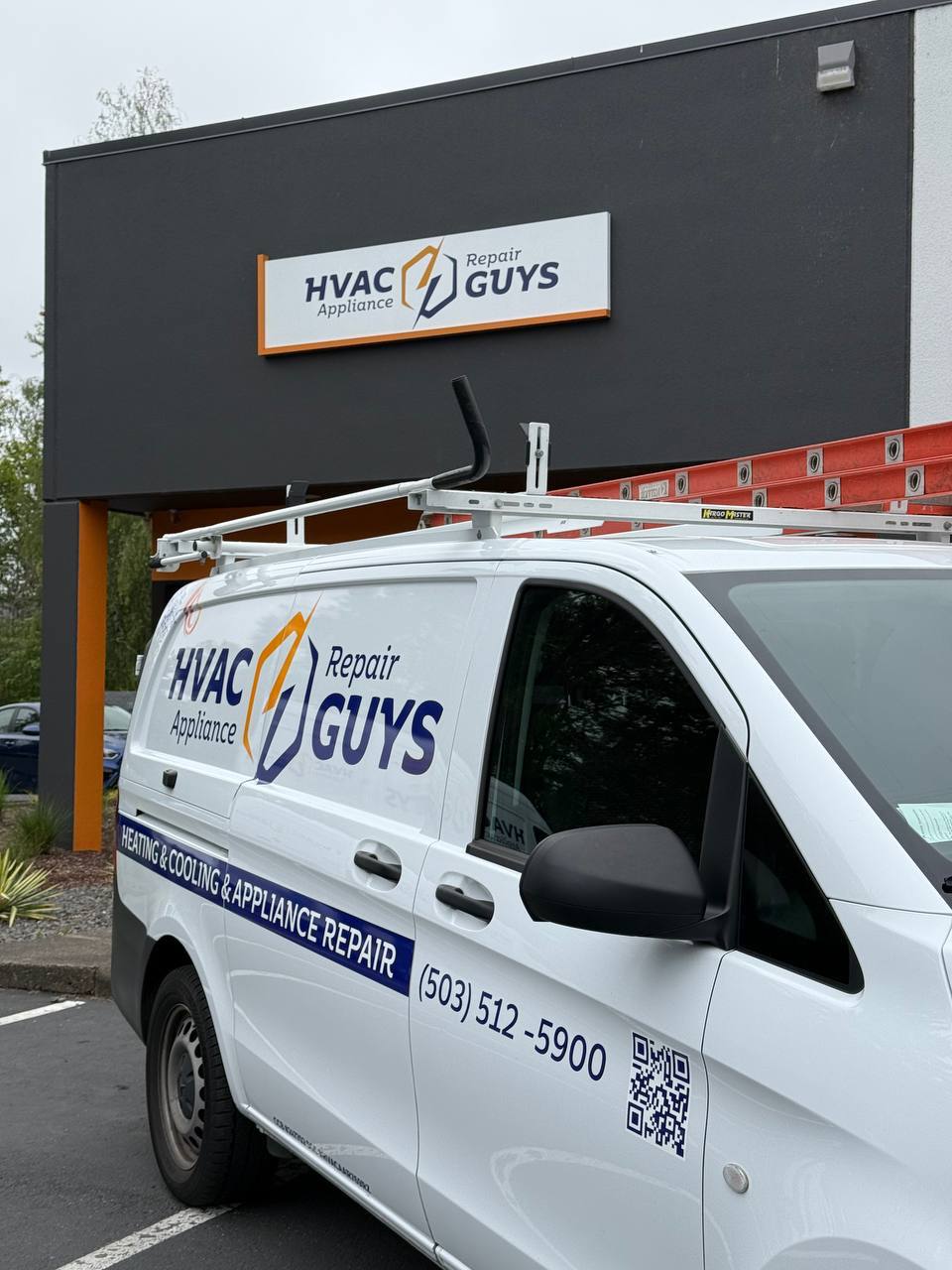
St. Helens whole-home HVAC planning for matched heating, cooling and long-term comfort
St. Helens whole-home HVAC installation should look at the full comfort system: furnace, AC, heat pump options, duct delivery, controls, outdoor equipment, utility goals and rooms that do not match the thermostat.
The free estimator visit should decide whether staged replacement, a matched furnace and AC, a heat pump path or a broader duct and control plan gives the best long-term value for the home.
St. Helens whole-home HVAC details to send
Send photos of heating and cooling equipment, thermostat, outdoor unit area, duct or filter access if visible and notes about rooms with uneven comfort.
That helps prepare a St. Helens whole-home proposal around system compatibility, comfort priorities and installation timing.
A St. Helens whole-home HVAC estimate example
A homeowner may have aging heating and cooling equipment and want to know if replacing one part or the full system is smarter.
The estimate should make the long-term comfort and cost tradeoffs clear before a project is approved.
- Review furnace, AC, heat pump, ductwork, controls and outdoor equipment together.
- Confirm access, electrical or venting readiness, return air and room balance.
- Compare staged replacement with matched-system installation and heat pump options.
- Separate required scope from efficiency, quiet comfort and premium warranty upgrades.
Choosing the St. Helens whole-home HVAC path
The proposal should compare staged and full-system options with required scope, comfort upgrades and warranty differences shown clearly.
- Review furnace, AC, heat pump, ductwork, controls and outdoor equipment together.
- Confirm access, electrical or venting readiness, return air and room balance.
- Compare staged replacement with matched-system installation and heat pump options.
- Separate required scope from efficiency, quiet comfort and premium warranty upgrades.
What the free estimator visit checks
- Current heating and cooling equipment, age, brand, size and visible installation condition.
- Ductwork, airflow, return air, thermostat setup and rooms with uneven comfort.
- Outdoor unit placement, indoor equipment access, electrical, venting and line-set conditions.
- Whether the project should include AC, furnace, heat pump, mini-split or full system replacement.
- Permit, warranty, financing and rebate details that may change the final proposal.
Whole-home scope for whole home HVAC installation
Whole-home projects should connect heating, cooling, airflow, controls and room balance into one plan. For whole home HVAC installation in St. Helens, OR, the free estimator visit helps determine whether the project should be staged or completed as a full comfort-system replacement.
- Review heating, cooling, ductwork, return air, thermostat and comfort complaints together.
- Compare full-system options with partial replacement when the existing equipment is mixed age.
- Explain installation timing, scope and what will be different after the project is complete.
Why the free estimator visit matters in St. Helens
Whole home estimates should connect heating and cooling decisions instead of treating each component in isolation.
- Use the St. Helens visit to verify access, fit and comfort goals before pricing.
- Connect the whole home HVAC installation recommendation to the home details the estimator can confirm.
- Keep the St. Helens proposal practical enough to compare before scheduling.
Comparing Good / Better / Best whole home HVAC installation options for St. Helens
A useful whole home HVAC installation proposal in St. Helens should compare Good / Better / Best options against the actual home details, not against a generic package. Choose St. Helens whole home HVAC after system age, comfort gaps and staging options are clear.
The comparison should explain how each option changes comfort, access, equipment fit, warranty and final scope. Whole home estimates should connect heating and cooling decisions instead of treating each component in isolation.
Project details that shape whole home HVAC installation cost
Two homes can ask for the same service and need different scopes. The estimate looks at required installation details, optional upgrades and possible constraints such as access, electrical work, line-set routing, permits or equipment compatibility before the homeowner approves the project.
- Equipment size, efficiency level and brand.
- Indoor equipment compatibility and whether a furnace, air handler or coil should be changed at the same time.
- Outdoor placement, line sets, electrical work, venting, permits and access conditions.
- Ductwork, airflow, thermostat setup, zoning and room-by-room comfort concerns.
- Warranty, financing, rebate questions and the installation timeline the homeowner needs.
How local homes change whole home HVAC installation planning
In St. Helens, OR, remodels, additions, finished basements and tight side yards can change the installation scope. Layout, access and existing equipment condition can change the project even when the service request sounds similar.
The estimator visit gives the team enough information to compare options for whole home HVAC installation in St. Helens, OR without relying on assumptions that may not fit the home.
What the proposal should make clear in St. Helens
Local installation planning should start with the actual home: equipment age, access, room comfort, electrical or venting details and what the homeowner wants to improve.
For HVAC work, the estimate should settle whether heating, cooling, ducts, controls or a matched system need to be planned together.
The homeowner should understand how the whole system will perform together after installation.
- Confirm which details are required for whole home HVAC installation and which details are optional upgrades.
- Document the reason each option fits St. Helens, OR before equipment is selected.
- Make the estimate specific enough that another generic whole home hvac installation quote is easy to compare against.
St. Helens installation planning notes
For whole home HVAC installation in St. Helens, OR, the useful estimate is the one that checks the current setup, equipment access, comfort concerns and project timing before a system is selected. That local review helps prevent a generic recommendation from turning into a surprise scope change later.
- Confirm equipment age, access, duct condition, electrical or venting needs and the comfort goal.
- Compare practical options so the homeowner can choose the right balance of cost and performance.
- Use the proposal to explain what is included, what could change and what happens next.
Whole Home HVAC Installation estimate focus for St. Helens
For whole home HVAC installation in St. Helens, the estimate should turn a broad service search into a specific plan for the home. The useful details are equipment age, access, room comfort, project timing and the type of proposal the homeowner wants to compare.
- Confirm the current equipment setup and what the homeowner wants the new system to solve.
- Review access, compatibility, comfort concerns and any project preparation before quoting.
- Compare options in a way that separates required scope from optional upgrades.
- The estimate should decide whether partial replacement or full system replacement is the better value.
- Heating, cooling, ductwork and controls should be reviewed as one comfort plan.
Whole Home HVAC Installation estimate notes for St. Helens, OR
St. Helens projects often involve older equipment, larger properties, access planning and Columbia River corridor scheduling details that should be clear before work moves forward. HVAC estimates should also confirm whether heating and cooling should be planned together, staged separately or narrowed to one immediate system.
- Confirm equipment access, outdoor placement and whether line routing or duct changes are likely.
- Review comfort needs in additions, garages, upper rooms or larger living areas.
- Compare options that fit timing, budget and the long-term plan for the home.
- The free estimate turns whole home HVAC installation into a specific plan for the actual home instead of a generic equipment recommendation.
Related installation pages
- HVAC Installation – review full heating and cooling installation paths.
- AC Installation – compare central AC installation options.
- Furnace Installation – review furnace replacement options.
- Heat Pump Installation – compare heat pump system options.
Whole Home HVAC Installation questions
Is the estimator visit free?
Yes. The estimator visit is free for whole home HVAC installation projects in the Portland Metro service area. It helps confirm equipment size, access, scope and options before a proposal is prepared.
Can I get more than one option?
Yes. We can compare practical options so you can choose the balance of price, efficiency, warranty, quiet operation and comfort that fits the home.
What can change the whole home HVAC installation price?
The final price can change with equipment size, efficiency, access, electrical or venting work, line sets, duct changes, permits and whether the heating and cooling system is part of a larger heating and cooling upgrade.
When should I call instead of using the form?
(503) 512-5900 is best when timing is urgent. Use the form when you can send details and prefer a follow-up to schedule the free estimator visit.