



Heating & Cooling services
HVAC repair, installation, maintenance and tune-ups
This is the HVAC side of HVAC & Appliance Repair Guys. Heating & Cooling covers the full comfort system path: fixing existing equipment, replacing old systems, installing new equipment, and keeping AC, furnaces, heat pumps and mini-splits maintained.
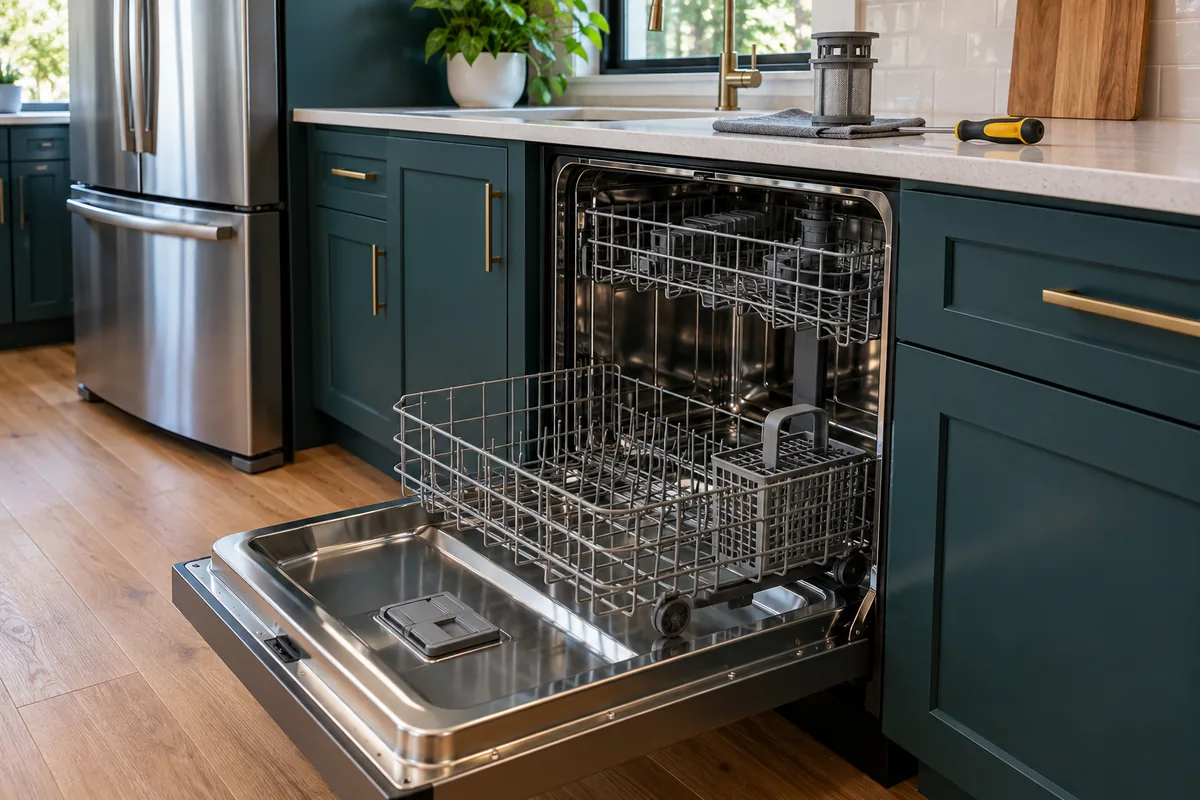
Appliance Repair is a separate repair-focused branch for refrigerators, dishwashers, washers, dryers, ovens, ranges, ice makers and brand-specific appliance problems.
HVAC Installation and Replacement in Portland Metro
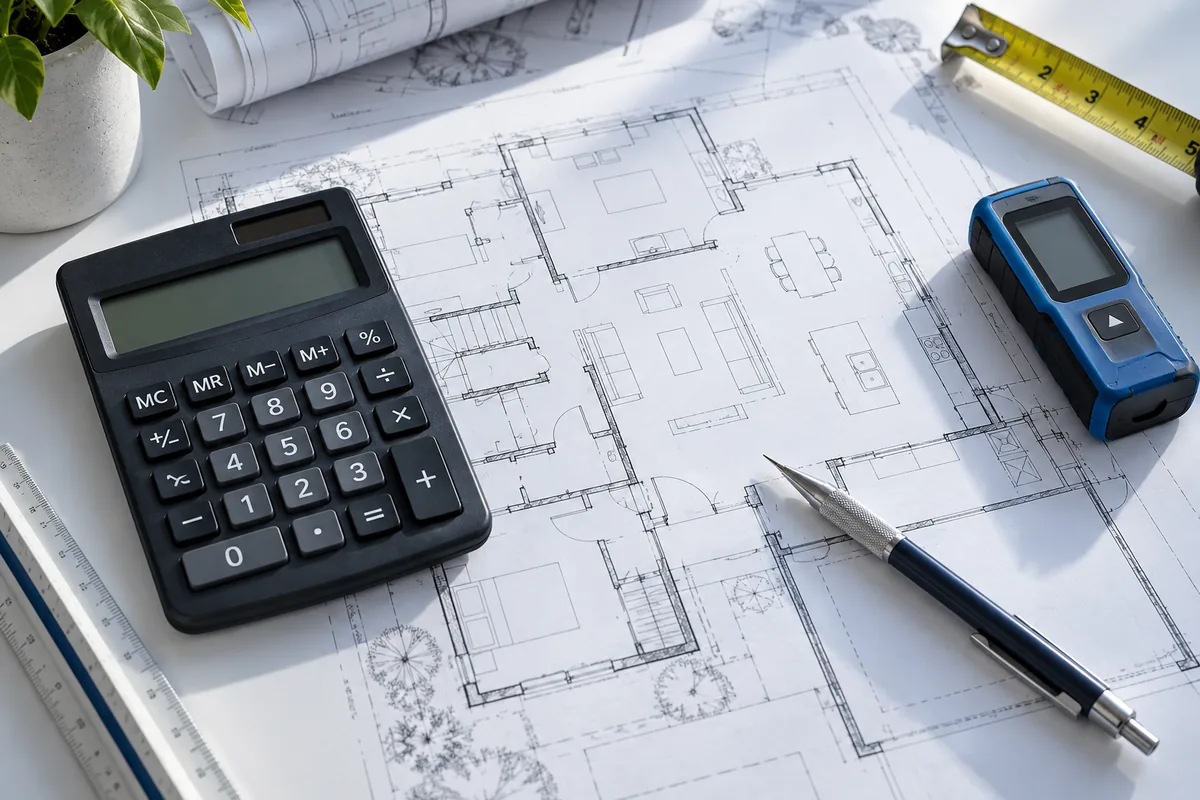
HVAC & Appliance Repair Guys provides HVAC installation and replacement in Portland Metro. Our free on-site estimator visit reviews your heating and cooling needs, the current setup and the space available. This gives the proposal a clear basis before you choose equipment or approve work.
Tell us what you want the new system to change. You may need to replace equipment that has stopped, add cooling to a home or address rooms that never feel comfortable. Those are different starting points. The estimate should explain which parts of your request the proposed system can address and what other work it may require.
Keep a record of problems with the old system. Uneven room temperatures, loud starts or long run times can help guide the discussion. A new outdoor unit alone may not solve a problem caused by the air path or controls. We consider how the parts of the heating and cooling system will work together.
Air Conditioners, Furnaces, Heat Pumps and Mini-Splits
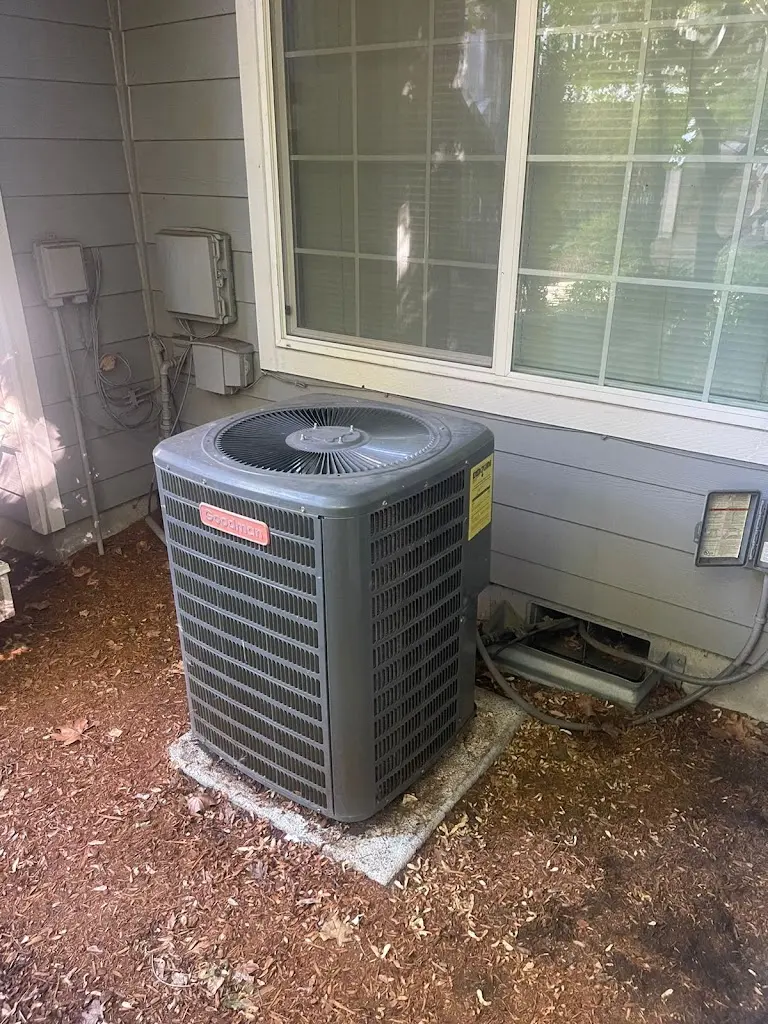
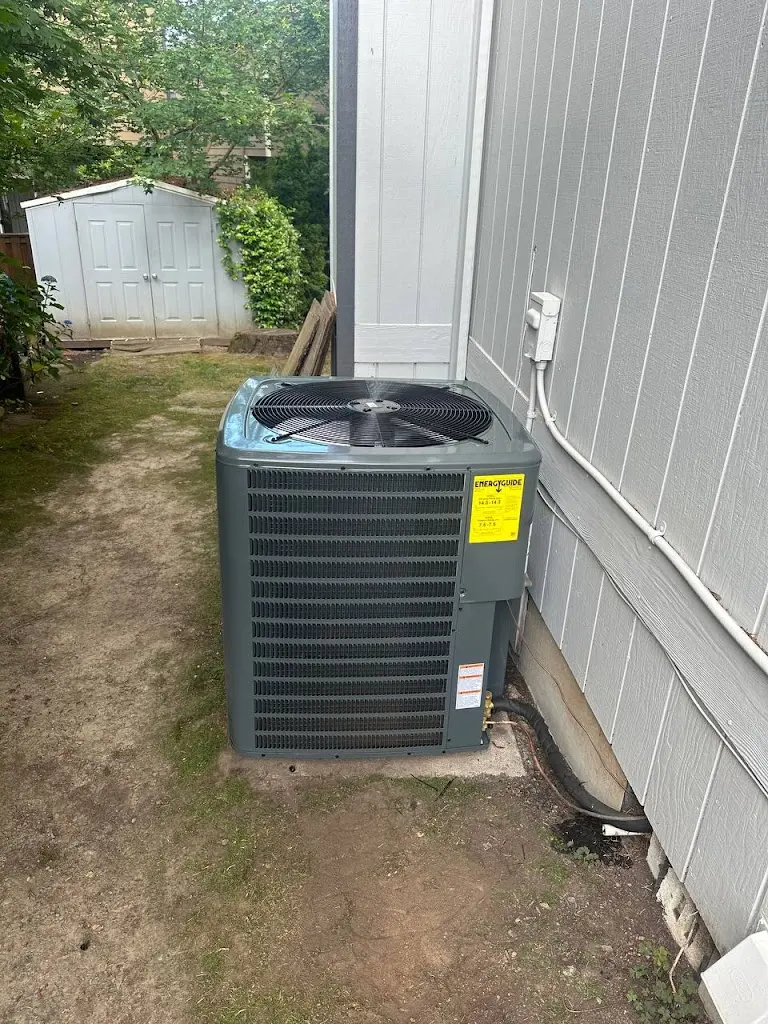
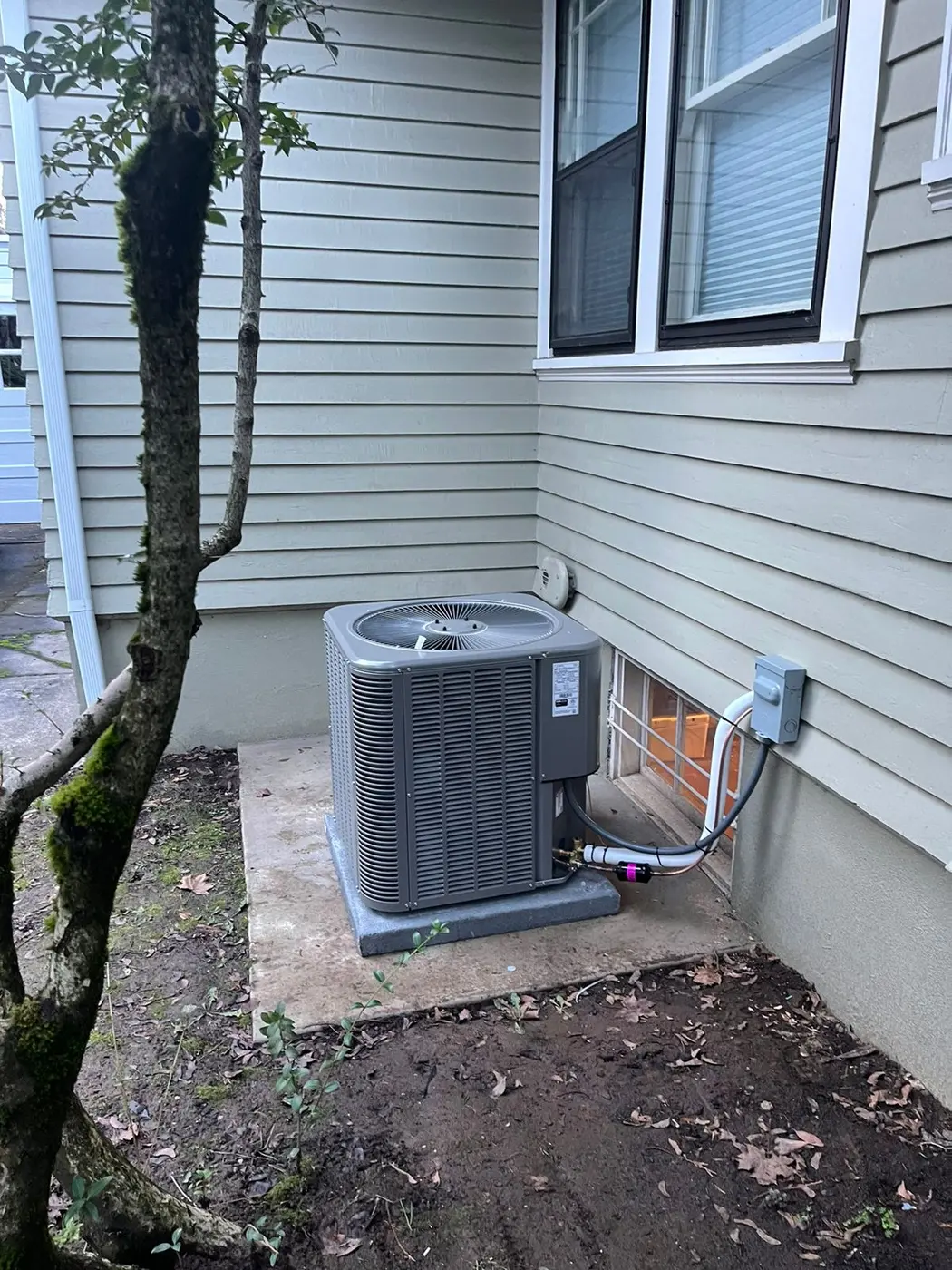
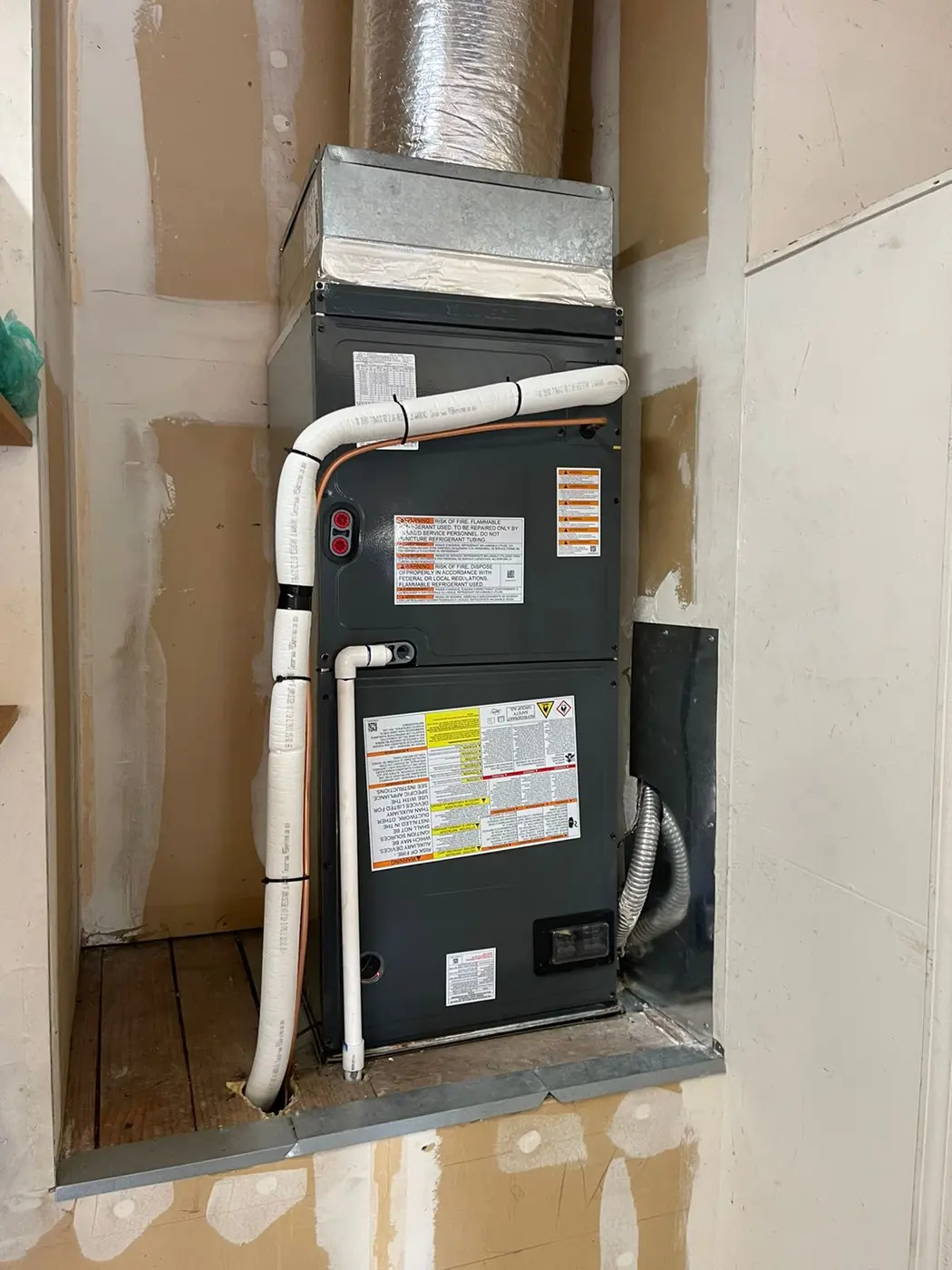
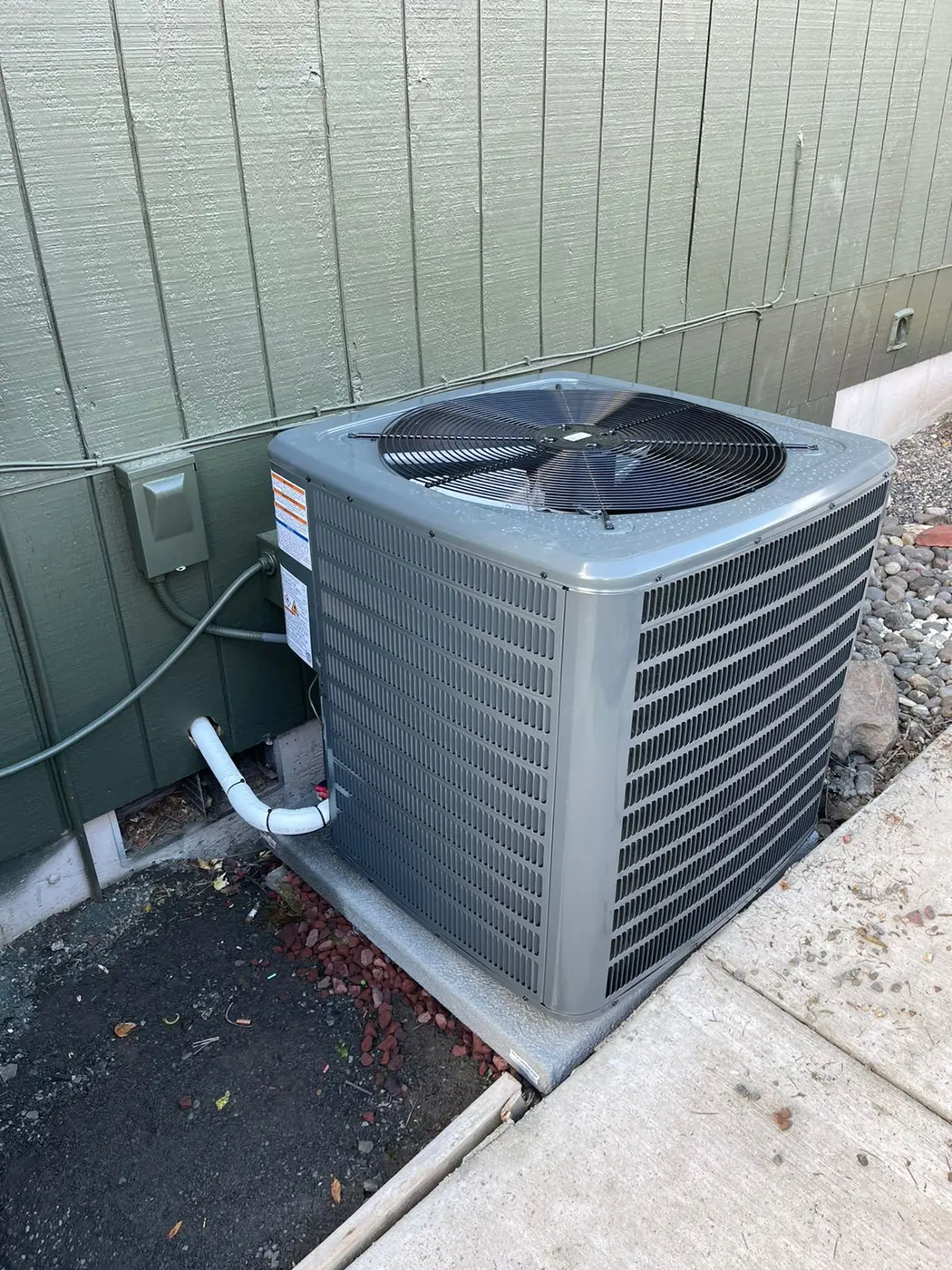
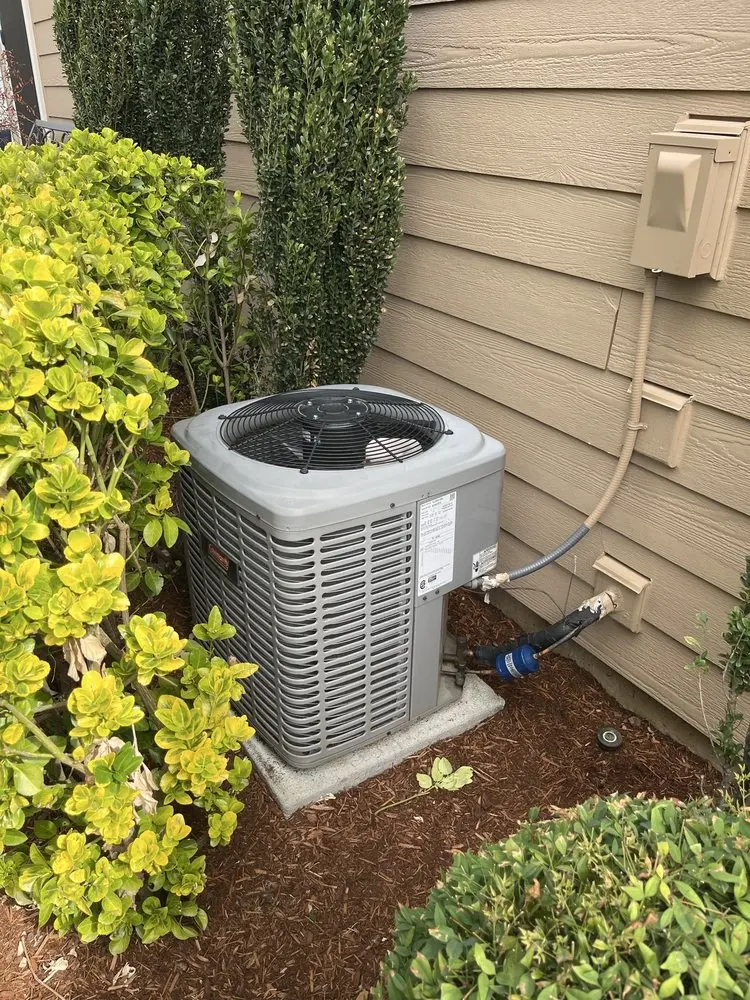
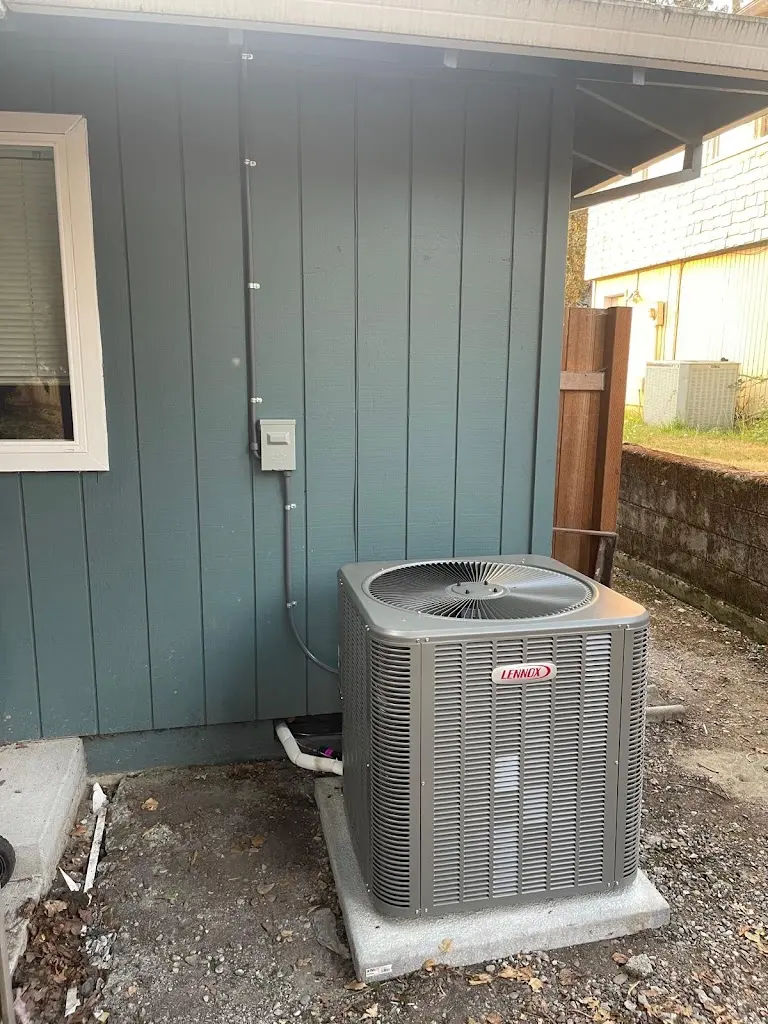
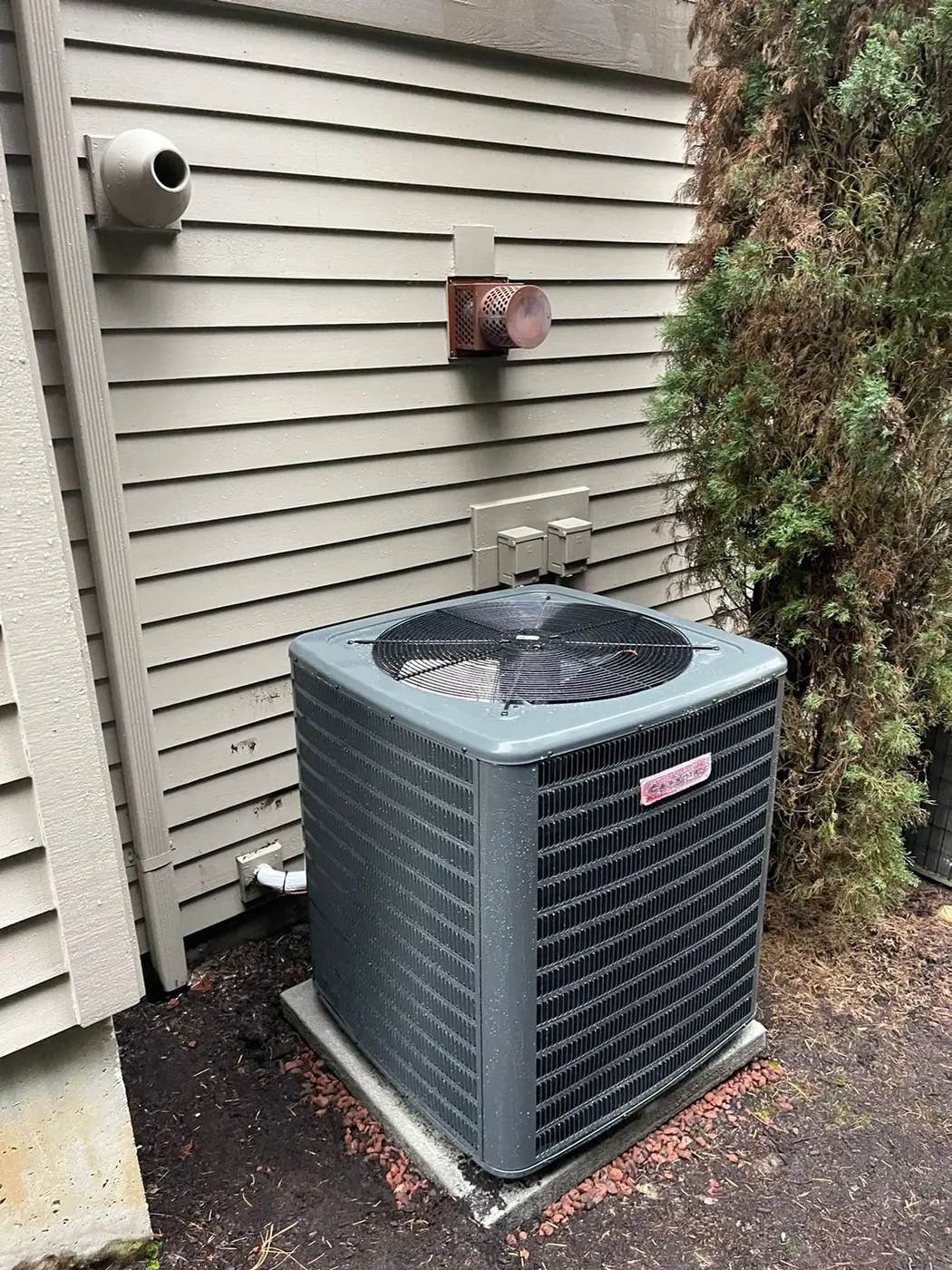
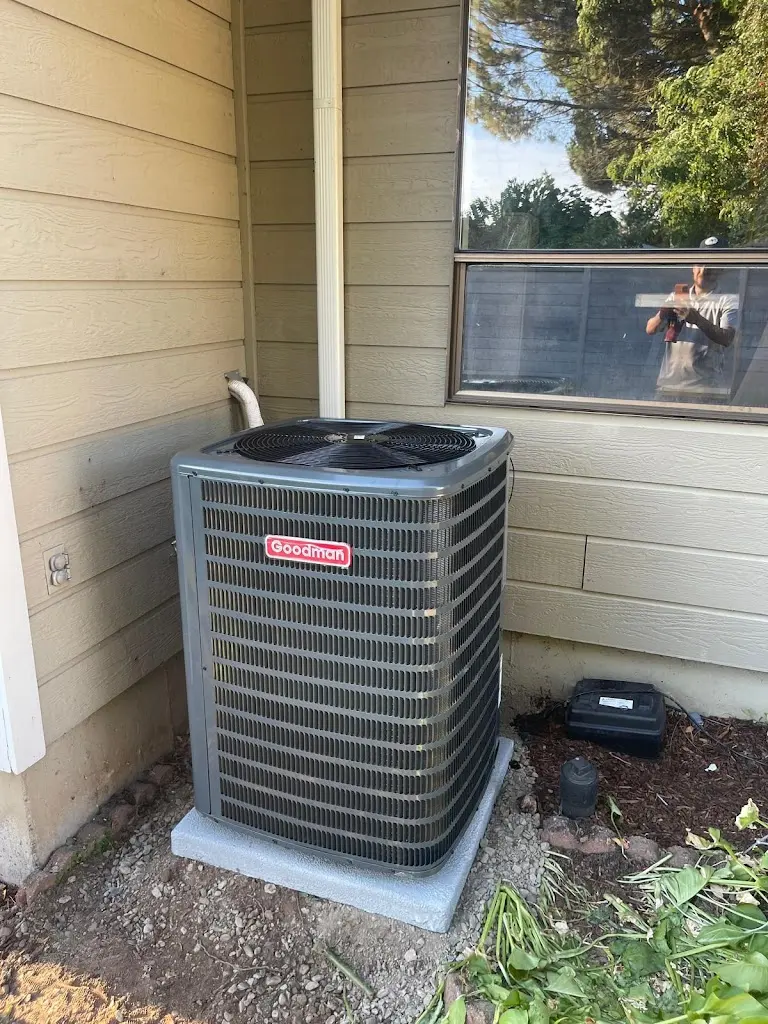
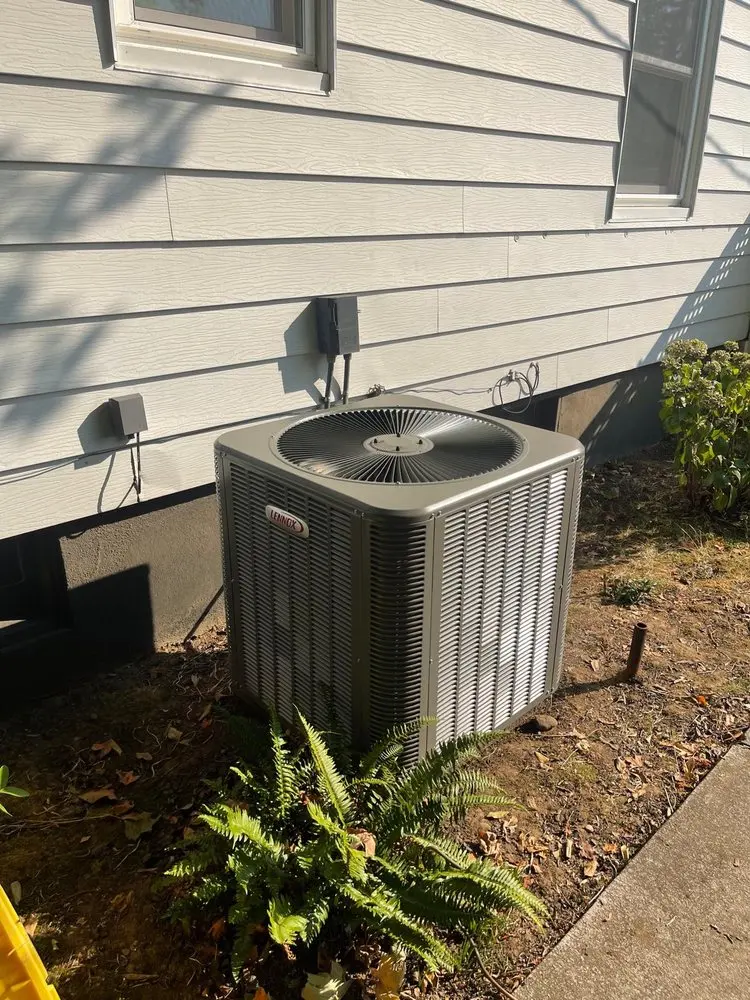
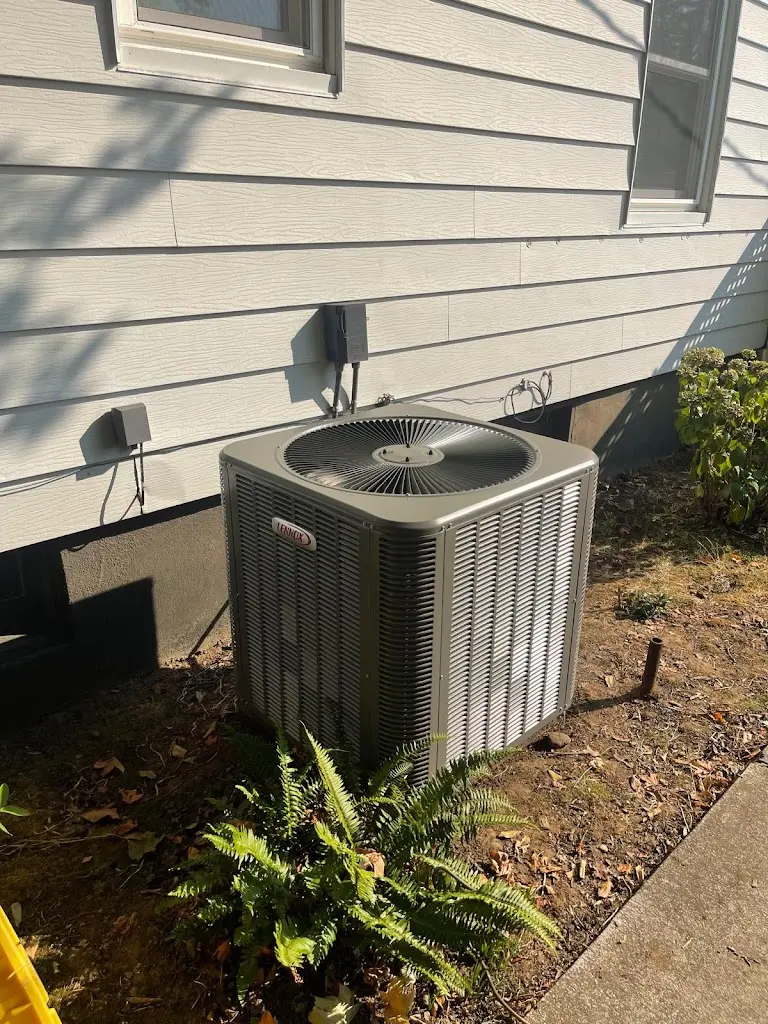
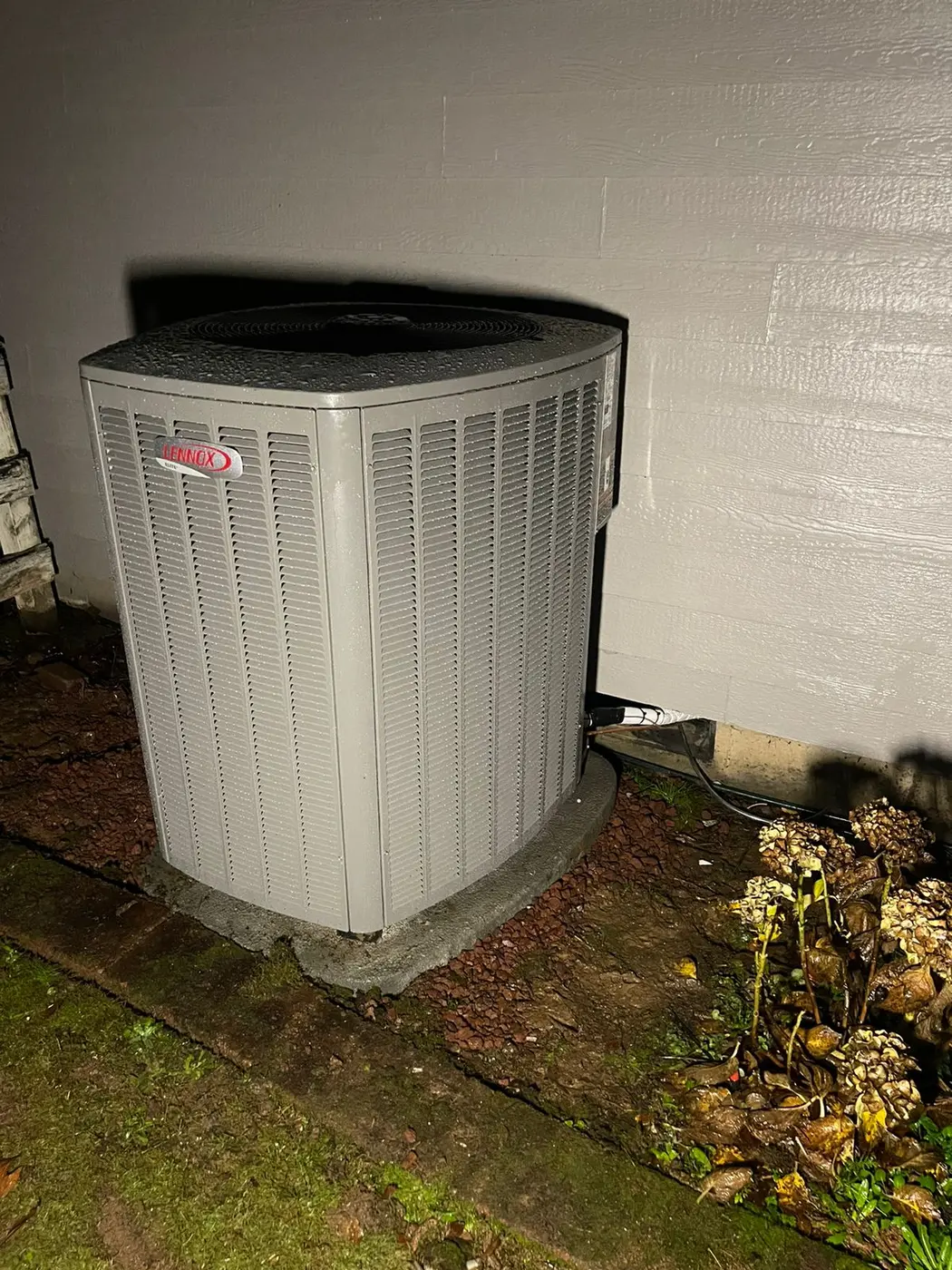
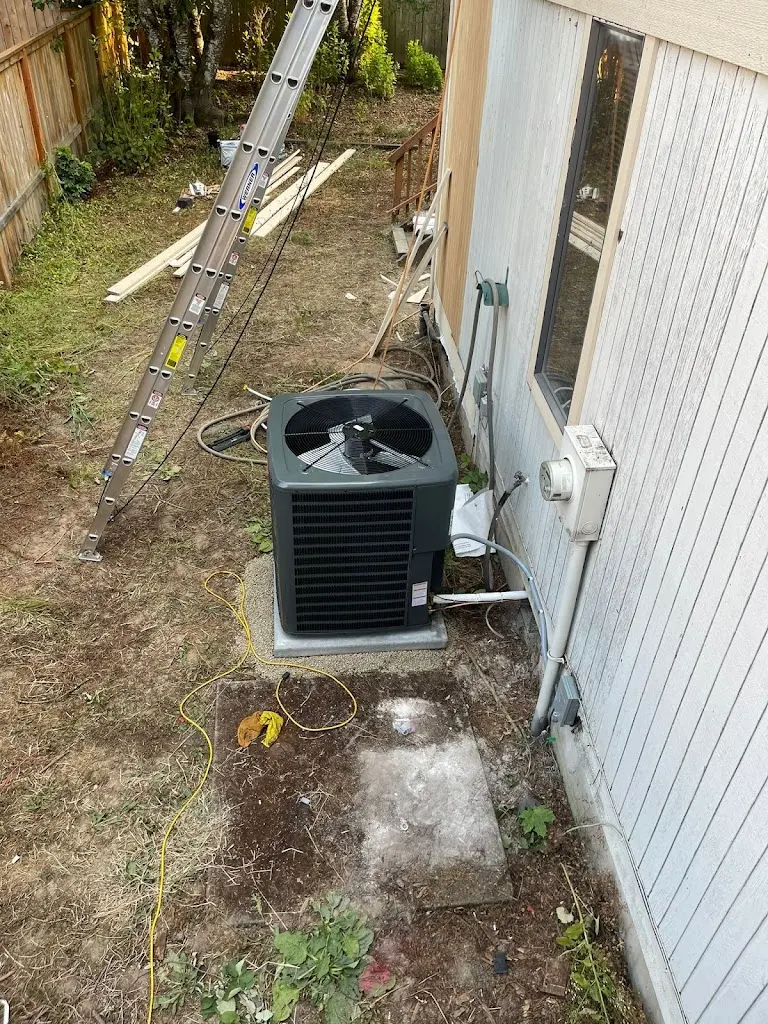
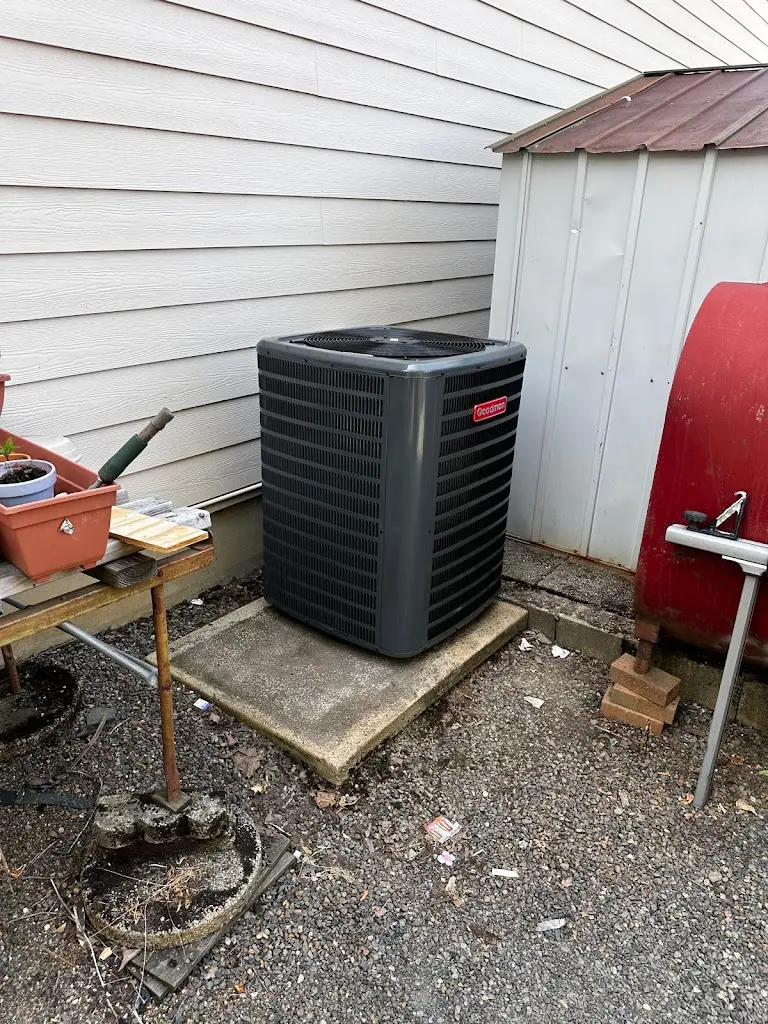
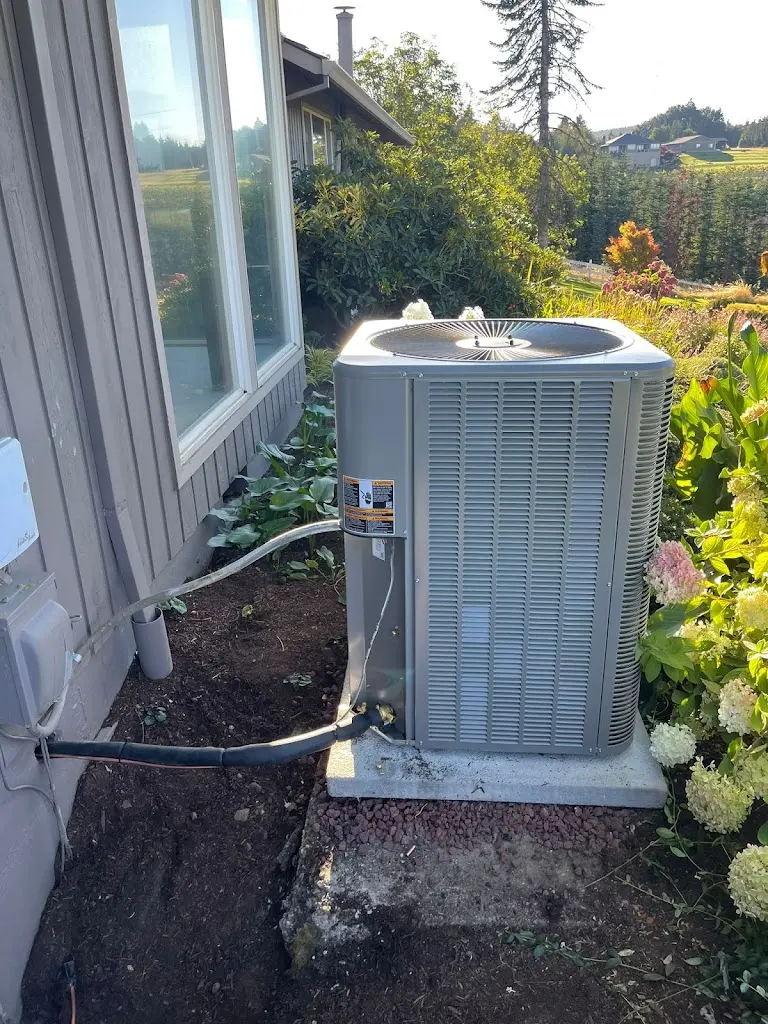
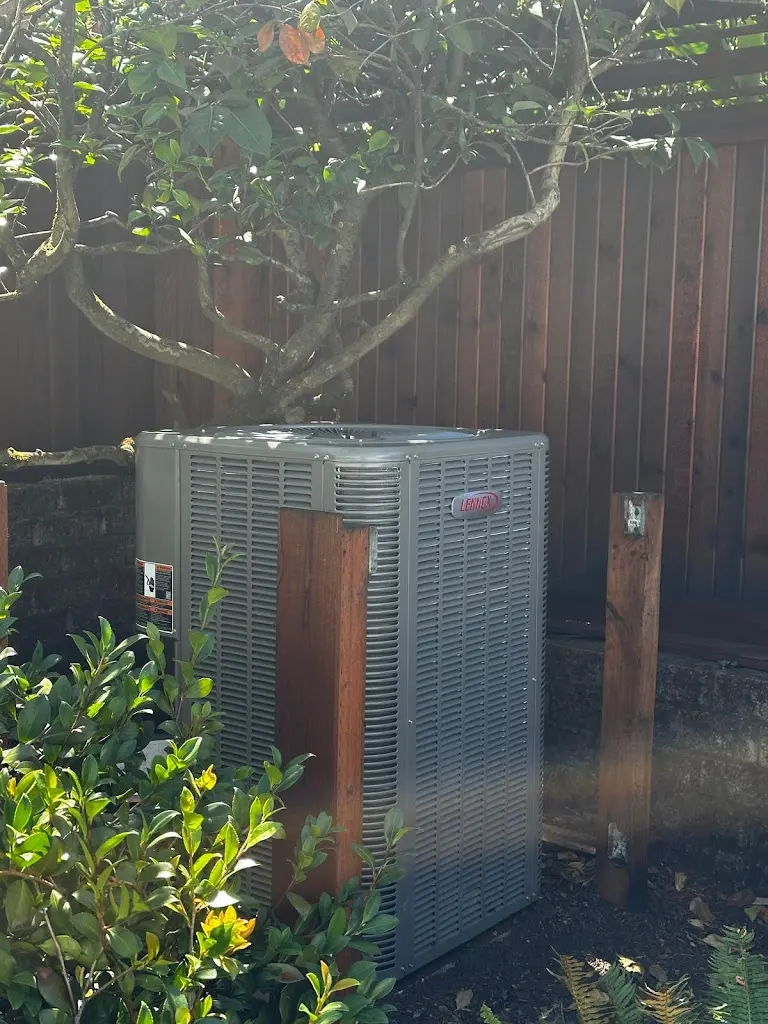
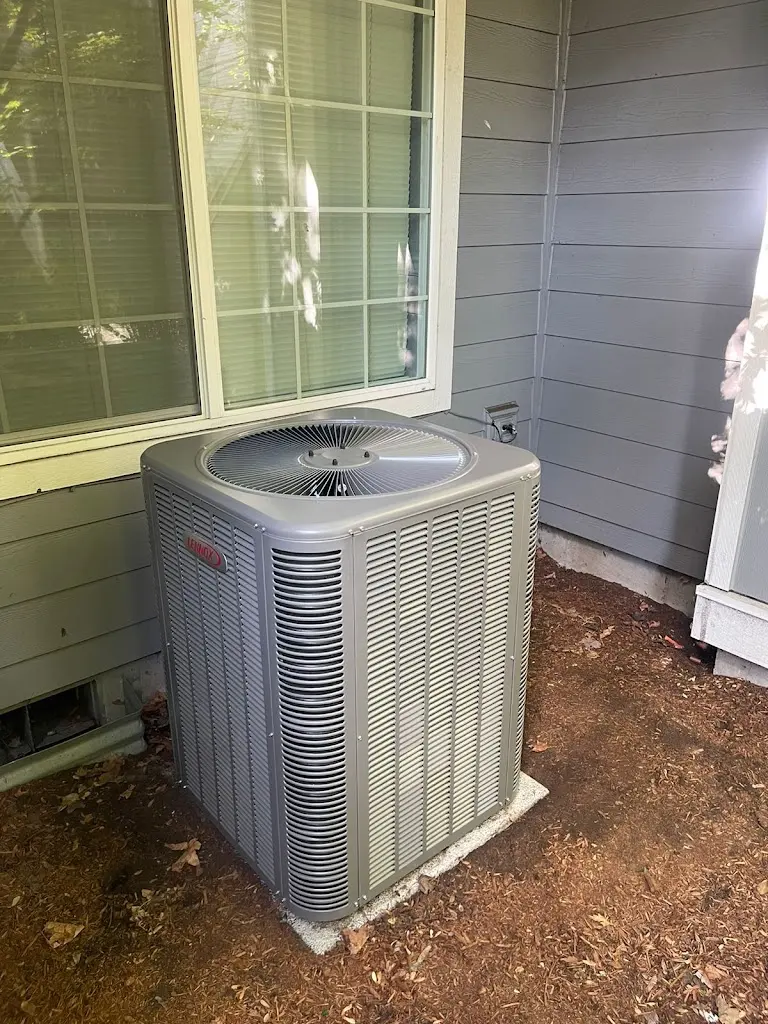
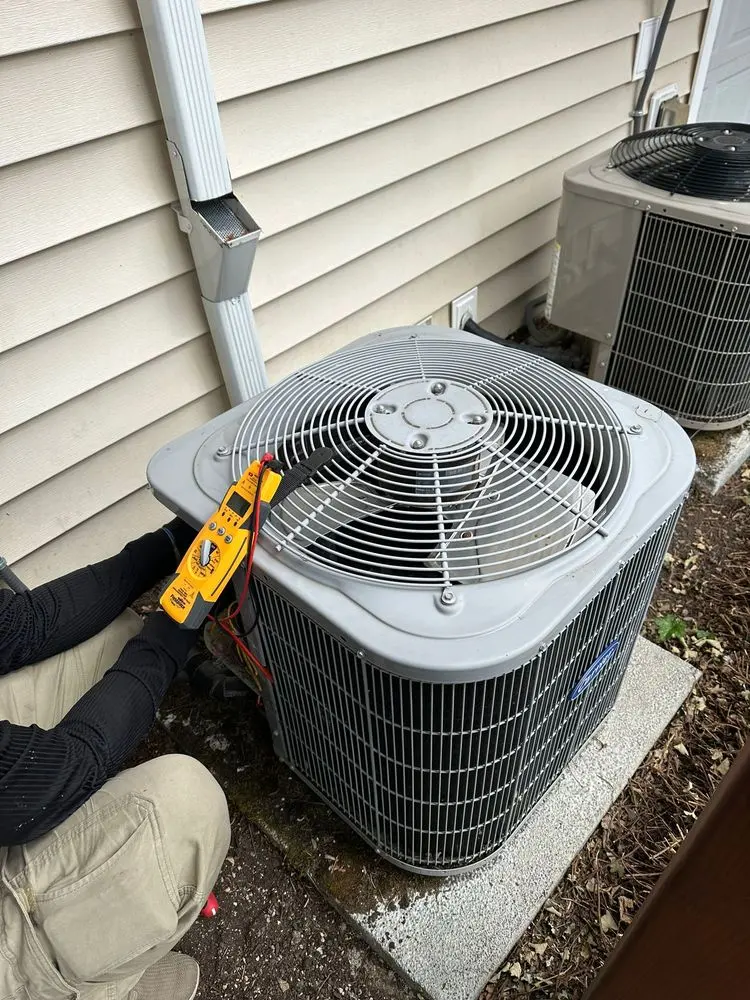
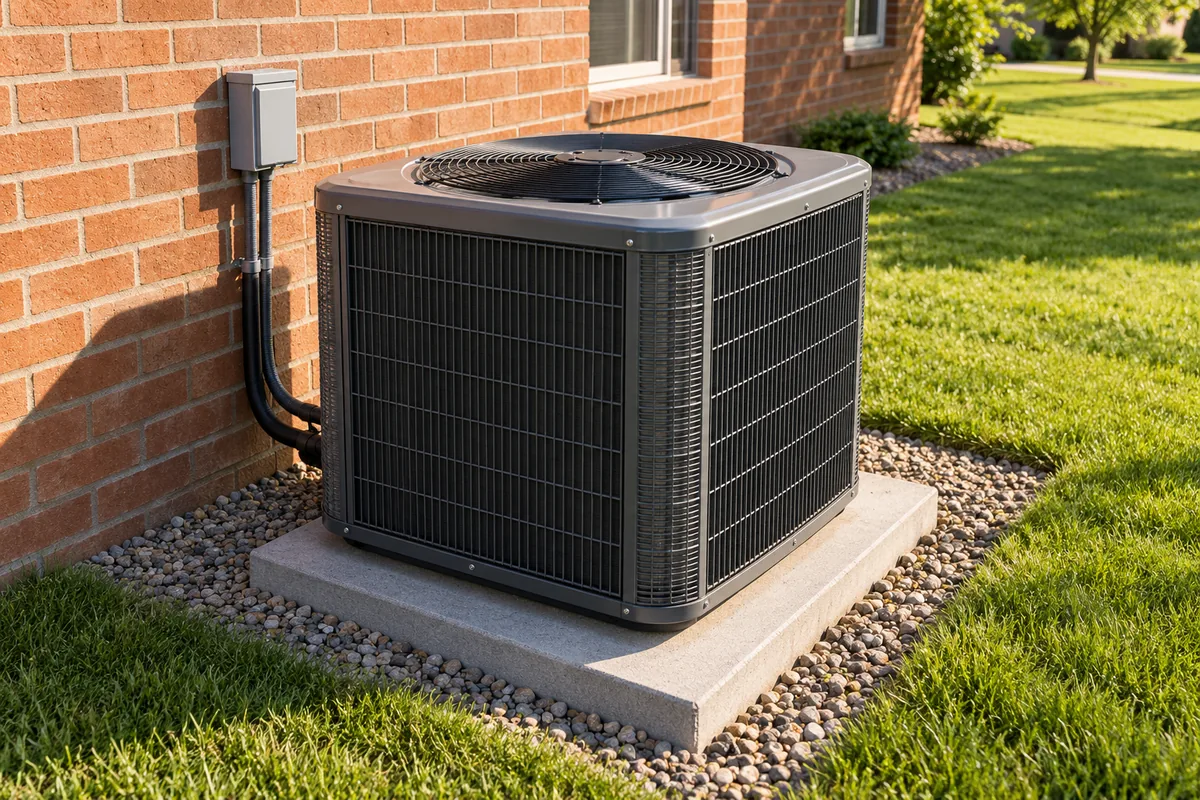
When a home needs cooling through existing ducts, AC installation brings the cooling equipment into the plan. This includes the air conditioner and the indoor parts it needs. The cooling coil, blower and outdoor unit must suit the plan. An old unit’s label is useful background, but it does not settle the size or fit of its replacement.
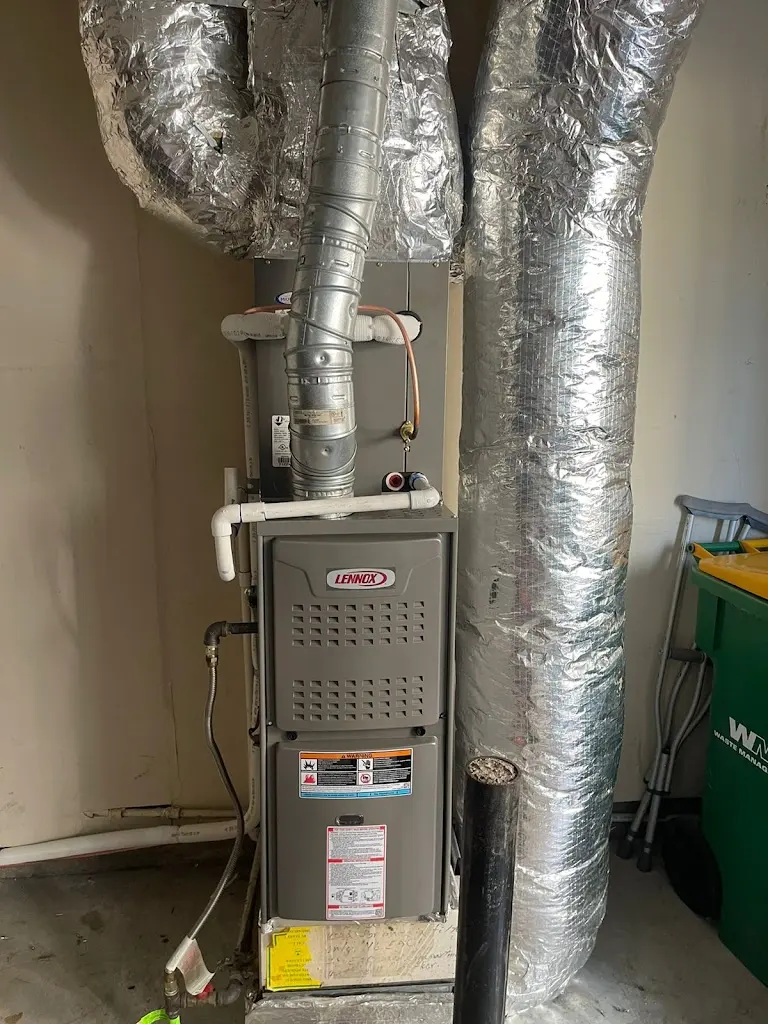
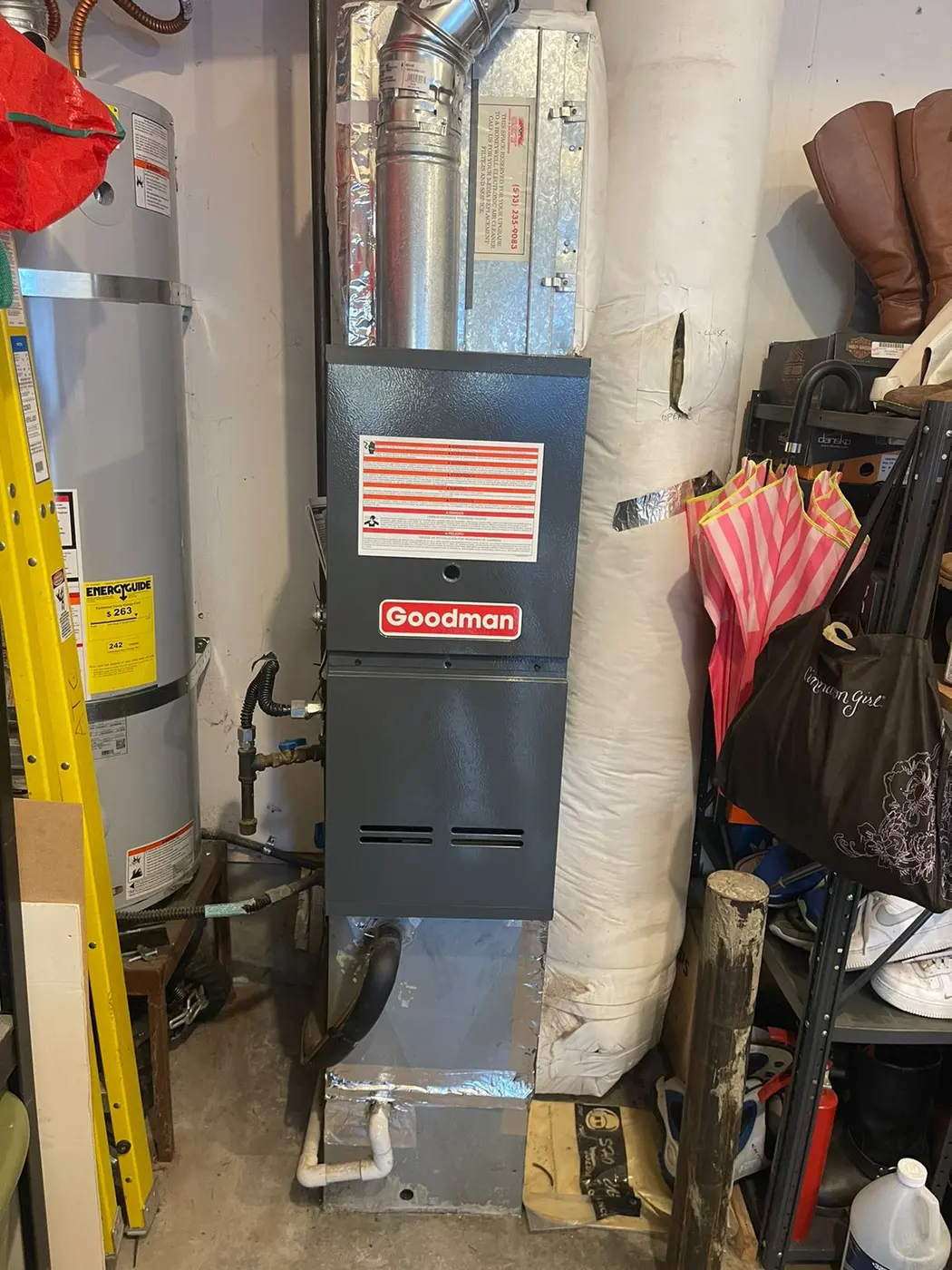
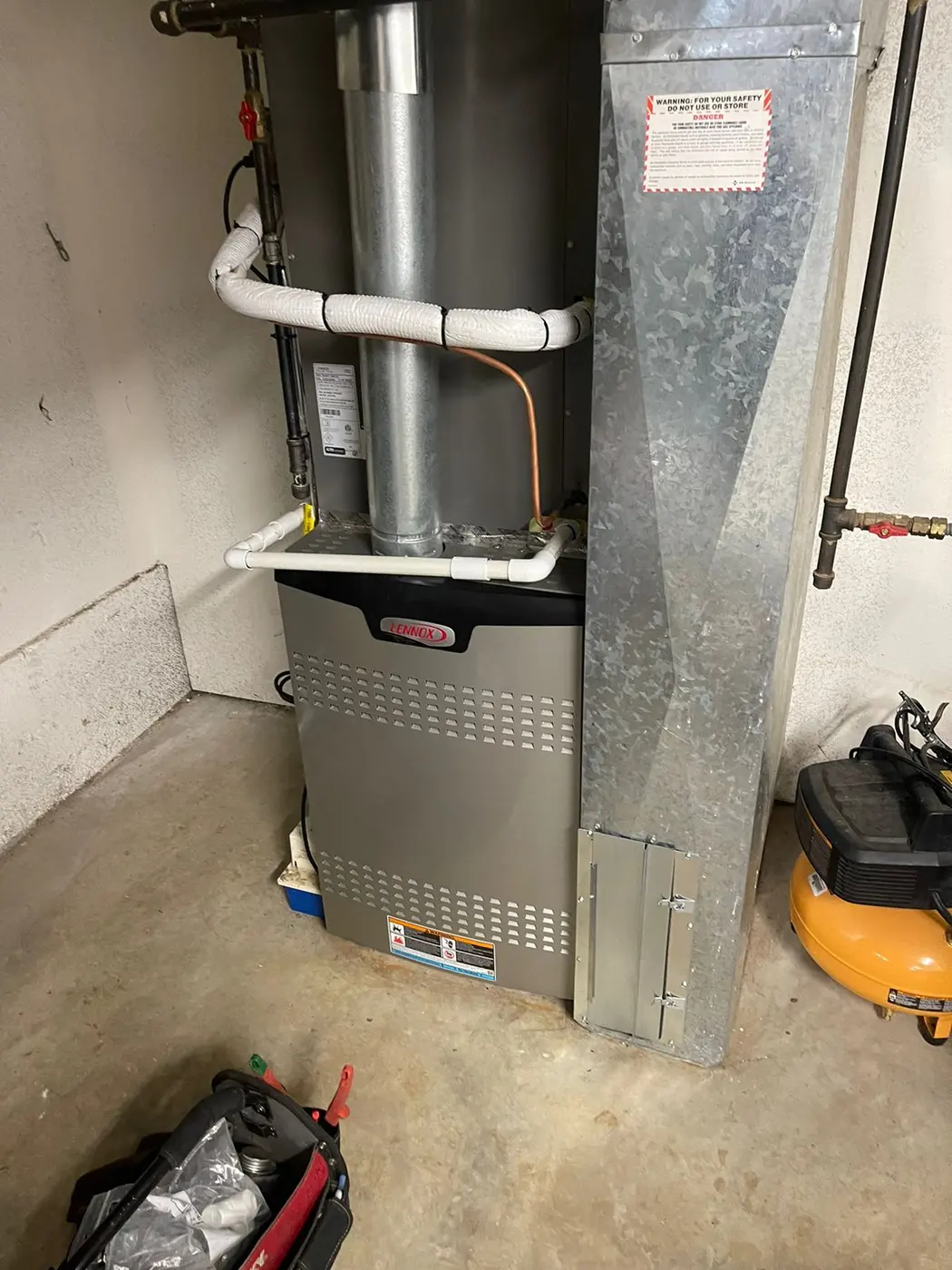
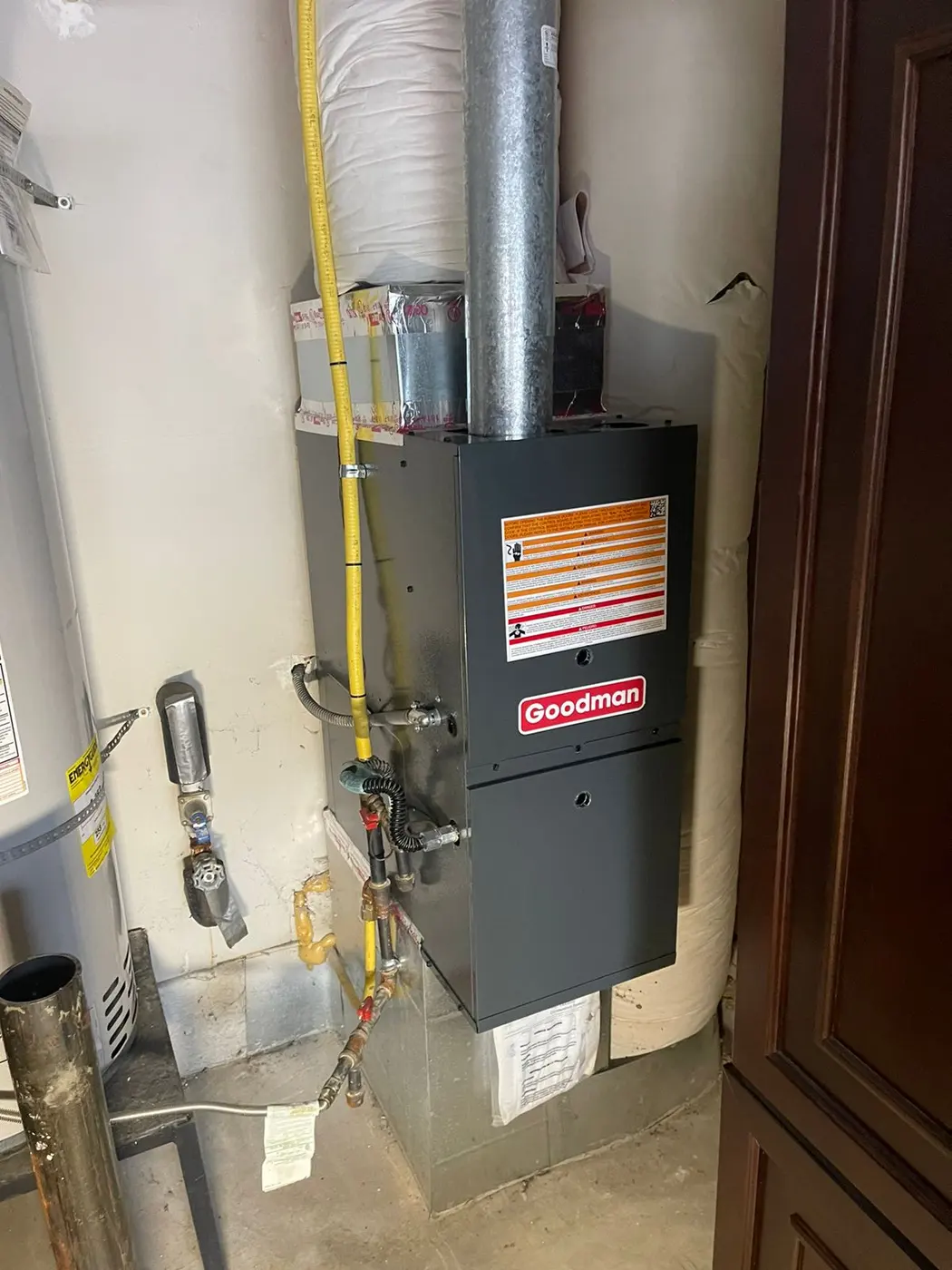
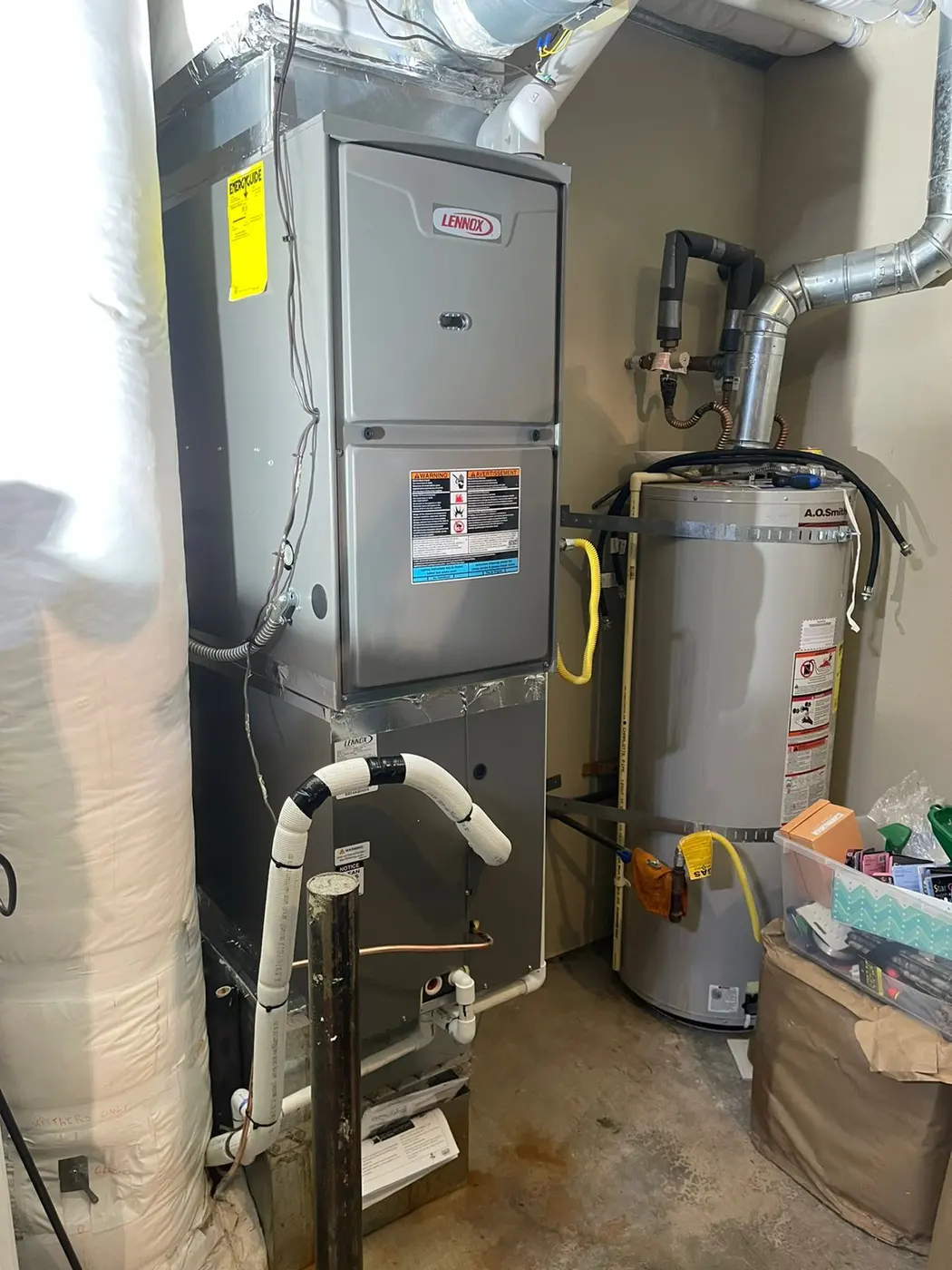
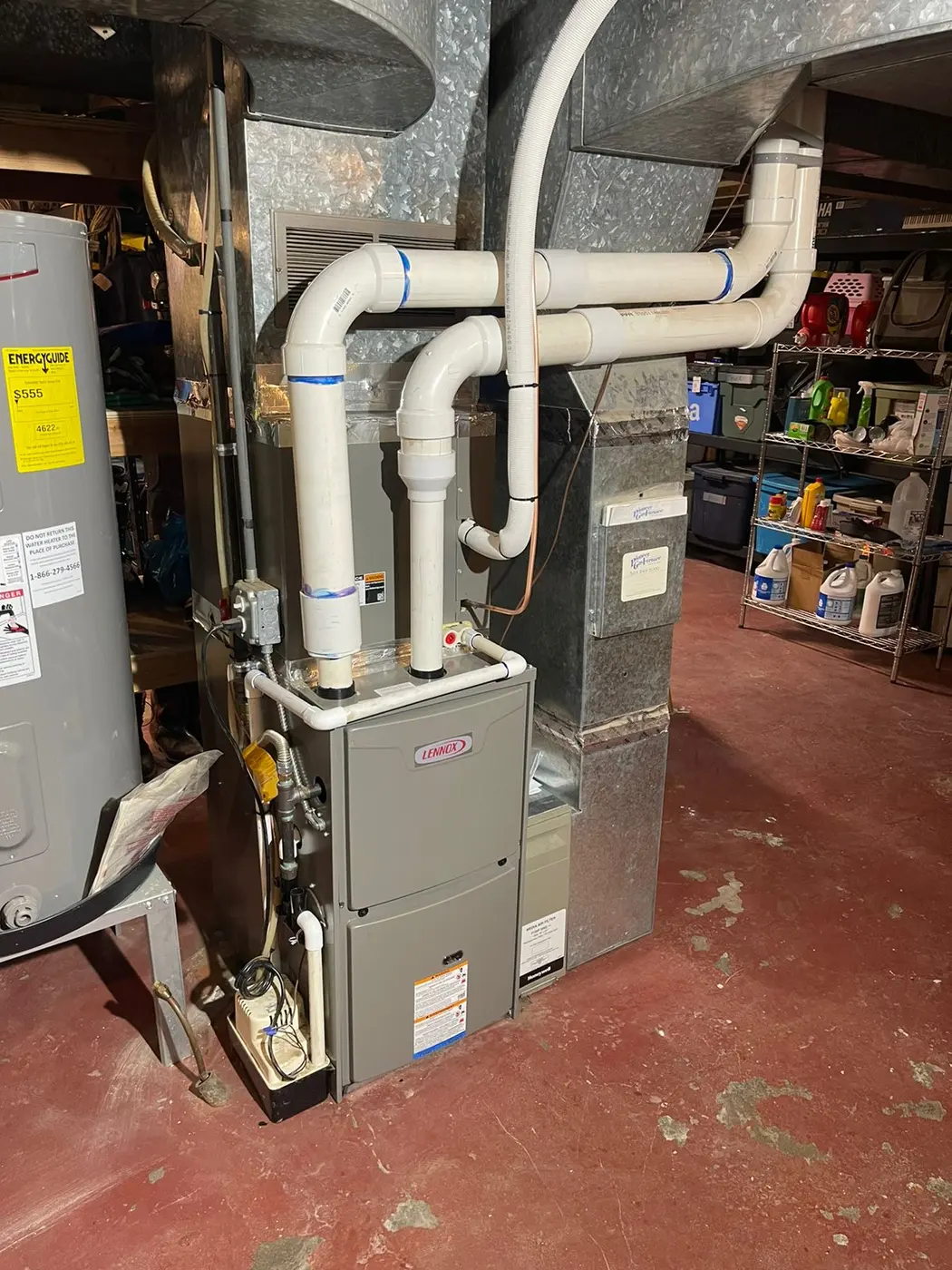
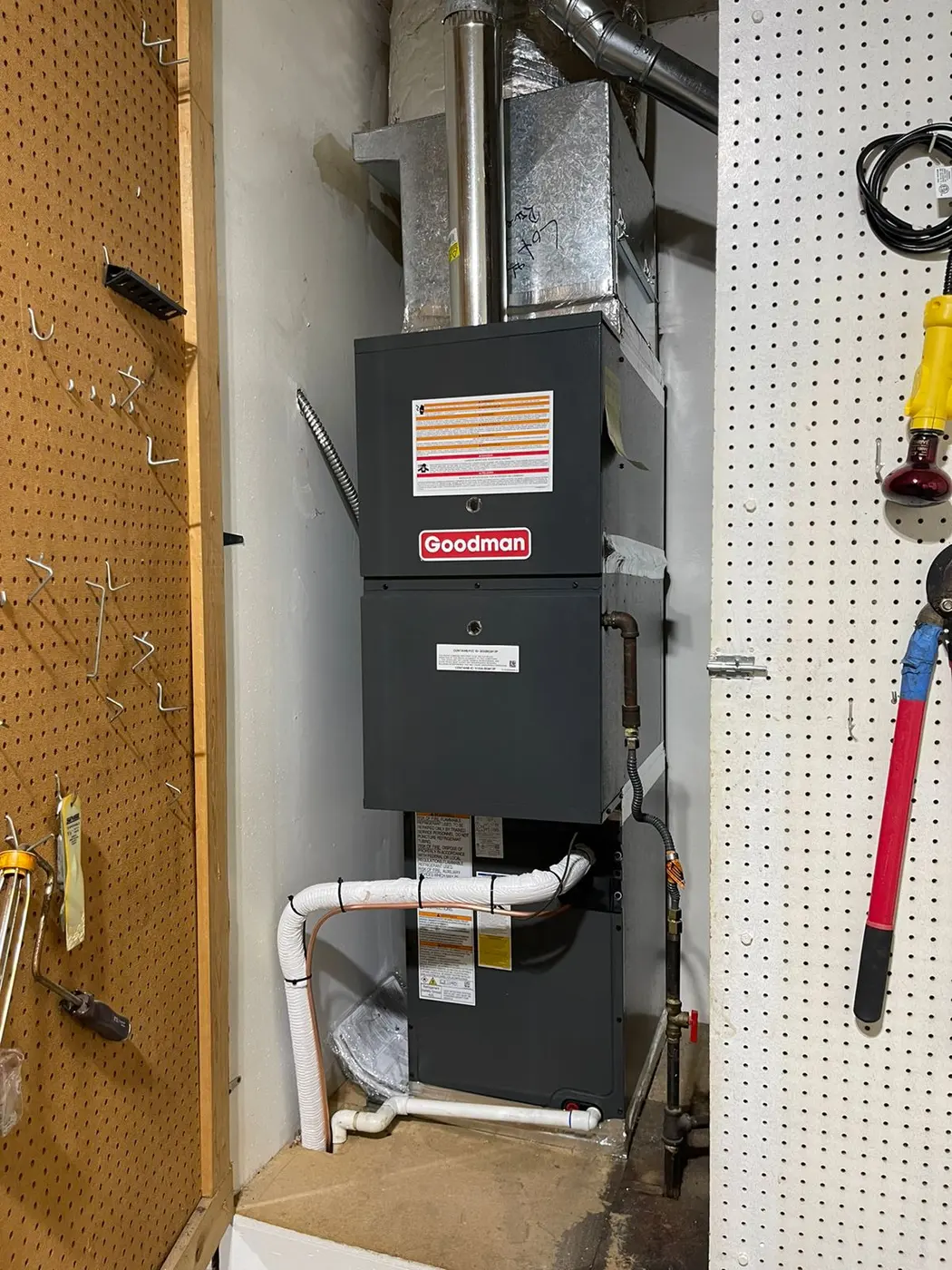
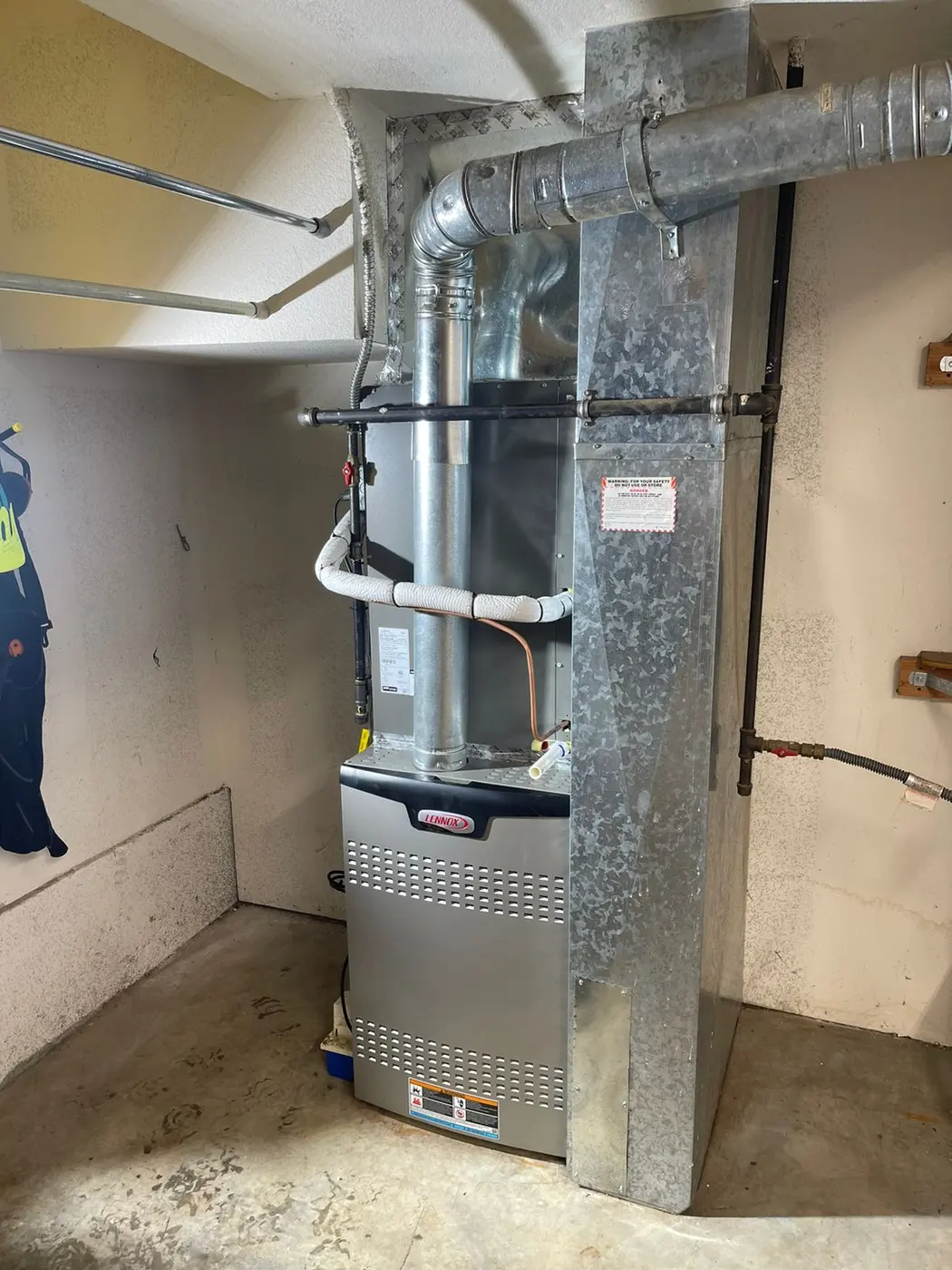
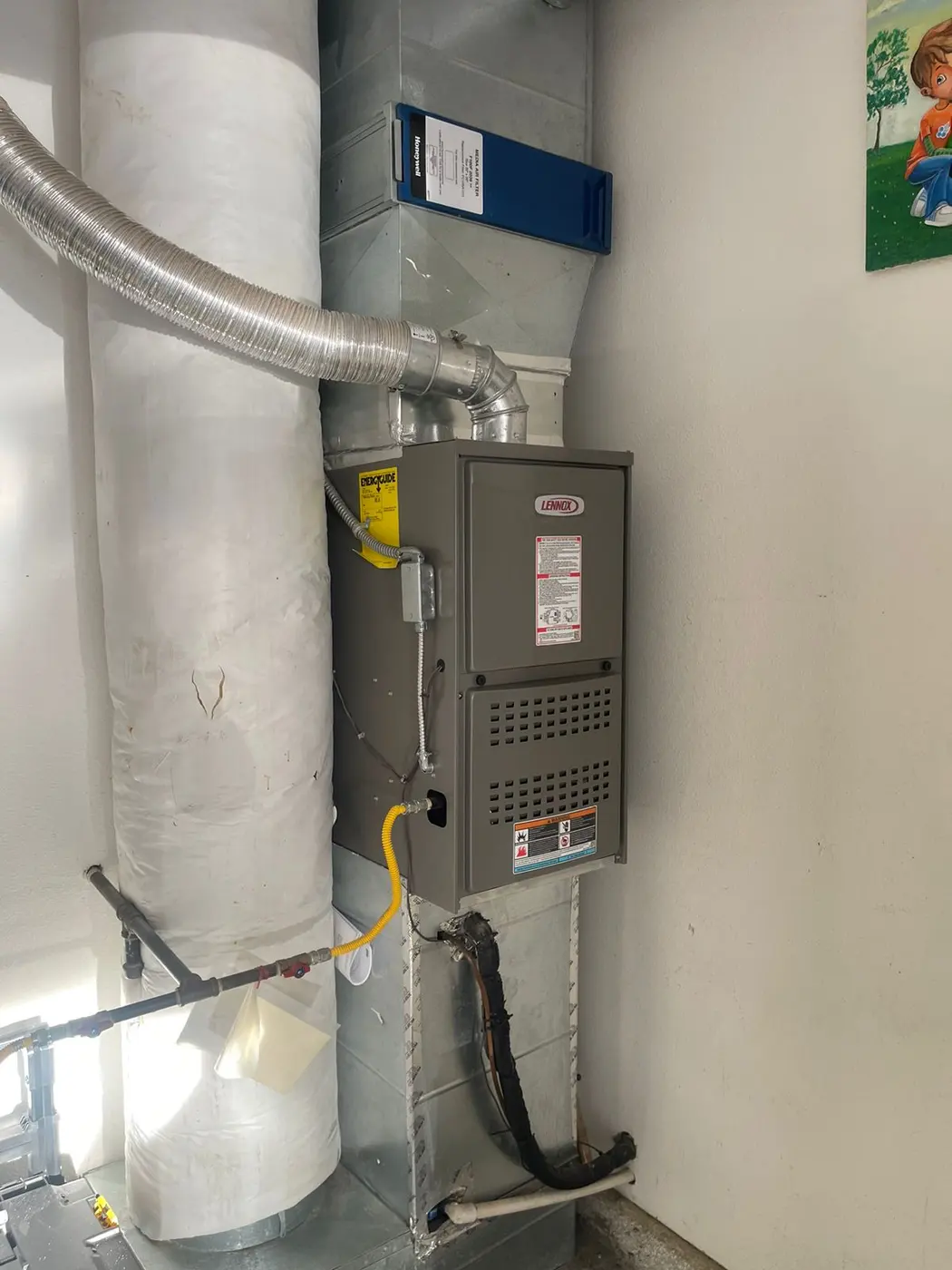
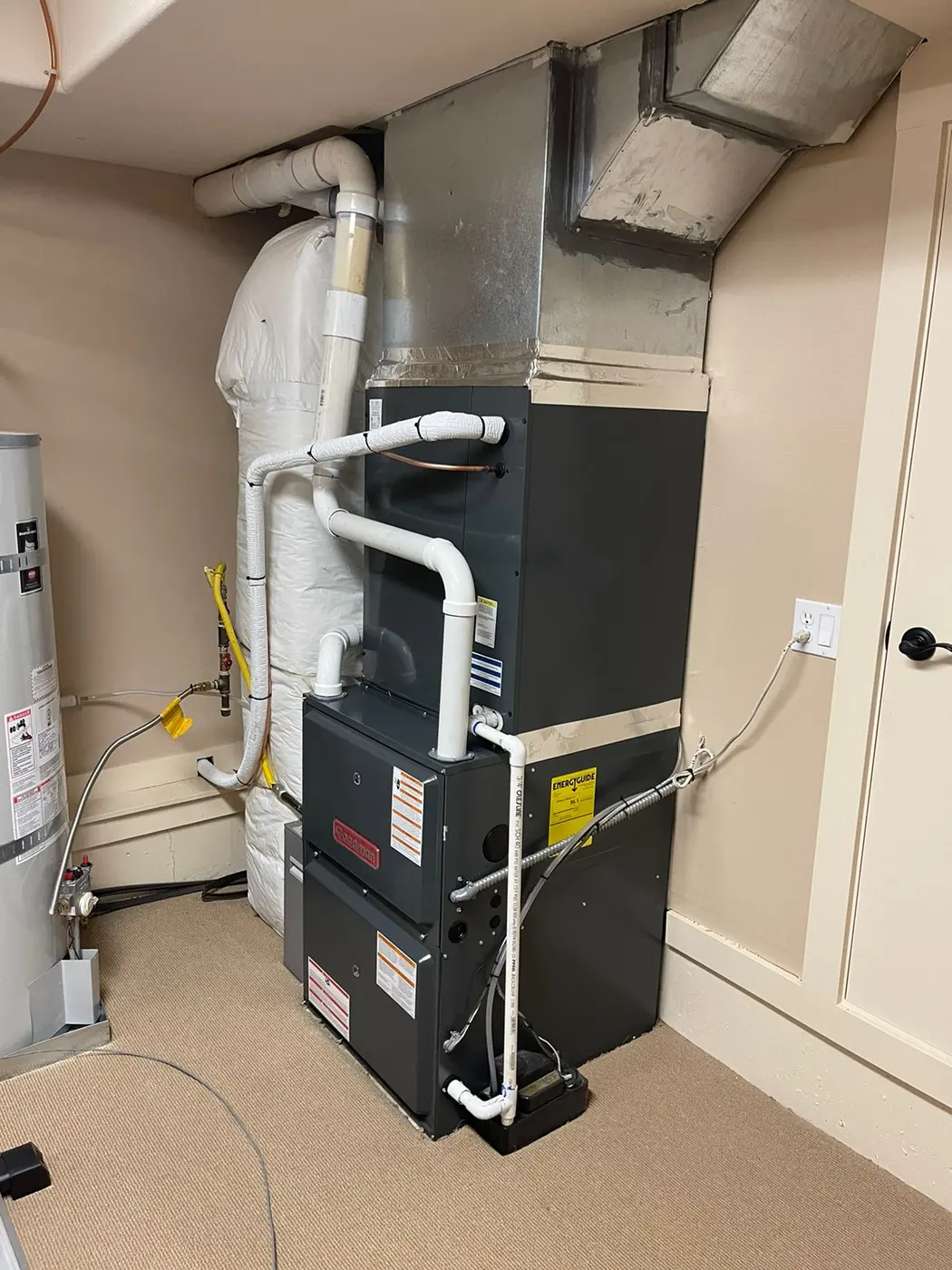
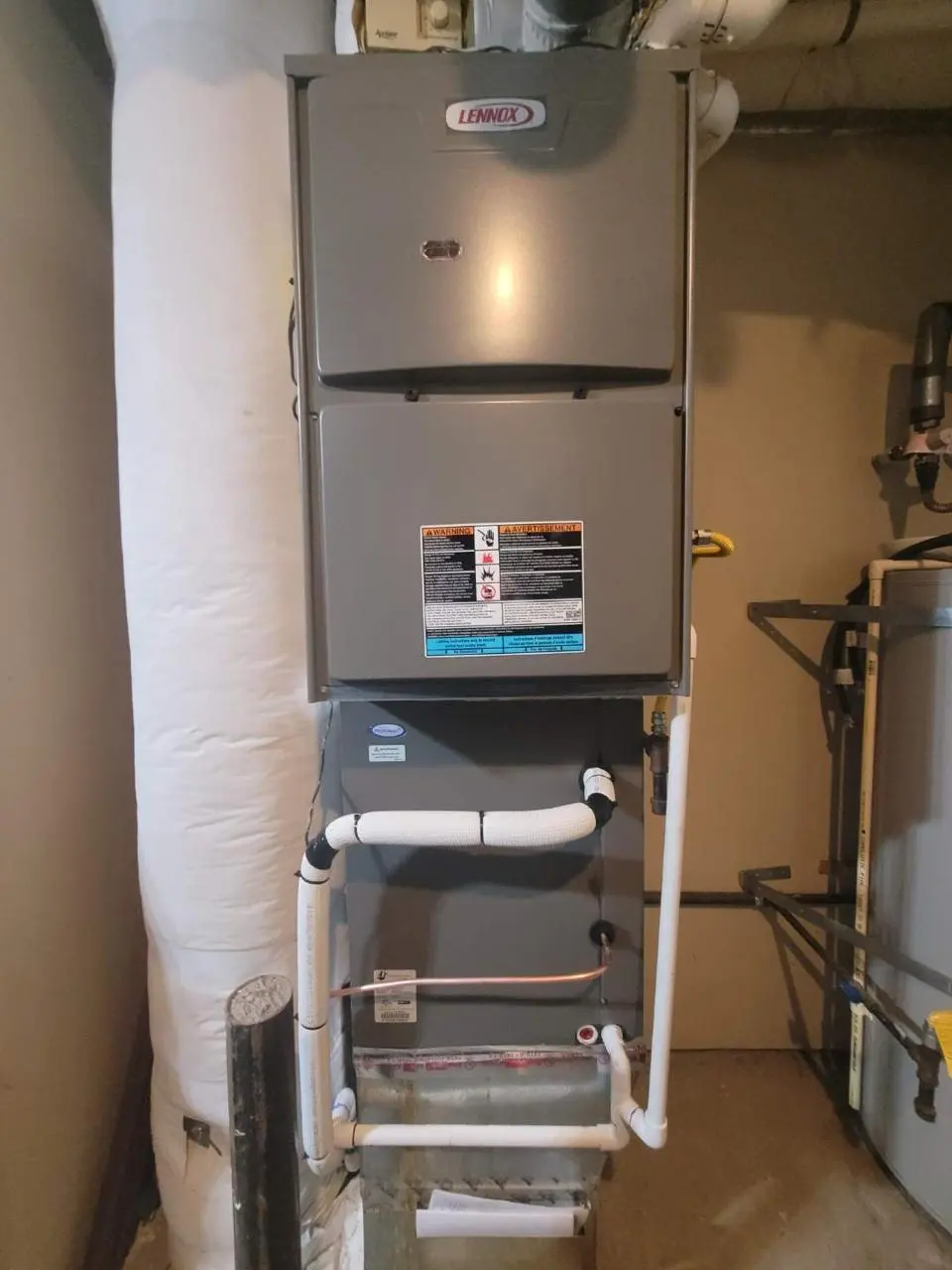
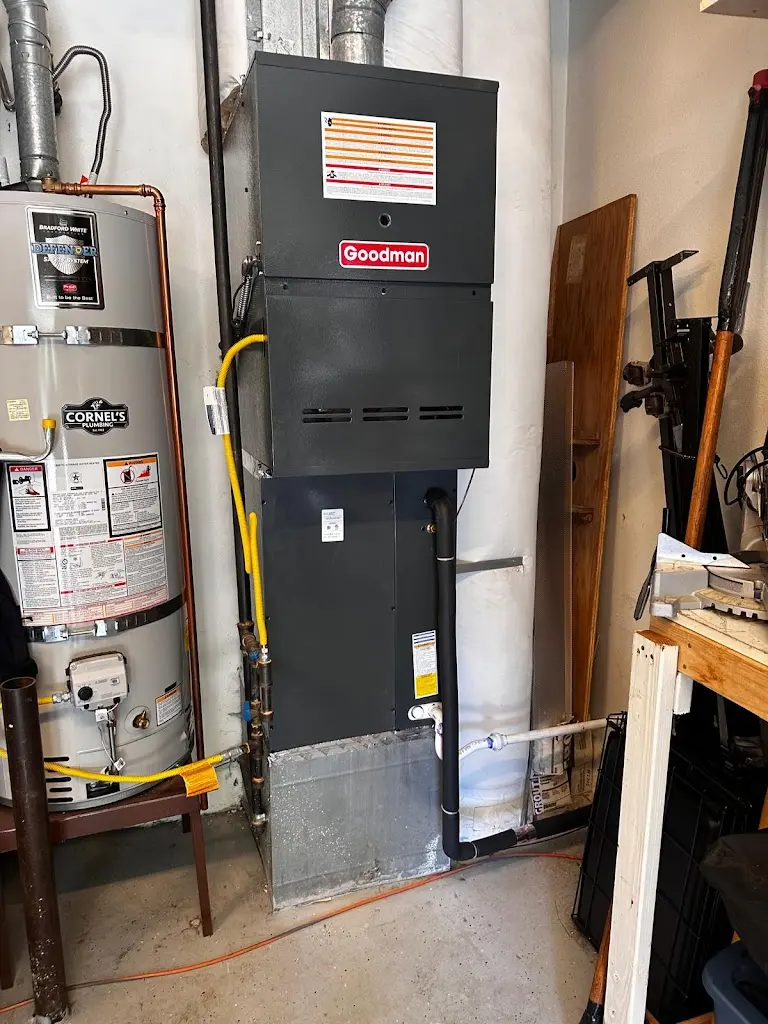
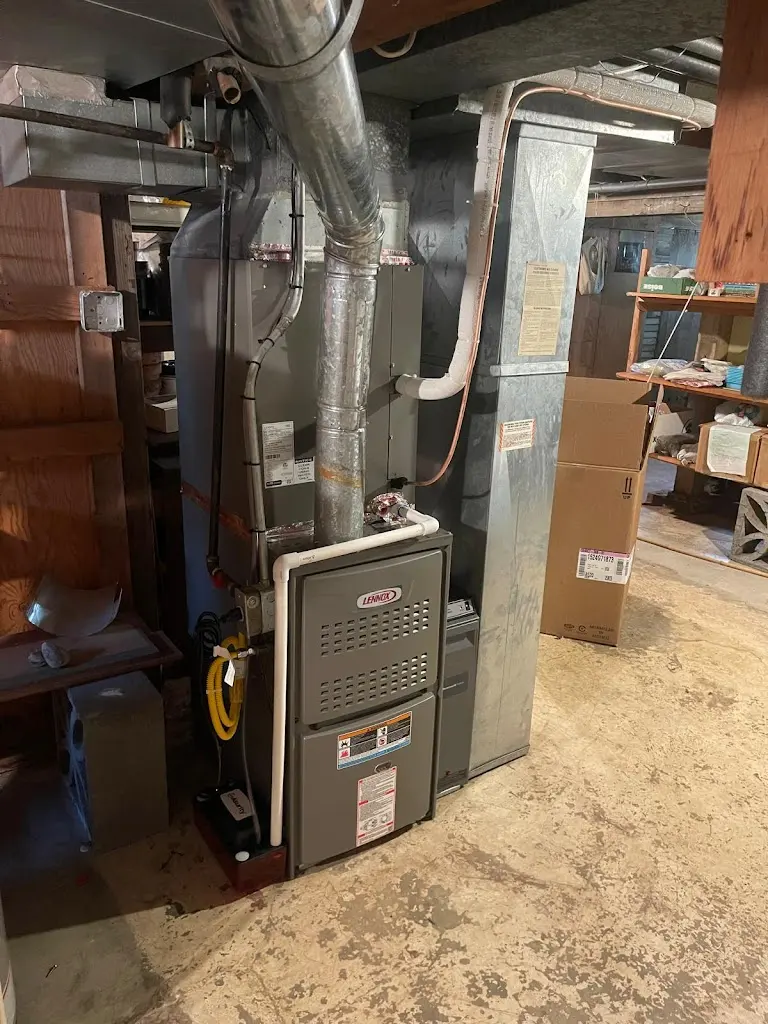
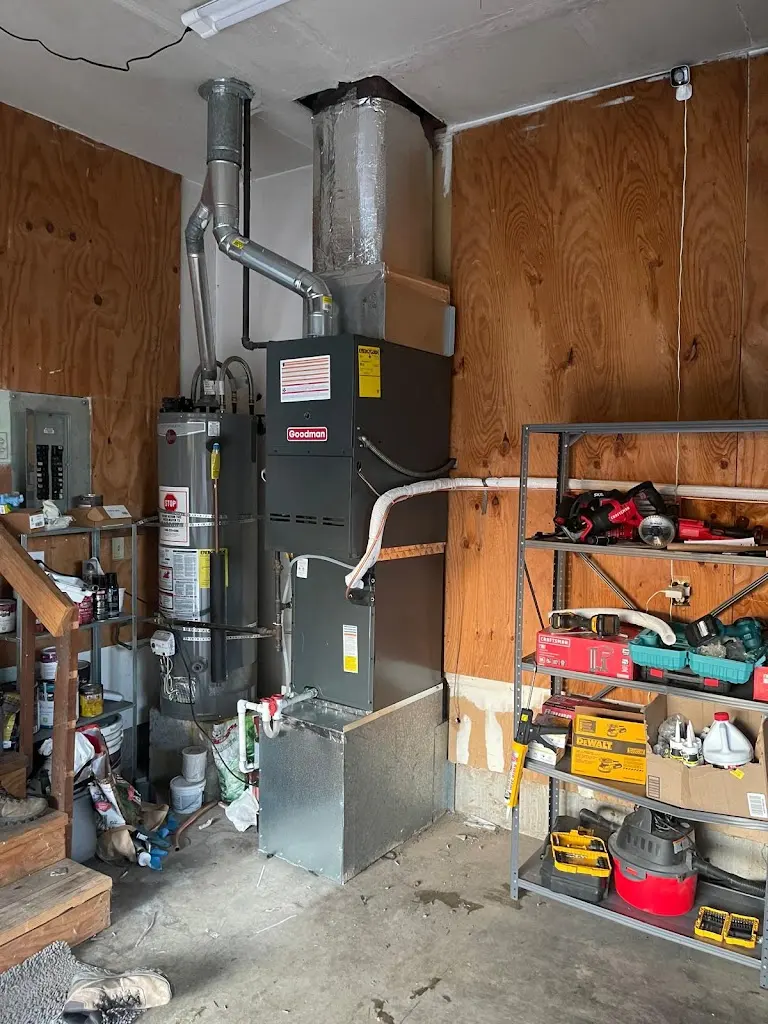
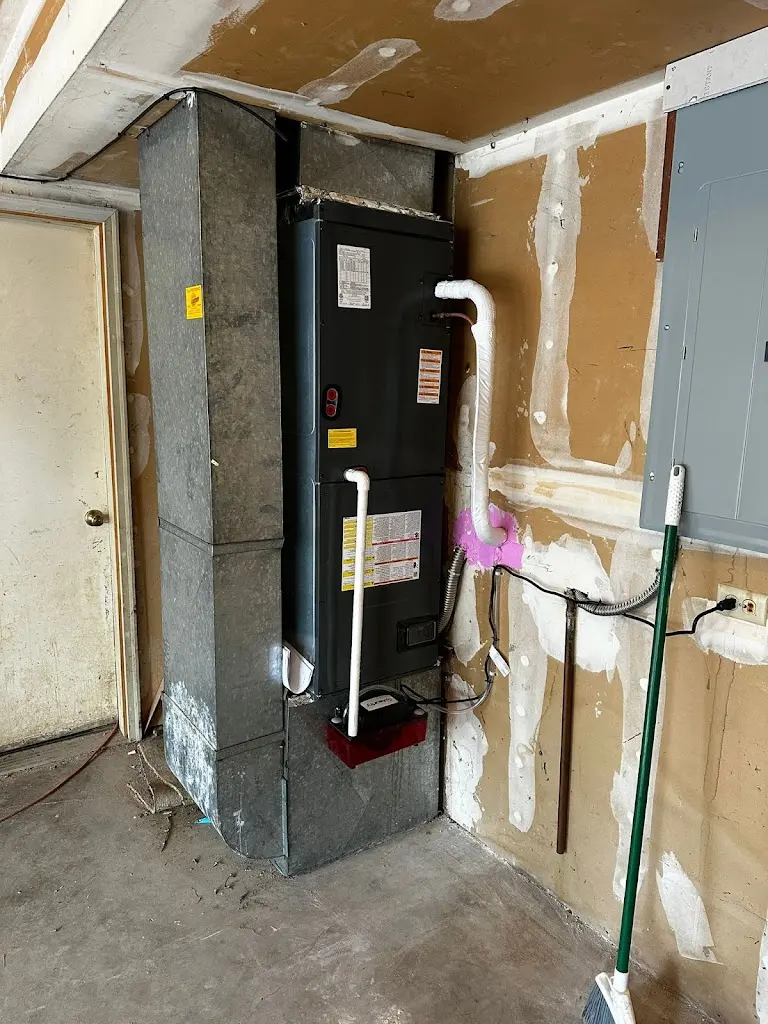
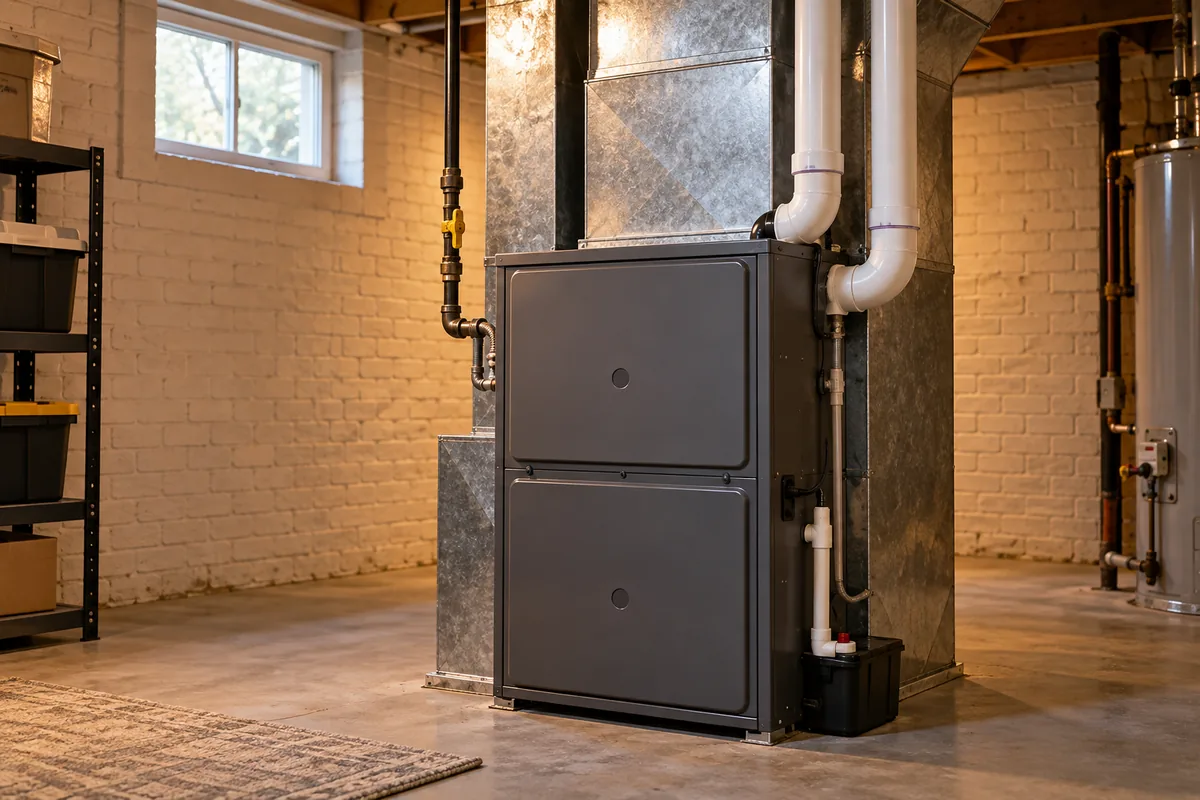
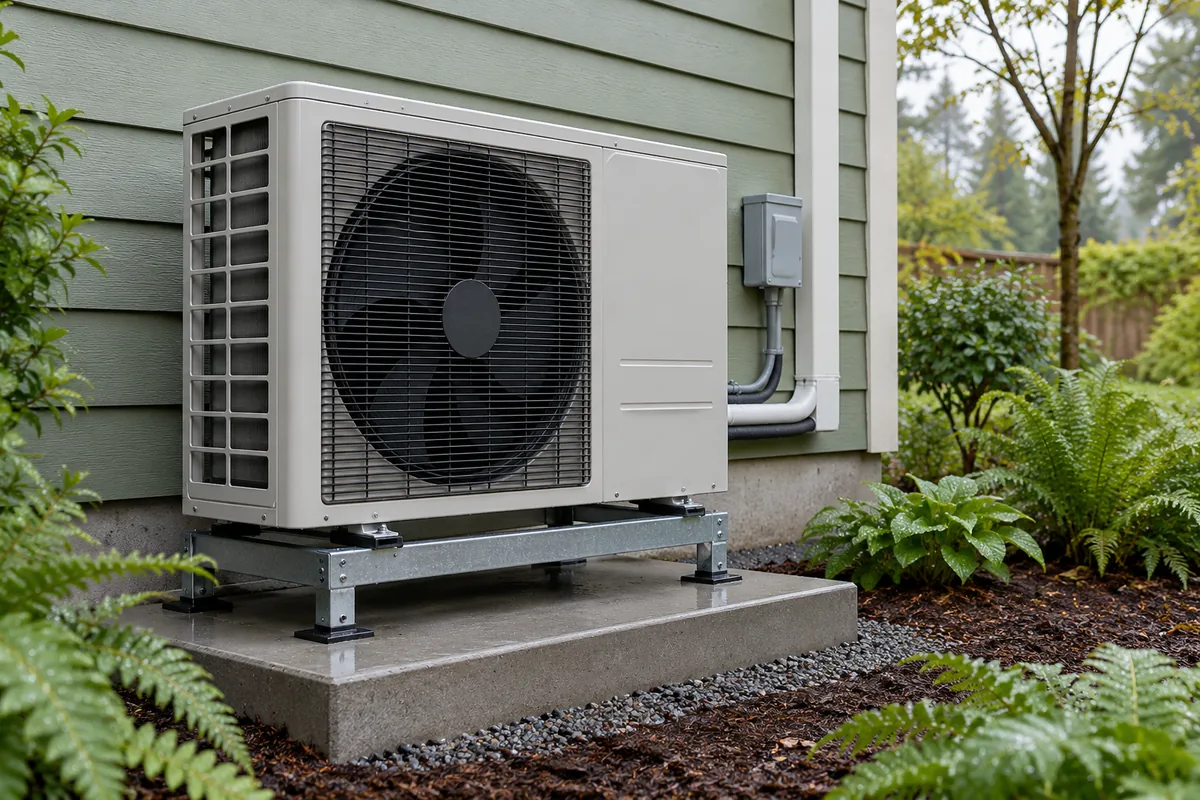
A heating project may center on furnace installation. Share the current fuel type and the location of the unit so we can review the work. For a system that provides both heating and cooling, heat pump installation is another option to discuss. These choices involve different equipment and project needs.
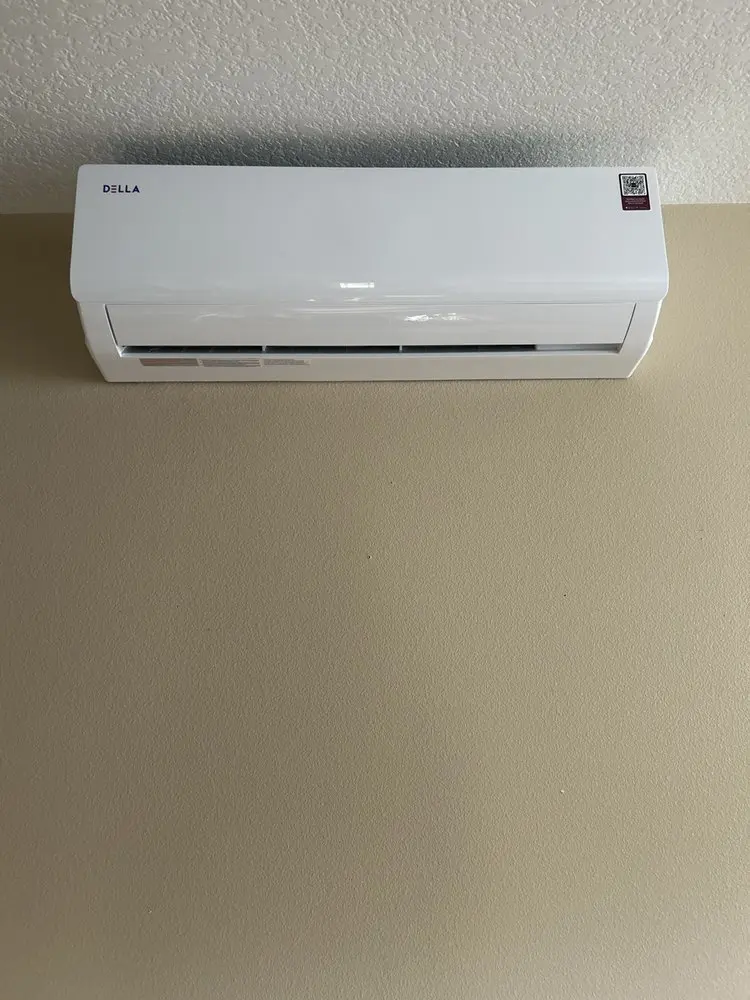
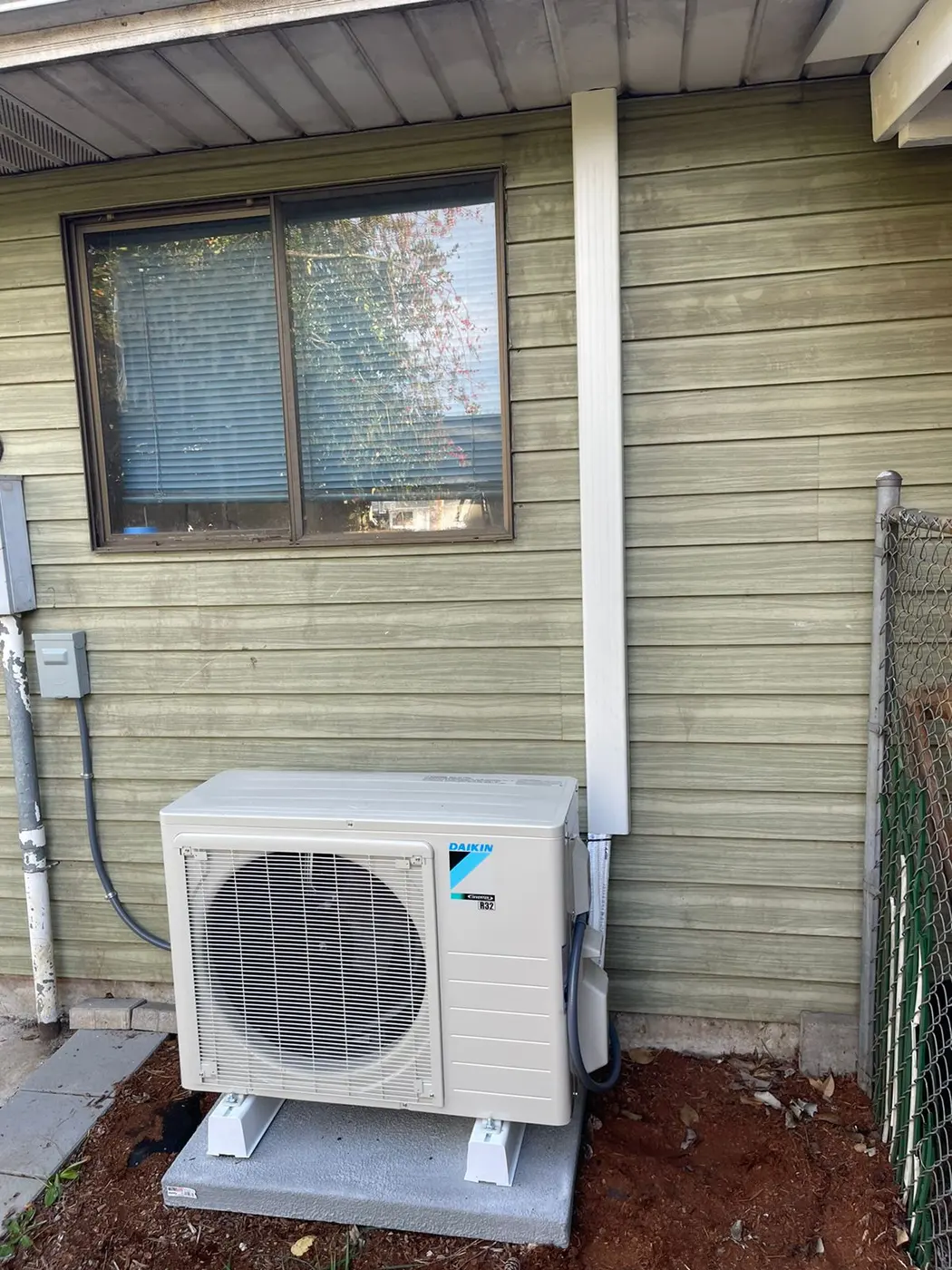
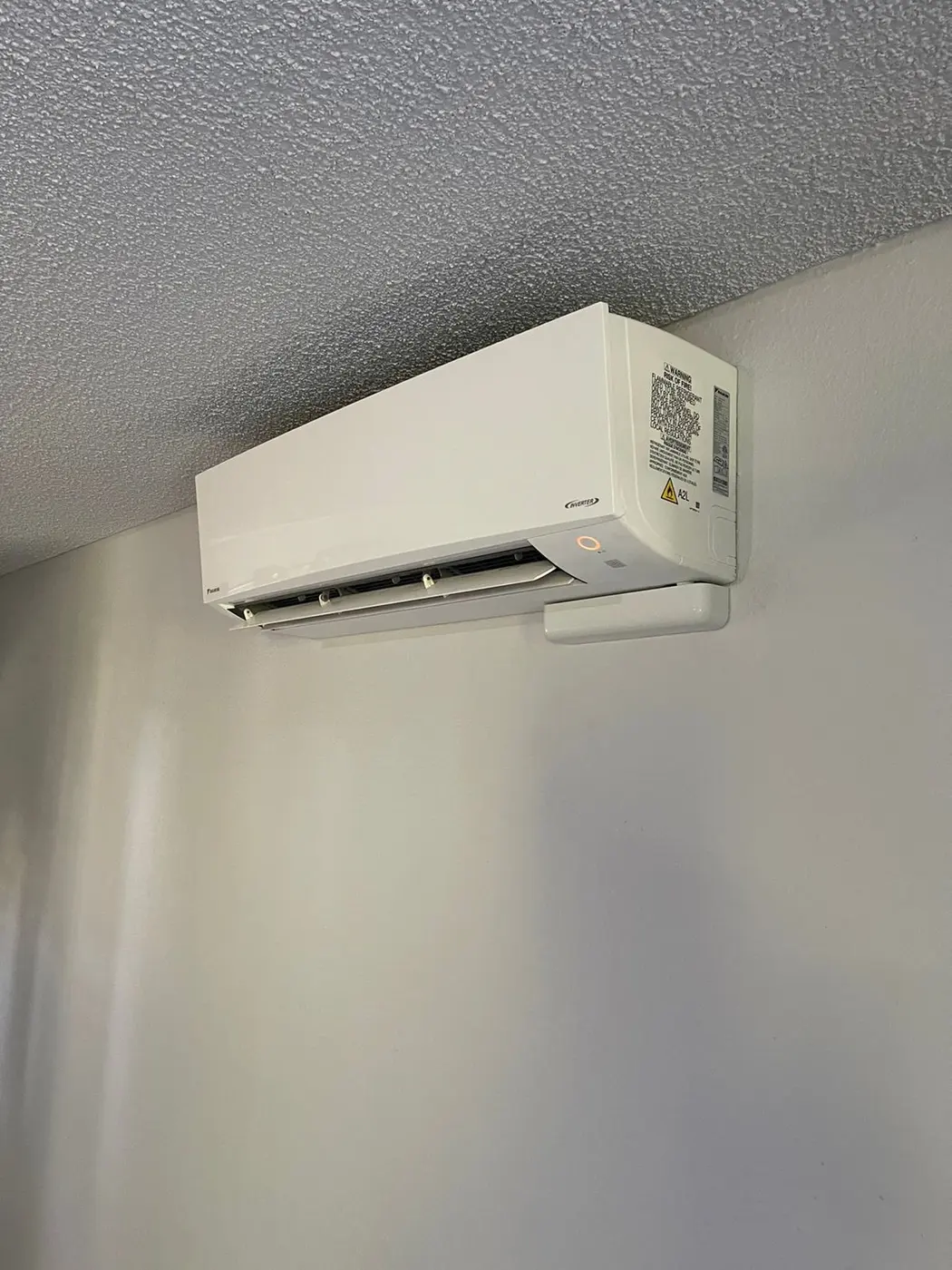
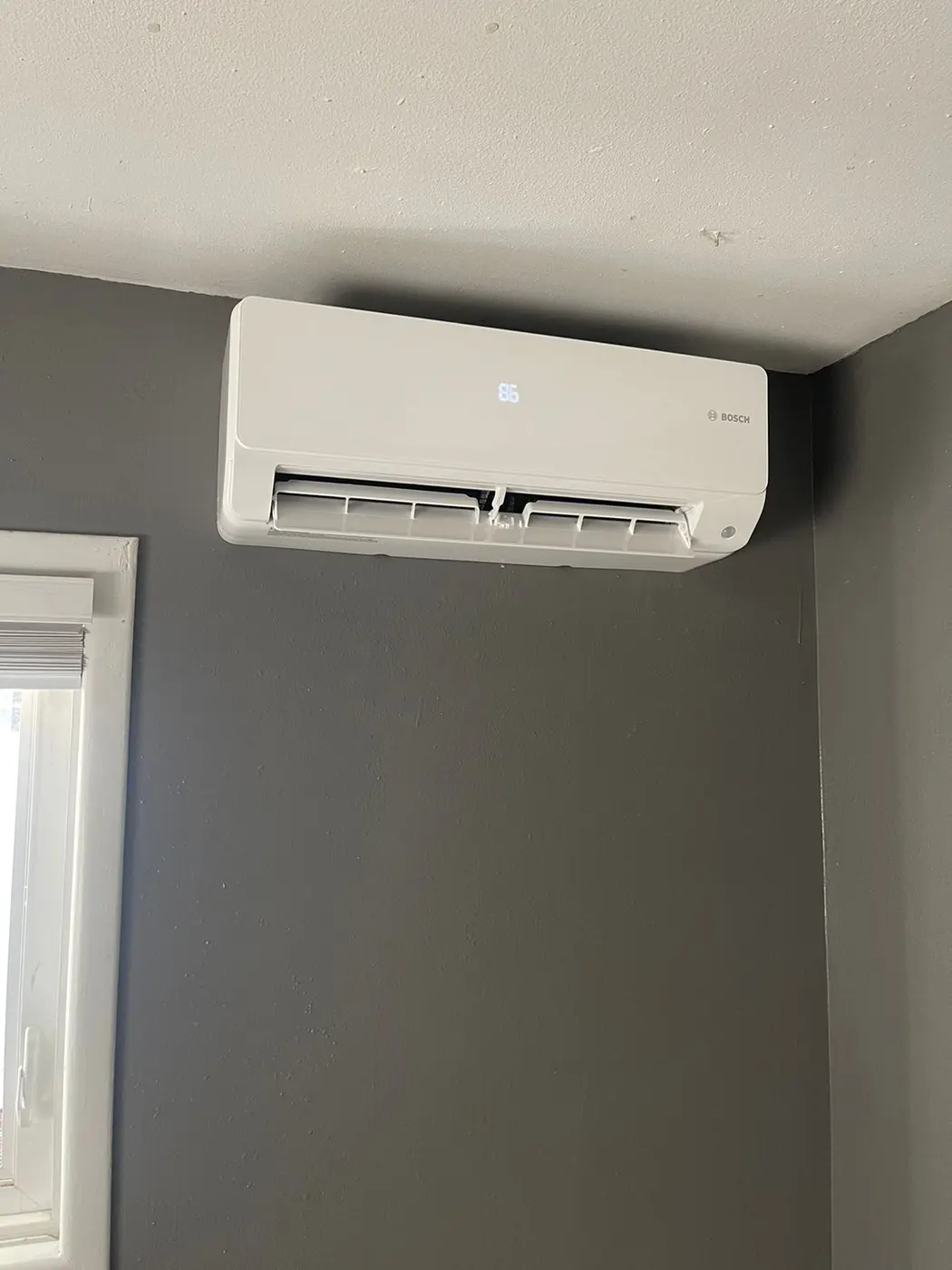
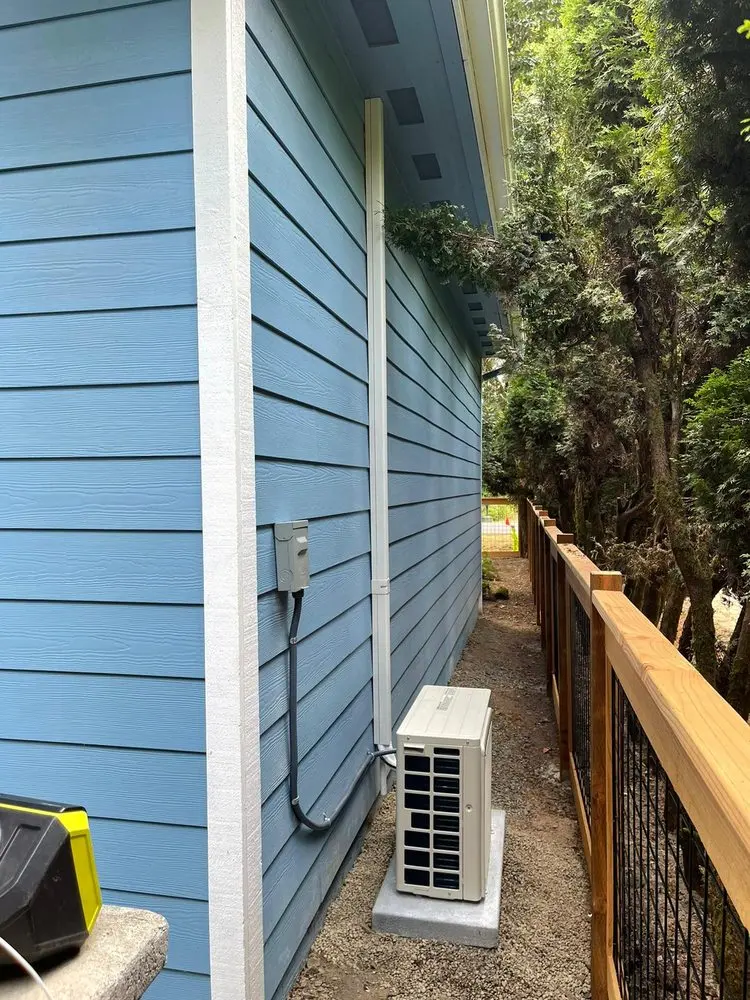
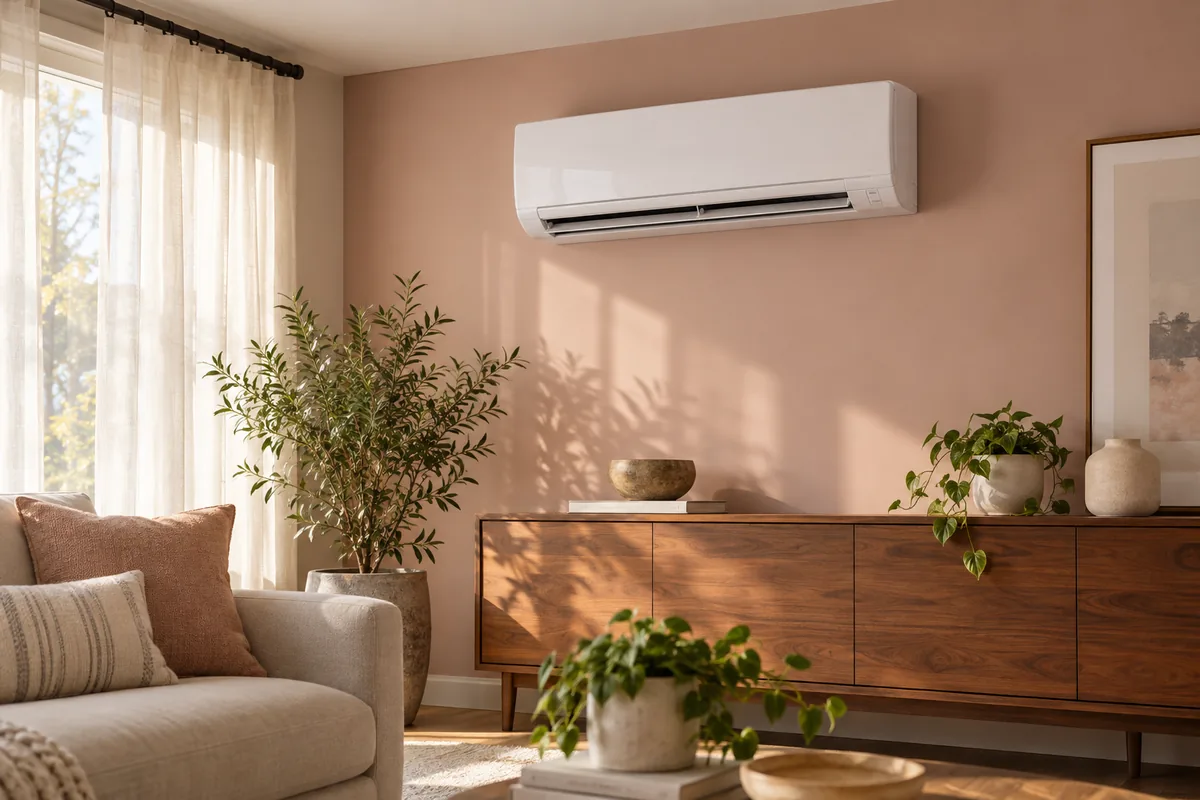
Some rooms or additions may benefit from a mini-split installation. During the estimate, we review indoor and outdoor unit placement, refrigerant line routing and drainage to determine whether this approach fits the space.
Equipment Size, Ductwork and Connections
A suitable size depends on the home’s heating and cooling needs. Floor area is one input, alongside features such as windows, insulation and the spaces the equipment will serve. Choosing a larger unit without checking those needs can create new comfort problems. Ask how the proposed size relates to the rooms and the way you use them.
Existing ductwork also affects the plan. It must carry air to and from the spaces the system serves. Access, layout and duct condition can limit what a new unit can do.
Mention any room that gets very little air. That issue belongs in the estimate discussion, before the equipment goes in.
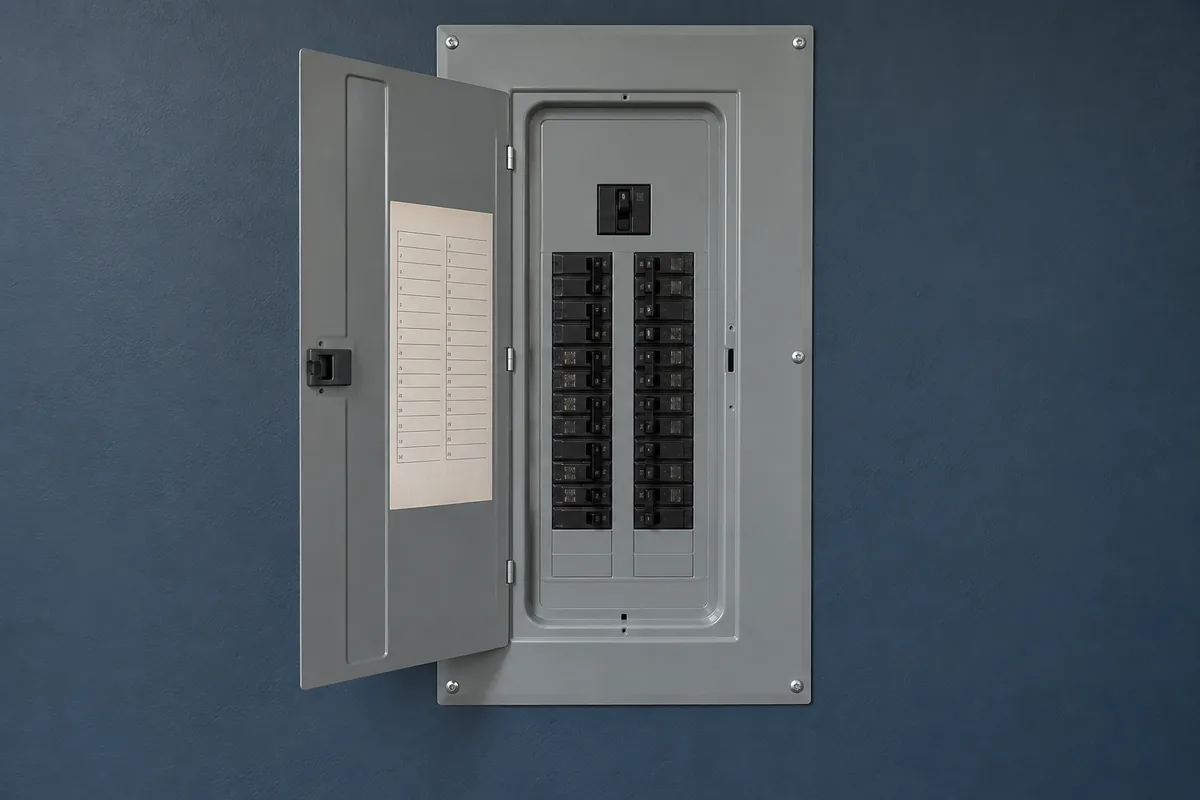
The review also covers the connections that the new equipment needs. These may include power, controls, refrigerant lines and a drain route. The exact scope depends on the system.
A reused line or control is not automatically suitable just because it worked with the old unit. The proposal should make clear what stays and what changes.
Installation Estimates, Costs and Repair Diagnosis
A useful estimate names the equipment and the work needed to install it. Review whether the scope includes changes to controls, access or connections. Ask which tasks are part of the proposed price and which findings could change the plan. Knowing the boundaries of the project helps you compare options on more than the equipment name alone.
Energy efficiency is part of the equipment discussion, but it is not a promise about future energy bills. Your settings, home and use of the system also matter. A proposal should help you weigh the equipment choice and total project cost. A fixed savings claim may not match your household.
An installation estimate serves a different purpose from a repair diagnosis. If you still want to know whether the current unit can work again, our HVAC repair service addresses that question. Share that goal before the visit. The free estimator visit applies to installation and replacement planning, not to every kind of diagnostic work.
Installation Access, Timing and Controls
The HVAC installation process needs a safe route for people, tools and equipment. Tell us about narrow doors, stairs, a locked yard or equipment in an attic or crawlspace. The estimator can review the location and access as part of the project. Keep the route clear, but leave moving or disconnecting the old equipment to the installation team.
Discuss the expected work sequence and any period without heating or cooling before we set the date. Equipment availability and site needs can affect the schedule. A single fixed duration would not fit every project. If access depends on another person being present, arrange that detail when we confirm the work date.
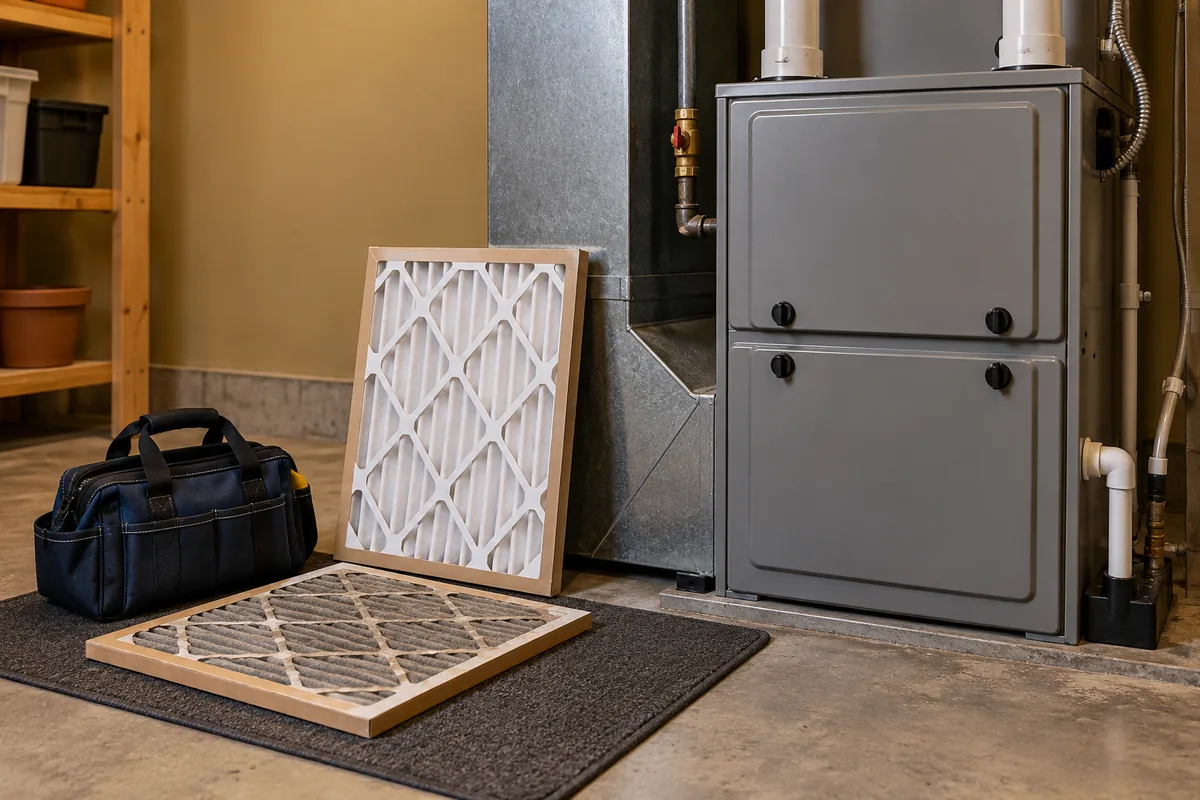
Before the handoff, ask how to select a mode, adjust the set point and use any new control. Make sure you know where the filter is and what care the setup needs. Keep the equipment details and project records together. Those records help you explain the system when you later arrange service or have an operating question.
Request HVAC installation or replacement from HVAC & Appliance Repair Guys using the service form below. Tell us your heating and cooling goals and request the free on-site estimator visit to review the proposed project.
HVAC Installation & Replacement by City and Brand
Choose your city or equipment brand for the relevant service information.
Oregon: Aloha, Aurora, Beaverton, Canby, Clackamas, Donald, Forest Grove, Gervais, Gresham, Happy Valley, Hillsboro, Hubbard, Keizer, Lake Oswego, Milwaukie, Newberg, Oregon City, Portland, Salem, Scappoose, Sherwood, Tigard, Troutdale, Tualatin, West Linn, Wilsonville, Woodburn.
Washington: Battle Ground, Brush Prairie, Camas, La Center, Ridgefield, Vancouver, Washougal, Woodland.
Brands: American Standard, Amana, Bosch, Bryant, Carrier, Daikin, Fujitsu, Goodman, Gree, Lennox, LG, Midea, Mitsubishi Electric, Rheem, Ruud, Samsung, Trane, York.
Frequently Asked Questions
Can I replace only the outdoor unit?
Sometimes a partial replacement is an option, but the indoor and outdoor equipment must work together. The estimator needs to review the existing setup and the proposed match. A lower initial price does not help if the remaining equipment cannot support the plan.
Do I need new ducts with every installation?
No. The estimate should consider the condition, layout and airflow needs of the existing ducts. Some projects can use them; others need changes. Mention rooms with poor airflow so the review covers that problem before you approve the equipment.
What should I bring to the free estimate?
Have the property address, your main comfort goals and any accessible equipment details ready. Photos can help explain the current setup. Also mention recent additions or rooms you want the new system to serve. You do not need to choose a model first.
Will a new system use the same thermostat?
That depends on the controls the new equipment requires. Some existing thermostats may suit the plan, while others may not support its functions. Tell us whether you prefer simple controls or a schedule. The proposed setup should reflect how you want to use it.
Request HVAC Installation in Portland Metro
For HVAC installation in Portland Metro, call HVAC & Appliance Repair Guys or submit a service request through the form on this page.