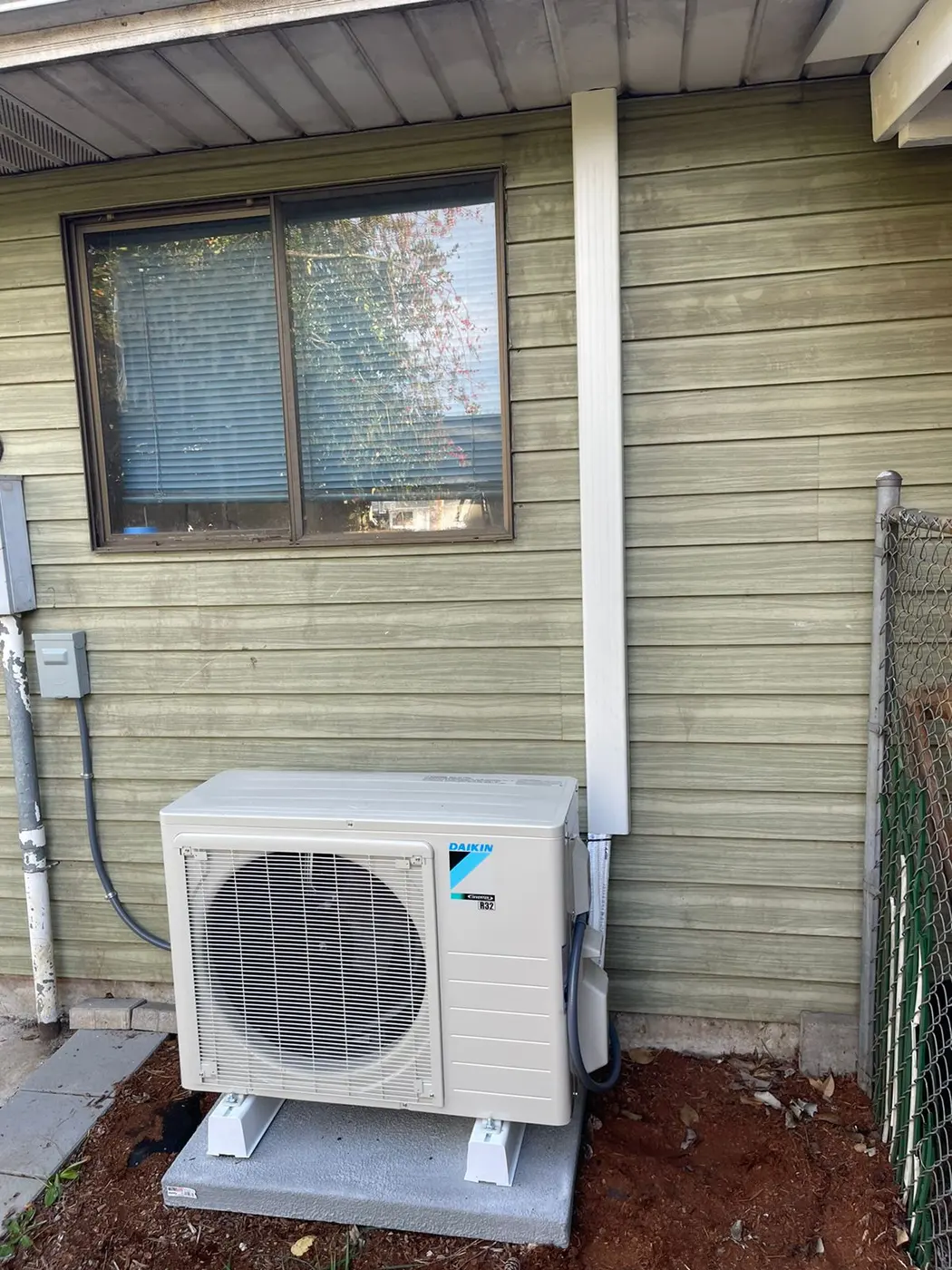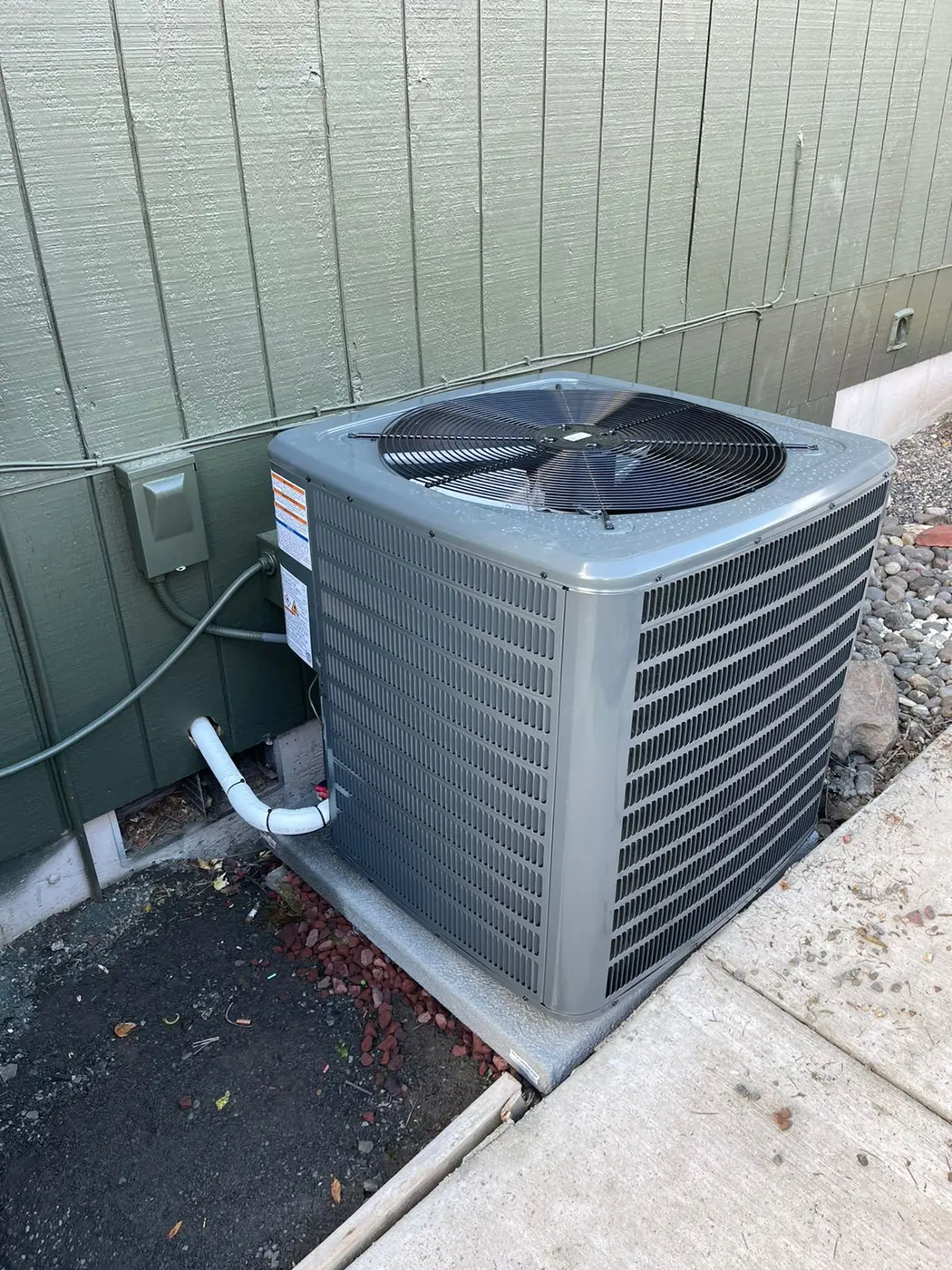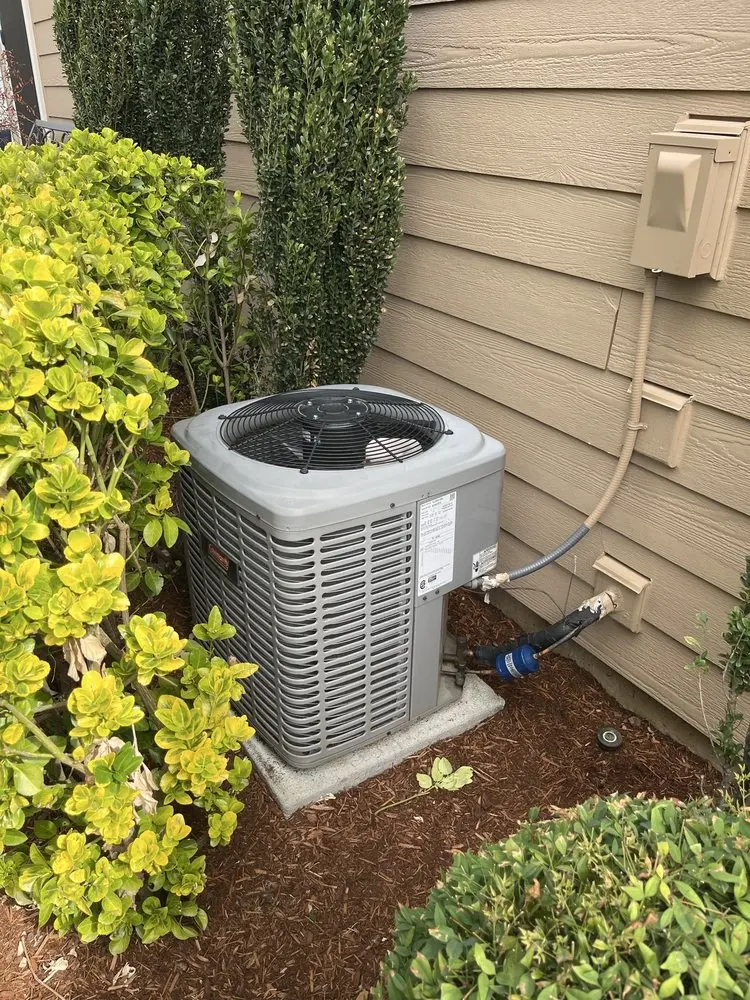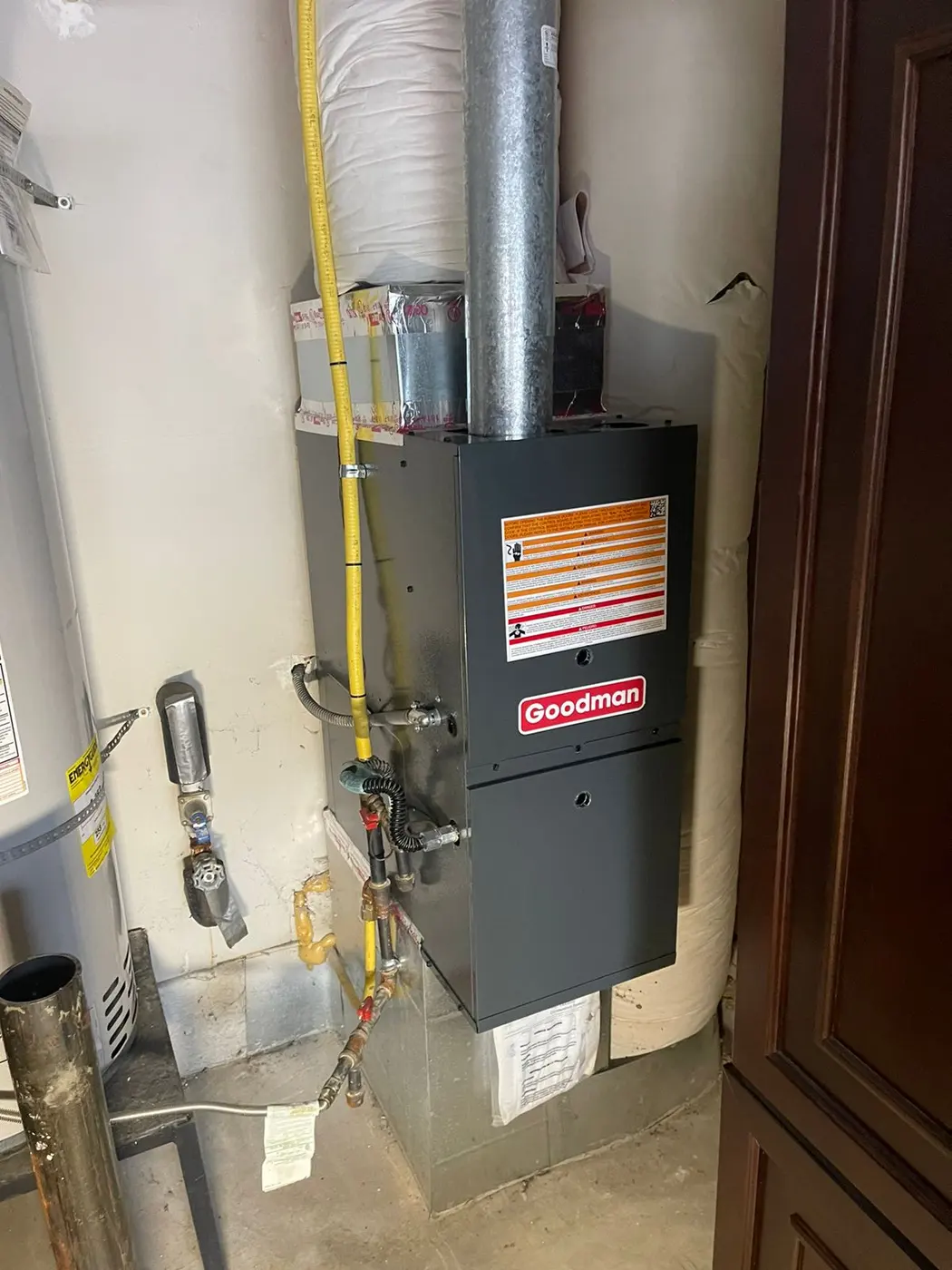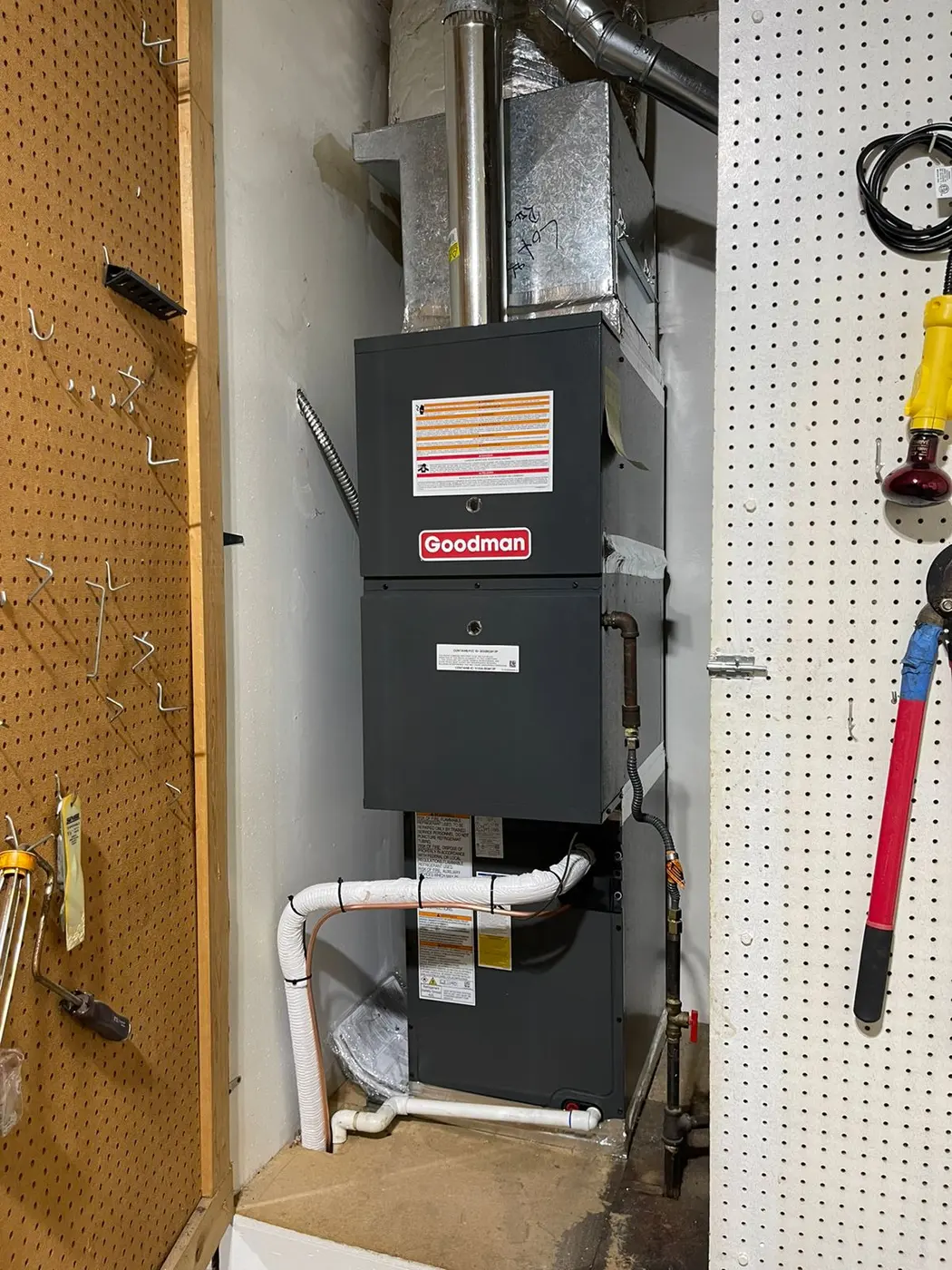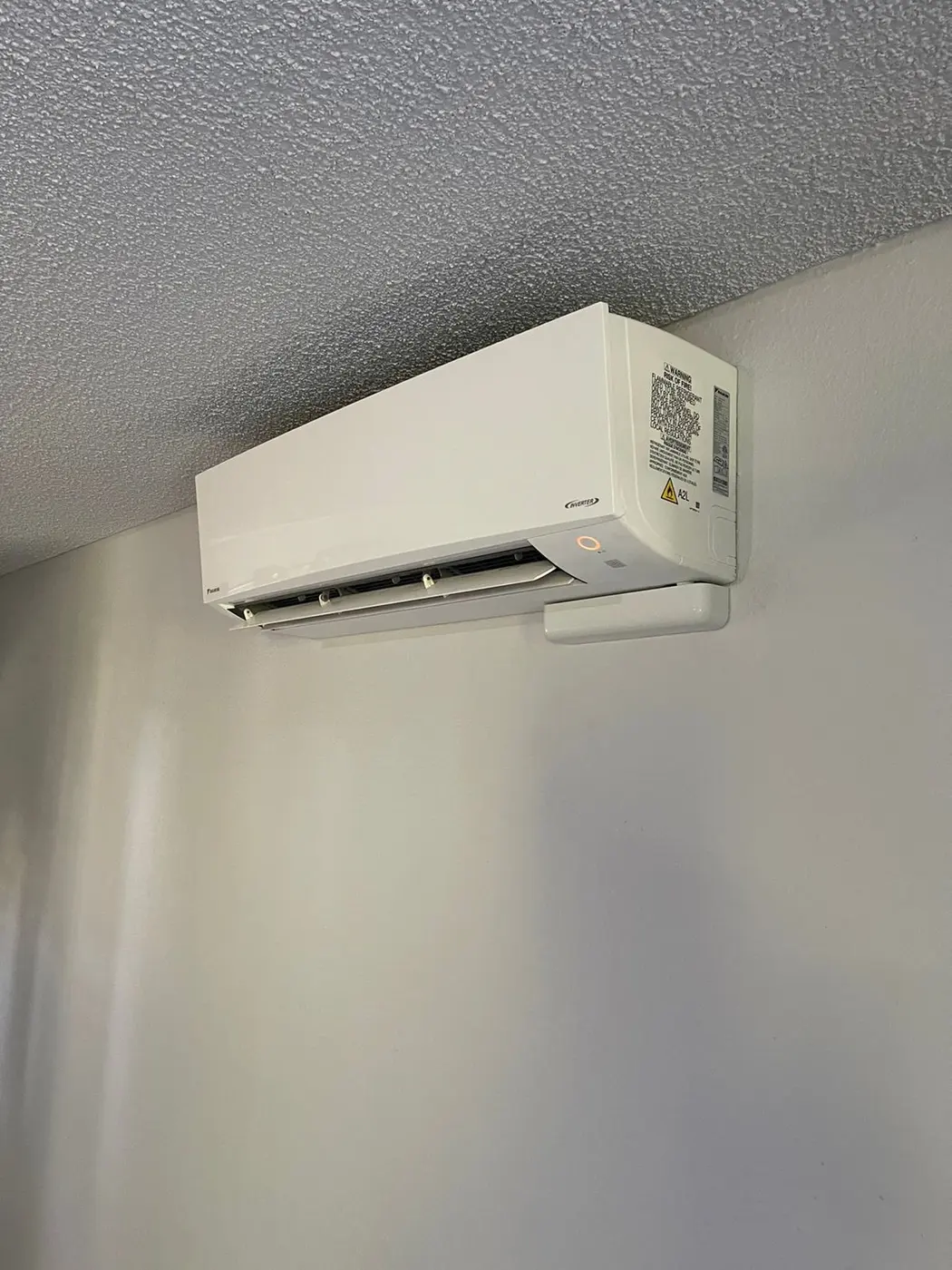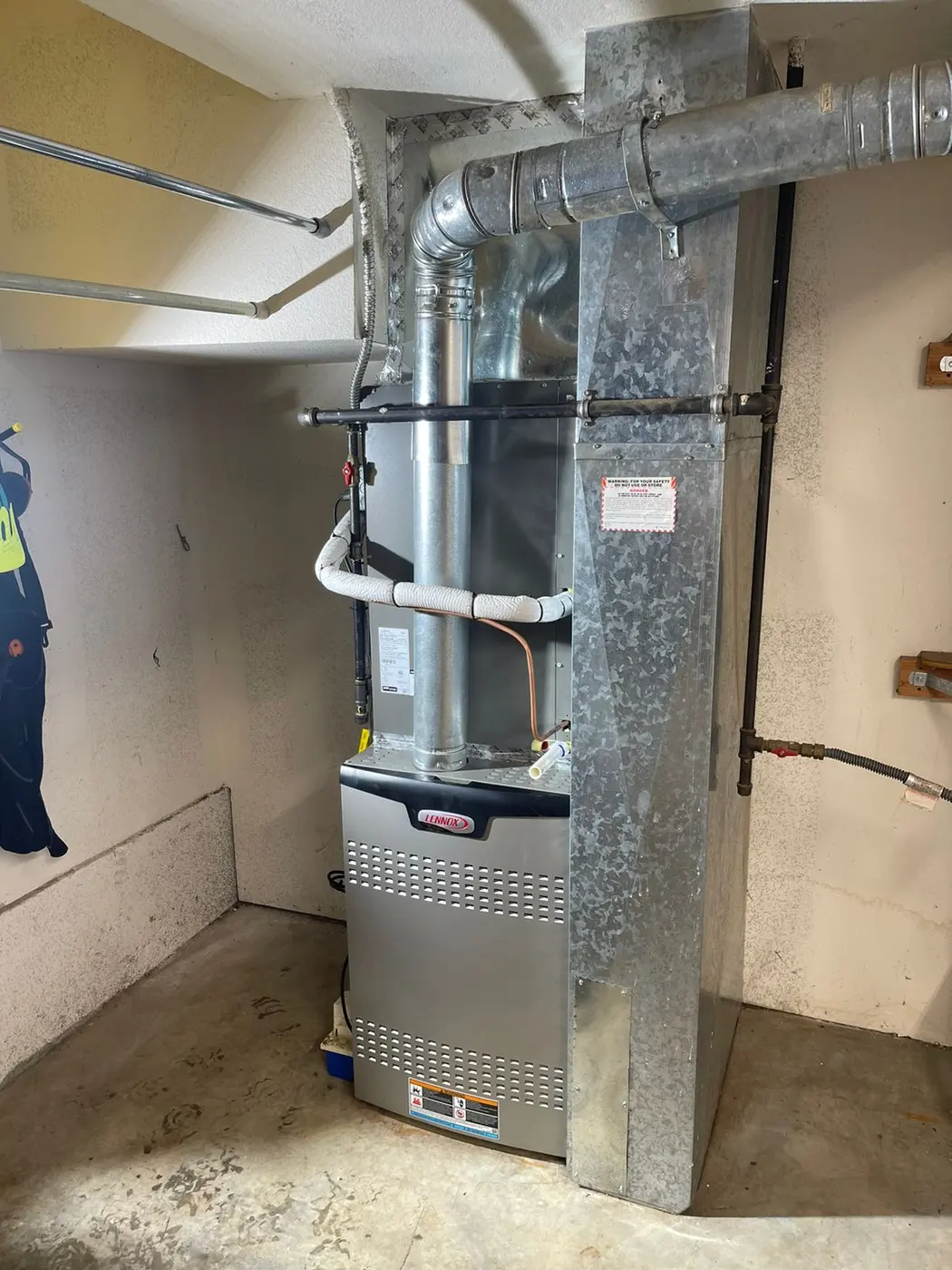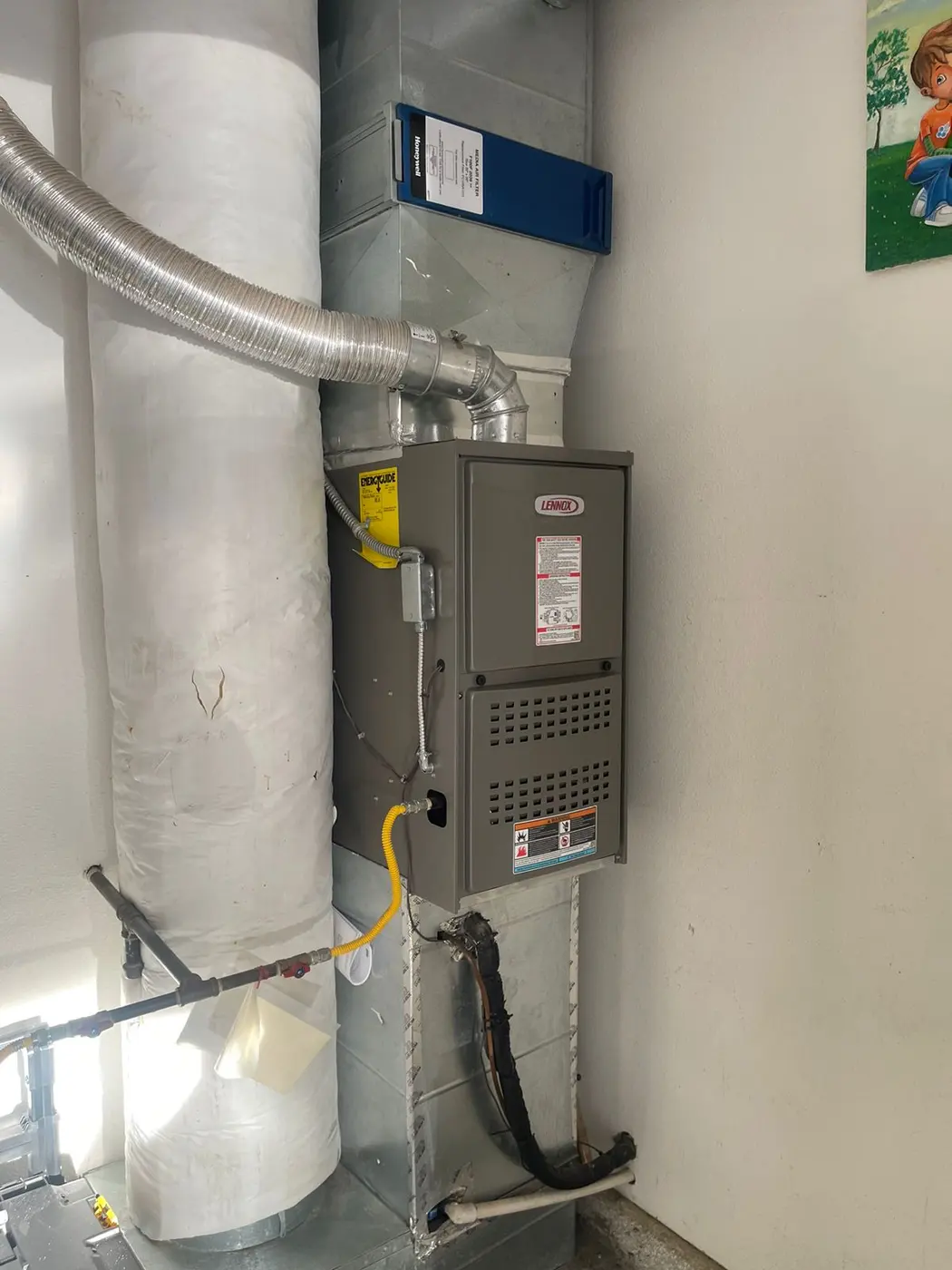




Bryant Furnace Installation in Portland Metro
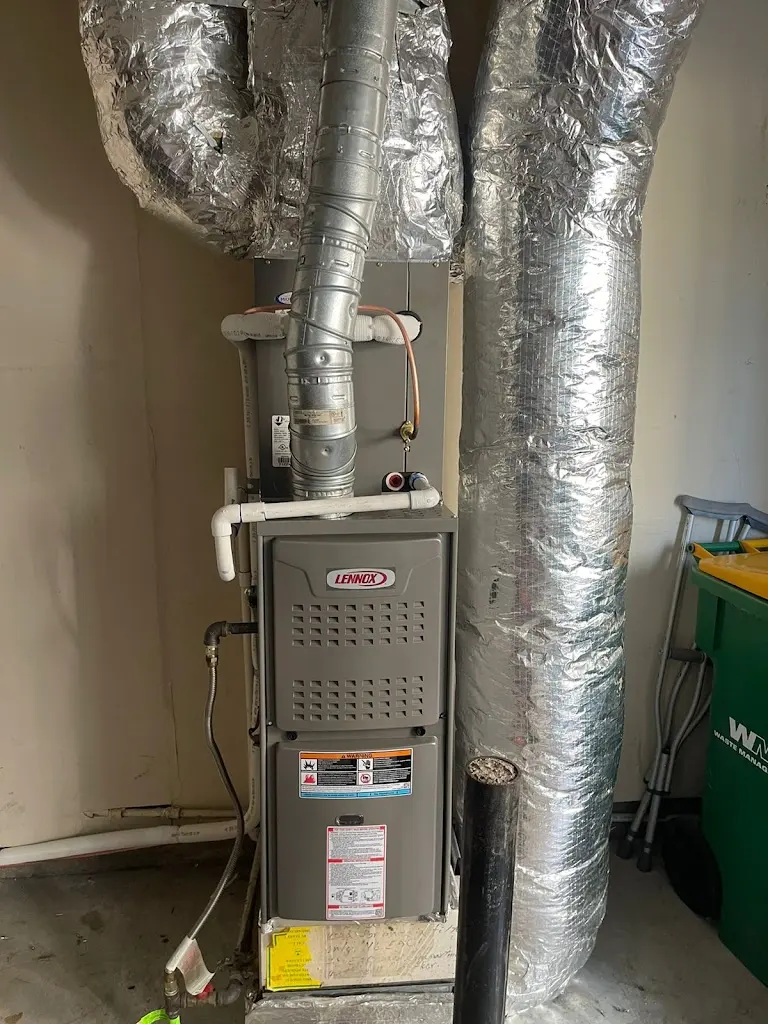
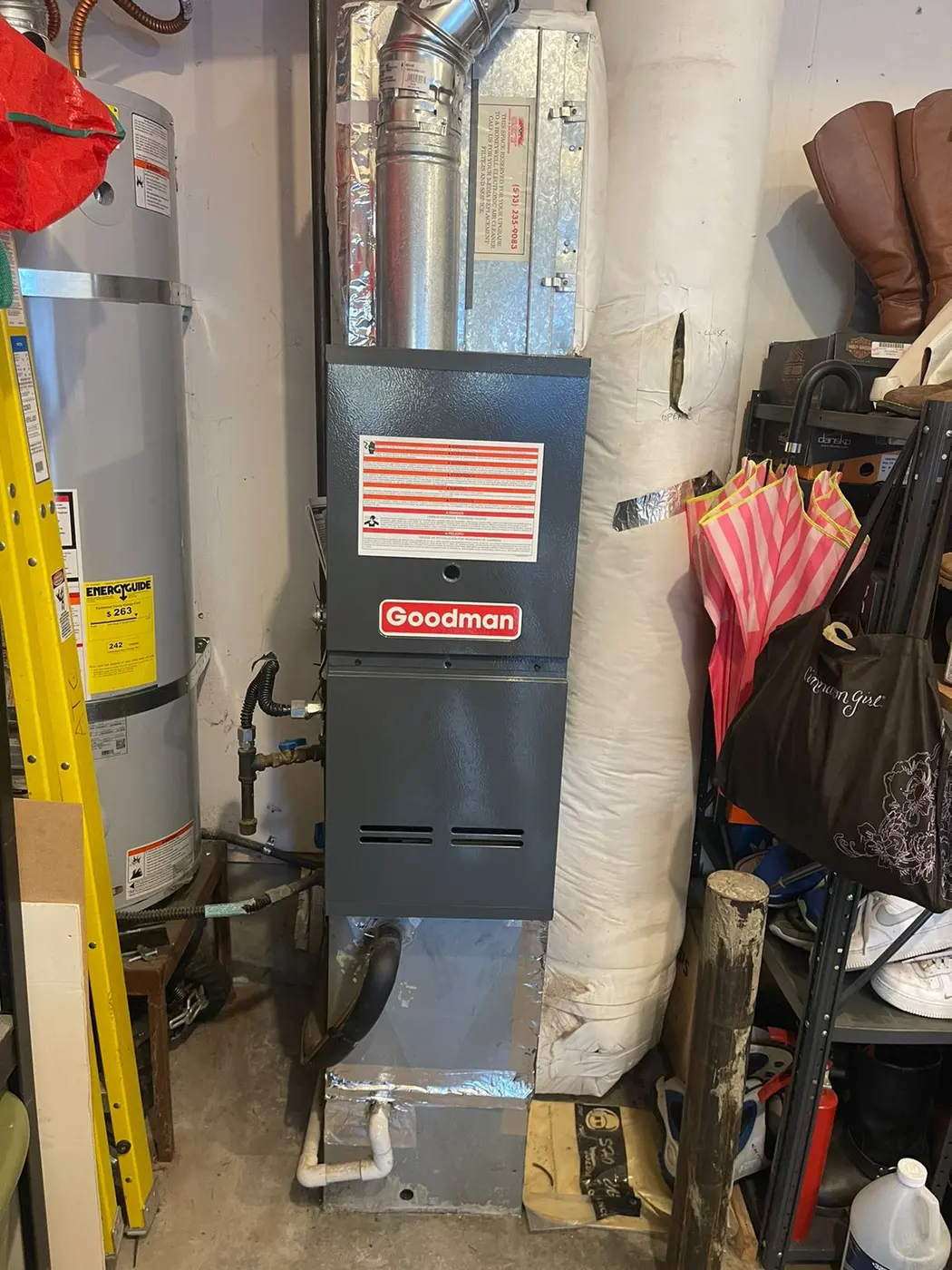
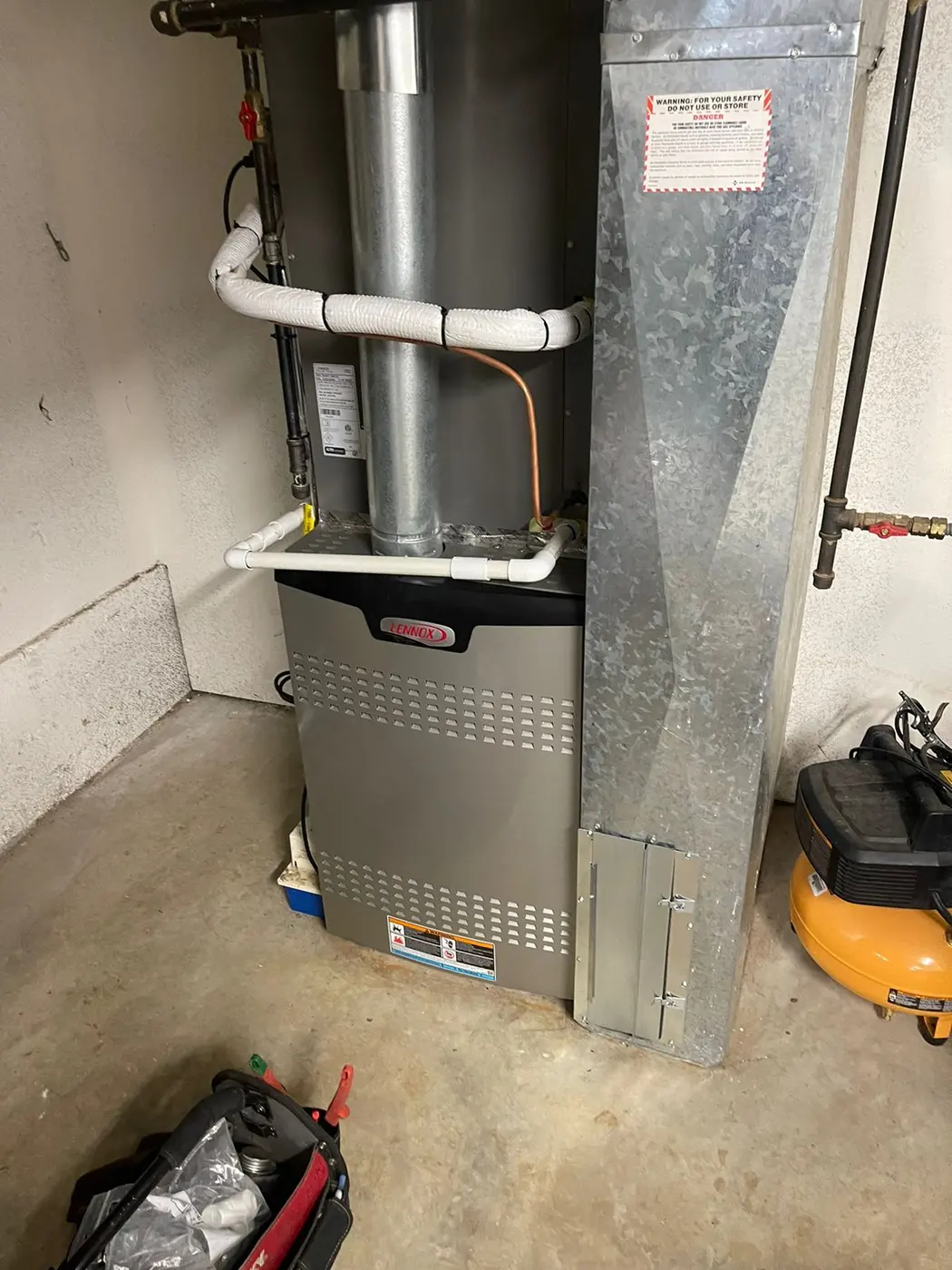
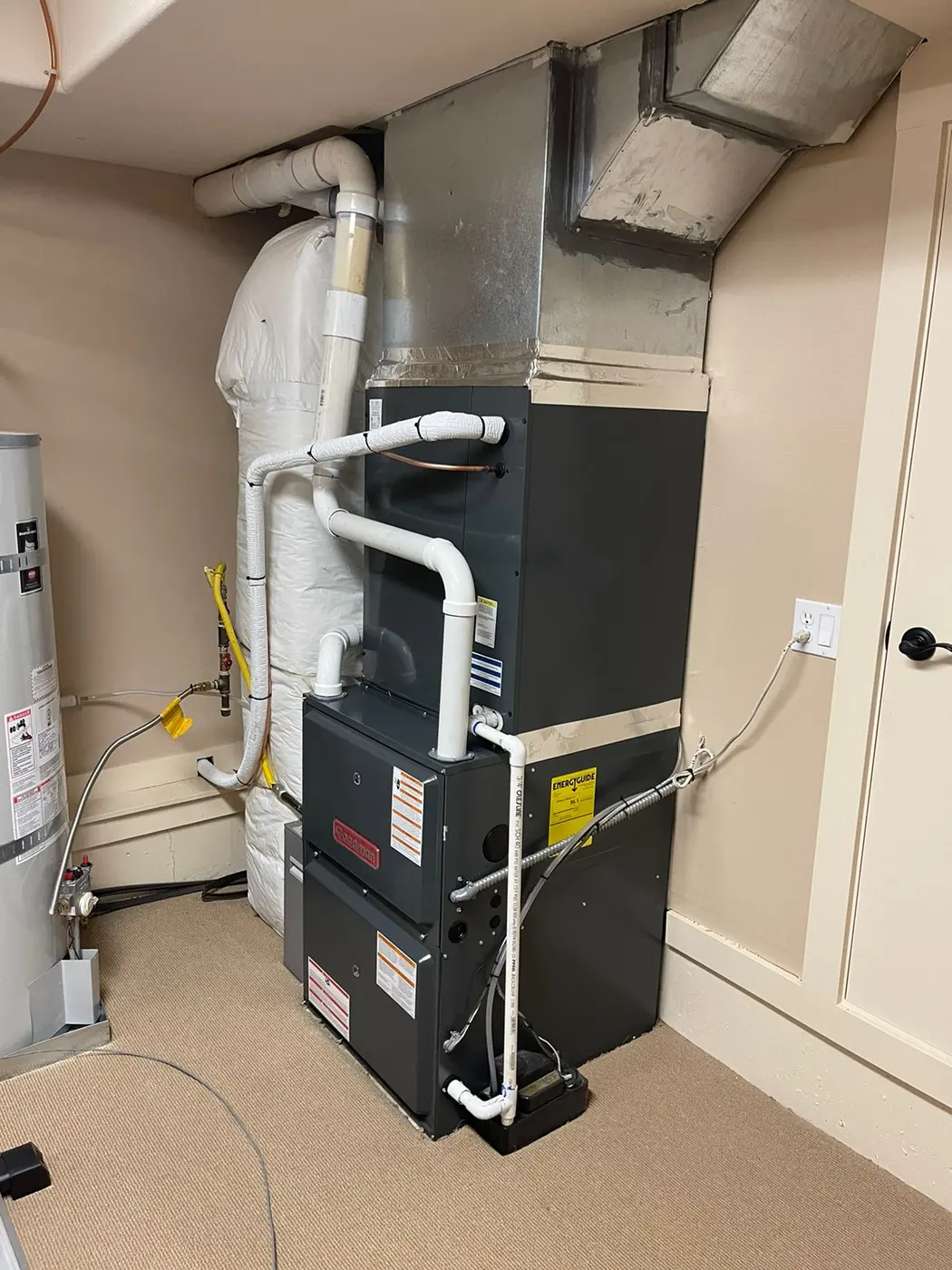
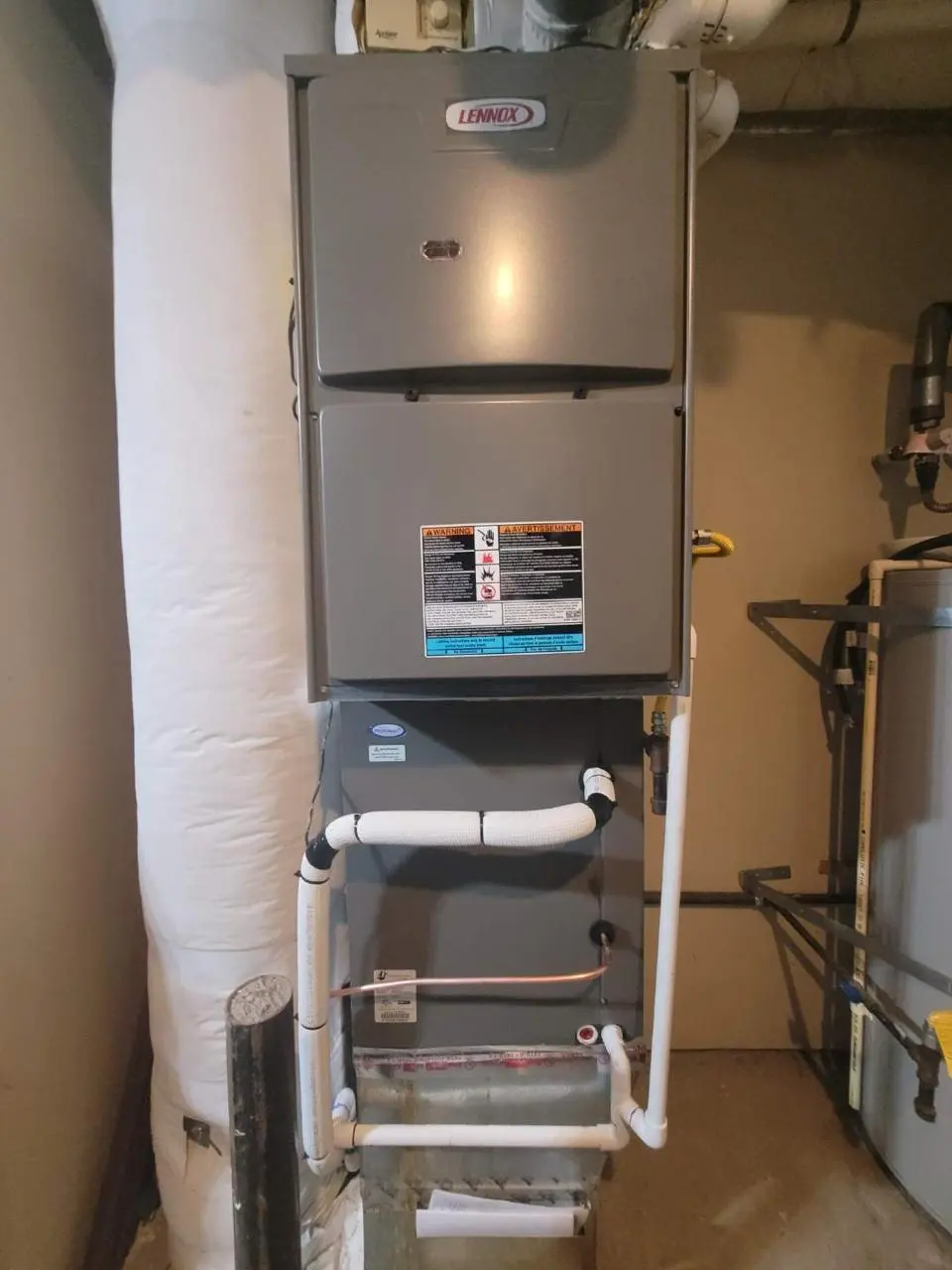
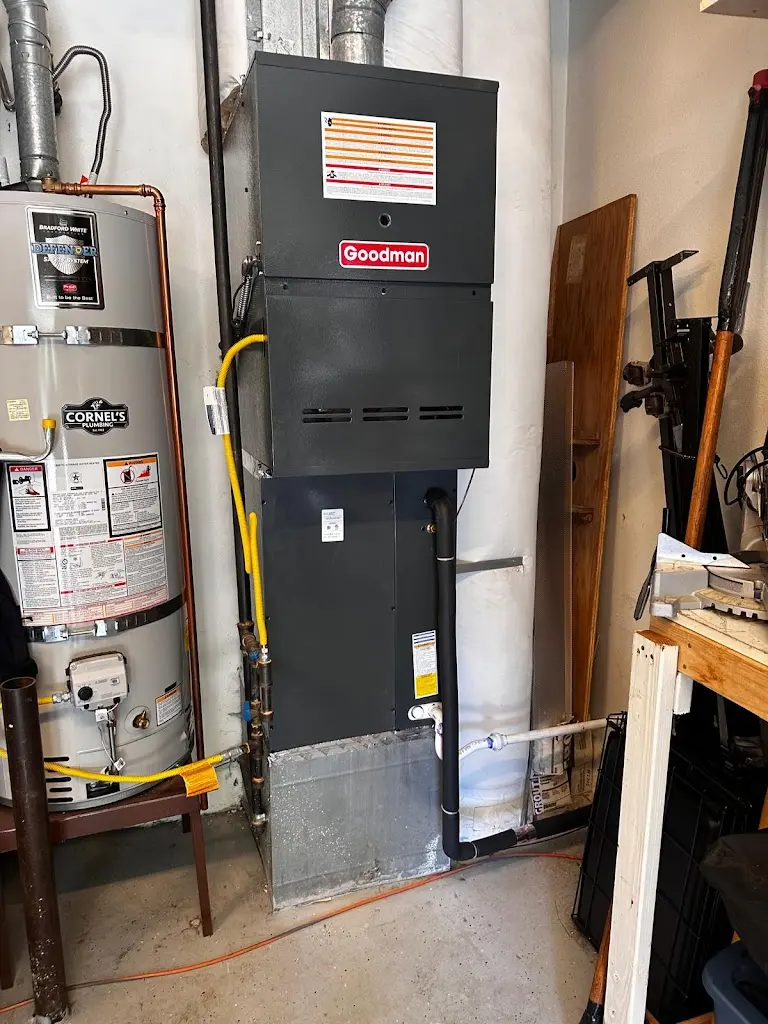
HVAC & Appliance Repair Guys provides Bryant furnace installation in Portland Metro. We review the home, current heating equipment and reason for the change, then explain the proposed work so you can decide whether replacement fits your needs.
Our furnace installation service reviews the selected Bryant furnace, heating stages, blower operation, controls and the work required at your home. Compare the complete installed project, not only the furnace price.
The Reason for Replacing the Furnace
Some projects follow a loss of heat; others begin with repeated repairs or a planned system change. Explain what prompted yours and how the home heated before the latest problem. Those details help distinguish a current equipment failure from an older room-comfort concern that needs its own review.
If you want to compare repair, our Bryant furnace repair service addresses the present fault. An installation estimate defines different work. It should show the proposed new equipment and the changes needed around it. Neither age nor a single symptom should stand in for the full comparison.
Heating Stages, Blower Operation and Controls
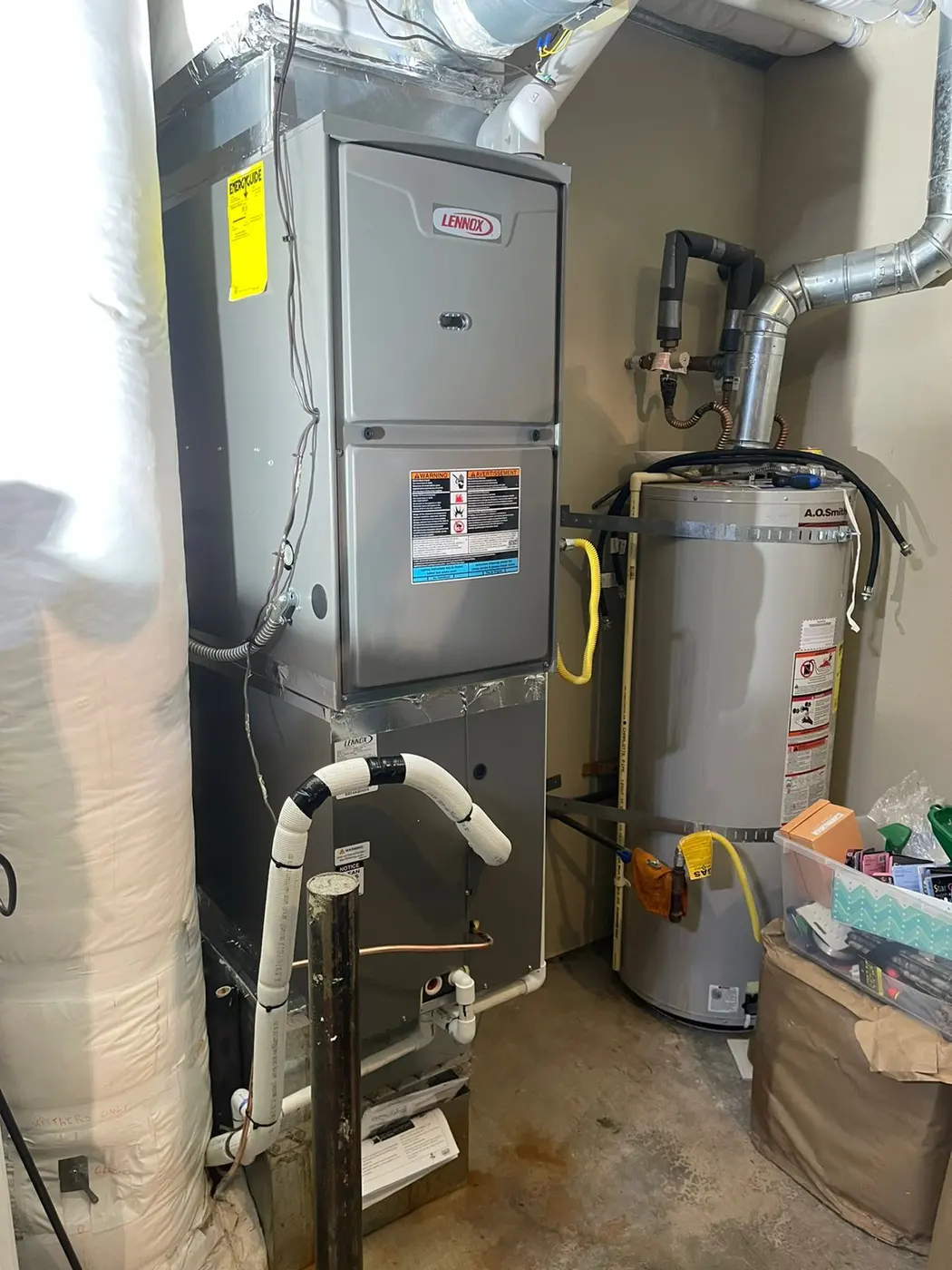
The Bryant Evolution 987M is an example of a modulating gas furnace with a variable-speed blower. The gas heating output and the air moved by the blower serve different functions. Those features describe the selected model. Other Bryant furnaces can use different heating stages and controls.
A supported Evolution control and compatible equipment matter when the project includes communicating operation. We identify the actual furnace and control arrangement in the proposal. An existing thermostat may need review even if it appears to work normally. You do not need to change wiring or settings to prepare for that discussion.
Capacity and the Rooms You Want to Improve
Describe where the home heats evenly and where it does not. A bedroom that has always lagged behind the rest of the house deserves attention before the new furnace choice. We consider the home’s heating needs and air delivery rather than assume more output will solve that room’s problem.
Changes to the home can also be useful context. Tell us about a finished room or an altered layout if it affected comfort. You do not need to calculate a heating load yourself. The equipment plan should explain the selected capacity and distinguish furnace work from any related changes to air delivery.
The Cooling Equipment That Remains
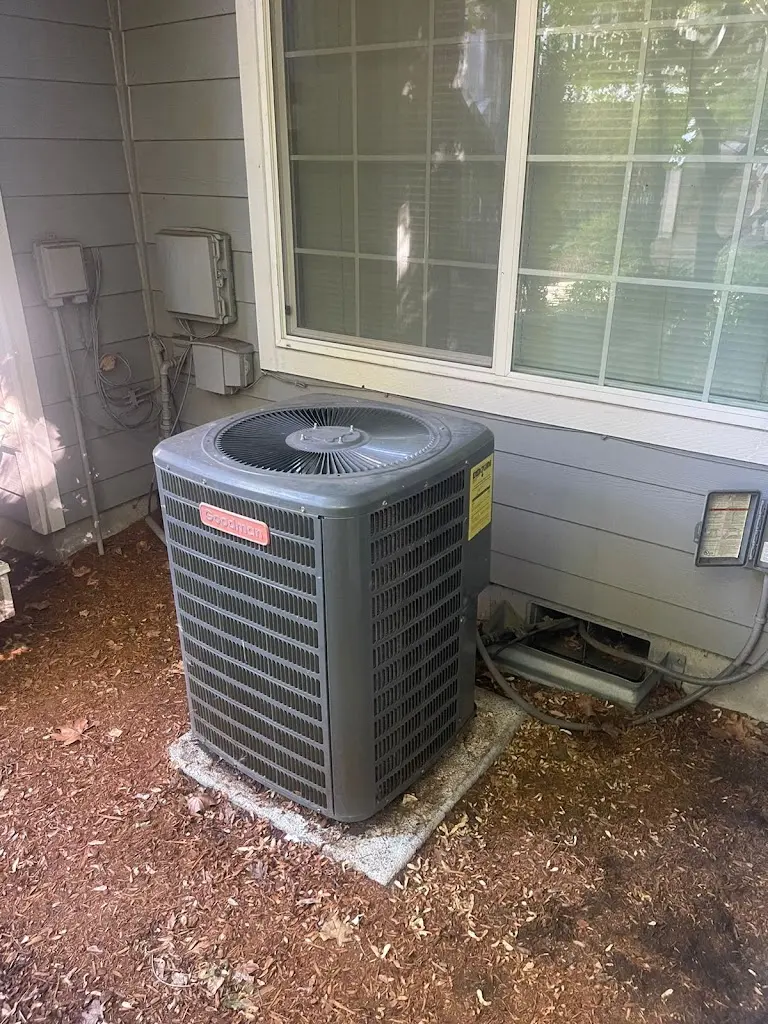
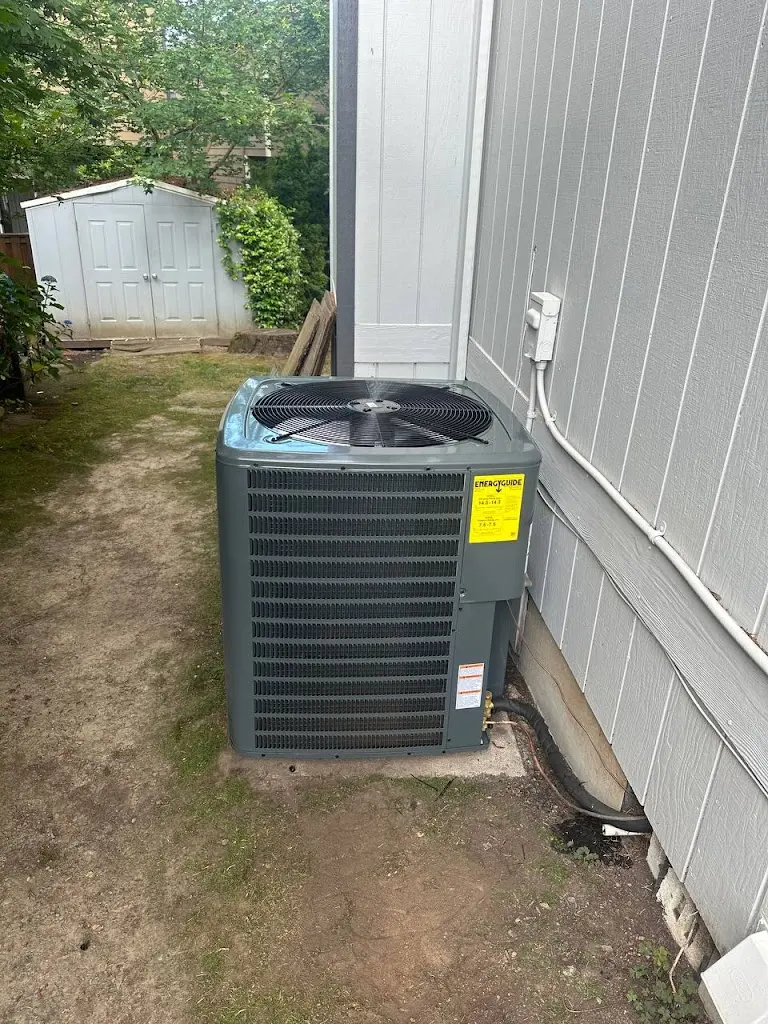
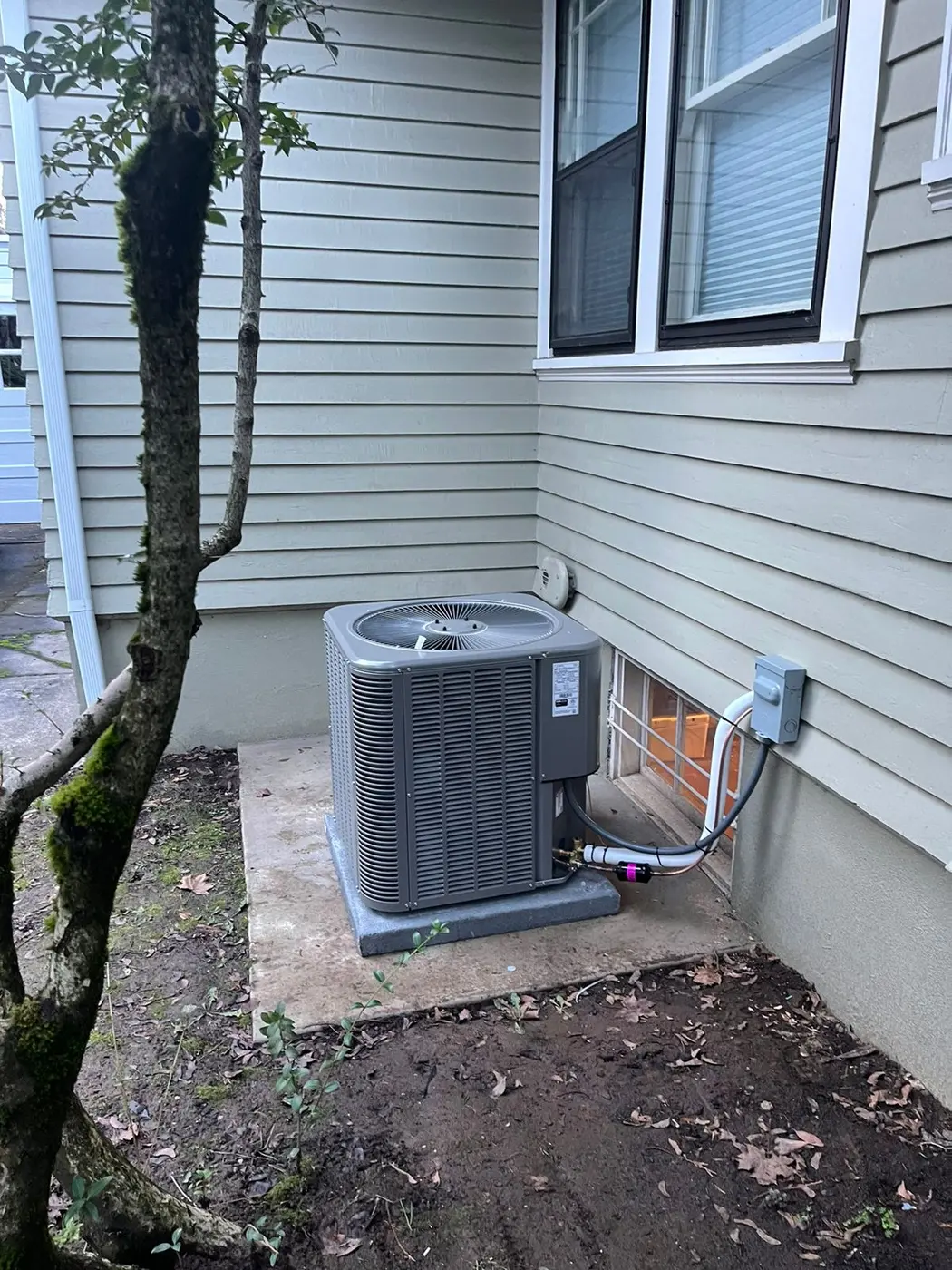
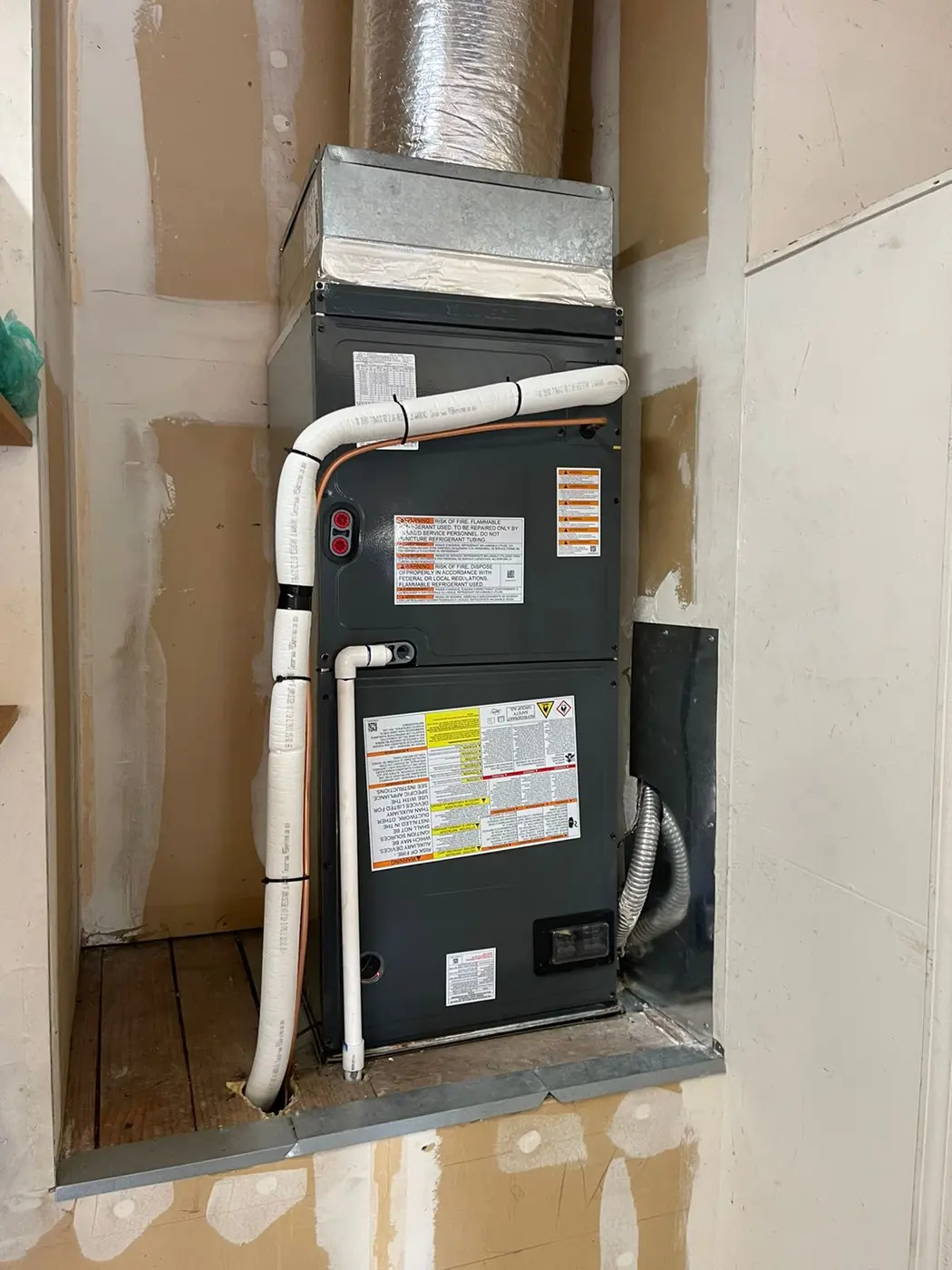
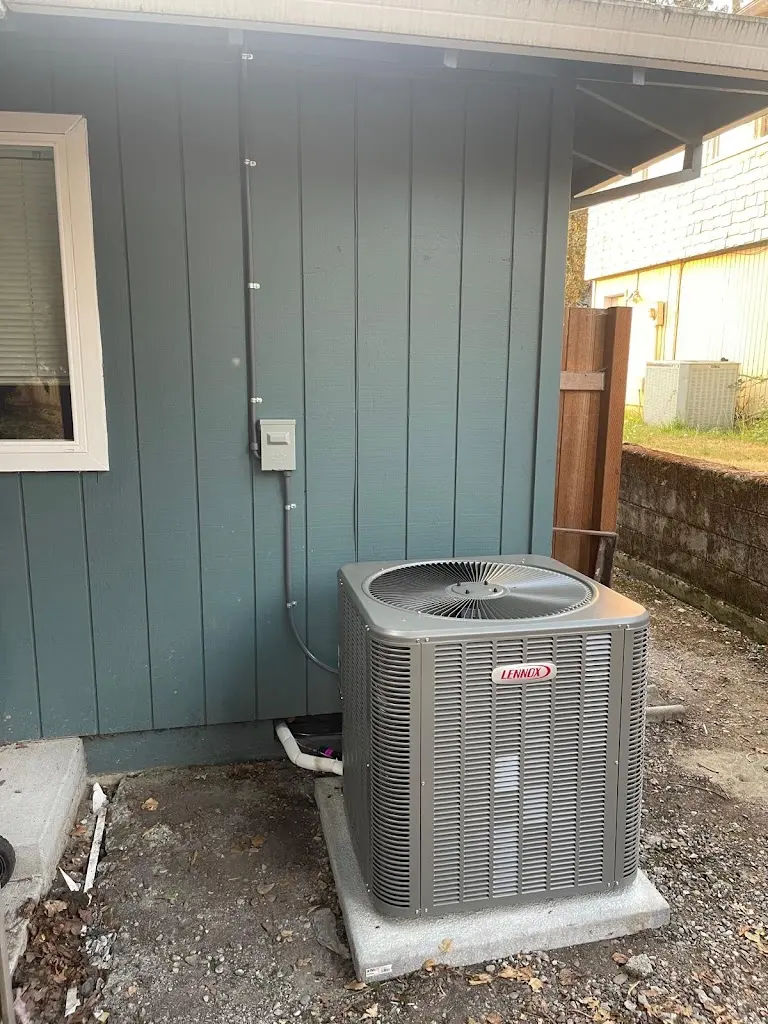
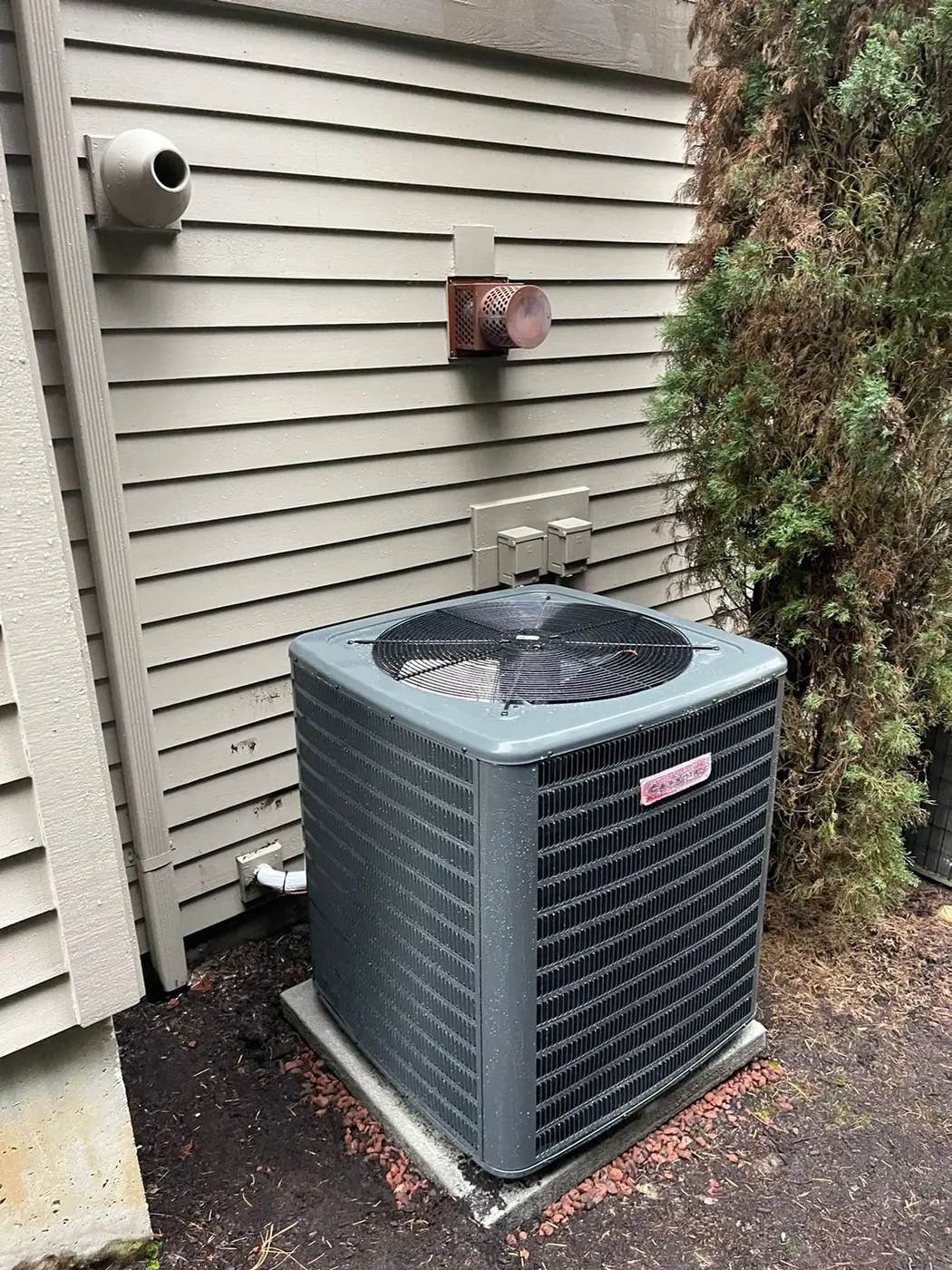
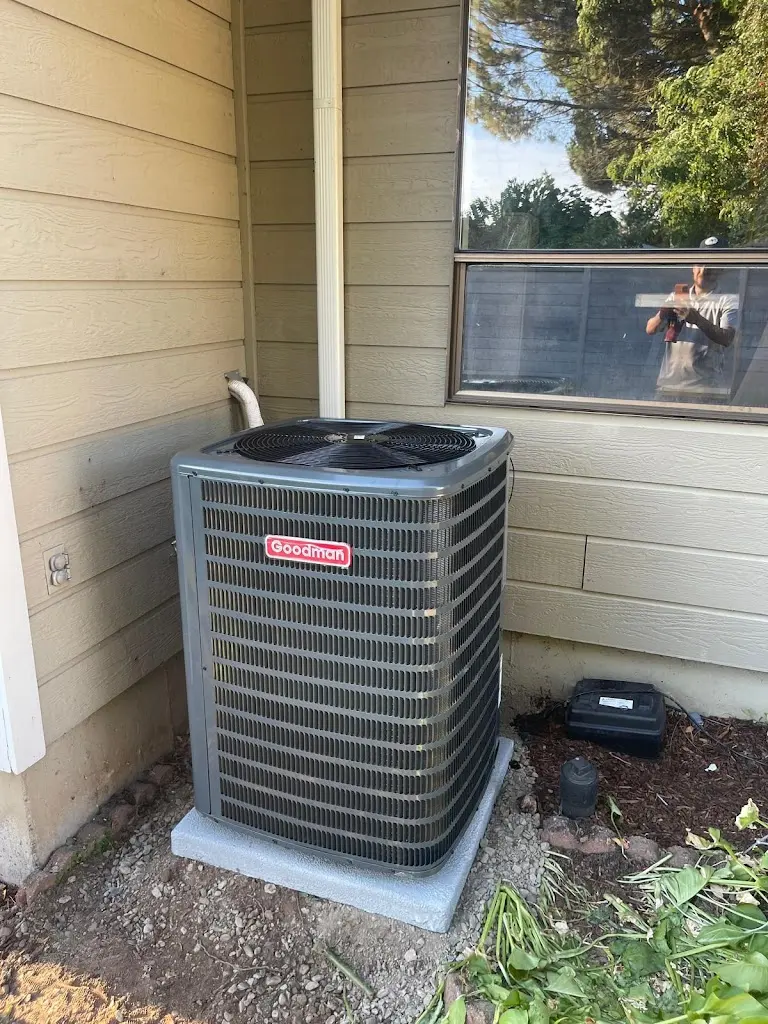
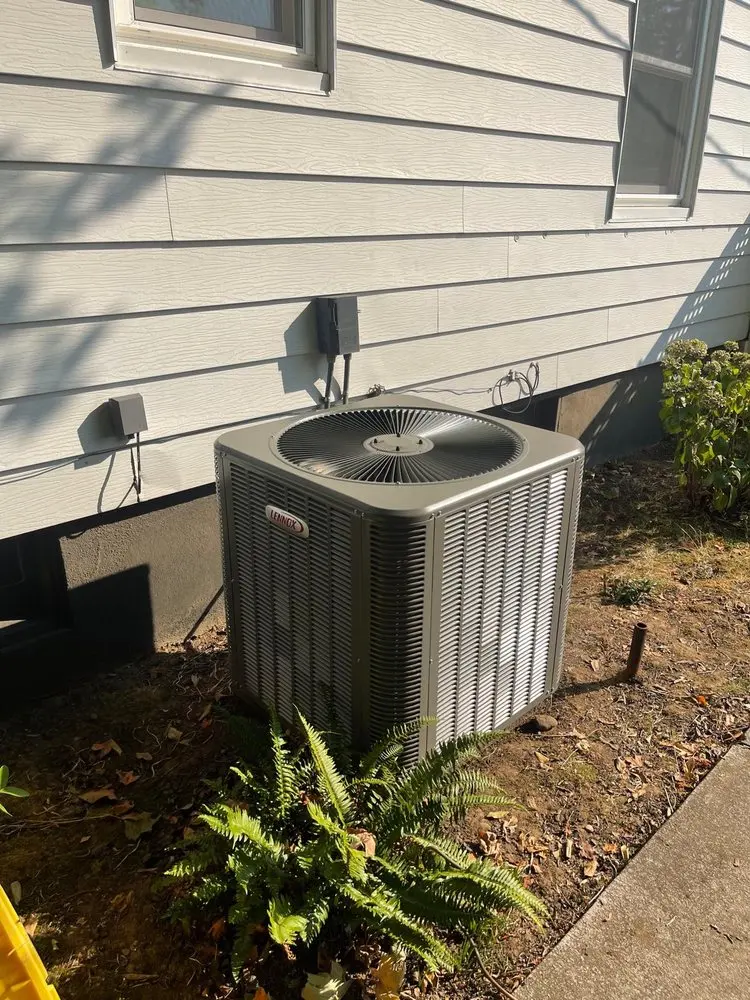
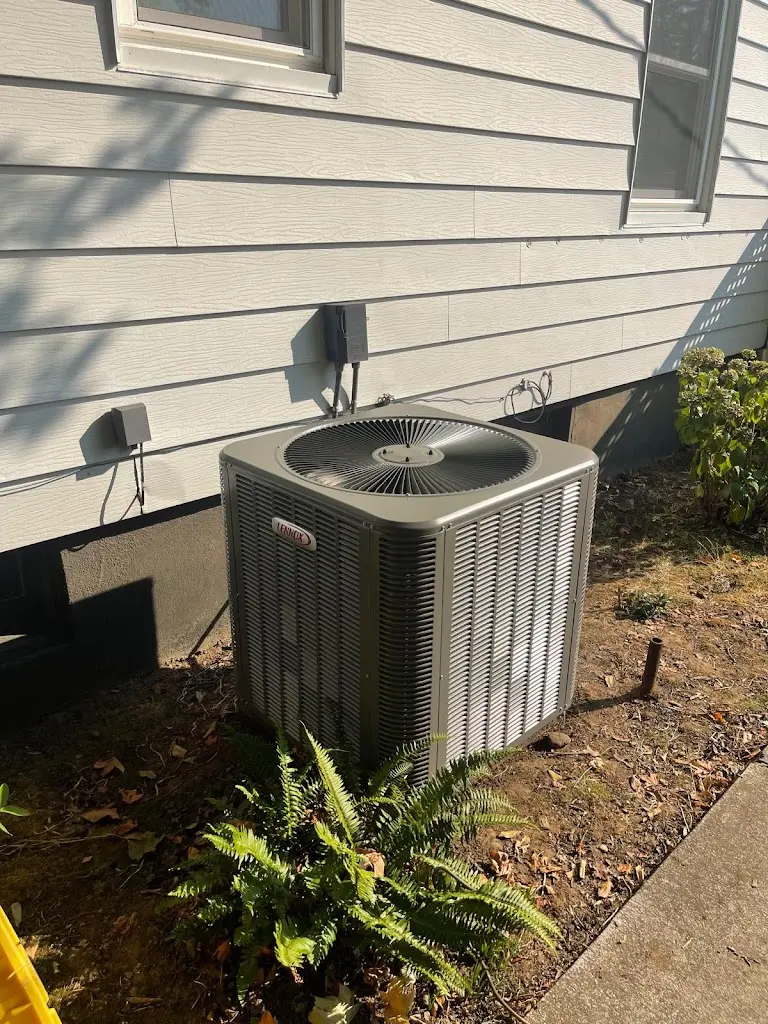
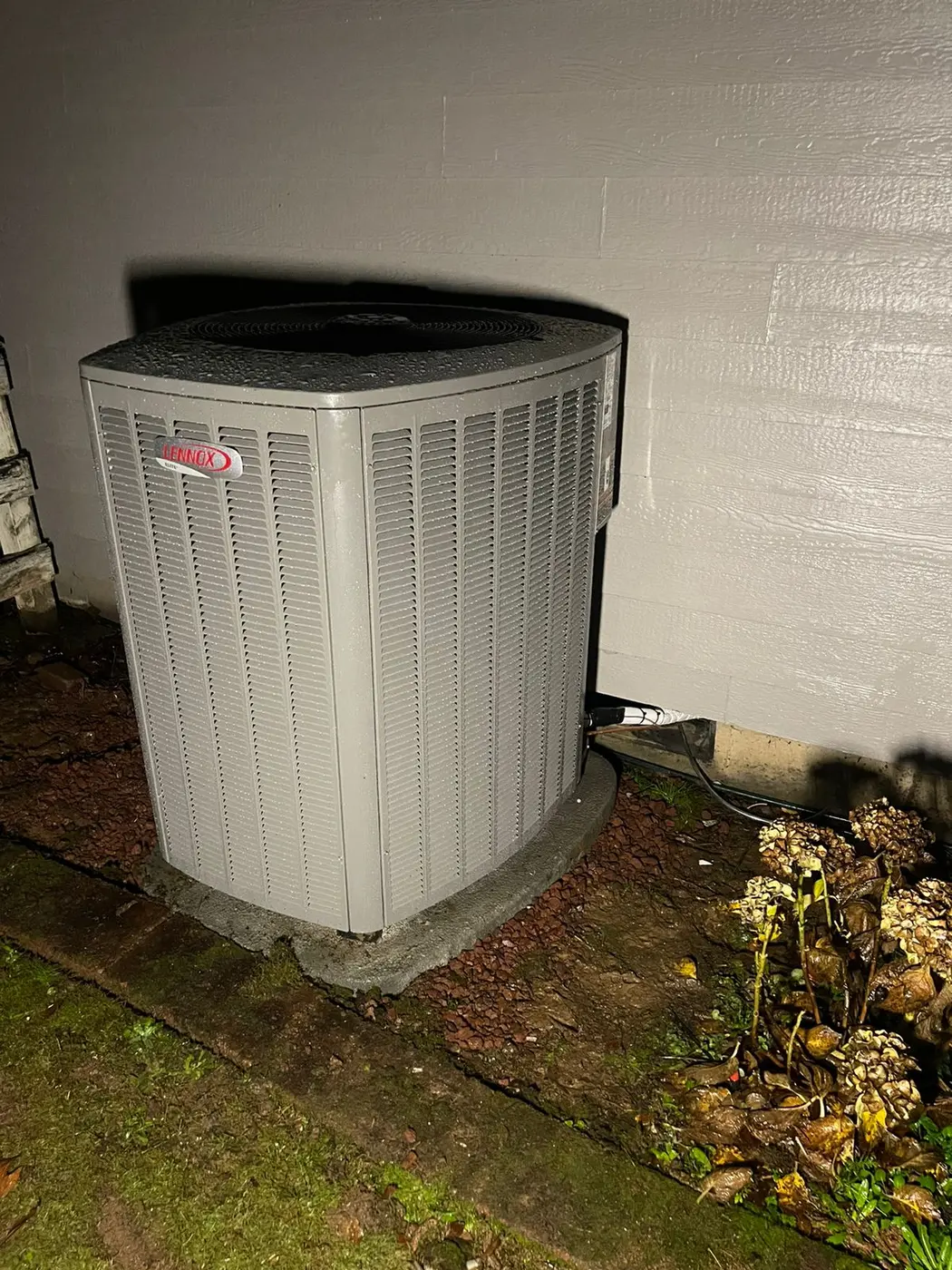
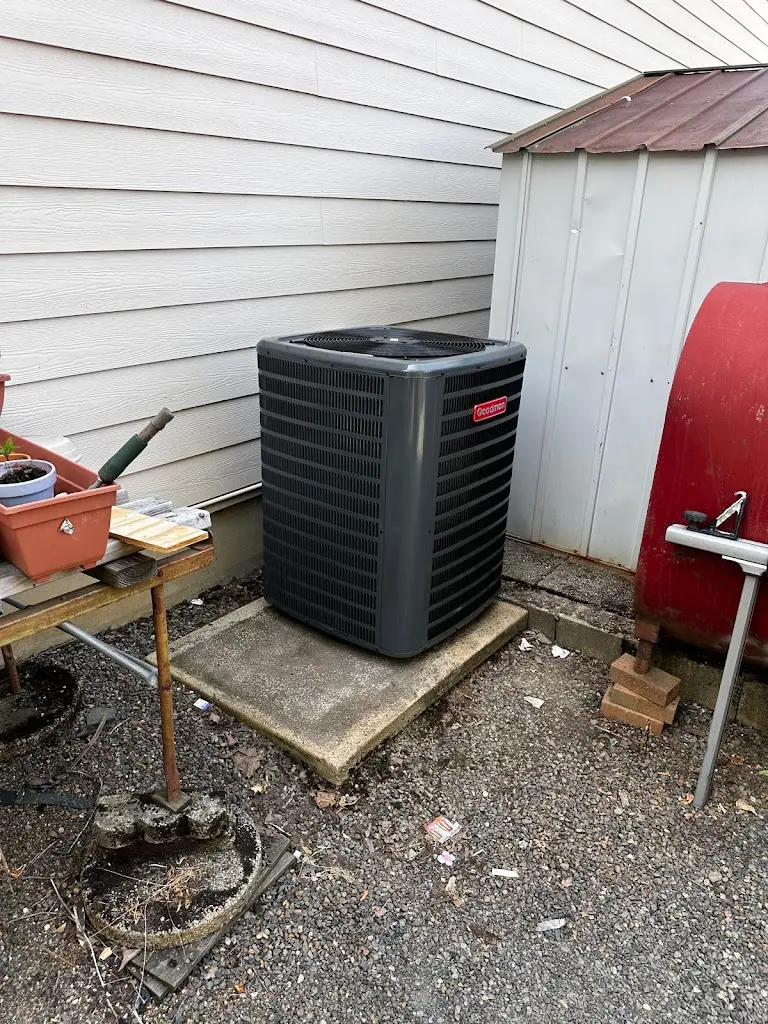
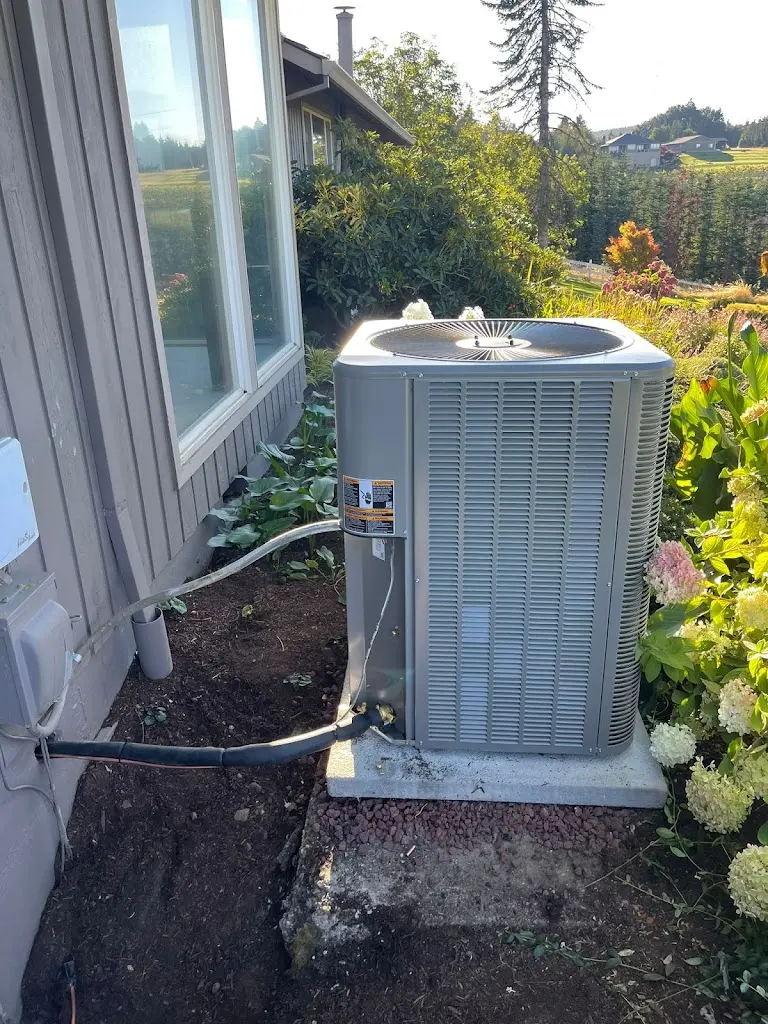
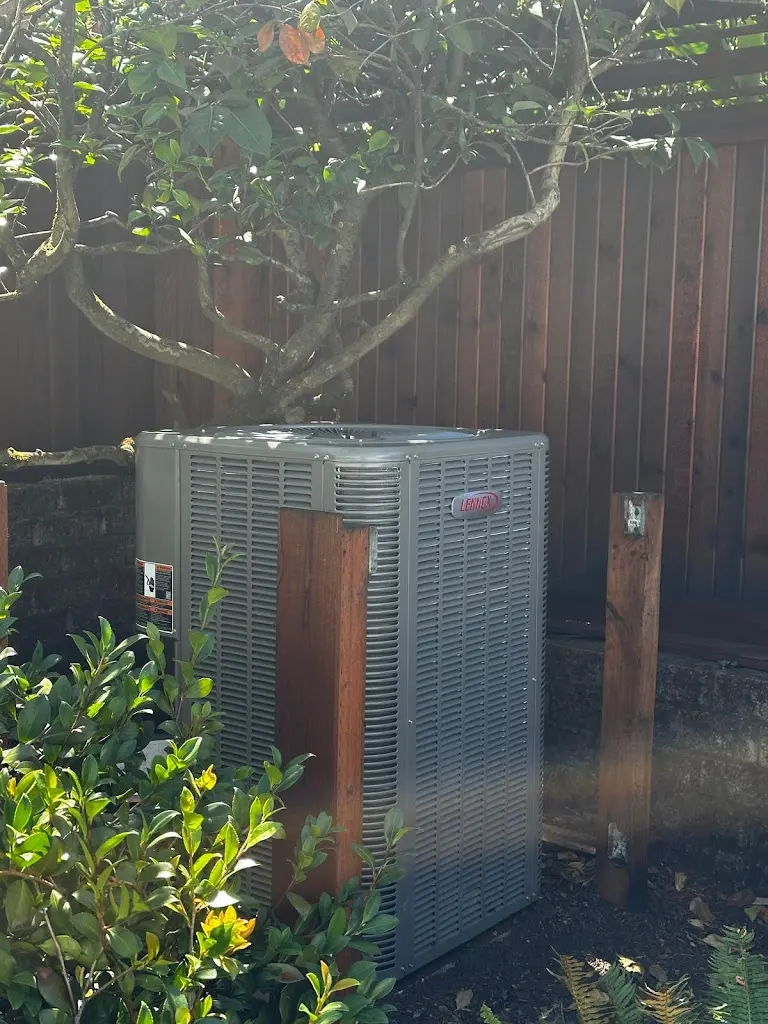
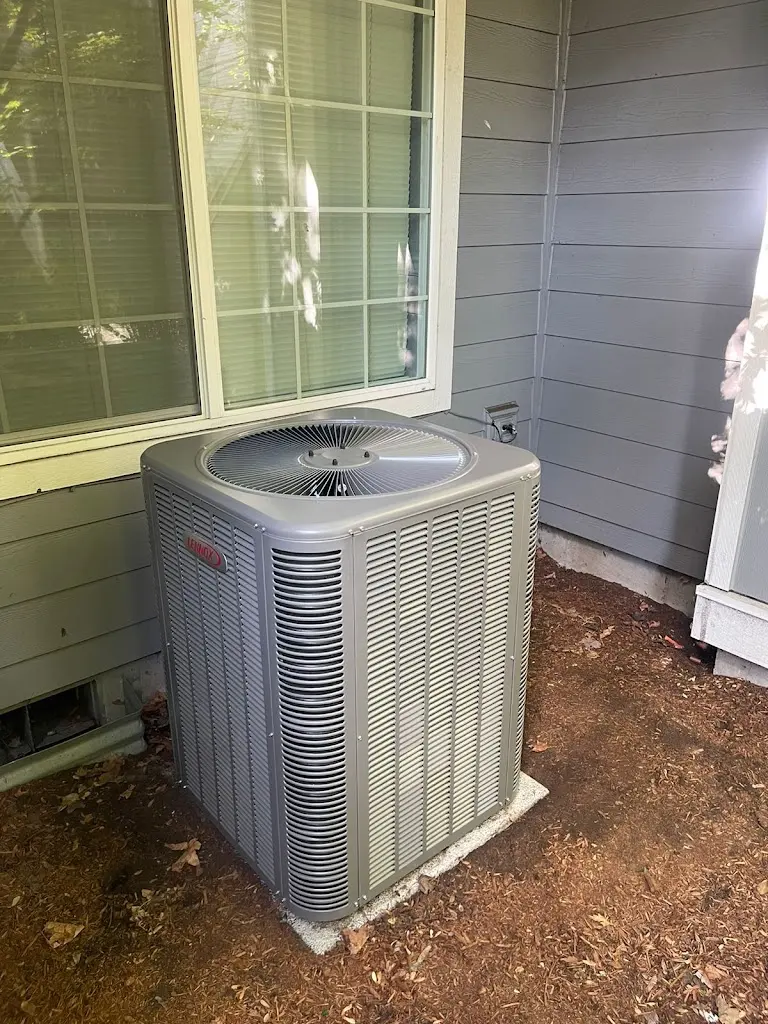
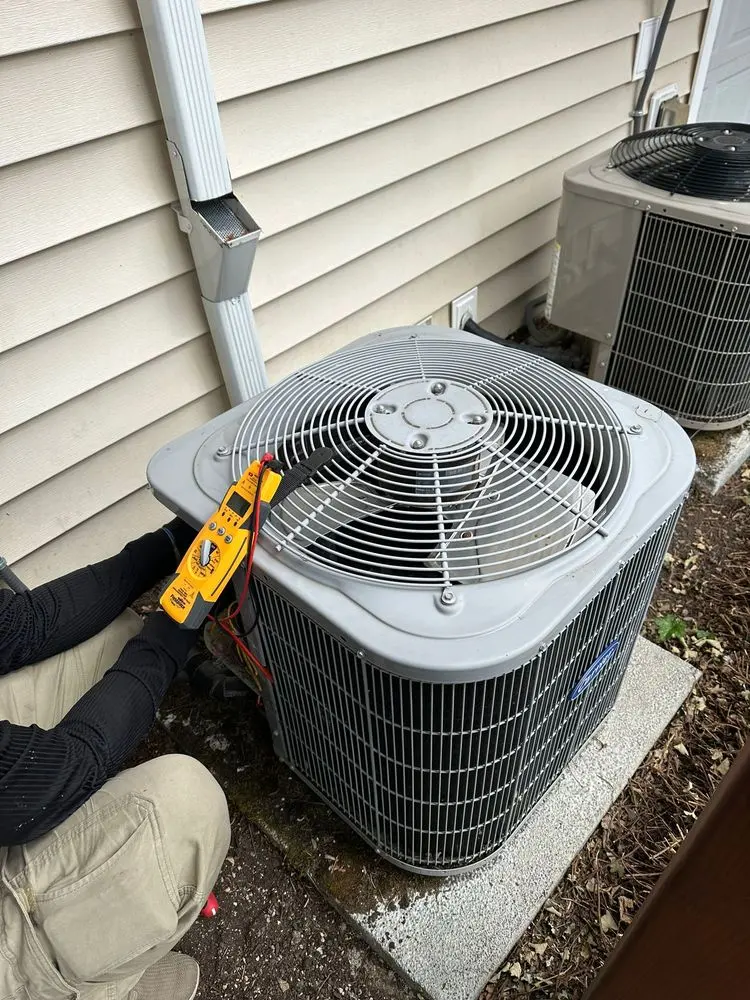
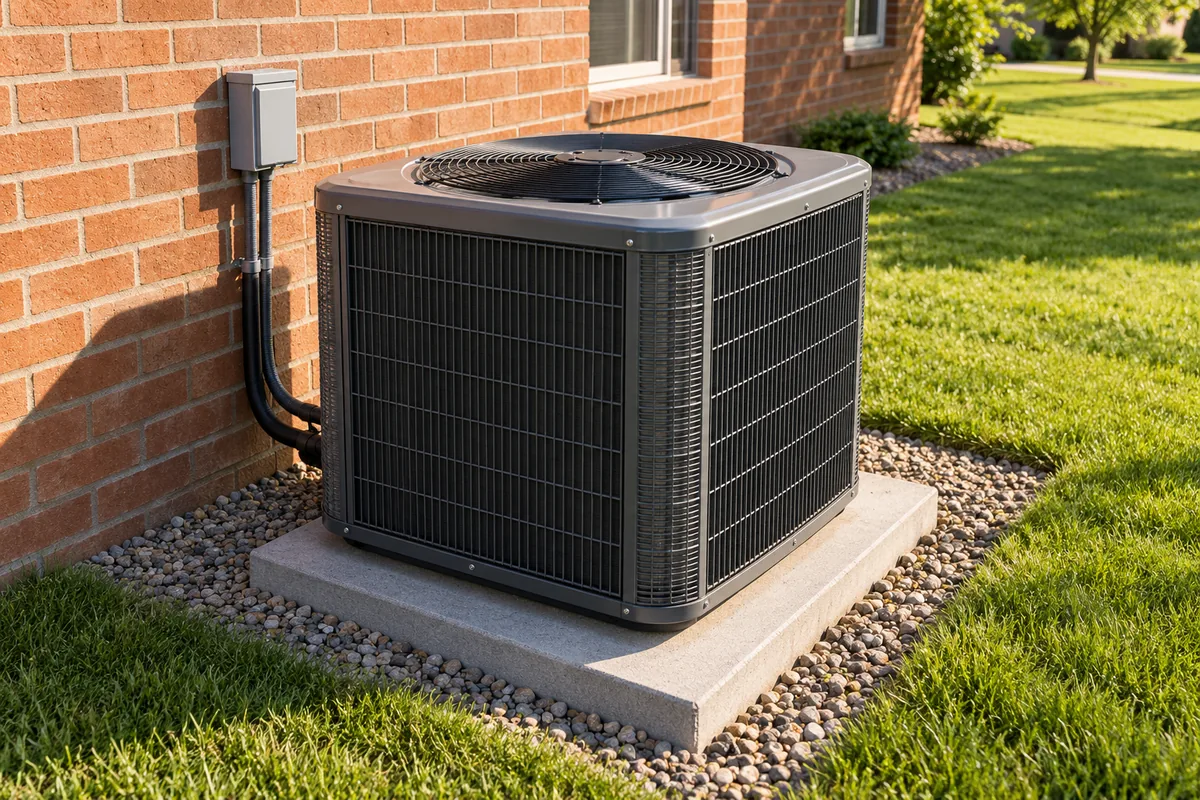
The furnace blower may serve the cooling system as well as the heating system. We review the existing coil and connected equipment before confirming which parts can stay. Replacing the furnace does not always require a new outdoor AC. We still need to assess its match with the proposed indoor equipment.
The estimate should state whether cooling equipment stays or is replaced, and include any work needed to connect it to the new furnace.
Venting and Drainage Requirements
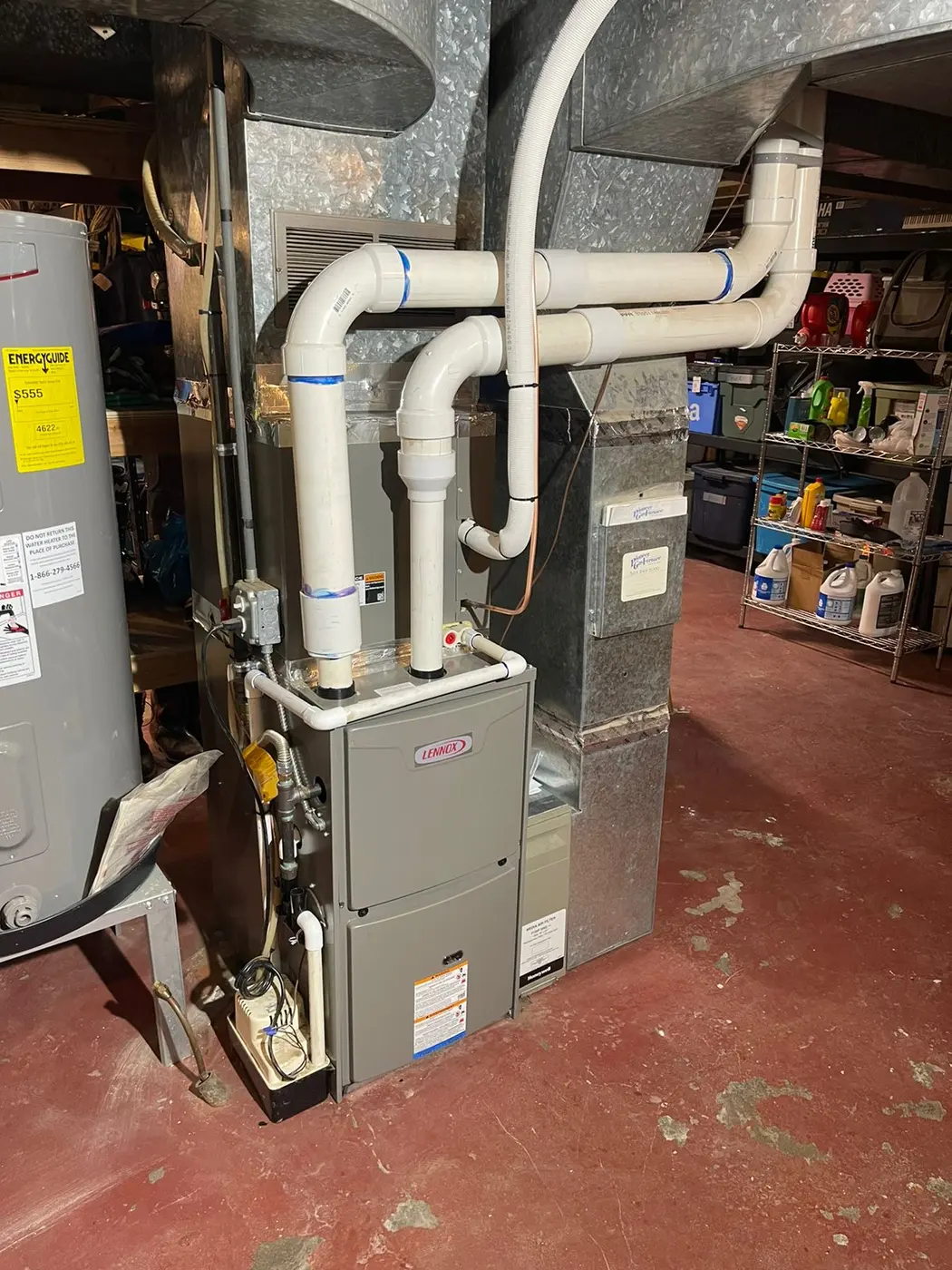
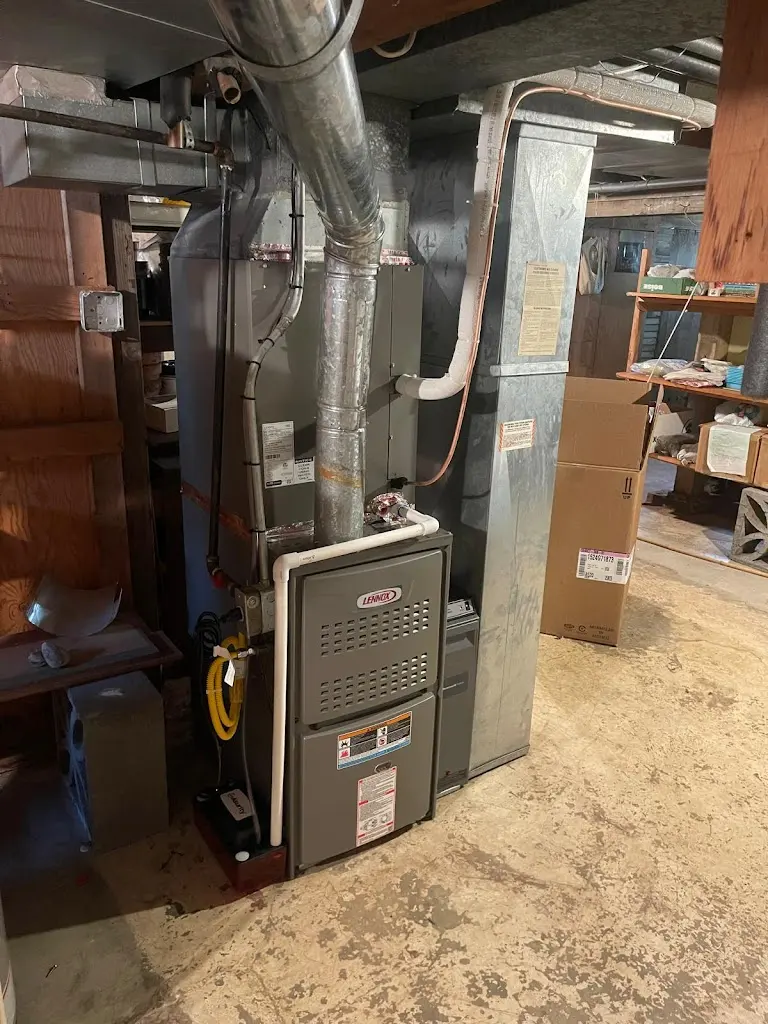
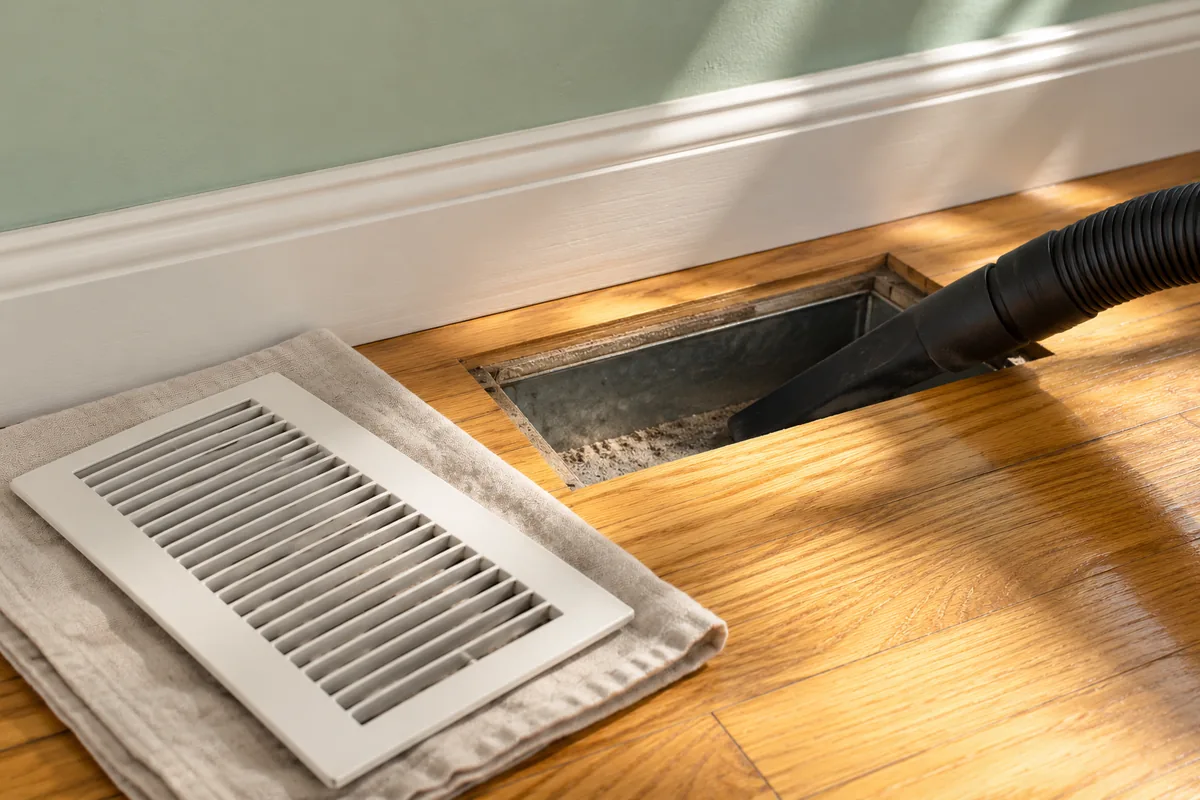
For a gas furnace, the venting arrangement belongs in the installation plan. The existing route may need changes for the proposed equipment. We review it with the location and relevant connections before confirming the scope. An old furnace fitting in that space does not prove that every part of its setup can remain.
Drainage requirements depend on the selected unit. We explain the related work during the estimate. Leave existing parts in place; do not disconnect vents, gas lines or wiring to improve access. That work belongs within the planned service.
Removal, Placement and Service Access
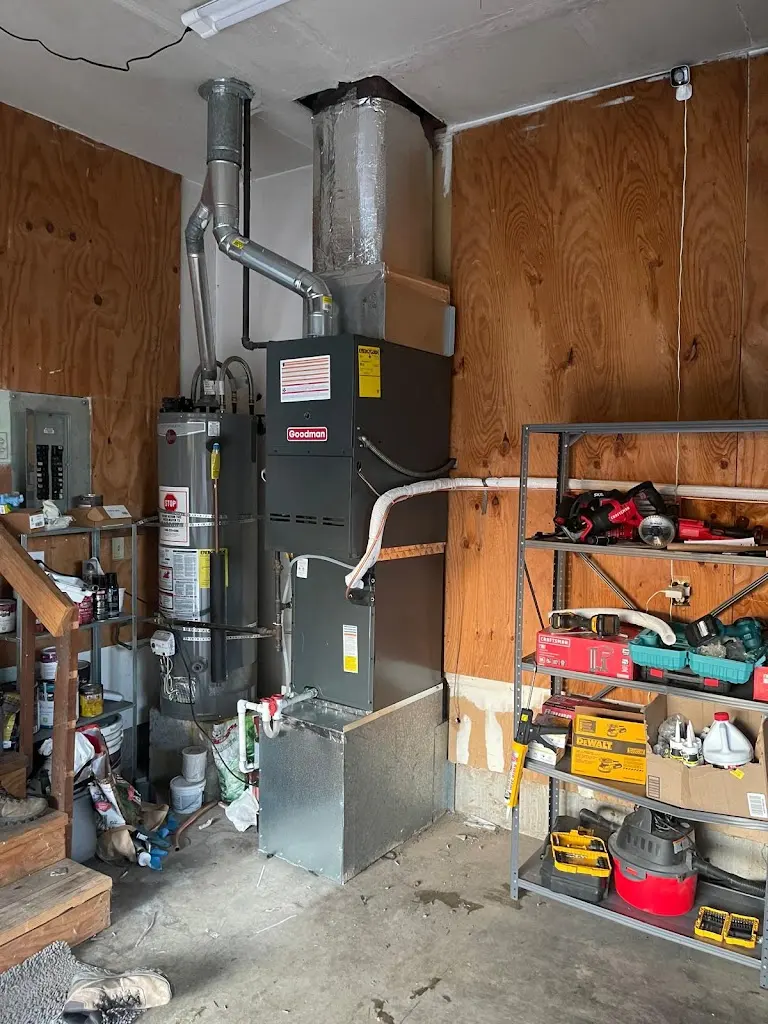
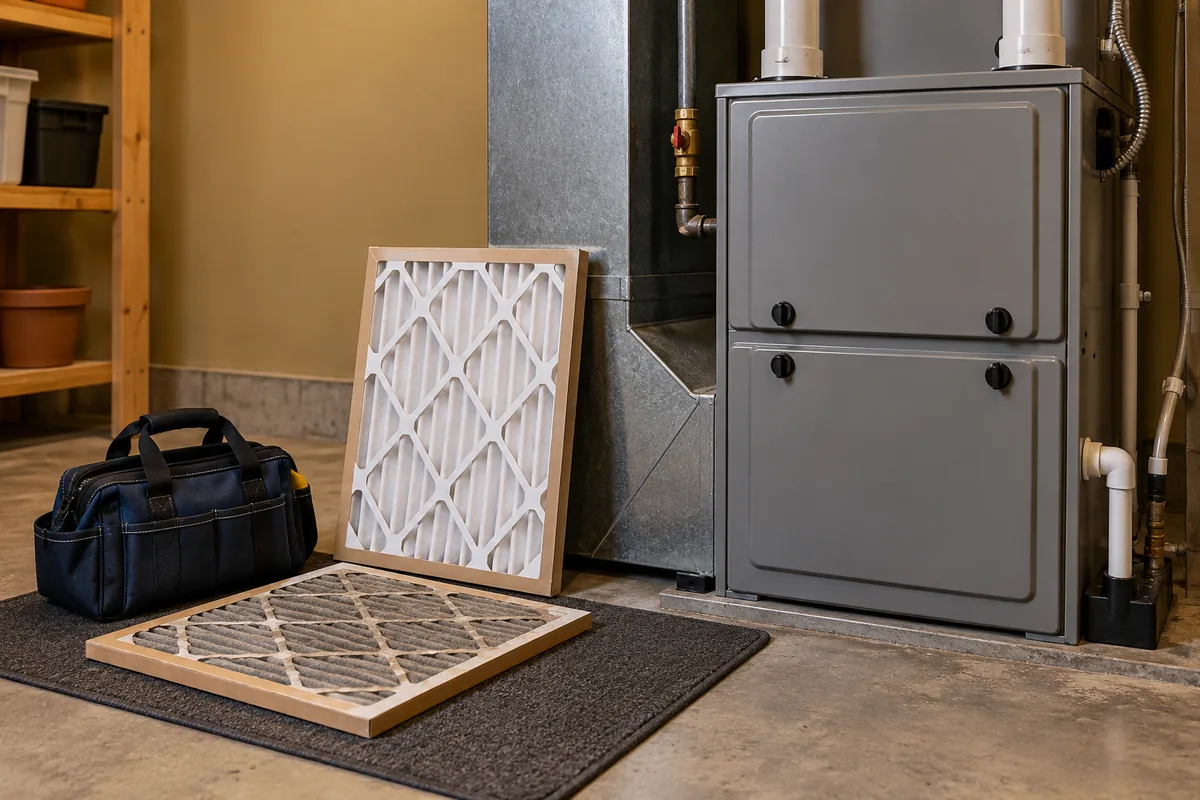
The route to the furnace matters for both the old unit’s removal and the new unit’s placement. Tell us about fixed shelves, narrow doors or other access limits near the equipment. We review the practical route and space, rather than judge the project only by the new cabinet’s width.
The completed setup needs room for service and normal filter access. We discuss the equipment’s position and any related changes needed in the available space.
When a Heat Pump Is Part of the Plan
A furnace can have a different role when the project also includes a heat pump. Our Bryant heat pump installation service covers that heating-and-cooling option. The combined setup needs a defined control plan. We discuss how the equipment will work together before adding an outdoor unit to the project.
Mention that interest early, even if you are comparing the options before deciding. We keep the furnace project and a combined system proposal clear. If the work has stages, we define what the first stage includes. We also identify what needs review before a later equipment change.
Installation Cost, Timing and Handover
Compare the included work as well as the equipment. Removal, controls, venting, drainage and changes around retained components can affect the scope. An unresolved item should remain visible in the estimate, with a clear account of what needs further assessment. That gives you a useful basis for deciding before the installation starts.
We discuss scheduling once the scope and equipment needs are clear. The completed system needs operating checks and guidance on normal controls. At handover, we explain what changed, which concerns the work addresses and any separate comfort issue that remains.
Contact HVAC & Appliance Repair Guys to request a Bryant furnace installation estimate.
Frequently Asked Questions
Does selecting an Evolution furnace mean I must replace every part of the system?
Not necessarily. We review the proposed furnace, controls and connected equipment together, then explain which existing components can remain.
Can I compare a furnace-only quote with a whole-system quote by the final price?
First check what each includes. One may retain cooling equipment while the other replaces it or changes controls and connections. We explain the work in our proposal. That helps you compare quotes for the same scope and spot where a different project includes more.
Will a high-efficiency model guarantee a particular drop in heating bills?
A model rating does not establish a specific reduction for your home. Usage, conditions and the completed setup affect the result. We discuss the equipment and installation work without turning a product feature into a guaranteed bill-saving figure.
Request Bryant Furnace Installation in Portland Metro
For Bryant Furnace Installation in Portland Metro, call HVAC & Appliance Repair Guys or submit a service request through the form on this page.
Before your visit
Furnace Installation & Replacement details for Bryant
A useful Bryant installation request describes the current system and the desired result. The on-site estimator visit is free and covers a review of sizing inputs, compatibility, access, and project conditions before a proposal is prepared.
Record the model and serial number
For Bryant furnace installation & replacement, share the complete model and serial number exactly as shown on the rating label when it is safely visible. A product family or marketing name alone may not identify the configuration, revision, compatible part, or service information needed for planning.
Describe the installation goal
For Bryant furnace installation & replacement, describe the existing equipment, rooms or functions served, comfort or operating goals, utility type, and any placement concern. During the free on-site visit, the estimator reviews fit, access, and the proposed work before preparing a proposal.
Explain installation and access
For Bryant furnace installation & replacement, describe tight clearances, connected utilities, or other obstacles to ordinary service access. Do not pull out heavy or built-in equipment simply to photograph the rear or rating label.
Describe the utility connections
State which utilities serve the existing Bryant equipment. These details help the estimator understand the connections already in place.
Identify paired equipment separately
For Bryant work involving a split heating or cooling system, record the indoor-unit and outdoor-unit model numbers separately, along with the thermostat or wall control. Paired components can have different labels and service histories, so one model number should not be treated as identification for the entire system.