



Pipe Repair for Leaking Joints and Damaged Sections
HVAC & Appliance Repair Guys repairs leaking or damaged pipe joints and sections. The source, existing pipe and site findings guide whether the work belongs at a connection, along a short length or in a broader replacement project.
A leak at one point does not mean every pipe needs replacement. The repair plan should identify the affected section and explain why that extent fits the finding.
Tell us where water appears and when you first noticed it. Include any recent work and what was in use. You do not need to name a hidden part before asking for help.
Leak Source and the Required Repair
Water can move along a pipe or surface before it becomes visible. The wettest spot or nearest joint may not be the source.
If the source is unclear, leak detection helps locate it before a repair is planned. Finding the source and repairing the defect are separate tasks; a wet mark alone does not show which length of pipe needs work.
Share earlier repairs and dates, including what improved and what changed afterward. Current findings should establish whether new moisture relates to the earlier source.
Water Supply and Drains Have Different Jobs
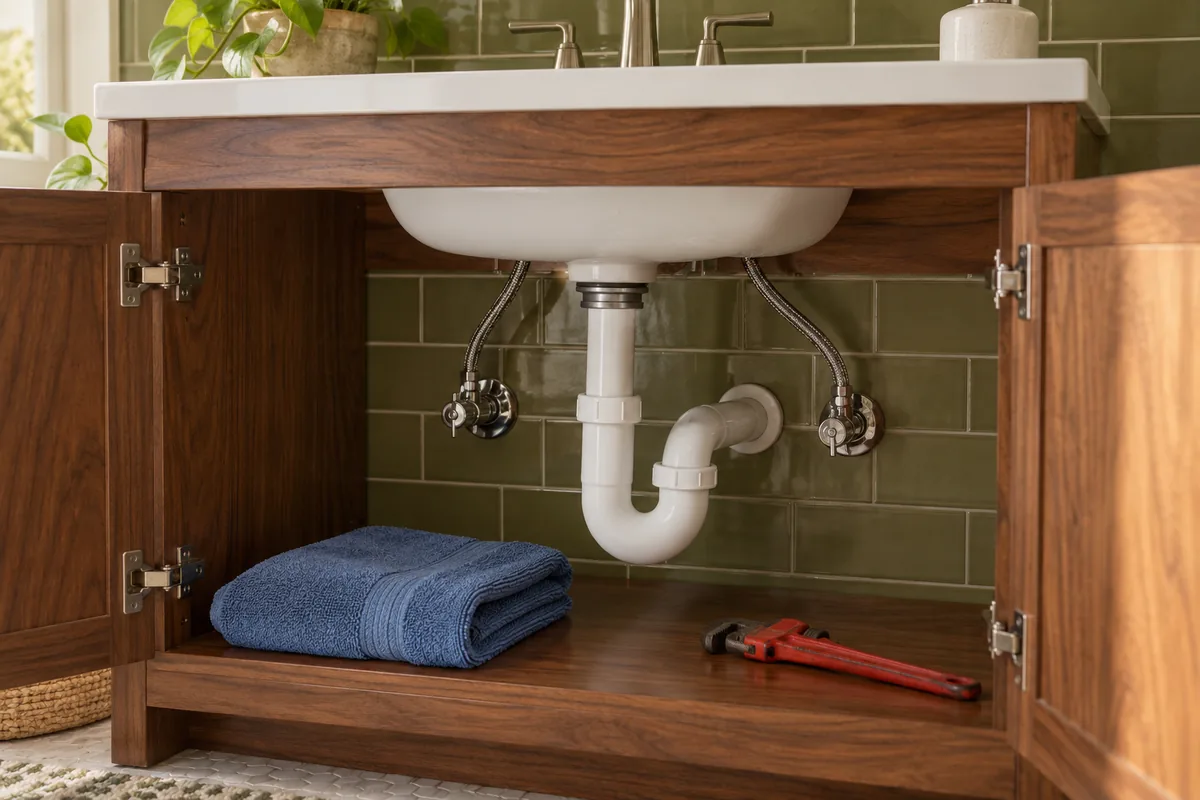
Supply pipes bring water to fixtures. Drains carry used water away. The side of the system involved matters to the repair plan and the check after work.
A supply joint can leak while a tap is off. The line may still hold water under pressure. A drain joint may show a leak when the fixture empties.
Report these patterns from normal use; timing helps guide the assessment without proving the cause. Do not run more water to create another leak.
A drain that still flows can have a faulty joint. A slow drain can also have a restriction without a split pipe. The task should fit the finding rather than treat all water problems as one type of repair.
Repaired Sections, Connections and Retained Pipe
The plan should state the repair endpoints, included joints and nearby piping that will remain.
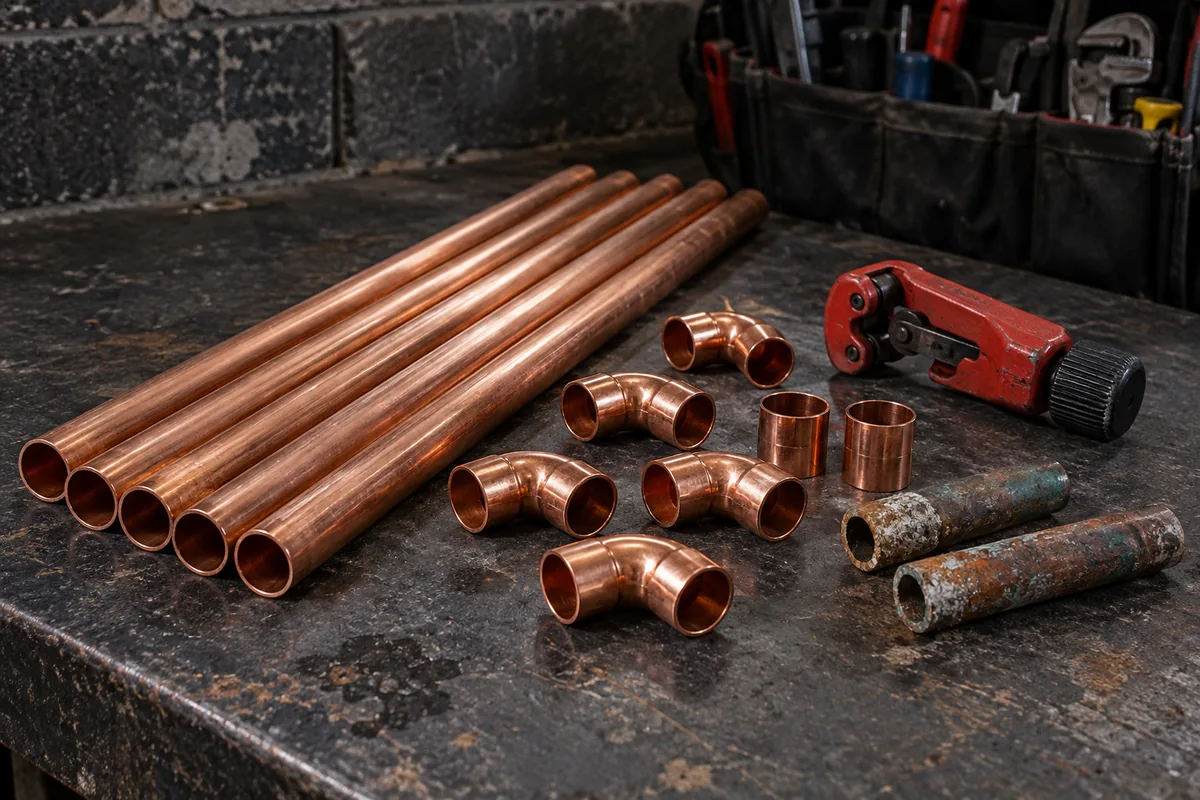
The existing pipe and its condition affect how a sound repair can connect to it. A fitting that suits one system may not suit another. The choice needs to match the actual pipe and its use.
Tightening a visible joint is not a universal repair. The fault may involve the connection or pipe beside it; explain any changes already attempted.
If a new finding changes the required work, we explain how it relates to the original repair and review any change in scope or price before proceeding.
Access Openings and Surface Restoration
Describe known access panels, earlier openings and entry restrictions. Exposed pipe and pipe behind a finished surface require different access planning.
If a new opening is needed, the plan should relate it to the affected pipe. The nearest wet finish is not automatically the best route.
Check whether closing an opening and restoring walls, floors or cabinets are included. Reaching the pipe, repairing it and restoring the surface are distinct tasks.
Local Pipe Repair, Repiping and Sewer Work
Repiping covers broader planned replacement. It needs a defined reason and extent. A repair at one joint does not establish that every retained pipe needs the same work.
Broader replacement should follow supported findings, not house age alone. Older properties may contain pipe sections installed at different times.
Sewer line repair addresses that separate part of the system. A drain backup and a leaking supply pipe involve different concerns, so the source and type of fault determine the work needed.
Clearing a blocked line also has its own purpose. It removes a restriction; it does not mend a split pipe simply by restoring flow. A leak or visible defect may still need a separate repair decision.
Checks on the Repaired Section
After the selected repair, we check the relevant area under its normal operating conditions. The check should relate to the work performed. A supply repair and a drain repair do not have identical roles in the system.
The result should address the original concern at the repaired section. A satisfactory local check does not establish the condition of untouched concealed connections.
Report any remaining symptom so it can be assessed on its own. One completed repair can resolve a known fault while another question remains.
A dry stain can remain after a leak is repaired. Report any fresh water with its location and timing so it can be assessed separately from the old mark.
Arrange Pipe Repair
Contact HVAC & Appliance Repair Guys to request pipe repair. Describe the visible location, timing, recent changes and any repair attempts; you do not need to identify the failed part before asking for help.
Do not take joints apart or cut a surface just to name a part. The request can start with visible signs and known access. Keep people away from a wet work area and describe unsafe entry from a dry place.
If ordinary use releases more water, pause the affected fixture while arranging service. Avoid a deliberate new test to show the leak. Details from the event you already saw can explain the concern.
Pipe Repair by City
Choose your city for local service information.
Oregon: Aloha, Aurora, Beaverton, Canby, Clackamas, Donald, Forest Grove, Gervais, Gresham, Happy Valley, Hillsboro, Hubbard, Keizer, Lake Oswego, Milwaukie, Newberg, Oregon City, Portland, Salem, Scappoose, Sherwood, Tigard, Troutdale, Tualatin, West Linn, Wilsonville, Woodburn.
Frequently Asked Questions
Can a pipe leak even when water still flows normally?
Yes. Flow alone does not show that every joint is sound. Describe the leak location and timing as separate facts.
Request Pipe Repair in Portland Metro
For pipe repair in Portland Metro, call HVAC & Appliance Repair Guys or submit a service request through the form on this page.