



Pipe Repair for Leaking Joints and Damaged Sections in Tualatin
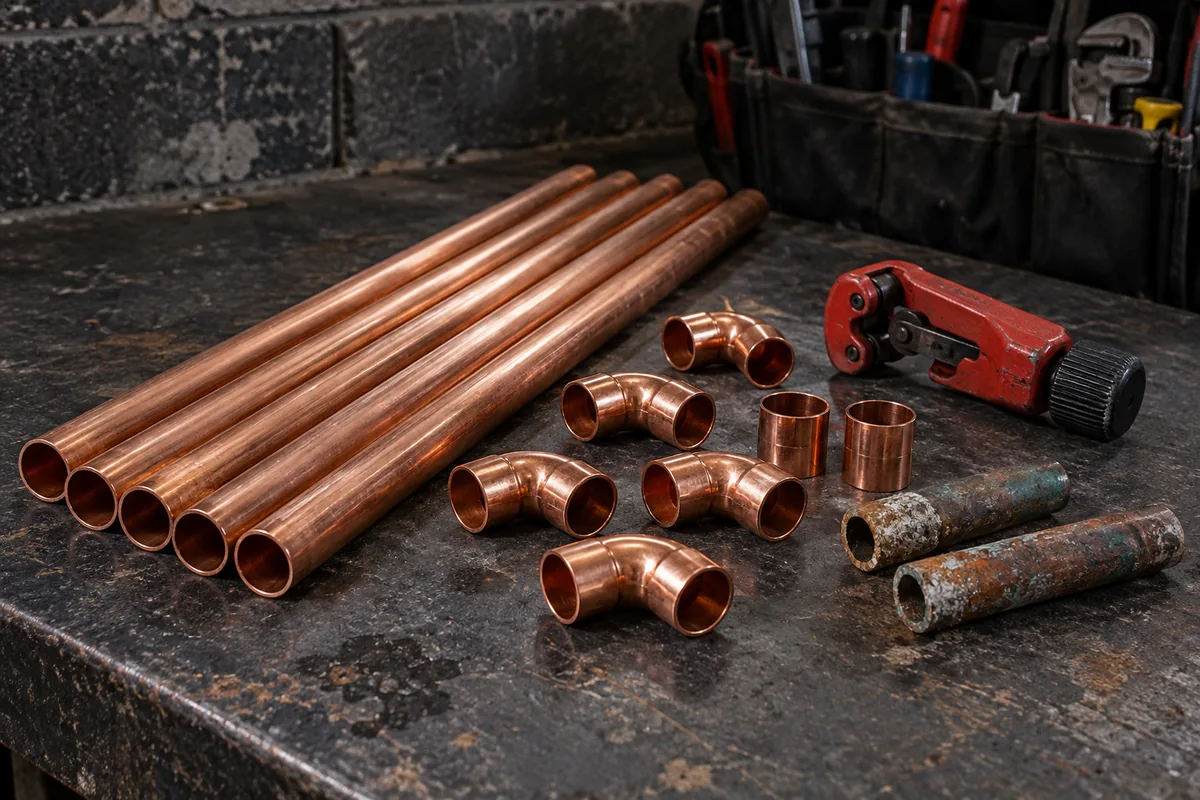
HVAC & Appliance Repair Guys provides pipe repair in Tualatin for leaking joints and damaged sections. The source, pipe condition and suitable connections to retained piping guide the repair extent.
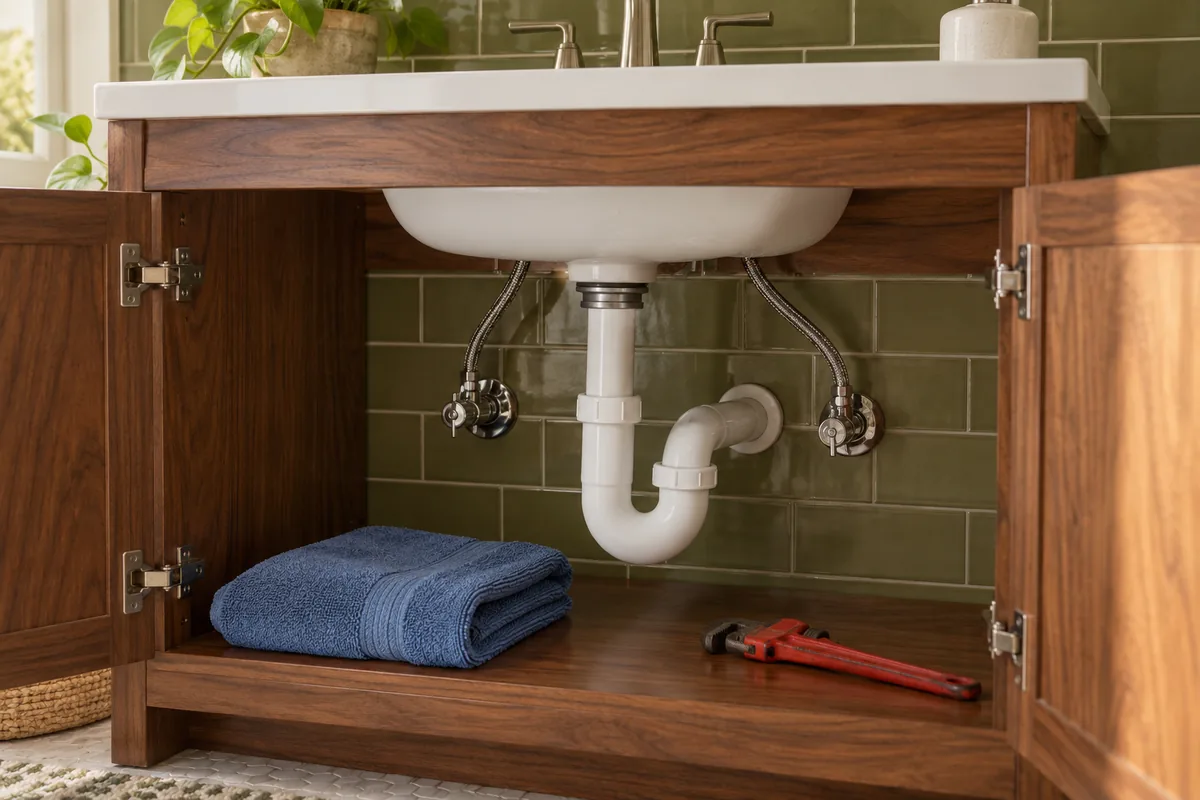
A supply line can leak while a fixture is off because it remains under pressure. A drain joint may leak when the fixture empties. Describe the timing and location without running more water to demonstrate the problem.
Requesting Repair and Arranging Access
Contact HVAC & Appliance Repair Guys to request pipe repair in Tualatin. Describe known access limits and identify who can provide entry and approve work. The repair may need room around adjoining pipe as well as the visible defect.
Access to a shutoff or connected area may also be needed. Do not open finishes or disconnect piping as routine preparation; the actual repair should guide those decisions.
Leak Source and the Repair Section
Include earlier findings and the section they covered. A past repair provides context without establishing the condition of every nearby pipe.
Leak detection in Tualatin addresses an uncertain source before a defined repair is selected. Moisture beneath a fixture does not identify the faulty connection by itself.
Local Repair or Broader Replacement
A local repair should identify the section, included connections and retained pipe. If the assessment supports added work, we explain the reason and change in scope before proceeding.
Repiping in Tualatin replaces a wider area of supply piping when the findings support that choice. Compare its purpose, retained sections, access and interruption with the local repair.
Completion Checks on Supply and Drain Repairs
The completed section needs a check suited to its supply or drainage function and the original symptom. Ask what the check established and whether another concern remains.
Openings and Finish Restoration
Check whether opening, closing and restoring the surrounding finish are included. Stopping a leak does not automatically restore every surface affected by water.
Later Moisture and New Symptoms
Report any later moisture with its location and timing. The earlier record identifies what changed, but proximity alone cannot establish the new source.
Distinguish an old dry mark from fresh water or a new pressure change. When different people report symptoms, preserve each observation rather than assume one cause.
Frequently Asked Questions
Can one person provide entry while another approves work?
Yes. State who can let the plumber in and who can approve work. Make clear how the plumber can reach each person.
Request Pipe Repair in Tualatin, OR
For pipe repair in Tualatin, OR, call HVAC & Appliance Repair Guys or submit a service request through the form on this page.