

Thermostat Repair and Installation in Portland Metro
HVAC & Appliance Repair Guys provides thermostat repair and installation in Portland Metro. We review the control and connected equipment before recommending repair or replacement. A blank screen, an inaccurate reading or a system that ignores a setting can have more than one cause.
Describe the display and the equipment response separately. Does the screen show a call for heat while the furnace stays off? Does the fan run when you expect cooling? Those details help explain the complaint without assuming the wall control itself has failed.
Power, wiring, safety controls and connected equipment can affect thermostat response. We review those findings before recommending repair or a replacement control.
Blank Displays and Incorrect Temperatures
If the screen is blank, tell us whether the rest of the system has power and whether anything changed recently. Some controls use batteries, while others depend on system power. The exact setup matters. Do not assume a dark display proves that a new thermostat is the only solution.
When the room feels different from the displayed temperature, explain when you notice the difference. Sun on the wall, nearby heat sources or the position of the control can affect what it senses. A room elsewhere in the home may also have a separate airflow concern. Those observations help define what needs review.
Mention schedules, hold settings and any recent control changes. A setting can change when the system runs without a part failing. Still, a repeated mismatch or lost setting deserves a closer look. Keep the visible details available instead of repeatedly resetting the control and losing the pattern.
Replacement and Smart Thermostat Compatibility
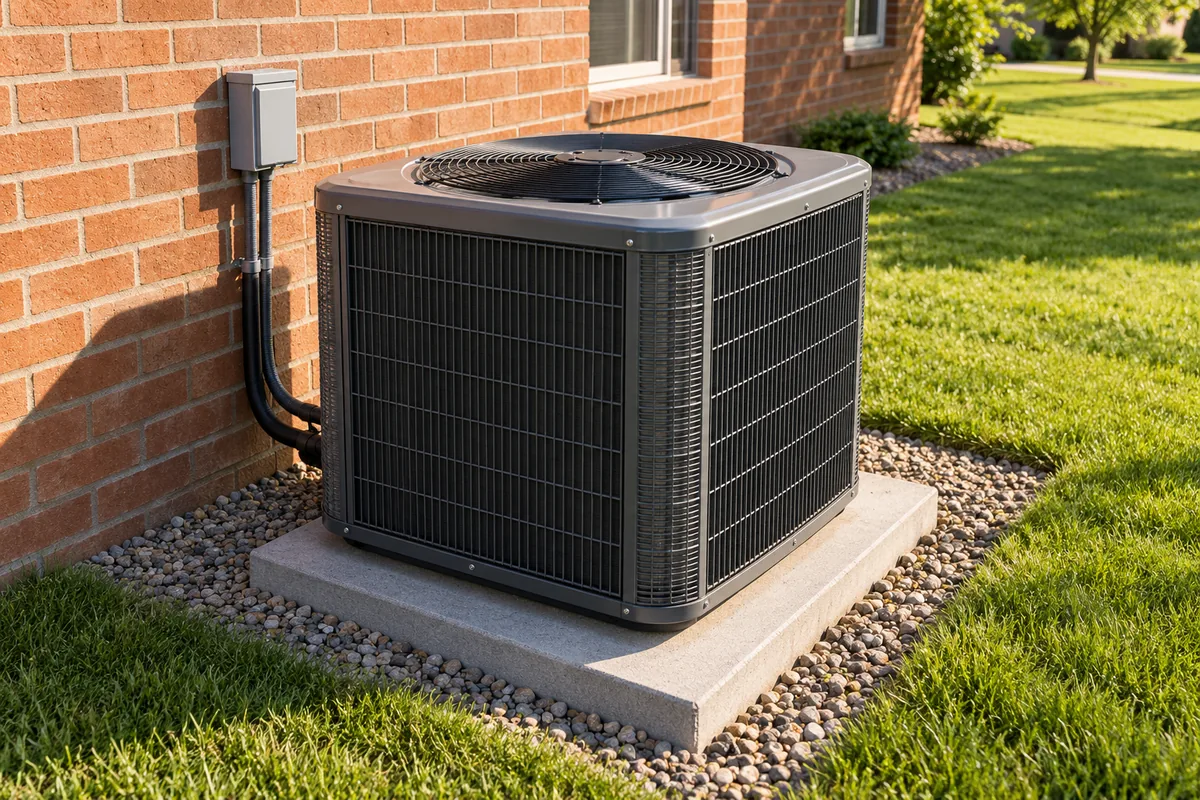
Thermostat installation needs more than a matching wall plate. The new control must support the equipment and its functions. Share whether the home uses a furnace, an air conditioner, a heat pump or another arrangement. The number of heating or cooling stages can also affect the choice.
Heat pumps may need functions that a basic furnace thermostat does not provide, while ductless equipment may use a different control arrangement. A replacement must support the actual system and its required functions.
For smart thermostat installation, discuss the functions you want and the power and network needs involved. Existing wires or a familiar brand name do not settle the match. The review should explain any additional work before you approve it. No single smart control is the right fit for every installation.
Thermostat Faults and Connected HVAC Problems
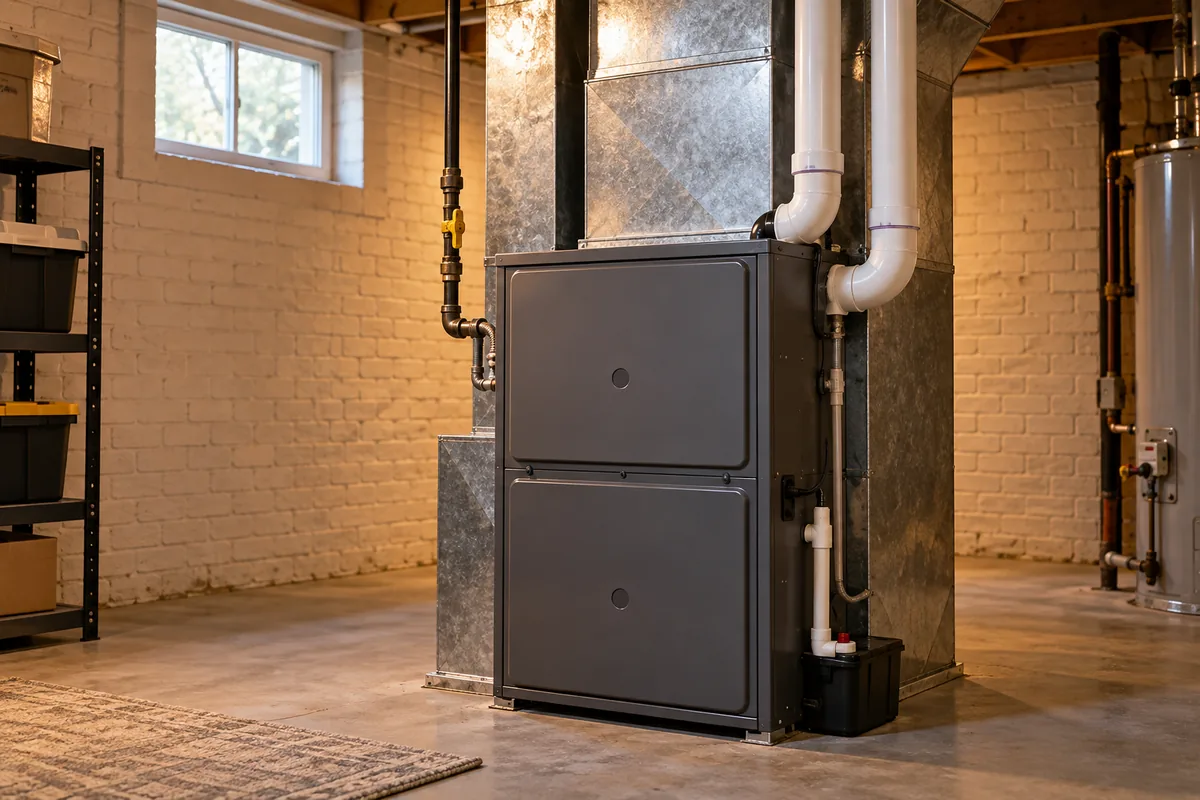
The thermostat may request heating correctly while a connected unit cannot provide it. If that is the finding, furnace repair may address the no-heat problem. We review the control request and the equipment’s response before recommending the relevant repair.
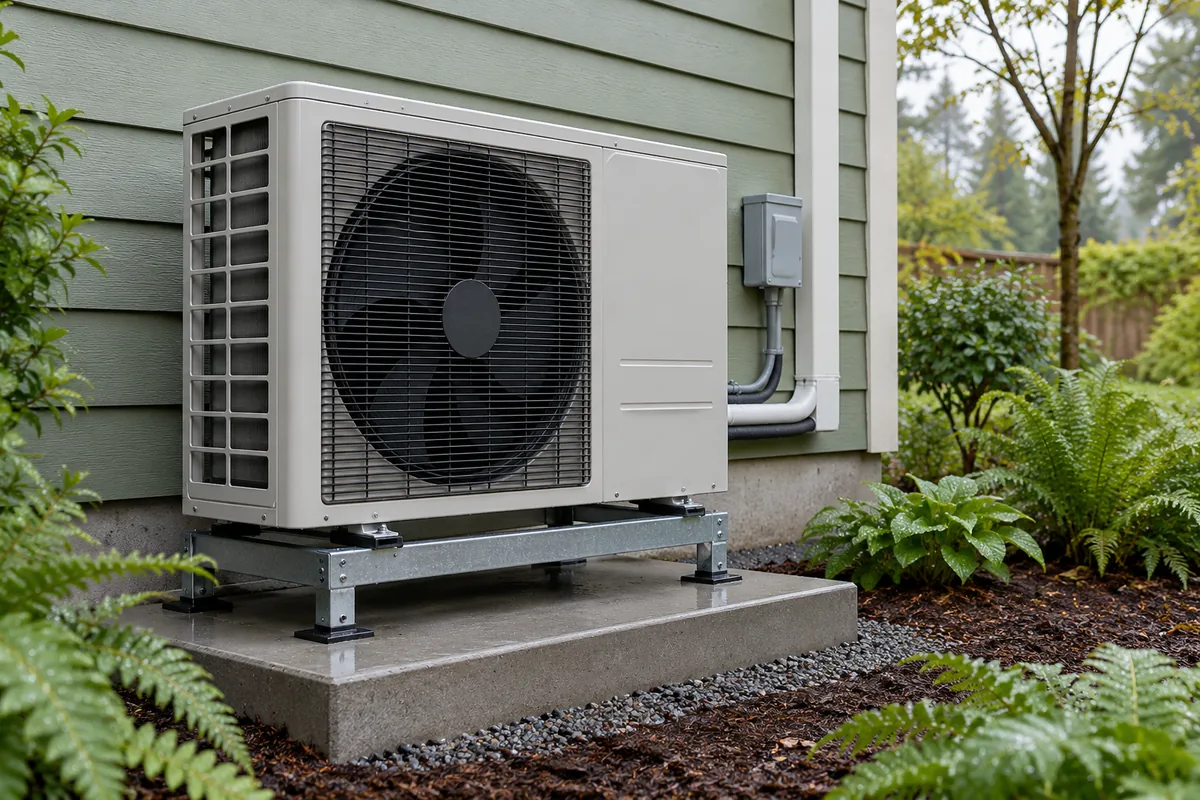
For a system that fails to switch between heating and cooling, the scope may involve heat pump repair. Report both modes and any backup heat message. That helps the technician check the control and both modes together.
A complaint that spans several components fits our broader HVAC repair service. Explain all the symptoms when arranging the visit. You do not need to identify the failed part in advance. The diagnosis should establish which work belongs in the repair proposal.
Repair Pricing and New-Control Setup
Review the control, installation work, price and any follow-up before approval. Repairing a device and installing a new one can involve different tasks, so a device-only price may not cover the full project.
For a new control, explain whether you prefer a simple temperature setting or a schedule. Review the available modes and how to change them at handoff. If the setup supports extra functions, ask what they do. The controls should be clear to the people who use them each day.
Keep the control model, intended schedule and operating guidance with the equipment records. Ask what normal behavior to expect after the change, and report any new fault or unresolved concern.
Service Access and Thermostat Wiring Safety
Have the accessible model details and a description of the problem ready. A photo of the display can preserve a message or setting for the visit. Mention a recent power loss, installation or change to the control. These details provide context without requiring you to remove the thermostat from the wall.
Keep the area around the control clear and provide access to the connected equipment. Leave wires, covers and safety devices in place. Do not join thermostat wires together to force the system to run. A short or incorrect connection can create another problem and make the original fault harder to trace.
Contact HVAC & Appliance Repair Guys to request thermostat repair or installation in Portland Metro. Describe the display and equipment response, or share the control change you are considering.
Thermostat Repair & Installation by City and Brand
Choose your city or equipment brand for the relevant service information.
Oregon: Aloha, Beaverton, Canby, Clackamas, Forest Grove, Gresham, Happy Valley, Hillsboro, Keizer, Lake Oswego, Milwaukie, Newberg, Oregon City, Portland, Salem, Sherwood, Tigard, Troutdale, Tualatin, West Linn, Wilsonville, Woodburn, Aurora, Donald, Gervais, Hubbard, Scappoose.
Washington: Battle Ground, Camas, Ridgefield, Vancouver, Washougal, Brush Prairie, La Center, Woodland.
Brands: ecobee, Google Nest, Honeywell Home, Sensi.
Frequently Asked Questions
Can a new thermostat fix every heating problem?
No. The connected equipment may fail to respond even when the thermostat sends the right request. The diagnosis needs to separate a control, power or wiring problem from an equipment fault. That finding guides the repair choice.
Can I choose a smart thermostat before the visit?
You can share a preferred model and the features you want. Its fit still needs review against the equipment, wiring and power needs. A popular model or matching number of terminals does not guarantee that it supports every function of your system.
Why does the temperature change after I set it?
A schedule or another operating setting may be changing the request. Record what the display shows and when the change occurs. That helps separate normal programmed behavior from a control that loses settings or responds incorrectly.
Should I remove the control so you can see the wires?
You do not need to disturb wiring to prepare. Share the visible model and display details if available, and leave the equipment intact. The technician can review connections as part of the work with the system in the proper condition for testing.
Request Thermostat Repair & Installation in Portland Metro
For thermostat repair & installation in Portland Metro, call HVAC & Appliance Repair Guys or submit a service request through the form on this page.