



Water Heater Installation and Replacement
HVAC & Appliance Repair Guys provides water heater installation across the listed Portland Metro locations. We review the selected unit, its location and the connections it needs.
Tell us how you use hot water and what you want to change. The old tank size is useful background, not an automatic choice for its replacement.
Repair and Planned Replacement
Water heater repair addresses a fault in the installed unit. A new loss of heat does not, by itself, prove that the property needs a larger heater. Keep the current fault separate from a planned equipment change.
A planned replacement estimate is free. Repair diagnosis or equipment testing is a separate service. Tell us whether you need a new-installation estimate, fault assessment or both. Compare the relevant options before approving the work.
Hot-Water Capacity, Recovery and Equipment Fit
We consider hot-water demand during your busiest period, including overlapping showers, laundry and dishwashing. The current household’s needs may differ from those the old unit served; capacity selection also needs to account for how the proposed heater supplies that demand.
Tank volume is only part of the comparison. Recovery rate affects how quickly a storage heater can heat more water after a large draw. A tankless unit has a flow limit that depends in part on the required rise in incoming water temperature. Neither a larger label nor a different format promises unlimited hot water.
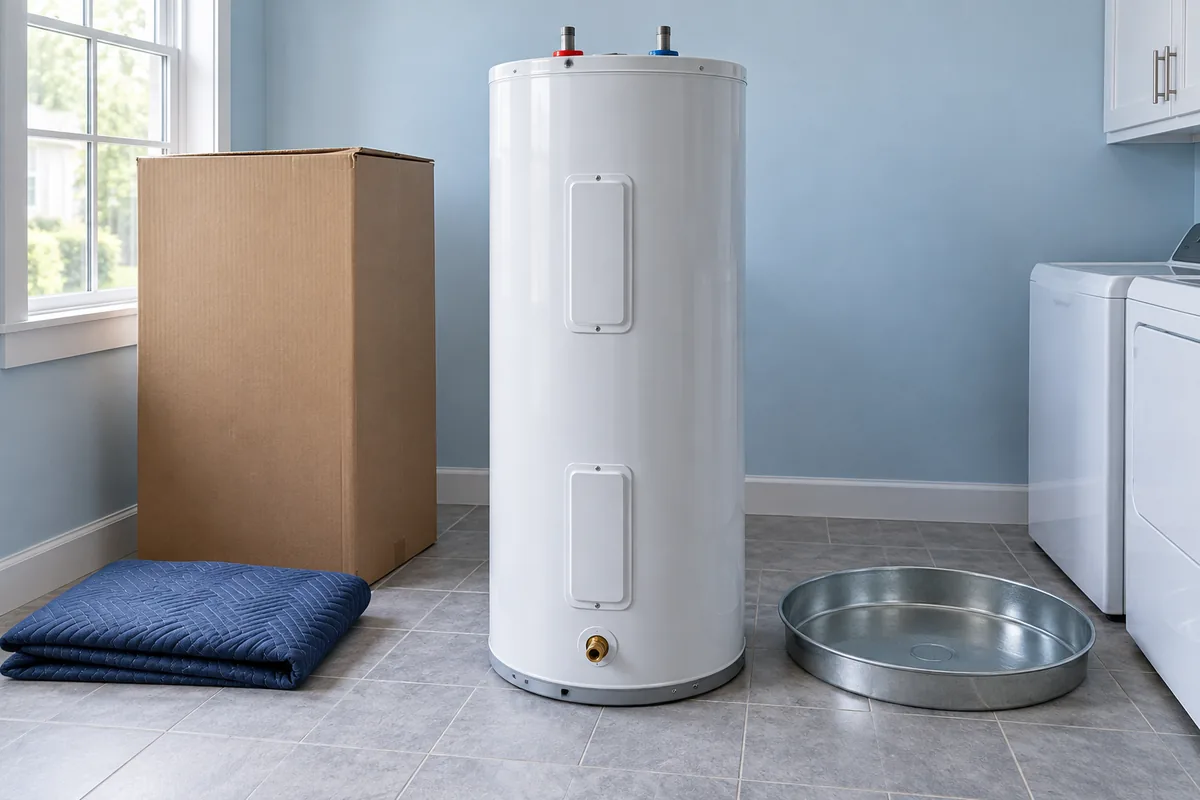
The new equipment needs space for operation and later service, plus a workable route for removing the old unit and bringing in its replacement. Tanks with similar capacity may have different dimensions or connection positions. Review those details before delivery.
Gas, Electric, Heat Pump and Tankless Installation
Gas and electric water heaters use different energy supplies. Changing between them can add work beyond exchanging units. The available electrical circuit, gas connection and vent path affect what is practical, so the proposed model needs review against the property.
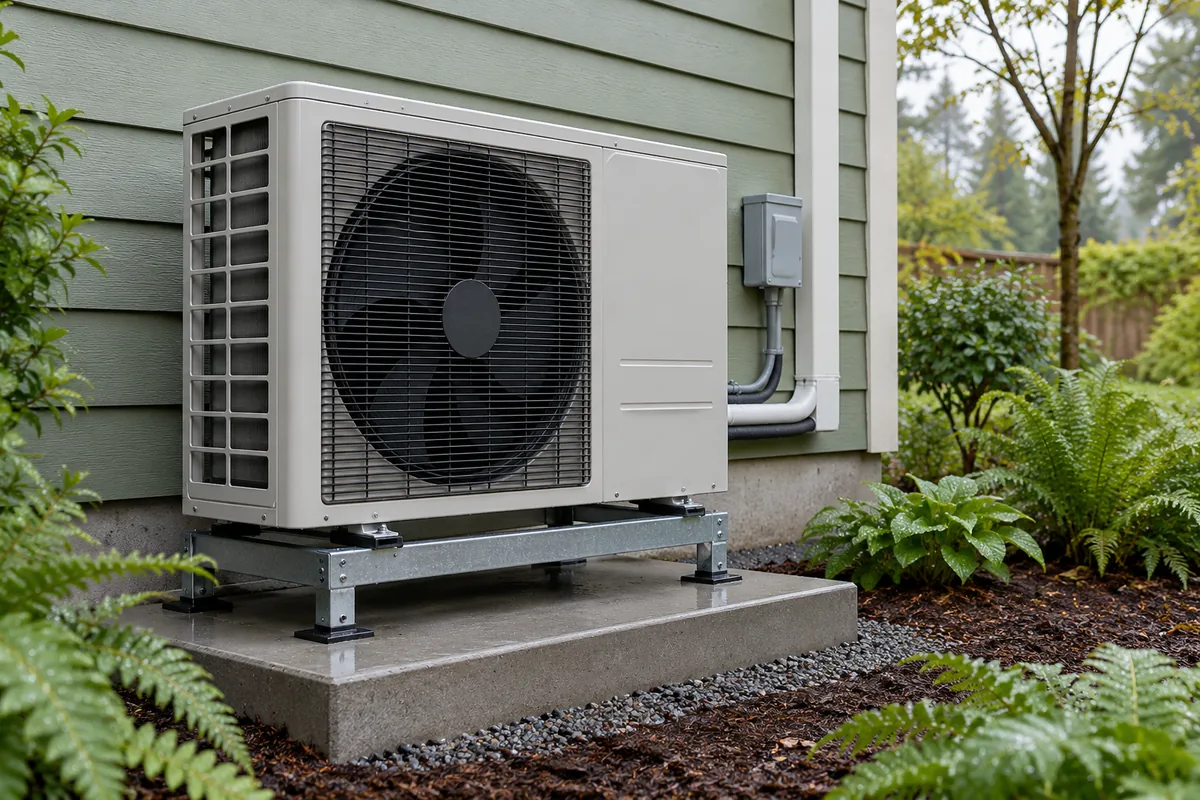
A heat pump water heater moves heat from surrounding air into the water. Air space and room conditions matter, as do sound, changes in room temperature during use and condensate drainage. Assess those requirements when comparing it with a conventional electric tank.
For tankless installation, review simultaneous outlet use alongside connection size, fuel or electrical demand and any venting requirements. Those needs can differ from the old heater. A smaller cabinet does not automatically make the project simpler; the estimate should describe the work needed for the new format.
Equipment and Installation Costs
HVAC & Appliance Repair Guys explains the price through the agreed equipment and site work. Quotes may differ in capacity, connections or access needs, so compare those items with the total. An equipment-only price does not describe a finished installation.
If the chosen location needs added work, we explain it before you approve the task. A change elsewhere in the plumbing remains a separate decision.
Installation Connections, Removal and Site Access
The proposal should identify the unit, hot and cold water connections, energy supply, any required venting work and the installation location. A planned move needs its own routing and access review. Confirm whether old-equipment removal is included in the price.
Tight stairs, narrow doors and finished rooms can affect access. Clear an ordinary route where safe, but do not disconnect or move a connected heater yourself. We discuss practical preparation after reviewing the equipment and work area.
Replacement requires a hot-water interruption, and a change of equipment type may add steps. Discuss the sequence and timing for the actual site and equipment, including any access limits, before confirming the arrangements.
Start-Up Checks, Controls and Care
After installation, checks need to suit the heater and its connections. They include looking for leaks at new water connections and confirming that the unit responds as expected. Storage and tankless systems have their own start-up requirements; setting the equipment in place is only part of the job.
Review normal controls, model information, care guidance and symptoms that should prompt service. Keep the completed installation details and identify any later plumbing changes separately.
Contact HVAC & Appliance Repair Guys to request a free estimate for planned water heater installation. Share the property location, current heater and hot-water needs.
Water Heater Installation by City
Choose your city for local service information.
Oregon: Aloha, Aurora, Beaverton, Canby, Clackamas, Donald, Forest Grove, Gervais, Gresham, Happy Valley, Hillsboro, Hubbard, Keizer, Lake Oswego, Milwaukie, Newberg, Oregon City, Portland, Salem, Scappoose, Sherwood, Tigard, Troutdale, Tualatin, West Linn, Wilsonville, Woodburn.
Frequently Asked Questions
Must replacement use the same equipment type?
Not necessarily. We review the proposed type and its requirements against the installation space and connections. The actual model and property determine whether it will fit.
Does a new unit price include removal and connections?
Check the proposed scope. It should state those tasks and any added access work instead of leaving you to assume them from the equipment price.
What should I provide for a planned installation estimate?
Share the property address, current equipment details, location and the result you want. Mention planned changes in hot-water use or equipment position.
Request Water Heater Installation in Portland Metro
For water heater installation in Portland Metro, call HVAC & Appliance Repair Guys or submit a service request through the form on this page.