



Leak Detection to Locate or Narrow a Plumbing Source
HVAC & Appliance Repair Guys provides leak detection to investigate unwanted water or unexplained water use before a source repair is chosen. The assessment considers the affected fixture or piping, access and limits of the findings. Water can travel before appearing at a surface, so the nearest pipe or wettest spot may not be the source.
A wet cabinet, ceiling mark, repeated fixture activity and water near a connection give different starting points. Describe the symptom, when you first noticed it, whether it is active now and what was in use. You do not need to name a failed part.
Describe what is visible without opening walls or creating another water release.
We distinguish a supported source finding from hidden areas or conditions that remain uncertain.
Detection supplies information for a repair decision. Correcting the source and restoring wet surfaces are separate tasks unless included in the agreement.
Leak Timing and Fixture Use
Note whether moisture appears during fixture use, afterward or between uses. Water can take time to reach the visible area, so timing informs the assessment without proving a cause.
A supply line can hold pressure between uses, while a drain carries water when a fixture discharges into it. That difference can make the use pattern relevant. It does not make every between-use drip a supply leak or every later mark a drain fault.
A dry visit does not erase an earlier drip, while an old dry stain does not establish active leakage.
Report changes in order, such as a spreading mark, a stopped drip or moisture at another fixture.
Use normal observations and dated photos already available. Do not create another water release to document the problem.
Fixture Leaks and Hidden Pipe Sources
Faucet repair may address a confirmed fixture fault. A visible spout drip gives a different starting point from moisture behind a cabinet.
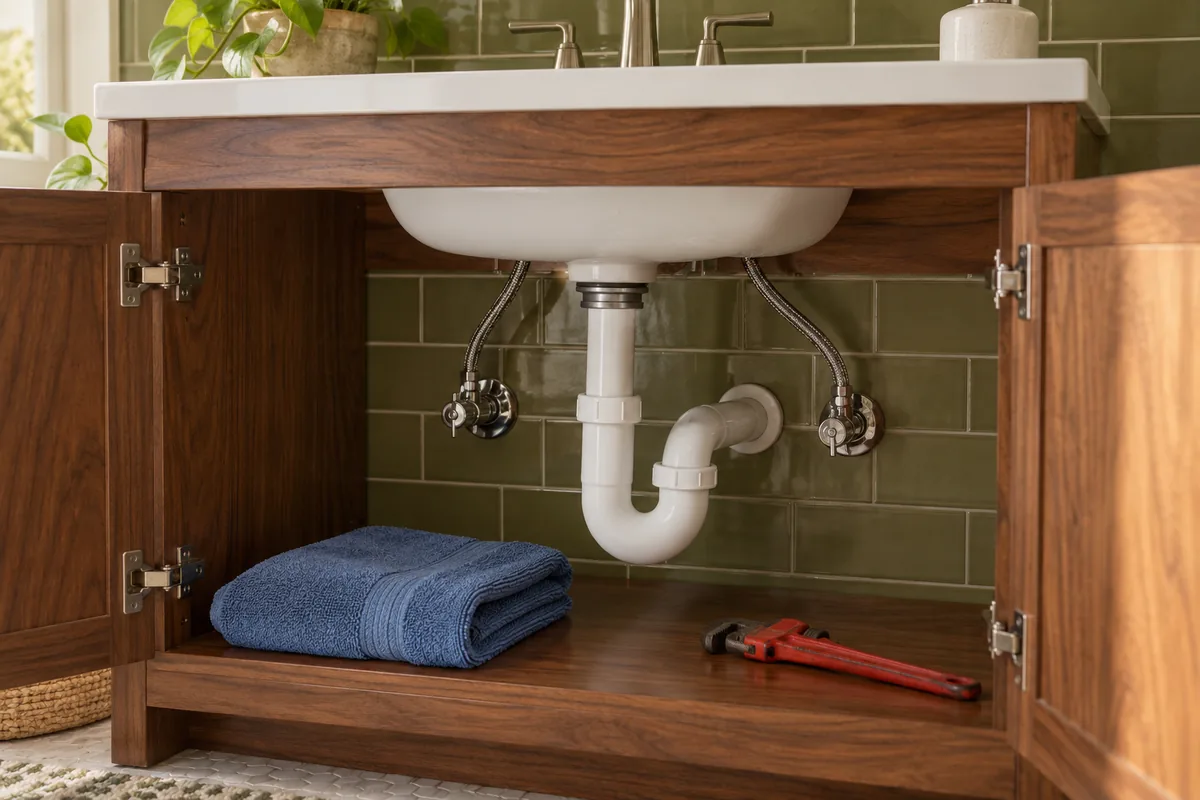
Under a sink, describe the first wet point and where water collected. Moisture on the outside of a hose or pipe may have come from another connection.
For a toilet, distinguish exterior water from water continuing to move internally.
Toilet repair addresses a defined fixture concern. An internal leak can send water into the drain without making a puddle; a wet floor needs its own source assessment.
Report each damp area separately. One confirmed drip does not automatically explain another location.
Unexplained Water Use and Flow Alerts
For a water-use change without visible moisture, note when it began and any changes in occupants, routines or known use.
Keep existing meter readings or flow alerts with their times and conditions. They can inform investigation but do not identify a leaking component.
Report repeated fixture activity or sounds already noticed. Water passing internally into a drain may leave no visible puddle.
A higher bill prompts review of use and possible leakage; it does not establish a damaged hidden pipe. Repair needs a finding tied to the actual source.
Keep billing periods and observation dates clear, since today’s dry area may differ from conditions during the billed period.
Access to Concealed Plumbing
Visible fixtures and reachable connections can be assessed within available access. A concealed section may require a further access decision.
Detection cannot guarantee locating every source without opening a surface. The route and conditions determine access; any proposed opening should explain the question it addresses.
Do not remove cabinets, cut walls or open a ceiling as routine preparation. Explain what you can see and any known access panel or previous opening. Ask which plumbing question a proposed opening would help resolve.
Opening a surface gives access for assessment or repair; it does not by itself establish the failed component.
Mention locked rooms or other entry limits. Identify the decision contact if someone else provides access.
Safe Preparation for Leak Detection
If ordinary use brings more water into the affected area, pause use of that fixture while arranging the assessment. Do not keep running it to produce a clearer example. The aim is to explain the concern without making the wet area larger.
Keep people away from standing water and report unsafe access from a dry place. Do not reach through a wet area to adjust fittings or open a surface. Describe the condition so the work plan can account for it.
Report steps already taken and what changed, such as a drip stopping after fixture use paused. That sequence still needs assessment before choosing a repair.
Leaks After Recent Plumbing Work
Share recent plumbing tasks and dates. Work near the wet area is relevant history, but timing alone does not establish causation.
A later wet spot may involve the same section or a different fixture. Describe the new pattern before assuming recurrence.
Distinguish prior findings, recommendations and completed work. A replacement quote does not show that the section was replaced.
Pipe Repair After a Source Finding
Pipe repair addresses a defined damaged section. The proposal should identify the finding, extent and further access before repair begins.
A fault at one connection does not establish the condition of adjacent hidden piping. Wider work needs findings that support it.
Review the proposed repair separately from the investigation already completed, including any change in access or price.
Source Repair and Surface Restoration
Stopping a plumbing leak and restoring surrounding surfaces are separate tasks. A cabinet, wall or floor may still show moisture damage after the leak is repaired. Confirm which repairs and restoration work the agreement includes.
Confirm whether the agreement includes finish rebuilding, wet-material replacement and closure of access openings; these are not automatic parts of detection.
If the source remains uncertain, keep that question open rather than treating cosmetic improvement as a plumbing repair.
Leak Findings, Assessment Limits and Repair Records
Keep the source finding, affected area and any assessment limits in the report.
Record completed repairs and their observed results separately from detection findings.
If the symptom did not appear or a section remained inaccessible, retain that limit. Further assessment may be needed before the source can be confirmed.
For later moisture, note dates and locations separately from old marks so the next assessment can compare the events.
Request leak detection from HVAC & Appliance Repair Guys and describe the visible moisture or unexplained water use, its timing and any known access limits.
Leak Detection by City
Choose your city for local service information.
Oregon: Aloha, Aurora, Beaverton, Canby, Clackamas, Donald, Forest Grove, Gervais, Gresham, Happy Valley, Hillsboro, Hubbard, Keizer, Lake Oswego, Milwaukie, Newberg, Oregon City, Portland, Salem, Scappoose, Sherwood, Tigard, Troutdale, Tualatin, West Linn, Wilsonville, Woodburn.
Frequently Asked Questions
What if the area is dry when the visit takes place?
Share when the moisture appeared and what was in use. A dry surface does not erase an earlier observation. Ask what the assessment established and which questions remain unresolved.
Request Leak Detection in Portland Metro
For leak detection in Portland Metro, call HVAC & Appliance Repair Guys or submit a service request through the form on this page.