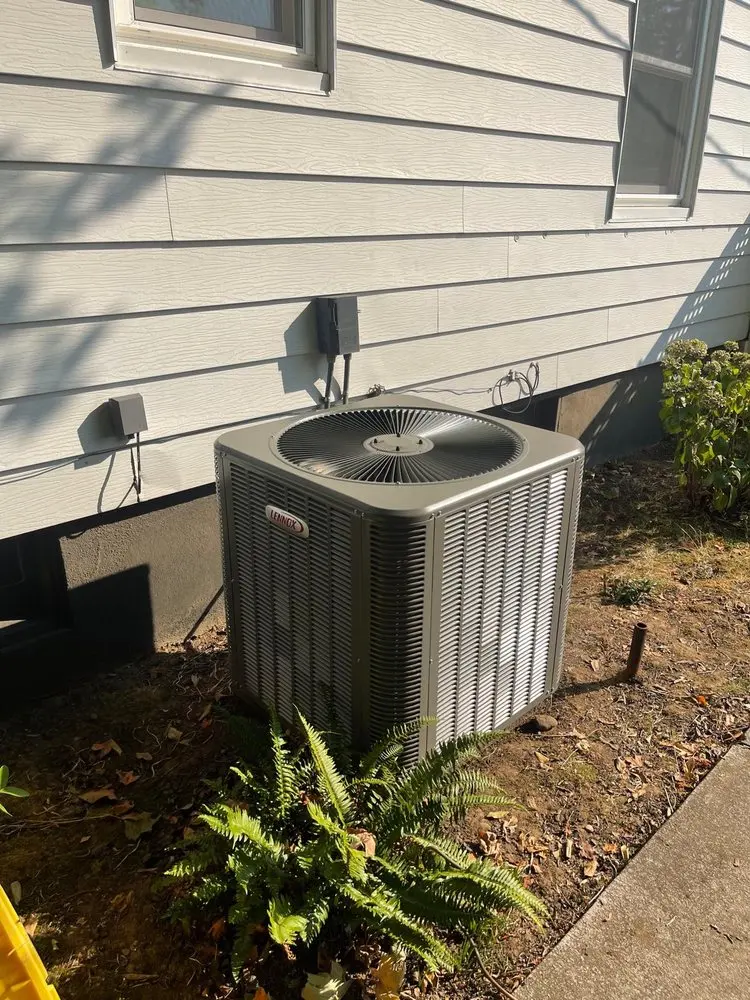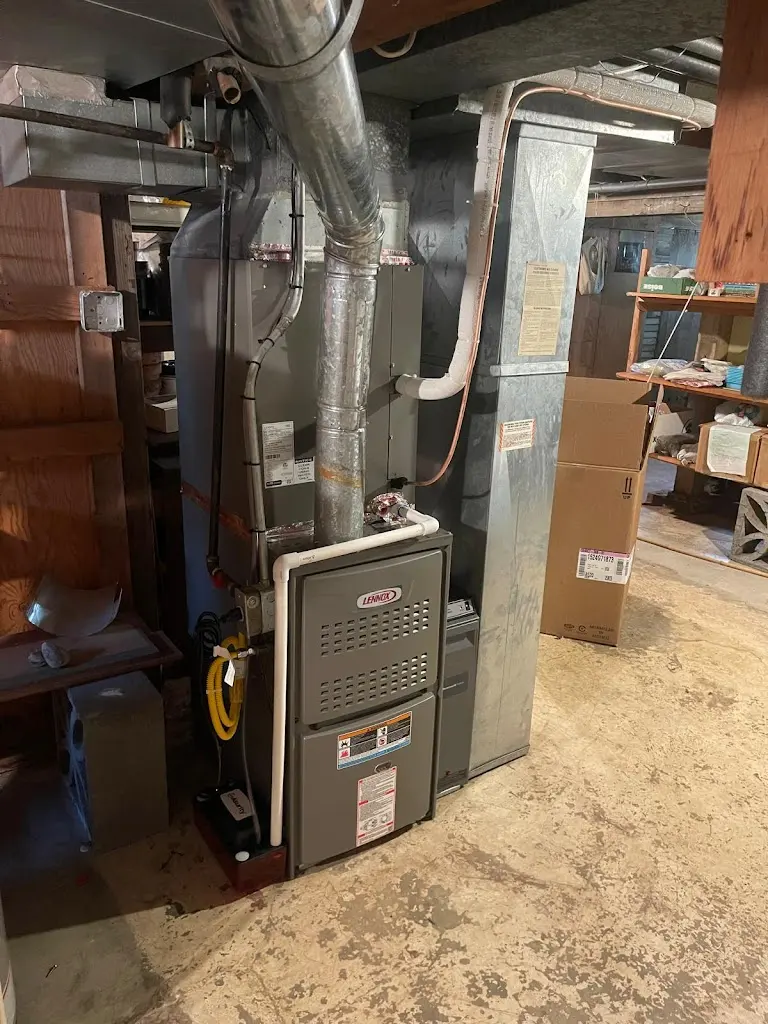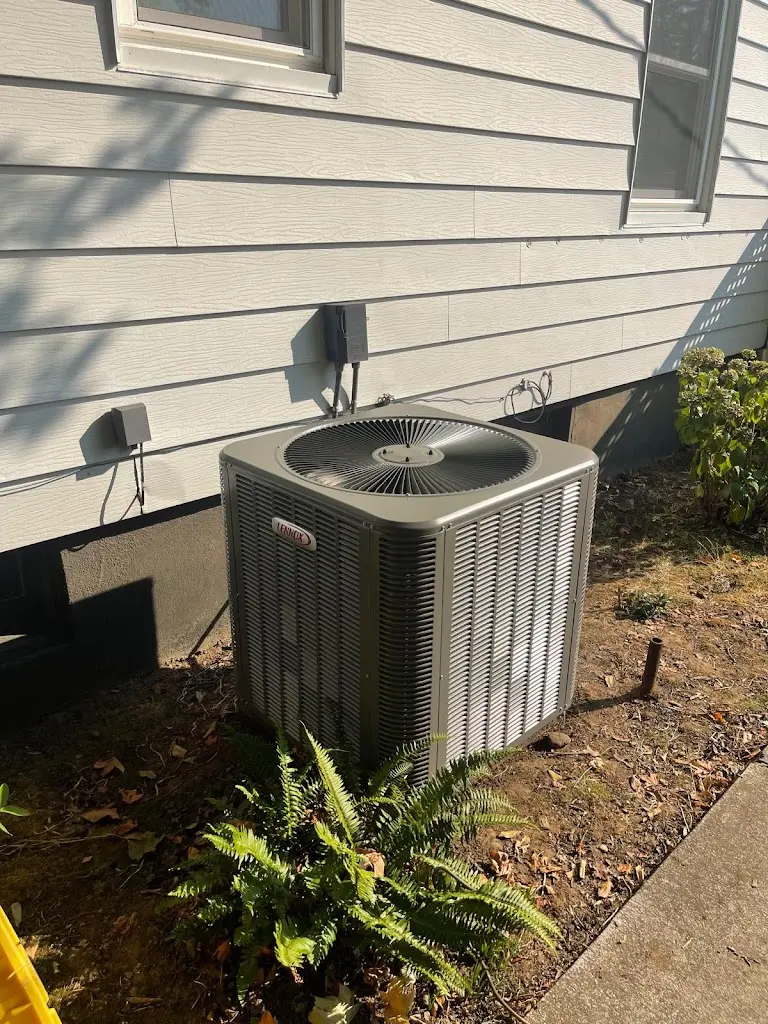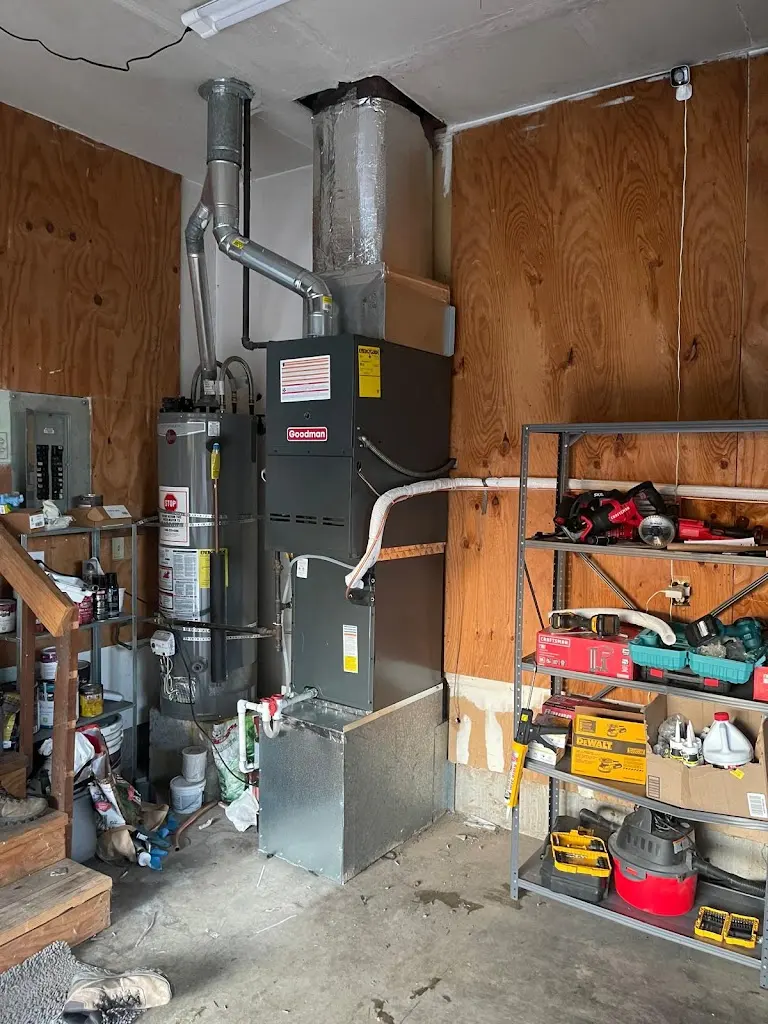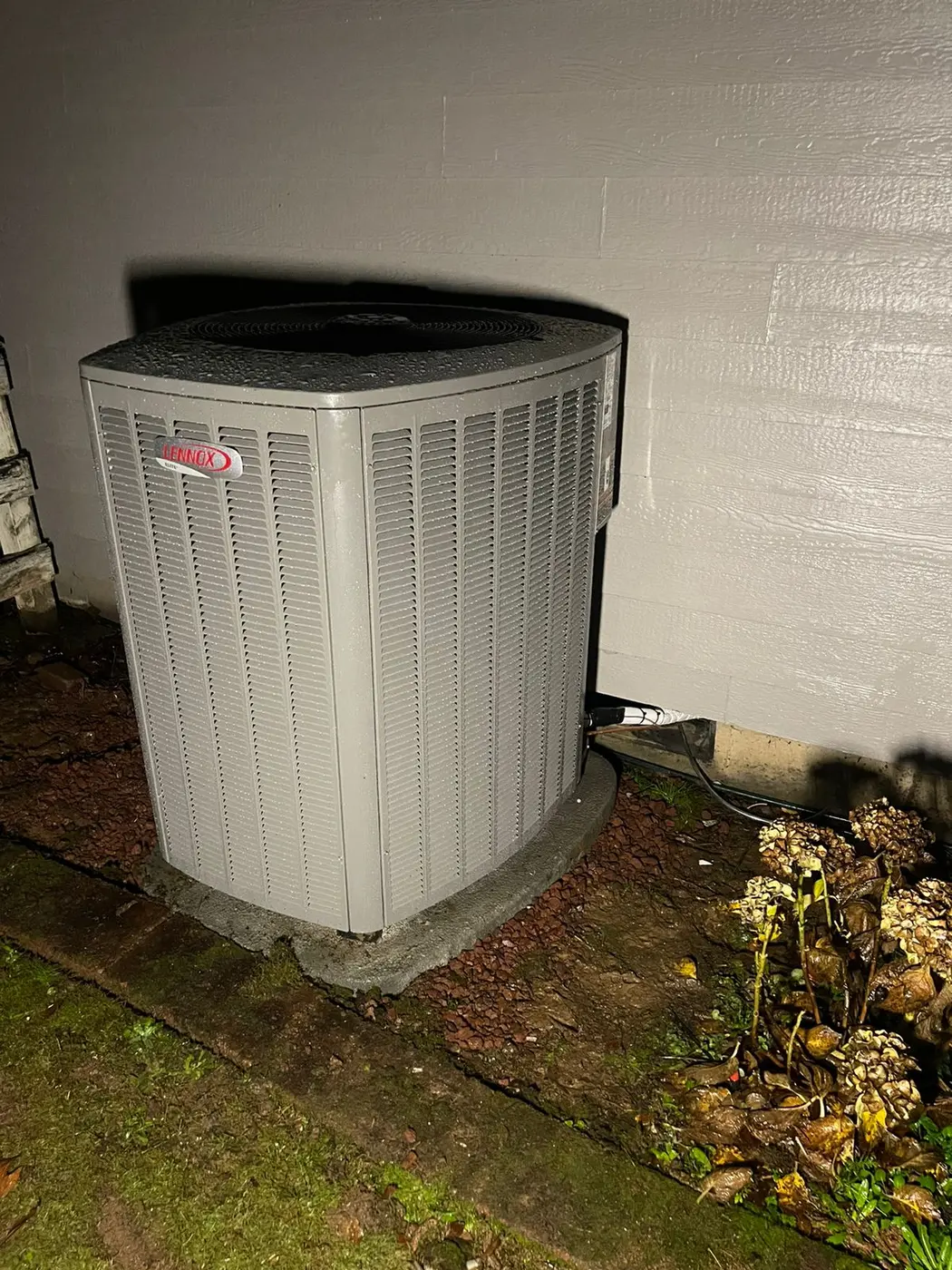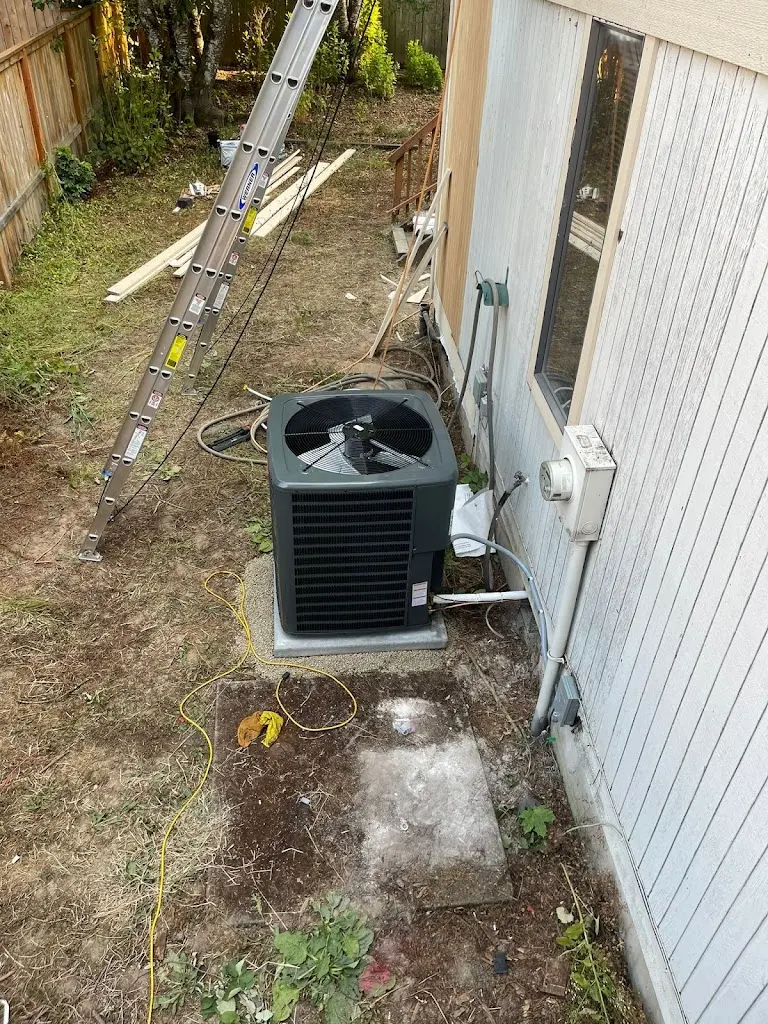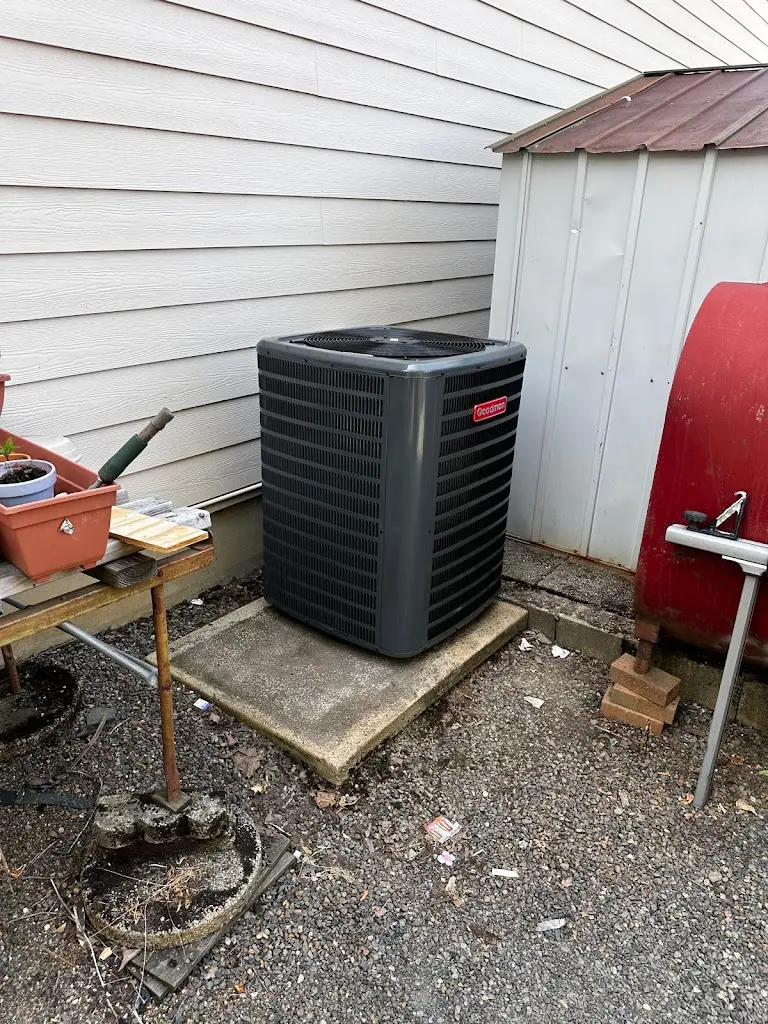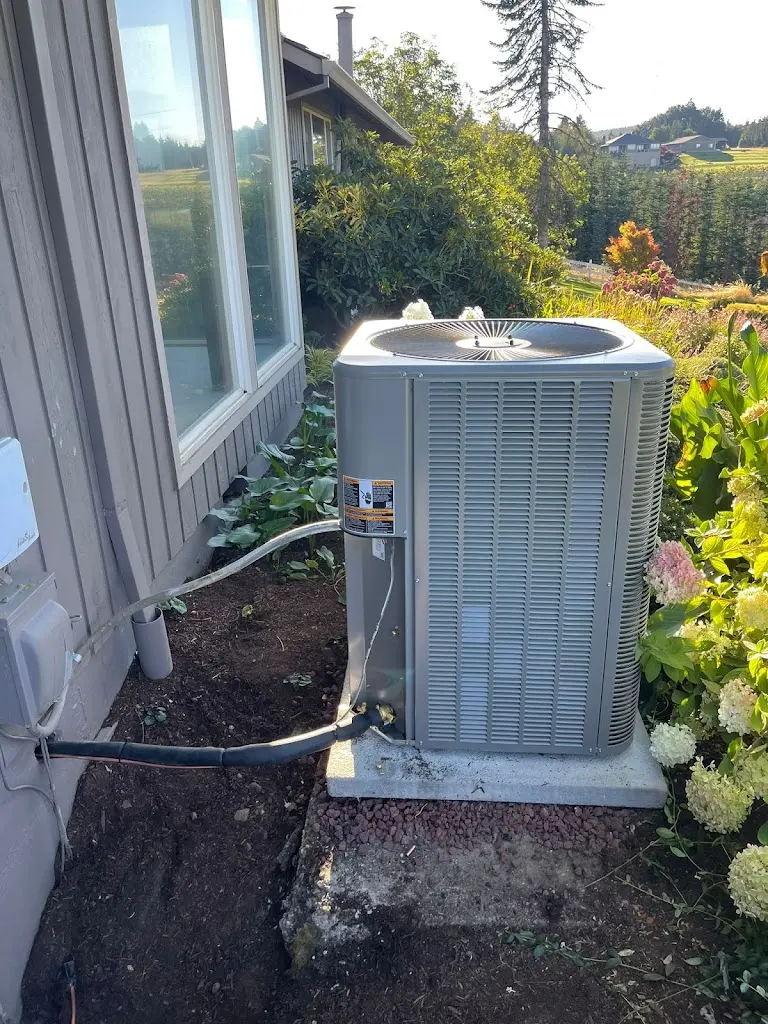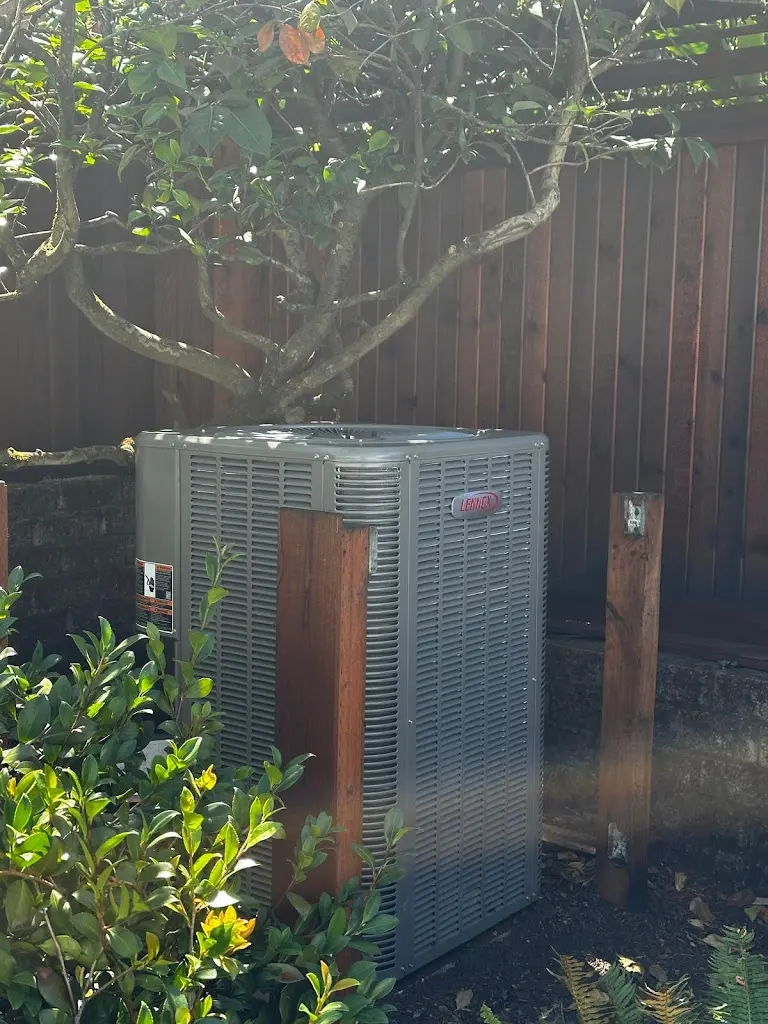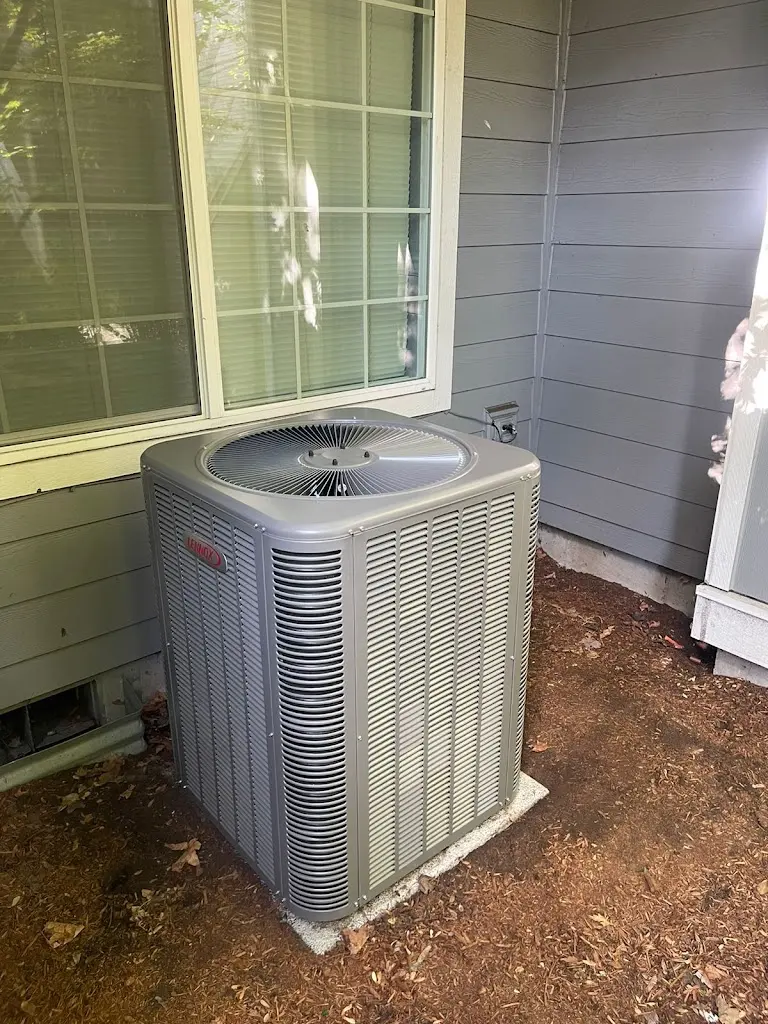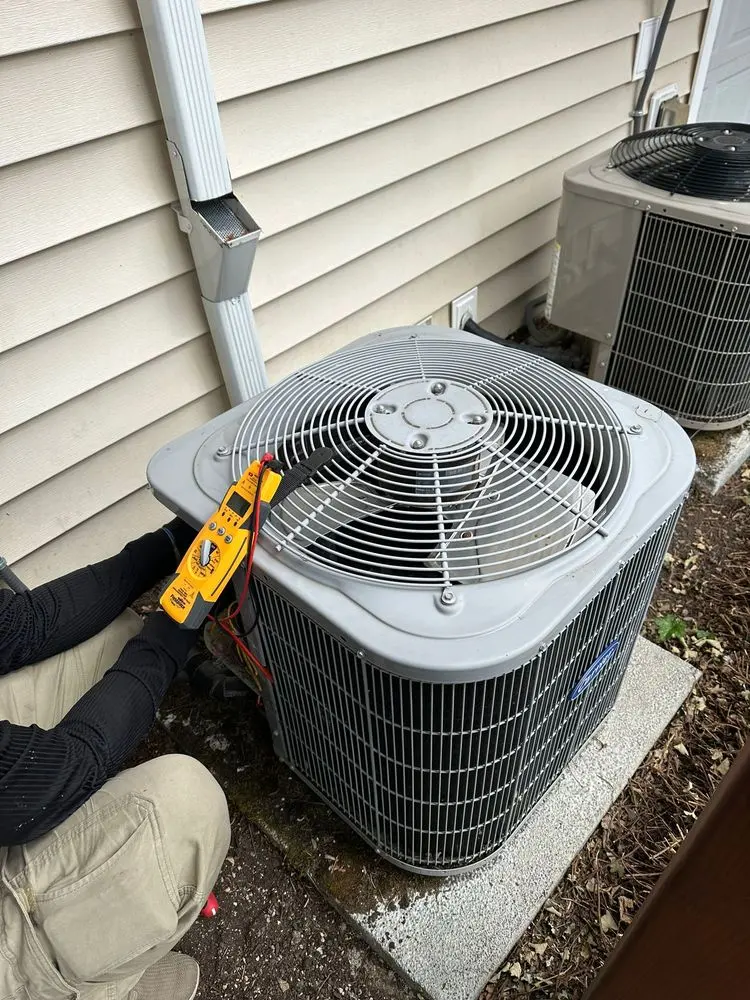




AC Installation and Replacement in Portland Metro
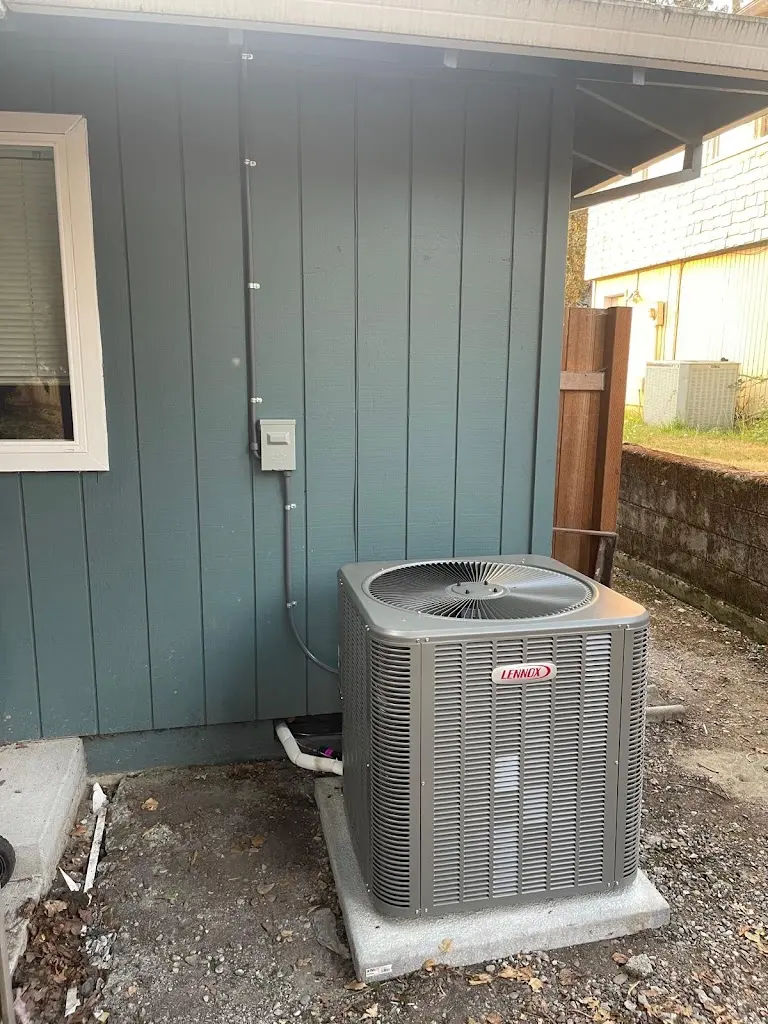
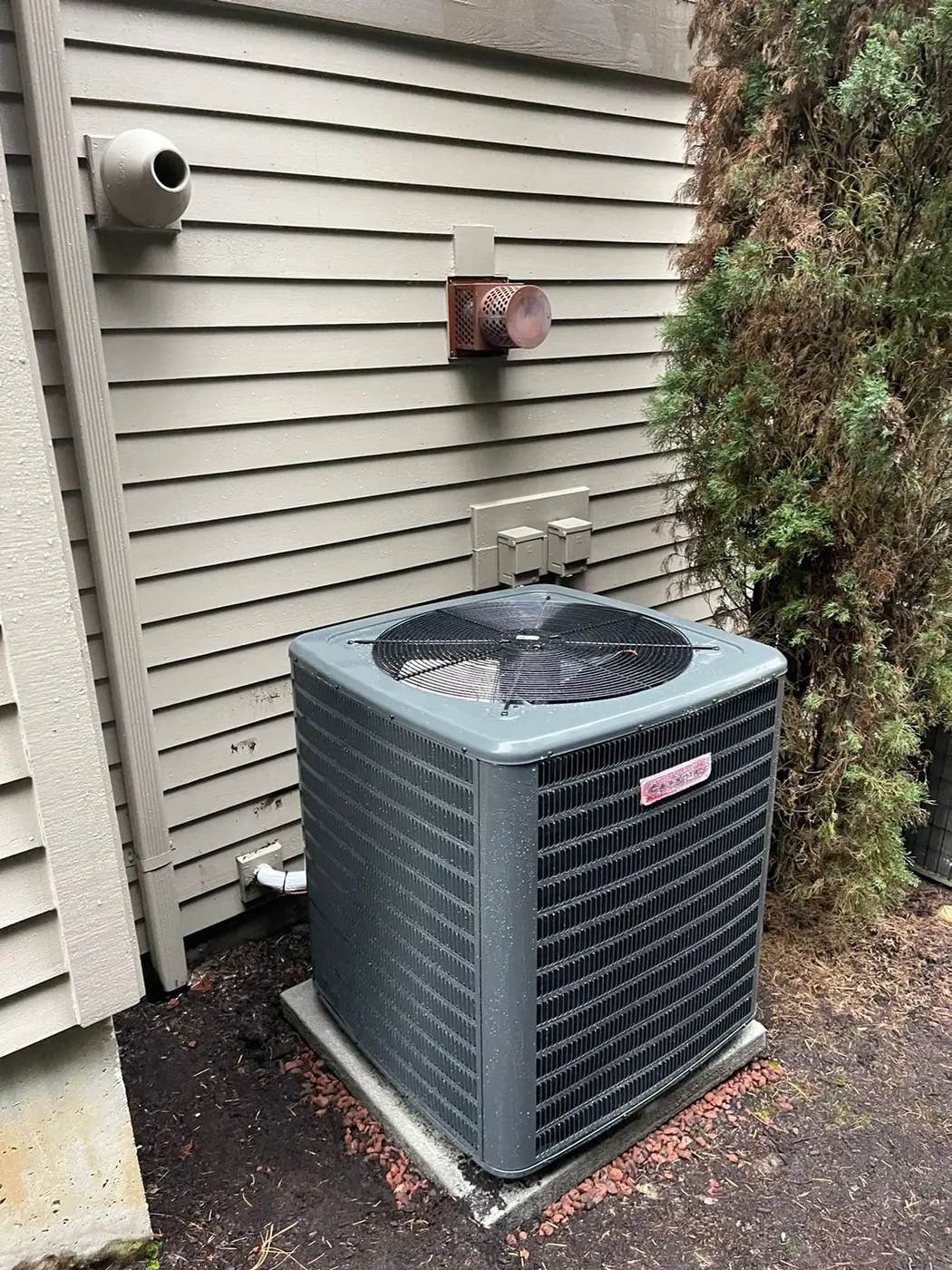
HVAC & Appliance Repair Guys provides AC installation and replacement in Portland Metro. Our free on-site estimator visit reviews how the home needs to cool, the proposed equipment, its location and the work required before you approve a cooling project.
Adding central air for the first time can involve a different scope from replacing an existing air conditioner. Tell us which situation applies and which rooms need attention. The old unit’s size may be useful background, but the new plan should reflect the home and its current cooling needs.
If a system is already in place, explain what it does well and where it falls short. A back room that stays warm or a unit that starts too often gives the estimate a practical starting point. New equipment alone may not correct every air distribution problem.
Indoor and Outdoor Equipment Must Work Together
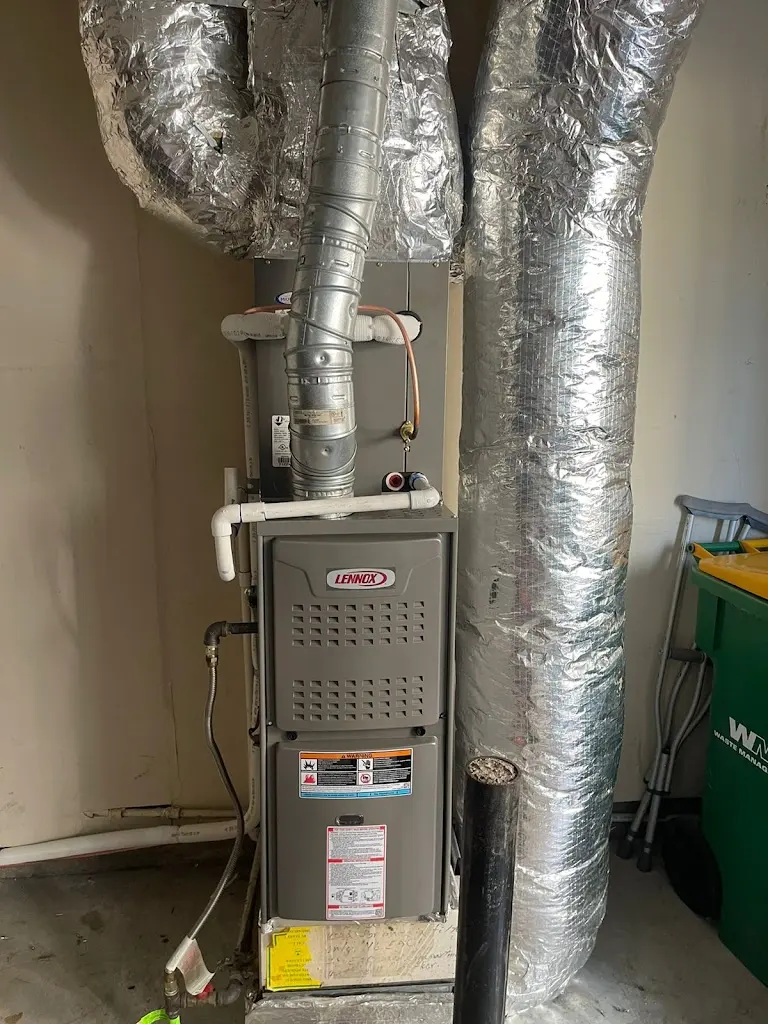
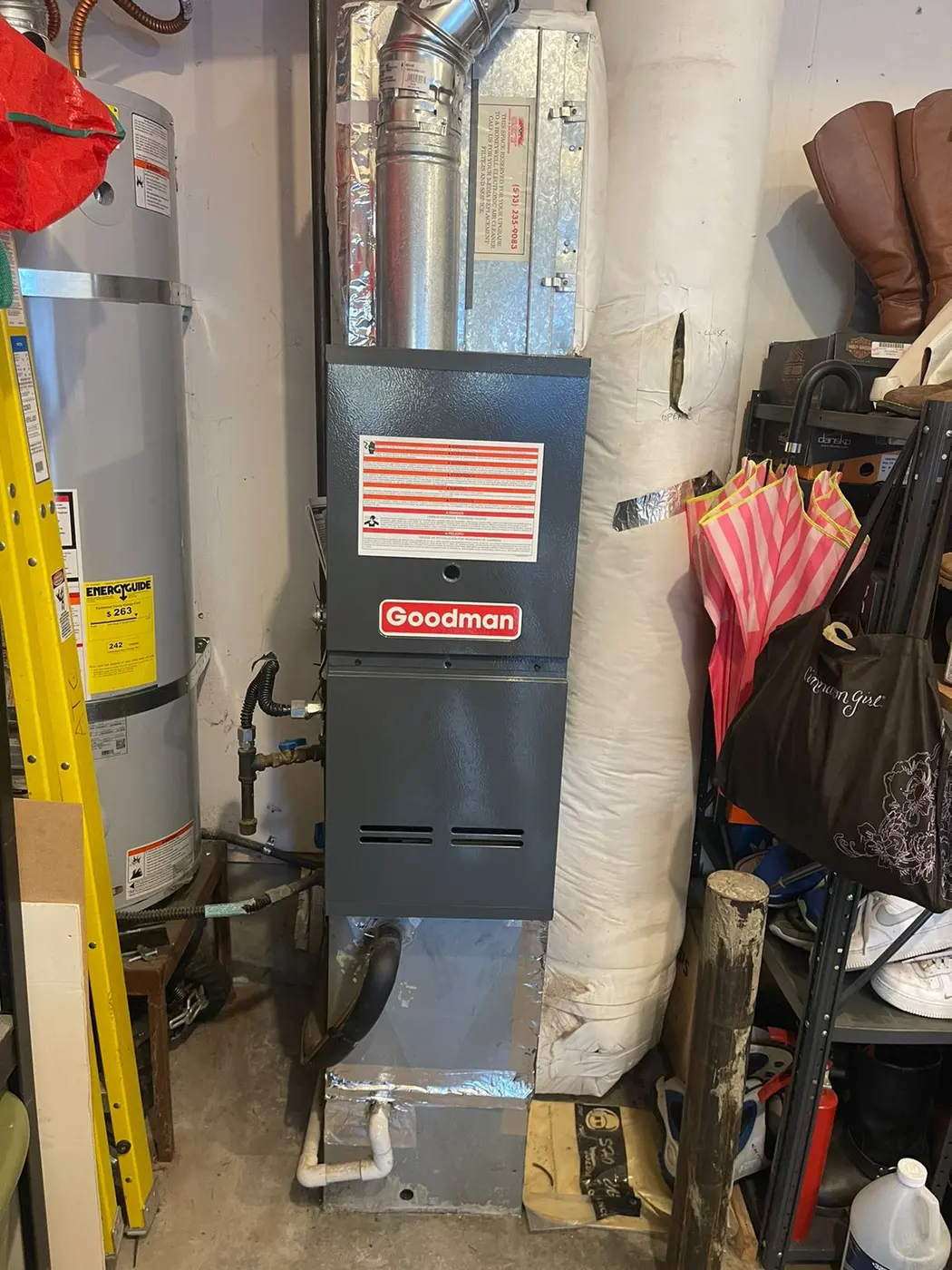
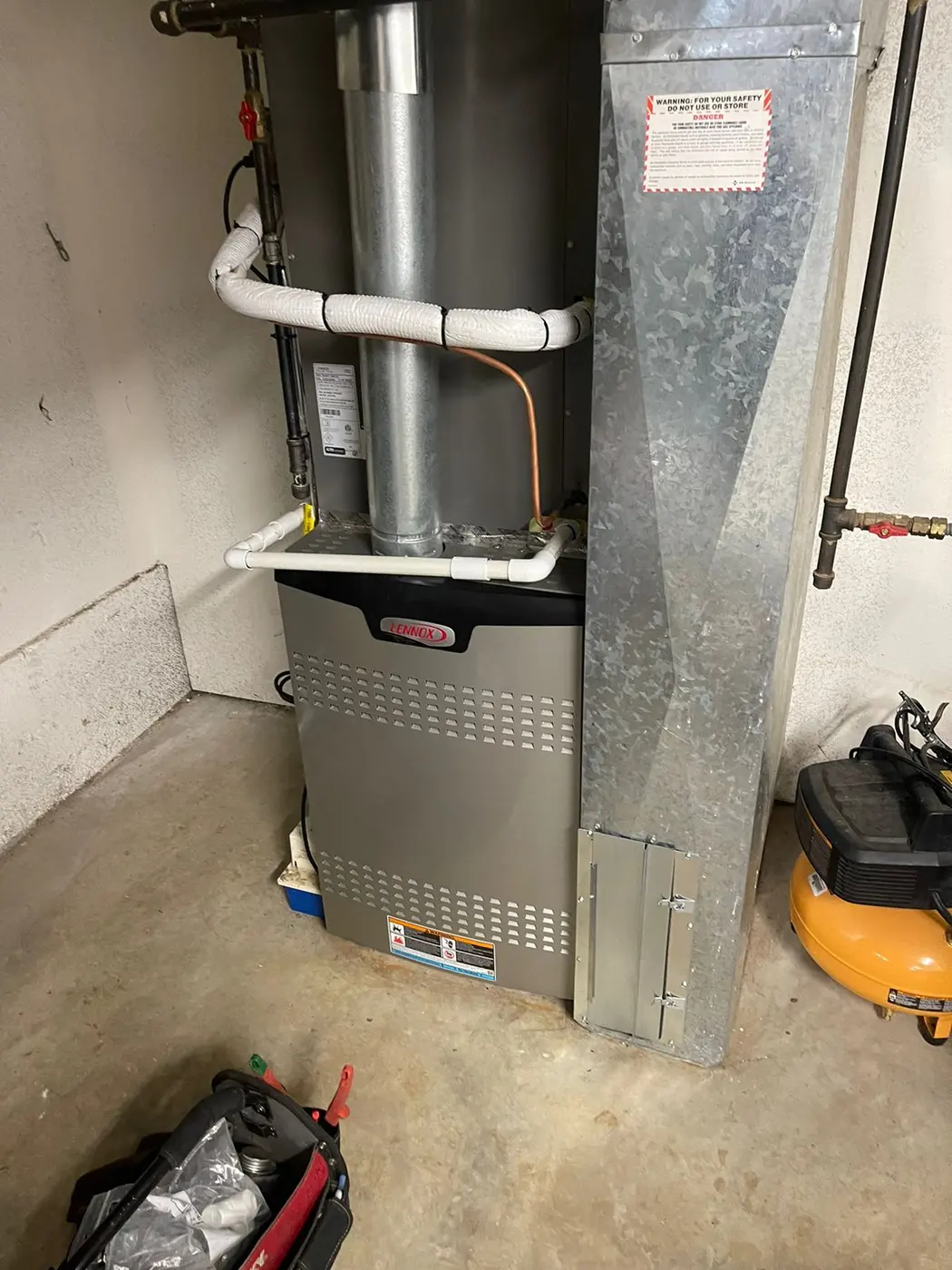
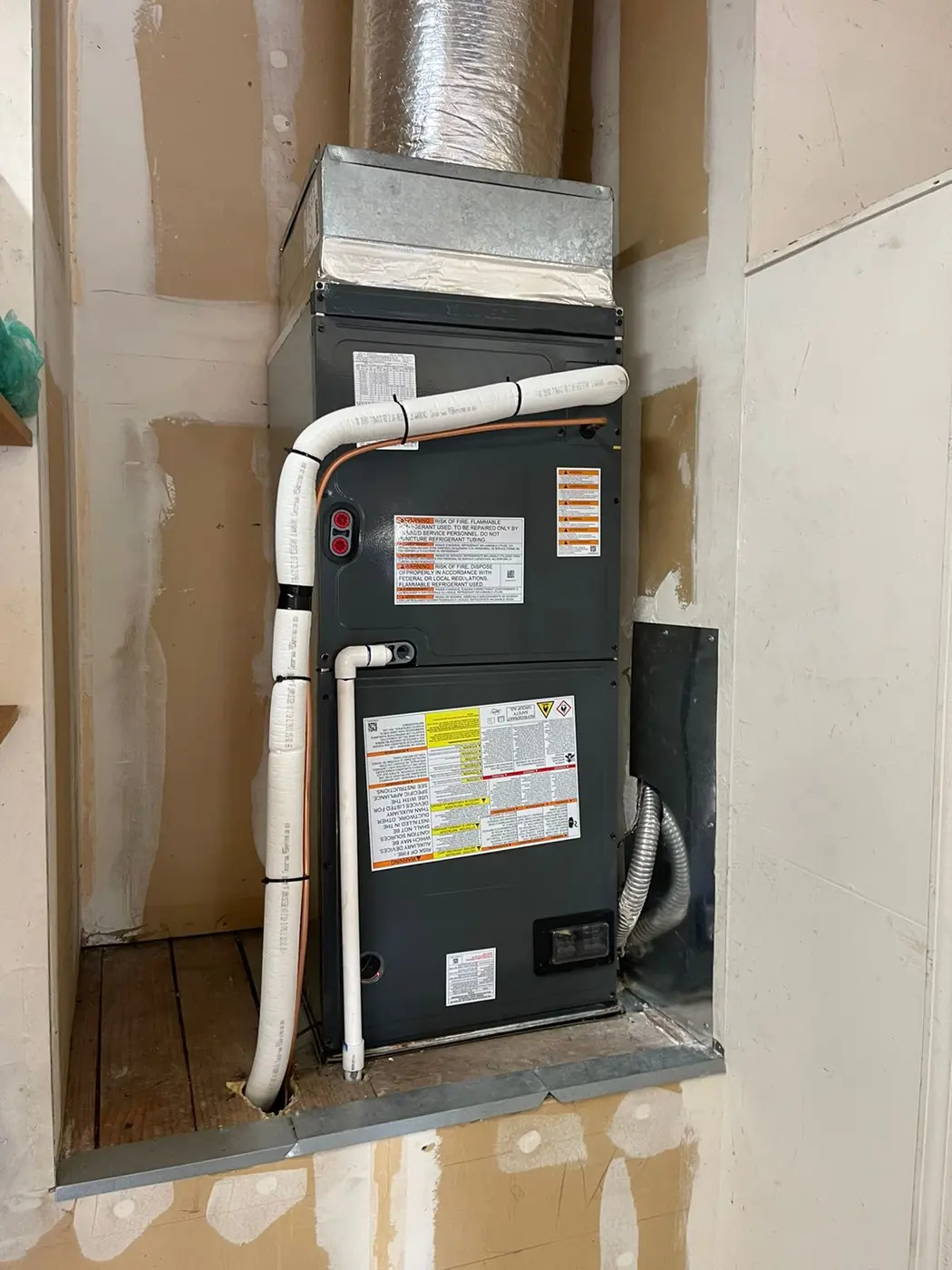
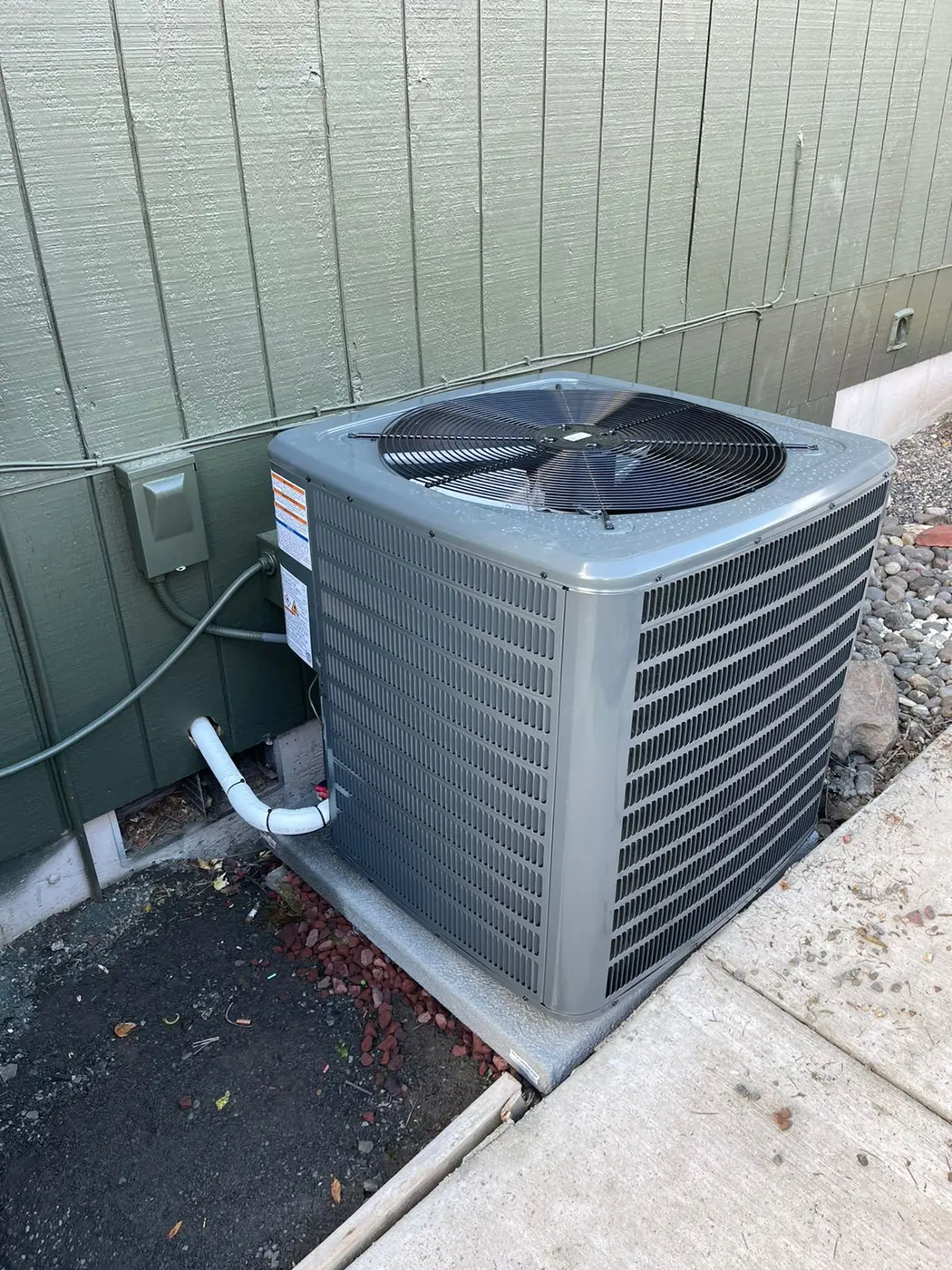
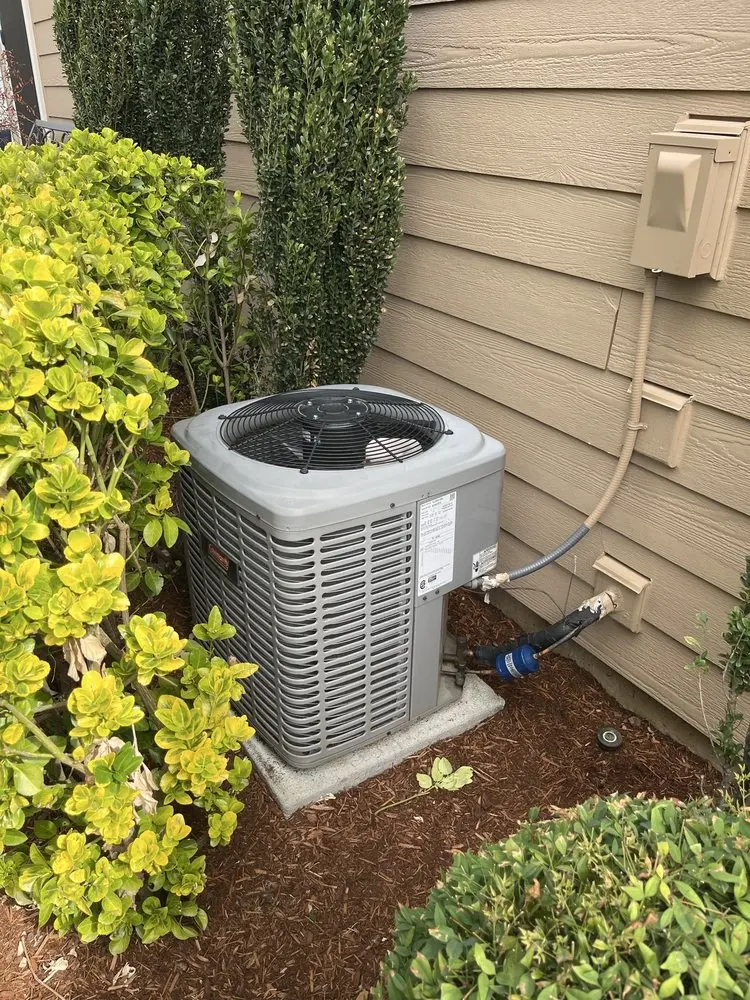
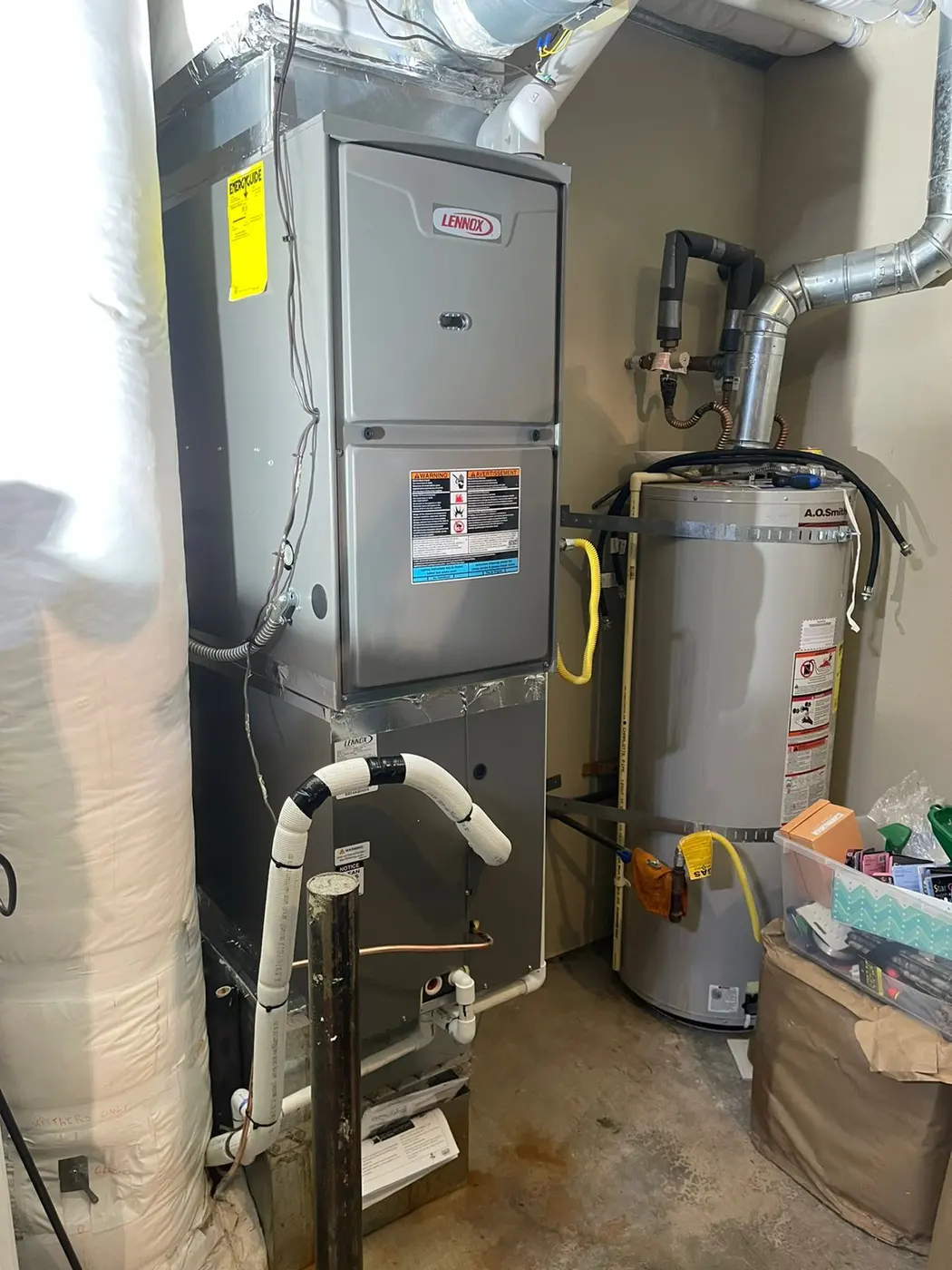
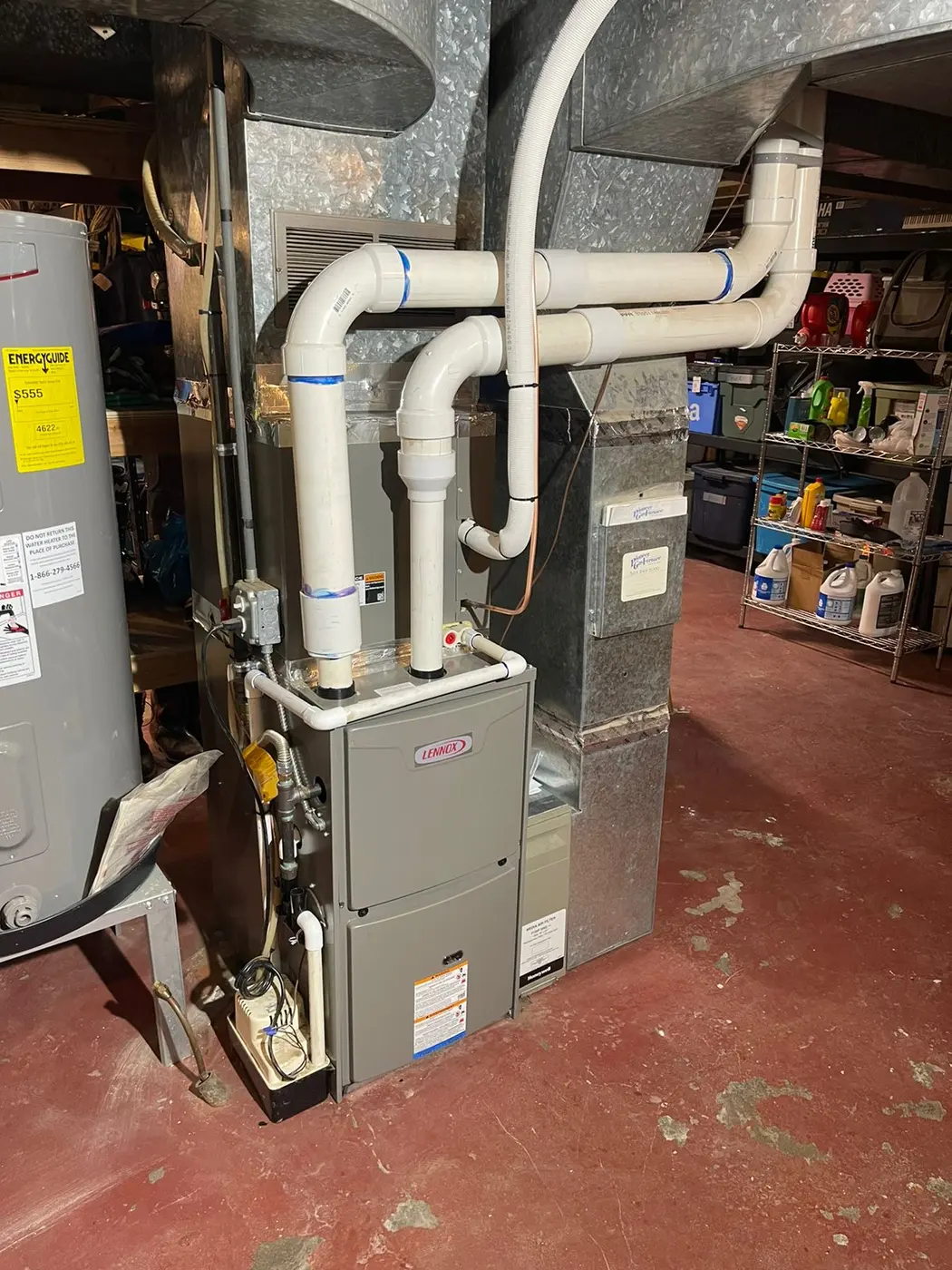
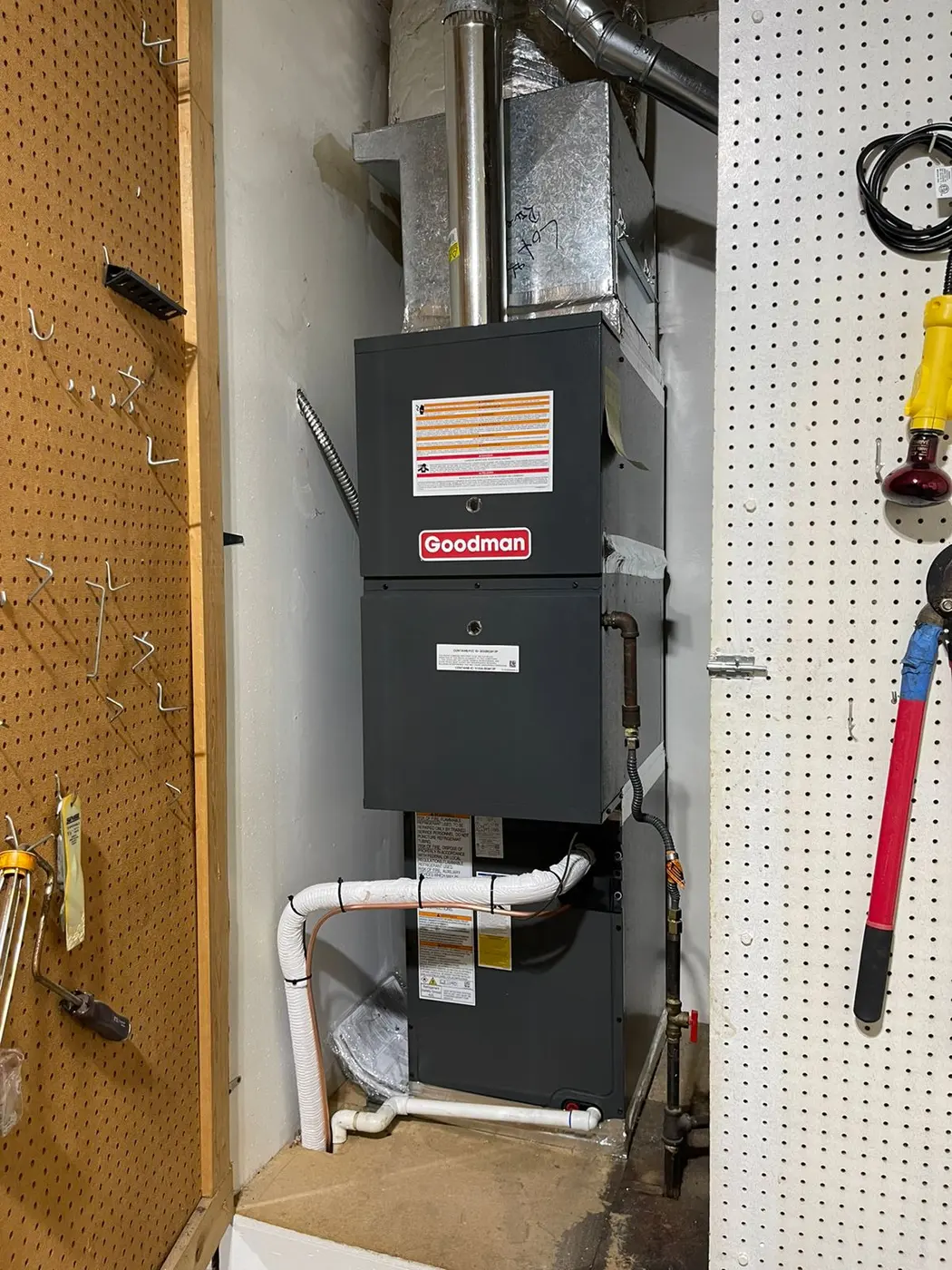
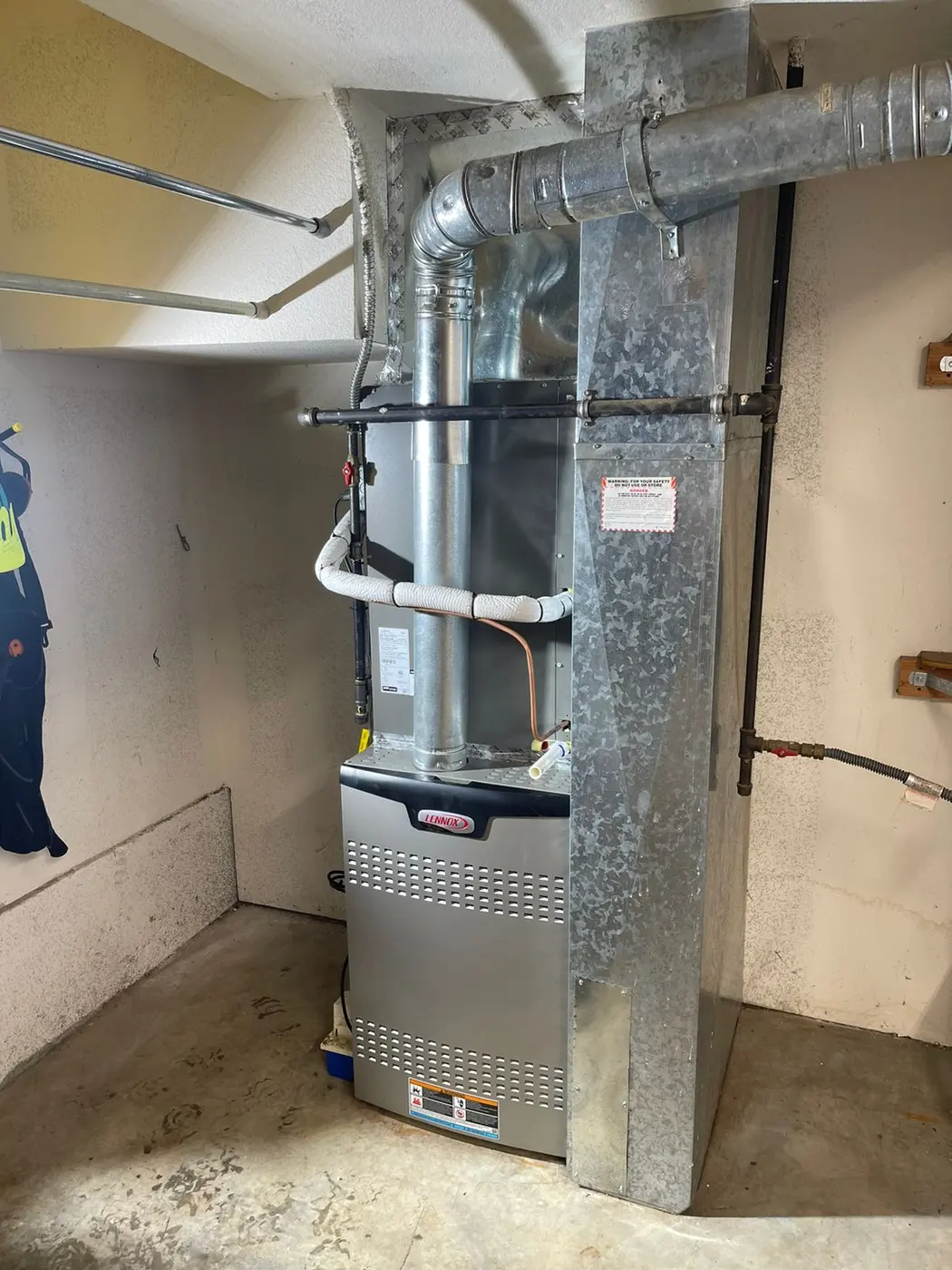
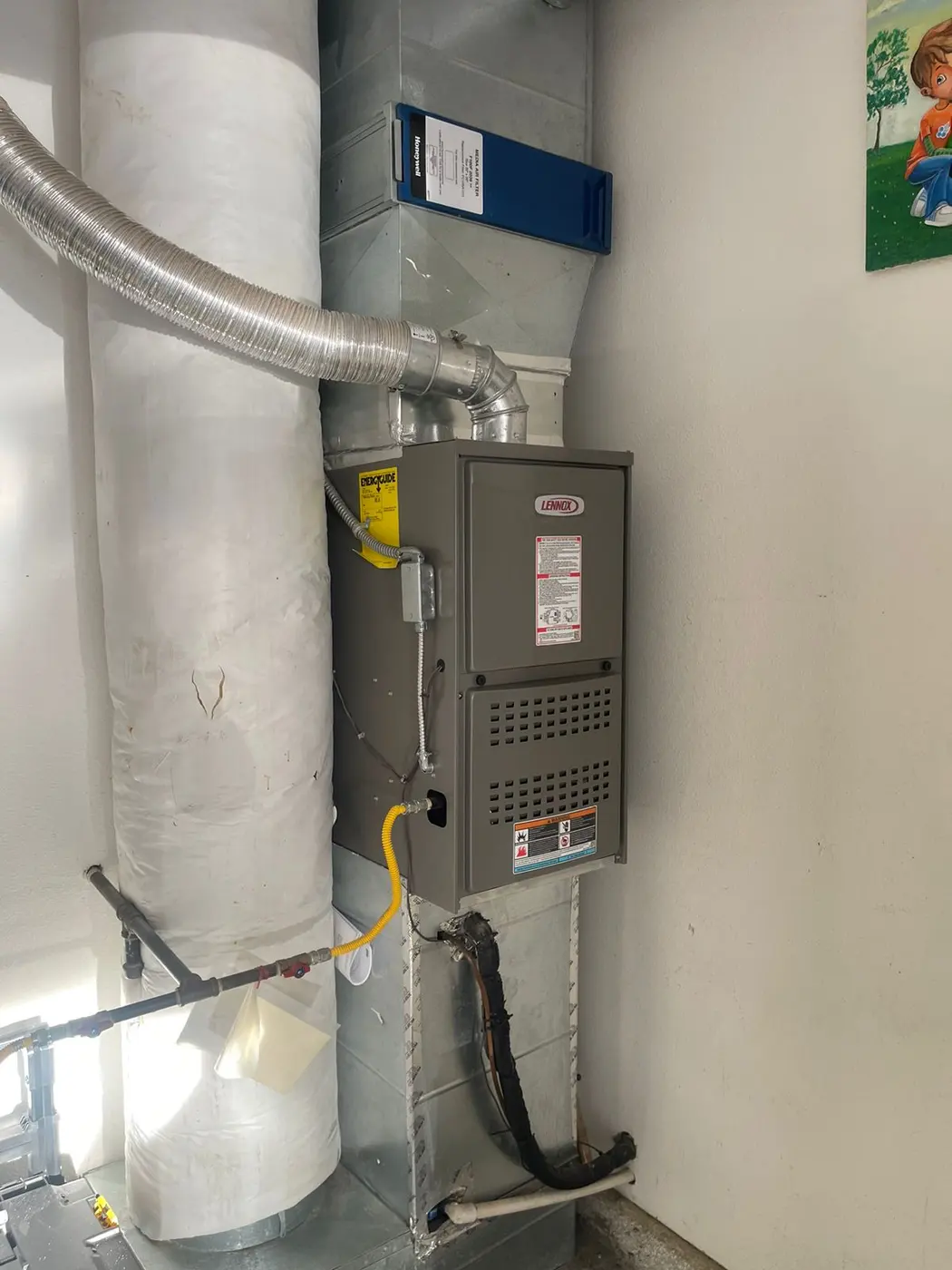
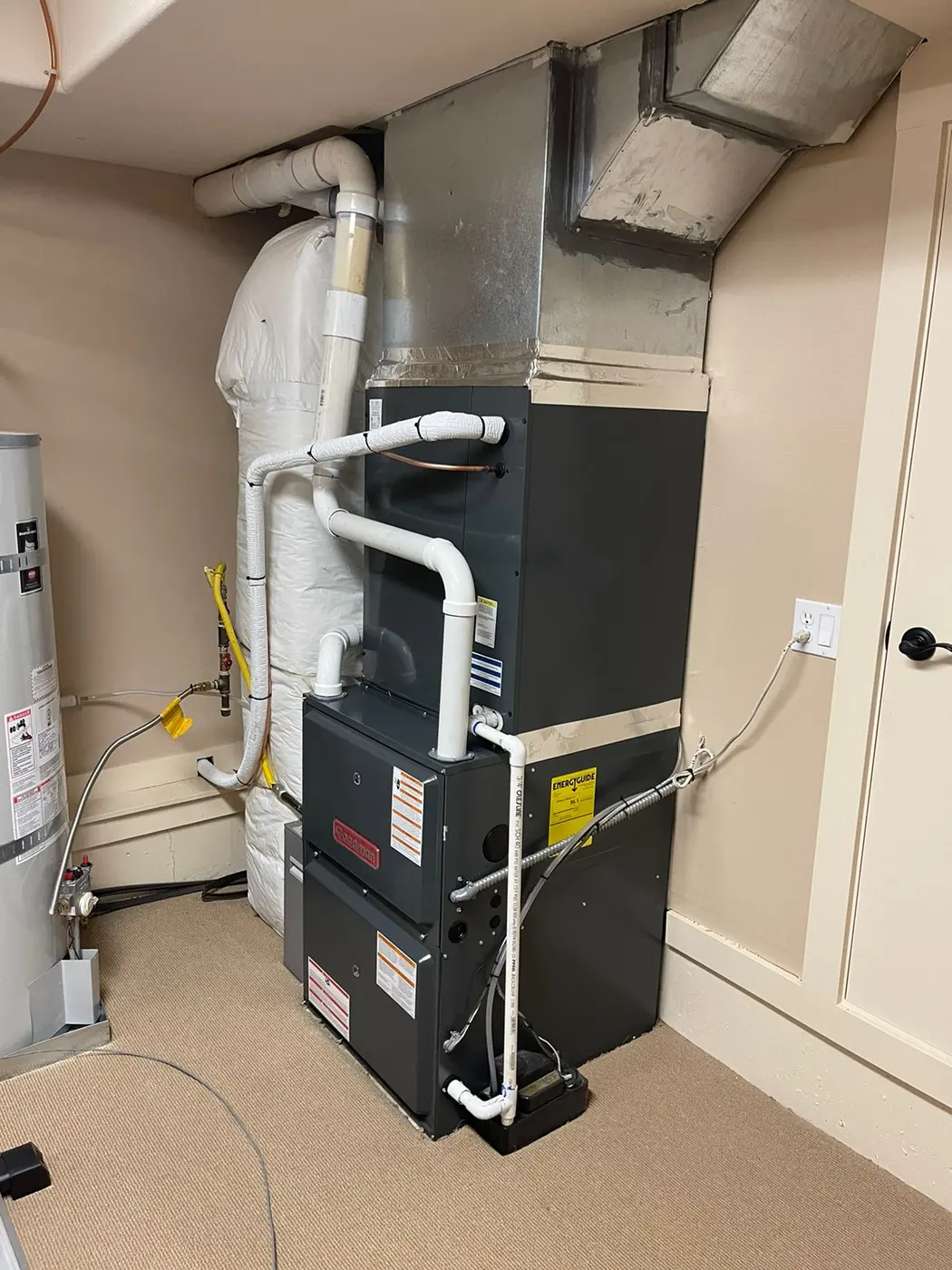
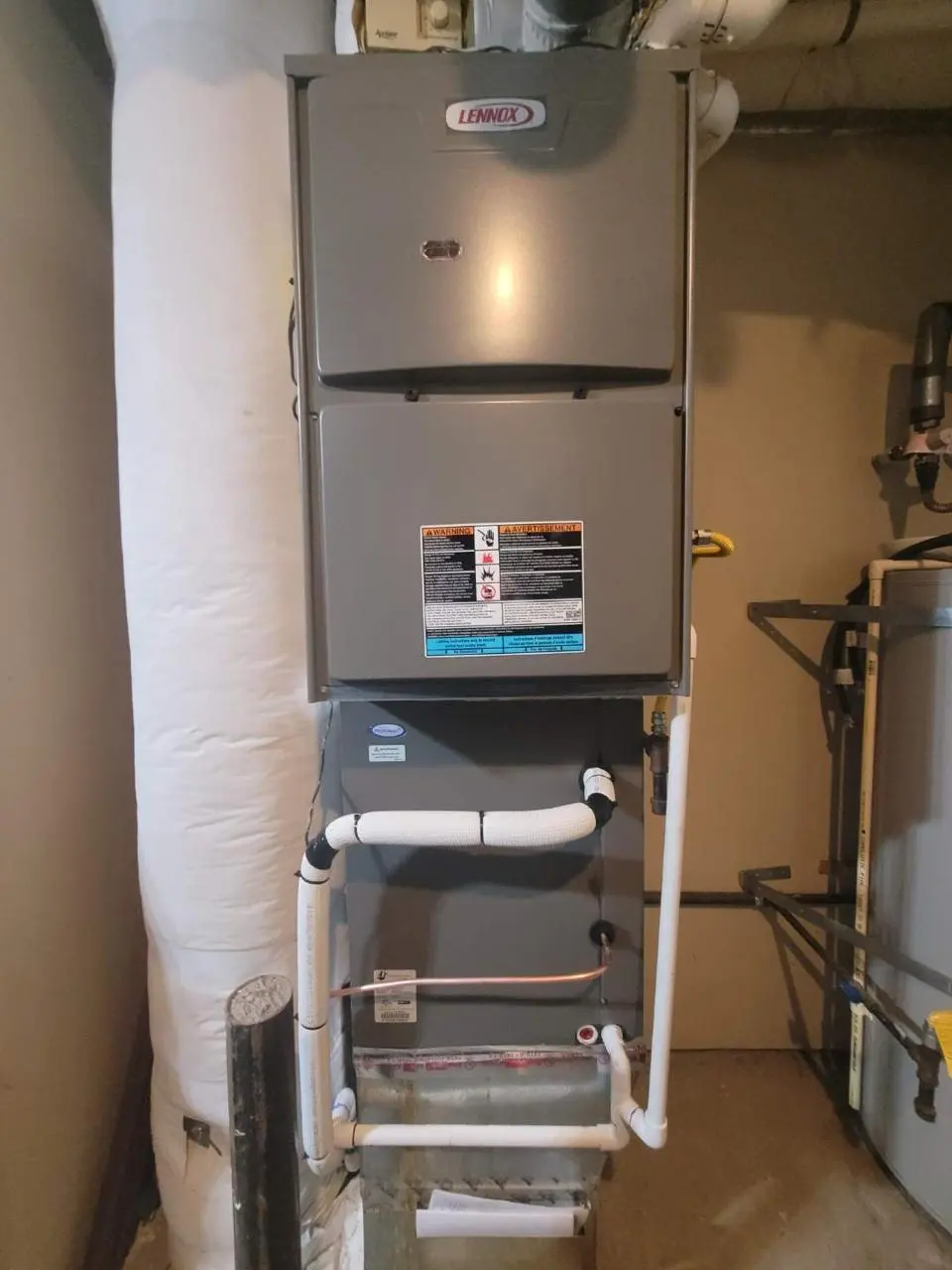
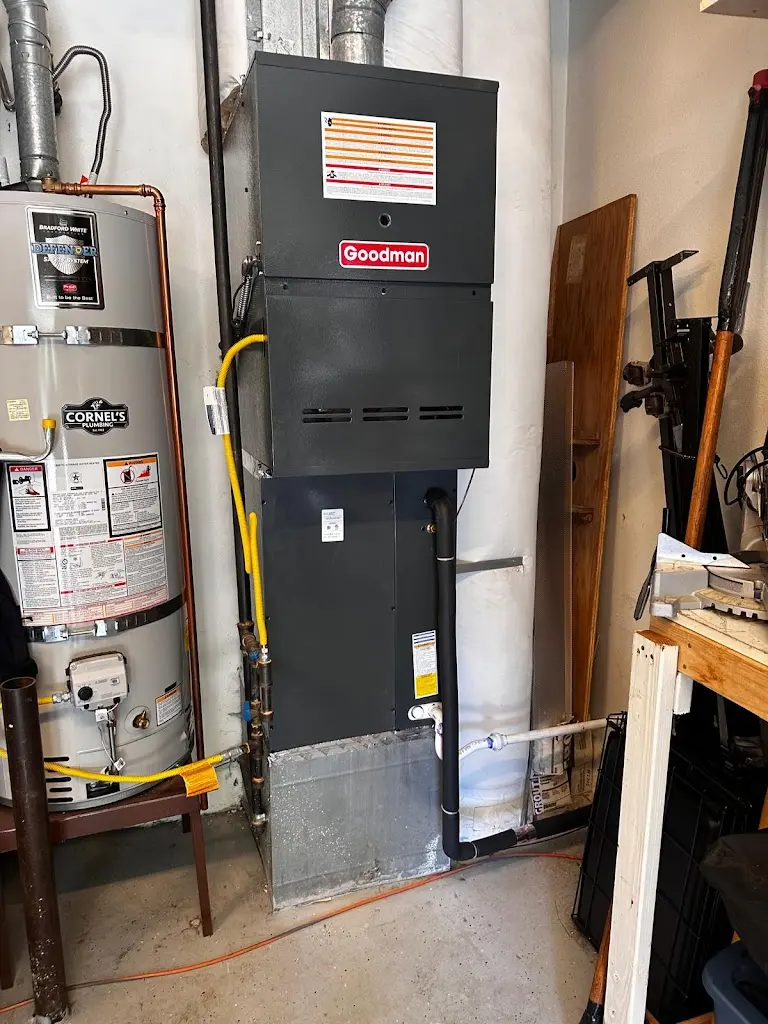
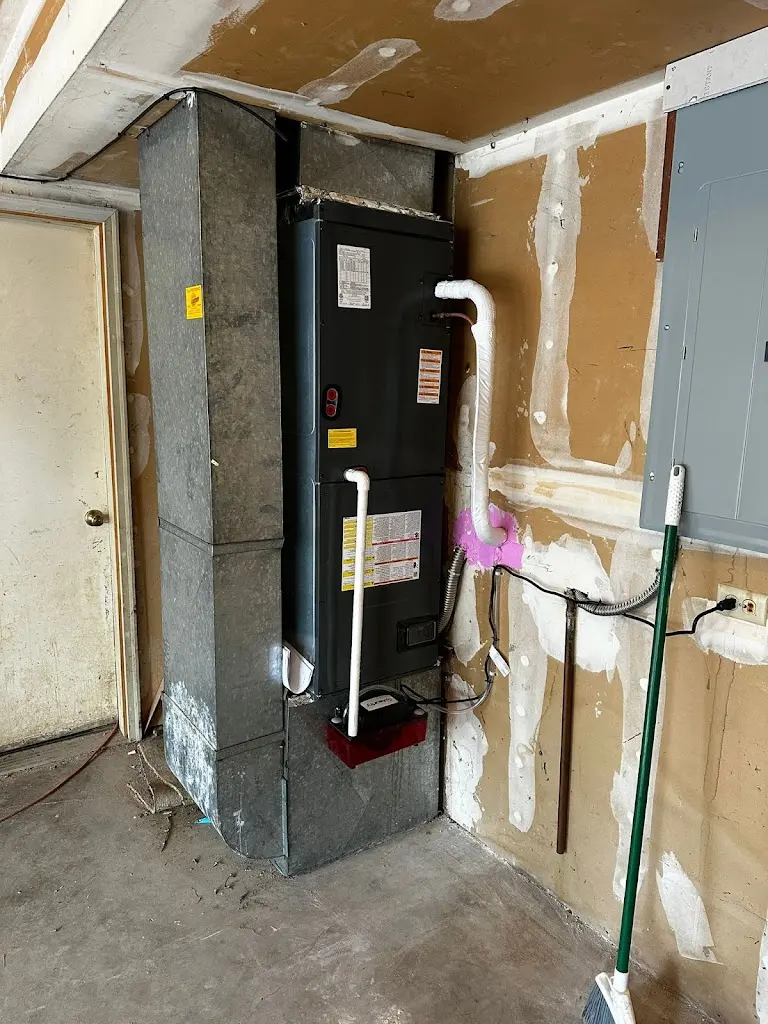
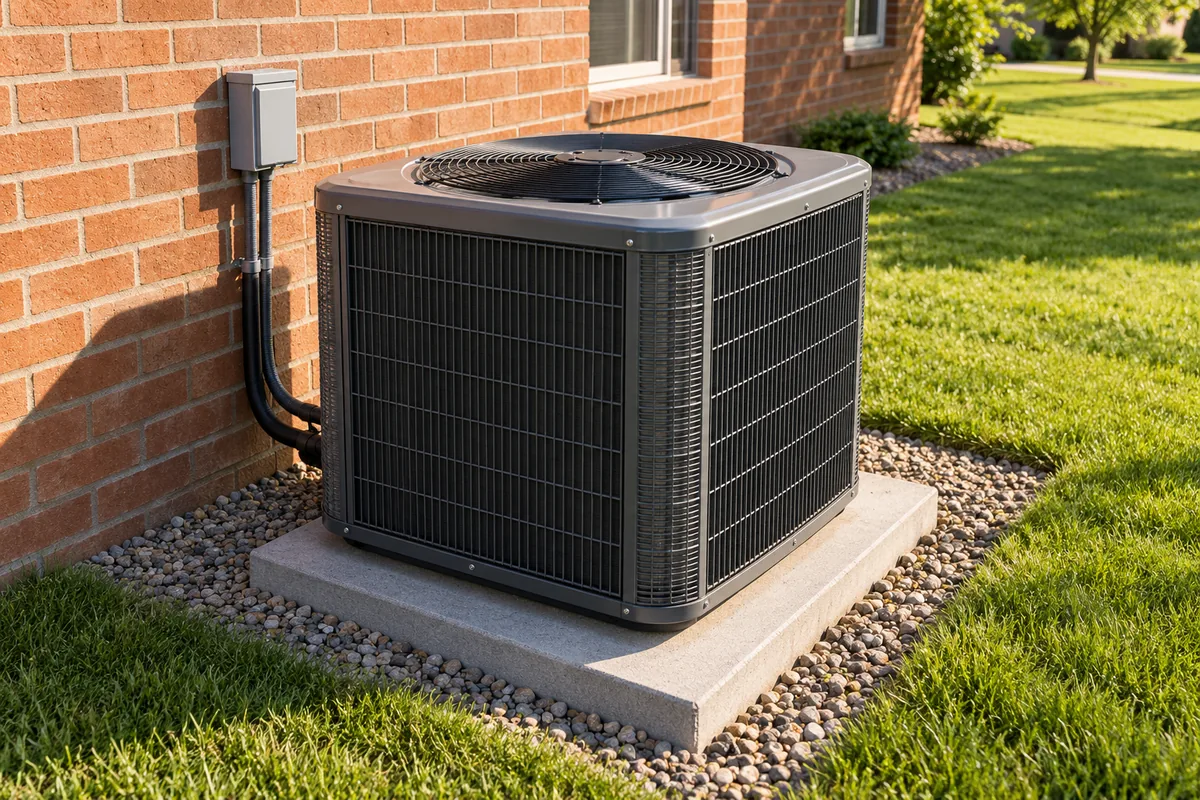
A split-system central air conditioner relies on more than the outdoor cabinet. The indoor coil and blower also have a role in cooling the home. The estimate needs to consider how the proposed equipment works with that indoor setup. Keeping an existing furnace does not mean every cooling unit will suit its airflow or controls.
The estimator can review the current equipment and the space around it. Keep any model details or past installation records available. You do not need to remove a cover to find them. If a label is hard to reach, explain where the equipment sits and leave access inside the unit to the team.
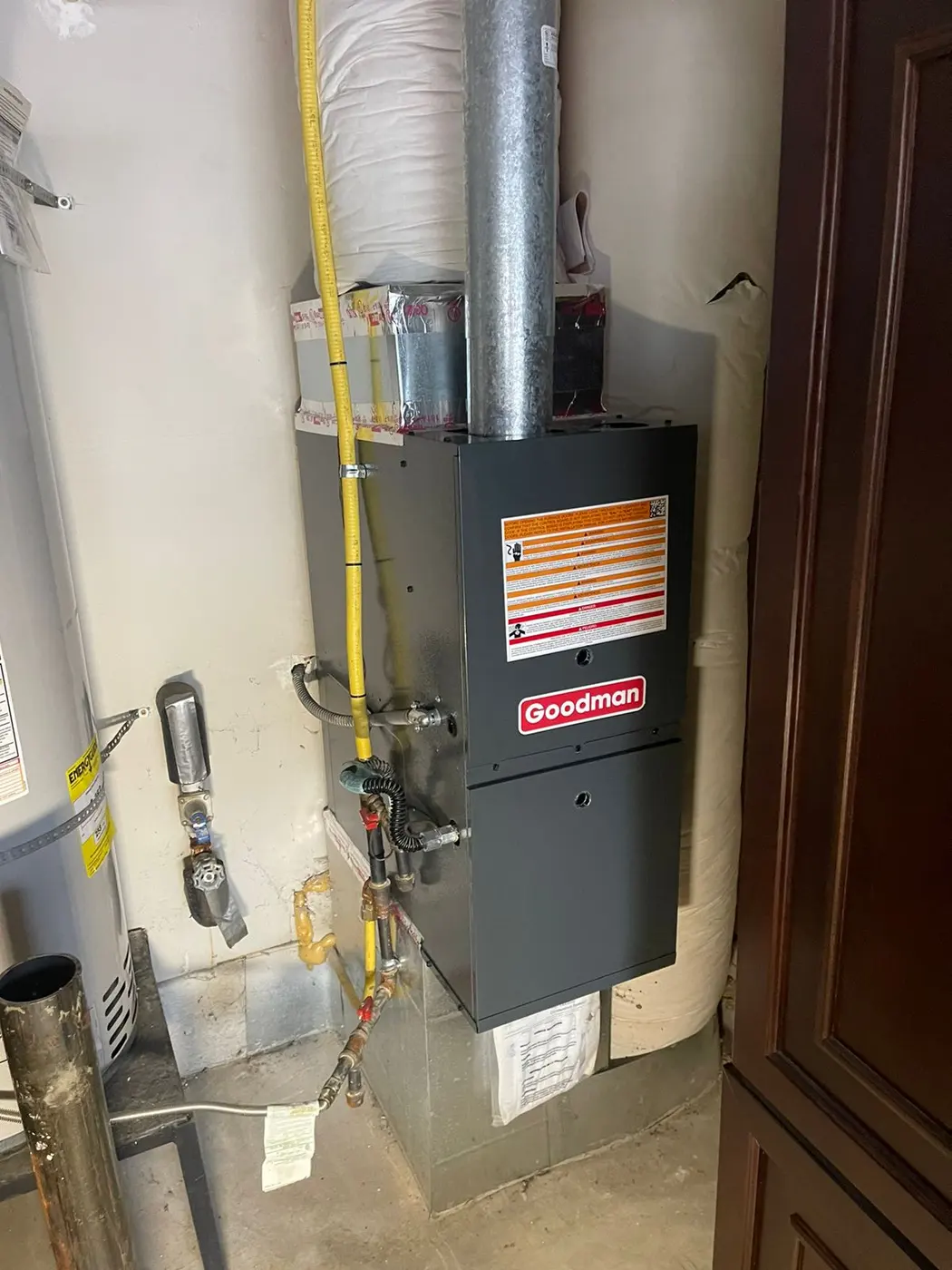
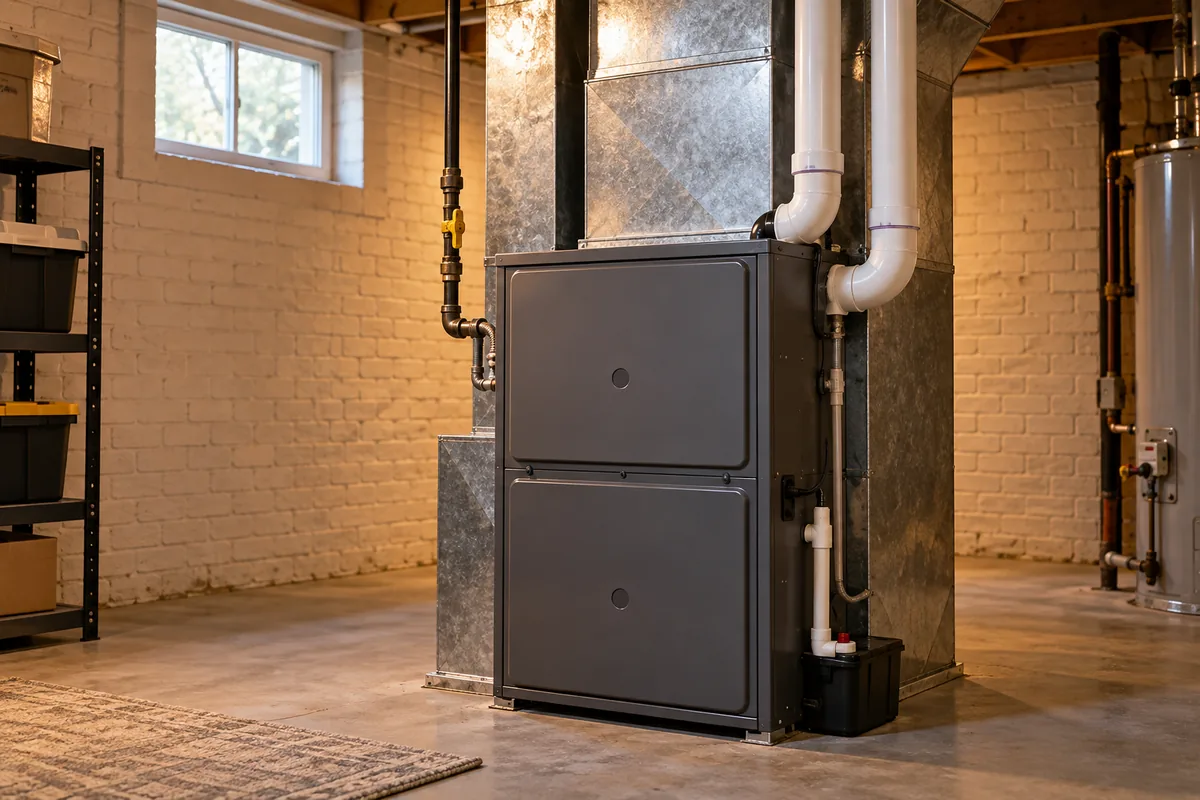
For a project that also replaces the heating equipment, the wider HVAC installation plan can address the combined system. State both goals at the start. That helps avoid treating cooling as a separate decision when the indoor equipment is also due to change.
Sizing and Airflow Shape the Result
The cooling load depends on the spaces the system serves and features of the home. A load calculation helps establish that need. The answer should not come from floor area alone or from choosing the largest available unit. Ask how the proposed capacity relates to the rooms, windows and other conditions reviewed for the project.
Existing ducts must also support the airflow the system needs. A damaged or restricted air path can limit comfort even with a new air conditioner. Mention uneven cooling before the estimate. The proposal should make clear whether any duct changes belong in the project and whether anything needs a closer look.
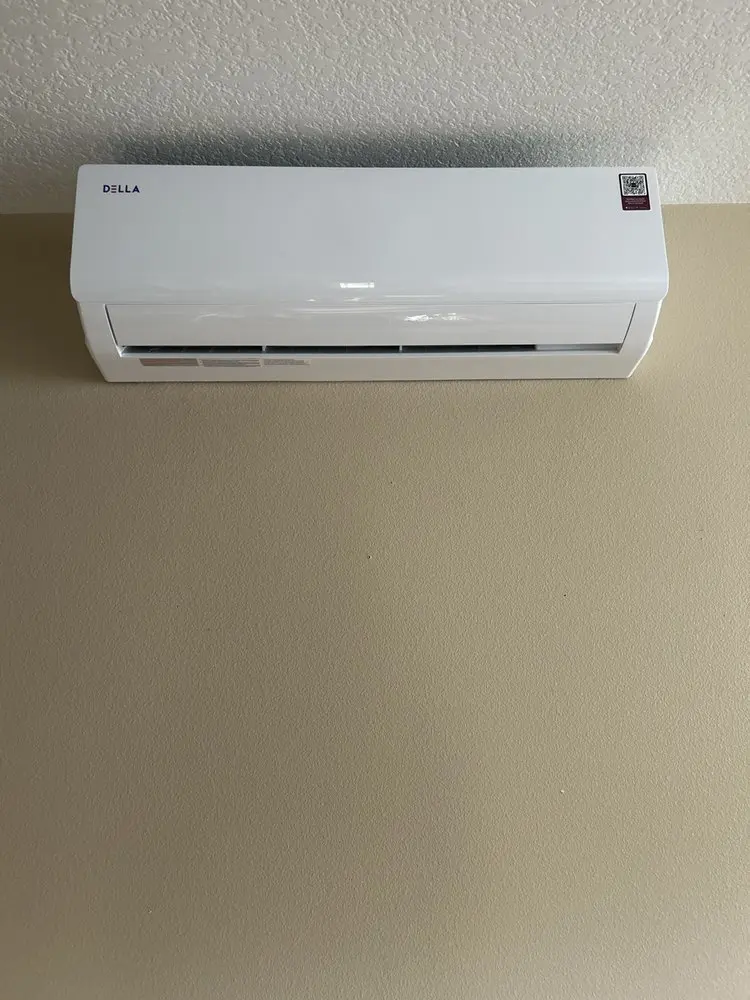
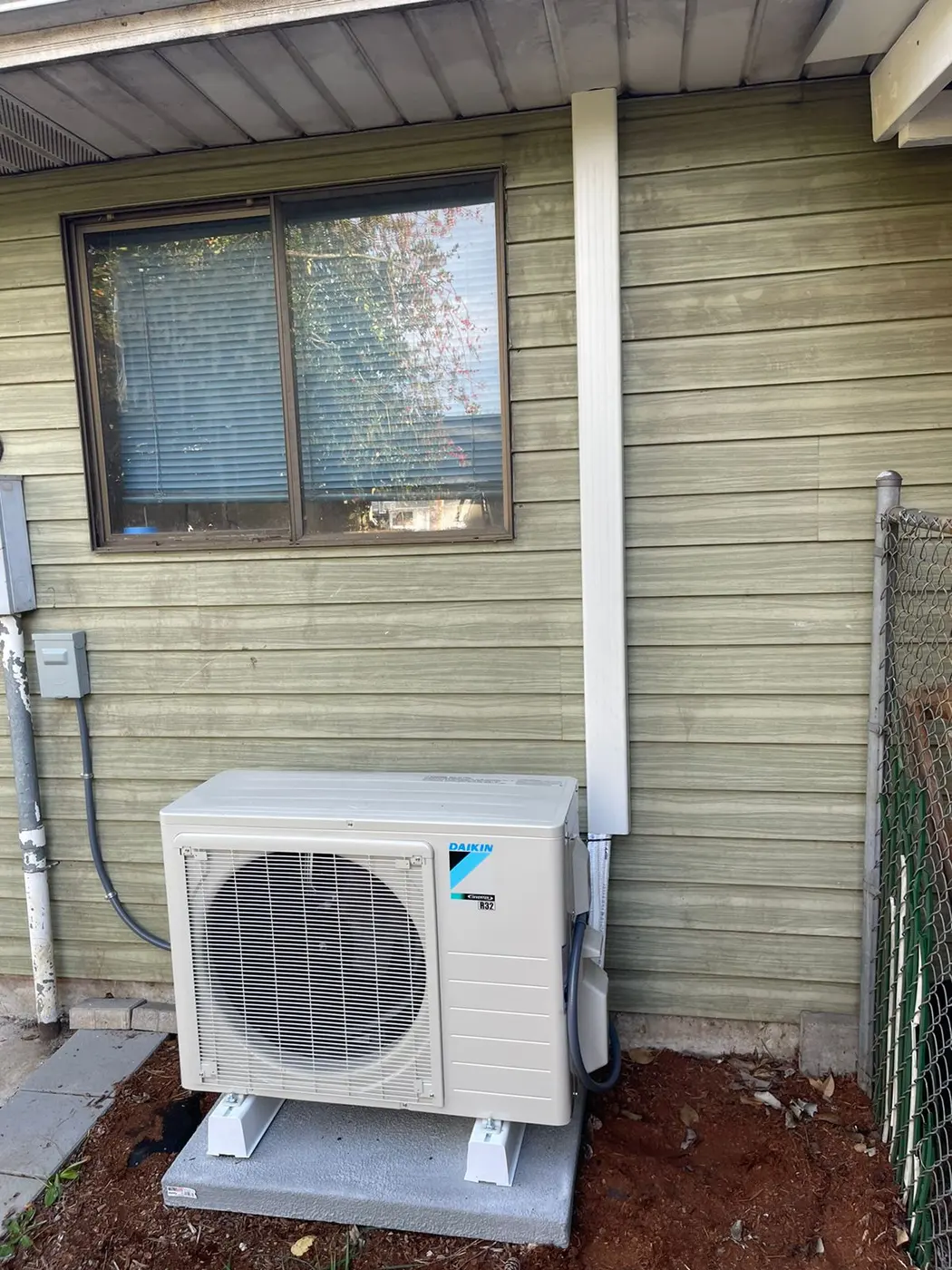
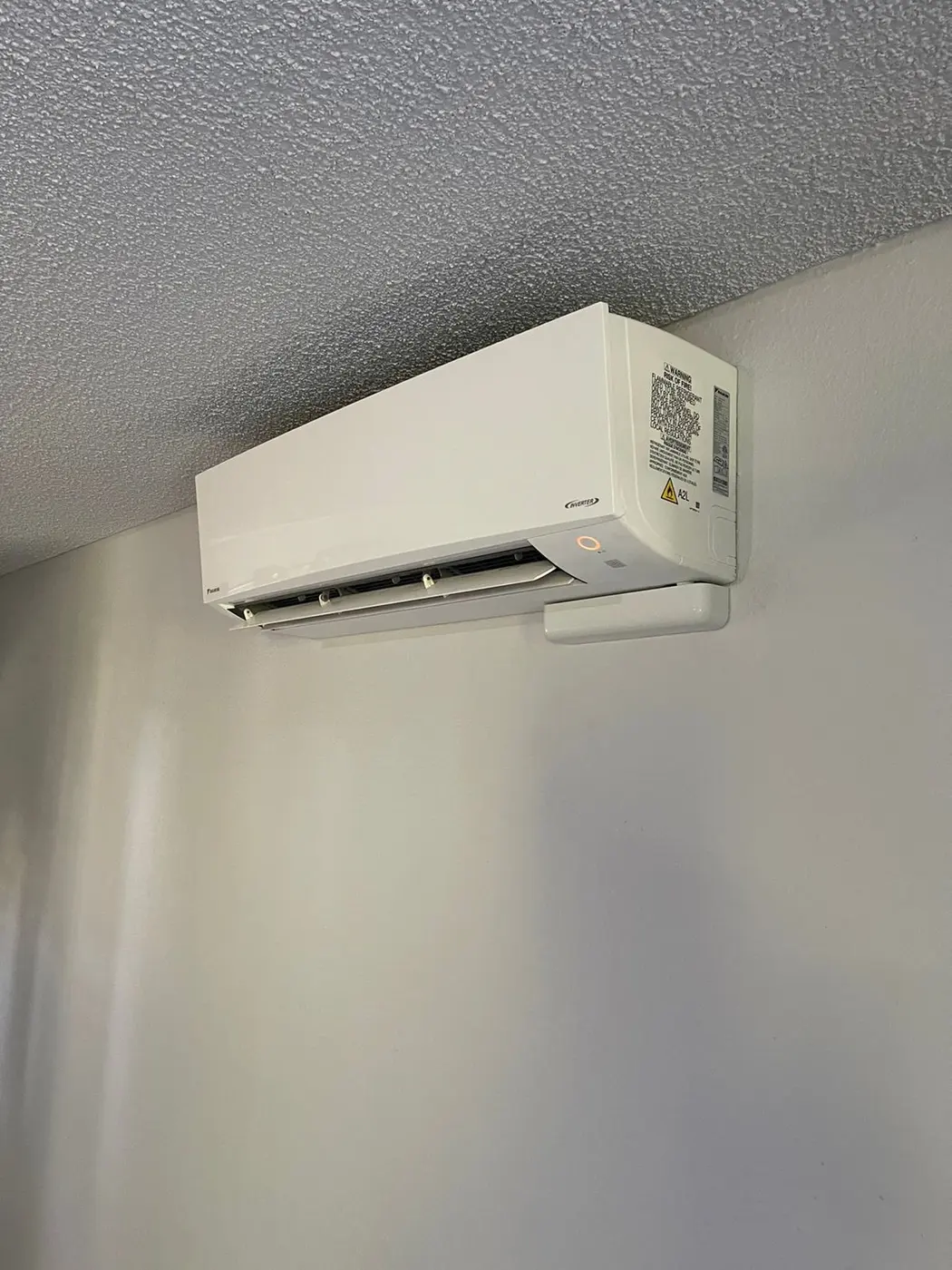
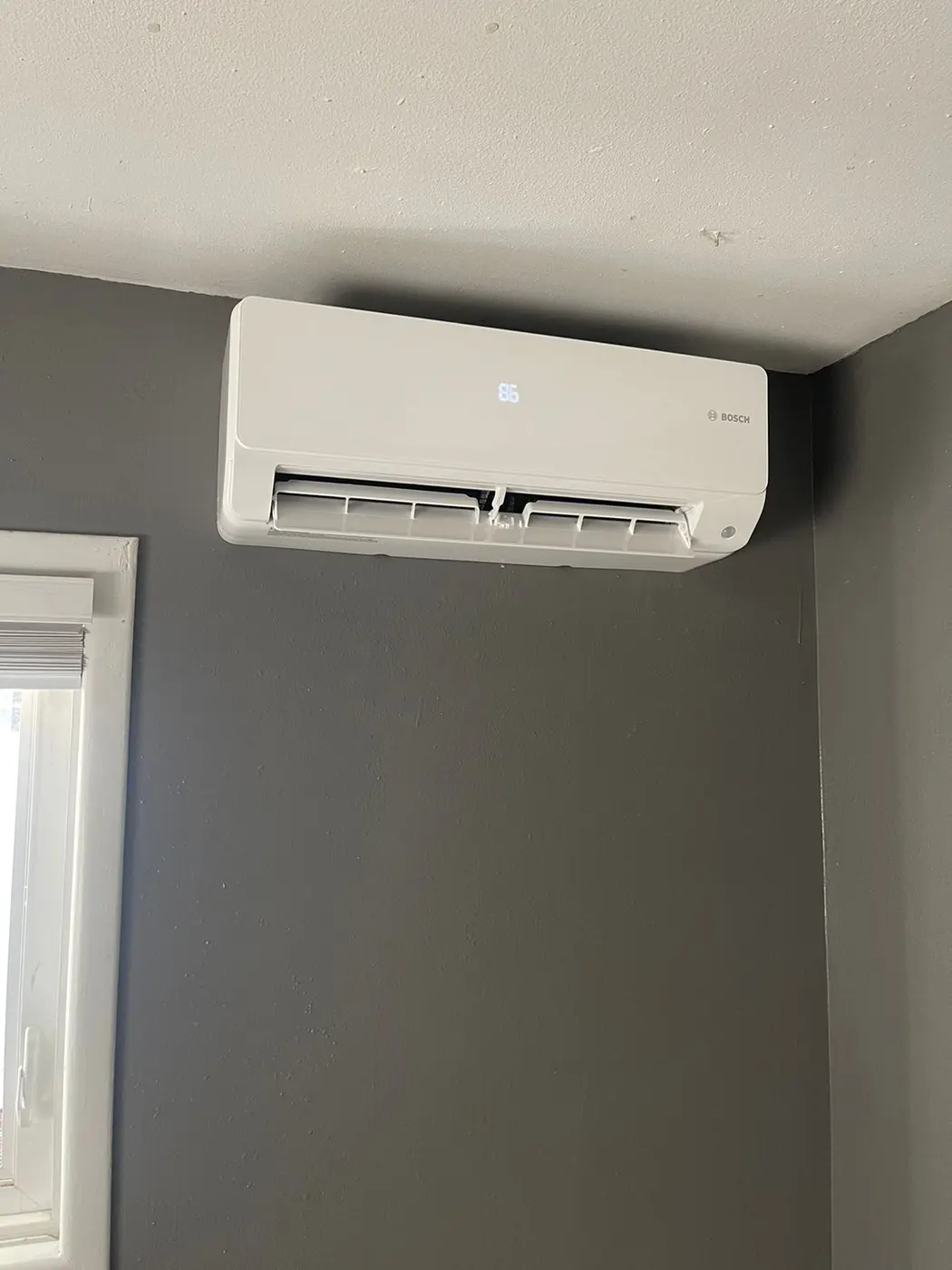
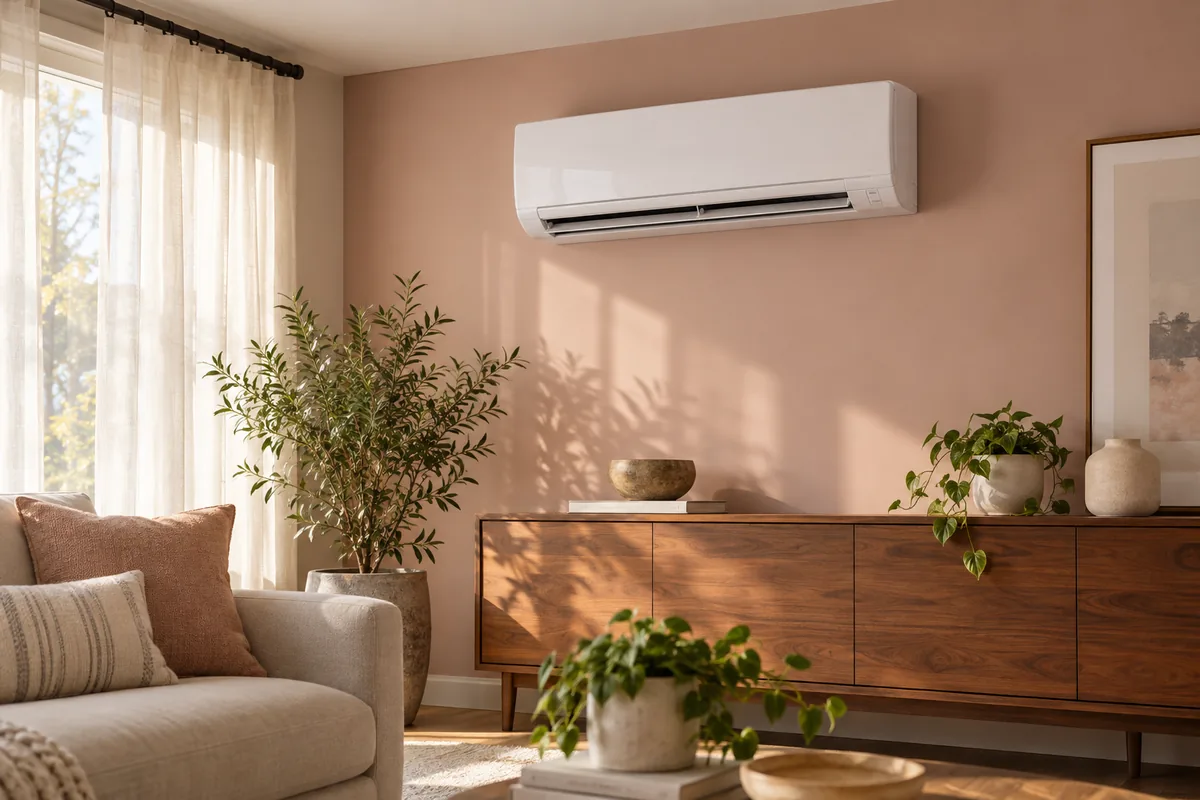
Some spaces may suit a different approach. For a room or area without a practical duct route, ductless mini-split installation is an option to discuss. It has its own placement, line and drainage needs. A room-specific solution should follow the site’s needs rather than replace a whole-home review by default.
Refrigerant Lines, Wiring and Site Access
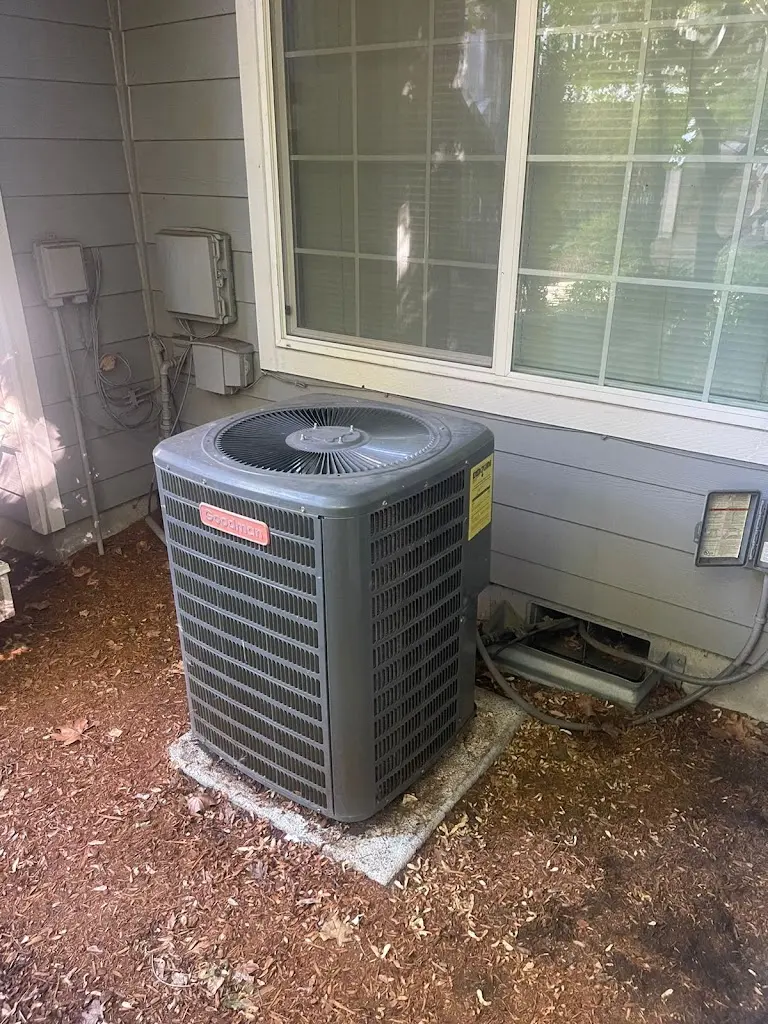
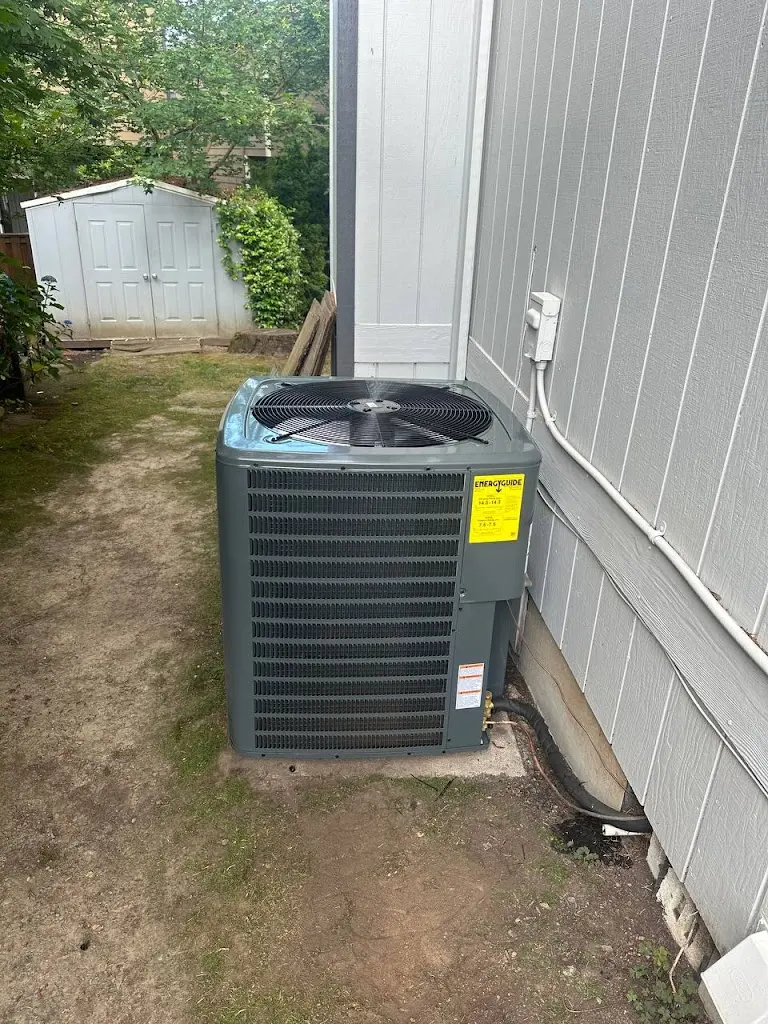
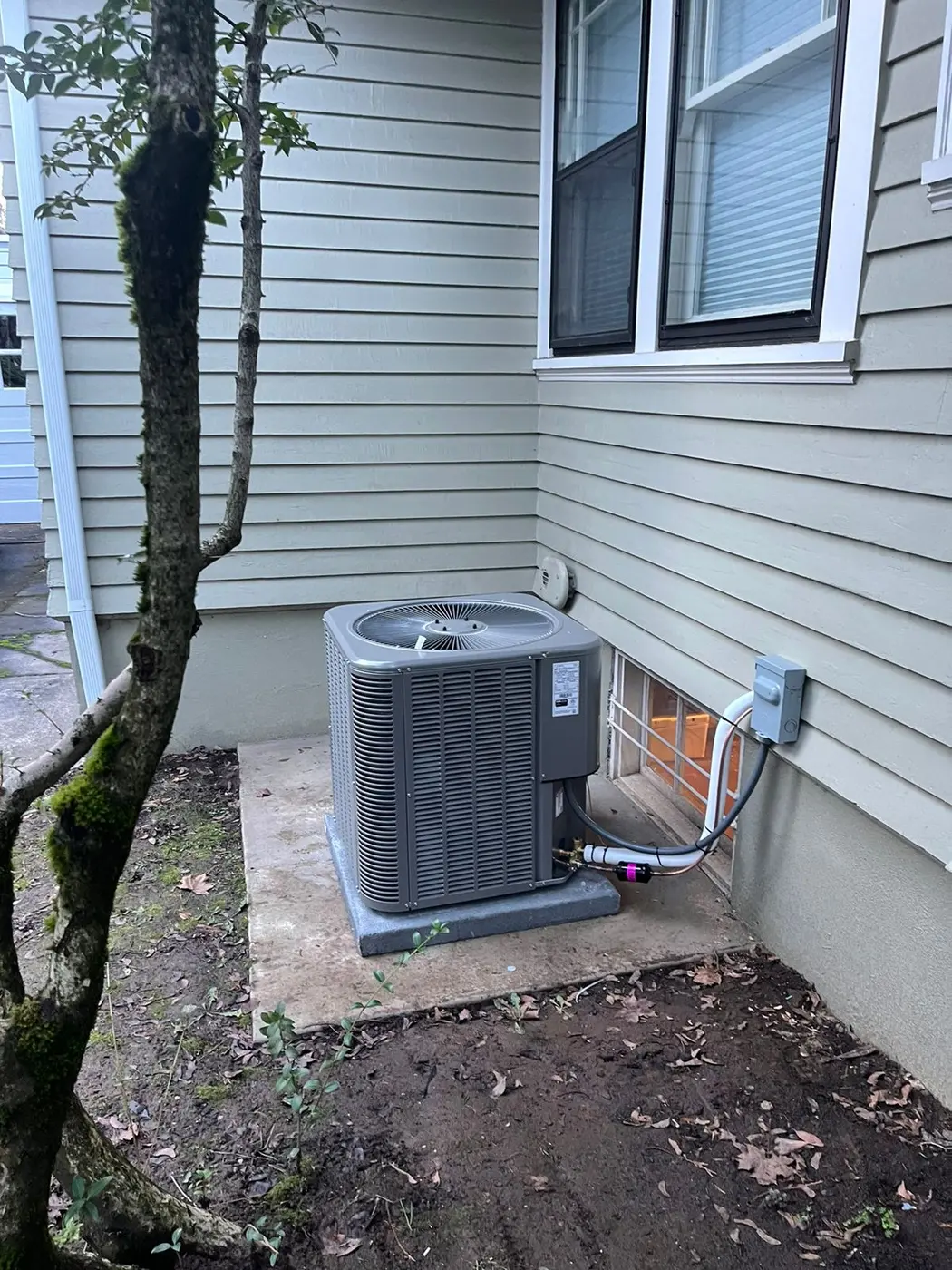
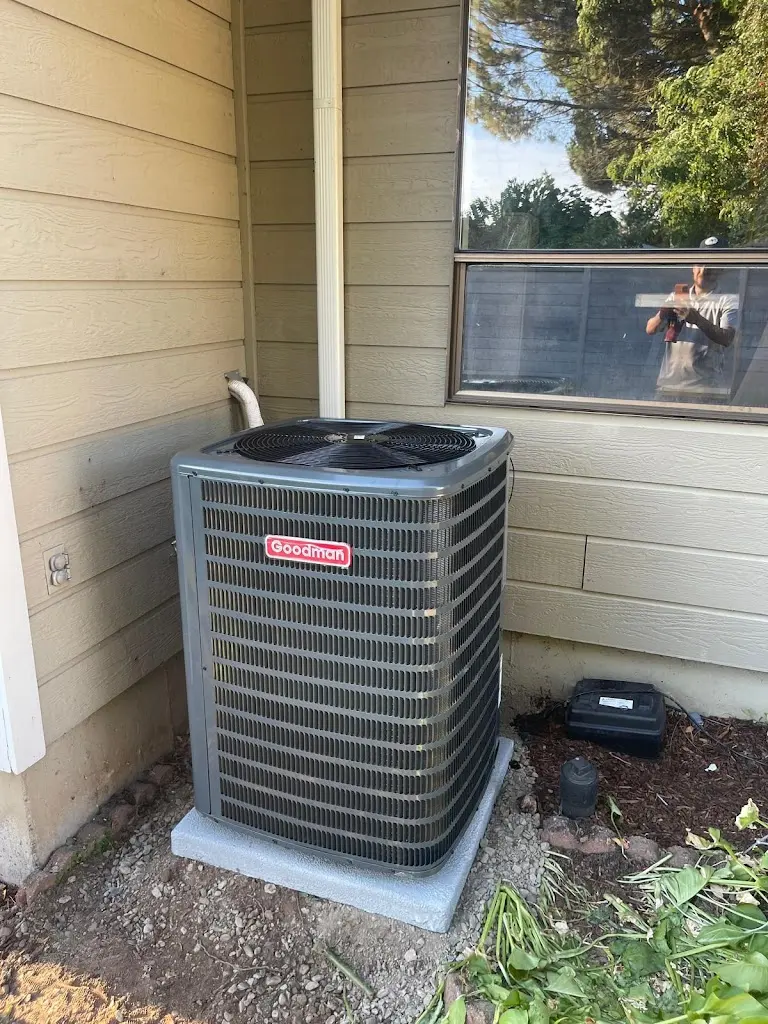
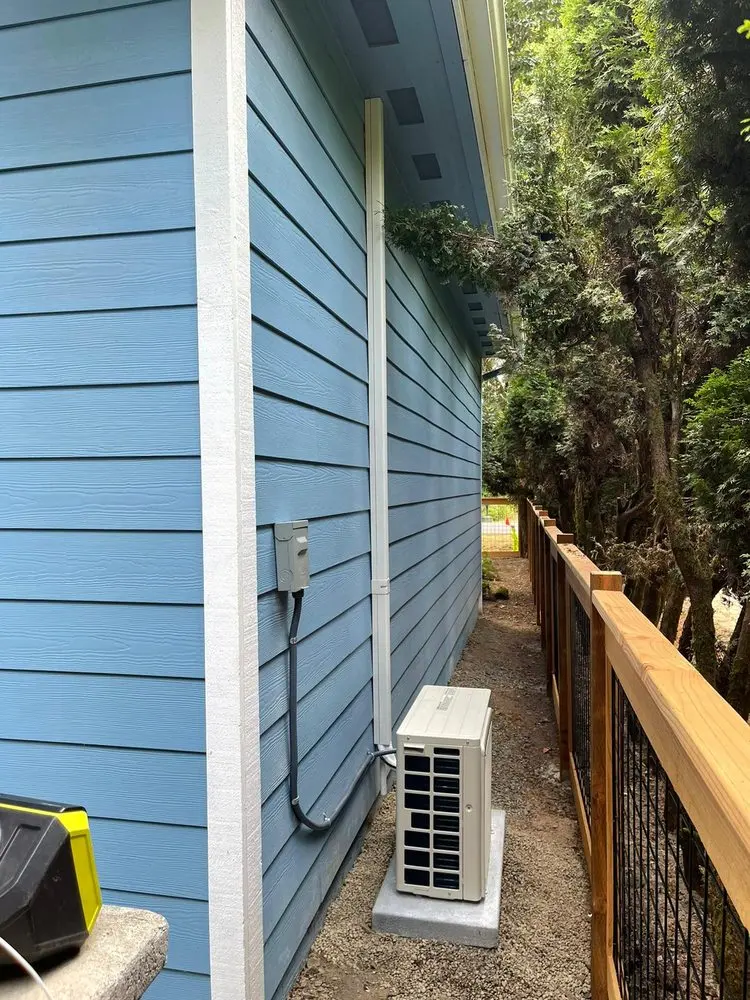
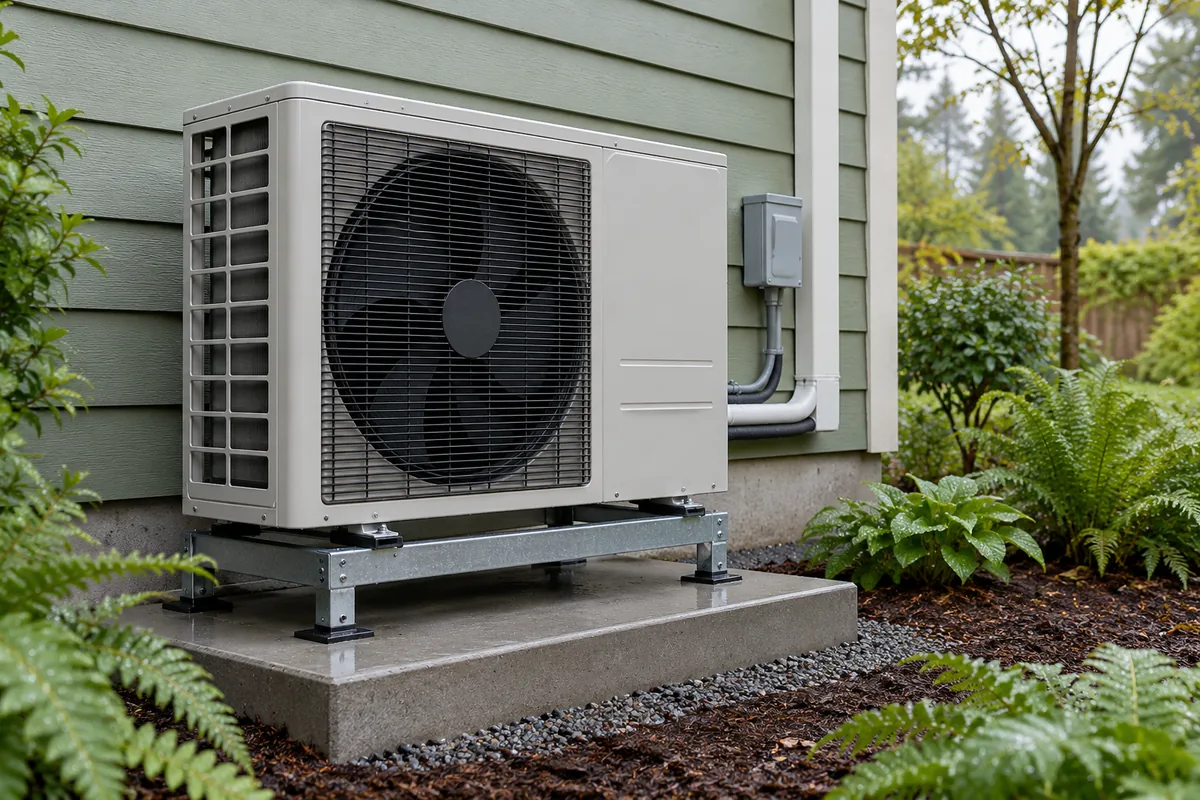
For a split system, the installation plan needs room for the outdoor unit and a suitable route to the indoor equipment. Refrigerant lines, wiring and drainage each have a purpose. The line set already in place may or may not suit the new equipment. The estimate should explain any proposed reuse and any replacement included in the scope.
Point out access limits such as a narrow side yard, a locked gate or indoor equipment behind storage. Moving equipment into place may require more room than routine service. Do not move or disconnect the old unit yourself. Discuss the route during the estimate so access is part of the plan.
Review the full proposal, including the controls and connection work it covers. A high efficiency rating describes equipment performance under defined conditions. It does not guarantee a particular reduction in your energy bills. The system match, installation and household use also affect the result. If you are comparing ways to pay for the project, review our HVAC financing options alongside the installation proposal.
Cooling Changeover and New-System Operation
Ask about the planned work sequence and the time when cooling will be off. The installation process varies with the site and equipment. Confirm access arrangements and keep the work area clear on the agreed date. If a gate or equipment room needs a key, make sure someone can provide it.
Before the installation team leaves, review cooling mode, thermostat settings and safe filter access. Keep the equipment details and project records for future AC maintenance, and ask about any unfamiliar operating behavior.
Request a free on-site AC installation or replacement estimate from HVAC & Appliance Repair Guys using the service form below.
AC Installation & Replacement by City and Brand
Choose your city or equipment brand for the relevant service information.
Oregon: Aloha, Aurora, Beaverton, Canby, Clackamas, Donald, Forest Grove, Gervais, Gresham, Happy Valley, Hillsboro, Hubbard, Keizer, Lake Oswego, Milwaukie, Newberg, Oregon City, Portland, Salem, Scappoose, Sherwood, Tigard, Troutdale, Tualatin, West Linn, Wilsonville, Woodburn.
Washington: Battle Ground, Brush Prairie, Camas, La Center, Ridgefield, Vancouver, Washougal, Woodland.
Brands: American Standard, Amana, Bryant, Carrier, Goodman, Lennox, Midea, Rheem, Ruud, Trane, York.
Frequently Asked Questions
Is the on-site installation estimate free?
The estimator visit for installation or replacement is free and reviews the proposed project. A visit to diagnose a fault in existing equipment serves a different purpose. Explain whether you want a replacement estimate, a repair review or both.
Do I need to replace the furnace to add air conditioning?
Not always. The indoor equipment must support the proposed cooling system. The estimate should consider the blower, coil space and controls before deciding what can stay. The answer depends on the setup, not just whether the furnace still heats.
Should I choose a larger air conditioner for a warm room?
A larger unit is not an automatic fix. A room may need an airflow or duct issue addressed. Describe where cooling falls short so the estimate considers the cause and the home’s cooling load before selecting capacity.
What if I want to compare repair with replacement?
Explain that choice when you contact us. A diagnosis can establish the repair needed, while the installation estimate shows the scope of a new system. Compare the work and equipment condition before deciding which option makes sense for your home.
Request AC Installation in Portland Metro
For AC installation in Portland Metro, call HVAC & Appliance Repair Guys or submit a service request through the form on this page.