



Electrical Panel Replacement in Portland Metro
HVAC & Appliance Repair Guys provides electrical panel replacement in Portland Metro. A project may address known damage, unsuitable distribution equipment or planned new circuits. We review the existing setup, current faults and intended equipment before defining whether replacement fits the need.
The estimator visit for a planned replacement is free. Share earlier findings and equipment plans before choosing a panel size or parts list.
If a current fault has no confirmed cause, keep that question visible. Our electrical panel repair service covers assessment of a limited panel concern. A new panel is not the answer to every trip or power loss. We explain why a focused repair or a larger project fits the finding.
What Electrical Panel Replacement Includes
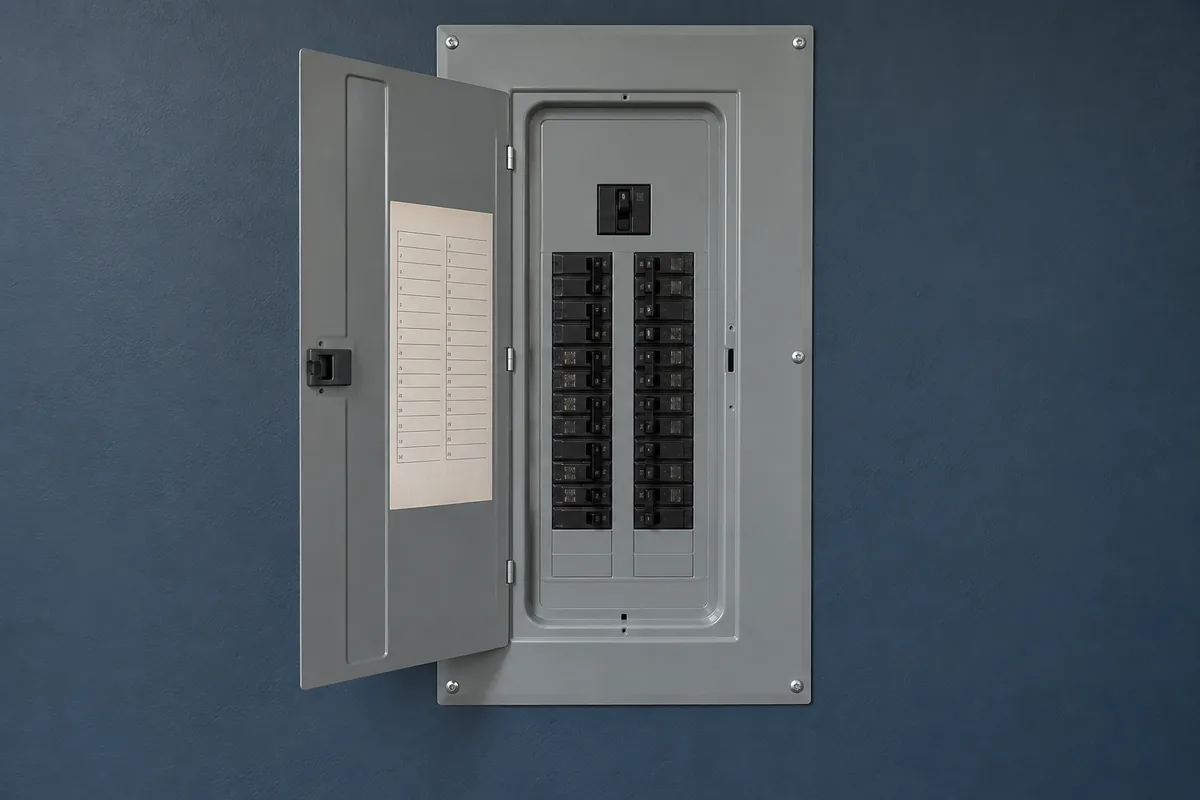
The panel distributes power to the circuits it serves. Replacement involves the enclosure, circuit connections, protection, labeling and surrounding setup. Ask which circuits and checks the estimate includes and which wiring work is separate.
Breaker Space and Incoming Electrical Capacity
More breaker positions and more incoming electrical capacity are different things. A higher rating on the new panel does not prove that the property has more incoming capacity. We review the existing service arrangement and loads along with the proposed panel.
Our electrical service upgrade planning addresses a broader change to the incoming supply and service equipment. That work can extend beyond the panel inside the home. If the loads require a service upgrade, it needs a separate description in the estimate.
A full-looking panel does not by itself establish the need for a larger service. The assessment should distinguish circuit-space limits from the capacity needed by the equipment you intend to use.
Existing Circuits, Appliances and Separate Supplies
Share any circuit labels or prior work records you can read without opening the equipment. Mention labels that seem unclear or no longer match the home’s use. Do not operate breakers repeatedly to map the system before the estimate. We can check which circuits serve which areas under safe conditions during the project review.
List major appliances and fixed equipment, including heating and cooling, with their model details if available. This connects the panel plan to the actual loads; changing devices elsewhere remains a separate task.
Mention any separate panels or supplies you know about and their locations. Leave uncertain connections for assessment rather than assuming which circuits a nearby enclosure serves.
Future Loads and EV Charging Plans
Identify equipment you plan to add, including selected models and choices that remain open. If those choices change, update the estimator before work proceeds, since the loads and circuit requirements may change.
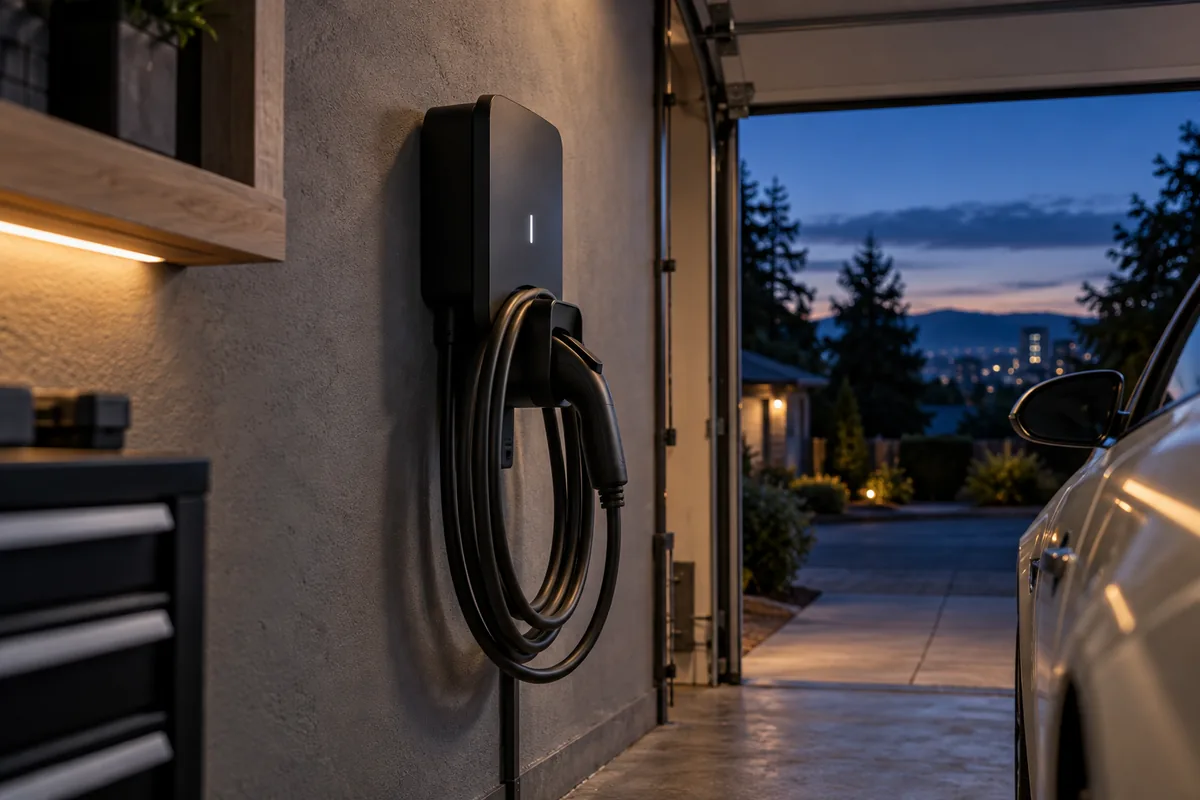
For a charging project, our EV charger installation service reviews the vehicle, charger and circuit together. The panel is one part of that plan. A new panel alone does not provide the full route, protection or connection at the parking area. Keep the charging work explicit if it belongs in the project.
Panel Location, Relocation and Service Access
Describe where the panel stands and what surrounds it. Cabinets, shelves, finished walls or nearby equipment may limit access. Share safe views from the normal approach to the panel. Do not remove covers or move conductors to provide more detail for the estimate.
Raise a proposed panel relocation early. A new wall position can change cable routes and access needs, so the estimate should include the added work instead of treating it as a replacement in the same place.
Confirm when the panel area can be available and who will provide access. Mention any obstruction or occupancy limit before scheduling.
Power Interruptions During Panel Work
Panel work can require power interruptions. Identify equipment that depends on a planned power schedule and discuss the expected sequence before work begins. The approved scope and site conditions determine the interruption; there is no single power-off window for every property.
Access Openings and Finish Restoration
Ask which wall, ceiling or trim openings the project requires, which areas remain concealed before work starts, and how a newly discovered condition would change the scope.
Electrical work and finish restoration are separate tasks. Confirm whether wall repair, paint or trim is included so you can plan the complete project.
If broader circuit replacement belongs to a remodel, whole-home rewiring is a separate planning route. Panel work may form one part of it. Confirm the included circuit, access and finish work; approving a new panel does not also approve a full rewire.
Permits, Inspections and Connection Steps
The estimate reviews the permit, inspection and connection steps relevant to the property and approved work. These steps can affect when installation and completion occur.
Confirm equipment availability, site readiness and any preceding permit or connection step before settling the work window. A selected model or proposed date does not establish that all prerequisites are complete.
If a new condition changes the plan, we explain the required correction, effect on scope and price before adding work. Keep optional additions separate from the correction.
Panel Replacement Estimates and Added Work
Review the panel, included circuit work, access and any separate capacity project, along with the price, exclusions and unresolved questions.
Provide the cost approver and site-access contact if they differ. Added work needs its own approval even when the work area is available.
Keep the completed work, circuit information and any pending inspection or finish task in the project record. That information helps with later equipment planning.
Electrical Panel Replacement by City and Brand
Choose your city or equipment brand for the relevant service information.
Oregon: Aloha, Aurora, Beaverton, Canby, Clackamas, Donald, Forest Grove, Gervais, Gresham, Happy Valley, Hillsboro, Hubbard, Keizer, Lake Oswego, Milwaukie, Newberg, Oregon City, Portland, Salem, Scappoose, Sherwood, Tigard, Troutdale, Tualatin, West Linn, Wilsonville, Woodburn.
Frequently Asked Questions
Does installing a larger panel automatically increase incoming capacity?
No. The existing service arrangement and load plan need review. More panel space or a higher equipment rating does not by itself establish a capacity increase. A service upgrade is a separate scope when the project requires it.
Can the estimate cover a panel and a future charger together?
Yes, explain the charging goal and selected equipment during planning. The panel, capacity and charging circuit need a coordinated scope. A panel replacement alone does not include every task needed at the parking location.
Should I buy the panel before the estimator visits?
Discuss the existing equipment and project needs first. The chosen equipment must suit the approved plan. A purchase based only on physical size or a preferred rating can miss conditions that affect the actual job.
What if a hidden condition changes the proposed work?
We explain the finding, required added work and effect on scope before proceeding. Ask how the change affects the original plan and whether any question remains open.
Request Electrical Panel Replacement in Portland Metro
Contact HVAC & Appliance Repair Guys to request an electrical panel replacement estimate for your Portland Metro property and discuss the existing equipment and planned loads.
For electrical panel replacement in Portland Metro, call HVAC & Appliance Repair Guys or submit a service request through the form on this page.