

Electrical Repair and Troubleshooting in Portland Metro
HVAC & Appliance Repair Guys provides electrical repair in Portland Metro. You may know which light, outlet or appliance lost power without knowing where the fault began. Start with that observation. We review the affected area and electrical conditions before deciding which part of the system needs repair.
The fault may lie in a visible device, its connection or elsewhere on the circuit. When several outlets or lights lose power together, describe all affected locations. The electrical assessment determines whether they share a cause and which repair is appropriate.
Device Faults and Circuit Supply
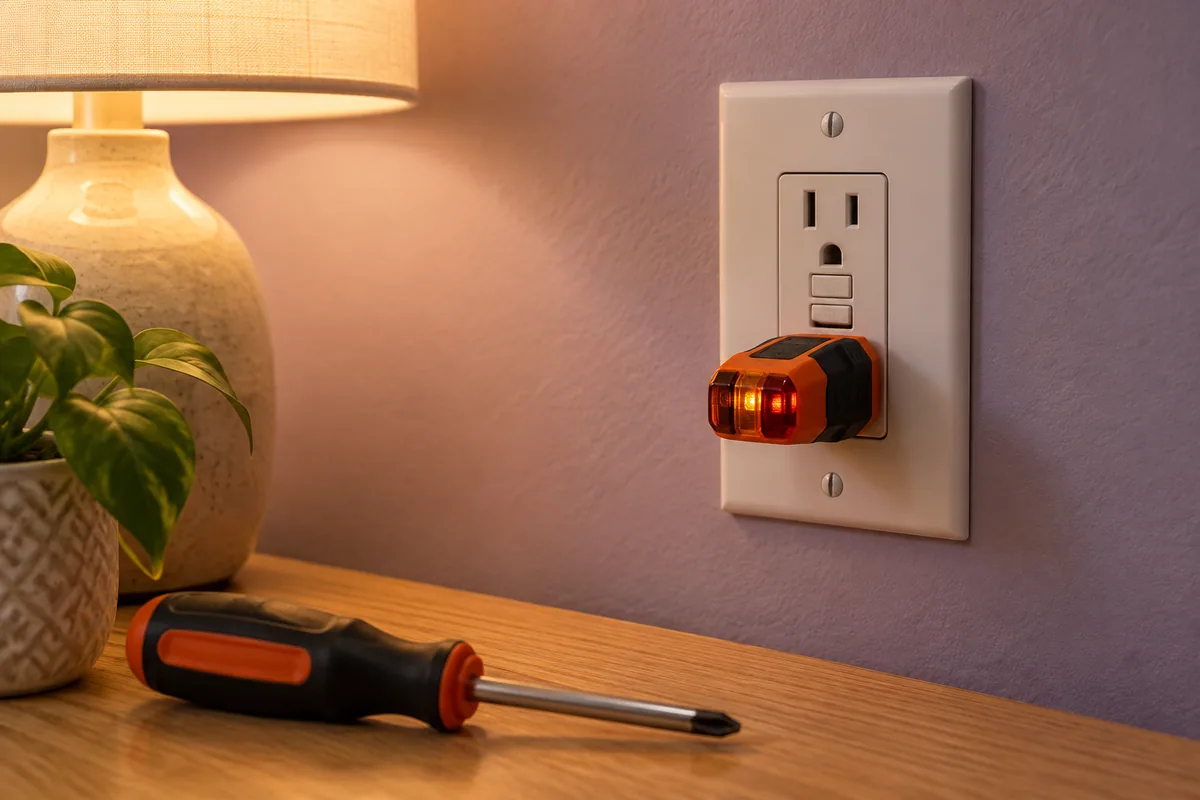
For a dead or damaged receptacle, see our outlet repair service. Tell us which nearby devices also lost power. The problem may be at the receptacle or elsewhere on the circuit, so we assess the supply before deciding what to repair.
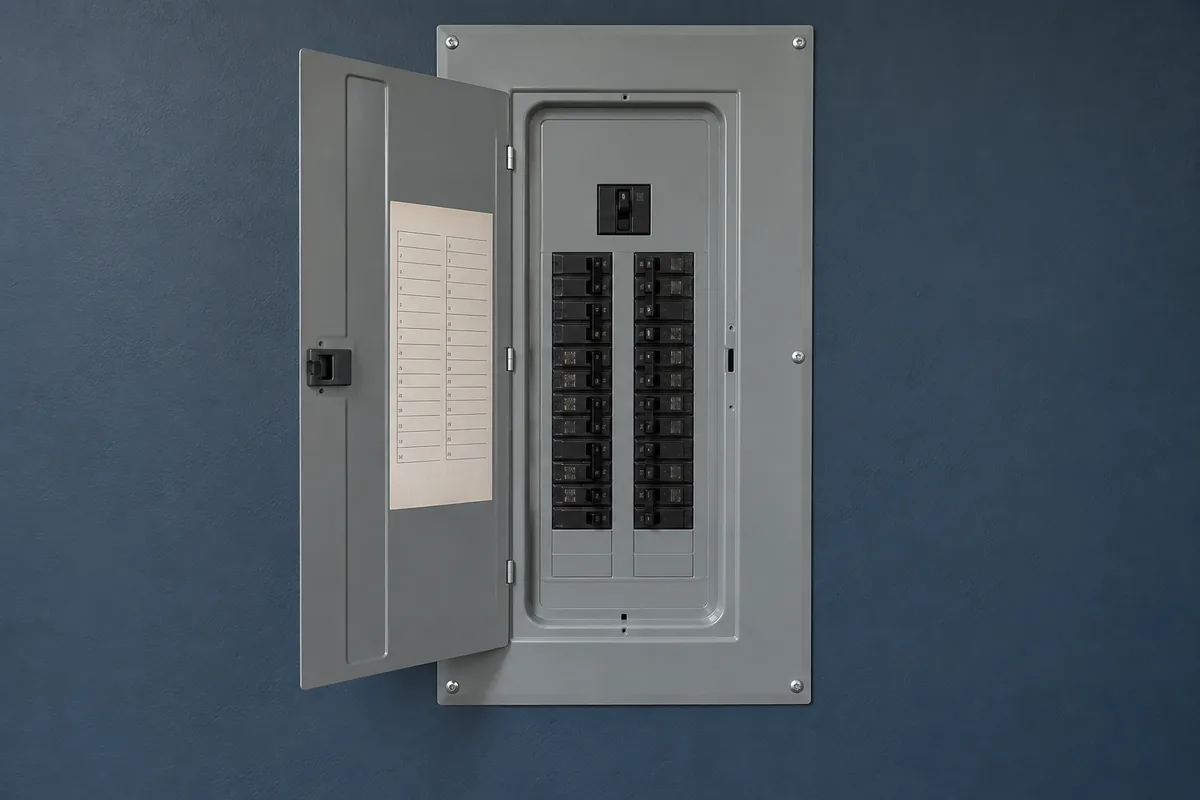
Repeated trips may need circuit breaker repair or work on the circuit the breaker protects. A protective device can be responding to another fault. Do not bypass it or force it to stay on. The finding must explain what causes the trip before a repair can address that concern.
When several lights or pieces of equipment change together, preserve that shared timing. It helps define where to begin without proving that every device is faulty. Several affected devices do not necessarily all need replacement. We assess the electrical relationship within the actual service scope.
Electrical Hazards and Safe Access
If there is smoke or fire, leave the building and call 911 from a safe location. Do not wait for a repair appointment. For a routine service visit, explain where the panel, equipment and affected rooms are, plus any locked area or fixed obstruction. Do not remove covers or touch exposed parts to prepare details. Avoid devices that show heat or damage.
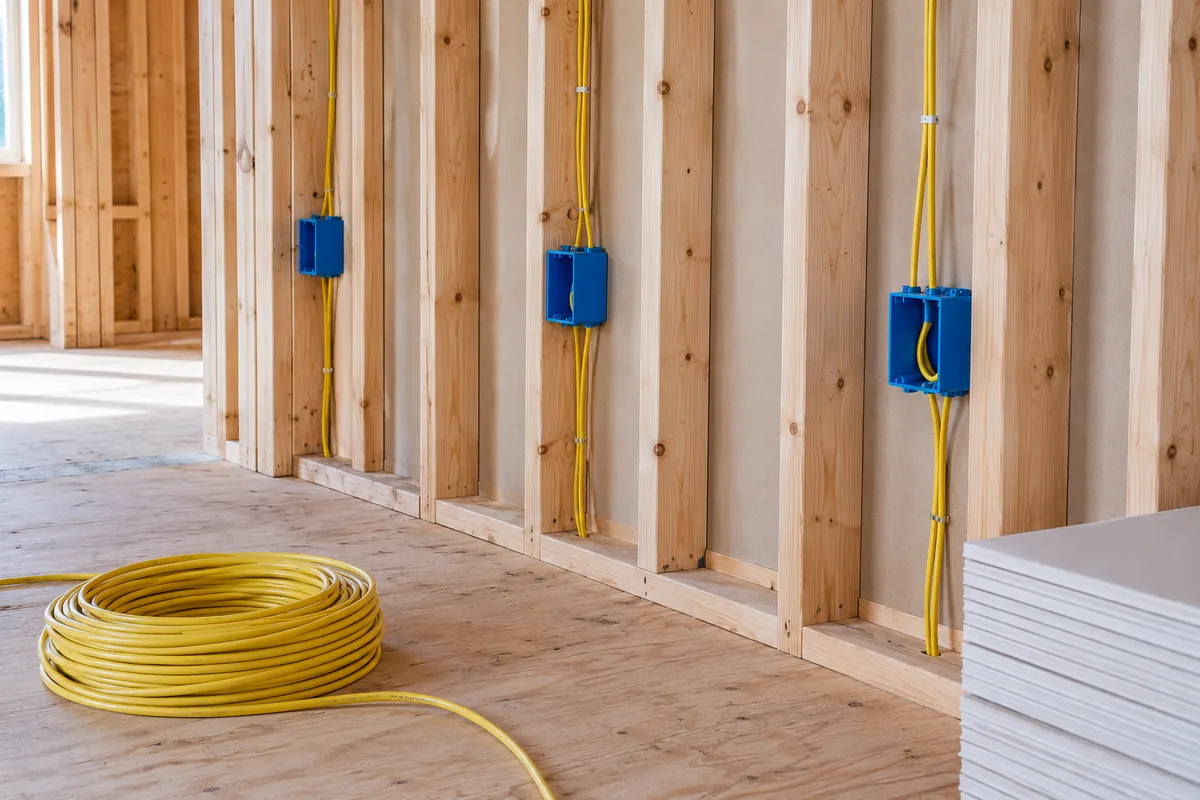
Some faults require access beyond the first visible device. A concern in concealed wiring may lead to electrical wiring repair. We explain any need to extend the work area before added tasks proceed. A general troubleshooting request does not authorize opening finished surfaces throughout the property.
If limited access or an intermittent condition prevents a confirmed finding, we explain what remains uncertain and the next assessment step before you decide on further work.
Repair Findings, Price and Upgrade Options
We explain the assessed problem and proposed repair price before approval. Ask which symptom the work addresses, which devices it covers and whether another issue remains. The proposal should identify the work you are approving.
If the finding points to a planned upgrade rather than a local repair, that project needs its own scope. The estimator visit for a planned installation or replacement is free. Keep the current fault separate from future equipment goals. One conversation can cover both without assuming that one approval includes all the work.
Provide the entry and repair-approval contacts if they differ, with the same symptom record and any approval limit.
Event Timing and Intermittent Faults
Tell us when the change began and what was operating at the time. Note whether power stayed off, returned later or comes and goes. Name each affected room or device consistently. That record helps the technician distinguish the original concern from later changes to the equipment or setup.
Mention a recent appliance addition, project or known damage if it relates to the timing. Separate what you observed from another person’s account; a recent event alone does not prove the cause.
If the fault is intermittent, do not recreate it by repeatedly cycling equipment or resetting protection. Retain any existing photo, warning or event note from safe access. A quiet period does not erase the earlier concern. The assessment can use that history alongside the condition at the visit. Contact HVAC & Appliance Repair Guys to request electrical repair in Portland Metro.
Electrical Repair & Troubleshooting by City
Choose your city for local service information.
Oregon: Aloha, Aurora, Beaverton, Canby, Clackamas, Donald, Forest Grove, Gervais, Gresham, Happy Valley, Hillsboro, Hubbard, Keizer, Lake Oswego, Milwaukie, Newberg, Oregon City, Portland, Salem, Scappoose, Sherwood, Tigard, Troutdale, Tualatin, West Linn, Wilsonville, Woodburn.
Frequently Asked Questions
Can you assess an electrical problem that is not happening during the visit?
We can review the event history and accessible conditions, though further assessment may be necessary. Keep timing and affected-device notes available. Do not provoke an unsafe event just to make the symptom visible.
Do several dead outlets mean several replacements?
Not automatically. They may share a supply or protective device. We review how the circuit connects the devices before proposing repairs. The finding determines the work, not the number of visible symptoms.
What should I do if a new symptom appears after booking?
Add the event and affected location to the request. Preserve the original report instead of replacing it. The change may affect the assessment scope and the practical plan for the appointment.
Request Electrical Repair in Portland Metro
For electrical repair in Portland Metro, call HVAC & Appliance Repair Guys or submit a service request through the form on this page.