



Repiping Services in Portland Metro
HVAC & Appliance Repair Guys provides repiping services across Portland Metro, replacing an agreed part of the water-supply piping. The reason for the project, selected runs and retained connections define whether the work is a partial repipe or a wider replacement.
A single leak does not establish that every run needs renewal. Localized pipe repair addresses a defined fault. Repiping concerns a broader replacement plan. The proposal should explain why its extent fits the condition and the result you want.
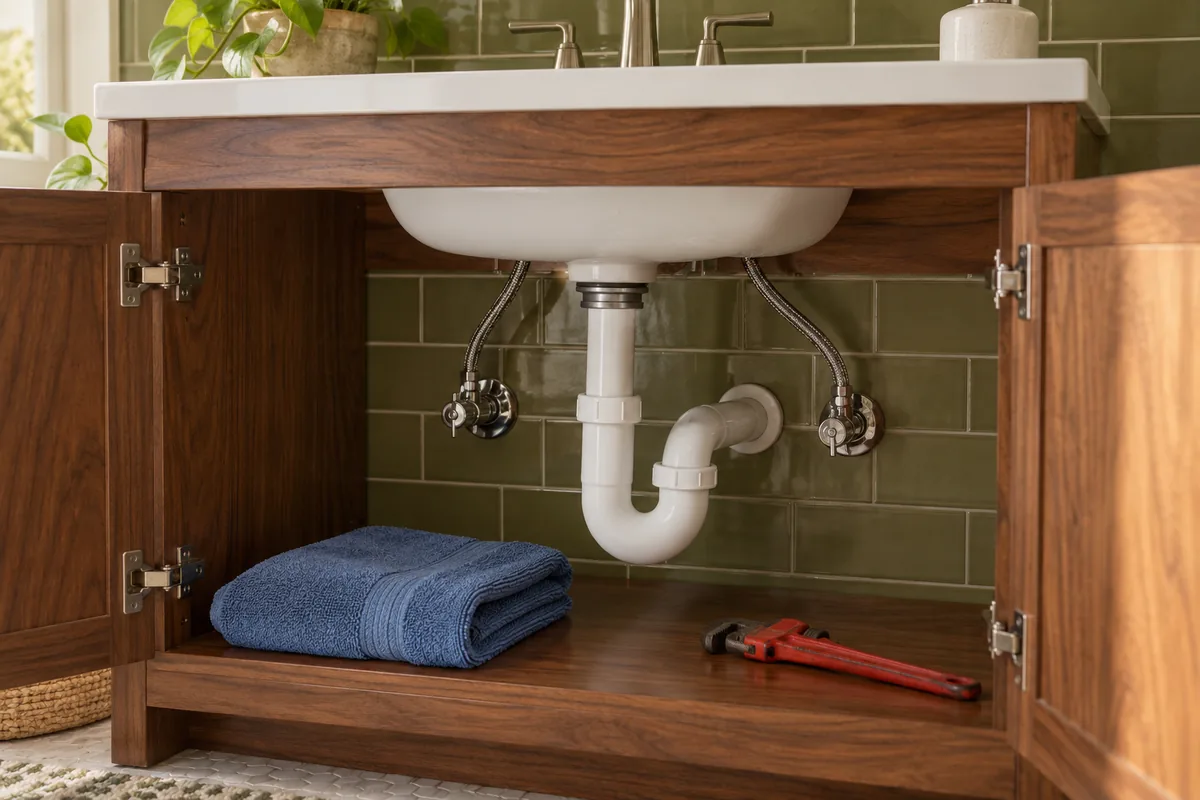
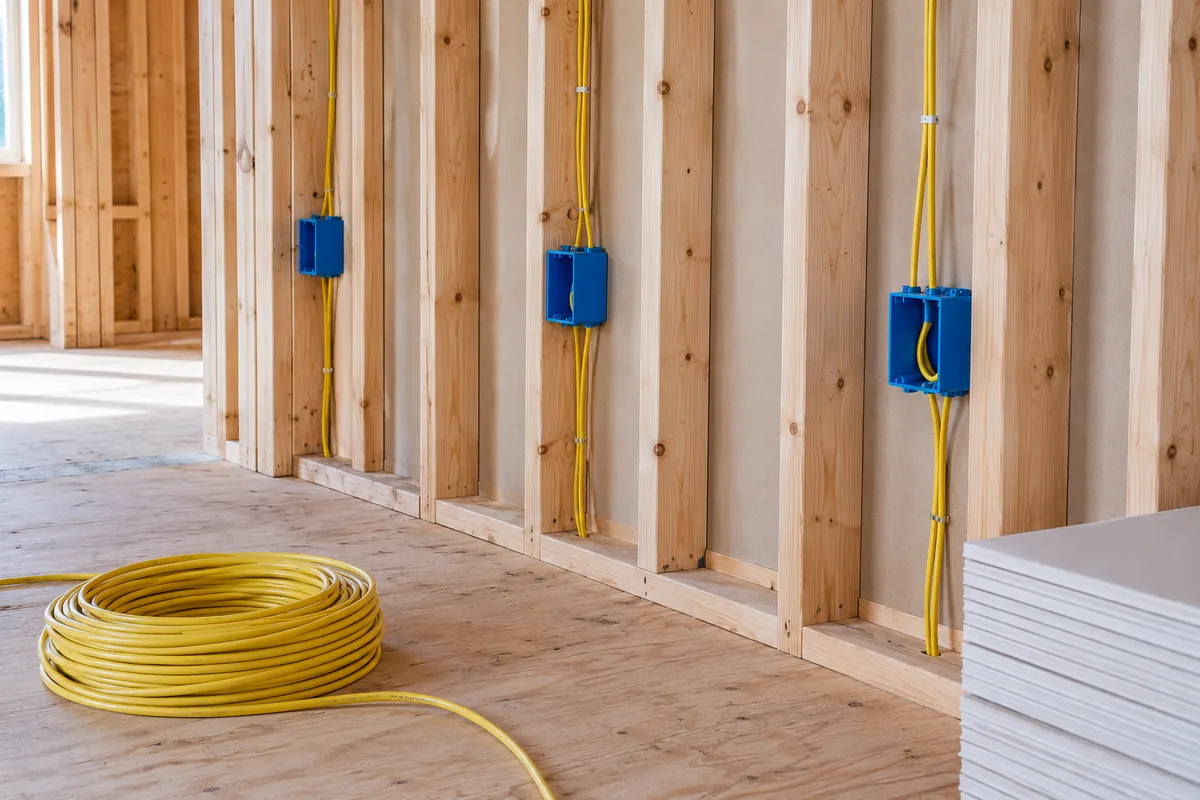
Supply pipes bring cold water to fixtures and carry hot water from the heater. Repiping may cover one route, selected branches or a larger network. Confirm which delivery paths the project will replace.
Leaks, Flow Changes and Discolored Water
Repeated leaks may be a reason to discuss broader replacement. Share where the leaks occurred and what repairs followed: separate faults at different points raise different questions from one connection that still leaks. The condition of the piping matters more than a fixed count of repairs.
If water pressure or flow has changed, identify the outlets and whether the change affects hot water, cold water or both. A weak stream at one tap differs from a change across the property. The symptom does not prove which pipe needs work. We assess the relevant route before promising a pressure improvement.
Discolored water also needs a specific account. Note where and when you notice it and whether it appears on both sides of a fixture. Color alone does not establish the material or cause of a hidden problem. A repiping proposal should follow relevant findings rather than treat every change in appearance as proof of pipe failure.
Visible water damage can show where moisture appears without proving where it began. Leak detection may help define an uncertain source. Locating that source and choosing the repair or replacement extent are different decisions. We explain the role of each step when it is relevant.
Partial Repiping and Wider Replacement
A partial project may replace one branch or a defined group of supply runs. Its description should identify the start, end and connections to retained piping; those transitions still need planning.
For a house repipe, confirm the hot- and cold-water paths, areas served, connections and any retained sections. Broader supply-pipe replacement does not automatically include the water service outside the building, every fixture or the heater itself.
Compare a local repair with broader replacement against the reason for the project, the piping condition, accessible layout and intended result. We explain why the proposed extent fits those findings.
Future plans can matter without deciding the current task by default. If you expect a new bathroom or a different room layout, describe which changes are firm. Keep a possible later project separate from today’s scope. The proposal can then show which needs it addresses and which would require a further decision.
New Pipe Routes, Materials and Connections
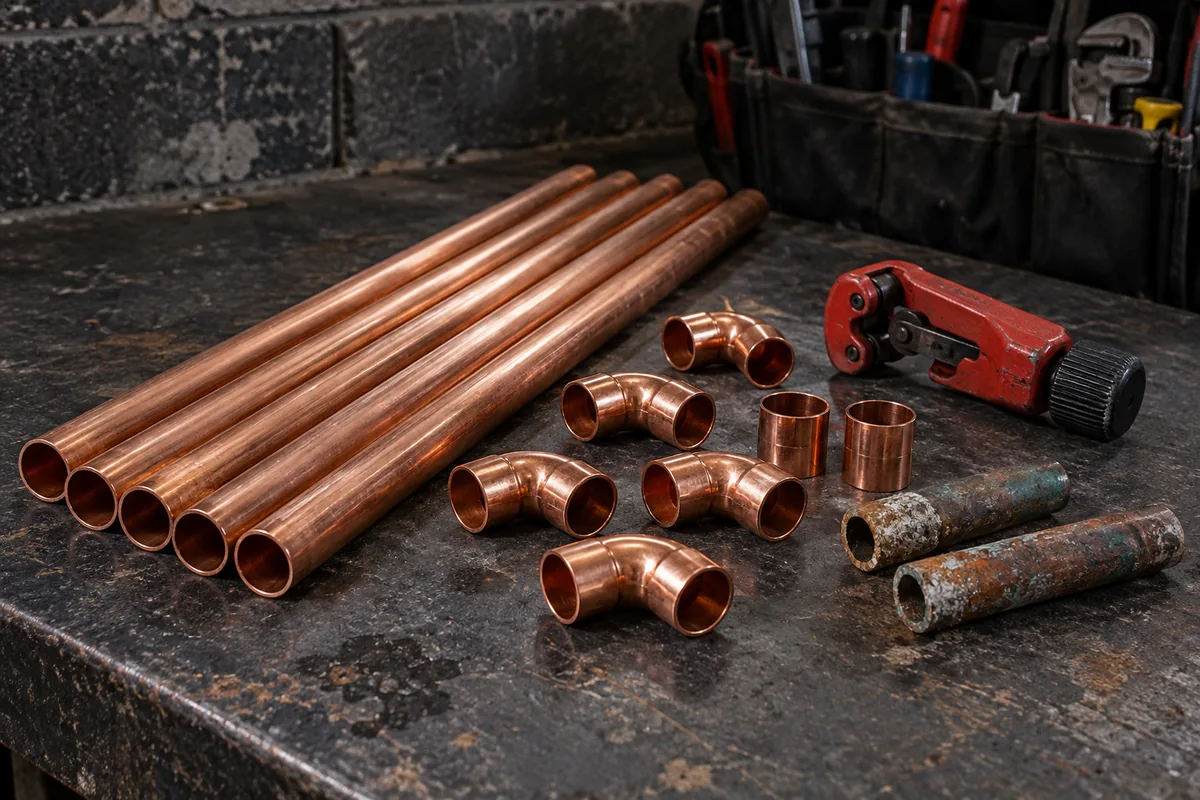
The proposal should name the piping material and the relevant connection method. Different materials and fittings have their own requirements. We review how the new work will join the parts that remain. A material name alone does not describe a complete installation or prove that every transition is the same.
The planned route should relate to the fixtures and use it serves. Explain any change in demand or outlet location that the project needs to support. A new route can affect more than the length of pipe. It also changes where the work needs access and where the new section joins the existing system.
Prior repair records can help identify altered sections, but they may not describe all the hidden piping. Share known materials and dates without guessing at the rest.
Access and the Work around the Pipes
The route, entry to affected rooms and any openings belong in project planning. Describe the spaces the work may need to reach. An accessible pipe run and a hidden run can create different tasks. We review the actual arrangement rather than assume every property has the same access.
The proposal should distinguish opening a wall or floor from restoring its finish, and identify which tasks the price includes.
Drainage and sewer piping carry water away from fixtures. They are separate from the supply paths discussed here. A supply-repiping project does not silently replace those systems. Our broader plumbing services can address a separate concern through its own defined task.
Water-Supply Interruptions and Project Access
Work on a supply path interrupts that affected supply. The plan should identify the fixtures involved and the sequence; do not assume every outlet can remain usable throughout the project.
Mention occupied rooms, access times and who can provide entry or approve changes. If those are different contacts, share the proposed scope with both.
Repiping Estimates and Completion Checks
Compare estimates by their selected runs, material, connections, access and any included restoration. Partial and wider replacements can cover different tasks, so totals alone do not show whether the proposals cover the same work.
If work reveals another condition, we explain the finding and any proposed change in scope or price before extending the project.
After the agreed repiping, we check the relevant connections and operation of the affected supply. Keep the work description with the routes or sections it identifies. If a symptom remains, report its outlet and timing. Completed work on one part of the system does not establish the condition of every retained fixture or line.
Request repiping from HVAC & Appliance Repair Guys. Describe the supply-pipe concerns, affected outlets and any confirmed fixture or layout changes so we can discuss the replacement routes and work involved.
Repiping by City
Choose your city for local service information.
Oregon: Aloha, Aurora, Beaverton, Canby, Clackamas, Donald, Forest Grove, Gervais, Gresham, Happy Valley, Hillsboro, Hubbard, Keizer, Lake Oswego, Milwaukie, Newberg, Oregon City, Portland, Salem, Scappoose, Sherwood, Tigard, Troutdale, Tualatin, West Linn, Wilsonville, Woodburn.
Frequently Asked Questions
Does repiping include new faucets or a water heater?
Only if the agreed scope includes that equipment work. Replacing supply pipes does not automatically replace the fixtures they serve or the heater they connect to.
Does full replacement guarantee every flow concern will disappear?
Not necessarily. Flow problems can have causes outside the piping being replaced. We explain which findings the proposed replacement addresses and which retained fixtures or lines may need separate attention.
Request Repiping in Portland Metro
For repiping in Portland Metro, call HVAC & Appliance Repair Guys or submit a service request through the form on this page.