

Furnace Repair in Portland Metro
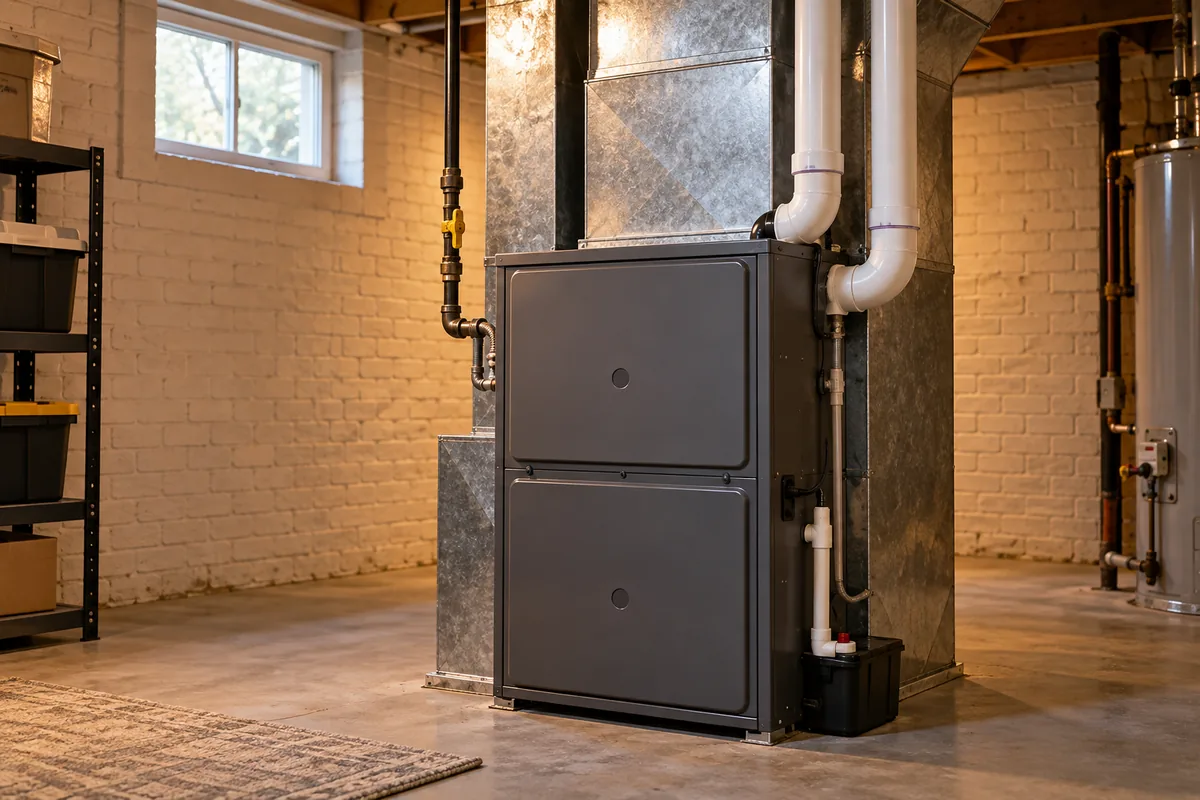
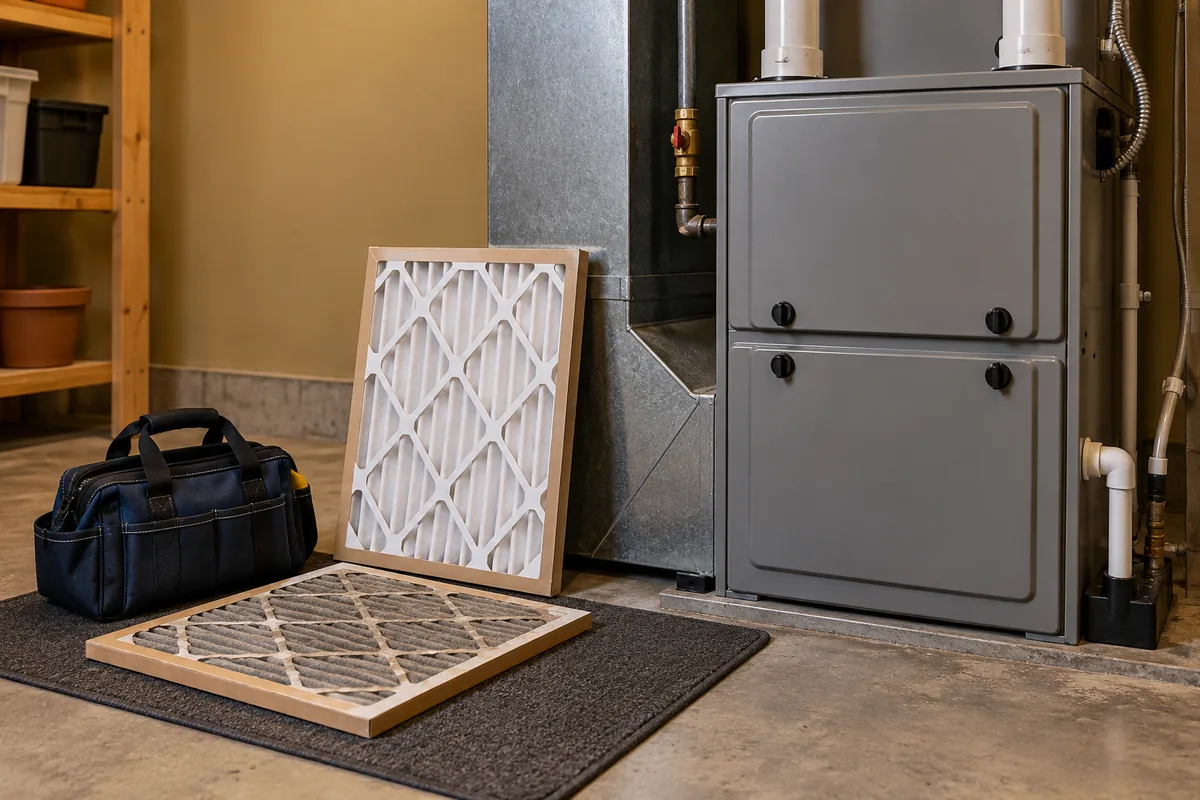
HVAC & Appliance Repair Guys provides furnace repair in Portland Metro for no heat, repeated stops, weak output and other changes in furnace operation. We check what the heating system does when the home needs warmth, establish the fault and explain the repair options before you approve the work.
You do not need to know which part has failed to request service. Tell us whether the thermostat calls for heat, whether the unit starts and whether warm air reaches the rooms. A furnace that stays silent has a different pattern from one that starts, runs briefly and stops before the home warms up.
Share the furnace type and any accessible model details. A gas furnace and an electric heating setup do not have the same parts or startup process. The name on the cabinet helps identify the equipment, but it does not reveal the cause of the current problem. Testing still needs to follow the symptom.
Describe whether the home has some heat or none at all. Same-day service is subject to availability, with timing confirmed when you contact us. A same-day visit does not guarantee completion of every repair. The equipment’s condition, parts and access can affect what happens after the diagnosis.
When the Furnace Starts but Will Not Stay On
A short run followed by a stop is useful information, but it is not a diagnosis. A control may detect a problem and stop the furnace. Another part of the heating sequence may also fail to work correctly. Note whether this happens at every start or only after the unit has run for a while.
On fuel-burning equipment, ignition and flame checks form part of the startup sequence. A failure during that sequence can leave the home without heat even if a fan still runs. The technician needs to review the response and the equipment. A repeated stop does not prove that a specific sensor or control board needs replacement.
Airflow also belongs in that review. A restriction can affect the furnace’s operating conditions and cause it to stop before the room feels warm. Mention the filter type, recent filter changes and any blocked air path. Those details help explain the system’s condition without assuming that every stop is an ignition fault.
Do not bypass a safety control or keep forcing the unit through repeated restarts. A shutdown may be part of how the equipment protects itself. Record a visible message or code if you can do so without opening a panel. Leave internal testing to the technician so the repair addresses the cause.
A Running Blower Does Not Always Mean Heat
The blower moves air, but its operation alone does not establish that the furnace is producing heat. A fan setting may keep air moving between heating cycles. A fault can also leave the fan running while heating stops. Describe whether the air stays cool or becomes warm after the system begins its cycle.
The timing matters. A brief change during startup is different from a furnace that runs for an extended period without warming the home. Note the selected mode, room temperature and set point. These observations help the technician distinguish the request for heat from the equipment’s response to that request.
If a thermostat change preceded the problem, mention it. The wall control and the furnace must work together, and the settings need to suit the system. That does not mean every cold-air complaint comes from the thermostat. It means the recent change is part of the diagnosis rather than a reason to select a part in advance.
Whole-Home Airflow and One Cold Room
Low airflow through every room is different from poor heat in one space. Tell us which rooms have weak flow and which seem normal. A blocked return, a filter concern or an issue in the shared air path can affect several rooms. A local duct or room condition may create a narrower problem.
Describe any change in furniture, closed-off rooms or work near the ducts. These changes help explain the timeline without proving a cause. Replacing a heating component alone may not address an air distribution concern.
If the same airflow problem affects both heating and air conditioning, include both modes in your request. Our HVAC repair service covers that broader system review. Shared equipment can matter even when the current season makes the heating symptom more obvious.
Sounds, Codes and Problems That Come and Go
A new sound is easier to discuss when you can describe when it occurs. Note whether it begins at startup, during the blower run or when the system stops. Do not remove a cover to locate it. A sound heard from outside the cabinet is useful context without exposing you to moving or energized parts.
Keep the exact text or number of any visible code. The meaning depends on the equipment, so a general description such as an error light may leave out a helpful detail. A code guides the checks but does not automatically identify the part to replace. The system’s response still matters.
For a fault that disappears before the visit, keep a short record of the pattern. Include the setting, how long the furnace ran and what changed when it stopped. Explain whether the same issue has happened after earlier repairs. That history can help the discussion even when the equipment is working at arrival.
Furnace Repair, Maintenance and Replacement Options
Ask what the diagnosis found, which parts are affected and how the proposed work addresses the problem. Discuss the price and any parts order before approval.
An active failure calls for repair diagnosis. Furnace maintenance focuses on routine care and condition checks. Routine care may still have a role after the repair. Report a furnace that will not heat or keeps stopping when you book.
A focused repair may be a practical choice when the findings support it. If repeated faults or equipment condition raise a larger question, a furnace replacement estimate offers a separate comparison. The on-site estimator visit for installation or replacement is free. That project review is different from the current repair diagnosis.
A confirmed wall-control issue may instead lead to thermostat repair or installation. The next step should follow the finding rather than the age or appearance of one device. Ask what the proposed option changes and what it leaves in place before choosing the work.
Service Access and Repair Follow-Up
Provide a safe route to the furnace, thermostat and accessible filter area. Mention attic or crawlspace access, a locked room or a narrow approach when arranging service. Keep storage and pets away from the work area. You do not need to dismantle the unit or disconnect anything to prepare for the visit.
Keep the findings, approved work and any needed follow-up with your equipment records. If the symptom returns, explain whether it follows the same pattern or has changed.
Furnace Repair by City and Brand
Choose your city or equipment brand for the relevant service information.
Oregon: Aloha, Aurora, Beaverton, Canby, Clackamas, Donald, Forest Grove, Gervais, Gresham, Happy Valley, Hillsboro, Hubbard, Keizer, Lake Oswego, Milwaukie, Newberg, Oregon City, Portland, Salem, Scappoose, Sherwood, Tigard, Troutdale, Tualatin, West Linn, Wilsonville, Woodburn.
Washington: Battle Ground, Brush Prairie, Camas, La Center, Ridgefield, Vancouver, Washougal, Woodland.
Brands: American Standard, Amana, Bryant, Carrier, Goodman, Lennox, Rheem, Ruud, Trane, York.
Frequently Asked Questions
Does a furnace that stops quickly always need a new flame sensor?
No. Startup and airflow problems can produce similar stops. The technician needs to check the sequence and conditions before selecting a part. A short cycle is a symptom to describe, not enough evidence to approve one specific repair.
Can the thermostat look normal while the furnace has a fault?
Yes. The display may show the requested temperature while the furnace cannot provide heat. The diagnosis needs to check the equipment’s response, not only the number on the screen. Mention any messages or recent control changes.
Should I cancel if the furnace starts working again?
Explain that the problem comes and goes when you contact us. Keep a record of when it failed and any visible code. An intermittent fault can still need diagnosis, even if it is not happening at the moment you describe it.
Request Furnace Repair in Portland Metro
Contact HVAC & Appliance Repair Guys to request furnace repair in Portland Metro for lost heat, repeated stops or weak heating.
For furnace repair in Portland Metro, call HVAC & Appliance Repair Guys or submit a service request through the form on this page.