


Outlet Repair in Portland Metro
HVAC & Appliance Repair Guys provides outlet repair in Portland Metro. Tell us if a receptacle has no power, works only at times or no longer holds a plug securely. Those symptoms need different starting checks. We assess the outlet and relevant circuit before recommending replacement of the visible device.
Stop using a loose, hot or damaged outlet. Do not bend plug blades, force a connection or tape a device in place. Keep hands away from exposed parts, leave the faceplate attached and do not test the wiring; a safe description is enough to request service.
Power Loss at One or Several Outlets
Name nearby outlets or fixed equipment that also lost power. Include any known switch relationship and the timing of the change. One dead receptacle does not prove that its internal contacts failed. A common connection or protective device may affect more than the location you first noticed.
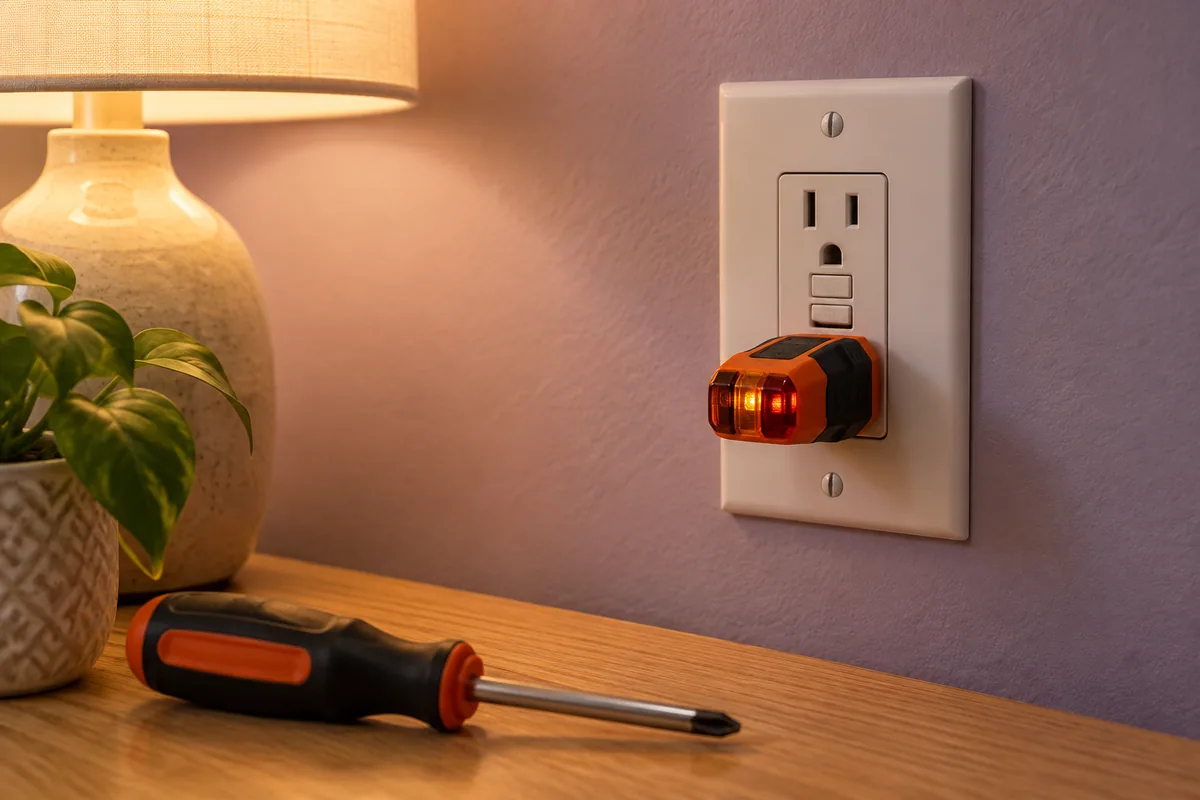
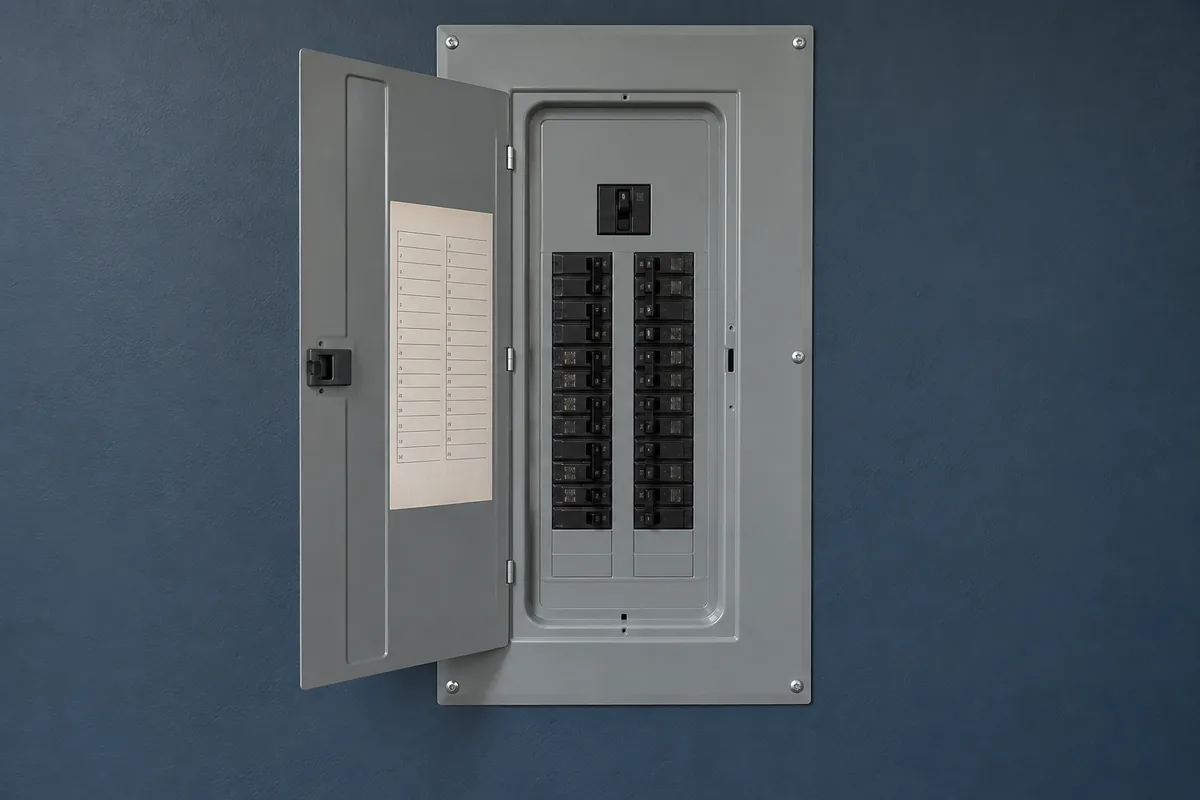
Our GFCI outlet repair service covers protection that can also serve ordinary-looking outlets elsewhere. Mention any trip or reset behavior you already observed. Do not repeatedly operate controls to trace the circuit yourself. We review the affected locations and their actual connection during assessment.
Damaged Receptacles and Loose Plug Fit
Report a cracked receptacle or a plug that fits loosely, even if power still seems normal. Do not touch the damaged area. The box and electrical connections may also need assessment; replacing a faceplate alone would not resolve those faults.
If the concern began after moving furniture, indoor work or a new appliance, state that timing. Do not assume that the latest event explains every symptom. The technician reviews the current setup and fault. Keep earlier intermittent power or trip history available if it predates the visible damage.
Outlet Repair and Additional Wiring Work
We explain the finding and proposed work before you decide. Ask which receptacles and circuit areas the task covers. When the concern involves a cable or hidden connection, electrical wiring repair may be the relevant additional scope. The estimate should make that distinction clear.
Access through a finished surface needs its own discussion before added work proceeds. Do not cut an opening based on a guessed route. Approval for a focused outlet repair does not authorize unrelated room alterations.
New Outlet Installation for the Intended Equipment
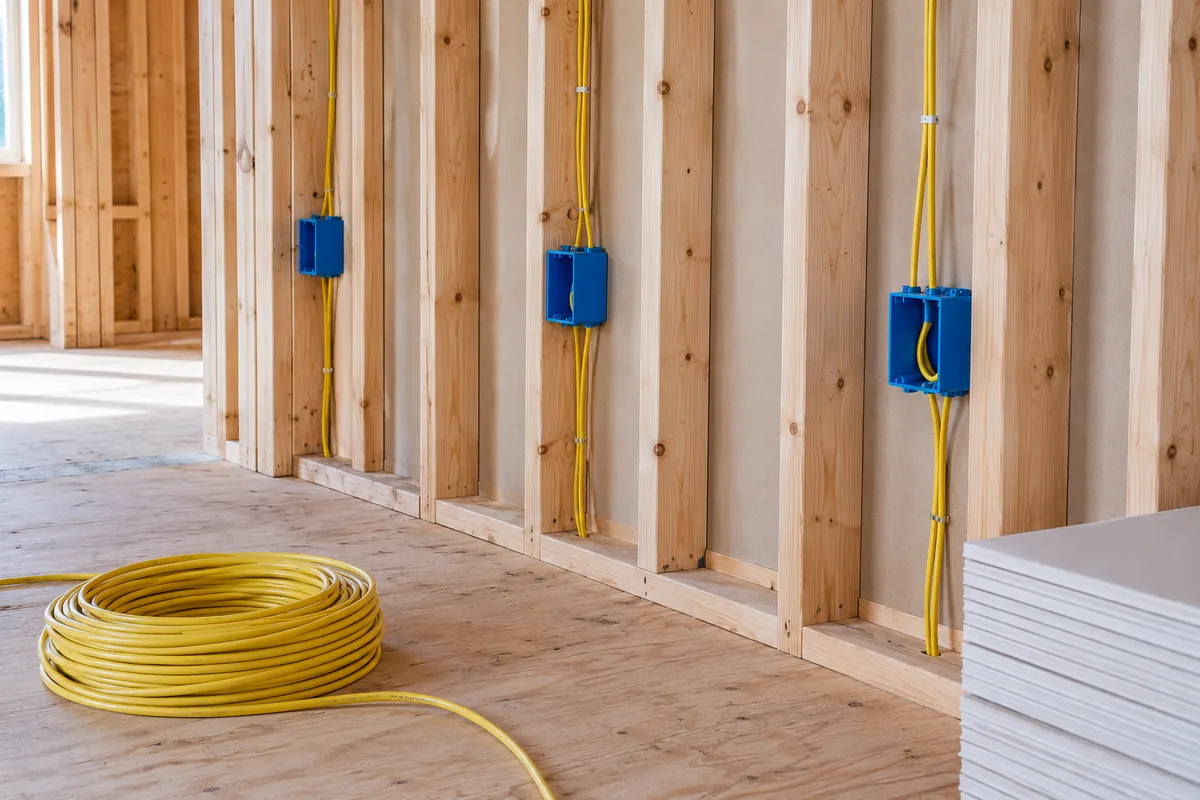
Tell us what equipment you want to power and where you want the outlet. A matching plug shape alone does not establish that an existing circuit fits that use. We review capacity, protection, route and access as part of a planned installation. The estimator visit for that project is free.
If a remodel includes moving outlets, describe the finished layout and any areas already open. Keep the installation plan separate from an active fault that also needs attention. A new location does not automatically resolve the old circuit concern. Both tasks need a clear place in the proposed scope if you want both addressed.
Equipment Access and Repair Approval
Mention locked rooms or fixed storage that limits access. Provide the onsite contact and repair decision-maker if they differ, so any change in scope can be reviewed before work proceeds.
Electrical Outlet Repair & Installation by City
Choose your city for local service information.
Oregon: Aloha, Aurora, Beaverton, Canby, Clackamas, Donald, Forest Grove, Gervais, Gresham, Happy Valley, Hillsboro, Hubbard, Keizer, Lake Oswego, Milwaukie, Newberg, Oregon City, Portland, Salem, Scappoose, Sherwood, Tigard, Troutdale, Tualatin, West Linn, Wilsonville, Woodburn.
Frequently Asked Questions
Can an outlet be dead while the breaker handle appears on?
Yes. A protective device, switch, connection or wiring fault may interrupt power elsewhere on the circuit. Share which locations lost power. The handle position alone does not identify the repair needed.
Does a loose plug fit call for service even if equipment still runs?
Stop using that receptacle and describe the condition. Do not force the plug or change its shape to make it stay. The device and surrounding connection need assessment before continued use.
Can I ask for a new outlet where there is no box now?
Describe the location and intended equipment for a project review. We assess the route, circuit and access before defining installation. A free estimator visit helps establish that scope instead of assuming the nearest circuit will suit the new load.
Request Outlet Repair in Portland Metro
Contact HVAC & Appliance Repair Guys to request outlet repair and describe the affected receptacles, current symptoms and any access limits.
For outlet repair in Portland Metro, call HVAC & Appliance Repair Guys or submit a service request through the form on this page.