



Leak Detection in Tualatin for Fixtures and Connected Pipes
HVAC & Appliance Repair Guys provides leak detection in Tualatin to locate or narrow the source of unwanted water before choosing a repair. The first wet location and the timing help distinguish a fixture concern from a supply or drain connection issue.
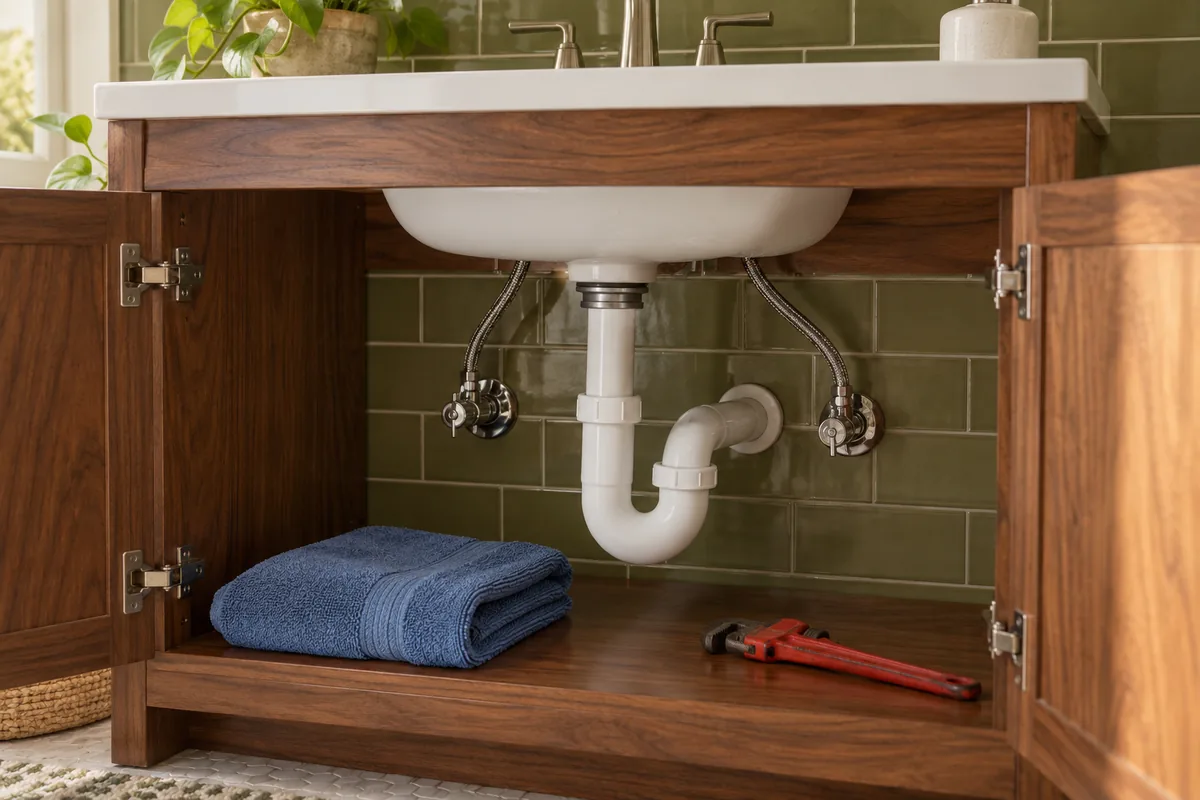
Moisture below a supply fitting between uses raises a different question from water after a toilet flush. Report fresh water separately from an older dry stain.
Describe what is happening now and how the condition has changed. When several people noticed different parts of the event, preserve each location and time rather than assuming a single cause.
Returning Moisture After Earlier Repairs
Share completed repairs, dates and any unresolved finding from earlier service. If moisture has returned, say how long the area stayed dry and whether water appeared in a new location.
Existing photos and notes can show the visible sequence. Keep their dates and locations; they cannot establish every concealed condition.
When Someone Else Meets the Technician
Pass along the original observations and known access limits. A locked adjoining room may matter even when the wet mark is elsewhere.
Identify who can provide entry and who can approve additional work, with a way to reach the decision-maker.
Do not ask the person meeting us to open walls or remove fixtures before the visit. Share existing access details; any proposed alteration should have an explained purpose and agreed scope.
Pipe, Fixture and Pump Repair Options
We explain the source found or what remains uncertain. A finding at one connection does not establish the condition of every concealed pipe.
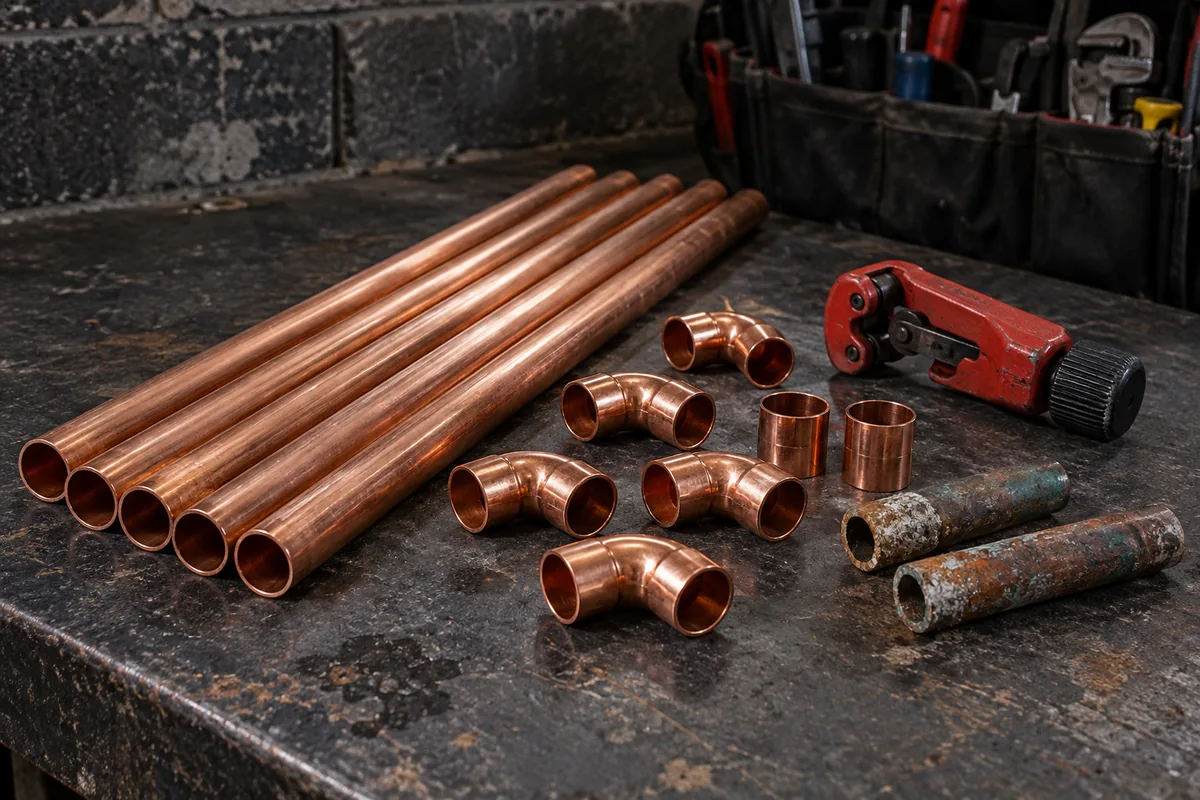
Pipe repair in Tualatin can follow a supported piping finding, with the affected section and reason for the work identified. If the source is a faucet, faucet repair addresses that fixture instead.
Toilet repair in Tualatin may fit a confirmed toilet concern; proximity to moisture alone does not establish the source. If the concern involves a sump pump, discuss sump pump repair & installation separately.
Access, Repair and Finish Restoration
Confirm which investigation, added access and repair tasks the proposal includes. Review the purpose and price of further work before approving it.
Check whether closing openings and restoring walls, floors or cabinets are included. Plumbing source repair does not automatically include that surface work.
Safe Preparation When Someone Else Attends
You do not need to demonstrate a leak for the visit. Do not ask an attending person to run fixtures until water appears; the original account can explain the concern.
If water makes the work area unsafe, describe that condition before entry. Keep people out of the wet area. Any changed observation can join the handoff with its time and location.
Retain the source finding, inspection limits and completed repair so everyone involved has the same account of the result.
Request leak detection in Tualatin from HVAC & Appliance Repair Guys and share the moisture locations, timing and access details with the person attending the visit.
Frequently Asked Questions
What if the attending person never saw the water?
Give them the original location, timing and fixture-use account as accurately as possible. Keep any later change separate.
Request Leak Detection in Tualatin, OR
For leak detection in Tualatin, OR, call HVAC & Appliance Repair Guys or submit a service request through the form on this page.