




Water Heater Flushing and Model-Specific Maintenance
HVAC & Appliance Repair Guys provides water heater flushing as planned care for existing equipment. A storage-tank flush carries out removable sediment, while tankless equipment may need a model-appropriate descaling process. The heater’s design, condition and service history determine the applicable work and its limits.
A flush is not a cure for every hot-water problem. A loss of heat, a leak or an error on the display may need a different task. Tell us about those changes at the start so the service request fits the issue.
You may want routine care even when the heater seems to work well. In that case, explain when you last had it serviced, if you know. An unknown date is useful to state plainly; there is no need to guess a history for the unit.
Storage Tanks and Tankless Units Need Different Care
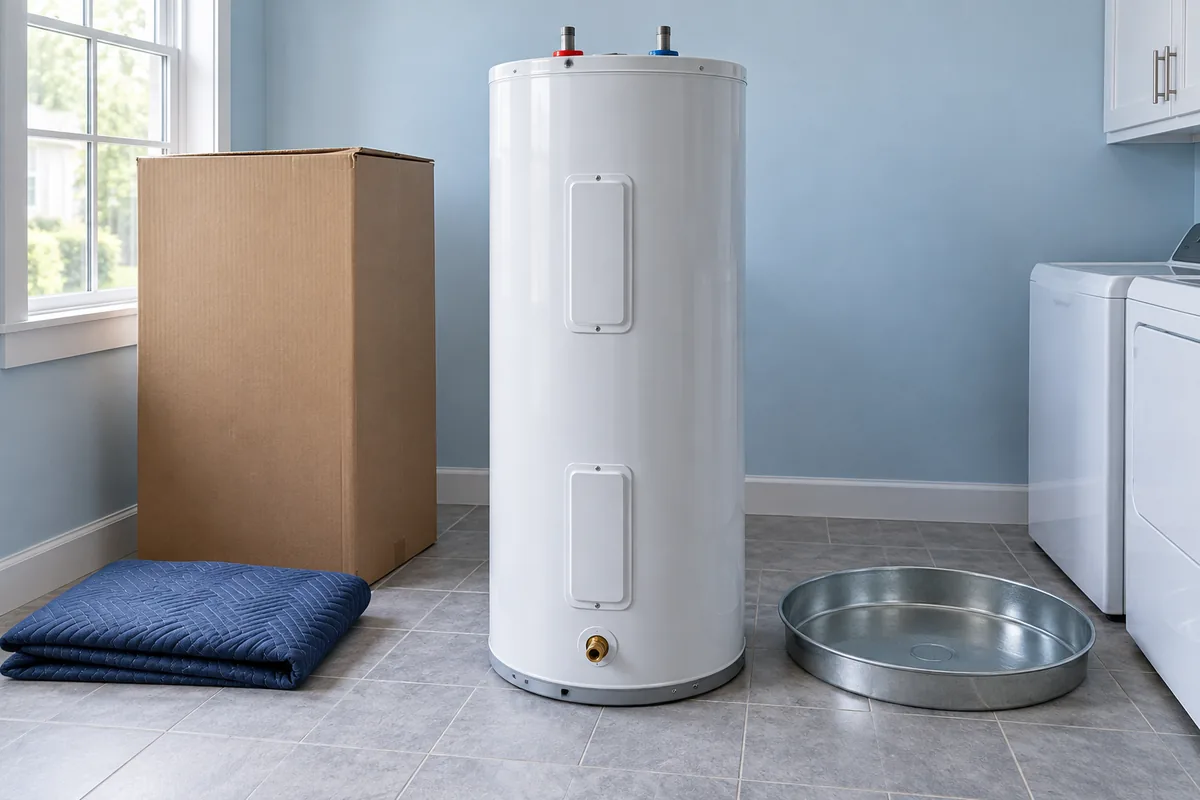
A storage heater holds water in a tank. Sediment can collect at the bottom over time. A tank flush uses water to carry out the material the process can reach and move. The amount of sediment and the condition of the unit affect the result.
Tankless water heaters heat water as it flows through the unit. They do not have the same storage tank to drain. Scale can form inside the parts that transfer heat to the water. Descaling addresses those deposits through a process suited to that design.
Storage-tank flushing and tankless descaling are different tasks. Share the model rather than relying on a general maintenance label; the same energy source does not make every heater’s procedure or connections identical.
Purpose and Limits of Deposit Removal
The purpose of flushing is to address deposits through the correct process for the unit. It does not renew a damaged tank or replace a failed part. A heater can need routine care and a separate repair at the same time.
Results depend on the heater’s condition and service history. Flushing may leave some deposits in place and does not guarantee a specific increase in service life.
Nor does flushing add storage space or change the heater into a larger model. If hot water runs short during heavy use, describe the pattern. The cause may need assessment beyond a routine maintenance task.
A change in noise is also worth reporting. It is an observation, not proof of sediment by itself. We consider it with the unit details and other signs instead of promising that a flush will stop every sound.
Model, Symptoms and Service History
Share the model and any service record, distinguishing repairs from flushing or descaling. Describe whether hot-water performance has changed, when it began and whether one tap or several are affected. You do not need to open the unit or test controls to provide that information.
If a display shows an error, share the code as it appears. Do not assume that every message means deposits have built up. The code and the symptoms help define what needs review before the maintenance plan is firm.
Fault Diagnosis and Replacement
A visible leak or loss of heat needs its own assessment. Water heater repair addresses operating faults that a flush may not resolve. Describe the active problem even if your first thought was to arrange routine care.
A leak near the heater can have more than one possible source. Report the location you can see without taking parts apart. Maintenance cannot restore a tank that has failed, and the source of the water needs a clear explanation.
If you are considering a new unit, water heater installation has a separate scope. A maintenance request does not authorize that project. We discuss a proposed equipment change and its purpose before it becomes part of the work.
Service Access, Connections and Water Handling
Tell us where the heater sits and whether access is limited. The work needs room at the relevant parts and service connections. A narrow entry, stored items or limits on use of the area can affect how to arrange the visit.
The existing connections also matter. We should not assume that every tank or tankless unit has the same setup for maintenance. If additional connection work is necessary, it needs a clear explanation and agreed scope.
For a tank flush, the plan needs a suitable way to handle the water leaving the unit. The visible location of a drain does not by itself settle that arrangement. The visit should account for the actual route and surrounding area.
You do not need to drain the heater before we assess it. Describe access limits and leave equipment preparation to the agreed service plan.
Maintenance Scope and Return to Hot-Water Use
The agreement should identify the maintenance, checks and any separately approved parts, diagnosis or connection work included in the visit.
Plan for a break in hot-water use while the service takes place. Tell us if several people rely on the unit or if timing matters for an occupied space. The work plan should account for those needs without a fixed duration promise.
After the maintenance, the unit needs a return to service that fits its design. The completed connections and operation need checks. A storage tank also needs time to heat the water again. The end of the work may not mean full hot-water supply at once.
If a symptom remains, keep it distinct from the completed maintenance. A flush does not explain every ongoing fault; ask what work is finished and which separate concern still needs attention.
The Next Maintenance Interval
The maintenance interval depends on the manufacturer’s requirements, water conditions, use and service history. We discuss the next service based on those details.
Keep the service date, task and findings with the equipment record to distinguish completed care from any later operating problem.
Water Heater Flushing by City
Choose your city for local service information.
Oregon: Aloha, Beaverton, Canby, Clackamas, Forest Grove, Gresham, Happy Valley, Hillsboro, Keizer, Lake Oswego, Milwaukie, Newberg, Oregon City, Portland, Salem, Sherwood, Tigard, Troutdale, Tualatin, West Linn, Wilsonville, Woodburn, Aurora, Donald, Gervais, Hubbard, Scappoose.
Frequently Asked Questions
Does flushing include every maintenance task?
No. Review the specific work in the visit. Parts, fault diagnosis and other checks need a clear place in the agreed scope.
Can I arrange service if I do not know the last flush date?
Yes. State that the date is unknown and share any reliable records you have.
Will flushing repair a leaking tank?
No. A leak needs assessment, and deposit removal does not restore a damaged tank.
Should I drain the heater before the visit?
No. Explain the access and the current condition. Equipment preparation belongs in the agreed service plan.
Is one maintenance interval right for every heater?
No. Base the plan on the actual unit, its use, condition and service requirements.
Request Water Heater Flushing in Portland Metro
Contact HVAC & Appliance Repair Guys to request water heater flushing and discuss the maintenance suited to your model, its condition and any current hot-water concern.
For water heater flushing in Portland Metro, call HVAC & Appliance Repair Guys or submit a service request through the form on this page.