



Water Heater Flushing in Beaverton
HVAC & Appliance Repair Guys provides water heater flushing in Beaverton, with maintenance matched to the installed model. Storage-tank flushing removes reachable sediment; tankless descaling addresses deposits along its heat-transfer water path. Those are distinct procedures even when both are described as flushing.
Provide the model number if you have it, along with the type of unit and its current operation. Those details help us discuss the applicable task, connections and access.
You may already know that the unit needs scheduled care. You may instead be responding to a new loss of heat or a service message. Explain which applies so the visit addresses the actual need before we settle its scope.
Sediment Removal from Storage Tanks
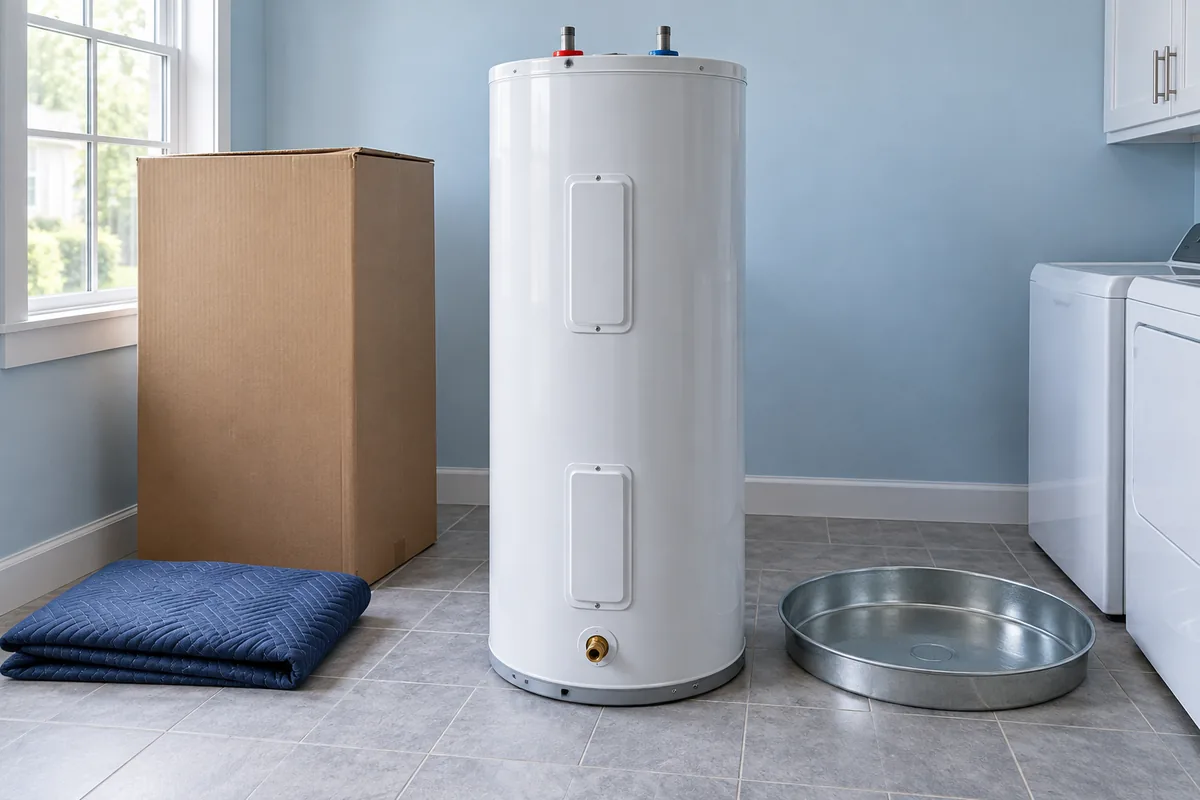
Sediment can collect in a storage heater over time. A suitable flush carries out material the process can remove, with the amount of deposits and tank condition affecting the result. Complete removal is not guaranteed.
A tank can use different forms of heat while still storing water. The heat source and the model affect its service requirements. Knowing that a heater is electric or gas does not replace the details needed to plan care for that particular unit.
Flushing also does not change the tank’s rated capacity. If the hot water runs out during heavy use, explain the pattern and any recent change in demand. A maintenance task may not answer a concern about the amount of stored hot water available.
A damaged tank or failed component presents another question. Deposit removal does not rebuild a tank wall or install a new heating part. Those conditions need their own assessment and a clear discussion of the relevant work.
Tankless Descaling and Service Connections
A tankless heater warms water as it moves through the unit. Its heat exchanger transfers heat to that passing water. This design does not have the same storage tank and sediment-draining arrangement as a conventional tank unit.
Scale can form along the water path and affect the equipment. Applicable maintenance may circulate a suitable descaling solution through that path. The process needs to fit the exchanger and the unit’s requirements. One treatment does not suit every model.
Existing service connections affect how tankless descaling can be carried out. Similar-looking heaters can have different arrangements, so the actual setup needs review.
Descaling differs from replacing an exchanger or addressing an unrelated operating fault. A service message or temperature problem may require further assessment; deposits do not necessarily explain every symptom.
Symptoms and Fault Assessment
Tell us about a complete loss of hot water, a new temperature change or a visible leak. Note whether the issue affects one fixture or several and when it began. That account can help distinguish a routine request from an active operating problem.
If the display shows an error, provide the exact code rather than a guess about its meaning. Different faults can require different checks. There is no need to operate unfamiliar controls or open the equipment to gather a basic description.
Water heater repair in Beaverton addresses faults that may need attention before or beyond maintenance. Flushing alone may not resolve an operating fault.
Visible water near the unit needs an explanation of its source. Describe where you see it without taking connections apart. A tank leak, a connection issue and other moisture observations should not collapse into one assumed sediment problem.
A new noise is useful to report as well. Include when it occurs and whether other behavior changed at the same time. The sound alone does not prove that flushing or descaling will resolve the concern.
Access, Connections and Included Work
The physical setup matters for both tank and tankless maintenance. Describe the location of the heater and limits on entering the space. The service needs room at the relevant connections and a practical way to carry out the agreed procedure.
A visible valve does not prove that every needed connection is suitable for service. The actual arrangement needs review. Any necessary connection work needs its own description. Do not assume that every maintenance visit includes it.
For tank work, the plan also needs to handle water leaving the unit. The position of a nearby drain is one detail, not a complete plan. Access, the water route and the surrounding area belong in the service discussion.
Compare the included deposit-removal procedure, diagnosis, parts and checks. Any additional work should have its purpose, scope and price explained before approval.
Interruption and Return to Operation
Plan for a pause in hot-water use, with timing based on the model and agreed task. Share occupancy and access needs, and make sure other users know the relevant limits.
You do not need to drain, disconnect or prepare the heater as an assumed step before the visit. Provide the equipment details and explain access restrictions. Preparation of the unit belongs with the agreed service procedure.
Returning the unit to operation must suit its design. The completed connections and function need checks after the work. For a storage unit, reheating the water can add time before a full hot-water supply is ready.
Keep any continuing fault separate from the completed maintenance. A unit may have had the correct deposit-removal task and still need another repair. The service result should describe both the work finished and any remaining concern.
Equipment Replacement and Future Care
If you are considering a different heater, water heater installation in Beaverton covers that planned change. It needs its own equipment choice and work scope. A maintenance request does not automatically include removing and replacing the unit.
Likewise, one overdue service date does not prove that replacement is necessary. The current condition and the project needs matter. Discuss findings about the actual heater before treating its service history as a decision by itself.
Keep the date, model and completed tasks together, distinguishing flushing or descaling from any parts work. The next interval should reflect manufacturer requirements, use, water conditions and findings.
Frequently Asked Questions
Is tankless flushing the same as draining a storage tank?
No. Tankless equipment uses a different water path and maintenance process. Identify the unit before defining the work.
Can existing service connections affect the visit?
Yes. Access and connections need review for the actual setup. Any additional connection task should have a clear scope.
Can I use an old invoice to confirm the last flush?
Only if it identifies that task. A repair or inspection record does not automatically confirm flushing or descaling.
Will all hot water be ready as soon as the work ends?
A storage unit may need reheating time. Discuss return to use for the equipment and task involved.
Request Water Heater Flushing in Beaverton, OR
Contact HVAC & Appliance Repair Guys to request water heater flushing in Beaverton and identify the tank or tankless unit, maintenance history and any operating concern.
For water heater flushing in Beaverton, OR, call HVAC & Appliance Repair Guys or submit a service request through the form on this page.