


HVAC-Focused Indoor Air Quality Assessment
HVAC & Appliance Repair Guys provides HVAC-focused indoor air quality assessments in Portland Metro. The service reviews accessible heating, cooling and air-movement conditions that may relate to your concern.
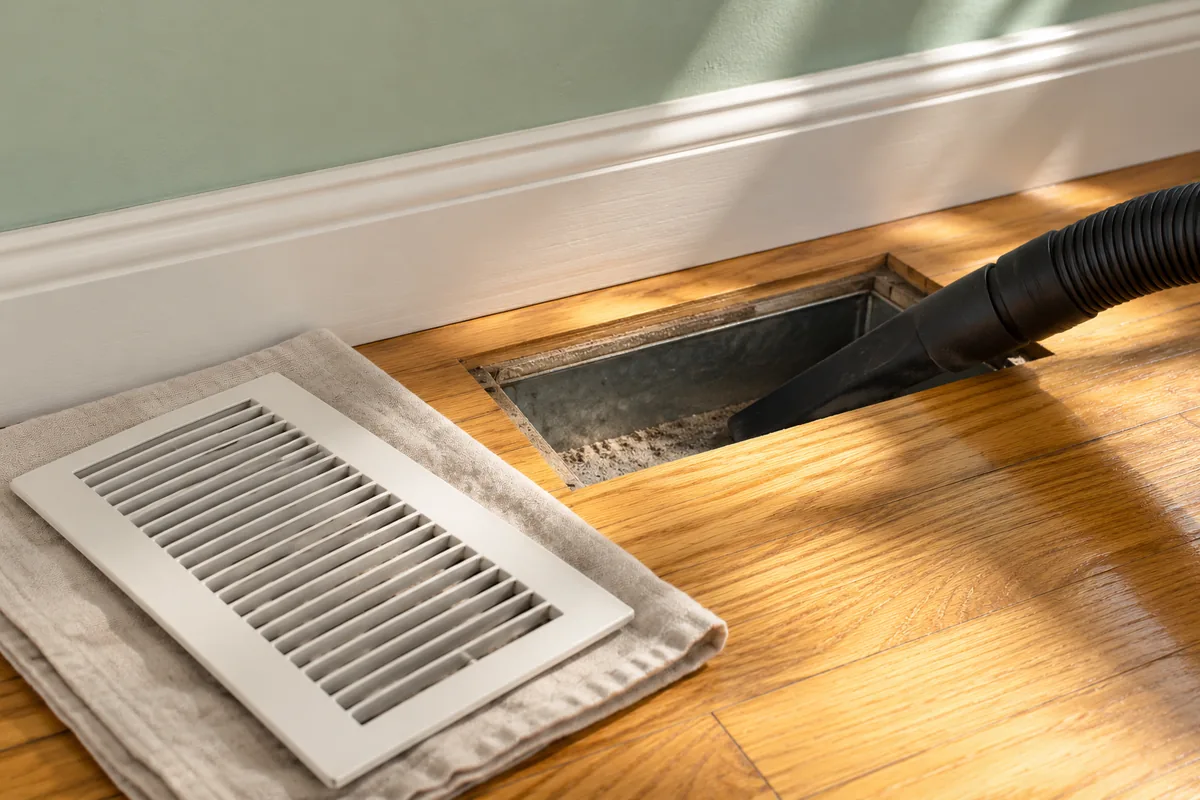
Dust near a grille, moisture beside the indoor unit and a stuffy room are different observations. Describe where you notice the concern. A visible condition or odor does not, by itself, identify a specific pollutant or a failed part.
The assessment focuses on accessible HVAC conditions and the scope agreed for the visit. It is not a complete laboratory screen for every possible substance in indoor air. Confirm what you need the visit to answer before booking.
Filter Fit and Air Movement Through the Home
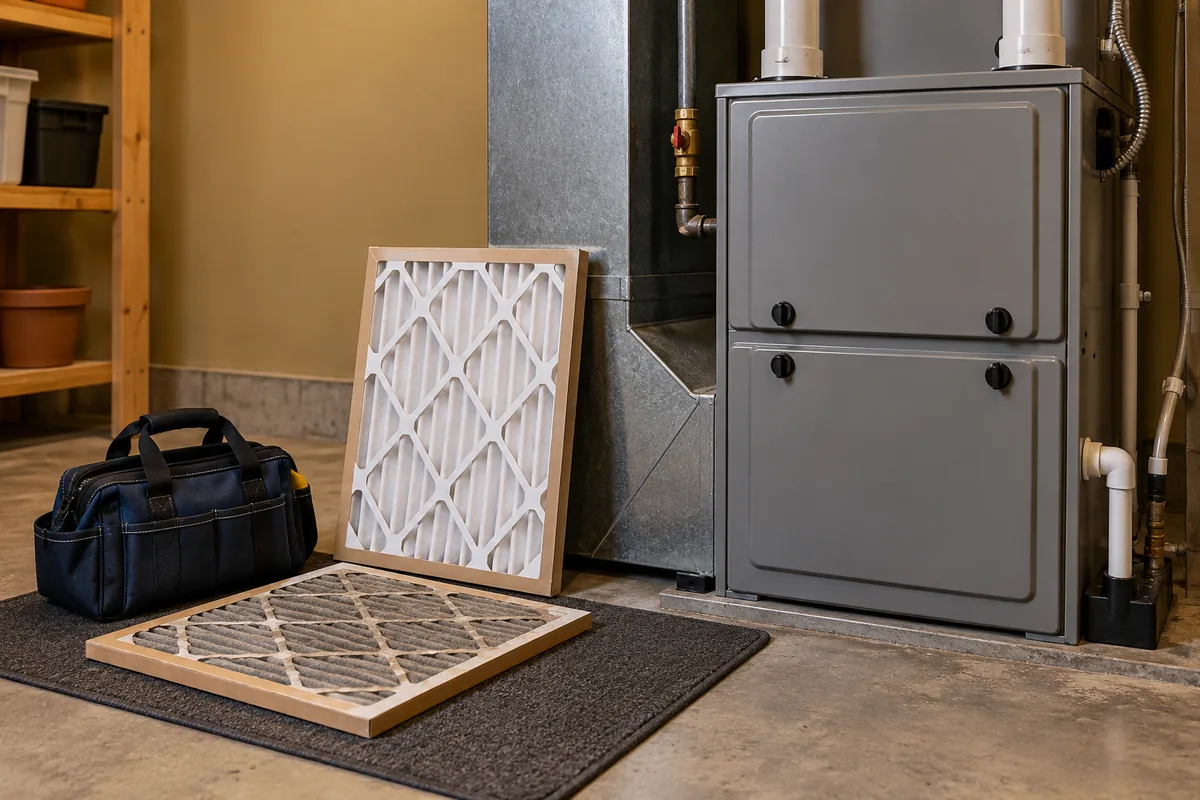
Filtration needs to fit the equipment and air path. Poor fit, high resistance and debris buildup are different concerns. Have the filter type, size and change history ready; a filter label alone is not a complete answer.
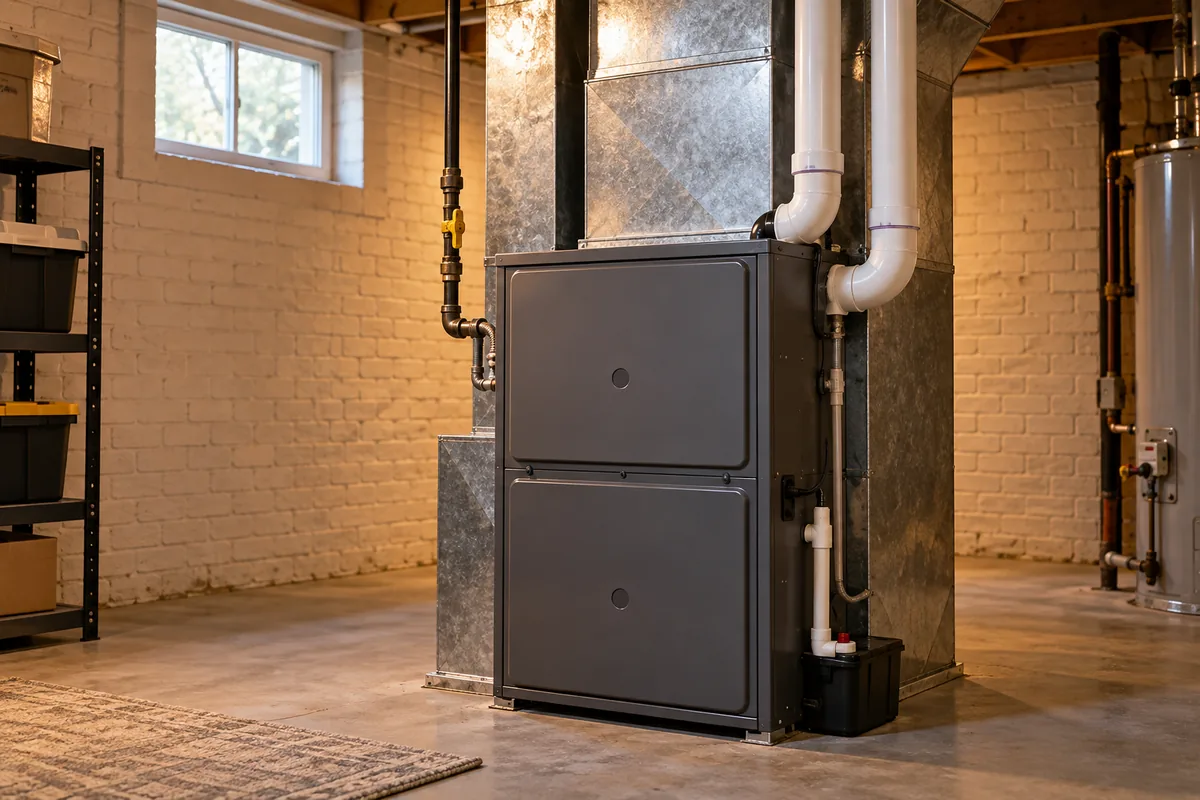
Accessible returns, supply outlets and equipment areas are also part of the air path. Describe weak flow, blocked grilles or a recent furniture change. Those observations help explain the room concern without proving that the whole duct system needs cleaning or replacement.
The concern may relate to routine care. HVAC maintenance provides the related service for equipment condition and care needs. If the assessment identifies an active failure instead, our HVAC repair service addresses that diagnostic work. The next step should follow the finding and the scope you approve.
Do not select a more restrictive filter or an added device solely because it promises broad improvement. Discuss its fit with the equipment, the concern it would address and its care requirements before choosing a product.
Moisture, Drainage and Ventilation Concerns
Describe where moisture appears around the cooling equipment and whether it follows system use. A damp area can have more than one cause, so location and timing matter.
An HVAC review can consider accessible equipment and drainage. A water mark alone does not establish the source.
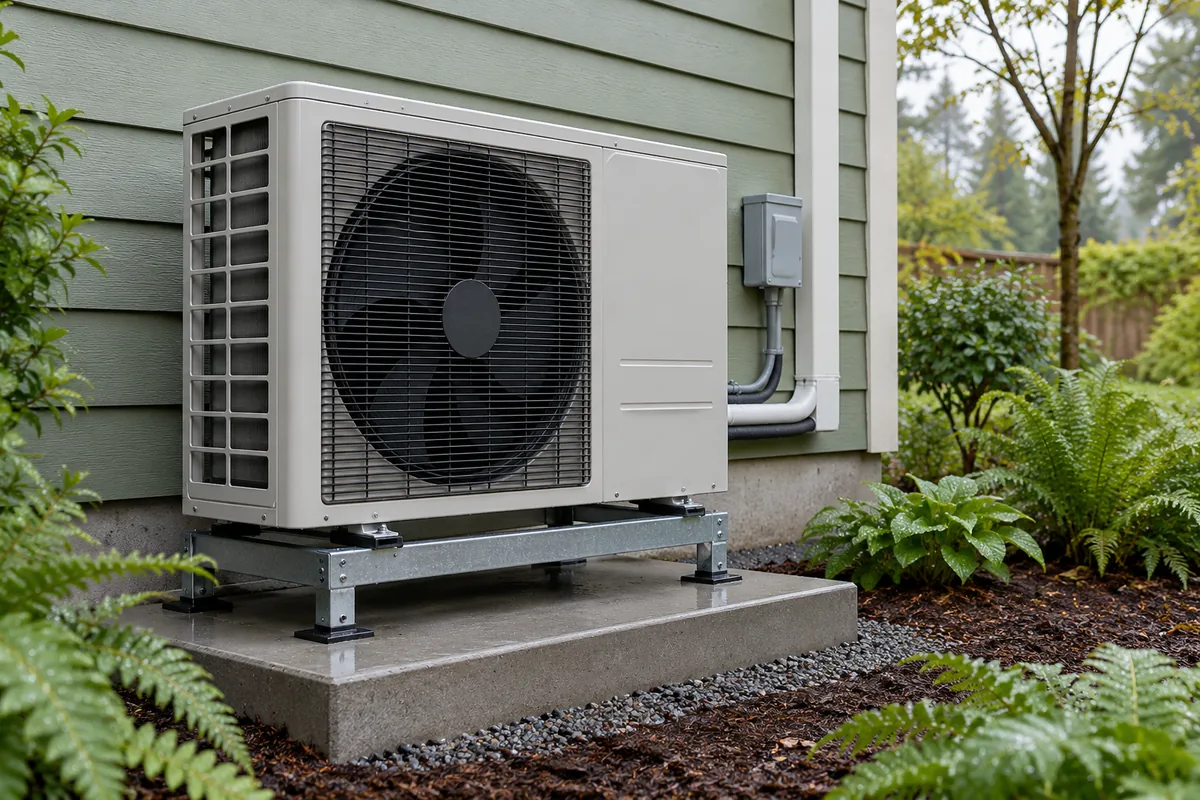
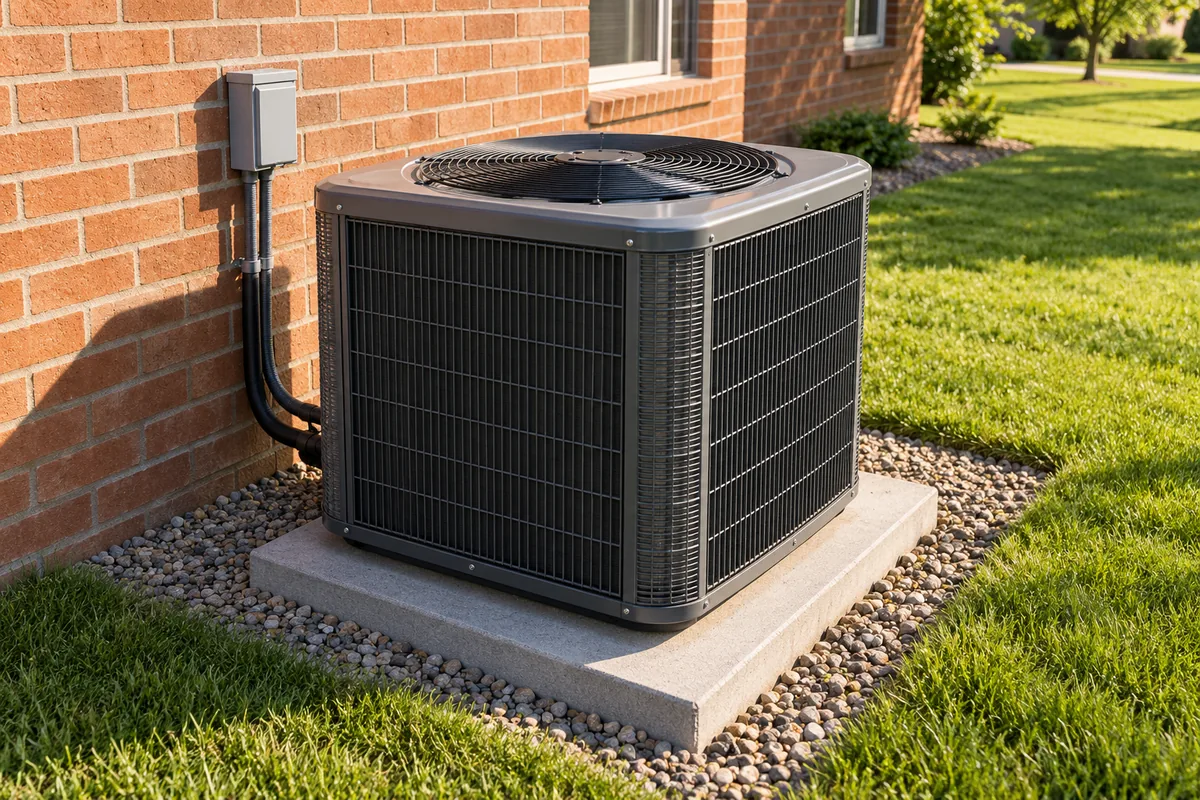
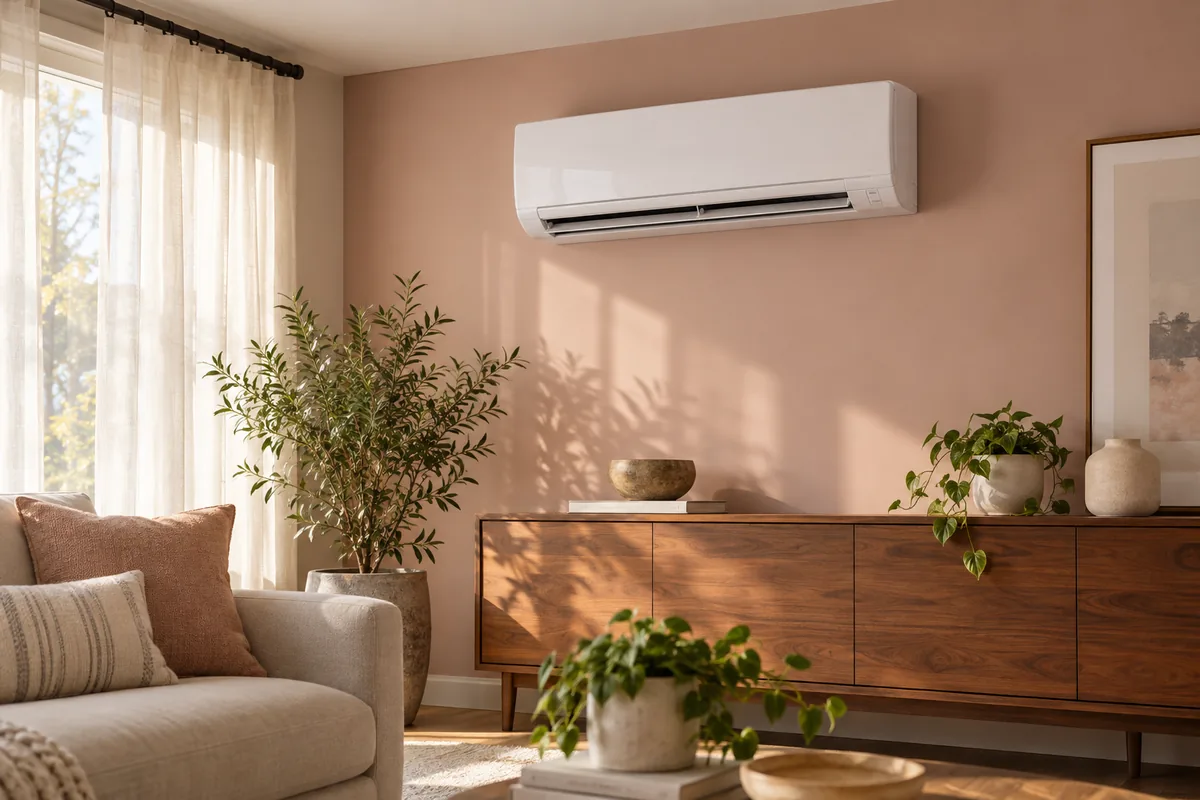
Cooling operation and its drain path may be relevant to that concern. AC maintenance covers the related routine service, while an active leak may need further diagnosis. Explain the water issue when arranging the visit. A general air-quality request should not hide a fault that needs direct attention.
Air circulation moves air within a room; ventilation exchanges it with outdoor air. Describe the installed setup and any consistently stuffy spaces. Existing equipment and controls need review before assuming that one fan setting resolves the concern.
An HVAC assessment does not certify that the air is free of every possible pollutant. Its findings should explain the system conditions actually reviewed, what the observations support and which questions remain outside the assessment.
Where and When Air-Quality Concerns Appear
Note whether the concern occurs throughout the home, near one return or only in a room with weak air movement. Include when it began and whether it changes with heating, cooling or fan operation. These observations give context without assuming that HVAC causes every indoor condition.
Mention recent painting, new furnishings, a water event or work around the ducts. These changes help explain the timeline even when their role in the concern is unknown. The review should consider that history alongside what is accessible at the visit.
A condition that appears when equipment starts differs from one that stays the same with the system off. Describe what you have noticed during normal use. Do not deliberately run equipment that appears unsafe to recreate a smell or leak.
Keep existing photos or notes with dates and locations. They can explain an earlier condition without replacing the current equipment assessment.
Assessment Findings and Recommended Next Steps
Routine care, controls, airflow or an equipment fault may call for different next steps. Ask which findings relate to the original concern and which questions remain unanswered.
If a control setting or device needs further attention, thermostat repair or installation may be relevant. That decision should follow the equipment review. A new control is not a universal answer to dust, odor or room differences, and its fit with the system still matters.
Review the purpose, scope, price and any further-visit need before approving added work. An assessment request does not authorize replacement or added products.
Safe Preparation and Equipment Access
Have the property address, affected rooms and a short timeline ready. Include filter details, earlier service work and any recent changes connected to the concern. Do not disturb unknown material or remove equipment covers to collect evidence. Safe, ordinary observations are enough to explain why you want the visit.
Arrange access to controls, the filter location and accessible HVAC equipment, explaining locked or difficult areas. Keep findings and follow-up decisions for comparison with later changes.
Request an HVAC-focused indoor air quality assessment from HVAC & Appliance Repair Guys through the service form below. Describe the affected rooms, timing and visible conditions, and confirm what the visit can evaluate before booking.
Indoor Air Quality Testing by City
Choose your city for local service information.
Oregon: Aloha, Aurora, Beaverton, Canby, Clackamas, Donald, Forest Grove, Gervais, Gresham, Happy Valley, Hillsboro, Hubbard, Keizer, Lake Oswego, Milwaukie, Newberg, Oregon City, Portland, Salem, Scappoose, Sherwood, Tigard, Troutdale, Tualatin, West Linn, Wilsonville, Woodburn.
Washington: Battle Ground, Brush Prairie, Camas, La Center, Ridgefield, Vancouver, Washougal, Woodland.
Frequently Asked Questions
Does this service identify every possible pollutant in the air?
No. This service focuses on HVAC conditions within the agreed assessment scope. It is not a complete laboratory screen. Confirm what the visit can evaluate before booking.
Does dust near a vent prove the ducts need cleaning?
Not by itself. Filter fit, airflow and other conditions can affect where dust appears. Review the location, timing and equipment findings before choosing a treatment; a visible deposit alone does not establish the full cause.
Should I choose an air cleaner before the assessment?
Start with the concern and the equipment already in place. An added product needs a clear purpose and a suitable match with the system. Discuss what it would address and its care requirements before deciding on a purchase.
What if the main issue is a cooling leak or system shutdown?
Report the active equipment fault when you contact us. It may need repair diagnosis rather than a general air assessment. Explain the exact behavior and where it occurs so the appointment can address the most direct service need.
Request Indoor Air Quality Testing in Portland Metro
For indoor air quality testing in Portland Metro, call HVAC & Appliance Repair Guys or submit a service request through the form on this page.