



Water Heater Flushing in Aloha
HVAC & Appliance Repair Guys provides water heater flushing in Aloha to address removable deposits using a process suited to the unit. Storage-tank sediment removal and tankless descaling require different care. We consider the model, service history and current operation before defining the maintenance.
Tell us whether you are planning routine care or responding to a change in hot water. A sudden loss of heat, leak or display error may need fault assessment rather than flushing alone.
Purpose and Limits of Flushing
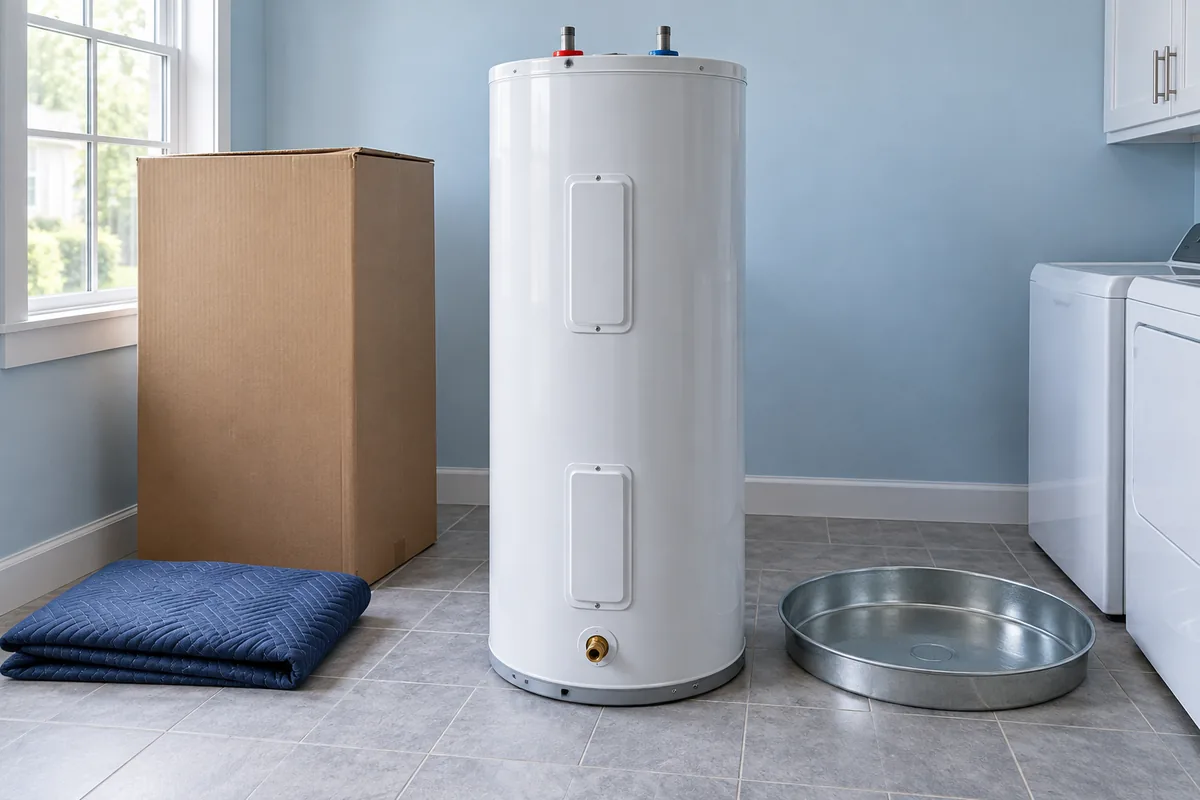
In a storage heater, sediment can settle at the bottom of the tank over time. Flushing aims to carry out the material the process can remove. The amount present and the state of the unit vary, so the result needs to reflect the actual work.
A flush does not add tank capacity or guarantee a fixed increase in hot-water output. It also does not restore a damaged tank. If the problem involves lost heat, leaking water or a failed part, the service may need a separate repair decision.
Tankless water heaters have a different design. Their maintenance can involve descaling the parts where heat passes into the water. That is not the same as draining sediment from a storage tank. The model helps identify the care that fits.
Whether the heater uses gas or electric heat also belongs in the equipment description. It does not replace the model details. Units can have different controls and service needs even when they use the same energy source.
Hot-Water Changes and Fault Assessment
New noise, uneven temperature or less hot water are useful observations. Explain when they began and whether the pattern affects more than one tap. These details help define the concern without assuming that deposits caused every change.
If the unit has a display, share any visible error exactly as shown. A message may point to a fault that needs assessment. Do not treat all codes as routine reminders or proof that a flush is the right first task.
Water heater repair in Aloha addresses operating faults that maintenance alone may not resolve. We explain the flushing scope and any further work before adding a separate task.
For a visible leak, describe the area where you see water without taking parts apart. Report it when requesting maintenance; flushing does not repair a leaking tank.
Service History and Current Condition
You can arrange maintenance without the last flush date. State that it is unknown and share reliable records; a missing note does not establish the sediment level or prove a failed part.
Distinguish flushing or descaling from a past repair. Replacing a part and removing deposits have different purposes; a record of one does not establish the other.
If you recently took over the property, separate your observations from an earlier occupant’s account. Specific dates and completed tasks help, but you do not need a complete history to request service.
Service Access and Included Work
Tell us where the heater is and any limits on entry to that space. Existing service connections and room to work affect the visit. A unit behind stored items or in a restricted area needs those access details in the plan.
The work should account for how to handle water during service. Do not assume the nearest visible drain is suitable for every setup. We review the actual arrangement as part of planning the applicable procedure.
There is no need to drain the heater before the visit. Leave preparation of the unit to the agreed service plan. You can help by explaining access and providing the model details you already have.
Ask what the maintenance price includes. A flushing task does not automatically cover new parts, connection changes or all fault checks. If the findings show another need, the added work should have a clear purpose and scope.
Interruption and Return to Hot-Water Use
Plan for an interruption to hot-water use during the work. Tell us about occupancy needs or access limits so we can discuss timing for your heater and the agreed task.
Returning the equipment to use follows the needs of that model. The visit should include checks of the completed work and operation. A storage heater also needs to heat the water again before normal supply fully returns.
If the original symptom continues, it needs its own explanation. A completed maintenance task does not prove that every fault has disappeared. Ask which remaining concern needs a separate assessment or repair.
The Next Maintenance Interval
The next maintenance interval depends on the model’s requirements, water conditions, use and service history. Keep the service date, completed maintenance and separate findings with the equipment record to support that plan.
Frequently Asked Questions
Can I arrange a flush without the last service date?
Yes. Tell us that the date is unknown and share any reliable records you have.
Does new noise prove the heater has sediment?
No. Report the sound and when it occurs. The cause needs assessment rather than an assumption.
Request Water Heater Flushing in Aloha, OR
Contact HVAC & Appliance Repair Guys to request water heater flushing in Aloha and describe the unit, its service history and any change in hot-water performance.
For water heater flushing in Aloha, OR, call HVAC & Appliance Repair Guys or submit a service request through the form on this page.