



Water Heater Flushing in Hillsboro
HVAC & Appliance Repair Guys provides water heater flushing in Hillsboro for the equipment you have. Flushing aims to remove accessible sediment from a storage tank; tankless maintenance may involve descaling the heat exchanger. Tell us whether you want routine care or have noticed a change in hot-water supply so the request addresses the current concern.
Higher demand after a change in household use differs from reduced output under the same routine. More simultaneous showers can exhaust the usual supply without a new fault, while an unexplained drop in performance needs assessment. You do not need to choose between repair and flushing before describing what changed.
What Flushing Can Address
Sediment can settle inside a storage tank over time. Flushing aims to carry out material the process can reach. The tank’s condition and the deposits present affect the result; complete removal of every deposit cannot be assumed.
Tankless descaling addresses deposits in the heat exchanger’s water path. The procedure must fit the model, manufacturer’s service requirements and existing connections.
Deposit removal does not repair a damaged tank or replace a failed part. Ask which concern the proposed maintenance addresses and whether a separate repair is needed.
Flushing does not guarantee a fixed reduction in energy use or operating costs. Any expected benefit depends on the heater’s condition and use.
Household Demand and Hot-Water Patterns
Describe the old routine and the current one, including any increase in occupancy. Say which hot-water uses now overlap and whether the same pattern worked well before. You do not need to calculate equipment size yourself.
Note whether the water begins hot and then cools, or whether it never reaches the usual temperature. Also mention whether normal supply returns after a period without use. Those observations help frame the concern without naming a hidden cause.
Keep separate reports clear if different people notice different behavior. One person may use hot water earlier in the day than another. Their accounts can both be accurate while describing different demand on the same unit. Timing gives the reports context.
Storage Volume and Recovery
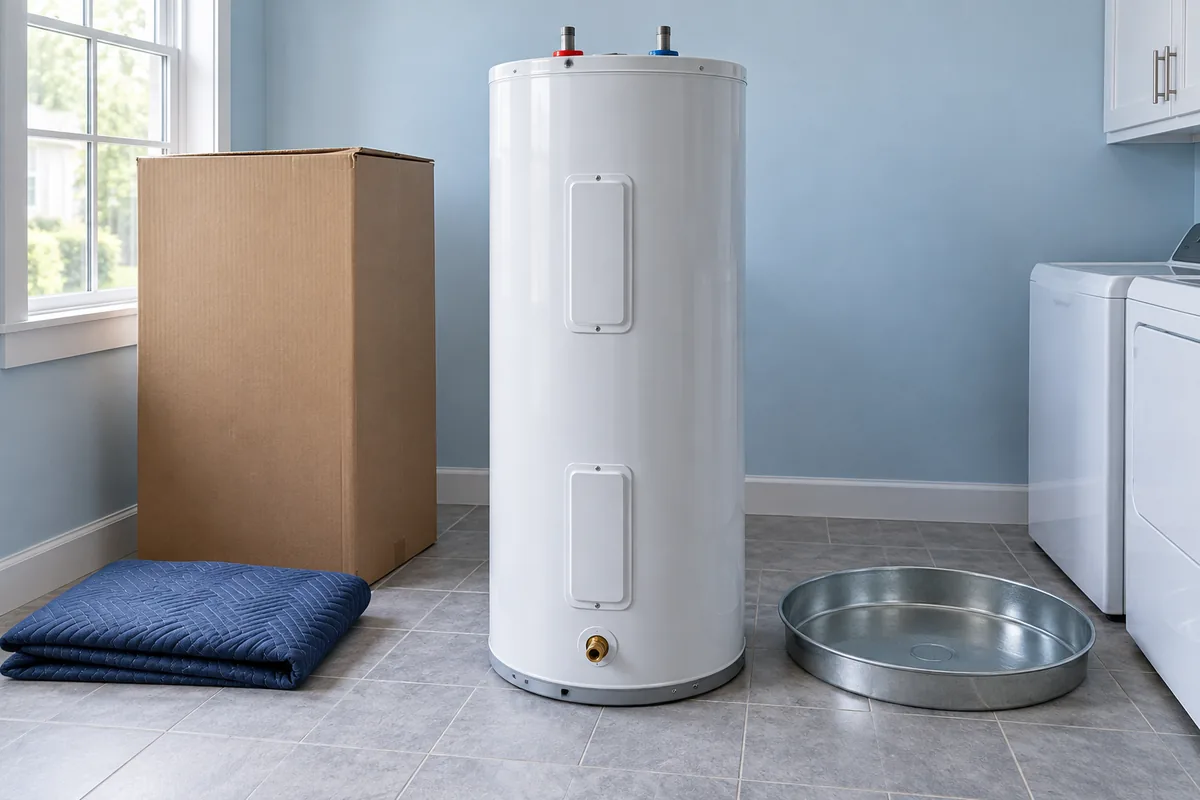
A storage heater keeps a tank of water ready for use. As hot water leaves, incoming water needs heat. Use can draw down the stored supply faster than the unit reheats it. This can change the experience at fixtures without a new maintenance fault.
Tank volume and recovery both affect how a storage heater serves a busy period. Flushing does not change its rated design or turn it into a larger-capacity unit.
Tankless Flow and Heating Demand
A tankless heater warms water as it passes through the unit. It does not draw from the same stored volume as a tank heater. Its ability to serve several uses depends on the equipment and heating demand. Tankless does not mean unlimited output in every situation.
The temperature rise needed from incoming to delivered water affects the work the unit must do. Flow capacity therefore needs context. A general claim about one model’s output cannot automatically describe the unit and conditions at your property.
Share the model and the pattern of simultaneous use if a tankless heater no longer seems to meet your needs. A display error or a sudden change should remain part of the account. Do not treat every shortfall as proof that descaling is the only task required.
Current Faults and Fixture Differences
Explain a complete loss of heat, a new temperature pattern or a displayed error when arranging the visit. These observations can change the first task, even when routine maintenance is due.
Note whether one fixture behaves differently from the others. A local mixing or flow concern may need a different assessment from a problem at all hot-water outlets. This distinction helps describe the issue; it does not ask you to diagnose the plumbing.
If you see water near the heater, describe where it appears without taking parts apart. The source needs a clear explanation. Flushing cannot restore a leaking tank.
New noise can also provide context, especially if it began with another change. Report when it occurs during normal use. Avoid running faulty equipment simply to demonstrate the sound. The observations you already have can help define the assessment.
Earlier Maintenance and Repair Results
Share records that identify the current heater and the actual maintenance or repair completed. If the date or task is unknown, say so; missing records do not establish sediment levels or remaining service life. Also explain whether normal hot-water use returned after earlier work or the complaint continued.
Maintenance, Repair and Installation
Water heater repair in Hillsboro addresses operating faults. Flushing has a maintenance purpose. The same unit may need both, but each task should have a clear reason.
Water heater installation in Hillsboro covers a planned equipment change. If household needs now exceed the current setup, that is a separate project discussion. It should not become an automatic recommendation just because maintenance has a limited purpose.
A planned installation estimate visit is free. Diagnosing an unknown operating problem is a different service need. Describe the current symptom and the possible project separately. This gives the visit a clear purpose when you want to discuss both.
Maintenance Tasks and Price
Before approving work, check which flushing or descaling procedure, operating checks, parts and connection changes the price includes. Optional or additional tasks should be identified separately so you can compare the actual work.
The model and condition of the existing service connections can affect preparation. Ask why any additional connection work is needed and how it changes the price.
A fault may need attention before maintenance can proceed. Review that sequence, the proposed repair and any price change before approving additional work. If someone else attends, identify who can approve changes and provide the heater’s symptom history.
Service Access and Hot-Water Interruption
Describe the heater’s location, stored items or locked areas that restrict access, and any limited entry times. Service needs room at the relevant parts and connections.
The procedure also needs a suitable arrangement for water handled during service. A visible drain nearby is only one part of that review. The actual setup should guide the plan; there is no need for you to drain or disconnect the unit in advance.
Plan for a pause in normal hot-water use and explain any occupancy needs when arranging the visit. A storage heater may also need reheating time after the maintenance ends; ask when normal use can resume for the actual equipment and task.
Maintenance Results and Future Care
Keep the unit identity, date, completed task and findings together. Distinguish a fault the work resolved from a remaining concern about peak hot-water demand.
If hot water still runs short, describe the pattern after the work. The next decision should consider the findings, equipment performance and current demand rather than automatically repeat the same maintenance.
The next maintenance interval depends on the manufacturer’s requirements, water conditions, use and service history. Update that plan if the equipment or household routine changes.
Frequently Asked Questions
Does flushing increase the rated capacity of a smaller heater?
No. It does not change the equipment design or turn the unit into a larger-capacity model.
Should I change controls before the visit to test capacity?
No. Share observations from normal use. Do not operate unfamiliar controls to create a test.
Request Water Heater Flushing in Hillsboro, OR
Contact HVAC & Appliance Repair Guys to request water heater flushing in Hillsboro and describe your heater, maintenance history and current hot-water demand.
For water heater flushing in Hillsboro, OR, call HVAC & Appliance Repair Guys or submit a service request through the form on this page.