



Water Heater Flushing in Sherwood
HVAC & Appliance Repair Guys provides water heater flushing in Sherwood to address removable deposits with care suited to the unit. Storage-tank flushing and tankless descaling require different procedures. If a renovation or equipment change is planned, we consider the heater’s condition, remaining use and service access when defining maintenance.
Distinguish approved changes from future options, and explain which fixtures occupants still use. The current heater may remain necessary while the wider project proceeds.
Storage-Tank Flushing and Tankless Descaling
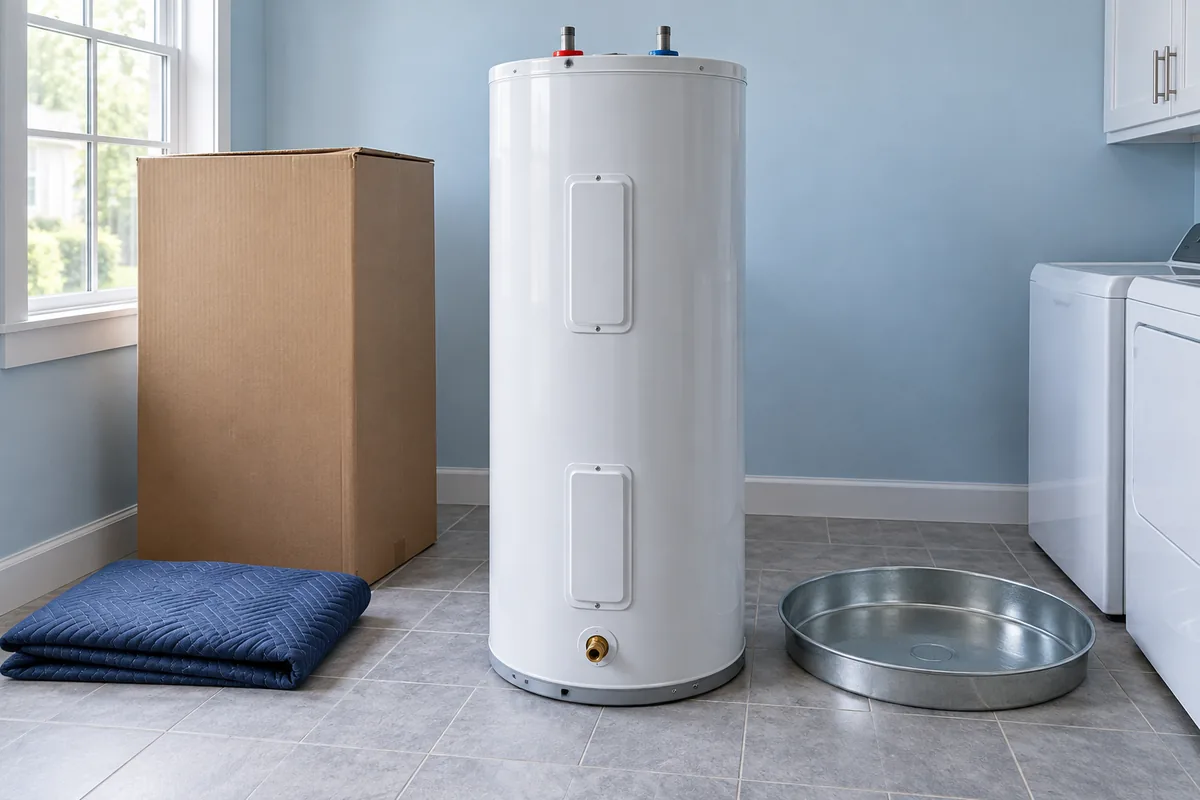
A storage heater can collect sediment in the tank. Flushing aims to carry out deposits through the process suited to the unit. Its condition and the material present affect the result. The work cannot promise to remove every deposit.
Tankless water heaters use a different water-heating path. Their maintenance may involve descaling a heat exchanger. That work has its own connection and access needs, rather than the same tank-draining arrangement.
Whether the heater uses gas or electric heat is useful information, but the model provides more detail. Units can differ in layout and care needs. Share the model details so the procedure matches the actual design.
Maintenance does not replace a failed heating element or repair every valve. Those tasks address components, while flushing addresses deposits. If more than one need applies, the work description should show the distinction.
Current Water Heater Faults During a Renovation
A heater may develop a leak, display an error or lose heat while other plans are still undecided. Report the current issue rather than treating it as something an eventual project will automatically resolve. Choose the first task for the unit’s current state.
Water heater repair in Sherwood addresses an operating fault. A flush is not the right remedy merely because maintenance is convenient at that stage of the project. Findings should support the proposed work.
If you run out of hot water sooner, explain the change in use as well as equipment behavior. Temporary occupancy or a different routine may affect demand. That context does not prove a deposit problem, and flushing does not increase rated capacity.
Share visible messages and symptoms without taking the heater apart. We assess the cause before recommending maintenance or repair.
Maintenance for Retained or Soon-to-Be-Replaced Heaters
If you will keep the heater, its care still depends on the model and condition. Share known maintenance dates and current performance so the service discussion stays specific.
If replacement is confirmed, discuss whether maintenance serves a useful purpose during the remaining use. If it is only an option, it does not authorize removing, relocating or reconnecting the heater.
Separate Heater Relocation and Installation Work
Water heater installation in Sherwood covers an equipment change or new arrangement. Relocation needs its own plan and agreement; it is not included automatically in a care visit.
A new location can raise different questions about equipment fit, connections and service access. Those belong in the installation discussion. Good access in the old space does not prove that a new spot suits the heater.
A planned installation estimate visit is free. Diagnosing an existing fault is a separate service need; mention both when arranging the visit.
Service Access During Other Property Work
Describe firm access dates and any project phase that may restrict the room or service points. Mark uncertain arrangements as such so the visit can be planned around the actual space.
The work needs room at the service points and a way to handle water during the process. A clear doorway is only part of that review. The plan should account for the actual equipment and nearby work area.
Do not drain the heater or disconnect piping before service. Describe the space, access contacts and any nearby work that could affect the visit; equipment preparation is part of the agreed procedure.
Hot-Water Interruption, Reheating and Added Repairs
The heater may need to pause normal operation for maintenance. Explain who still relies on it while the property work continues. A shared project schedule should account for hot-water needs as well as physical access to the unit.
A storage heater can also need reheating time after maintenance. The end of the physical task does not always mean full hot-water supply at once. Discuss return to use against the actual equipment and procedure.
If findings indicate additional repair or connection work, we explain the revised scope, price and timing before proceeding. Identify who can approve changes if another person will provide entry.
Completed Maintenance and the Next Service Interval
Keep the unit, service date and completed tasks, including separate repairs or connection changes. A replacement heater needs its own service history.
If the unit stays, discuss the next interval from its requirements, use, water conditions and findings. A construction timeline is not a maintenance schedule by itself. The care plan still needs to fit the heater.
Contact HVAC & Appliance Repair Guys to request water heater flushing in Sherwood. Share the heater type, current condition and any confirmed renovation or replacement plans.
Frequently Asked Questions
Should I mention a replacement idea that is still undecided?
Yes. Explain it as an option so it does not become an assumed instruction in the maintenance scope.
Should I maintain a heater already scheduled for replacement?
Discuss the purpose of the task during the remaining use. The decision should fit the condition and confirmed project plan.
Request Water Heater Flushing in Sherwood, OR
For water heater flushing in Sherwood, OR, call HVAC & Appliance Repair Guys or submit a service request through the form on this page.