



Water Heater Flushing in Newberg
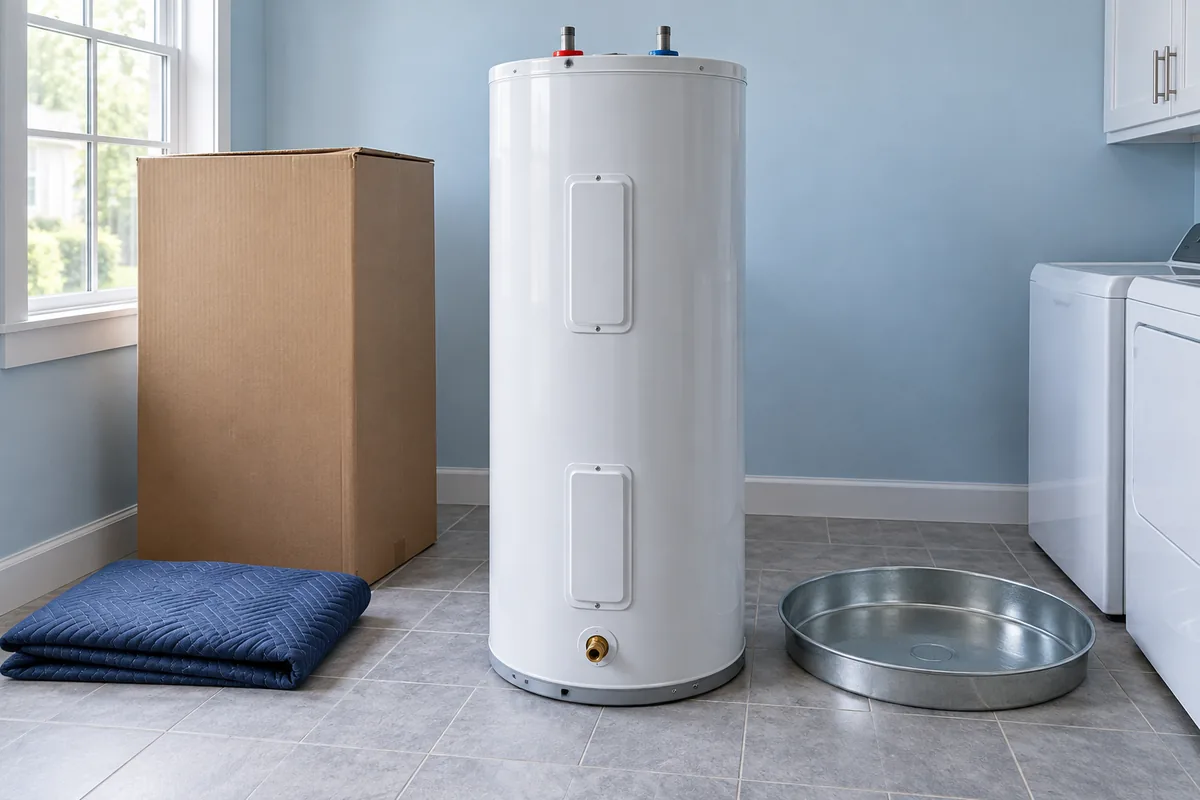
HVAC & Appliance Repair Guys provides water heater flushing in Newberg, with deposit-removal care matched to the current unit and its condition. A storage-tank flush carries out removable sediment; tankless equipment may need model-appropriate descaling. Today’s operating symptoms determine whether maintenance or another assessment is needed.
Maintenance and Fault Assessment
Water heater repair in Newberg addresses an operating fault. Explain the current concern before treating another flush as the right service.
Storage-tank flushing and tankless descaling also differ. The actual model and its service connections help define the work. A procedure recorded for earlier equipment may not suit a different heater now in place.
Flushing does not prove the unit has no remaining deposits or guarantee its future lifespan. It also does not decide whether replacement is necessary. Any larger equipment decision should follow the condition and purpose of the proposed project.
Previous Work and Current Symptoms
Share what the earlier record confirms, distinguishing component replacement from flushing. A missing detail does not establish a fault or neglect.
Say whether normal hot water returned after the service and how long that result lasted. If the same complaint remained from the start, make that clear. Repeating the earlier procedure should not become the automatic answer to a continuing fault.
A new symptom deserves its own date and description. A leak, error or loss of heat can arise after a visit that addressed a different need. The sequence helps keep the completed task distinct from the reason you need service now.
Use observations from normal use. You do not need to run faulty equipment or change controls to recreate an event. Share visible messages and the pattern you already know.
Maintenance Scope, Price and Access
The new proposal identifies the maintenance, any separate repair and the price. Compare its included tasks with the earlier invoice rather than assuming both visits cover the same work.
Describe access to the heater and any limits on the space. Plan for a pause in normal hot-water use. There is no need to drain the unit in advance; its preparation belongs in the agreed service process.
Retain the new date, model and completed tasks with any ongoing concern identified separately. Those findings give future service a clearer starting point.
Frequently Asked Questions
Is a partial maintenance record useful?
Yes. State what it documents and keep missing details unknown.
Does an earlier flush prove there is no sediment now?
No. A past task does not certify today’s internal condition.
Request Water Heater Flushing in Newberg, OR
Contact HVAC & Appliance Repair Guys to request water heater flushing in Newberg and explain the current condition and any earlier maintenance or repair.
For water heater flushing in Newberg, OR, call HVAC & Appliance Repair Guys or submit a service request through the form on this page.