



Water Heater Flushing in Salem
HVAC & Appliance Repair Guys provides water heater flushing in Salem to address removable deposits through the process suited to the equipment. We review the model, current condition and maintenance history. If slower recovery or shorter hot-water supply prompted your request, describe that pattern before assuming flushing will resolve it.
Note when the concern began and whether normal use increased or stayed the same. More demand and less usable hot water under an unchanged routine are different patterns; neither account establishes sediment as the cause without findings about the unit.
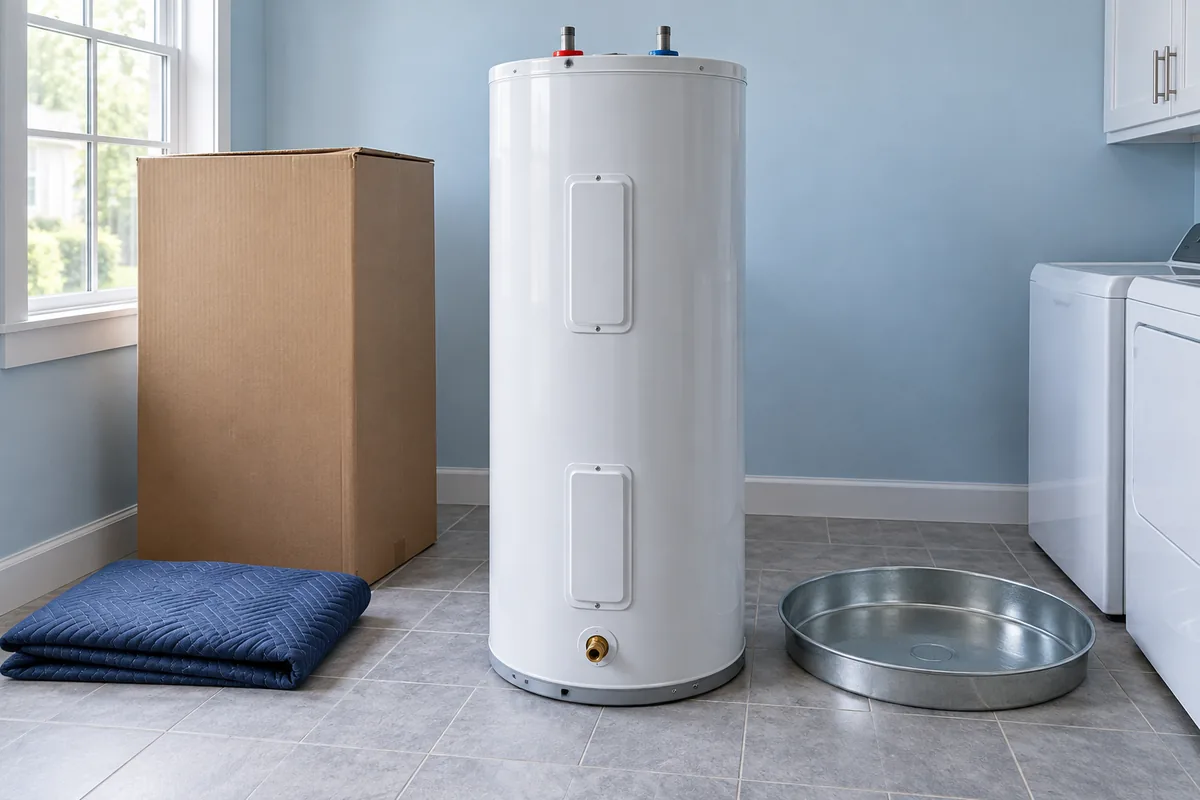
What Water Heater Flushing Can Address
Sediment buildup in a storage tank can be relevant to maintenance. Flushing aims to carry out deposits through the process suited to that unit. It does not change the rated capacity or promise a particular reduction in energy bills.
A tankless water heater uses a different heating path and may need descaling. The model and service connections help define the applicable procedure.
Maintenance also does not restore a damaged tank or replace a faulty component. A new leak, error or loss of heat needs its own explanation. Report those concerns alongside the change in hot-water performance.
Waiting at a Tap and Running Out of Hot Water
Waiting longer for hot water at a distant tap is not the same complaint as running out sooner during a shower. Water already in the supply route can affect arrival at the fixture. A reduced supply during use concerns a different pattern.
Explain whether the change affects one outlet or several. Include whether the water starts hot and then cools, or takes longer to become hot at all. You do not need to identify the cause to describe these differences.
Use observations from ordinary use. There is no need to change controls or run faulty equipment to create a test. A clear account helps avoid choosing tank maintenance as the assumed answer to every delay at a fixture.
Maintenance, Repair and Replacement
Water heater repair in Salem addresses an operating fault. Water heater replacement in Salem concerns a different equipment decision. Flushing has its own maintenance purpose, so the proposed task needs a clear reason.
Keep any possible equipment change separate from the current visit. A maintenance request does not authorize replacement. Discuss the findings and the purpose of another project before adding it to the plan.
Access and the pause in hot-water use need practical arrangements. A storage unit can require reheating after maintenance, so full hot-water supply may not return as soon as the physical work ends.
Completed Maintenance and Remaining Supply Concerns
Keep the maintenance task and date with the equipment record. Any continuing recovery or supply concern should remain identified separately, with further work based on current findings and use.
Frequently Asked Questions
Can flushing promise a specific energy saving?
No. A maintenance appointment does not establish a fixed saving for the actual unit and use.
Is slower recovery worth reporting?
Yes. Explain when it changed and the ordinary use during which you notice it.
Should an operating fault be in the initial request?
Yes. It may change the first service needed before routine maintenance.
Request Water Heater Flushing in Salem, OR
Contact HVAC & Appliance Repair Guys to request water heater flushing in Salem and describe the model and any change in recovery or hot-water supply.
For water heater flushing in Salem, OR, call HVAC & Appliance Repair Guys or submit a service request through the form on this page.