



Water Heater Installation in Salem
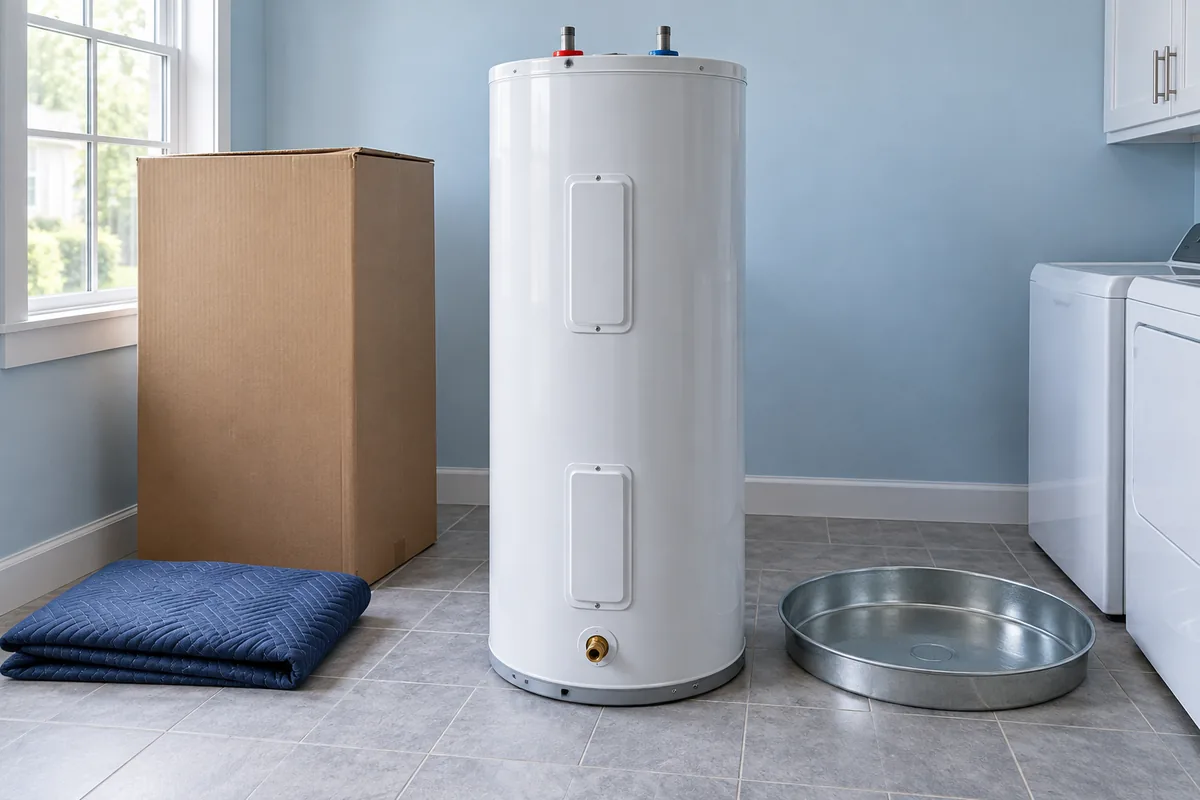
HVAC & Appliance Repair Guys provides water heater installation in Salem. We review hot-water demand, the selected equipment, location and connections before confirming an installation date. A preferred day remains a request until the work and arrangements are confirmed.
If the request follows a sudden loss of hot water, describe that fault separately. Water heater repair in Salem concerns the current problem. A planned replacement estimate describes new equipment and its installation. The two services answer different questions.
The replacement should suit the intended routine, including uses that overlap. Its dimensions and connections also need to fit the area. A similar tank capacity can still mean a different practical setup. We review those details before confirming the installation plan.
Current Faults and Replacement Goals
A sudden failure can make prompt help important, but it does not identify the right replacement. Explain whether water stays cold, cools early or appears near the unit. Include which outlets show the change. Those details help frame a fault assessment before a new purchase becomes the assumed answer.
If you want replacement, tell us whether the goal is to restore earlier performance, support more use or move the equipment. These goals can require different equipment or installation work.
Keep a separate fixture concern visible in the request. A cold tap in one room may raise different questions from lost heat throughout the property. New equipment does not automatically address every issue in the water route. Each reported problem should have a clear place in the proposed work.
Describe how the loss of hot water affects use of the property. We can discuss the request with that context while keeping timing realistic. The model, site and agreed task still matter. An urgent need does not remove the need to confirm equipment and connections.
Selected Models, Capacity and Energy Connections
If you have a model in mind, share its exact details and whether you have bought it. Similar-looking units can have different site requirements. We need to review the actual selection with the installation area. A brand name or tank size alone does not establish the work.
If you are still choosing, describe the busiest hot-water period and overlapping activities. For storage equipment, tank volume and recovery rate both affect supply. Include firm changes in routine so output has a practical basis rather than choosing size from a current fault alone.
For a tankless option, review simultaneous flow and the temperature rise the model must provide. It still has output limits and may need different connections from the old heater. Compare that complete scope with a storage unit before using the equipment choice to plan the work date.
A change in energy source can require different gas, electrical or other connections. We review the existing setup against the selected model before defining the work. If gas-supply piping work is needed, discuss gas line services and confirm whether it is included in the installation proposal.
Removal Routes, Relocation and Working Access
Name the room containing the current unit and the route used to reach it. Include locked areas, narrow turns or stored items that limit access. The final location and the route to it are different parts of the plan. Both can affect removal and placement.
If you want the heater elsewhere, identify that position before confirming the project. A move can change pipe routes, energy connections and access. It needs review with the selected model. A preferred location is not proof that the same work or timing will apply.
Leave the old unit and its connections intact while arranging the estimate. You do not need to open finished surfaces or remove an enclosure to prepare for an undefined task. Describe what is there now. We discuss the access work the actual project needs.
Equipment Availability and Installation Scheduling
Share your preferred time window and equipment-room access. Installation availability depends on the selected unit and actual work; additional tasks may need different access or timing.
Tell us about any model or location change before relying on earlier arrangements. We review how it affects the installation work and schedule.
Installation Estimates, Diagnosis and Terms
Planned installation estimates are free. The proposal should identify equipment, removal, placement and connection tasks. Review any added access or surrounding work as well. A complete scope lets you see what the installation price covers beyond the new unit itself.
Fault diagnosis or testing of the existing heater is a separate service from a free planned installation estimate. Specify both when an existing problem also needs assessment.
Ask about the terms for the selected equipment and installation work. If another finding changes the task, we explain the revised scope and price before proceeding. The person responsible for the decision should receive that explanation. Entry permission alone does not approve every added item.
Start-Up Checks, Controls and Care
After the agreed work, we check the relevant operation and connections. We explain the new unit’s basic use and care needs. Keep the model and completed work details. If normal use falls short, describe the outlets and timing so the follow-up can relate to the planned result.
Contact HVAC & Appliance Repair Guys to request a free planned water heater installation estimate in Salem. Share your hot-water needs, chosen model if any and preferred time window; scheduling requires confirmation.
Frequently Asked Questions
What should I provide when requesting a replacement estimate?
Share the current location, hot-water routine and result you want. If you have selected a unit, provide the exact model and say whether you have bought it.
Does a sudden failure decide the replacement model?
The replacement still needs to suit the intended use and installation arrangement.
Can we confirm the complete installation while the model is still undecided?
The model affects the work and site needs. Keep that choice open in the plan until we can review the selected equipment and define the installation scope.
Request Water Heater Installation in Salem, OR
For water heater installation in Salem, OR, call HVAC & Appliance Repair Guys or submit a service request through the form on this page.