

Water Heater Flushing in Troutdale
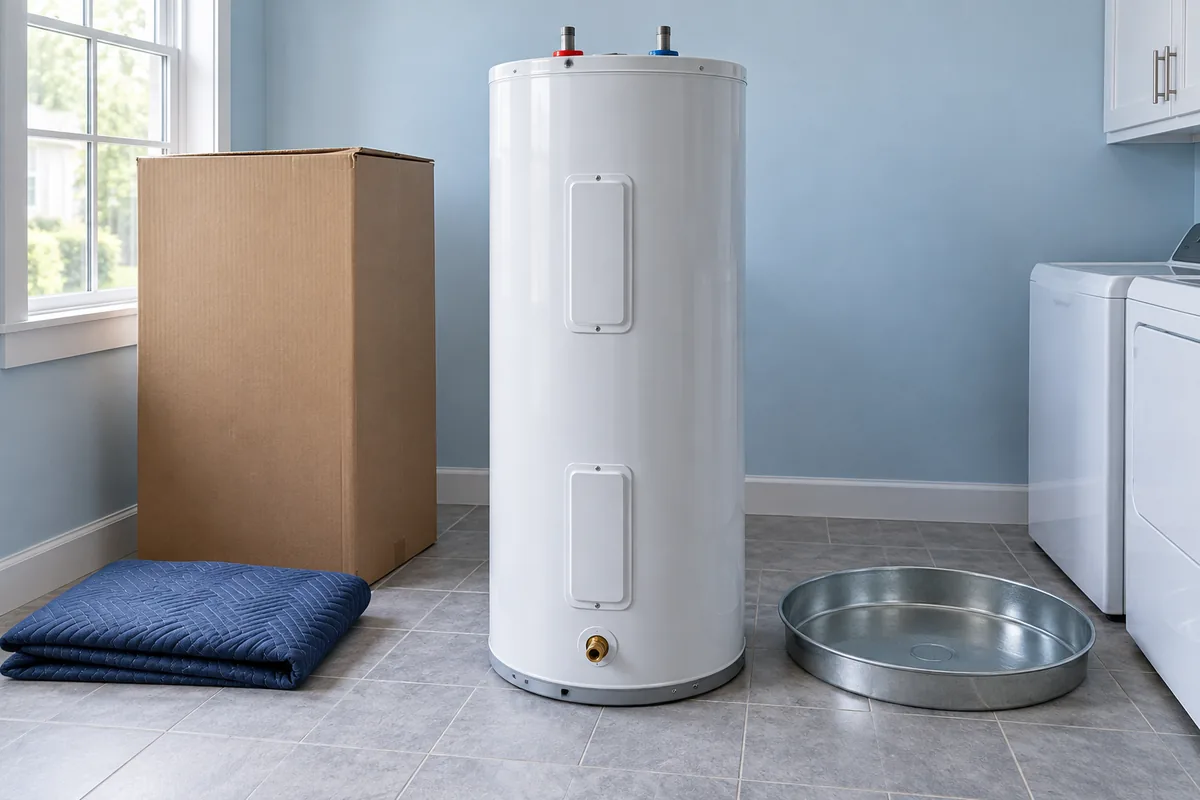
HVAC & Appliance Repair Guys provides water heater flushing in Troutdale to address deposits through the procedure suited to the equipment. The flushing process depends on the heater design: a storage-tank flush carries out removable sediment, while tankless equipment may need model-appropriate descaling. We review the model, current condition and service access before defining the work.
Current Faults and Water Heater Repairs
If the heater is not producing hot water, tell us when scheduling. Water heater repair in Troutdale may be needed before maintenance; we review the condition before recommending the first task.
Likewise, report a visible leak or display message at the start. Give the location or exact code without trying to identify the faulty part. Those observations can change the purpose of the visit and the work needed beyond flushing.
Flushing targets deposits through the applicable process. It does not seal a damaged tank or replace a failed component. Any separate repair needs an explanation rather than automatic inclusion under the maintenance booking.
Hot-Water Interruption and Reheating Time
A storage unit may need time to heat its water again after maintenance. The end of the physical task does not always mean a full hot supply is ready. That return to use depends on the equipment and conditions.
A tankless water heater has a different heating arrangement. It does not share the same storage-tank recovery process. The service and return-to-operation plan should fit the model rather than use one assumption for both designs.
Explain the known areas served and any essential hot-water needs when discussing interruption and reheating time. An available appointment window does not establish the task duration or guarantee hot water throughout the visit. Share the confirmed arrangements with everyone who relies on the heater.
Service Access and Equipment Preparation
Tell us where the heater sits and who can provide entry to the area. A locked room, limited access hours or shared use of the space can affect the arrangements. The work needs practical access at the service points, not just a view of the unit.
Have the model and known maintenance history available if you can. The equipment type and existing connections help define the process. Missing dates can remain unknown instead of becoming guesses in the request.
Do not drain or disconnect the heater or operate unfamiliar valves or controls before service. Share access arrangements and leave equipment preparation to the agreed procedure.
Included Maintenance and Additional Work
The agreement should identify the maintenance and any other included tasks. Parts or connection changes can add different work. If new findings affect the plan, review the scope and its effect on arrangements before approving the addition.
If the attending person cannot approve additional work, identify the decision-maker and how to reach them. Share the agreed use limits with occupants who rely on the heater.
Connection Checks, Return to Use and Future Care
After maintenance, the relevant connections and operation need checks suited to the heater’s design as it returns to service. Review any continuing fault or separate task.
Keep the completed maintenance and any remaining symptom distinct in the record. Further work should follow the current pattern and findings rather than automatically repeat the flush.
Keep the model, date and completed maintenance for future care. The next interval and visit duration should fit this heater’s requirements and use.
Contact HVAC & Appliance Repair Guys to request water heater flushing in Troutdale. Describe the heater, any current fault and the access or hot-water-use limits for the visit.
Frequently Asked Questions
Should I mention restricted appointment hours?
Yes. Confirm arrangements against both access limits and the service needed.
Should I drain the heater to shorten the appointment?
No. Leave equipment preparation within the agreed service process.
Request Water Heater Flushing in Troutdale, OR
For water heater flushing in Troutdale, OR, call HVAC & Appliance Repair Guys or submit a service request through the form on this page.