



Pipe Repair and Water-Service Interruptions in Hubbard
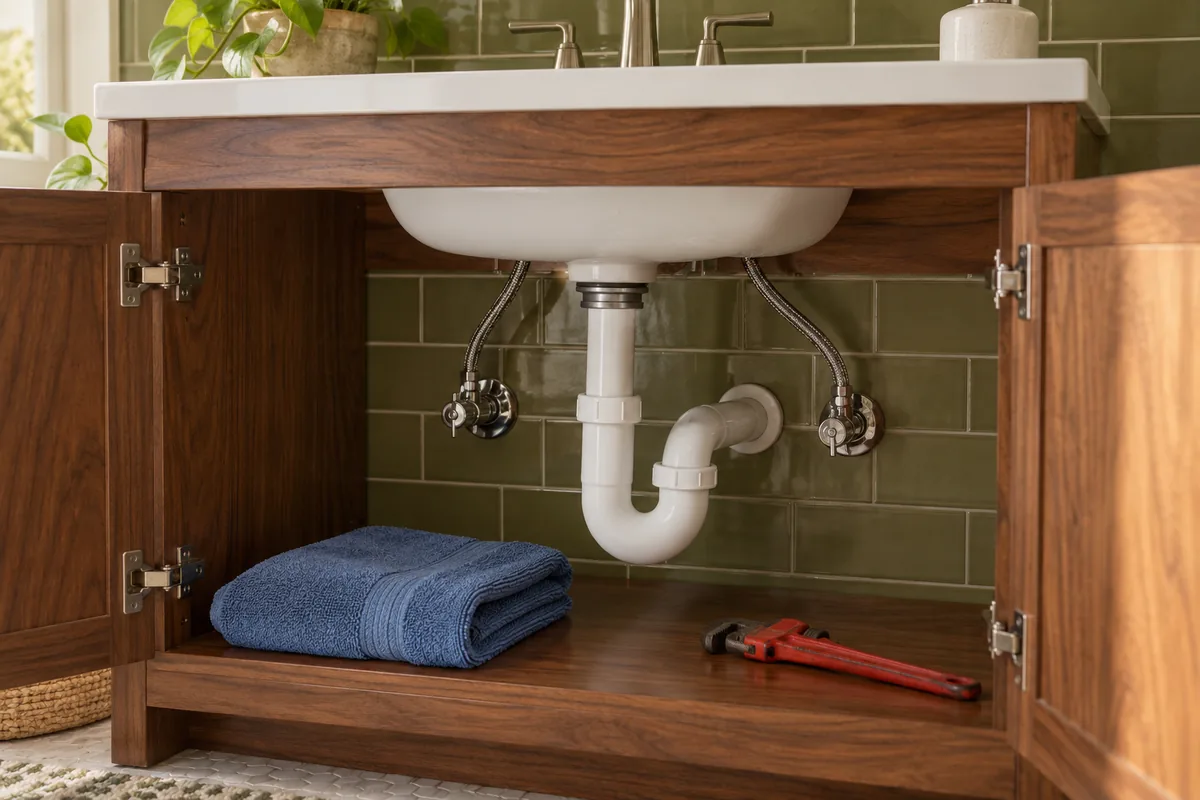
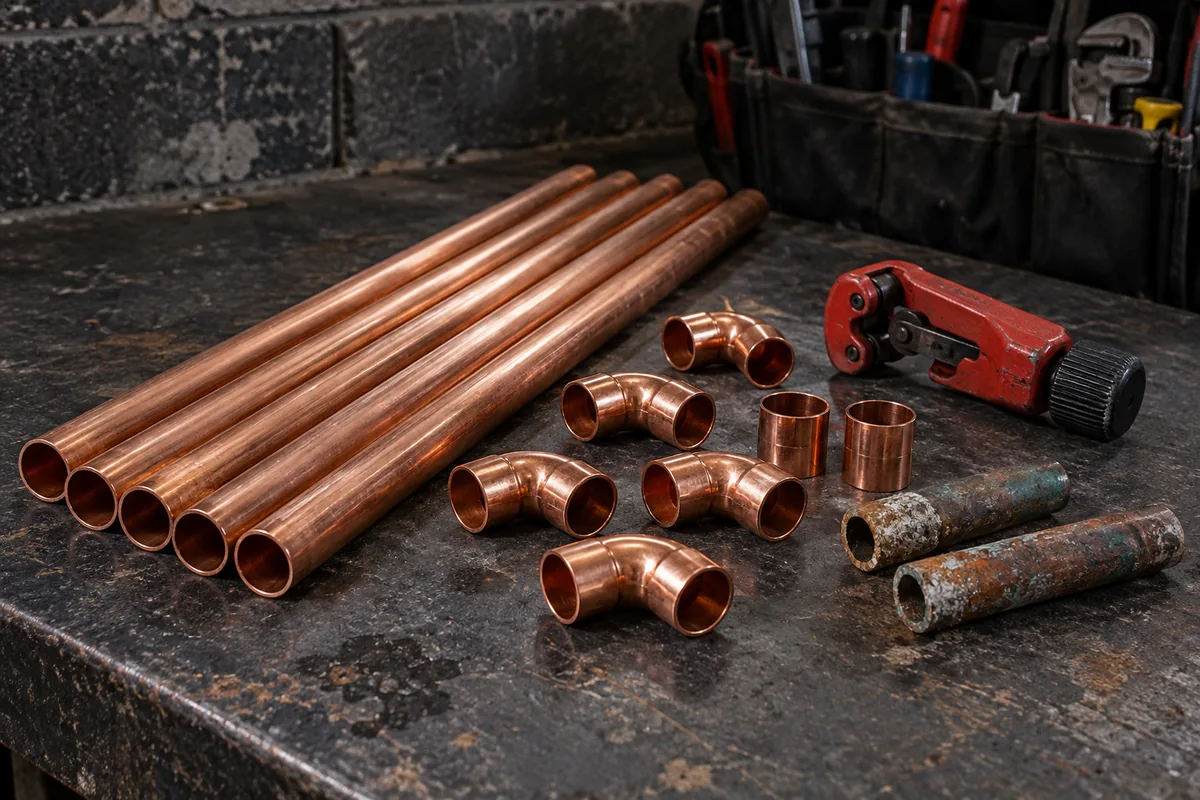
HVAC & Appliance Repair Guys repairs leaking or damaged pipe sections in Hubbard. The affected line, its connections and usable shutoffs determine the repair plan and which fixtures may temporarily lose water.
A nearby valve may serve one fixture, several outlets or a different part of the system than you expect. Its presence alone does not establish what can stay in use during the repair. Do not force an unfamiliar valve as a preparation step. Explain what you know about it and leave uncertain details for the assessment.
The Current Leak and Any Shutoff Already Used
Say whether water is still escaping or whether someone has already stopped the flow. If a shutoff changed the symptom, identify its location as clearly as you can. Do not reopen it simply to demonstrate the leak. That history can help the plumber distinguish the current condition from the event that prompted the call.
When the source remains uncertain, leak detection in Hubbard can help locate it before repair. The affected section helps determine which rooms or fixtures may temporarily lose water; a wet area alone does not identify every connection needing work.
Access and Household Water Needs
Identify access to the repair area and the relevant shutoff, including locked rooms or cabinets and any unsafe route.
Explain household water-use needs before the visit. The defect, access and valve condition determine the expected sequence, so do not rely on an exact interruption window before assessment.
Valve Condition and Any Separate Valve Work
If the valve cannot isolate the repair area as planned, that is a separate finding. The proposal should explain any valve work and its effect on the interruption.
Pipe repair does not automatically replace nearby valves. The included components should follow the repair’s actual requirements.
Repair Boundaries and the Shutoff Area
A shutoff can affect more fixtures than the small section being repaired. The proposal should distinguish the repair boundary from the area temporarily without water.
Repiping in Hubbard involves a broader supply-piping project when the condition and findings support one. That scope may have a different sequence and interruption plan. Compare the included lines and access needs before treating a local repair and a wider replacement as equivalent options.
Completion Checks and Return to Use
The affected plumbing needs a relevant completion check. Ask what was checked, which fixtures can return to use and whether a separate concern remains; restored flow alone does not settle every repair question.
Review the repaired section, any included valve work and finish restoration still needed after water use resumes.
Contact HVAC & Appliance Repair Guys to request pipe repair in Hubbard and discuss the leak, any shutoff already used and household water needs.
Frequently Asked Questions
Can you promise the exact interruption length before seeing the pipe?
A reliable plan depends on the defect, access and usable shutoffs. Discuss scheduling needs early, then confirm the expected sequence once those details are clear.
Request Pipe Repair in Hubbard, OR
For pipe repair in Hubbard, OR, call HVAC & Appliance Repair Guys or submit a service request through the form on this page.