



Pipe Repair for Active and Intermittent Leaks in Clackamas
HVAC & Appliance Repair Guys repairs leaking pipe joints and sections in Clackamas. The source and affected line guide the work, whether water is still escaping or the leak stopped after a shutoff or change in fixture use.
A quiet pipe is not proof of a sound pipe. A drain connection may release water only while a fixture empties. A supply leak may stop after someone shuts off that line.
Explain what changed before the water stopped, including any shutoff or change in use. Leave that change in place until the repair assessment explains what should happen next.
Active Water, Old Marks and an Uncertain Source
Report the first drip, any spreading moisture and the current condition. Existing photos can show changes; you do not need to touch a wet surface or open a wall to gather more detail.
Water can travel along a surface before it becomes visible, so the wet point may not be the failed connection. When the source remains unclear, leak detection in Clackamas can help locate it before repair.
Describe any access limits caused by water, stored items or damaged finishes. Do not walk through standing water or disturb a damaged surface to prepare for the visit. For a business property, see commercial plumbing and include operating hours, access arrangements and the person who can approve work.
Supply Pipe, Drain Joints and Restrictions
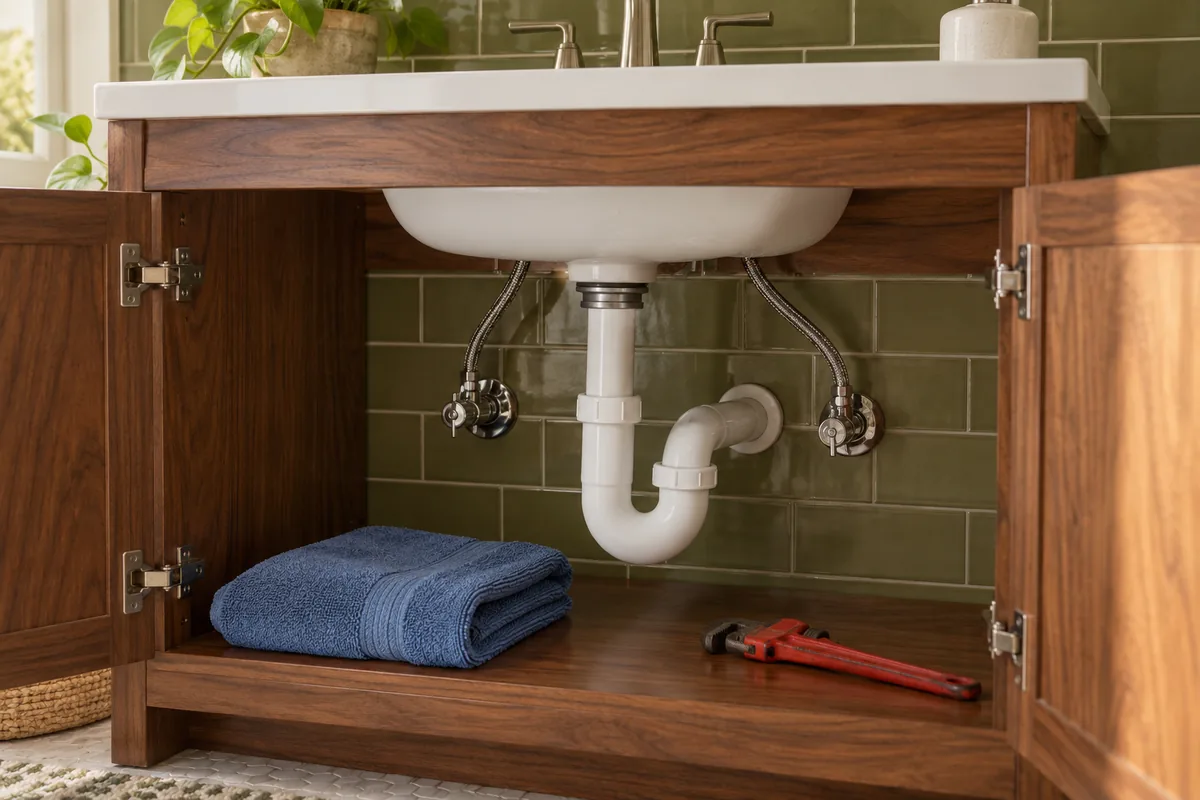
Supply lines deliver water to fixtures; drains carry used water away. Report whether the release happened during filling, draining or between uses. That pattern helps guide the assessment, while the actual pipe, connections and defect determine the repair.
Drain cleaning clears a restriction but does not close a split or repair a failed joint. If both a blockage and pipe damage are found, the proposal should explain the work for each.
Local Repair, Repiping and Surface Restoration
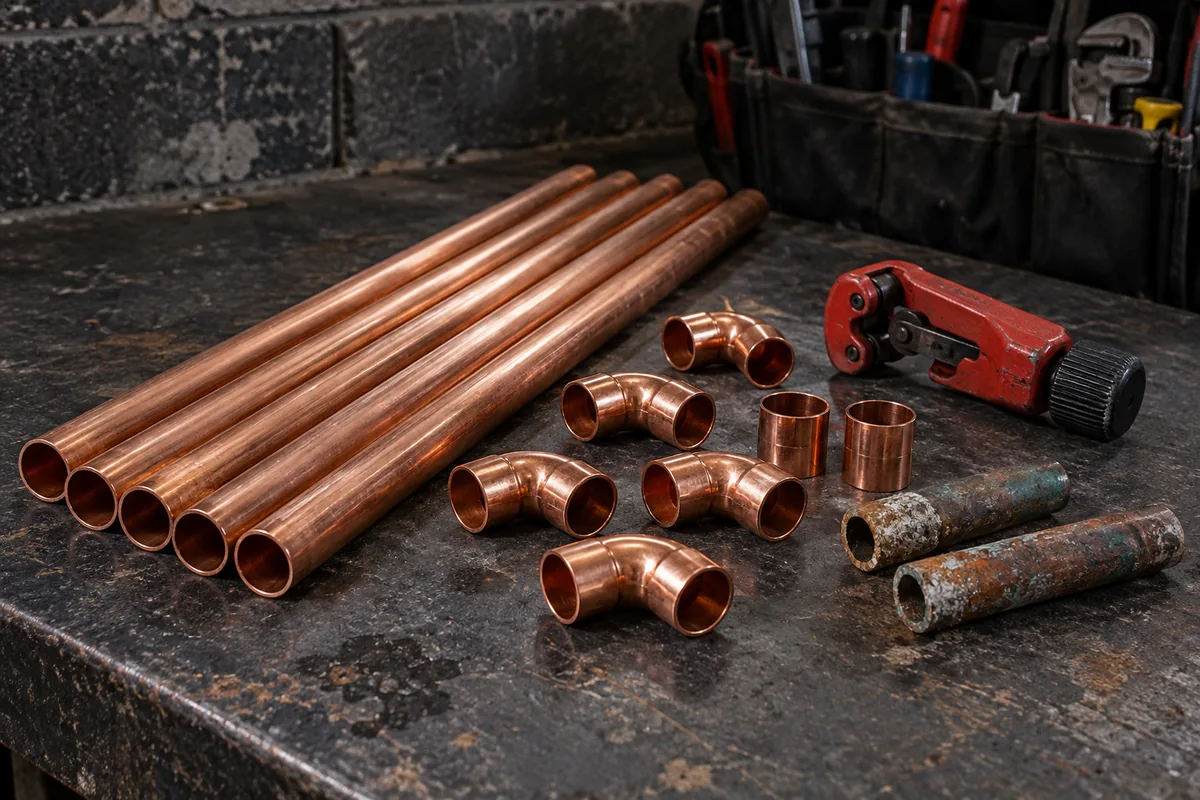
The proposed work should identify the pipe section or connection that needs attention. It should also explain what nearby piping will stay in place. One leak does not by itself establish that every line needs replacement. If findings support a wider supply-piping project, repiping in Clackamas has a different scope from a local repair.
Access can affect the job even when the defect is small. A connection behind a finish may need room for both the work and the final check. Ask which openings the plumbing task includes and how the proposal handles patching or other restoration. Repairing a pipe and restoring every surface that got wet are separate tasks unless the agreement includes both.
Completion Checks and Fresh Moisture After Repair
The final check should relate to the line that received work. A drain repair needs a relevant flow check. A supply repair needs a check of the affected connection under normal operating conditions.
An older stain may remain after a successful pipe repair. Report fresh moisture with its location and timing; earlier photos and repair details can help explain the change.
Contact HVAC & Appliance Repair Guys to request pipe repair in Clackamas and describe the leak’s current condition and any shutoff or change in fixture use.
Frequently Asked Questions
Can same-day service include all the wall repairs?
Same-day service depends on availability and the work required. Wall finishing and other restoration need their own stated scope; a plumbing visit does not automatically include them.
Should I turn the fixture on to show a stopped leak?
Do not recreate a water release for a demonstration. Describe the earlier conditions and let the plumber decide how to assess the line safely.
Request Pipe Repair in Clackamas, OR
For pipe repair in Clackamas, OR, call HVAC & Appliance Repair Guys or submit a service request through the form on this page.