



Repiping in Clackamas
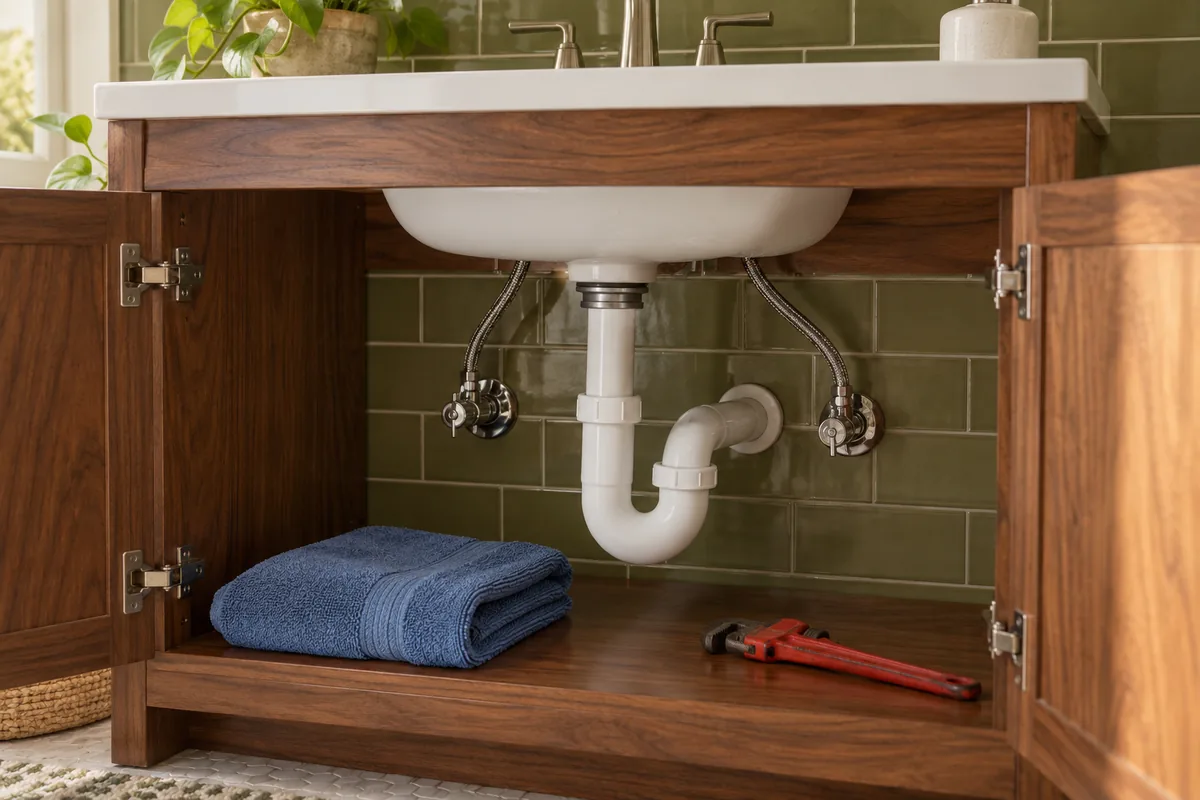
HVAC & Appliance Repair Guys provides repiping in Clackamas, replacing agreed supply branches or a wider network of water lines. The project identifies the fixtures served, hot- and cold-water routes, endpoints and connections to piping that remains.
Several fixture symptoms do not prove that the entire supply network needs replacement. A localized pipe repair may address a narrower fault. A drainage complaint concerns another system. We keep those options separate while discussing the findings.
Outlet Flow Changes and Visible Leaks
Report which outlets have reduced flow and whether the change affects hot water, cold water or both. One weak faucet raises a different question from reduced flow in several rooms.
For leakage, describe the first visible moisture and whether it continues. Water can spread beyond the source, so stain size alone cannot set the replacement extent.
Selected Supply Routes and Retained Sections
A branch serving one room and a broader home repipe need different boundaries. Each proposal should identify the selected routes and transitions to retained supply.
A project may replace hot-water branches, cold-water branches or both. We identify the selected routes and fixtures served; a problem on one side does not automatically mean both need replacement.
Include confirmed fixture additions or layout changes affecting the planned supply. Tentative future changes should remain separate from the chosen project.
Pipe Materials and Connections to the Retained System
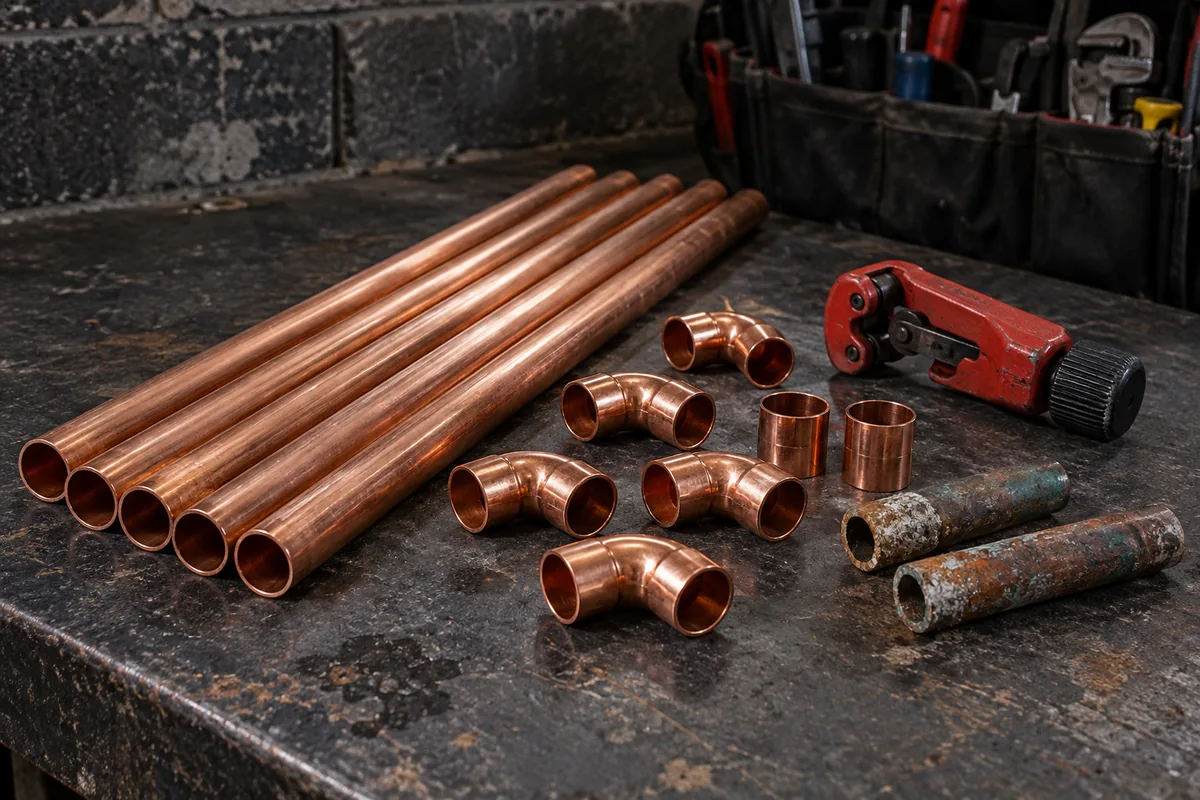
The material and connection method must fit the route and retained system. A material preference alone is not a complete replacement plan.
If a record identifies galvanized steel, keep that information tied to the section it describes. Earlier repairs may have left other materials elsewhere.
The presence of galvanized pipe alone does not decide the project extent. Its condition, route and the intended result also matter.
Share what you know about accessible sections and earlier work, leaving uncertain details open for review. There is no need to open a wall or disconnect a fitting to complete the request.
Transitions and Access
A partial project needs defined transition points and access along the selected route. Check what openings and restoration are included.
Repiping Costs and Planned Replacement Estimates
Compare costs by the runs, materials, connections and access covered. An exposed line and concealed route may require different surrounding work.
Planned replacement estimates are free. Separate work to locate an unknown fault has another purpose. Clarify which service the request covers before treating the estimate as a complete diagnosis. We explain additional findings and any proposed change in work or price before proceeding.
Water-Supply Interruptions and Completion Checks
Supply work interrupts the affected route. Discuss the fixtures involved and identify entry and approval contacts before relying on continued use elsewhere.
After replacement, we check the relevant connections and supply operation. Keep the completed runs and retained sections identifiable, and report any remaining symptom by outlet and timing.
Request a free estimate for planned repiping in Clackamas from HVAC & Appliance Repair Guys. Describe the affected outlets, selected supply areas and known access limits; identify any unknown fault that needs separate investigation.
Frequently Asked Questions
Does replacing a supply branch replace the fixture it feeds?
No. A new supply branch and a new fixture are different tasks. The proposal should name any fixture replacement that belongs in the approved work.
Request Repiping in Clackamas, OR
For repiping in Clackamas, OR, call HVAC & Appliance Repair Guys or submit a service request through the form on this page.