



Pipe Repair in Forest Grove
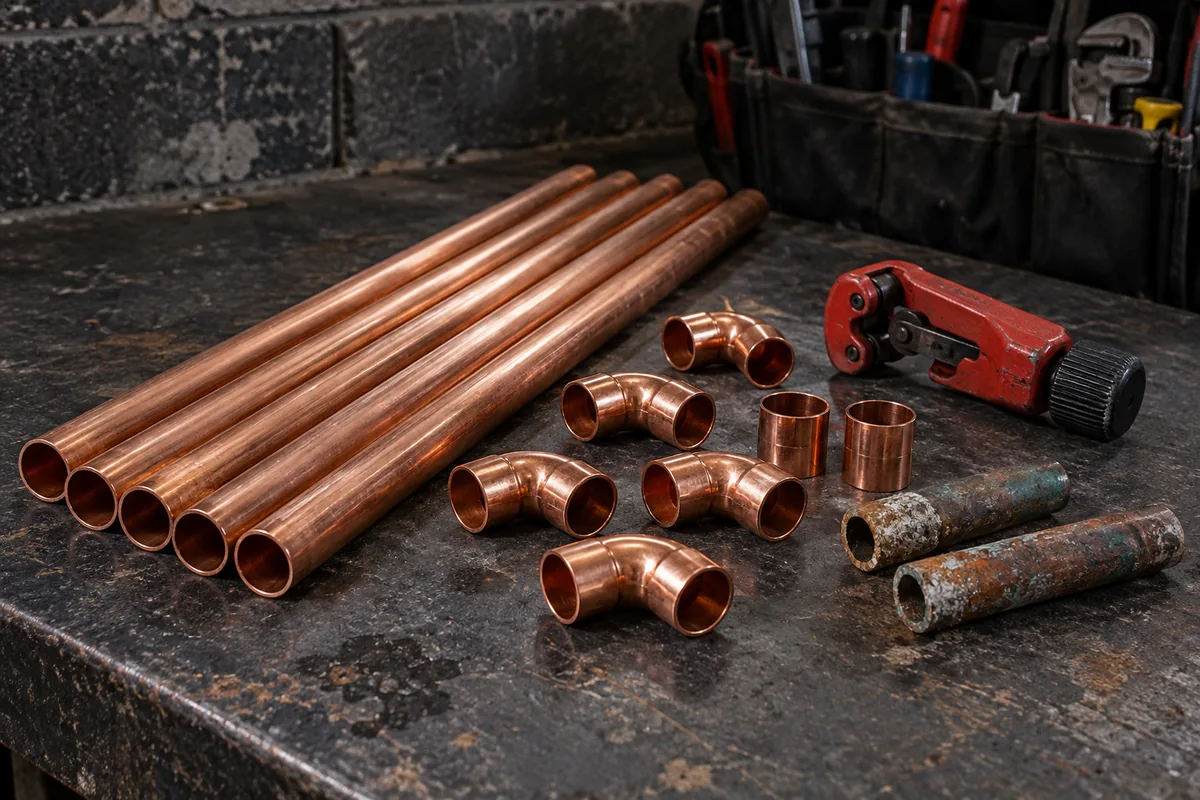
HVAC & Appliance Repair Guys repairs leaking or damaged pipe joints and sections in Forest Grove. Water beside a sink or toilet may come from connected piping or the fixture itself, so the source determines the repair.
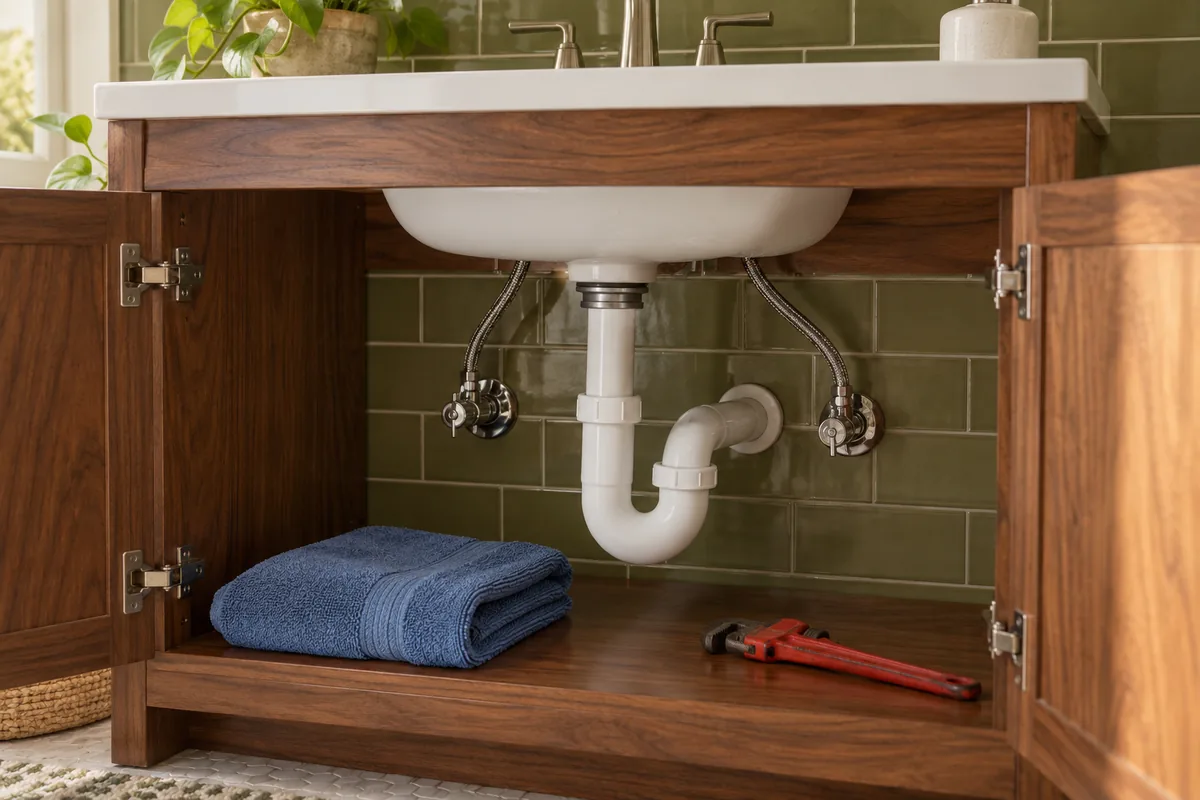
A supply connection beside a fixture and a drain connection below it have different roles. Parts inside the fixture can also release water into the same area. Each source needs its own repair approach.
Leak Timing and Nearby Fixture Problems
Note whether you first saw water while the fixture filled, while it drained or after it sat unused. Mention recent changes, such as a new drip or a wet area that has grown. These details can help frame the visit. They do not prove the exact source, and you should not run the fixture again simply to repeat the problem.
If water appears near the toilet, explain whether it is outside the fixture or whether you hear water moving inside the tank. Toilet repair in Forest Grove addresses fixture components. A damaged connected pipe needs a scope that identifies that pipe rather than assuming the whole toilet is faulty.
Leak Source and the Repair Boundary
Water can travel before it reaches the floor or cabinet base, so a wet mark below a connection may not be the source. When the source remains unclear, leak detection in Forest Grove can help locate it. Finding the source and repairing the affected pipe are separate tasks.
Ask which pipe or joint the repair covers and which connections will remain. If fixture removal is needed for access, confirm whether the existing fixture will be reinstalled or whether separate work is proposed. If findings support broader supply-pipe replacement, discuss repiping as a separate option.
Repair Access, Finish Work and Final Checks
A connection that you can see may still leave too little room for the work. The plumber needs suitable access to the repair area and space to check the result. Ask how the work will affect the cabinet, wall or fixture around that point. Finish repairs need to be clear in the agreement. For a business property, see commercial plumbing and include operating hours, access arrangements and the person who can approve work.
After the pipe work, the check should relate to the original complaint and the affected line. A supply connection and a drain connection do not operate in the same way. Ask what the check established and whether a separate fixture issue remains. This helps keep the completed plumbing repair distinct from any later work you may choose.
Contact HVAC & Appliance Repair Guys to request pipe repair in Forest Grove and describe the first wet area and the fixture in use when it appeared.
Frequently Asked Questions
Does a leak beside a toilet always mean I need a new toilet?
No. A connected pipe, a joint or a fixture component may need attention. The source finding should guide the repair choice.
Should I tighten the nearest joint before the visit?
Avoid changing a connection just because it is near the water. Describe what you see and let the assessment establish the source and suitable repair.
Can a drain clog and a leaking connection occur together?
Yes, but they remain separate concerns. Clearing a restriction does not by itself repair a damaged connection.
Request Pipe Repair in Forest Grove, OR
For pipe repair in Forest Grove, OR, call HVAC & Appliance Repair Guys or submit a service request through the form on this page.