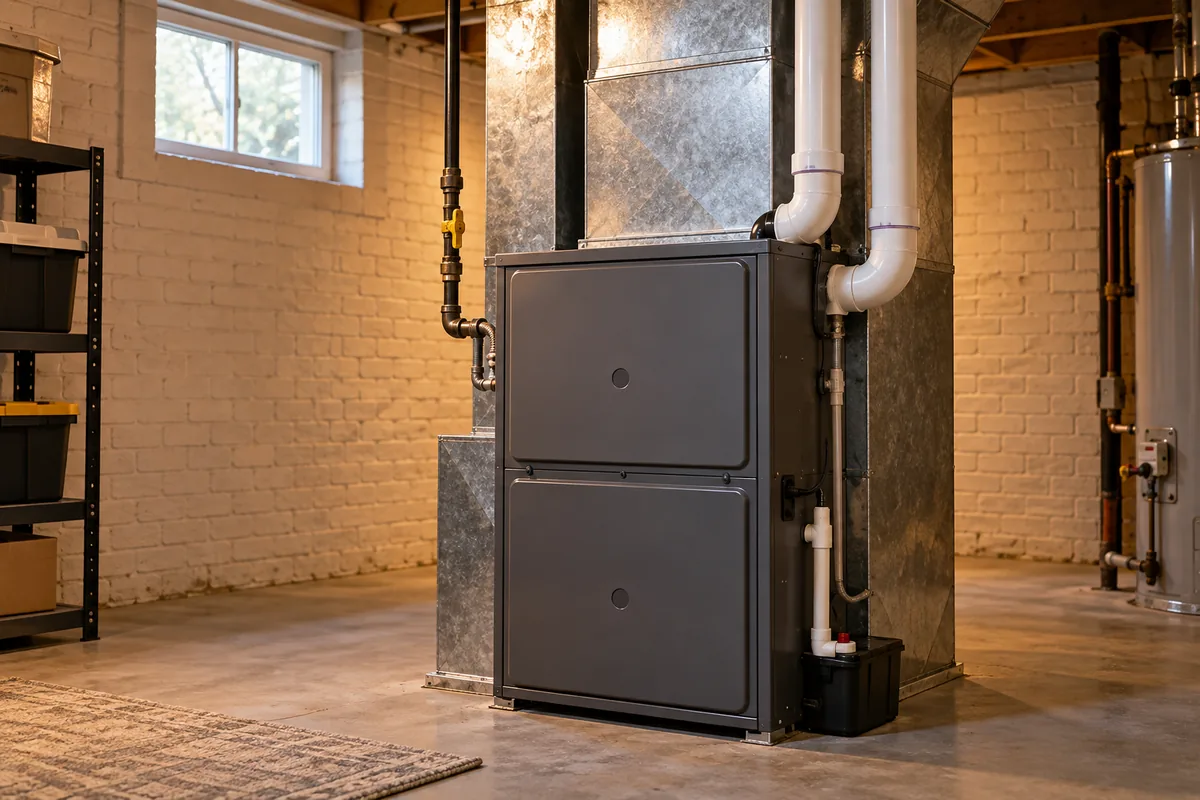


Furnace Maintenance in Lake Oswego
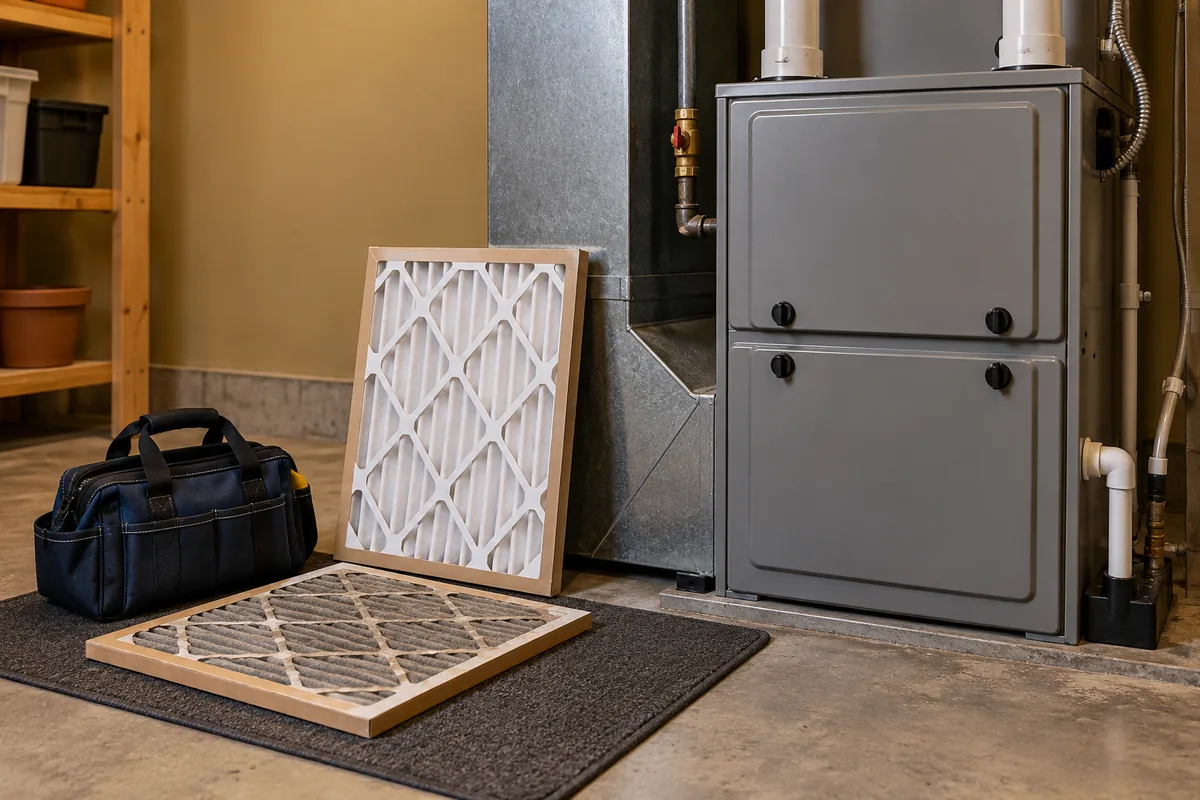
HVAC & Appliance Repair Guys provides furnace maintenance in Lake Oswego, OR. Care of the air path, blower, controls and heating components should follow the unit’s requirements and condition. A new daytime routine can reveal a room-comfort concern alongside those needs. Describe the rooms now in use and how heating responds without assuming the furnace is too small.
Longer daily use alone does not establish a need for repair or a larger replacement.
State whether the new routine has begun and whether a fault is already present. Planned upkeep and a cold room or repeated shutdown need clear descriptions.
Our furnace maintenance service addresses the installed equipment through an agreed scope. A changed household routine helps explain your concern but does not automatically justify extra work.
Heating Periods and Rooms in Use
Explain the heating periods that changed, such as daytime use in addition to morning and evening warmth. A detailed personal schedule is not needed.
Identify the room or area that now needs attention. A previously spare room may now serve as a workspace while other rooms keep the same use. Say whether the heating concern is new or was less noticeable when the room stood empty. The distinction helps separate a changed expectation from a newly observed equipment problem.
Share any normal control changes made for the new routine. Keep the requested temperature separate from the actual room reading. Mention if different people adjust the settings during the day. Several accounts can all describe real observations while referring to different times or settings.
If the new routine has not started, describe the comfort you want to achieve. You do not need a special all-day heating test before the appointment.
Furnace History and Earlier Recommendations
Share the furnace model and known care dates, keeping filter changes and repairs distinct from wider maintenance.
Leave missing dates open. The new visit can document present care without inventing the past.
Mention an air conditioner or another heating unit if it shares the setup or also needs attention. Explain which equipment the earlier records describe. A cooling visit may not establish which furnace heating tasks took place. Confirm any additional equipment in the planned appointment before counting it as part of the same service.
Bring an unresolved earlier recommendation and ask whether it still applies to the furnace’s current condition. An earlier note does not authorize new work.
Room Warmth, Airflow and Control Settings
Explain what happens in the room during ordinary use. It may warm at first and later feel cool, or it may never reach the comfort you expect. State whether that pattern affects one room or the wider home. Different patterns call for different questions even when the same furnace supplies the heat.
Keep air movement and warmth as distinct observations: air reaching a room does not describe how much heat it receives. A control display also does not establish every component’s response. These observations need to be considered alongside equipment checks.
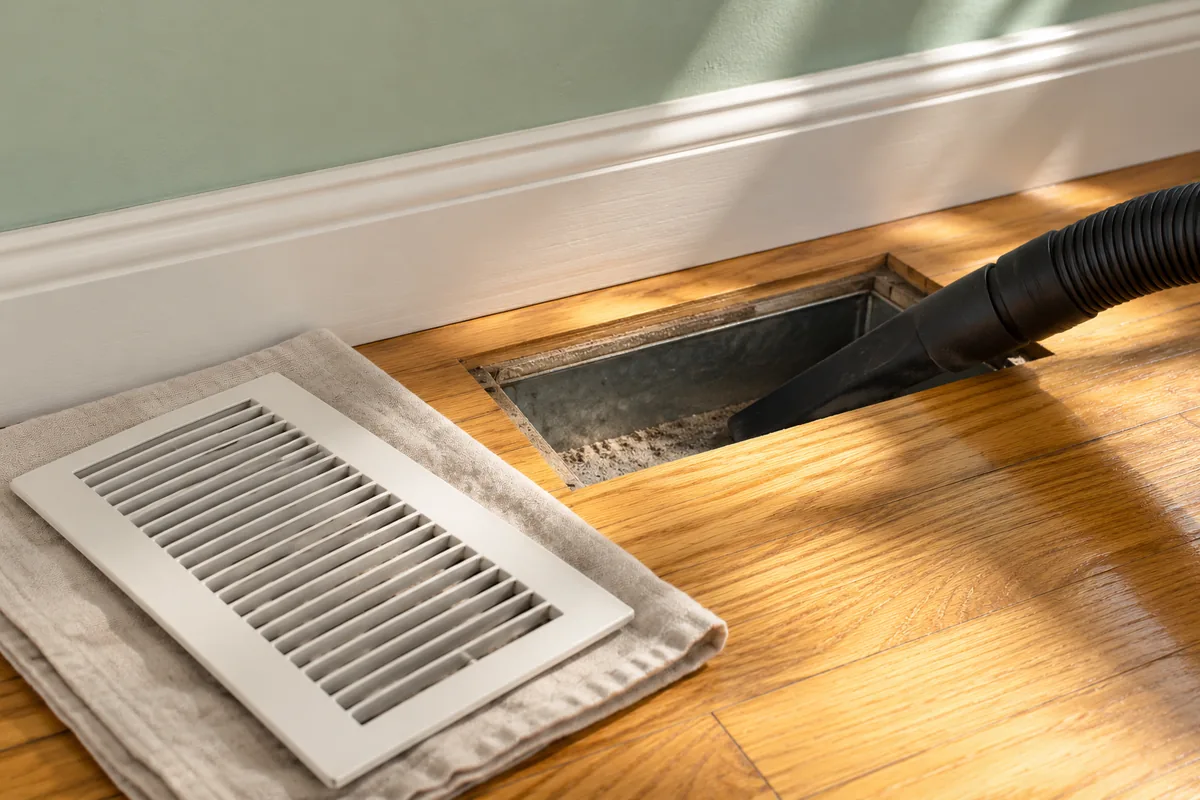
Mention any known change near a room vent or return opening, such as moved furniture, stored items or a door that now stays closed. The change may be relevant but does not establish the cause.
Leave hidden air paths, internal controls and equipment panels intact. You do not need to inspect ducts or change air distribution to prepare. Describe any adjustments you already made so the team knows the present arrangement. A useful first account can rely on normal observations and accessible records.
Included Maintenance Tasks and Price
Ask which inspections, cleaning tasks and operating checks apply to the furnace’s model and condition.
Review the care tasks and price before work starts. Any added cleaning, repair or later check needs a stated finding and separate approval.
Furnace Repair and Equipment Changes
Our furnace repair service in Lake Oswego addresses a present failure. Report lost heat, repeated stops or a new operating problem when arranging the appointment, even if you also need routine care.
A room that now needs more daily use may also raise a wider comfort question. Ask what the visit established about the furnace and what remains uncertain about the room result. Do not assume a larger unit is the answer. Equipment care and a change to the heating design are different scopes of work.
Our furnace installation service in Lake Oswego covers a separate equipment-change project. Discuss replacement when findings and heating goals support it, with the selected equipment and related work explained before approval.
Access to the Furnace and Occupied Rooms
Let the team know if someone will be working in the room involved during the visit. Identify the controls and equipment locations that the agreed work needs to reach. Discuss any locked area or route that requires another person present. Clear access to the furnace alone may not cover the room observation you want reviewed.
Discuss any interruption to normal heating when arranging the work. Its length and completion time depend on the equipment and tasks; an exact duration is not guaranteed.
Keep ordinary belongings away from an agreed access route where safe. Leave attached parts and heavy items in place unless suitable preparation has been discussed, and explain any remaining access limit.
If someone else experiences the daytime heating problem, ask them to share what they notice. Confirm who will meet the technician and who can approve the work.
Heating After Maintenance
Before the technician leaves, review the completed work and any unresolved room-comfort concern. Ask what the visit confirmed and whether further checks are needed.
Afterward, note the room pattern through normal use and the agreed settings. Describe whether the original concern improved, stayed the same or changed. Avoid several new adjustments at once if you want to explain what happened after the visit. Keep the observation focused on the heating period that first mattered.
If the concern continues, share the current room result and work record. Follow-up should address the remaining question rather than automatically repeat completed care. Contact HVAC & Appliance Repair Guys to request furnace maintenance in Lake Oswego and discuss the rooms and heating periods that concern you.
Frequently Asked Questions
Does working from home mean I need maintenance more often?
Longer daily use is useful context for the care discussion, but it does not establish one universal interval. Review the actual furnace, its care requirements and current findings. Keep a new operating problem separate from the date of the next planned visit.
Should I run the furnace all day before the appointment?
You do not need a special operating trial to make a useful request. Describe ordinary use and the concern you already know. Let the service review determine which checks suit the equipment and current conditions.
Can maintenance guarantee comfort in a newly occupied room?
Do not treat routine care as that guarantee. The visit can identify equipment needs and clarify what it checked. A remaining room concern may require separate assessment of the setup and heating goal.
Will a longer daily heating schedule prove that the furnace is inefficient?
Use alone does not establish the equipment condition or an efficiency rating. Describe the current operation and any change in comfort. Choose work from the findings rather than from an assumption based only on the length of the heating day.
Request Furnace Maintenance in Lake Oswego, OR
For furnace maintenance in Lake Oswego, OR, call HVAC & Appliance Repair Guys or submit a service request through the form on this page.