

Furnace Repair in Lake Oswego, OR
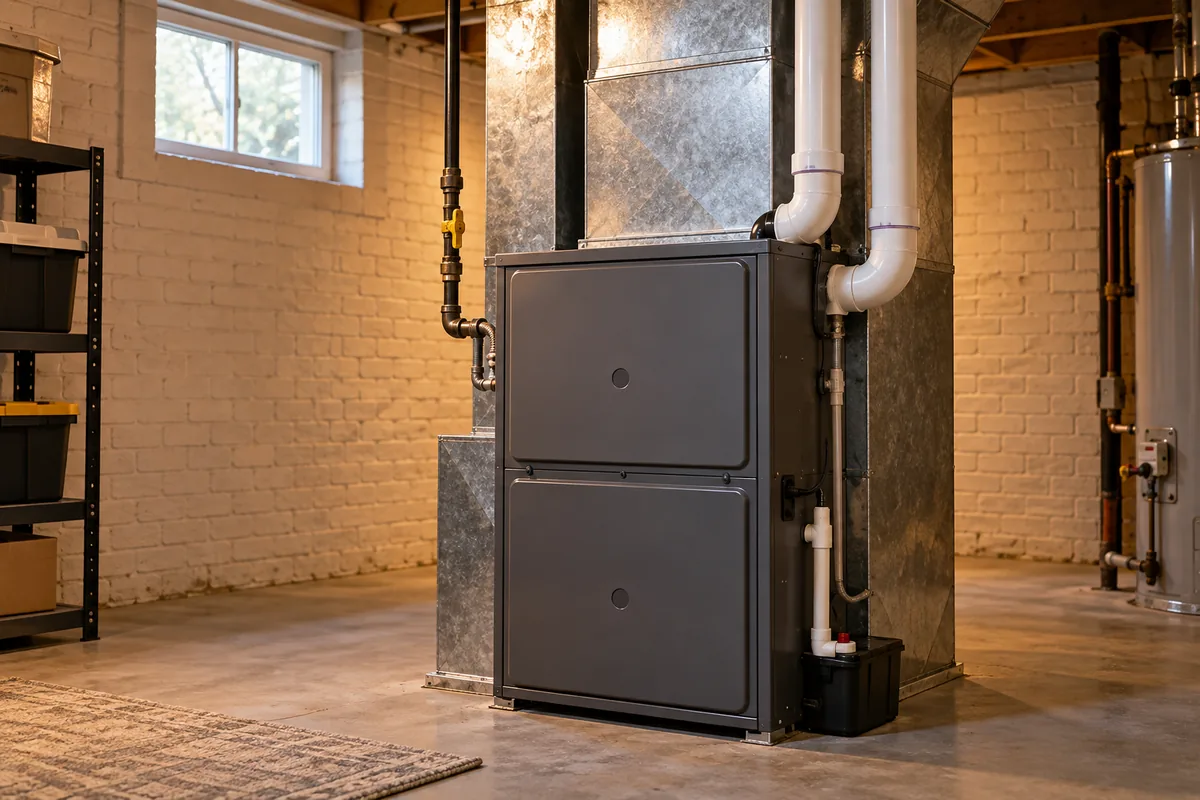
HVAC & Appliance Repair Guys provides furnace repair in Lake Oswego, OR for no heat, weak airflow and repeated stops. We assess the current fault and explain repair options. If a problem returns after earlier work, tell us what improved and what happens now; the same symptom can have a different cause.
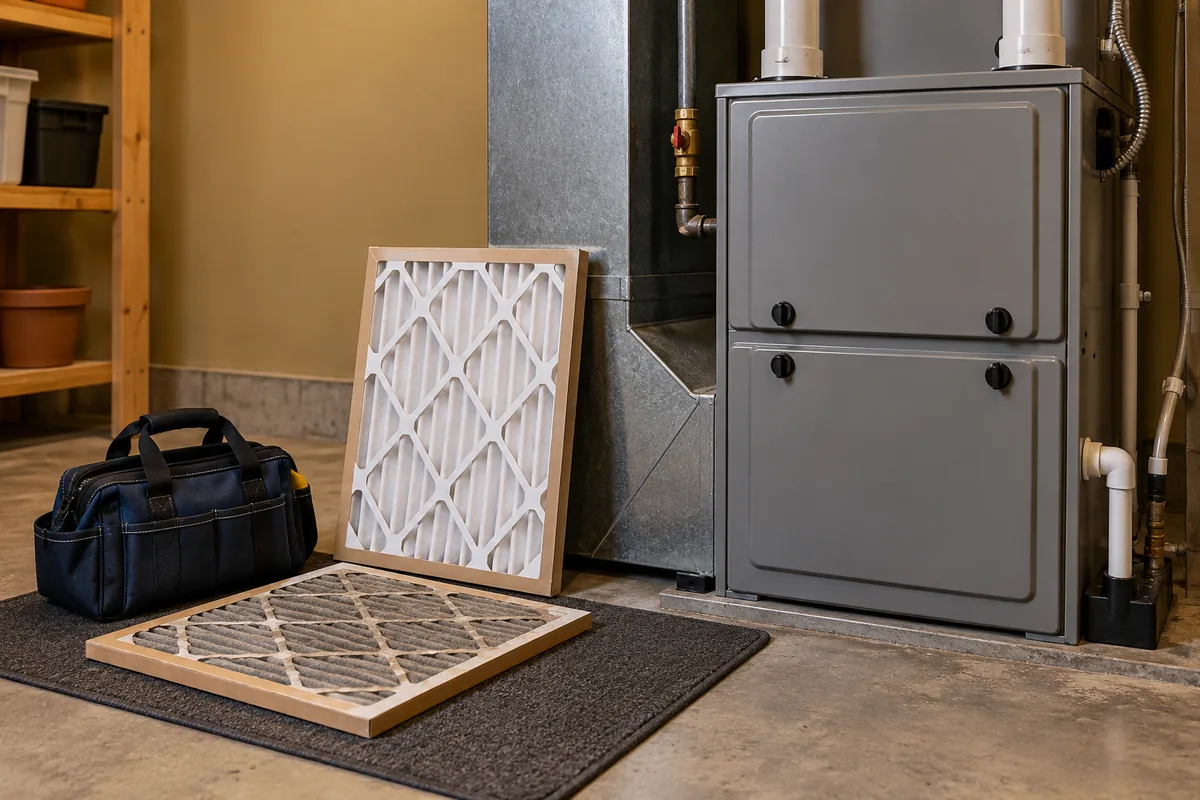
Our furnace repair service checks the heating request, furnace response and result in the rooms. Share the furnace type if known, along with any safely visible message. Gas and electric equipment have different components and startup arrangements.
Previous Repairs and Unfinished Recommendations
Keep the earlier invoice or service note available if you have it. Name the equipment, date and completed task. A part mentioned in a recommendation is different from a part the technician installed. If the record does not establish that detail, leave it open.
A prior repair may have addressed a no-start problem, airflow or a step needed before further checks. Share any unfinished recommendation with the invoice.
Cold Air, Weak Flow and Brief Heating
A running blower can circulate air without useful heat. Tell us whether heat never arrives, appears briefly and stops or falls short after a longer run. The technician checks the equipment sequence and conditions before choosing a component.
Weak flow across the home differs from one cold room. Include filter changes or a blocked return and whether similar airflow trouble occurs during cooling. Repairing a heating component alone may not correct air distribution.
Recurring Symptoms and New Heating Faults
Describe what the furnace now does when heat is requested. It may stay quiet, move cool air or stop before the rooms warm. Include a visible message exactly as shown if you already have it. These details help compare the present problem with the earlier complaint.
Explain what matches the earlier problem and what differs, such as a new sound, changed room pattern or another message. Even an identical symptom can have several possible causes; current checks guide any further parts recommendation.
Do not remove a part, change wiring or repeat resets to reproduce the earlier event. Leave safety controls and covers in place. Share the service record and normal-use observations instead.
Return Repairs, New Assessments and Applicable Terms
If this is a return request, confirm whether it completes earlier work or begins a new assessment and which terms apply.
Review the diagnosed fault, proposed repair, price and any parts or further visit before approval.
If the assessment finds several concerns, ask which explains the current failure and what each proposed task addresses. Another item may concern furnace maintenance or a separate issue.
Connected Equipment and Replacement Decisions
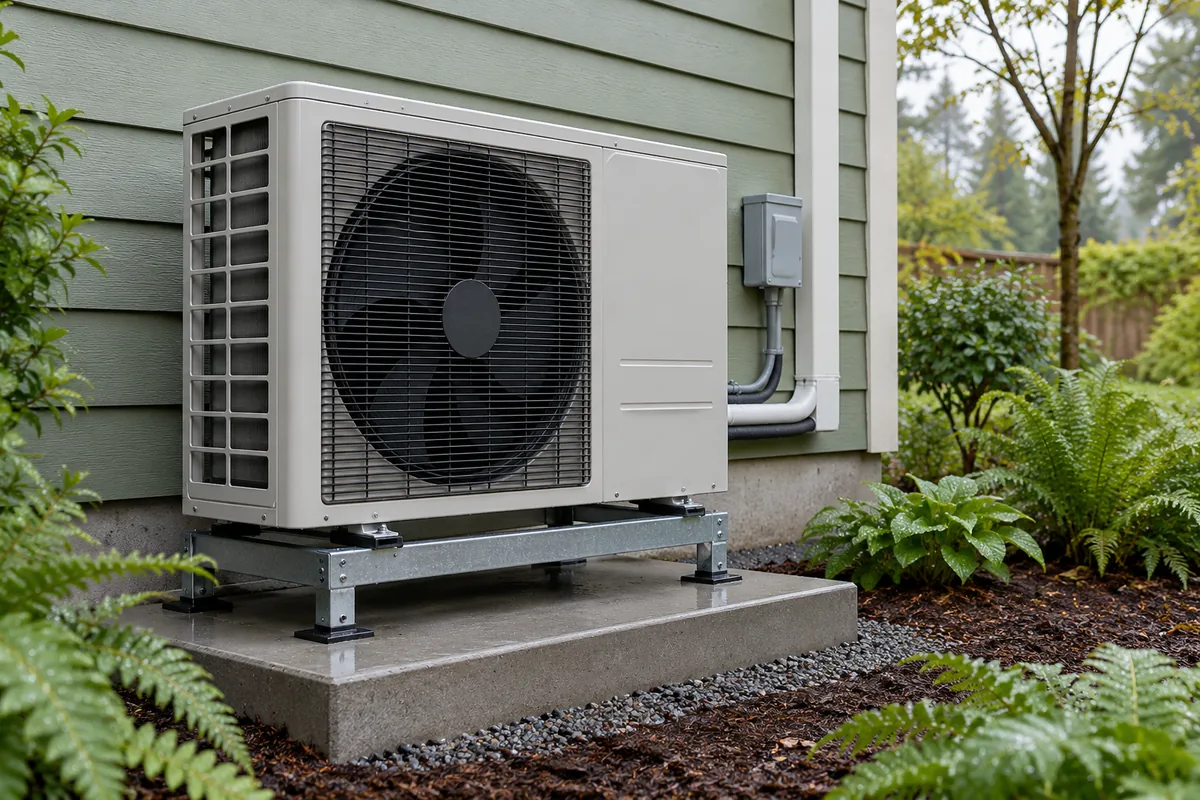
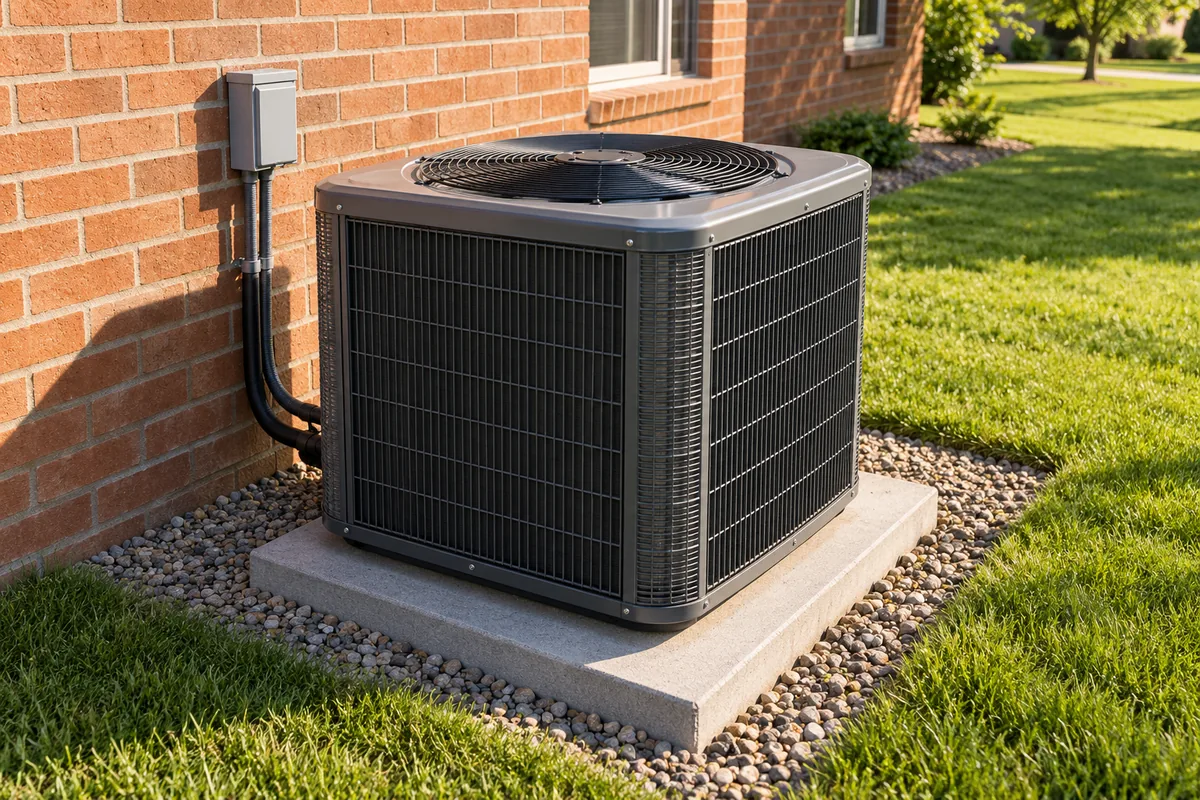
Our HVAC repair service in Lake Oswego also covers connected heating and air conditioning concerns. Name each affected unit and its response, then confirm which equipment the visit will assess.
Several prior repairs do not automatically decide whether replacement is appropriate. Distinguish repeated work on one unresolved concern from different tasks on different dates. A visit count alone cannot explain what new equipment would address.
Heating Checks and Further Follow-Up
After the work, ask what heating checks were completed and whether an intermittent concern needs further observation.
Keep the current findings with earlier records so any later change can be described against the work actually completed.
Frequently Asked Questions
What if I can only find a payment receipt for the earlier work?
Share the date and equipment information you do have. A payment total may not identify the completed task or finding. Ask which details the company needs to locate the request, and keep missing technical information open rather than guessing.
Can a changed display message be useful even if the rooms feel the same?
Yes. Keep the exact current message with the earlier one if both are available. The same room result does not give two messages the same meaning. Let the assessment determine what each means for the actual furnace.
Request Furnace Repair in Lake Oswego, OR
Contact HVAC & Appliance Repair Guys to request furnace repair in Lake Oswego and describe the current symptoms and what changed after earlier work.
For furnace repair in Lake Oswego, OR, call HVAC & Appliance Repair Guys or submit a service request through the form on this page.