



Commercial Oven Repair in Portland Metro
HVAC & Appliance Repair Guys provides commercial oven repair in Portland Metro. We begin with the exact model and reported fault to confirm support and define the service visit.
Tell us what kind of oven you use and whether it runs on gas or electricity. Include separate chambers or decks when the equipment has them. One area may work while another does not. Identify the affected section when describing the fault. For model-specific service information, see Blodgett commercial oven repair, Garland commercial oven repair or Southbend commercial oven repair.
No heat, slow preheat, uneven cooking and control faults are different repair concerns. Describe what changed during normal use; you do not need to identify a failed part. The technician assesses the equipment before recommending work.
Preheat, Heat Holding and Uneven Cooking
An oven may struggle before loading or develop trouble later in a cooking cycle. Tell us whether it reaches its usual ready state and how that differs from the past. Include the selected mode and displayed setting. This helps distinguish a startup problem from one that appears during regular use.
If staff notice uneven food results, describe the pattern rather than naming a component. Explain whether one area of the chamber behaves differently or the issue affects every batch. Note any change in pans, loading or settings that happened near the start of the problem. Those details give context without proving the cause.
For temperature concerns, record the setting, displayed value and time. Include other readings only if staff already obtain them through a safe, normal process. Do not open hot equipment or improvise a test to gather more data. The assessment should use the method appropriate to the exact oven.
A longstanding mismatch between the oven and the kitchen’s workload also matters. Tell us if the equipment has always struggled with the current menu. Restoring a fault and increasing cooking capacity are different projects. We keep that distinction clear when discussing repair options.
Control Messages, Doors and Safety Concerns
A code or warning message can help frame the visit. Copy it exactly and note when it appears. Explain whether the oven stops, continues heating or fails to accept a setting at that point. Repeated resets may hide the sequence without fixing the problem.
Door behavior can be relevant to both use and access. Tell us about a door that does not close as usual, visible damage or a change in the way a latch operates. Staff should not force the mechanism or bypass an interlock. Leave internal adjustments to the equipment assessment.
Include any new sound or other change noticed with the main fault. Do not continue running equipment that shows signs of an immediate hazard. If you suspect a gas leak, including a gas smell, leave immediately and call 911 from a safe location. Do not operate appliance controls or electrical switches in the area. If you see smoke or fire, leave the building and call 911 from a safe location. Follow your site’s emergency procedures; do not wait for a repair appointment.
Oven, Range and Cooking-Line Repair Scope
An oven can stand alone or form part of a larger cooking appliance. Describe the actual layout before scheduling.
Our commercial range repair service covers the broader appliance. Use that route when the fault also affects burners or another range function. Keep the working and failed functions separate in the notes.
For several cooking units, give each one a model and symptom. One unit’s display message may not explain another unit’s loss of heat. Tell us if the problems started at the same time, but avoid treating that as a confirmed shared cause. The assessment needs to establish the connection, if any.
Our commercial appliance repair service can review other supported kitchen equipment. List each affected unit and its priority when arranging service; one appointment does not automatically cover every machine.
Safe Access and Repair Authorization
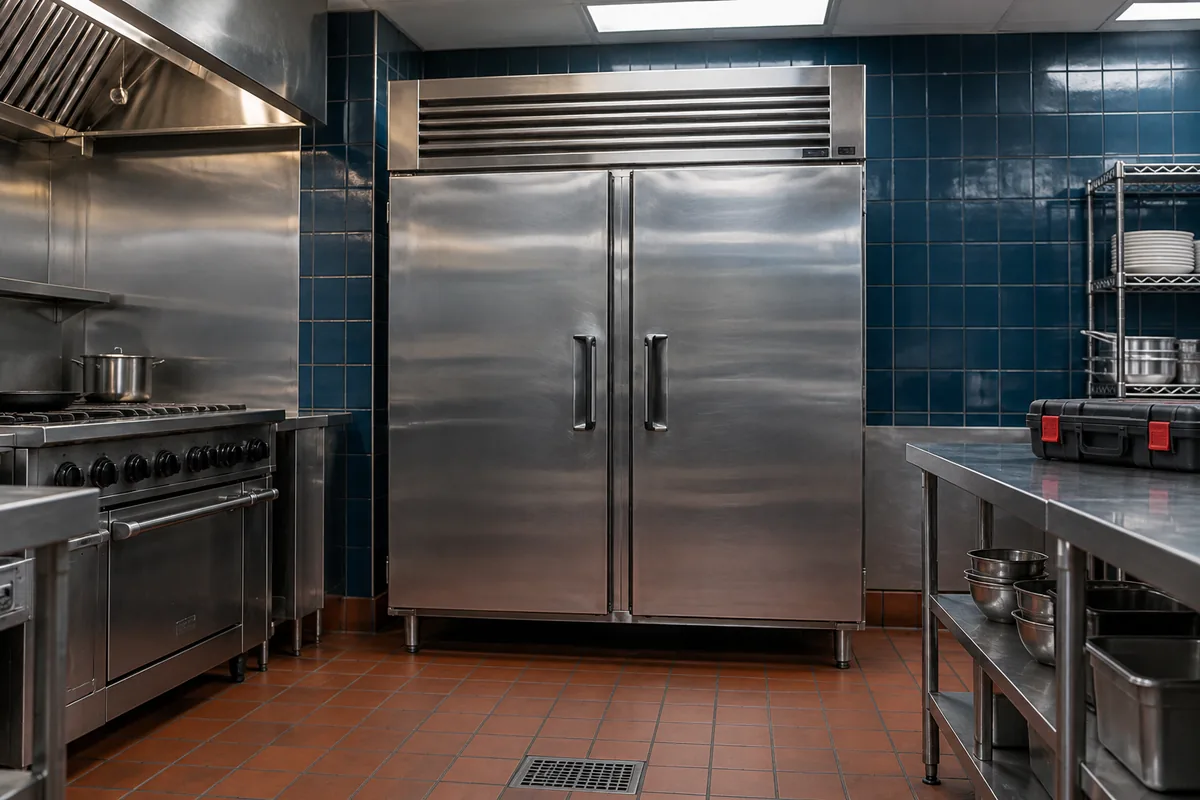
Share a model-label photo if staff can reach it without moving hot or connected equipment. A wider view can show fixed counters, stacked units and the route to the work area. Explain any access limits early. We can discuss the practical needs of the visit without asking staff to dismantle the cooking line.
Tell us when the oven can be available for assessment and who will meet the technician. A short gap between meal periods may not suit every repair. Include the repair approver’s contact details, even if that person works off site.
If another business or property owner controls the equipment, confirm authority to arrange work and mention any existing service agreement that affects it. Agree on the repair scope before work begins.
Repair Options, Parts and Completion Timing
We explain the assessed fault and proposed work before approved repairs begin. Ask which part of the appliance the finding concerns and what the estimate includes. Some work may need parts or a return visit. The exact model and diagnosis guide that decision.
Same-day service may be available, depending on scheduling and the equipment review. It does not promise completion before a particular meal period. Tell us which service period the fault affects so we can discuss the available plan. Keep a record of any open work for the manager or shift that will handle follow-up.
Repeat breakdowns, poor condition and limited parts support can affect whether another repair makes sense. Share that history during assessment. Repair addresses an agreed fault within stated limits; it does not upgrade the whole cooking line.
Contact HVAC & Appliance Repair Guys to request commercial oven repair and confirm support for your model and kitchen setup.
Commercial Oven Repair by City and Brand
Choose your city or equipment brand for the relevant service information.
Oregon: Portland, Beaverton, Hillsboro, Gresham, Salem, Tigard, Tualatin, Lake Oswego, Oregon City, Milwaukie, Wilsonville, Happy Valley, Clackamas, Sherwood, West Linn, Aloha, Aurora, Canby, Donald, Forest Grove, Gervais, Hubbard, Keizer, Newberg, Scappoose, Troutdale, Woodburn.
Washington: Vancouver, Camas, Washougal, Battle Ground, Brush Prairie, La Center, Ridgefield, Woodland.
Frequently Asked Questions
Can you repair both gas and electric commercial ovens?
We review supported models in both categories. Send the exact model, energy type and symptom so our team can confirm the scope. A broad category name alone does not establish support for every oven configuration.
Does uneven cooking mean the thermostat is bad?
Not necessarily. Describe the selected mode, loading pattern and area where staff notice the difference. Those details support the assessment, but testing must guide the repair rather than a single assumed part.
Should the oven remain hot for the visit?
Discuss preparation when scheduling. Access needs depend on the equipment and proposed assessment. Do not keep a faulty or unsafe oven operating just to show a symptom. Follow your normal shutdown and safety procedures.
Can you assess one chamber in a multi-chamber oven?
Identify the affected chamber and explain how the others behave. Include the equipment model and available labels. We can then review access and support for the exact setup before defining the visit.
Request Commercial Oven Repair in Portland Metro
For commercial oven repair in Portland Metro, call HVAC & Appliance Repair Guys or submit a service request through the form on this page.