

Blodgett Commercial Oven Repair
HVAC & Appliance Repair Guys provides Blodgett commercial oven repair in Portland Metro. Tell us which oven or chamber has changed and how the problem affects normal use. We review the complete model and the reported fault before confirming support. A stacked layout needs a clear description of the affected section.
Blodgett’s 900 Series deck ovens include sections that can form stacked combinations. One label or working chamber may not describe the entire stack. Share the full model information visible through safe access and identify the section needing attention.
Warmup, Heat Recovery and Chamber Differences
Describe whether the concern occurs during warmup, steady use or recovery after opening a door. Record the selected setting and any reading already in your work log. Keep each reading’s source clear. A change in baking results helps describe the complaint but does not alone identify the failed part.
If one chamber works while another struggles, report that difference without using it as a diagnosis. Note any unusual sound, door issue or display message in the affected section. Do not change internal settings, remove panels or bypass a control to compare the chambers. The technician tests the actual fault within the agreed scope.
Service Access and Chamber-Specific Repair Scope
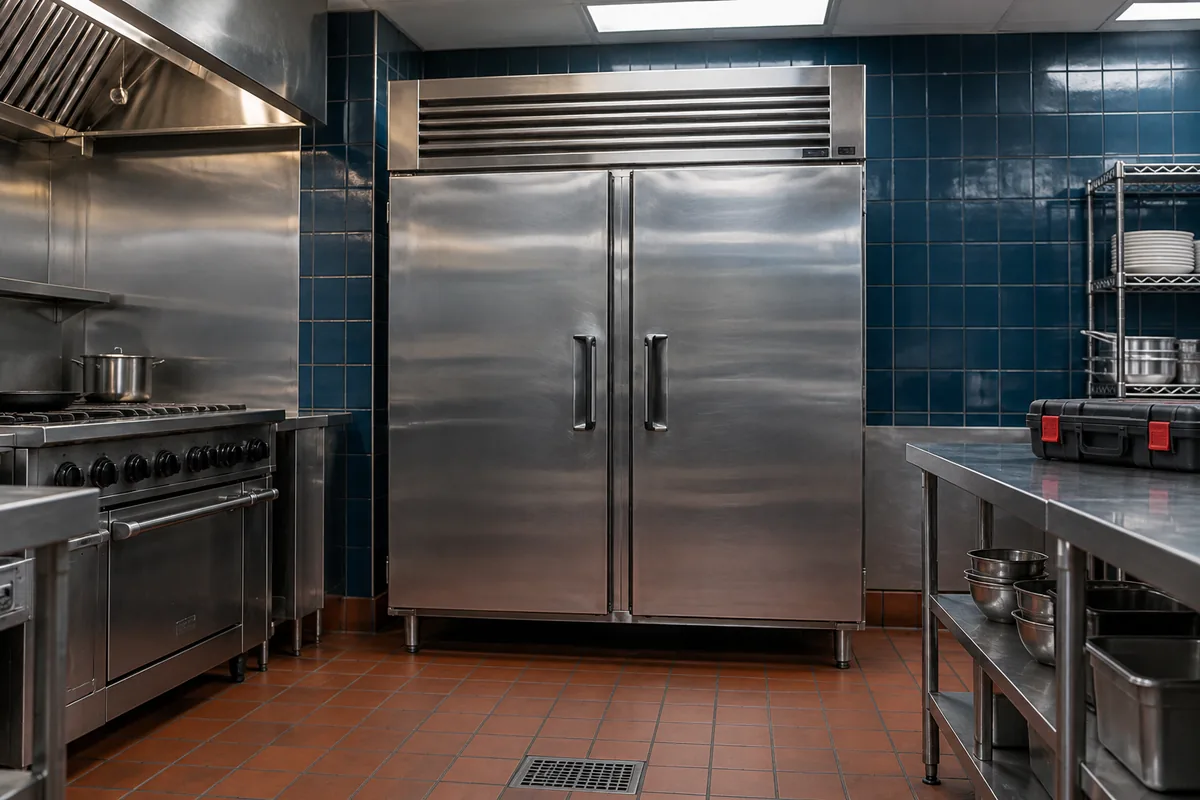
Tell us how the oven sits in the cooking area and what limits the approach. A hot chamber or active nearby station can affect the work window. Discuss the planned shutdown and access arrangements before the visit. Do not move a connected oven or open a service panel to prepare it yourself.
After assessment, we explain the finding, proposed task and price for your approval. Ask which chamber the work covers and whether other concerns remain open. Contact HVAC & Appliance Repair Guys to request commercial oven repair for your Blodgett unit; we confirm support for the exact setup before defining the work.
For a separate cooking appliance, our commercial appliance repair service can review the broader request. Identify each affected unit; one oven diagnosis does not cover every appliance on the line.
Frequently Asked Questions
Can you assess one chamber in a stacked oven?
Describe the affected chamber, the stack layout and the model details. We review support and access for the actual unit. Do not assume that a task for one section includes testing or repairing every other section unless the scope states it.
Does uneven baking prove that the thermostat needs replacement?
No. The result is a symptom to review alongside settings, timing and equipment behavior. Share those details without choosing a part in advance. The technician needs to test the relevant systems before recommending the repair.
What should we keep after the visit?
Keep the work record, model details and any noted limits. For a stack, the record should identify the section addressed. If a later problem appears elsewhere, those details help separate the new complaint from the completed work.
Request Blodgett Commercial Oven Repair in Portland Metro
For Blodgett commercial oven repair in Portland Metro, call HVAC & Appliance Repair Guys or submit a service request through the form on this page.