



Trane Heat Pump Repair for Heating and Cooling Faults
HVAC & Appliance Repair Guys provides Trane heat pump repair in Portland Metro. We assess equipment that loses heat, cools poorly or stops before the rooms reach the usual temperature.
Our heat pump repair service covers the general assessment. A Trane system also needs a review of its exact indoor and outdoor models. The control arrangement and equipment generation affect how we interpret its response.
Trane Equipment Generations and Controls
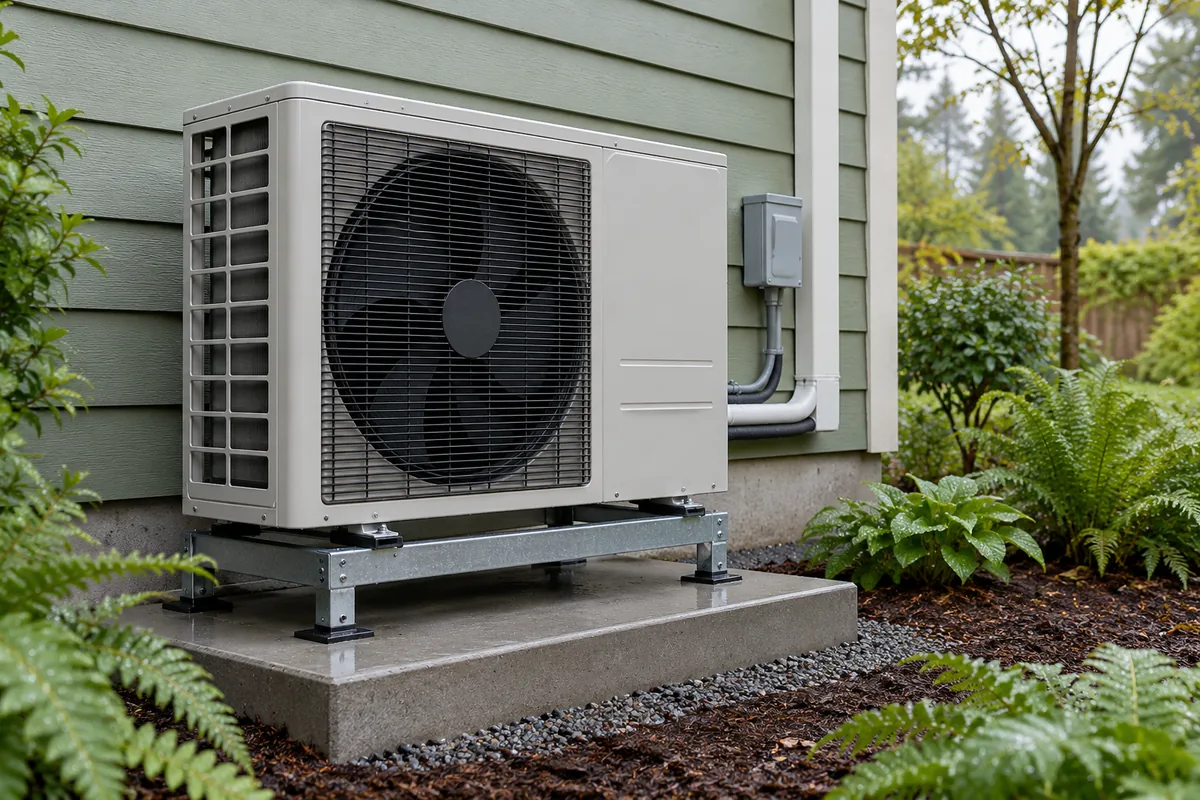
Trane’s 20 TruComfort heat pump with WeatherGuard, model 5TWV0, uses Link communication. It succeeds the XV20i product. This is one example of why familiar names across equipment generations do not establish a single control setup.
We identify the equipment in your home before applying model-specific expectations. An older control and a newer outdoor unit do not become a supported match merely because both carry the Trane name. The repair needs to fit the system in front of us.
A Change in Sound or a Loss of Comfort
Variable-speed equipment can alter its output and sound during ordinary use. That behavior needs review in context. A longer run or a quiet period by itself does not identify a failed compressor, fan or control board.
Tell us whether the home still reaches its normal setting. A unit may continue to run while useful heating or cooling falls short. We use the room result and equipment response together to distinguish expected behavior from a fault.
Heating and Cooling May Fail Differently
Describe which mode was active when the issue appeared. A system that cannot heat but still cools presents a different complaint from one that will not start in either mode. Those details help define the assessment without asking you to diagnose a component.
Use what you have already observed during normal operation. There is no need to force extra cycles or switch repeatedly between modes. If the fault comes and goes, a plain account of that pattern is more useful than attempts to make it happen again.
Indoor Airflow and Separate Room Concerns
Tell us if air still moves from the vents while the rooms remain cold or warm. Include whether every area has changed or one room has a different problem. The indoor response can help separate an air-path concern from a wider equipment fault.
An area that has always been difficult to heat may need work beyond the current repair. Replacing a failed component may leave that separate comfort problem unresolved. We explain which issues the findings support.
Visible Alerts and Service Settings
Share any message on the normal wall-control screen and what the unit did at that time. Tell us if it stopped or continued to provide some heating or cooling. An alert is useful evidence, but it is not a parts diagnosis by itself.
Leave technical menus and wiring unchanged. Repeated resets can also obscure the pattern you want us to assess. We review the installed controls and equipment response before explaining the work that the findings support.
Backup Heat and Recent Changes
Mention any other heat source that still warms the home. Our Trane furnace repair service covers separate gas-furnace faults. Backup warmth alone does not establish whether the heat pump is working correctly.
Recent service, a control replacement or a power interruption may also provide context. The timing can guide the review without proving cause. We keep the reported history distinct from the conditions we can confirm during the visit.
Repair Findings and Replacement Options
We explain the fault found, the proposed repair and any parts or further assessment needs. The actual model and equipment condition shape that discussion. A symptom that disappears before the visit may still need follow-up if its cause remains unclear.
See Trane heat pump installation if a new-system comparison is useful. Define repair and replacement separately. After agreed repair work, we check the relevant operation and identify any separate concern.
Request Trane heat pump repair from HVAC & Appliance Repair Guys using the service form below. Describe the failed heating or cooling response and any visible message, with model information from records you already have.
Frequently Asked Questions
Does a longer run mean the heat pump needs a new compressor?
Not on that fact alone. We assess the model, demand and change in room comfort. Those findings guide a conclusion about the compressor or another part.
Should I assume a Link message applies to every Trane model?
No. Control functions and messages depend on the installed equipment. We identify the actual system before using expectations from a different model or generation.
Can I describe a fault that has stopped happening before the visit?
Yes. Tell us which mode was in use, what changed and any message you saw. You do not need to keep resetting the unit or force a test to prepare for service.
Request Trane Heat Pump Repair in Portland Metro
For Trane heat pump repair in Portland Metro, call HVAC & Appliance Repair Guys or submit a service request through the form on this page.
Before your visit
Heat Pump Repair details for Trane
Share the equipment, symptoms, access details, and the name of the person who can discuss the work. The $99 service call covers diagnosis and is applied toward the total when the repair is approved. The finding and price are reviewed first.
Identify the exact product configuration
For Trane heat pump repair, describe how the equipment is installed and powered. Include the exact model number when it is safely visible; models from the same brand can use different configurations.
List earlier repairs and parts
Share prior Trane service dates, replaced components, recurring failures, and any part already supplied or ordered. A previous repair can be useful history, but the current condition still needs to be tested before the same cause or part is assumed.
Describe the utility connections
State which utilities serve the Trane equipment and whether another appliance or system is also affected. This helps describe whether the issue is limited to the equipment or affects the property more broadly.
Estimate age and current condition
Approximate age, corrosion, prior leaks, repeated failures, physical damage, and overall condition can affect whether Trane heat pump repair remains practical. Age alone does not identify the fault. Compare the diagnostic findings with the equipment’s condition before deciding between repair and replacement.