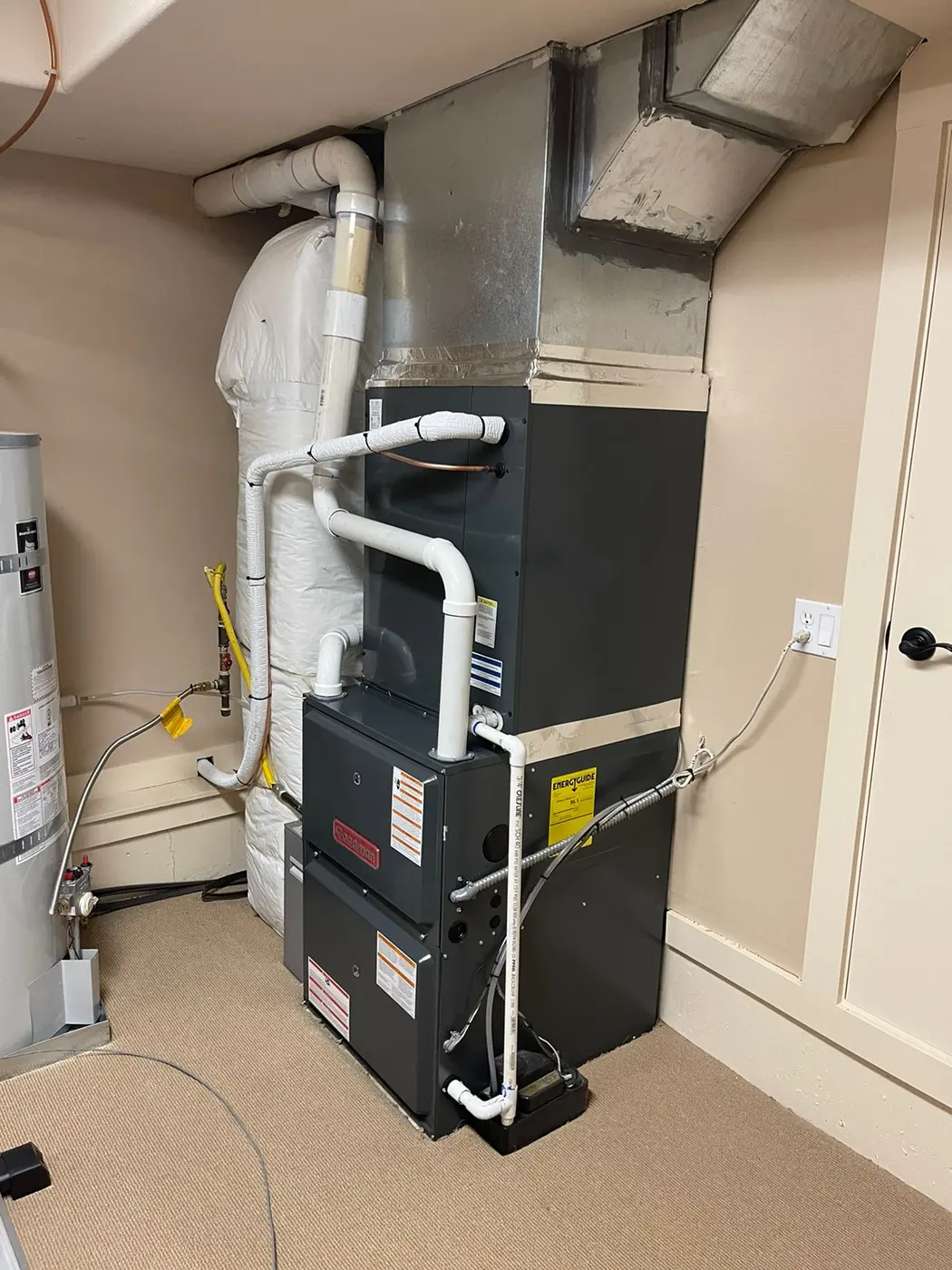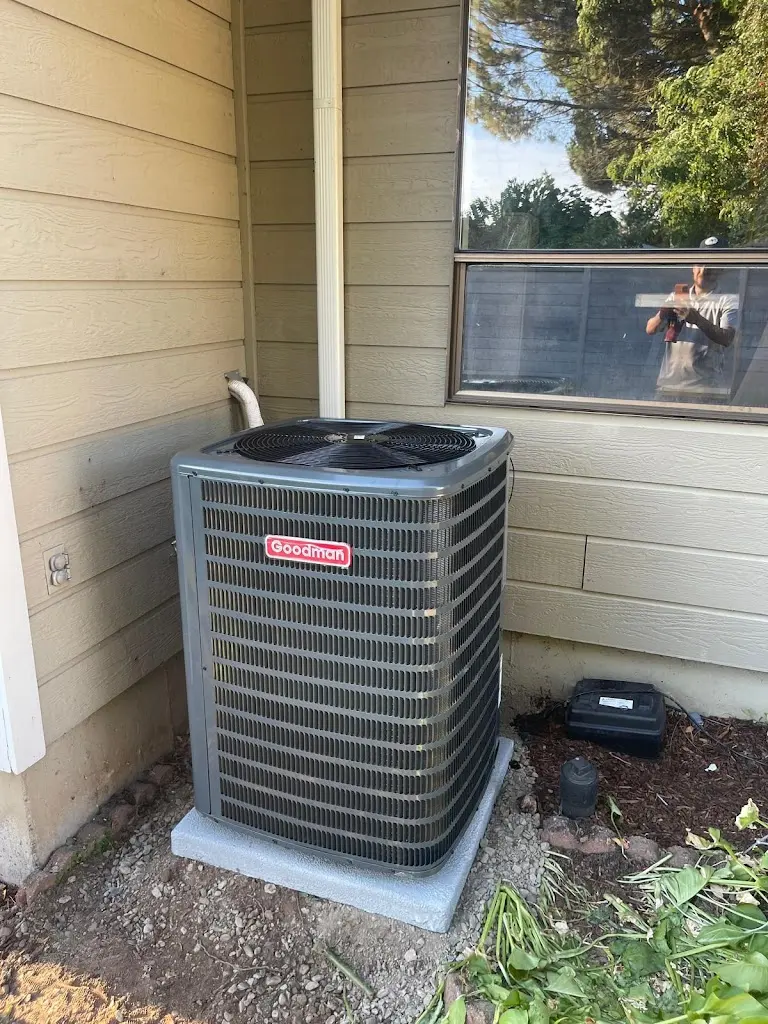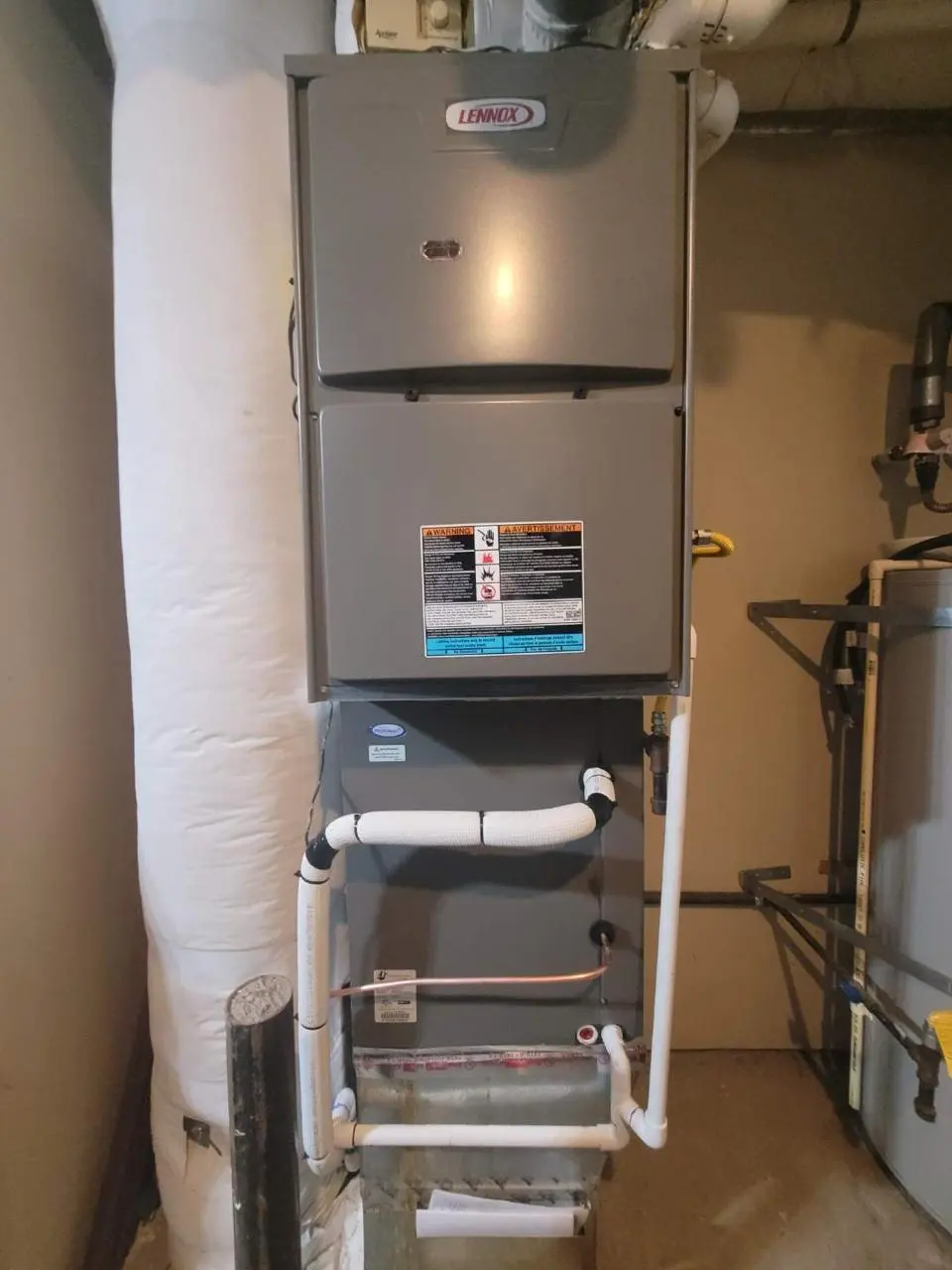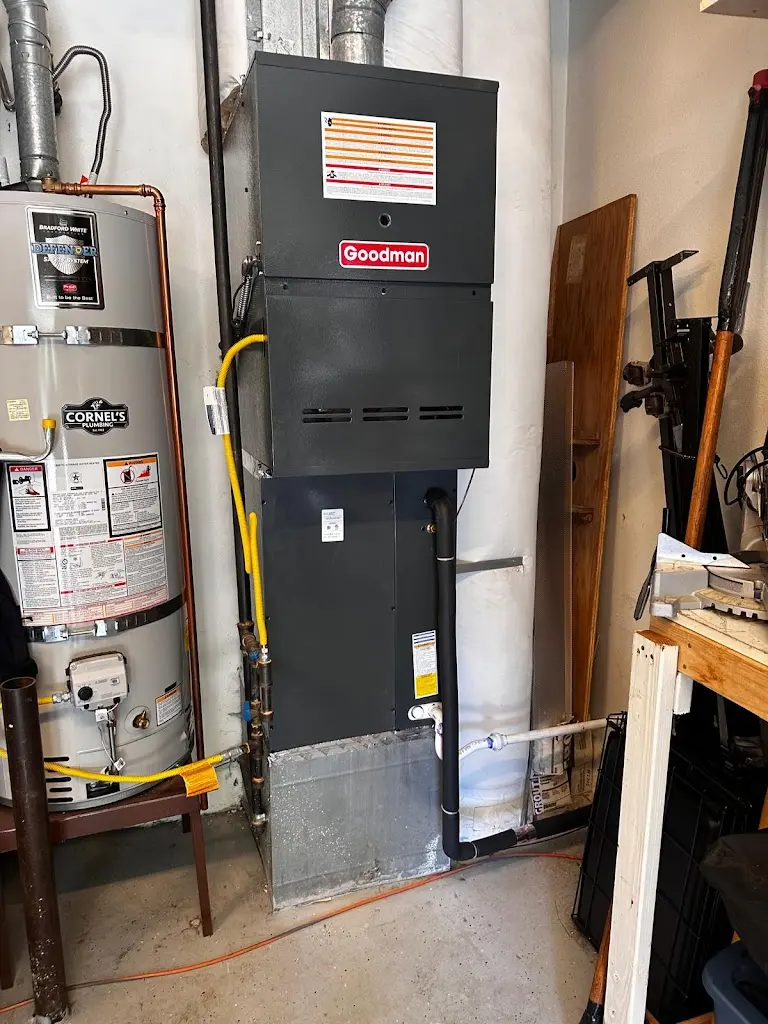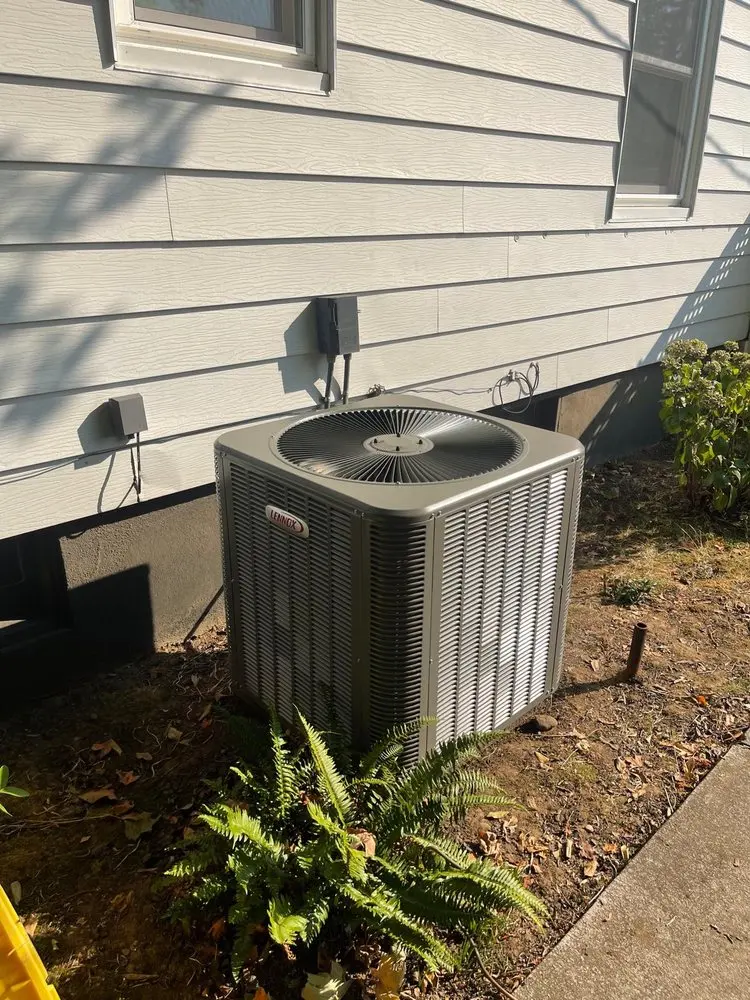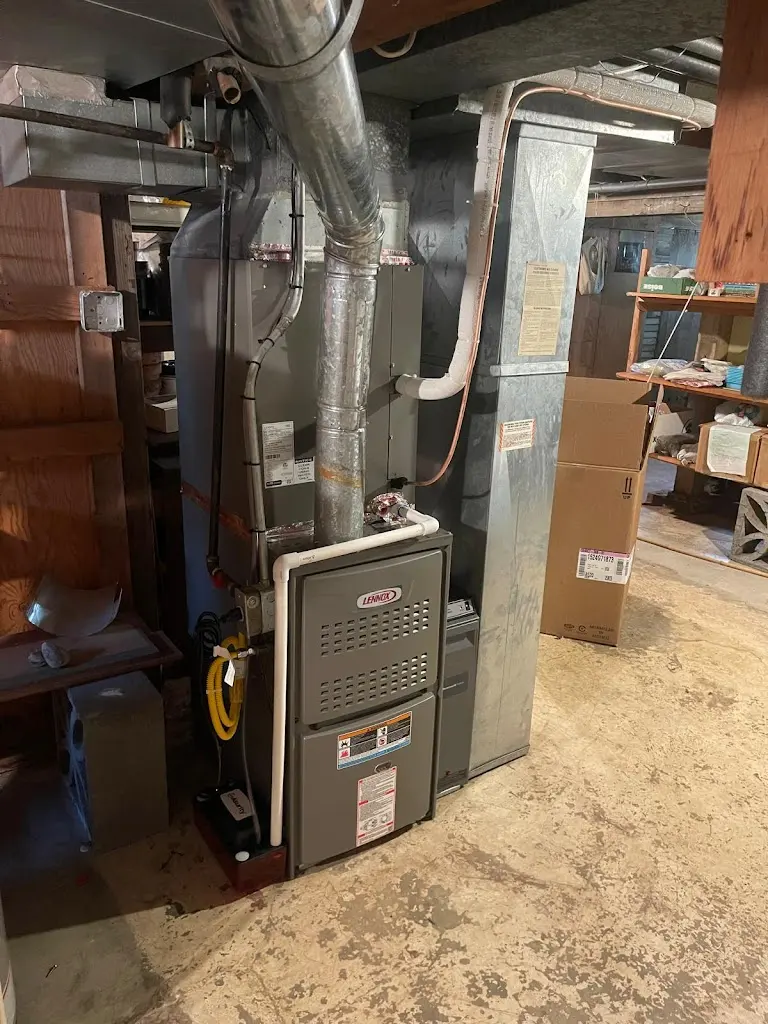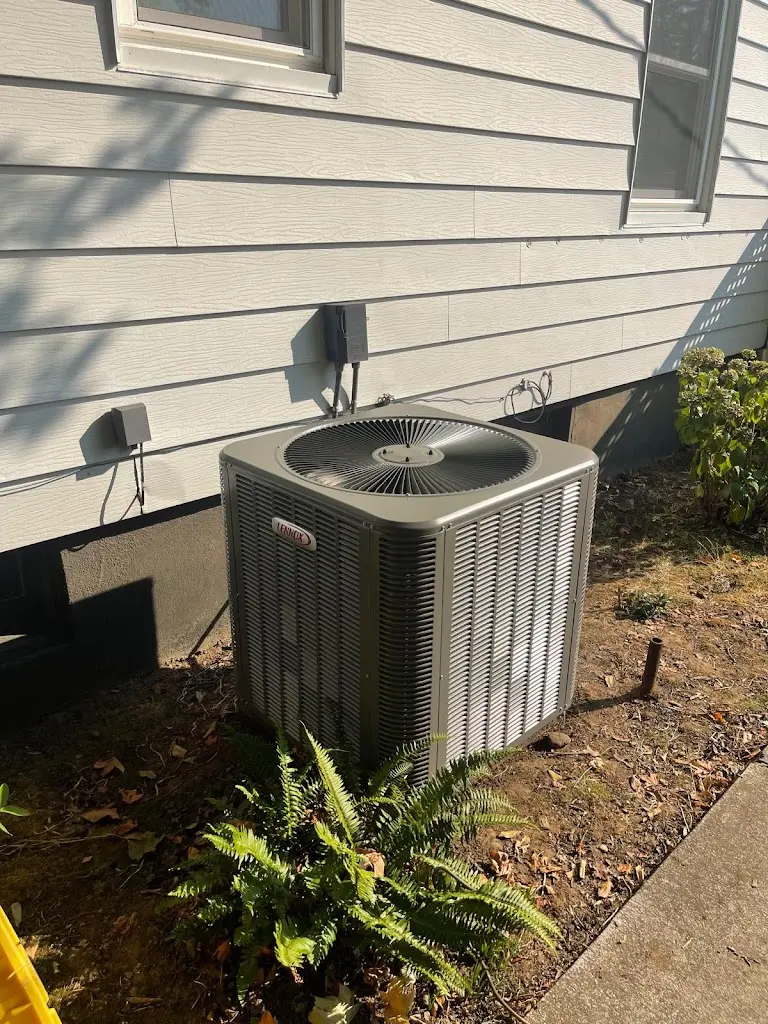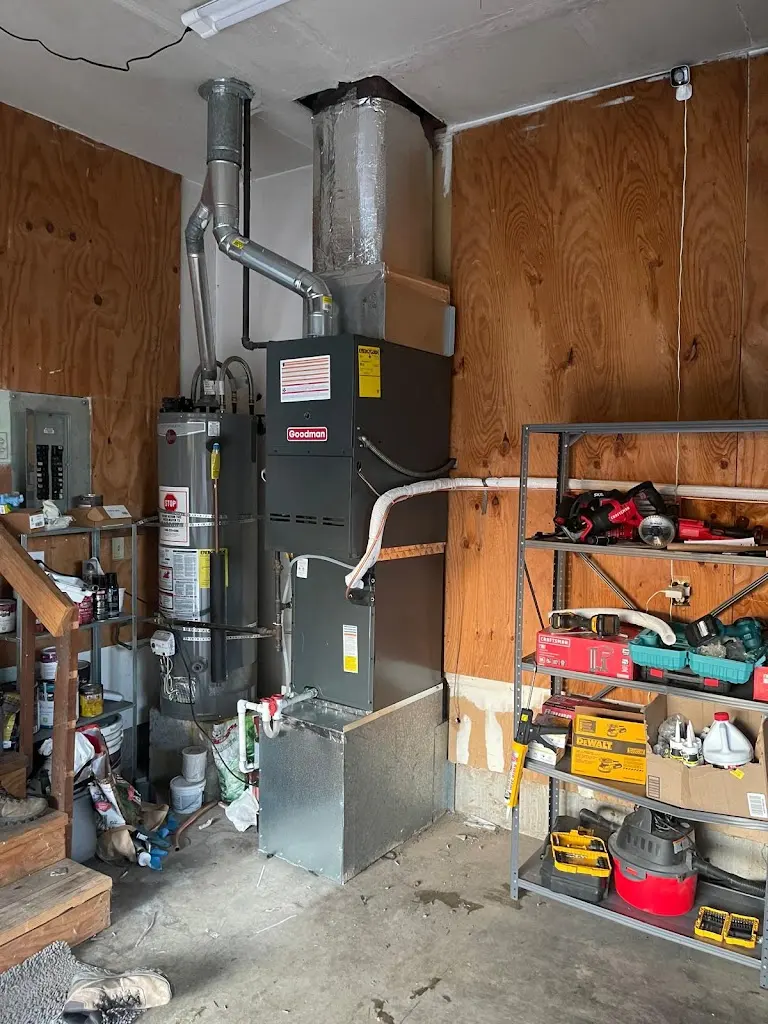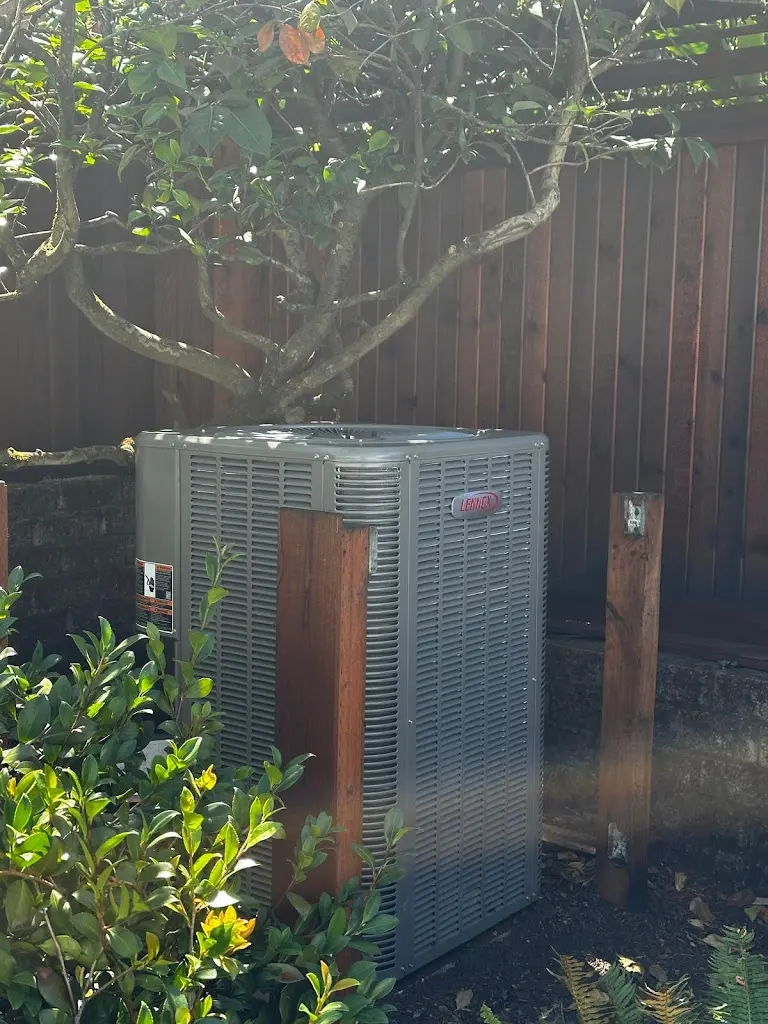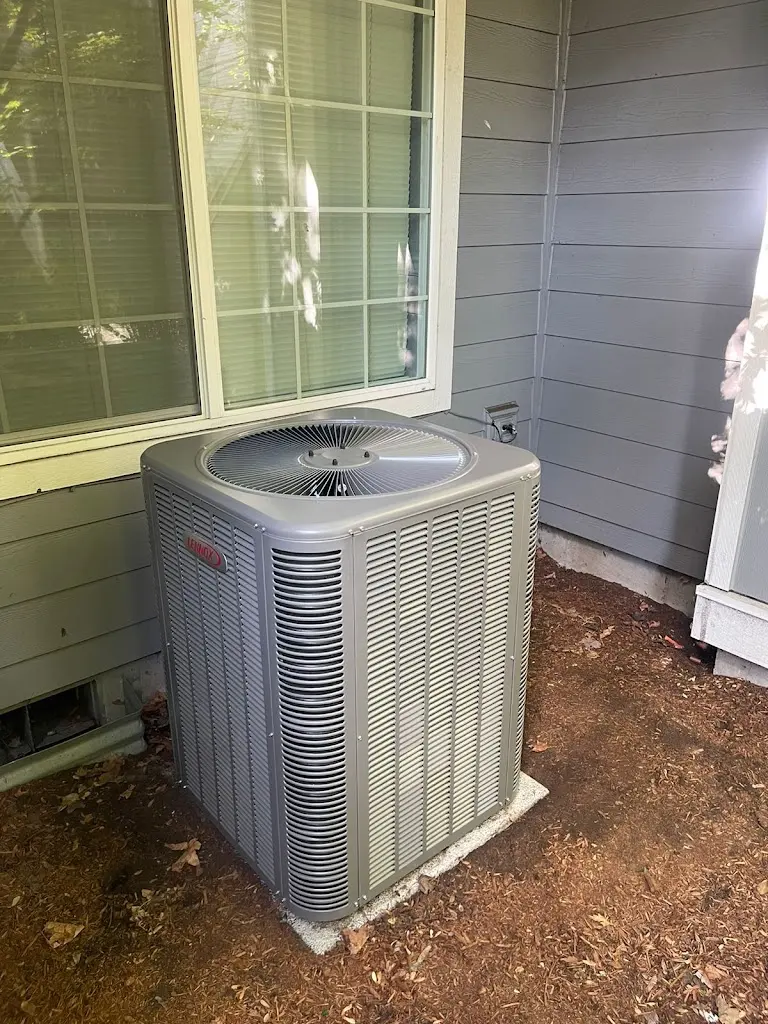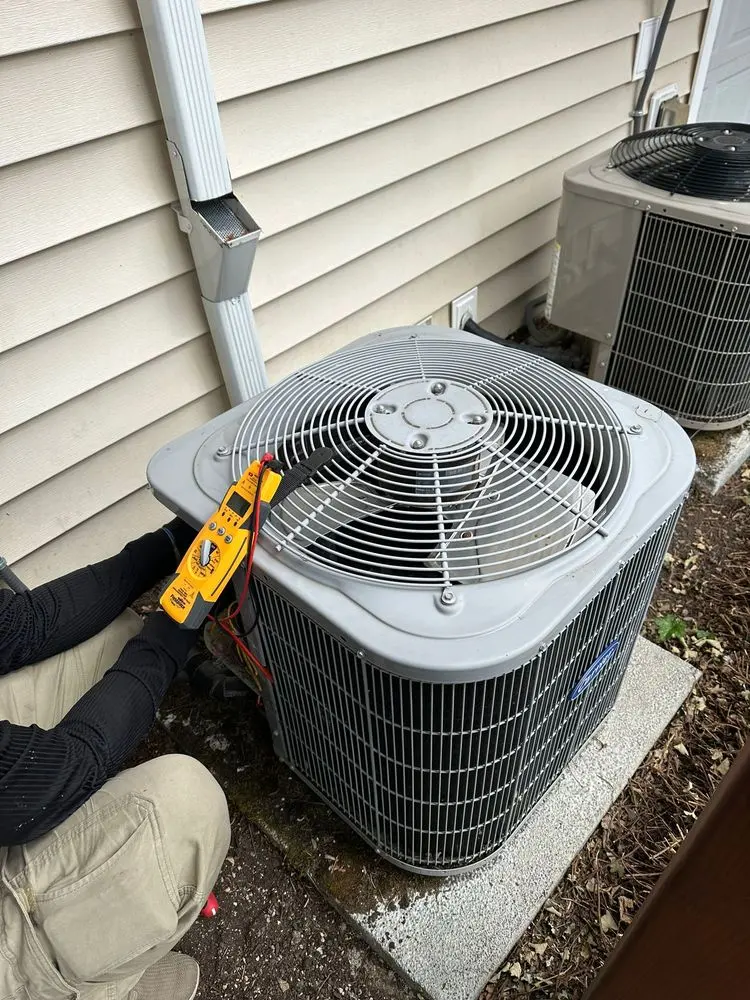




Trane Heat Pump Installation for a Matched New System
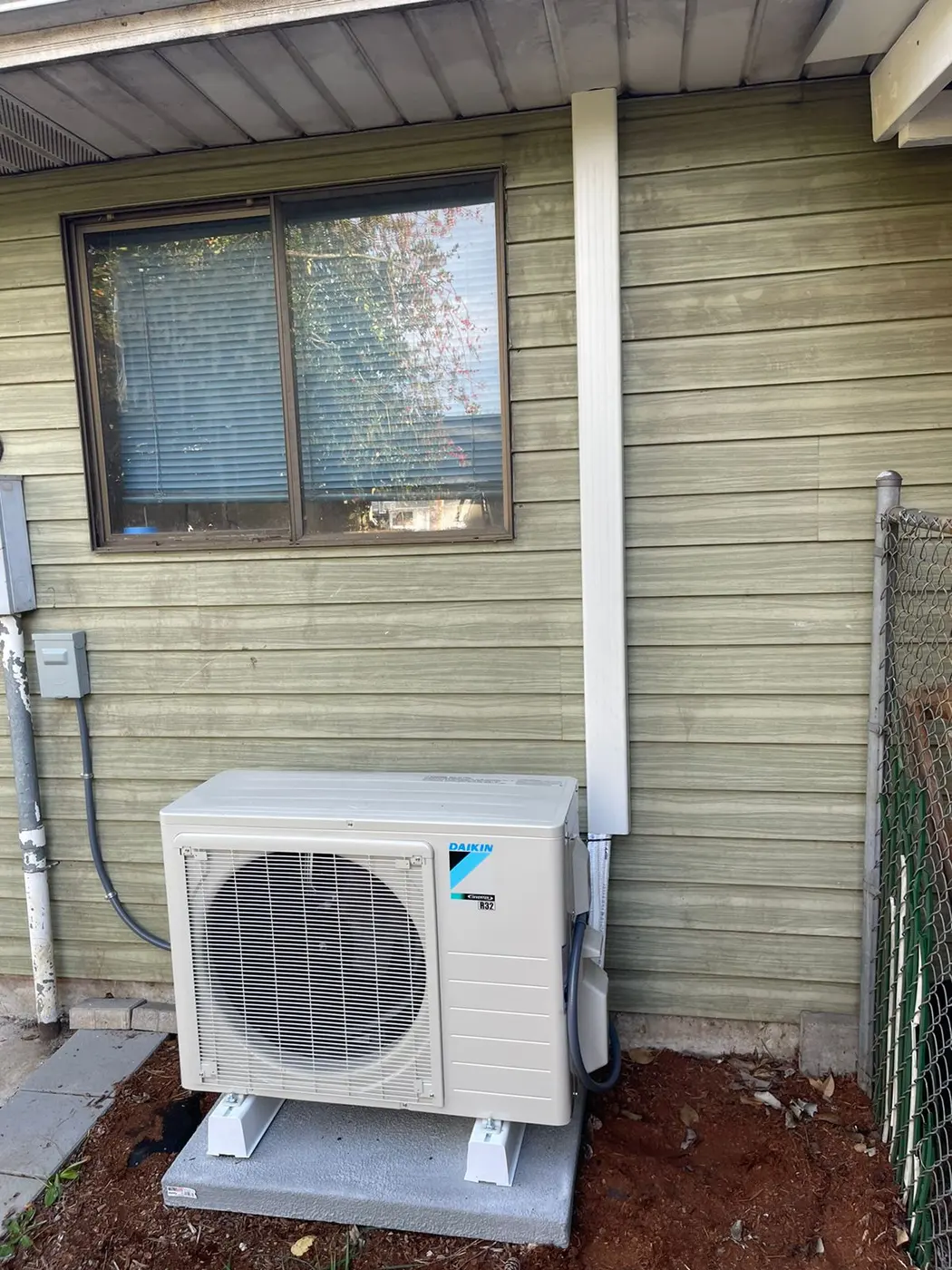
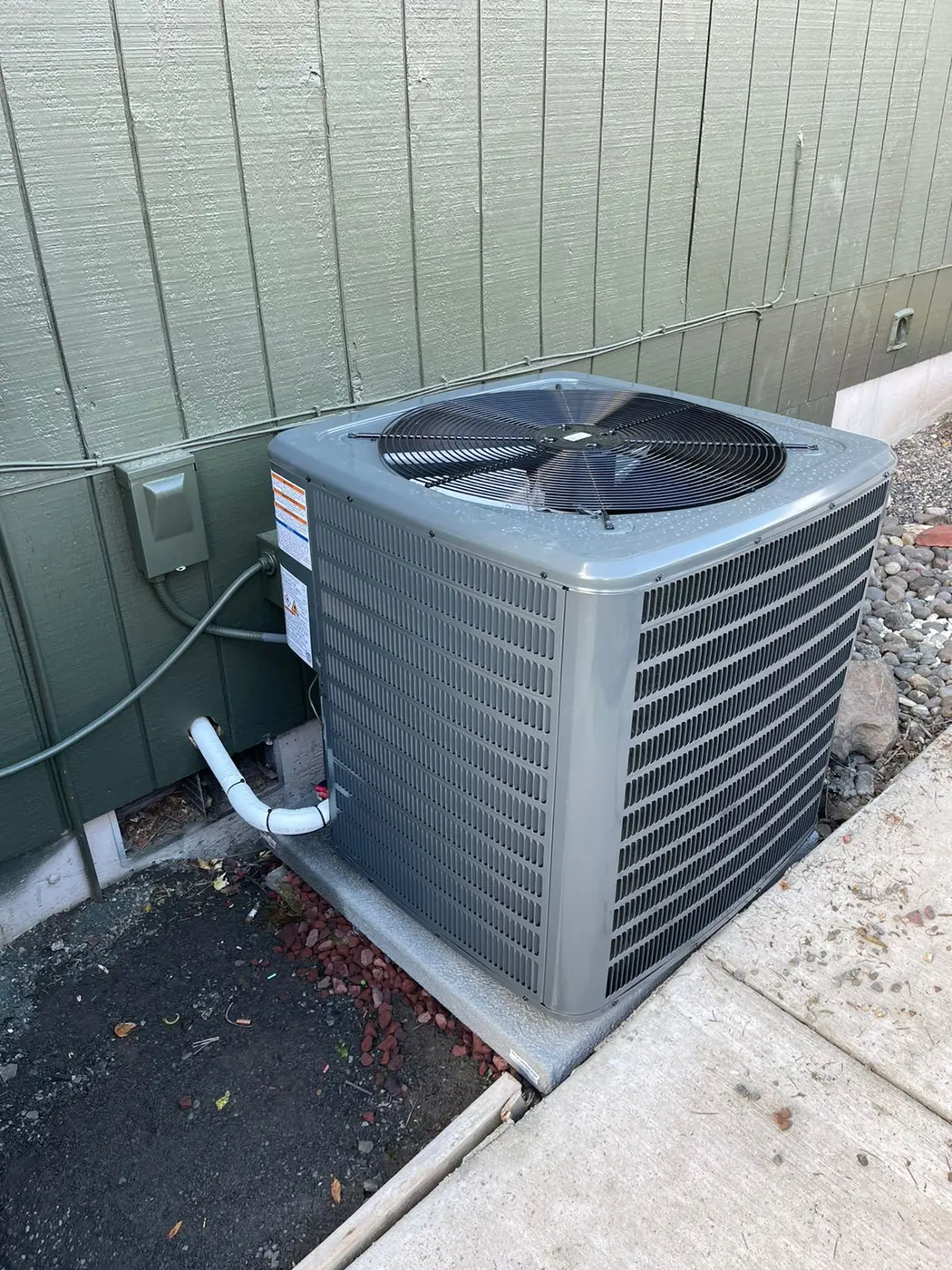
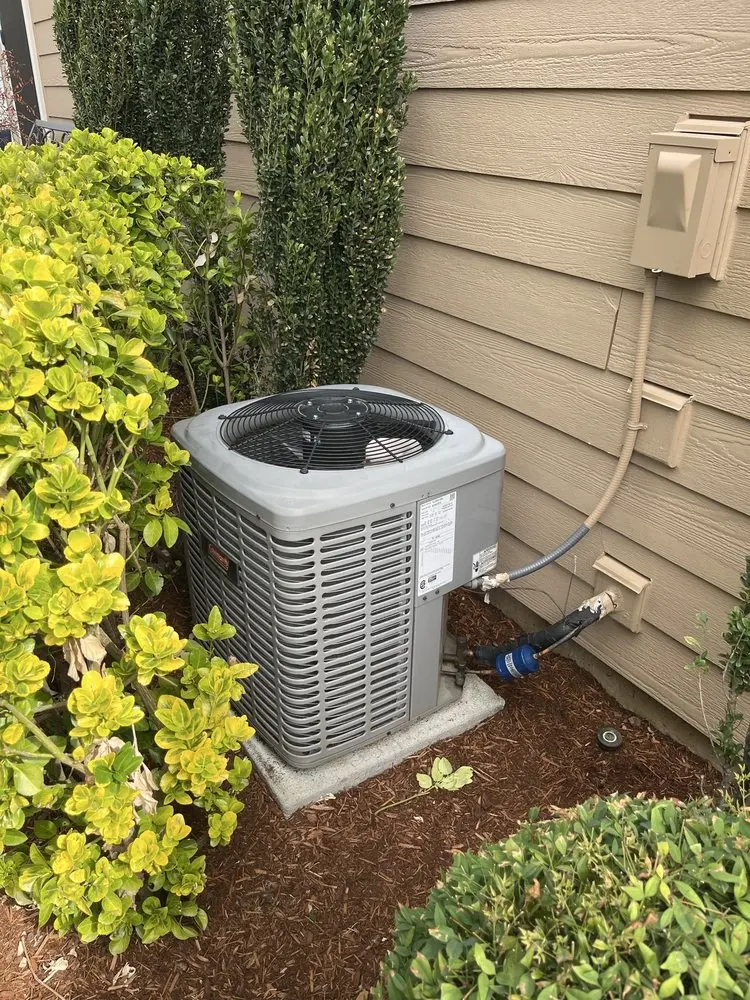
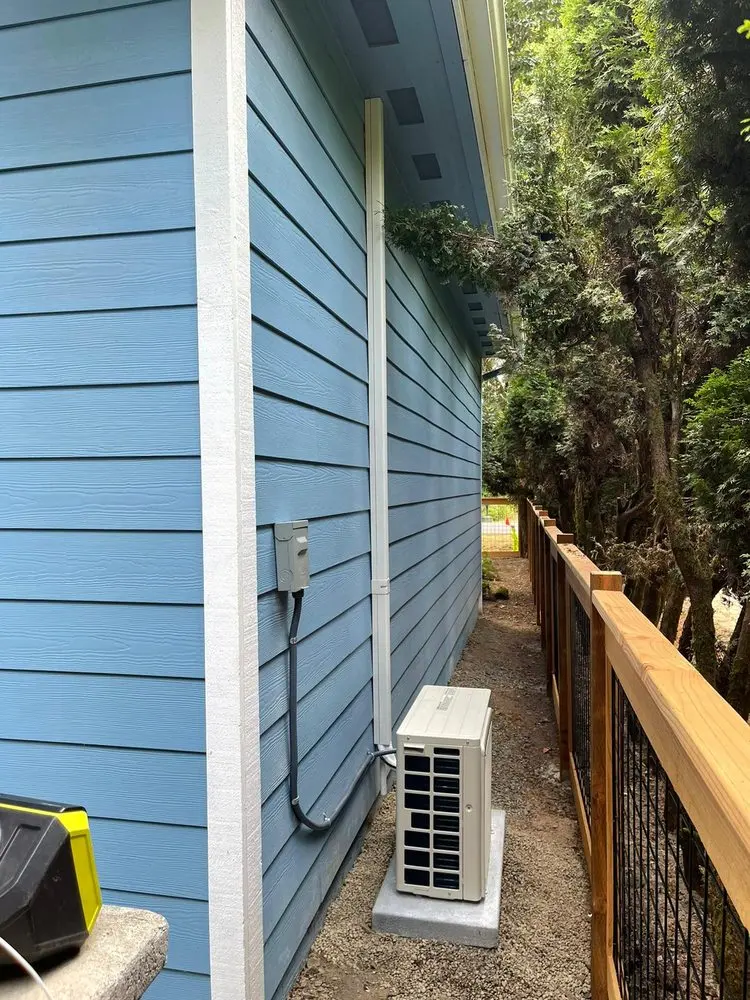
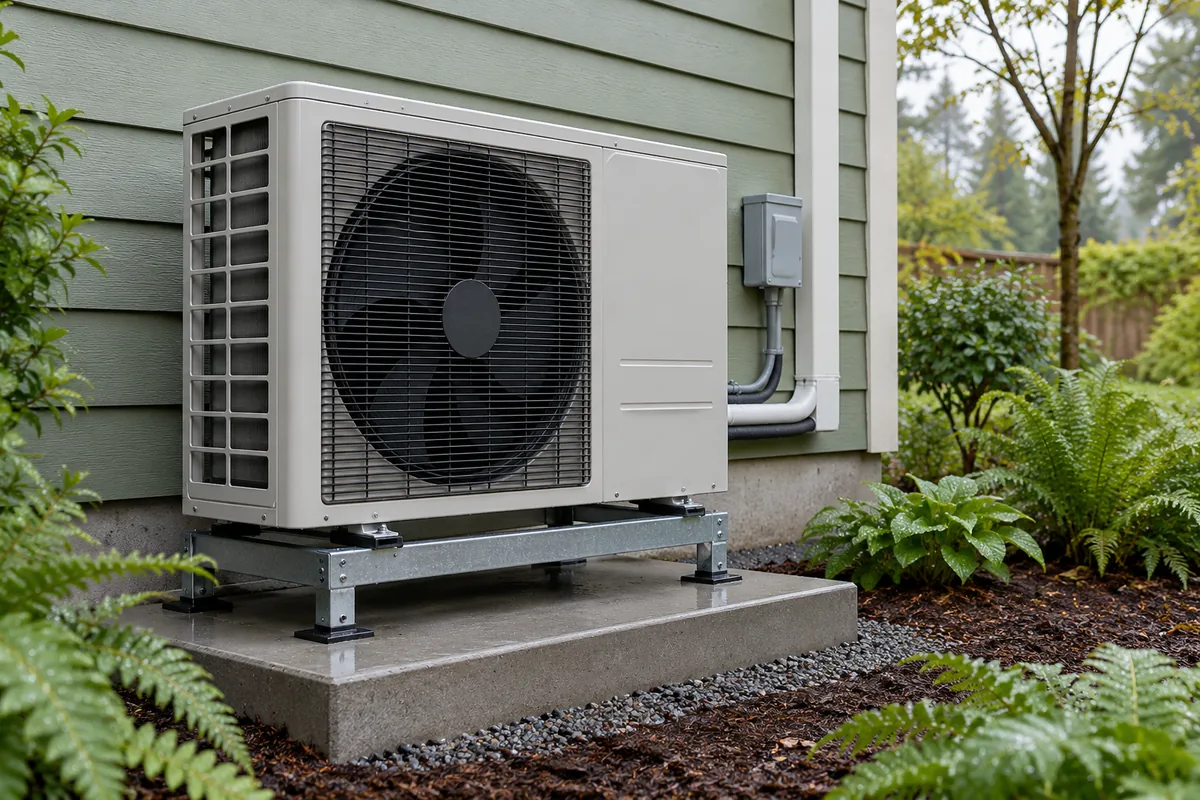
HVAC & Appliance Repair Guys provides Trane heat pump installation in Portland Metro. We plan equipment that serves the home’s heating and cooling needs together. The work begins with the current setup and the comfort results you want from the new one.
Our heat pump installation service considers the complete heating and cooling setup. A Trane project needs an exact indoor match and control plan. The same brand on old and new equipment does not prove that all of those parts can work together.
Existing Equipment and Heating and Cooling Goals
Tell us whether you are replacing a failed heat pump, adding electric heating or changing more of the indoor system. Those are different starting points. We review the current equipment and the role you want the new setup to play.
It also helps to know which rooms need attention. A home that heats well but cools unevenly may need a different plan from one that struggles in both seasons. Describe what you notice during ordinary use; there is no need to carry out equipment tests for the estimate.
Trane Equipment Generations and Supported Controls
Trane’s 20 TruComfort variable-speed heat pump with WeatherGuard, model 5TWV0, is a successor to the XV20i. The newer system uses Trane Link communication. It is an example of why a familiar product name alone does not settle the installation details.
We confirm the exact outdoor model and its supported indoor equipment and controls. An older communicating system may have different requirements. The proposal should show any indoor or control changes needed for that generation. Trane controls do not all work with the same equipment.
Capacity, Ducts and Return-Air Paths
We assess the home’s heating and cooling demand before defining equipment size. The old capacity is useful background. It may not reflect changes to living space or comfort problems that have existed for years.
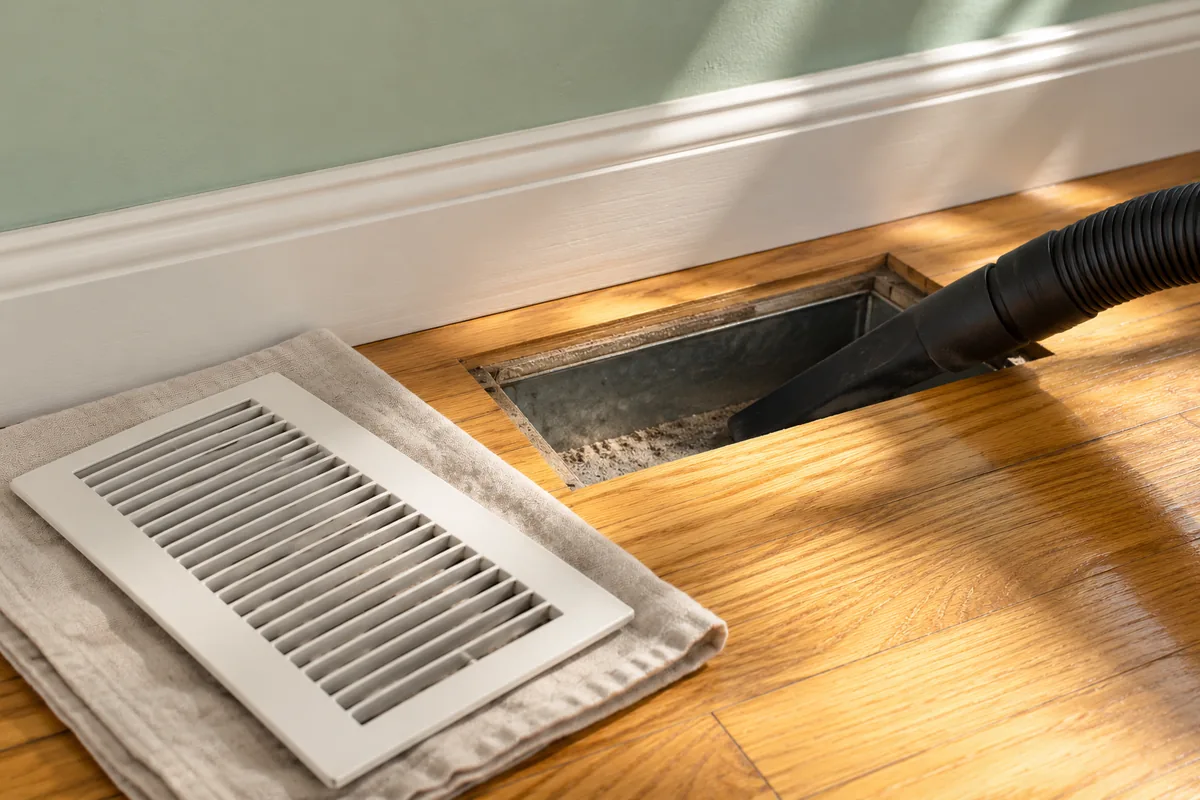
Ducts and return-air paths also affect the result. A larger outdoor unit cannot by itself solve every room that receives too little air. If the findings call for air-system work, we describe it as part of the plan so the equipment choice has a clear basis.
Variable-Speed Output and Room Zoning
A supported variable-speed heat pump can change its output as demand changes. That is different from a system that works only at one fixed output. We explain the relevant operating features of the equipment under consideration without applying them to the full Trane range.
Output control also differs from room zoning. A new heat pump does not automatically create separate settings for every bedroom or floor. If that is your goal, the assessment needs to include the air paths and controls that would serve those areas.
Retaining a Heat Source or Changing the Indoor Setup
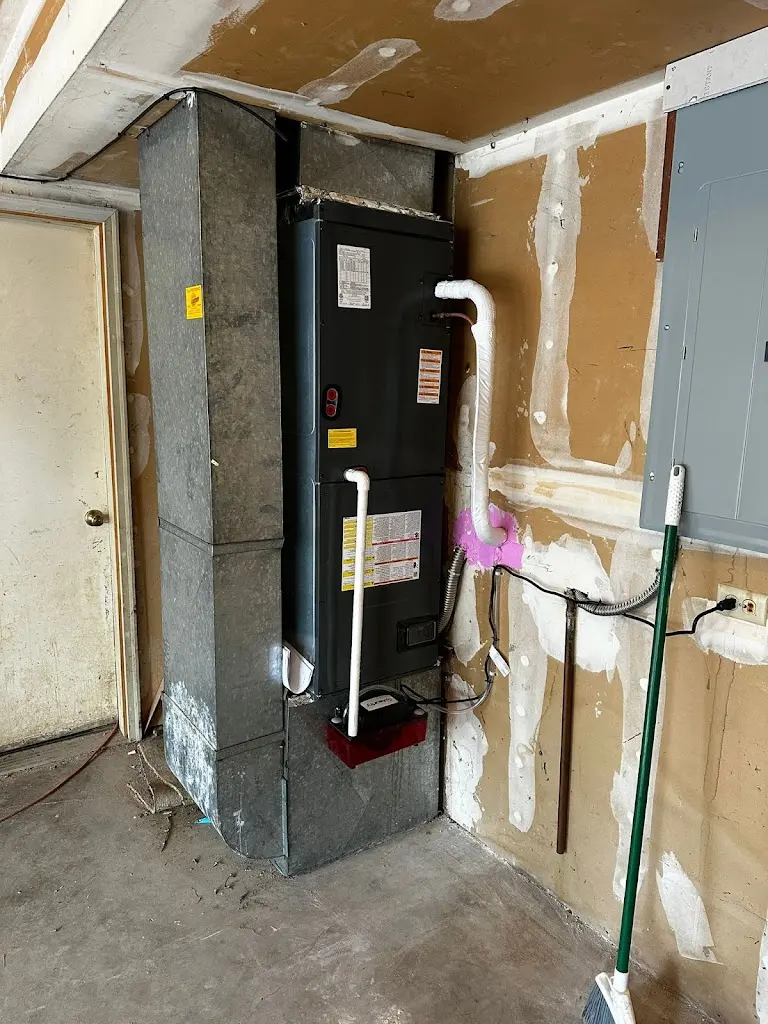
Some projects retain a supported heat source while others change the indoor setup more broadly. Tell us what equipment you hope to keep and why. The review then considers its condition, role and fit with the proposed heat pump.
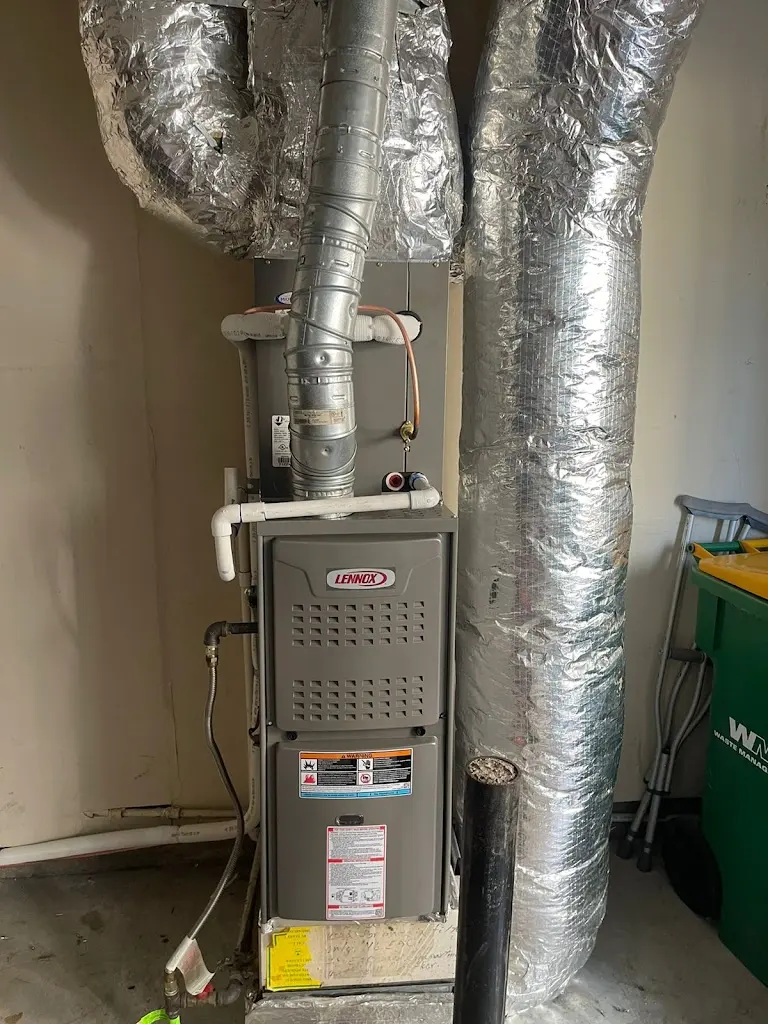
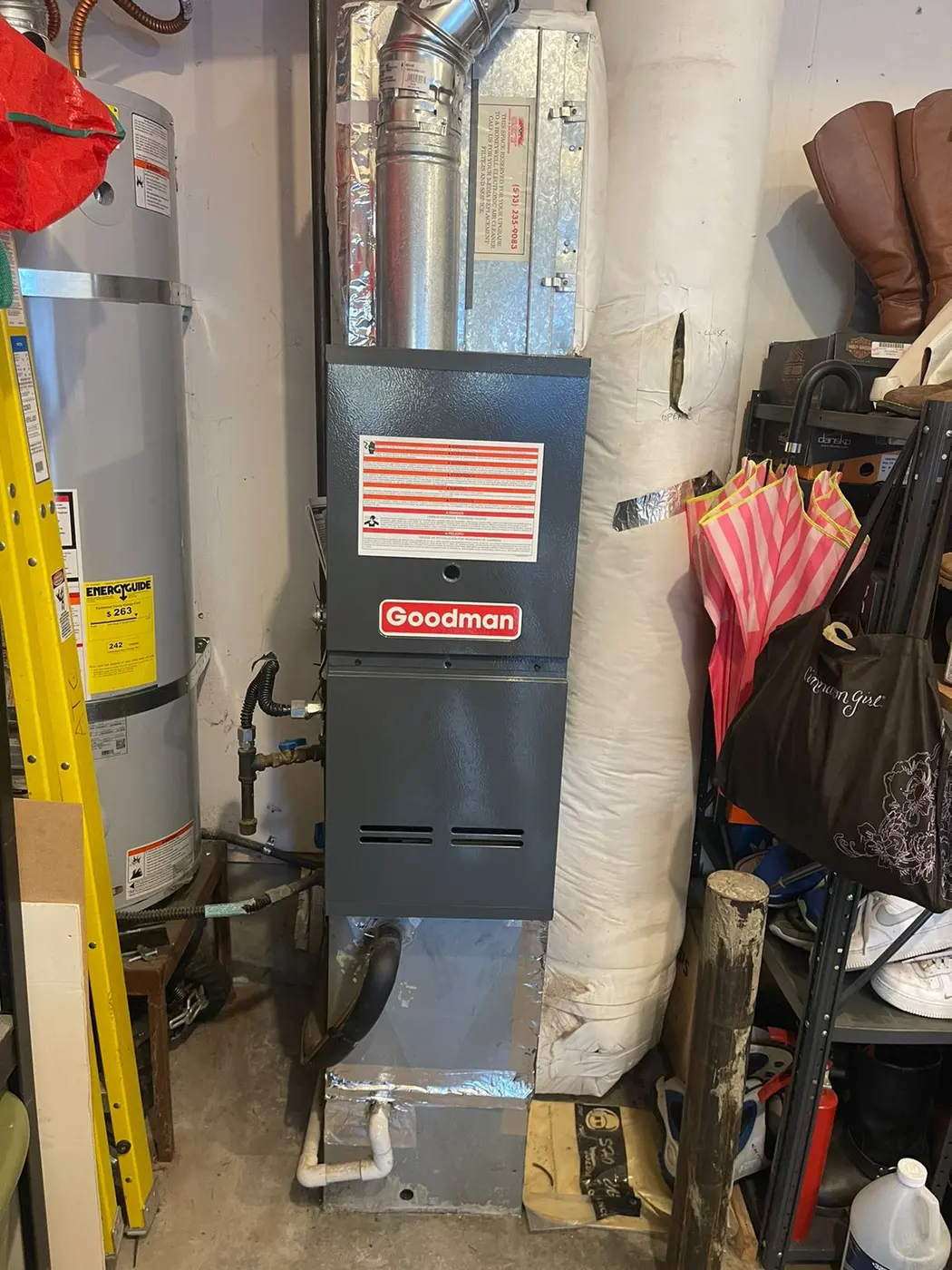
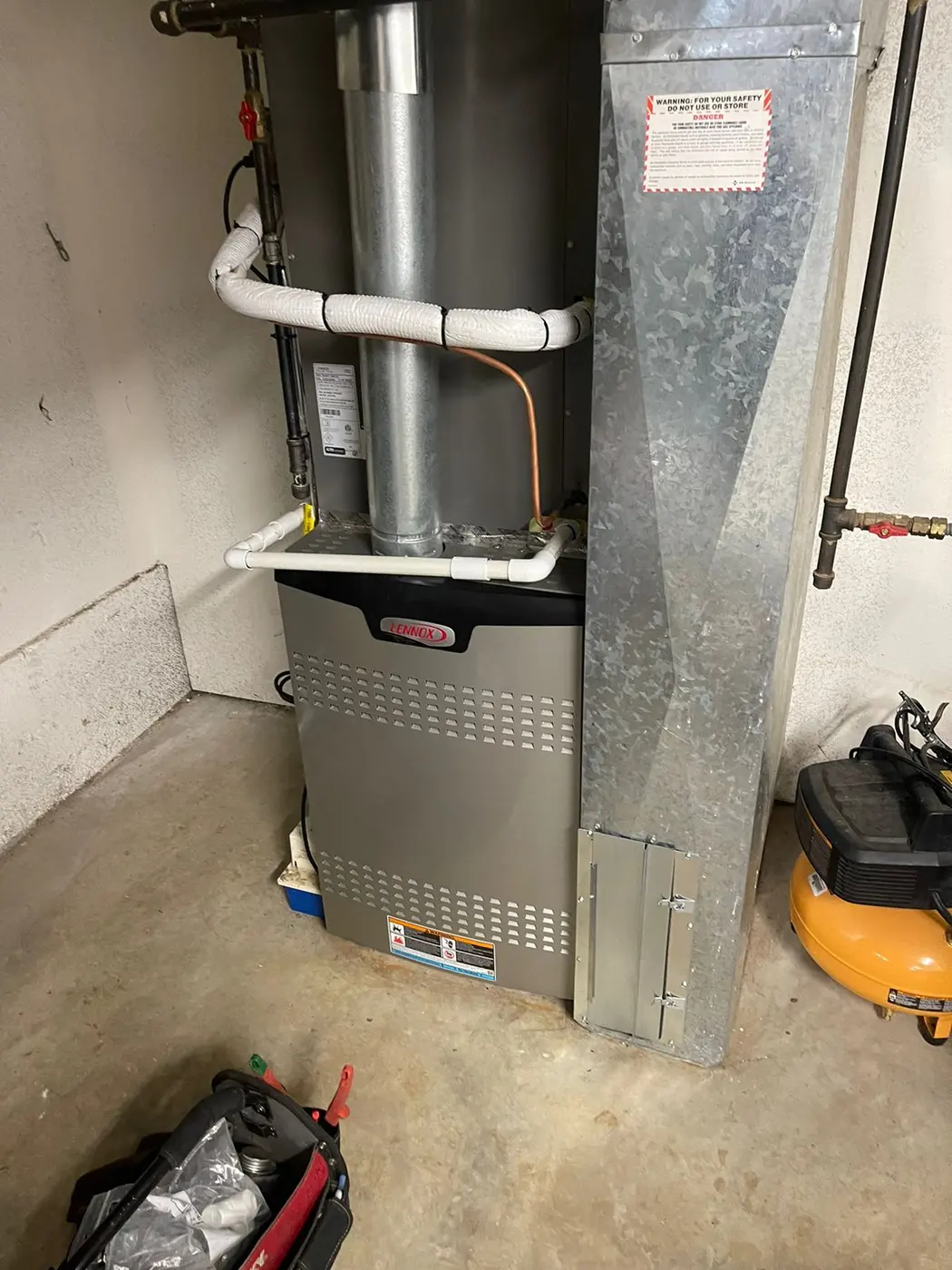
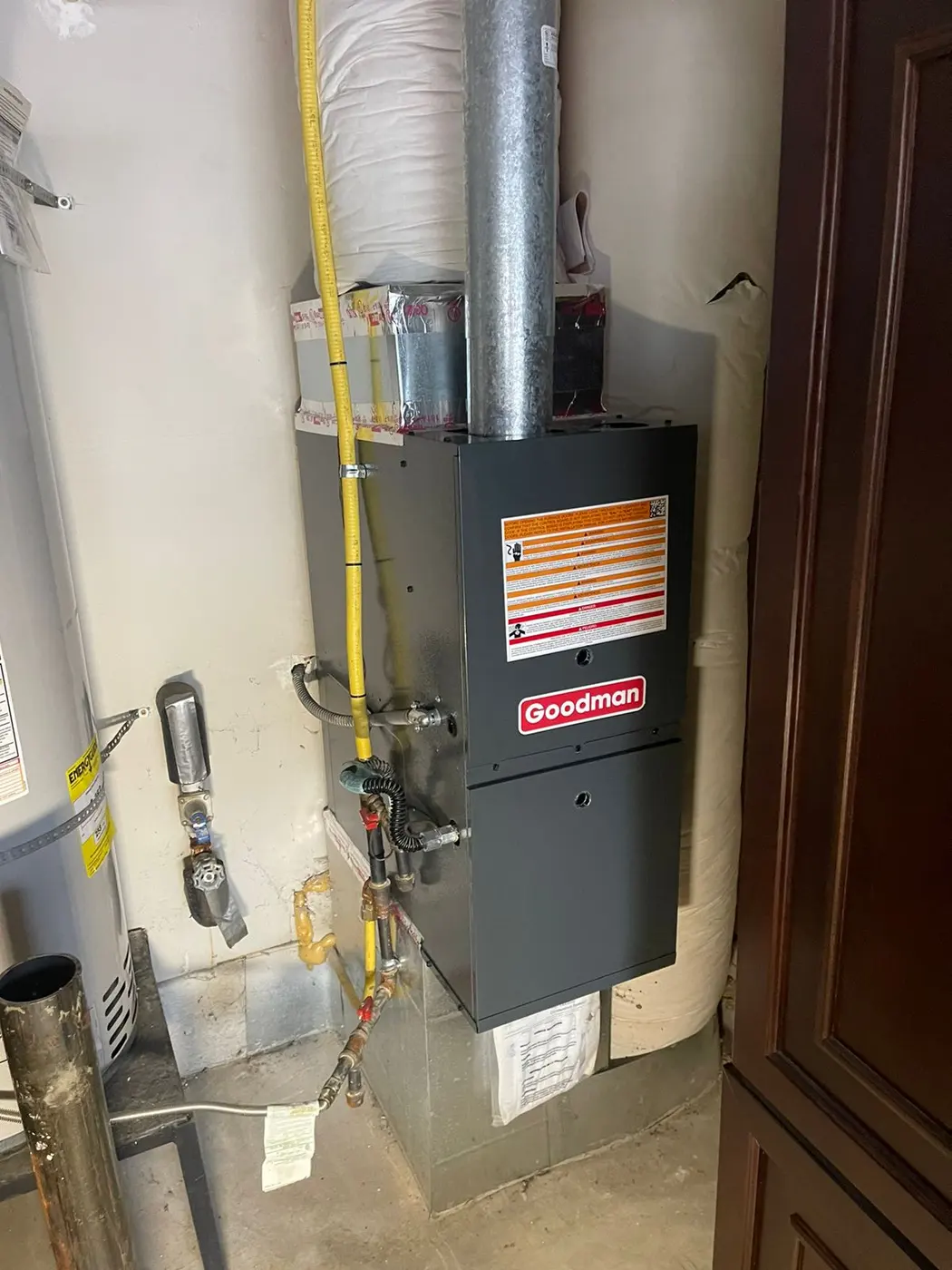
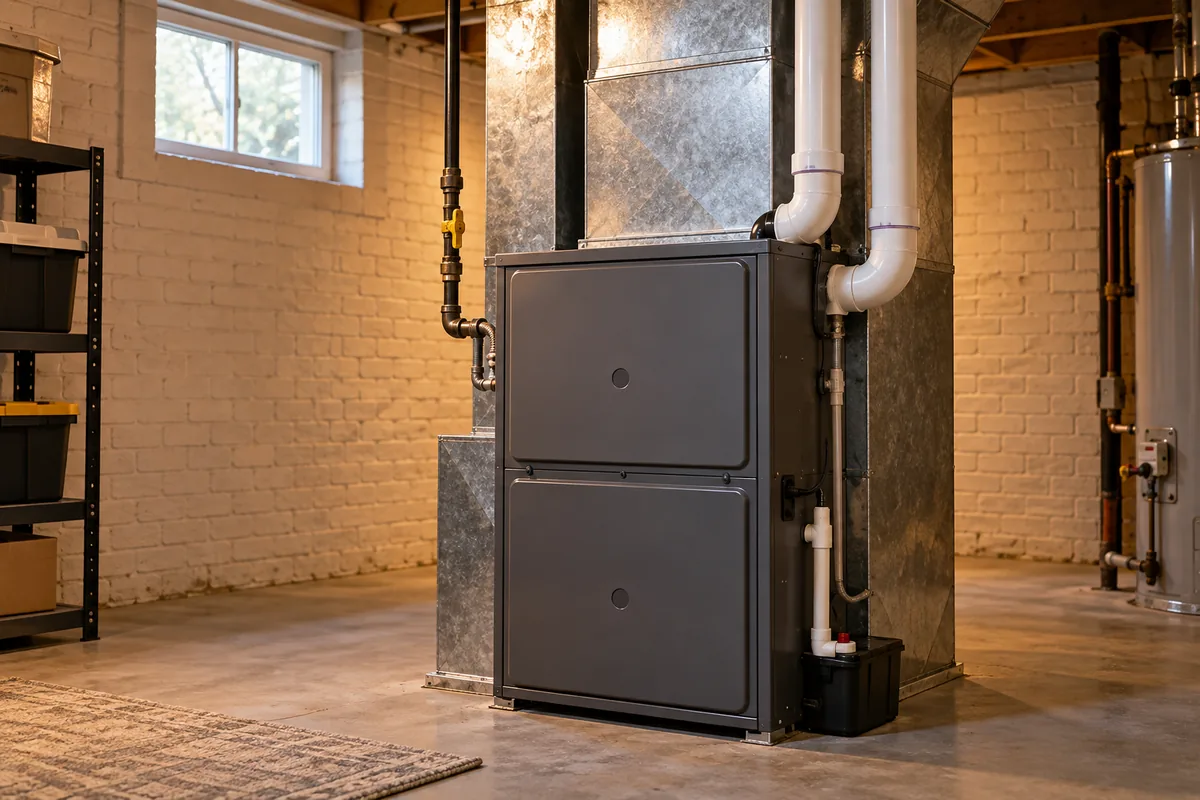
If a new gas furnace is part of the work, our Trane furnace installation service covers that need. The combined scope should define each heat source and the controls that manage it. A functioning old furnace still needs a proper match before it becomes part of a new system.
Equipment Options and Complete Installation Scope
An equipment list should show more than the outdoor model. Indoor parts, wall controls and any retained equipment all belong in the proposal. That level of detail helps explain why two options can have different work and cost attached to them.
We also review removal, access and connections. Existing routes or supports may need changes for the new equipment. If an option excludes duct work or a separate room concern, that boundary should be clear before you decide how to proceed.
Access and Interruption to Heating or Cooling
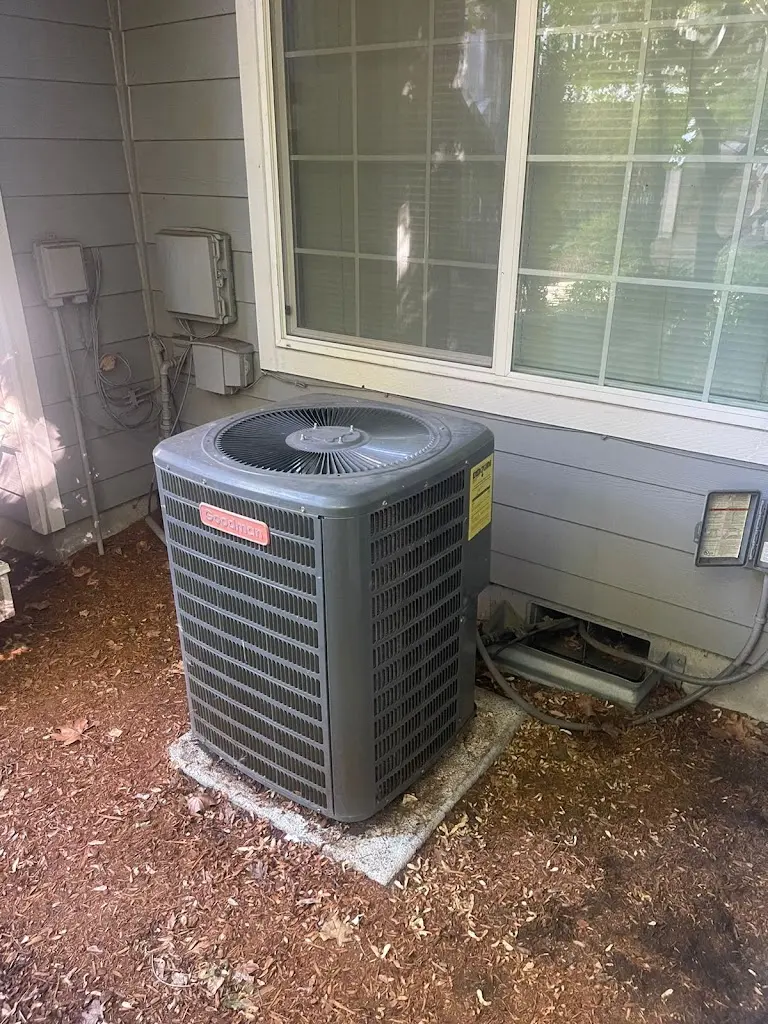
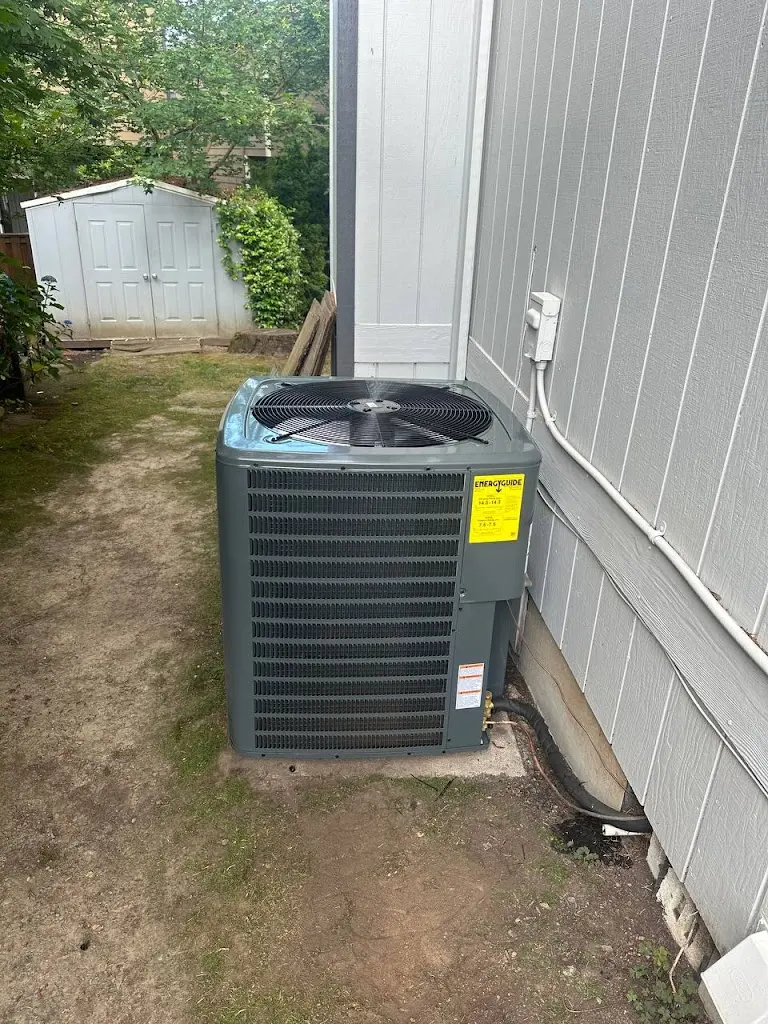
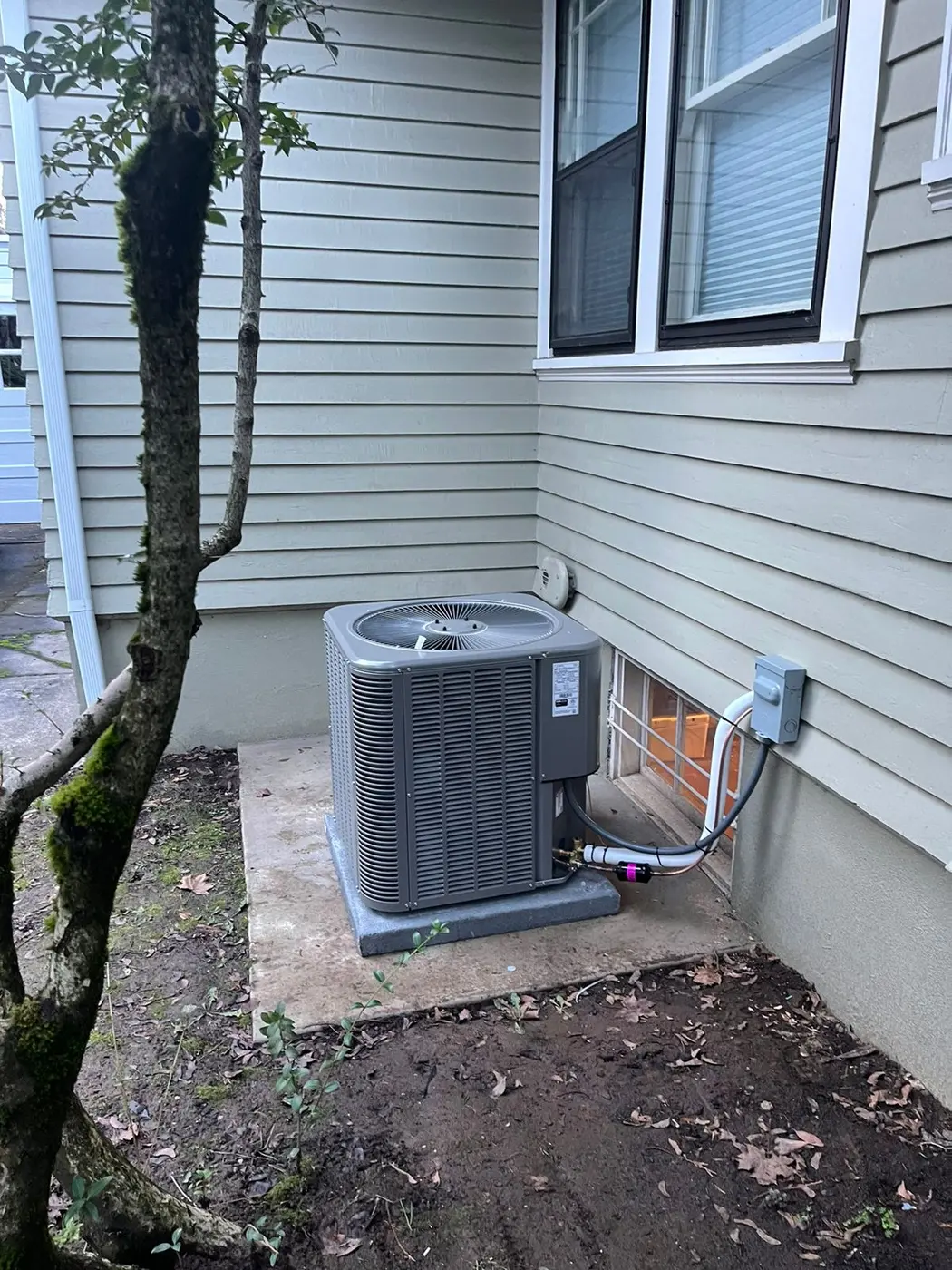
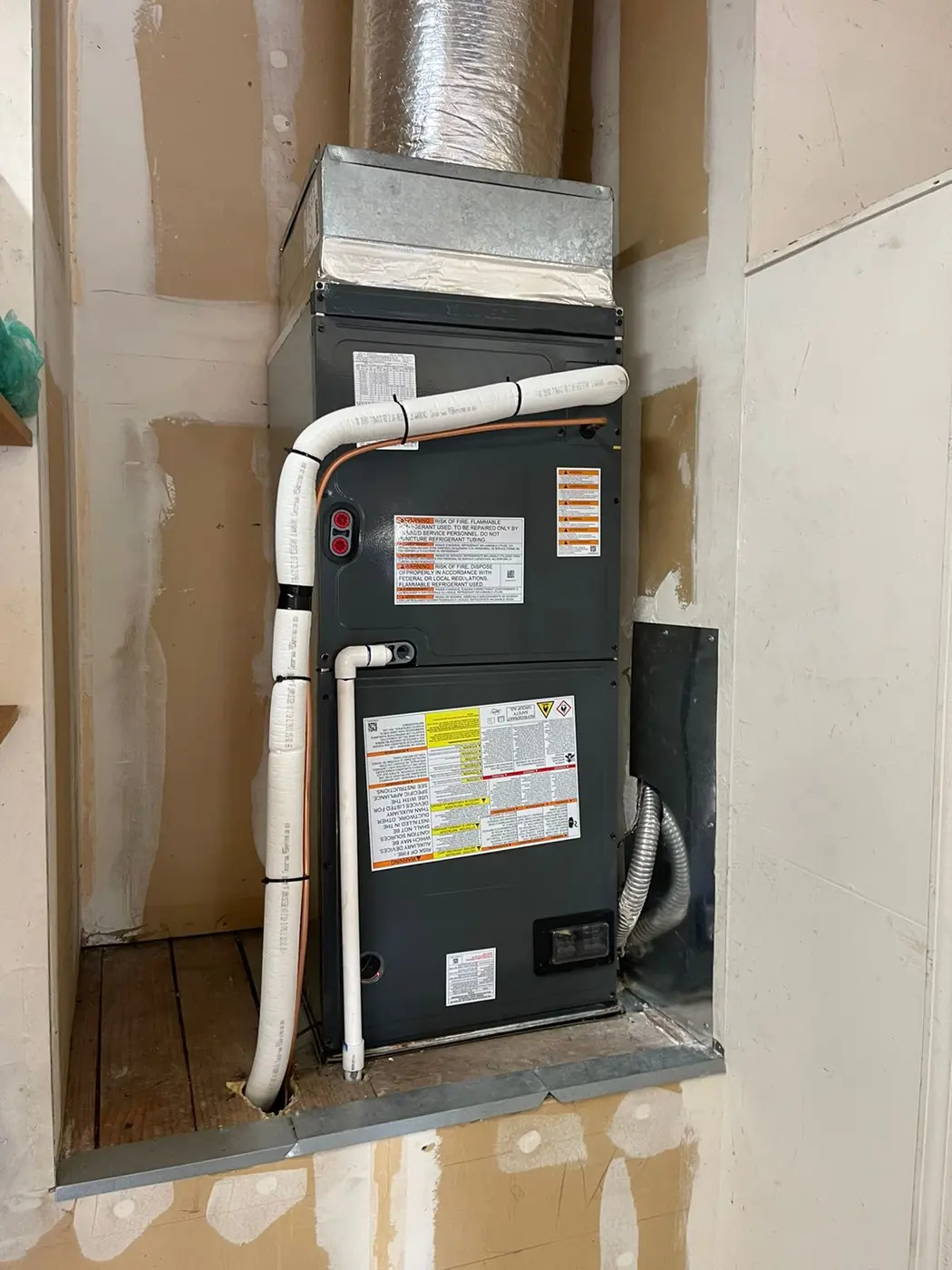
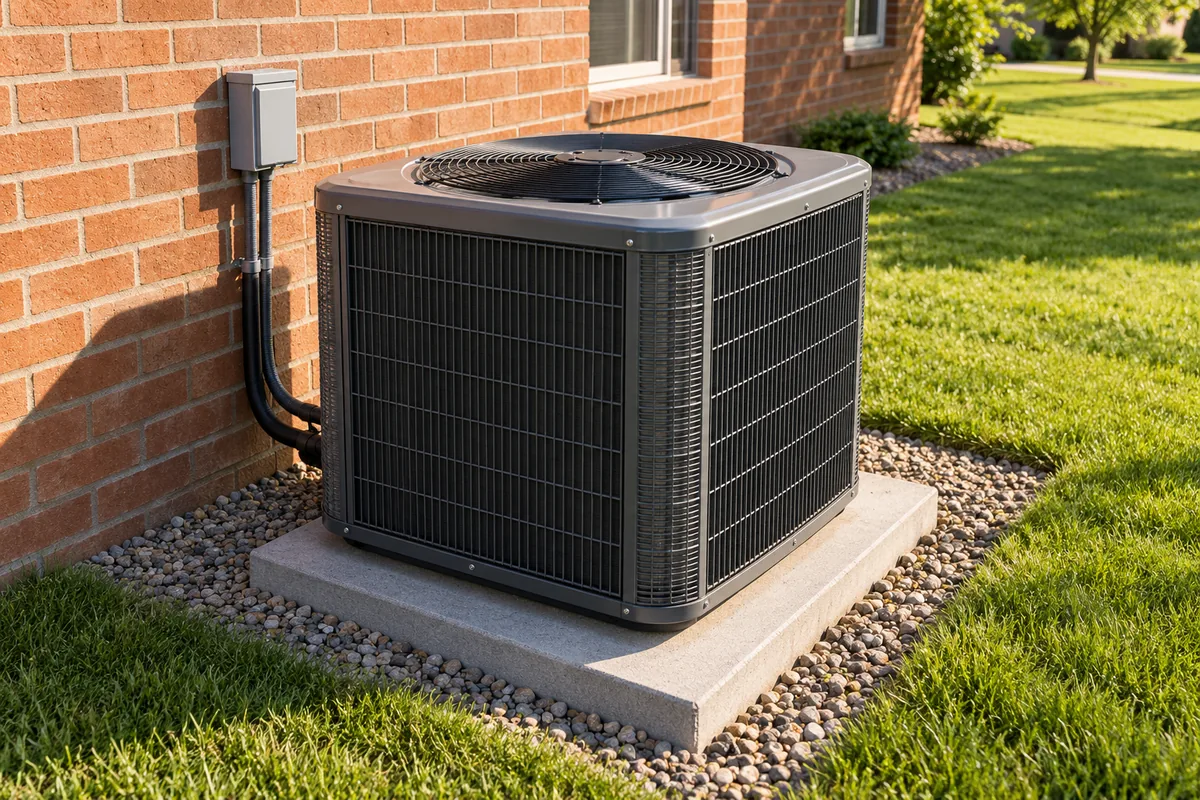
Outdoor equipment needs usable air space and room for later service. Indoors, a tight cabinet or passage can affect how the work proceeds. Share any limits on access so we can discuss them before the installation visit.
The changeover plan should explain the expected interruption to heat or cooling. Timing depends on the actual work and the equipment arrangement. We define it from the agreed scope, rather than assume every replacement follows the same schedule.
Startup Checks and Everyday Operation
After installation, the equipment needs startup checks relevant to its heating and cooling functions. The review should also account for any retained heat source. A new outdoor unit is not the entire result when the project involves a complete indoor and control arrangement.
At handover, we explain everyday settings and the equipment included in the work. Any separate issue remains visible for discussion. You should know how the new setup serves the home. Internal service menus and test routines are not part of everyday use.
Contact HVAC & Appliance Repair Guys to discuss Trane heat pump installation and the indoor equipment, controls and heat sources for your home.
Frequently Asked Questions
Can I compare a repair with the new-system proposal?
Yes. Our Trane heat pump repair covers assessment of the current fault. The findings can help separate a repairable problem from the wider work you want a replacement to achieve.
Will an old Trane thermostat work with a new Link system?
We need to check the actual control and equipment. A shared brand does not establish a supported match across generations. Any required wall-control change should appear in the scope.
Should I choose a bigger unit to fix a cold upstairs room?
That is not a decision to make from the room symptom alone. We assess the home’s demand and the air path to that room. Those findings guide the equipment size and any separate duct work.
Request Trane Heat Pump Installation in Portland Metro
For Trane Heat Pump Installation in Portland Metro, call HVAC & Appliance Repair Guys or submit a service request through the form on this page.
Before your visit
Heat Pump Installation & Replacement details for Trane
A useful Trane installation request describes the current system and the desired result. The on-site estimator visit is free and covers a review of sizing inputs, compatibility, access, and project conditions before a proposal is prepared.
Identify the exact product configuration
For Trane heat pump installation & replacement, describe how the existing equipment is installed and powered. Include the exact model number when it is safely visible; models from the same brand can use different configurations.
List earlier repairs and parts
Share prior Trane service dates, replaced components, recurring failures, and any part already supplied or ordered for the existing system. This history helps describe what is installed; the estimator still reviews the equipment on site.
Describe the utility connections
State which utilities serve the existing Trane equipment. These details help the estimator understand the connections already in place.
Estimate age and current condition
Share the approximate age, condition, and repair history of the existing Trane equipment when discussing replacement options. These details are considered along with the on-site assessment and your needs.