


Furnace Maintenance in Gresham
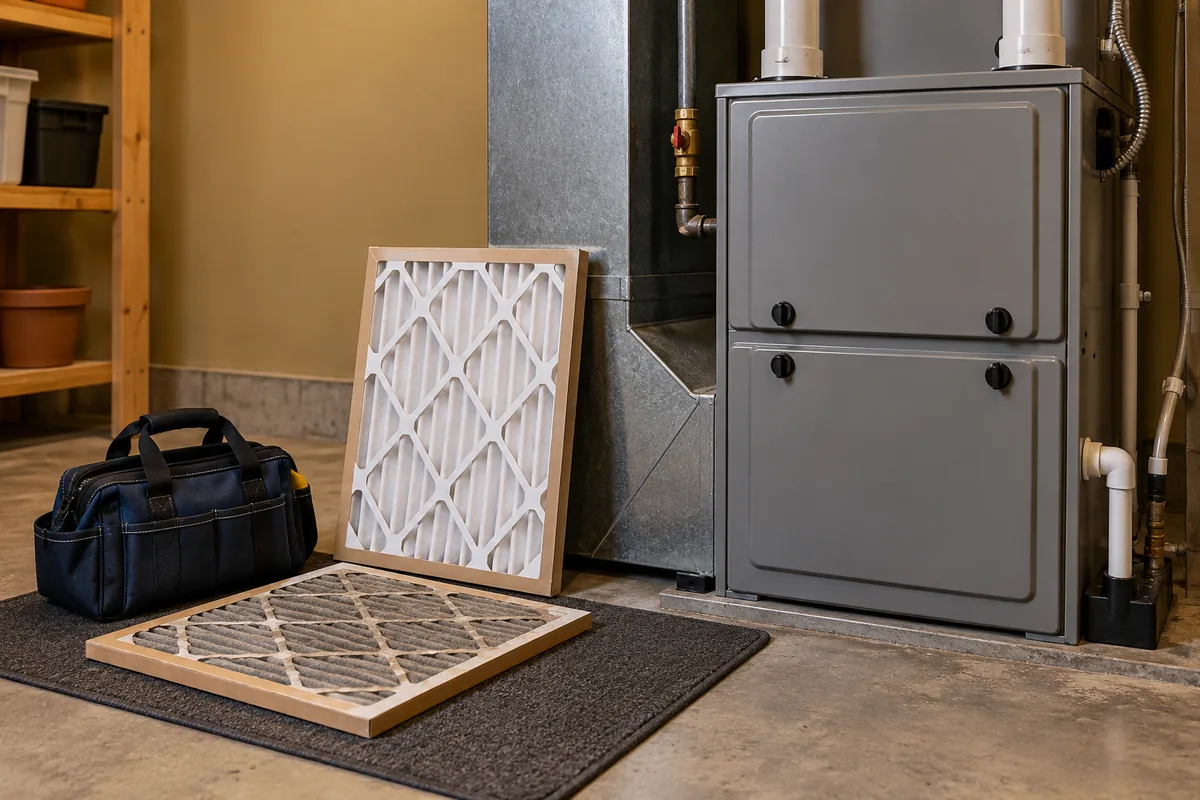
HVAC & Appliance Repair Guys provides furnace maintenance in Gresham, OR. Care of the air path, blower, controls and heating components follows the unit’s model and condition. Operating checks help relate that care to the heat delivered. A temperature reading needs its measurement location and operating conditions alongside it to be useful.
Describe the current concern before the visit. A room that remains cool, moving air that feels different and a furnace that stops are different observations. Keep those facts clear without choosing a failed part. The agreed care scope should identify which question the visit addresses.
Our furnace maintenance service covers the broader heating-care discussion. Professional checks may include return and supply air readings during furnace operation. The relevant comparison depends on the equipment’s requirements. There is no single number to borrow from another furnace as a universal pass mark.
Thermostat Settings and Equipment Readings
The selected thermostat temperature is a request for room heat. It is not the same measurement as air at a furnace supply or return. Keep those locations clear when reviewing a record. A figure without a location may not answer the question you thought it did.
If you noted a room temperature during normal use, explain where and when. Include the control setting and whether the furnace was heating, running the fan or off. Keep a measured value separate from a description that the air felt warm. Both can provide context without describing the same thing.
Do not open equipment or insert a probe into a duct to collect extra readings before service. Use observations already available through ordinary operation. The professional assessment should establish which measurements apply. It should also keep the conditions of those checks with the results.
Operating Modes and Heating Results
Ask whether a recorded check concerns a heating request or another operating mode. A moving blower alone does not establish that the furnace produced heat.
Include other equipment that may have warmed the room. A separate heat source can affect comfort without documenting the furnace’s contribution. State what you know about its use. Leave an uncertain relationship open rather than switch systems repeatedly to create a comparison.
Keep the actual model and setup with technical findings. Similar-sized homes do not establish identical equipment requirements.
Care Tasks and Follow-Up Checks
If the team proposes cleaning or another care task, ask which finding supports it. Inspection and cleaning are different actions. A reading may help explain a concern without selecting one remedy by itself. Keep the proposed task and its purpose clear before approval.
Share recent filter care and other completed work. The visit needs that history when reviewing the current condition. A new filter does not prove every air path is clear, and a recorded check does not mean every component received cleaning.
After agreed care, ask which operating checks followed and what they showed. Keep a before-and-after comparison tied to its conditions. If the conditions differed, retain that fact. A different later reading does not by itself establish that the care task caused the change.
Active Faults and Additional Repairs
Our furnace repair service in Gresham addresses a current failure. Report loss of heat, repeated stops or a visible fault message when arranging maintenance. Routine care does not replace the diagnosis of that problem. The finding should guide any proposed corrective work.
A result outside the relevant equipment requirement needs an explanation in context. Ask what the finding establishes and what further check remains. Do not infer a specific failed part from one value alone. Review the repair scope and price before approving added work.
Leave safety controls and internal settings in place. Do not repeat resets to obtain a better-looking result for the visit. Explain the current state and any earlier stop instead. A complete account can include a check that could not proceed under the conditions present.
Unresolved Room Comfort
Ask how the visit’s findings relate to the room that prompted the request. A completed equipment check may leave an air-delivery or control question open. Keep that concern distinct from the work already done.
Our HVAC maintenance service in Gresham covers a wider equipment-care request. Identify air conditioning or other units that also need attention. A heating reading does not establish every cooling function. Each unit and task needs a clear place in the agreed scope.
If the technician could not enter a room or reproduce a reported event, note that limit in the service record. Ask what further information or work is needed to resolve the remaining question.
Records for Future Care
Keep the model, date, tasks, readings and operating conditions together, including unresolved concerns. Ask an onsite contact to share that record if you are away.
If the heating result changes later, describe the current pattern and ordinary settings. Keep the earlier work available as context. A later symptom can involve a new condition or a remaining question. The next assessment should follow those facts rather than assume the earlier reading settles it. Contact HVAC & Appliance Repair Guys to request furnace maintenance in Gresham.
Frequently Asked Questions
Can I judge furnace condition from how warm a vent feels?
That observation can help describe the concern, but it does not establish the cause. Share the room result and operating context. The professional review should determine which equipment checks apply.
Does one heating measurement show the furnace’s efficiency rating?
A reading during a visit and a stated equipment rating describe different things. Ask what the recorded check establishes for the actual furnace. Do not treat one temperature result as a new rating or a promise about bills.
What if the visit cannot complete a planned check?
Keep the specific check and reason open in the record. Ask what step would resolve it and what the current findings do establish. A missing result neither confirms a pass nor identifies a failed part.
Request Furnace Maintenance in Gresham, OR
For furnace maintenance in Gresham, OR, call HVAC & Appliance Repair Guys or submit a service request through the form on this page.
Before your visit
Furnace Maintenance details for Gresham, OR
Planning furnace maintenance for Gresham, OR starts with equipment details, filter and service history, access, and current operating condition. Describe a no-heat, leak or shutdown symptom clearly if repair diagnosis may be needed instead.
Share the service address
For Gresham, OR, include the street address, building or unit number, room, and the equipment involved. Mention gates, elevators, building check-in, loading restrictions, or another access step before the appointment so the technician knows how to reach the equipment.
Name the on-site contact
Confirm who can meet the technician, approve the visit, and discuss any recommended work at the Gresham, OR address. If an owner, tenant, manager, or facility contact is different from the person submitting the request, share the correct names and telephone numbers before the visit.
Describe current operation
For furnace maintenance in Gresham, OR, note recent performance changes, filter or service history, thermostat behavior, drainage concerns, and whether the equipment is operating. Report an active shutdown, leak or no-heat condition clearly because it may require repair diagnosis rather than routine maintenance.
Send photos of the equipment
A clear photo of the model and serial label, control display, thermostat or affected area can improve planning for Gresham, OR. Include the equipment type and approximate age when known. Photos help us plan the visit; they do not replace an on-site check.