


Furnace Repair in Gresham, OR
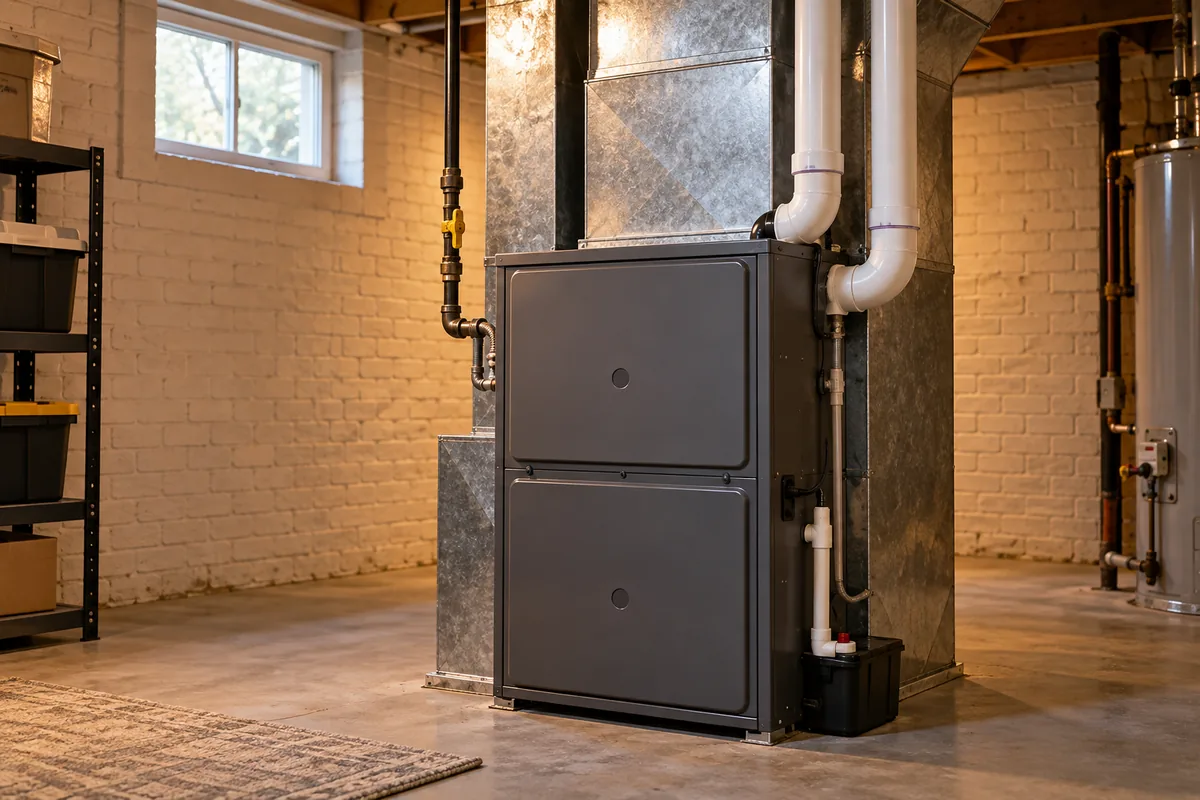
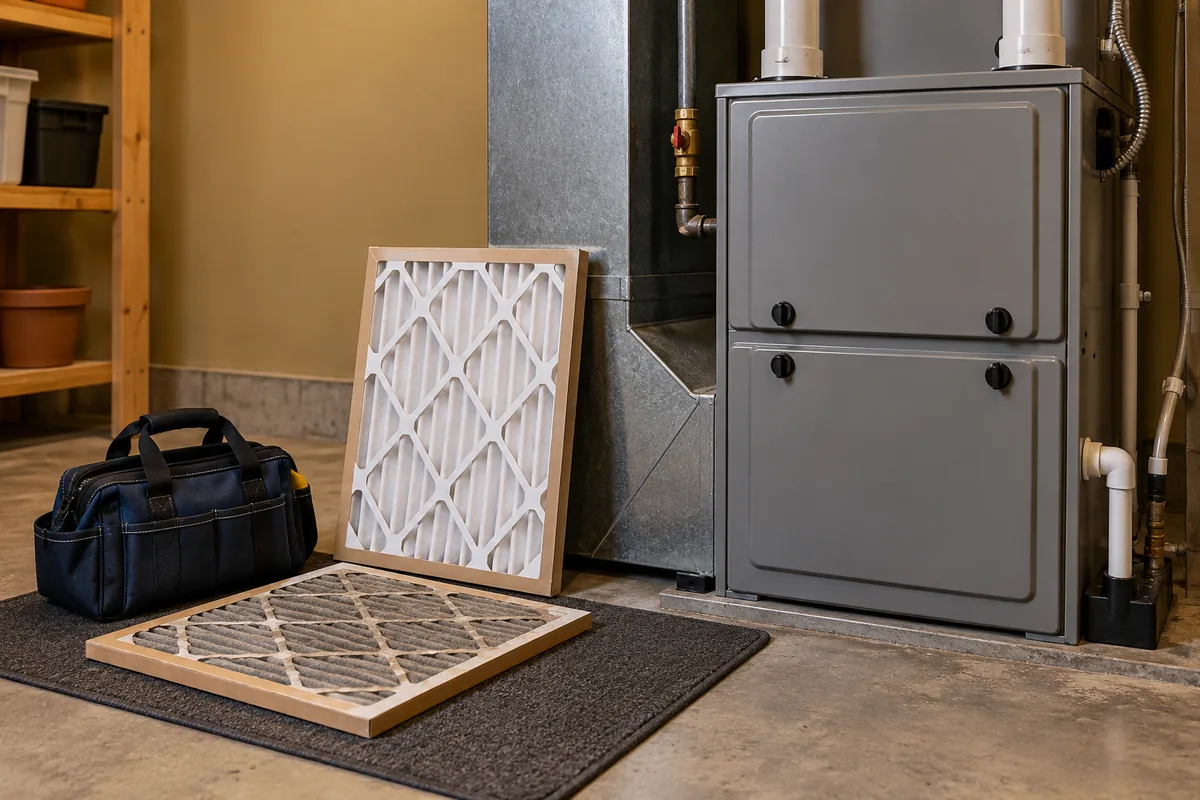
HVAC & Appliance Repair Guys provides furnace repair in Gresham, OR for no heat, weak airflow and equipment that stops before the rooms warm. We assess the installed system and explain repair options. If the fault followed a power interruption, tell us what happened when power returned without assuming the event identifies a damaged part.
Our furnace repair service checks the control request, furnace response and heat reaching the rooms. A lit thermostat or running blower does not establish useful heating. Describe whether airflow is weak everywhere or only in one room.
Power Interruptions and Heating History
Give the power-interruption timing you know and when you first noticed the heating fault. Approximate or unknown details are acceptable.
Mention when the furnace last heated normally and whether it had been unused for a period before the failure.
Tell us about any setting changed after power returned and what happened next. A changed display or a brief return of heat does not establish that the fault is resolved. If the concern involves the wall control, ask about thermostat repair and installation.
Thermostat Response and Delivered Heat
Note the ordinary mode, requested temperature and room reading, and retain any visible message exactly as shown. A display may return before the connected equipment provides useful heat.
Tell us whether the furnace stays quiet, moves air without warmth or starts and then stops. Explain whether that happens each time you normally request heat or only sometimes. The sequence helps define the fault. It does not choose a control board, ignition part or other component in advance.
If heat briefly returned, include when it stopped again and any change in sound or display message.
Visible Messages and Safe Observations
Share a saved message or photo if available. Do not recreate a fault to recover a message that has cleared.
Do not repeatedly operate breakers, reset safety controls or open the furnace to search for a cause. Those actions are not a substitute for diagnosis. Leave wiring, gas components and protective covers intact.
Mention a continuing power concern when arranging service. A furnace repair appointment does not automatically cover every electrical issue in the home; confirm which equipment and wider concerns the visit can address.
Heating, Cooling and Separate Equipment Faults
If heating and air conditioning both have problems, our HVAC repair service in Gresham covers the broader request. Name each affected function and what it now does. Shared indoor parts may be relevant. A common event does not prove that every affected function has the same cause.
Mention any other system that still works, with its control and served rooms. Separate equipment can respond differently to the same event.
Repair Findings, Price and Routine Care
Review the diagnosed fault, proposed repair, price and any parts or return visit before approval.
If furnace maintenance is also due, review it separately. A filter or cleaning task may have a useful purpose without explaining the complete fault. Ask which work addresses upkeep and which addresses the failed heating.
After the repair, ask how heating was checked and whether any issue remains. Keep the completed work and the observed result in the service record.
A Heating Problem That Returns After Repair
If heat fails again, describe the current pattern and any new message, along with what changed after the earlier work.
Frequently Asked Questions
Does a thermostat clock losing its setting prove that the control failed?
No. Describe the changed display and the equipment response separately. The clock alone does not identify a failed thermostat or furnace part. The current setup and findings should guide any repair decision.
Should I cancel if the furnace starts heating before the visit?
Tell the company what changed and confirm the next step. Keep the earlier failed response in the account. An intermittent concern can still need assessment even when the current room result looks normal.
Does working air conditioning rule out a furnace fault?
Not by itself. Heating and cooling can share some parts and use other distinct ones. Explain the results you know from normal use. Do not run extra mode changes to force a comparison for the appointment.
Request Furnace Repair in Gresham, OR
Contact HVAC & Appliance Repair Guys to request furnace repair in Gresham and describe the current heating problem and any power interruption that preceded it.
For furnace repair in Gresham, OR, call HVAC & Appliance Repair Guys or submit a service request through the form on this page.
Before your visit
Furnace Repair details for Gresham, OR
Share the equipment, symptoms, access details, and the name of the person who can discuss the work. The $99 service call covers diagnosis and is applied toward the total when the repair is approved. The finding and price are reviewed first.
Share the service address
For Gresham, OR, include the street address, building or unit number, room, and the equipment involved. Mention gates, elevators, building check-in, loading restrictions, or another access step before the appointment so the technician knows how to reach the equipment.
Name the on-site contact
Confirm who can meet the technician, authorize diagnosis, and review the finding at the Gresham, OR address. If an owner, tenant, manager, or facility contact is different from the person submitting the request, share the correct names and telephone numbers before the visit.
Describe when the problem occurs
For furnace repair in Gresham, OR, explain when the symptom began, whether it is constant or intermittent, and what was happening immediately beforehand. Note any error code, unusual sound, leak location, temperature change, tripped protection, or loss of function without opening equipment or touching unsafe components.
Send photos of the equipment
A clear photo of the model and serial label, control display, thermostat or affected area can improve planning for Gresham, OR. Include the equipment type and approximate age when known. Photos help identify the request but do not replace on-site testing or confirm that a particular part is required.