


HVAC Maintenance in Oregon City for an Unfamiliar System
HVAC & Appliance Repair Guys provides HVAC maintenance in Oregon City, OR. A first care visit may review airflow, coil condition, controls and normal response according to the installed equipment. Incomplete history does not prevent that assessment or prove every part needs work. Describe the setup and present performance, leaving missing dates and uncertain connections open for review.
Existing model details, equipment locations and work notes can help. One invoice or a visible outdoor unit does not describe every connected component or all past care.
Our HVAC maintenance service follows the installed equipment and current findings. Missing history alone does not establish which tasks are needed.
The Installed Equipment and Connected Components
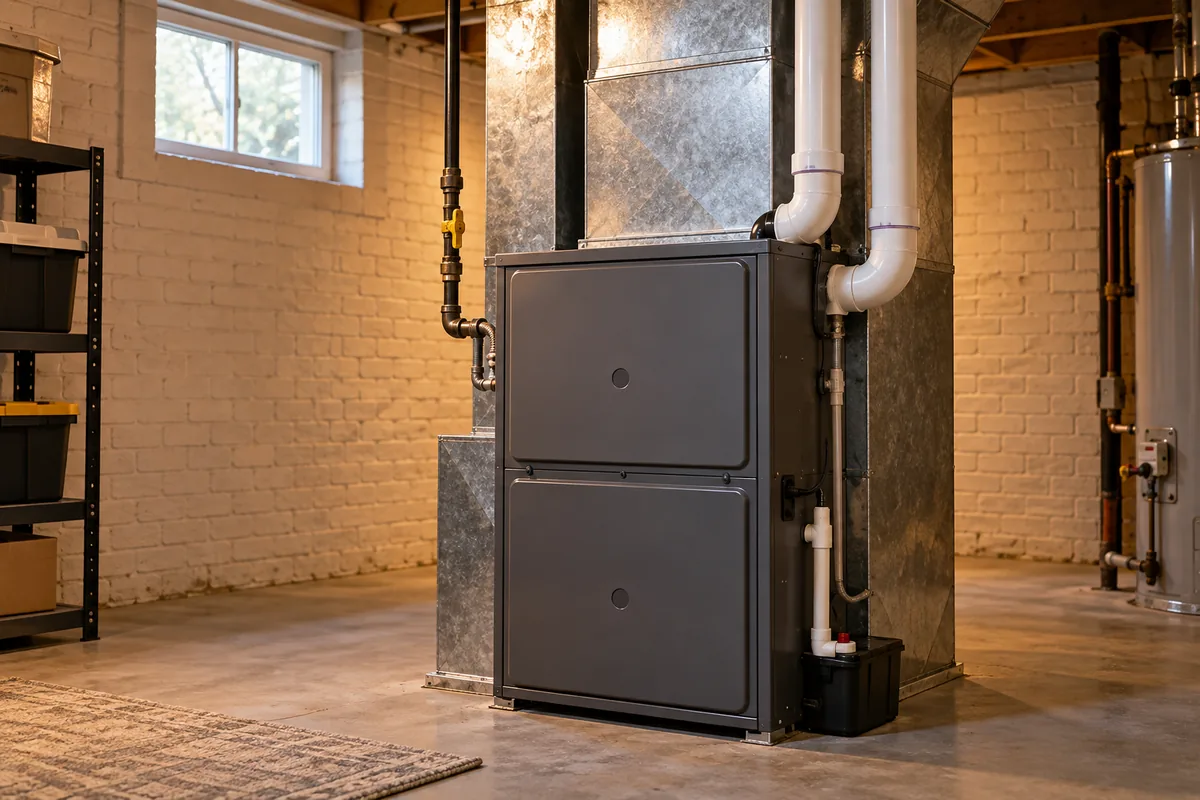
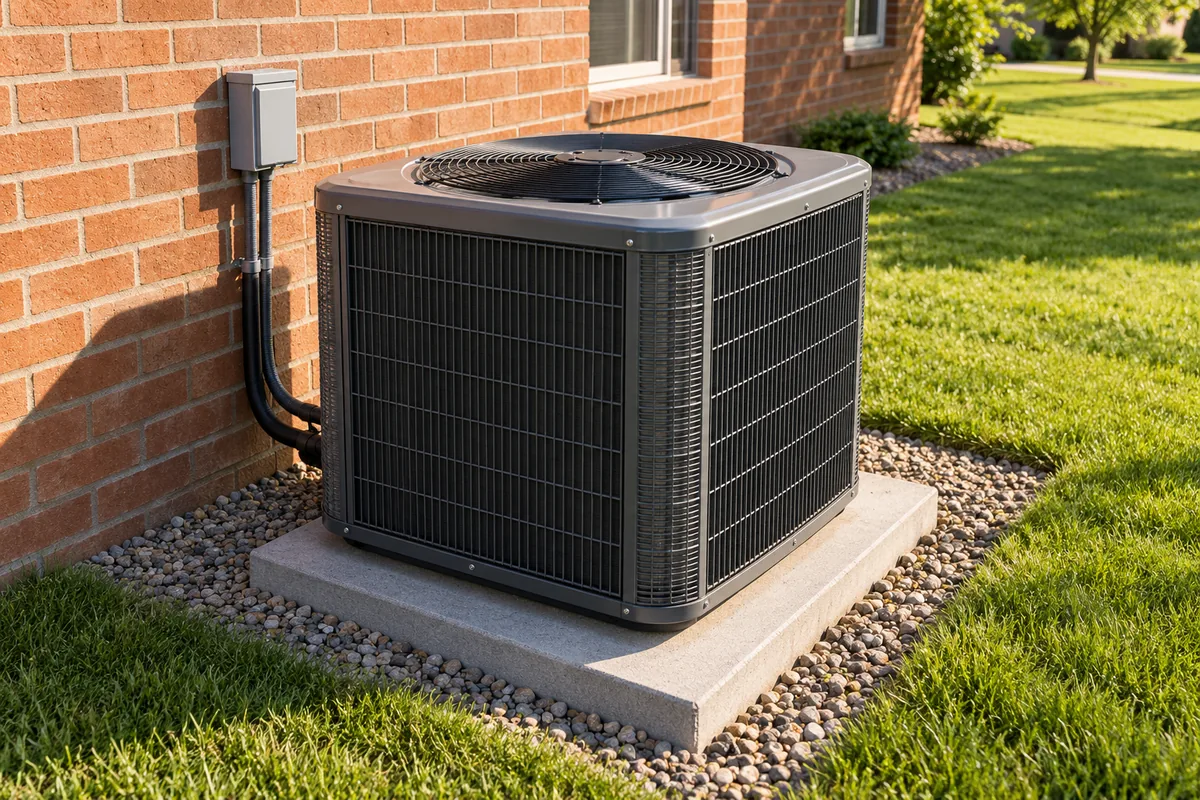
Identify known units by location and describe the rooms or controls they appear to serve. Leave unclear relationships for review; do not trace wiring, open cabinets or enter difficult spaces to complete the list.
Keep available model details and service notes tied to the component they name. Do not apply an indoor unit’s work history to outdoor equipment without a known connection.
Mention later equipment or control changes so the plan reflects the current setup, not a former system.
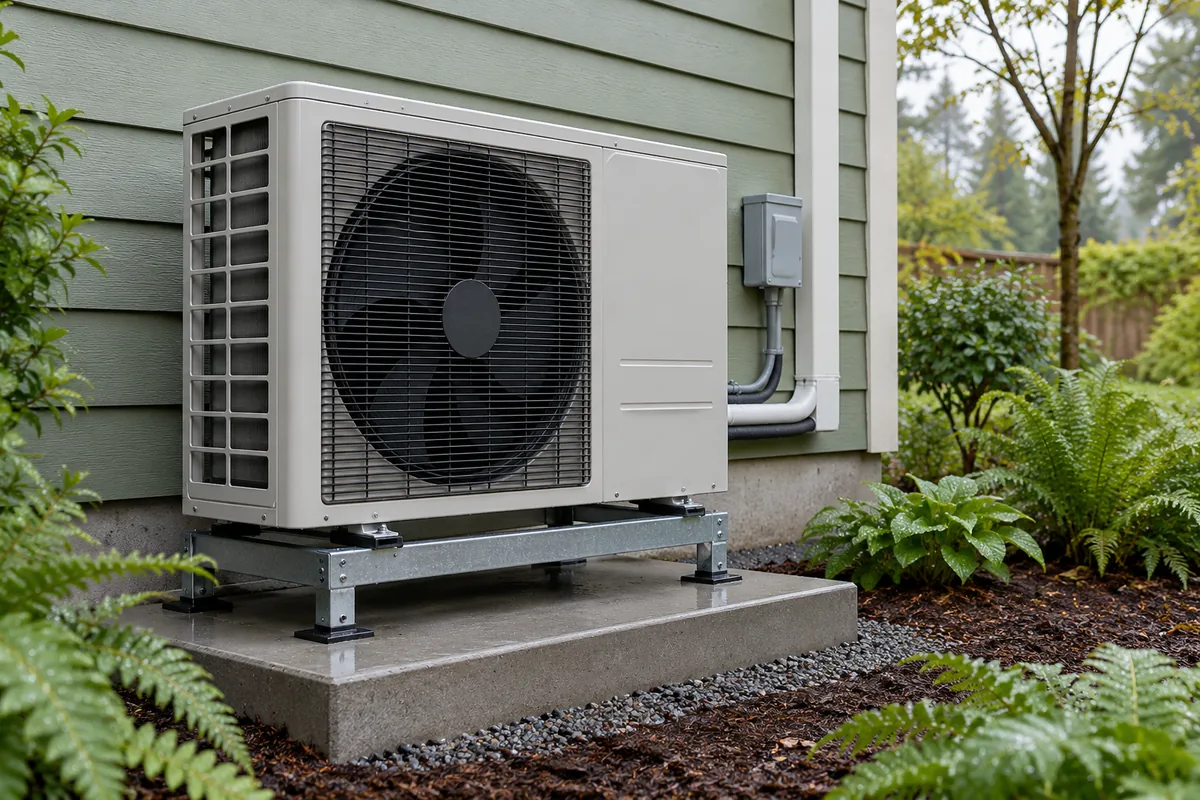
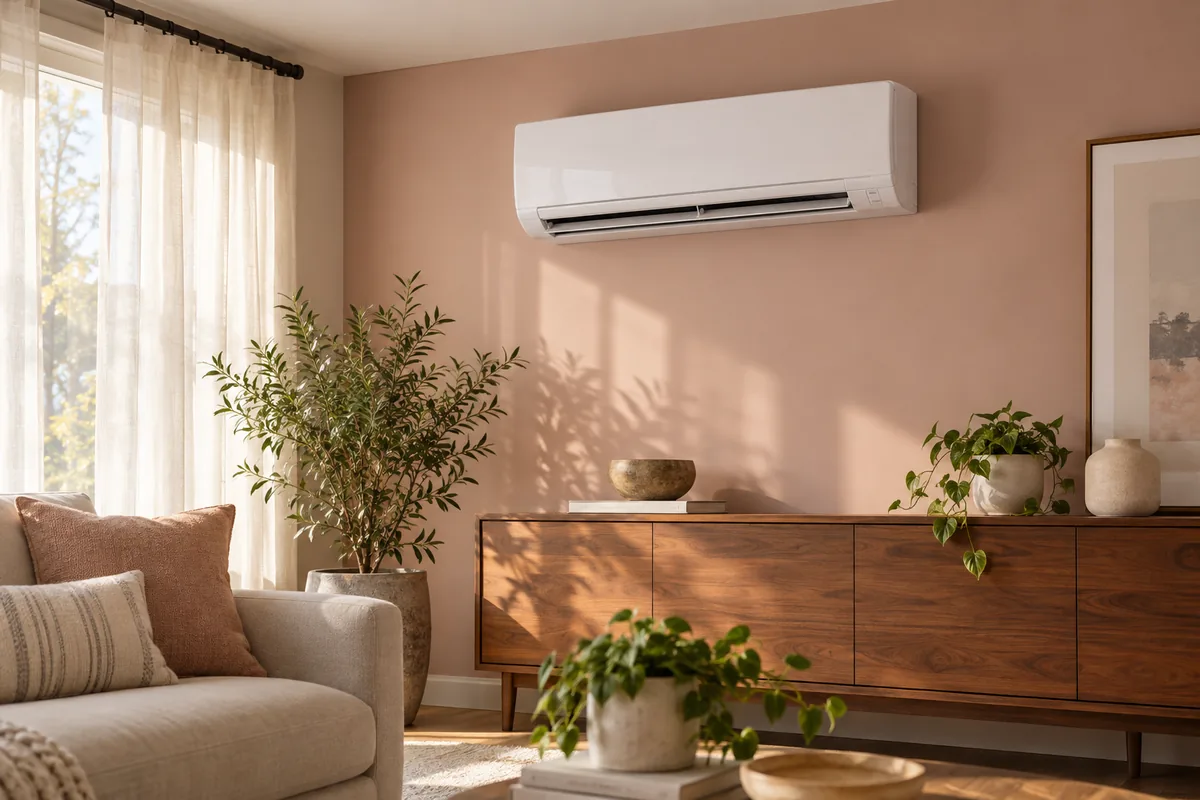
If more than one system serves the property, name each one you want the visit to cover. A care request for one unit does not include every other unit by default. Discuss the full equipment scope before the appointment. This keeps the service plan and price tied to the actual request. If a heat pump is among the units needing care, see heat pump maintenance in Oregon City.
Current Use and Operating Problems
Explain which modes you have used and how the rooms felt. State whether heating or cooling reaches the usual setting. A function you have never used should remain an unknown part of the history. Do not describe it as failed simply because you are unfamiliar with the control.
Separate a question about using a schedule from a loss of heating or cooling. They can call for different work even when both involve the same control.
If the system has a current fault, see our HVAC repair service in Oregon City. Describe the symptom when arranging help, even if the service history is incomplete.
Use observations from normal operation instead of trying to recreate a failure. Note the mode, timing and any visible message you have seen. Leave unknown details as unknown. Repeated restarts or hidden setting changes can alter the state you need to describe.
Earlier Care and Open Recommendations
Share the tasks listed in earlier records, such as a filter change, cleaning or part repair. If a note gives only a broad service label, tell us that the exact work is unknown.
Identify whether an old recommendation was completed or only proposed. Current findings should establish whether it remains relevant; the old note does not authorize new work.
Mark dates or descriptions recalled from memory as approximate. They can help without becoming confirmed equipment or repair facts.
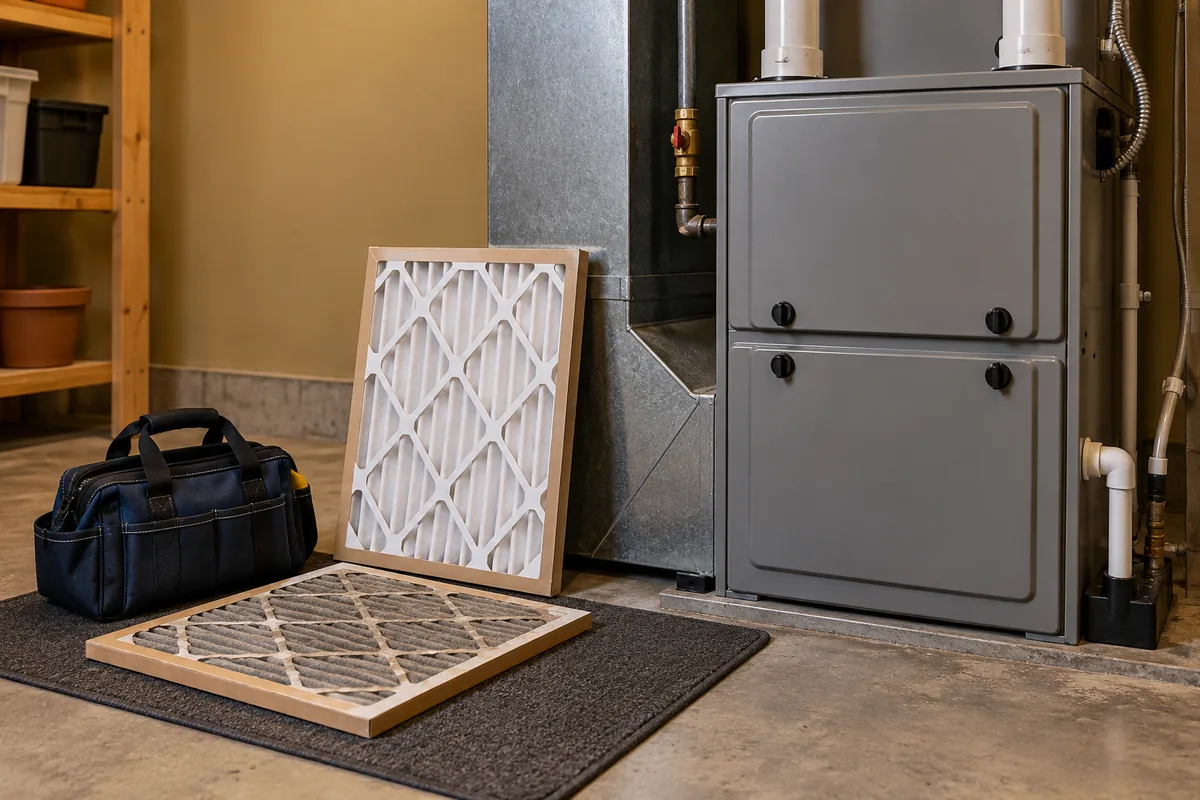
Share known owner care, including recent filter tasks, without treating it as evidence of every internal component’s condition. You do not need to add a cleaning step before the appointment.
Maintenance Scope and Access Limits
Review the equipment and tasks included in the visit. Professional care may involve airflow, coil condition, controls and normal response, depending on the setup. Ask what each proposed task addresses. A missing service history does not justify a universal cleaning or parts package. If the concern is debris inside the ducts, discuss air duct cleaning separately from equipment maintenance.
Explain access to the indoor equipment, outdoor equipment and controls. Mention locked areas, stored items or another person needed for entry. Clear ordinary belongings only where safe. Leave attached parts and equipment covers in place.
If access limits a check, retain what remains unknown and the purpose of a further visit. Another component’s result does not establish the inaccessible part’s condition.
Review the reason, scope and price of added work before approval, distinguishing care from diagnosis or repair.
Current Findings and Future Maintenance
Keep confirmed equipment details, completed tasks, findings and open recommendations together for the next visit.
Plan future maintenance from the current equipment, its care guidance, use and visit findings. Confirm any future booking separately, and report a new operating concern when it appears rather than waiting for the next reminder.
Share normal-use instructions with others who operate the system. Keep advanced service settings separate, and describe any later change from the operation recorded after the visit.
Frequently Asked Questions
What if I find earlier service records after the first visit?
Keep them with the new record and compare the dates and equipment they describe. Share any detail that changes an open care question. An earlier invoice should add context without overwriting what the recent visit actually found.
Should I discard a note if I cannot match its model to a current unit?
Keep the note and mark the match as uncertain. It may concern older equipment or one part of the current setup. The model review can clarify its relevance without assigning its work history to the wrong unit.
Should I copy a maintenance routine from equipment at my previous home?
The current model and setup need their own care guidance. Describe the tasks you already use and ask what applies here. Do not assume the same filter, method or interval fits every system.
Request HVAC Maintenance in Oregon City, OR
Contact HVAC & Appliance Repair Guys to request HVAC maintenance in Oregon City and arrange care for your current equipment, even when earlier service details are incomplete.
For HVAC maintenance in Oregon City, OR, call HVAC & Appliance Repair Guys or submit a service request through the form on this page.
Before your visit
HVAC Maintenance details for Oregon City, OR
Planning hvac maintenance for Oregon City, OR starts with equipment details, filter and service history, access, and current operating condition. Describe a no-heat, no-cooling, leak, or shutdown symptom clearly if repair diagnosis may be needed instead.
Share the service address
For Oregon City, OR, include the street address, building or unit number, room, and the equipment involved. Mention gates, elevators, building check-in, loading restrictions, or another access step before the appointment so the technician knows how to reach the equipment.
Clarify utilities and shutoffs
Tell us whether power, gas, water, drainage, or another utility is involved in the hvac maintenance request and whether any safe shutoff has already been used. Do not operate an unfamiliar valve, reset protection repeatedly, or enter an unsafe area simply to provide this information.
Prepare a safe work area
Before service in Oregon City, OR, provide ordinary safe access and move loose storage only when it can be done without risk. Keep children and pets away from the work zone. Leave panels, built-in equipment, piping, wiring, and refrigerant components in place for the technician to evaluate.
Describe what is working
Describe what is unusable, what remains operational, and whether the issue affects one unit, one area or several pieces of equipment. This helps distinguish an isolated hvac maintenance request in Oregon City, OR from a broader utility, access, or system condition.