



Carrier AC Repair for Changes in Cooling
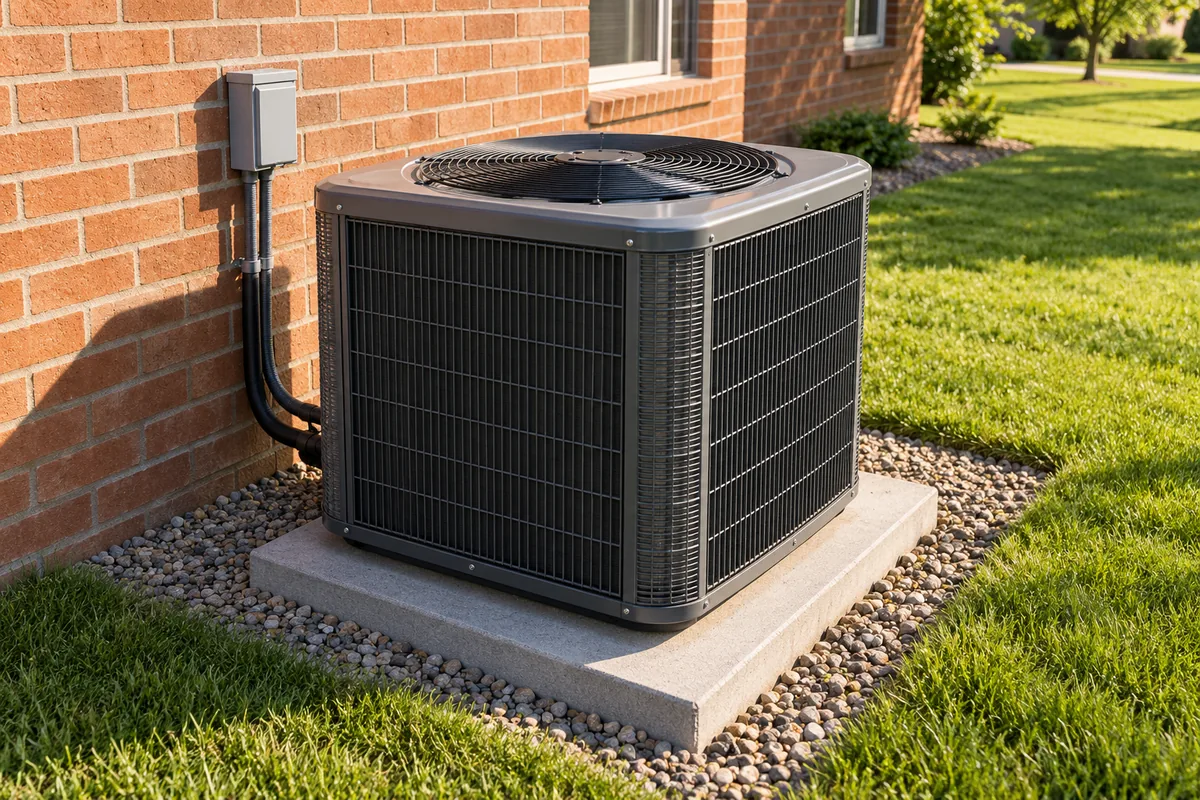
HVAC & Appliance Repair Guys provides Carrier AC repair in Portland Metro. An outdoor unit can run while the rooms stay warm, and a thermostat can show a cooling request without the system delivering it. We assess the installed equipment and explain the repair findings.
Tell us what changed from the system’s usual behavior. A new loss of cooling differs from a room that has always been hard to cool. Our AC repair overview covers the general service. The Carrier equipment and controls at your home shape the next steps in this request.
Infinity Controls and the Installed Equipment
A compatible Infinity system uses controls and equipment that exchange operating information. That is a specific setup, not a description of every Carrier air conditioner. We identify the indoor unit, outdoor unit and control before interpreting a warning or choosing a test.
Keep the exact wording of an alert or an existing photo if you have one. A message helps direct the assessment, but it does not prove that a control board or compressor has failed. You do not need to enter installer settings or reset the system to prepare for service.
Warm Air Versus Weak Airflow
Warm air with normal airflow and very little air at the registers are different symptoms. They may occur together; describe both so the assessment can consider air delivery and cooling performance.
We assess indoor airflow and cooling operation together. The outdoor cabinet alone cannot explain every comfort problem. A repair proposal should follow the findings, including the condition of the indoor equipment. It should not start with a guessed refrigerant charge or a part named from one symptom.
Starts, Stops and a New Sound
Tell us if the system now starts and stops more often, runs without meeting the setting or fails to start at all. Use the pattern you have already noticed. You do not need to lower the thermostat repeatedly to force another cooling attempt.
For a new hum, rattle or grinding sound, describe where you hear it from a safe distance and whether cooling changed. Leave guards and service panels attached. If a breaker trips repeatedly, stop using the system and do not keep resetting it. If you see smoke or active sparking, move to a safe location and call 911. Do not wait for a routine repair visit.
Ice or Water Near the Indoor Unit
If ice appears on visible cooling lines or the indoor coil, turn cooling off. Do not chip the ice or apply heat to clear it. Describe where you noticed it and whether airflow had changed. Ice alone does not tell us which part or condition caused the problem.
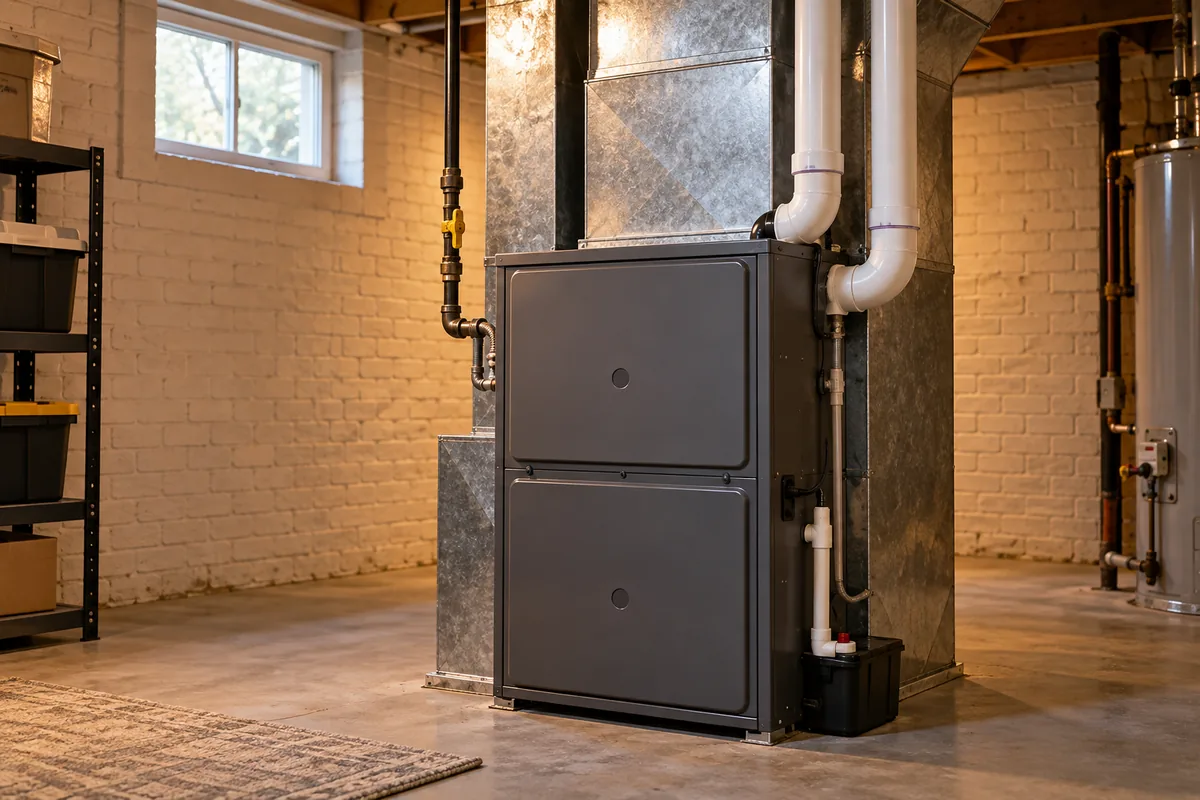
Water near the furnace or air handler needs assessment too. Keep clear of wet electrical areas and stop use if water is spreading. We review the system concern and explain the proposed work. Repairing nearby floors or walls is a separate issue from restoring the cooling system.
Equipment Models and Heat Pumps
Share model details from labels you can reach without opening panels. The indoor furnace or air handler can matter as much as the outdoor nameplate. If you cannot reach a label, describe the location rather than climbing or reaching into equipment to find it.
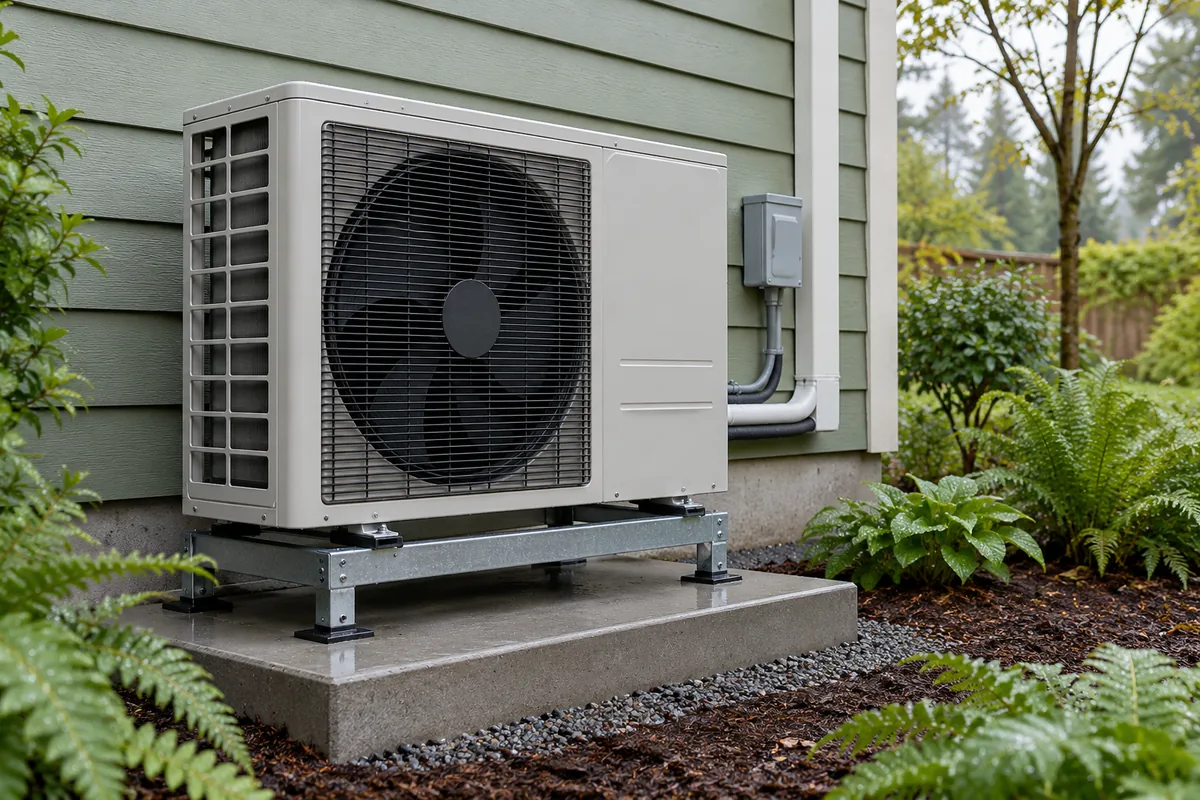
If the outdoor system also supplies heat as a heat pump, identify that function in the request. Our Carrier heat pump repair covers that equipment. Similar cabinets do not establish the system type or make an AC complaint the same as a heat-pump heating fault.
Repair and Replacement Options
We explain the fault, proposed work and any parts needs before you decide. Earlier service can add context, especially if cooling never returned to normal. A repair may address a failed component while a longstanding room-comfort problem needs a broader assessment.
Our Carrier AC replacement covers planning for a system change. That comparison should account for the existing indoor equipment, controls and comfort needs. The age of the outdoor unit alone does not decide the value of repairing it or replacing it.
Request Carrier AC repair from HVAC & Appliance Repair Guys and describe the change in room cooling, airflow and any control message.
Frequently Asked Questions
Can you add refrigerant just because the air feels warm?
Warm air does not by itself establish a refrigerant problem. We assess airflow, cooling operation and the relevant measurements first. Any proposed refrigerant work should follow those findings.
Request Carrier AC Repair in Portland Metro
For Carrier AC repair in Portland Metro, call HVAC & Appliance Repair Guys or submit a service request through the form on this page.