



Carrier AC Installation and Replacement for the Existing Home
HVAC & Appliance Repair Guys provides Carrier AC installation and replacement in Portland Metro. We review the indoor system and controls alongside the outdoor unit, then explain the intended setup and installation work.
Describe the current equipment and why you want a change. Our AC installation overview covers the general service. For a Carrier proposal, the indoor match, control choice and available space help define what the installation actually includes.
Retained Indoor Equipment and System Matching
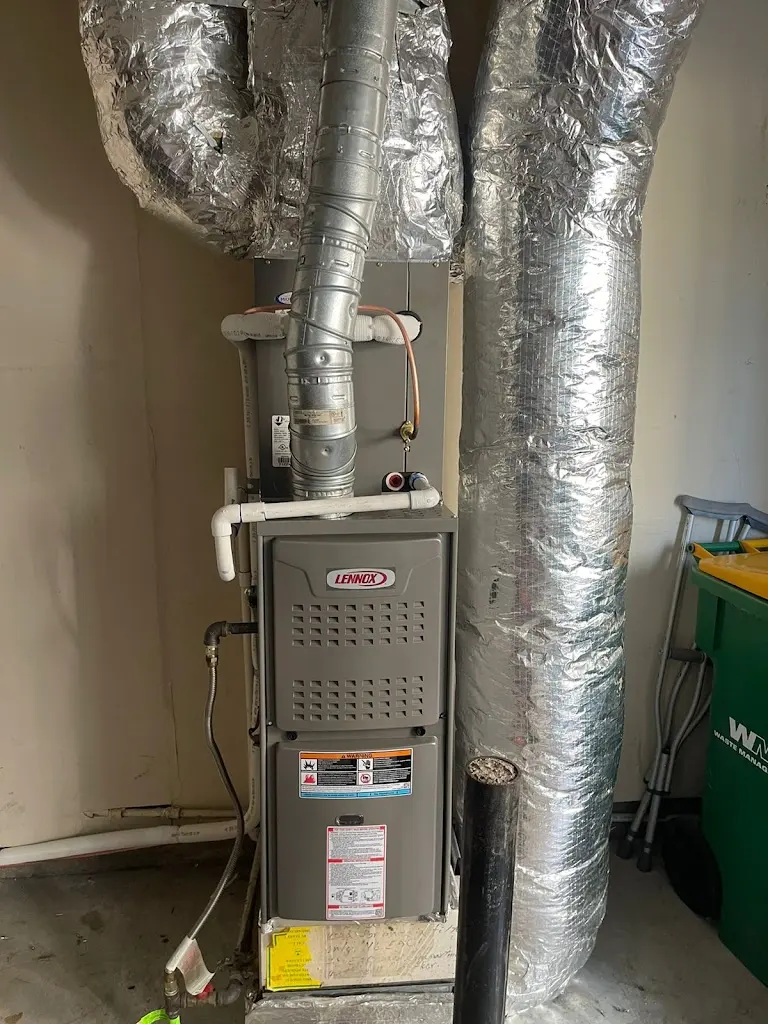
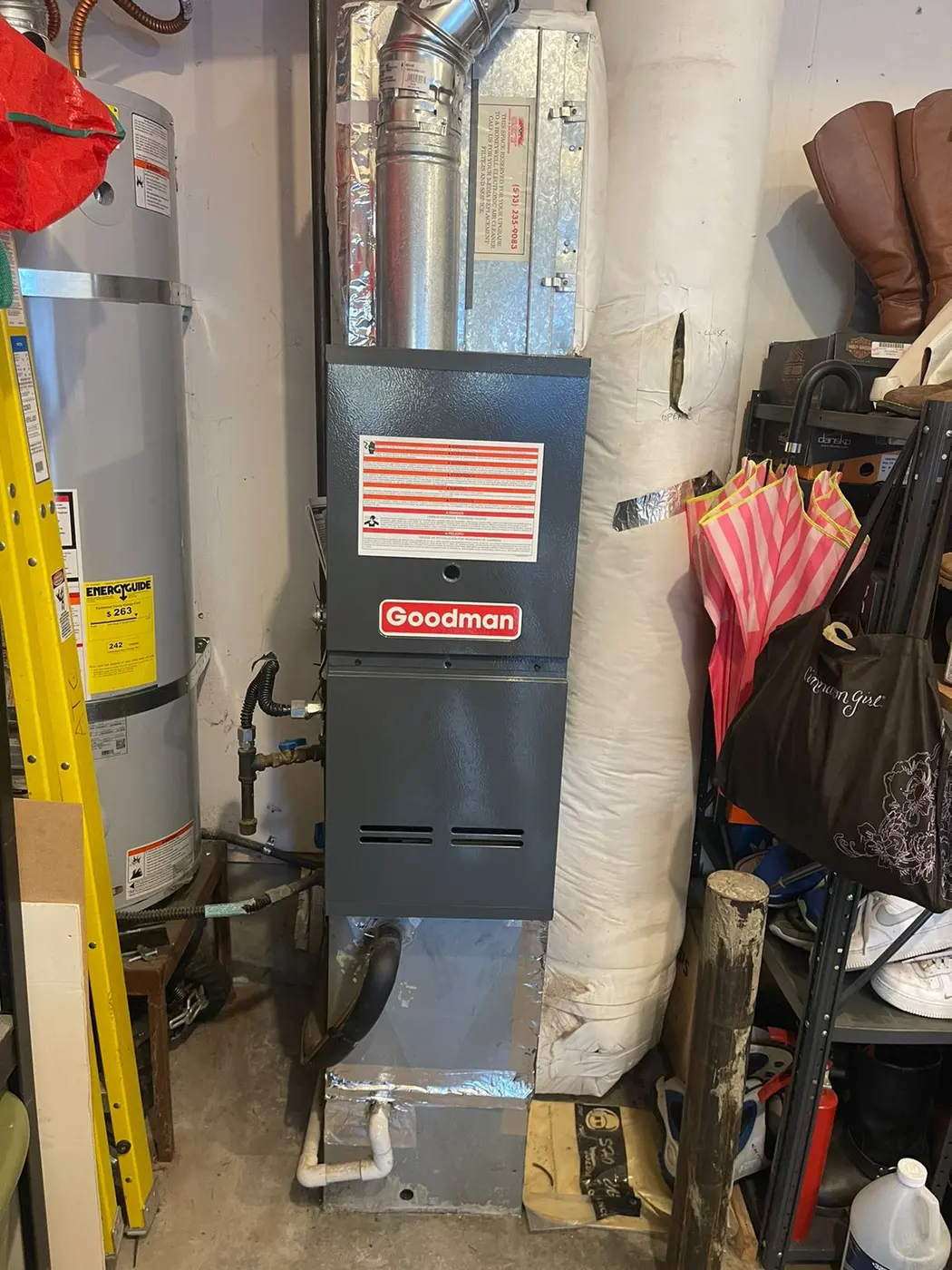
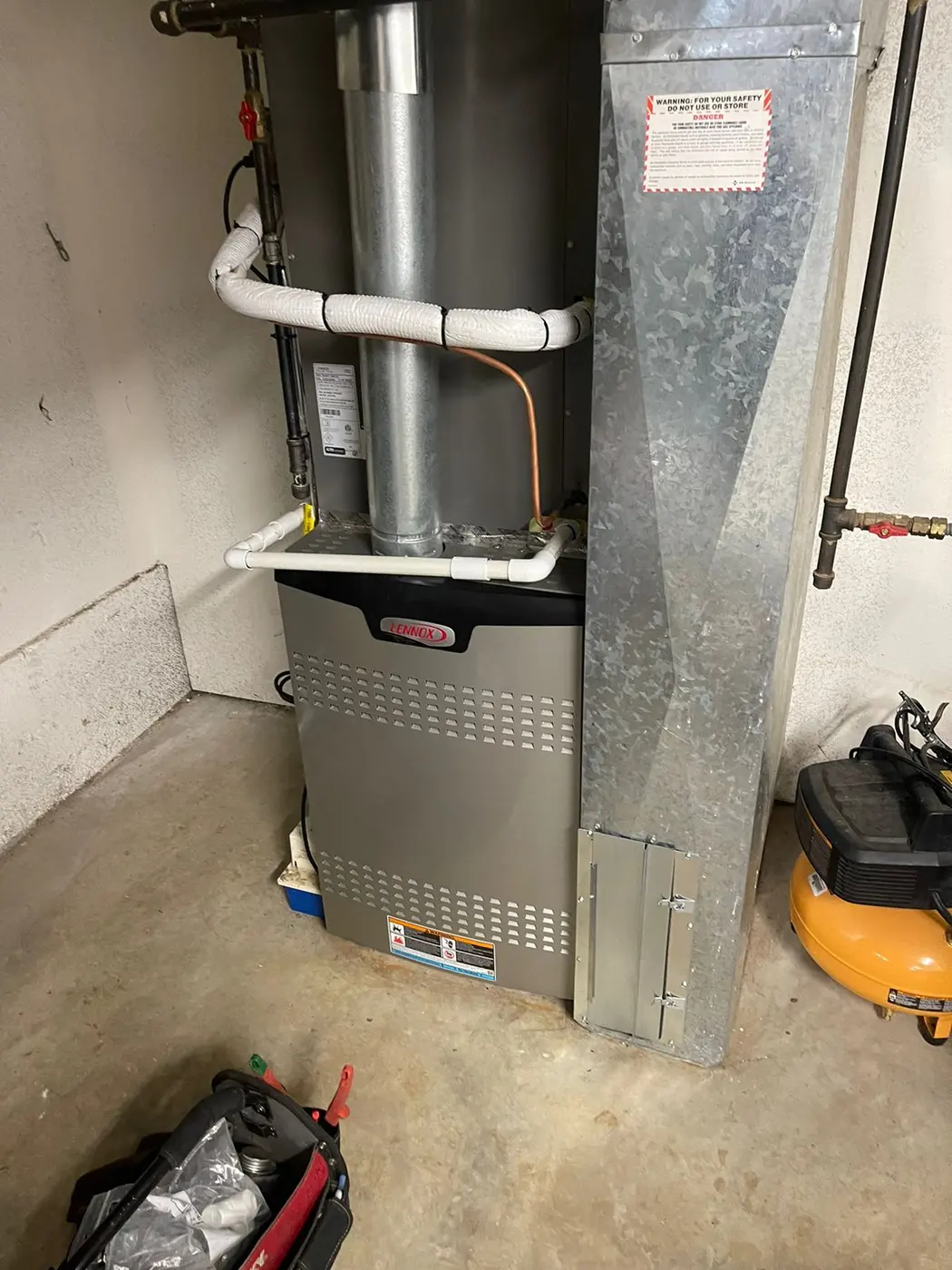
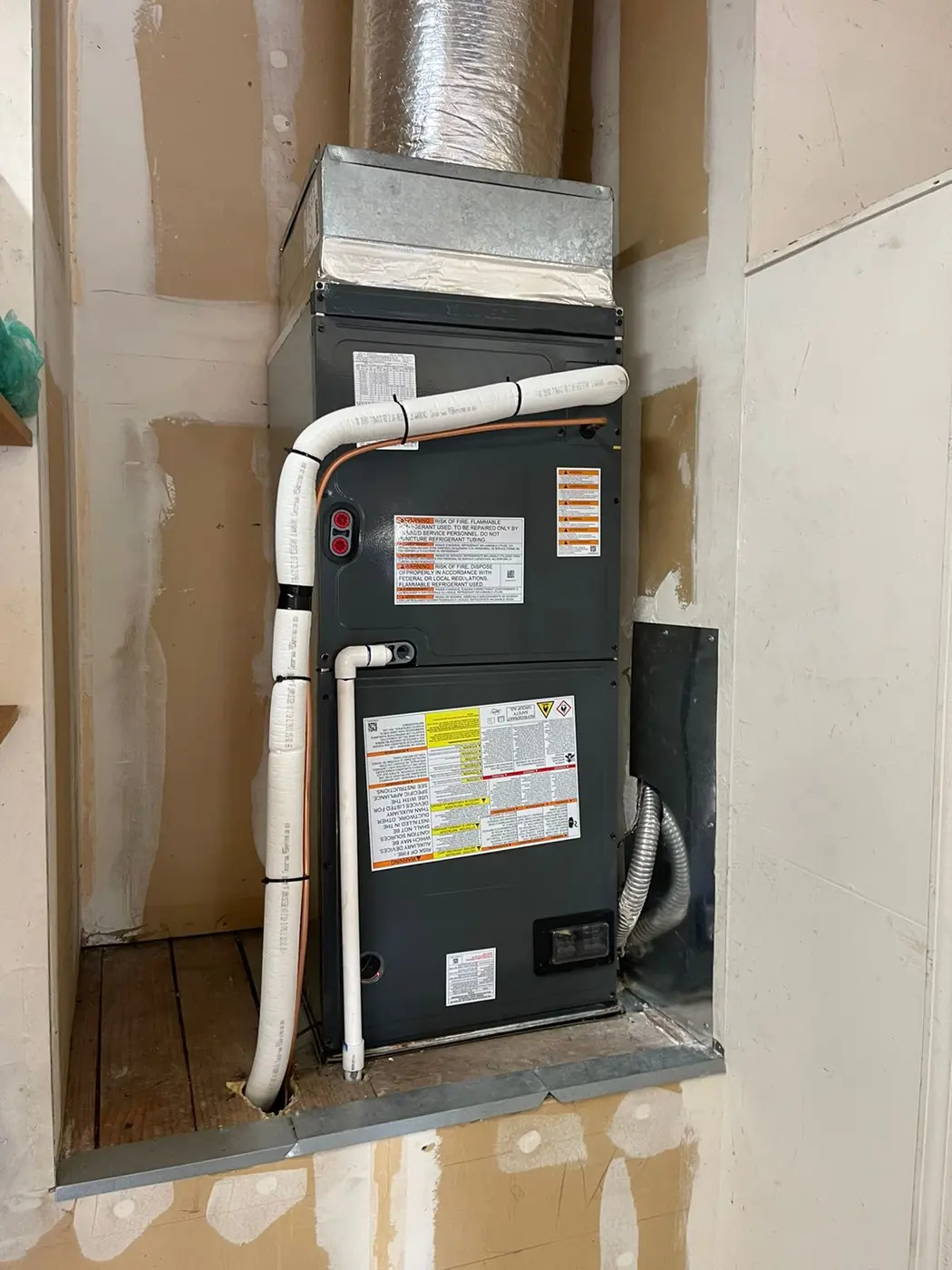
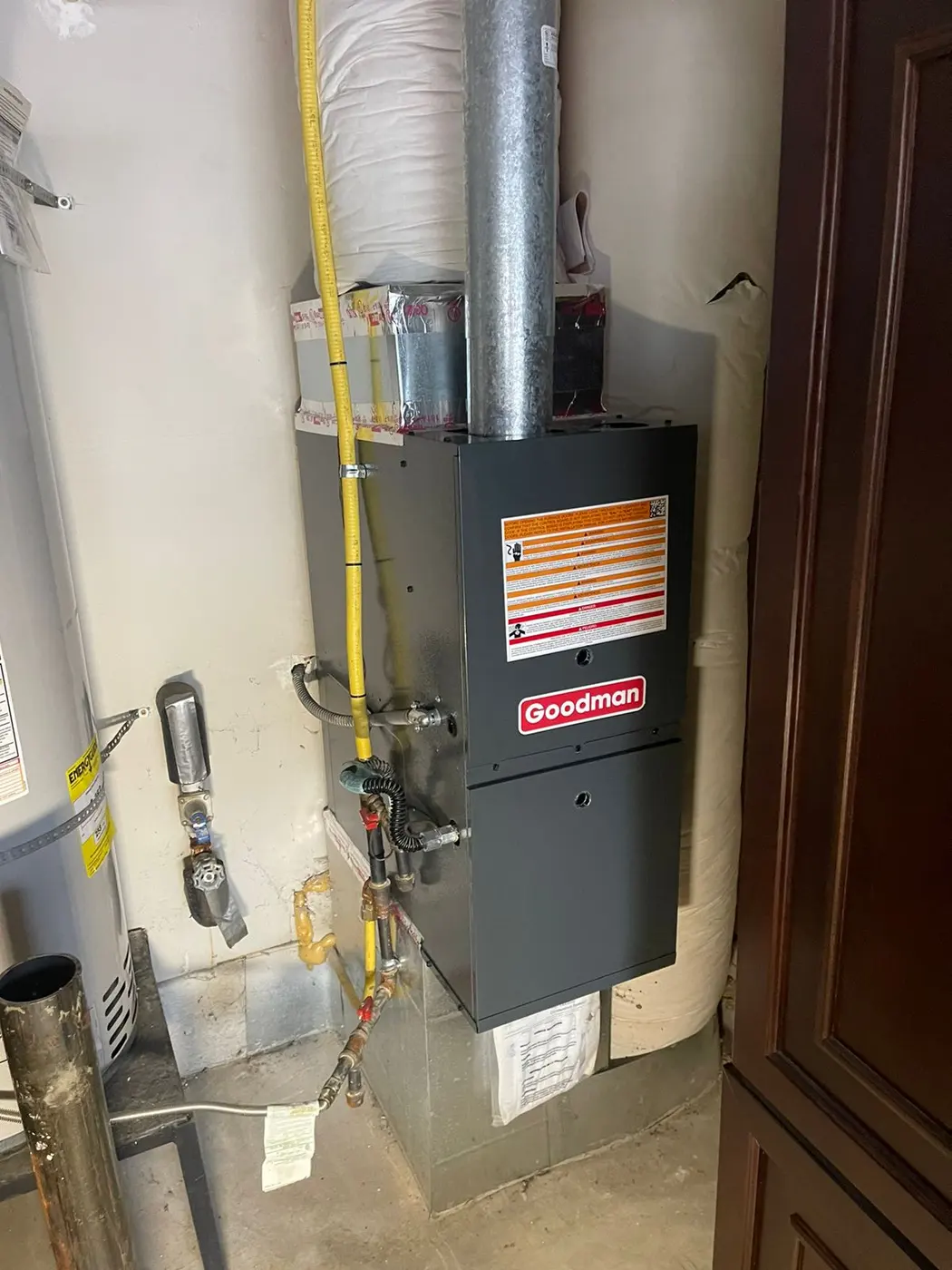
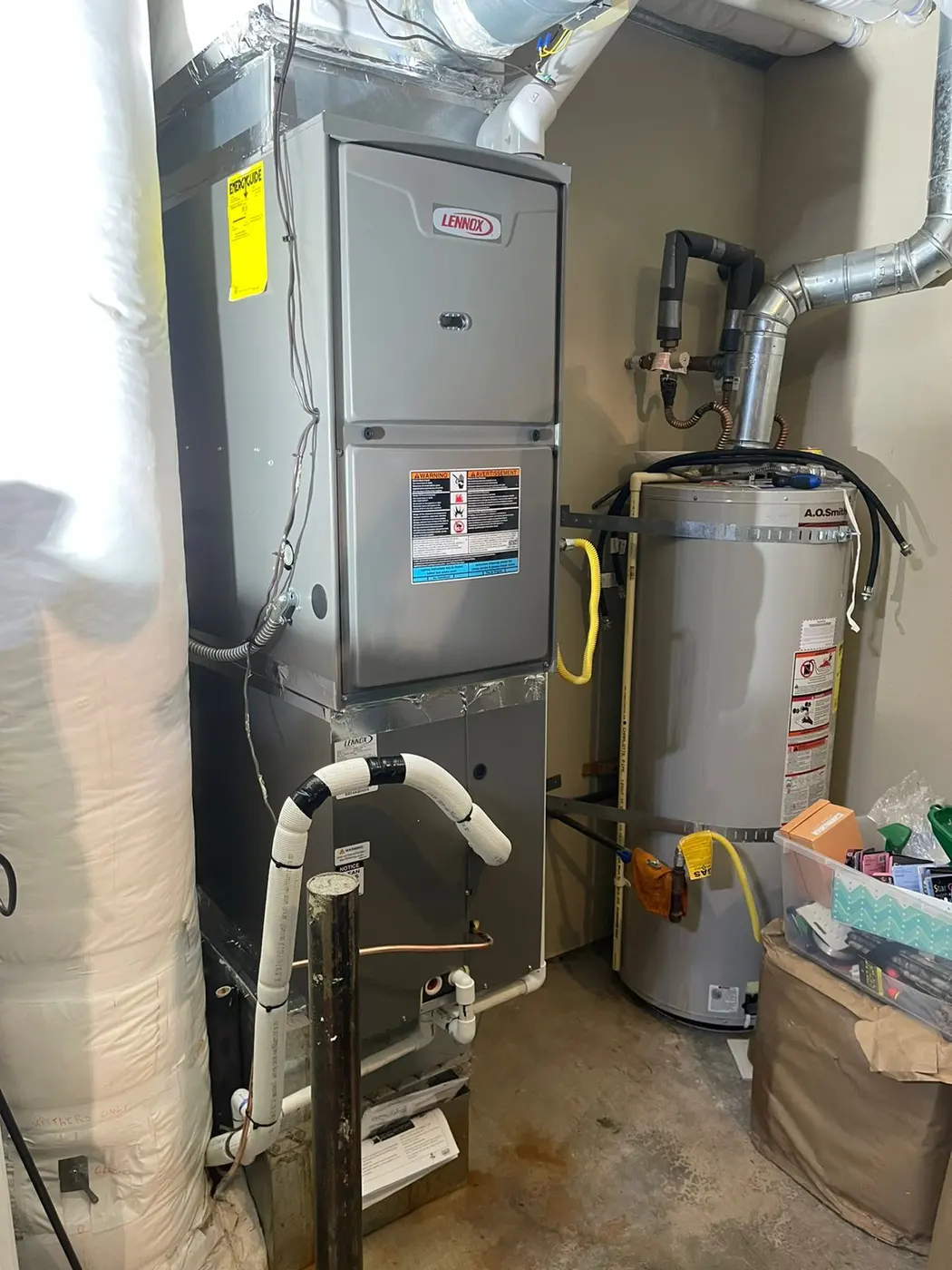
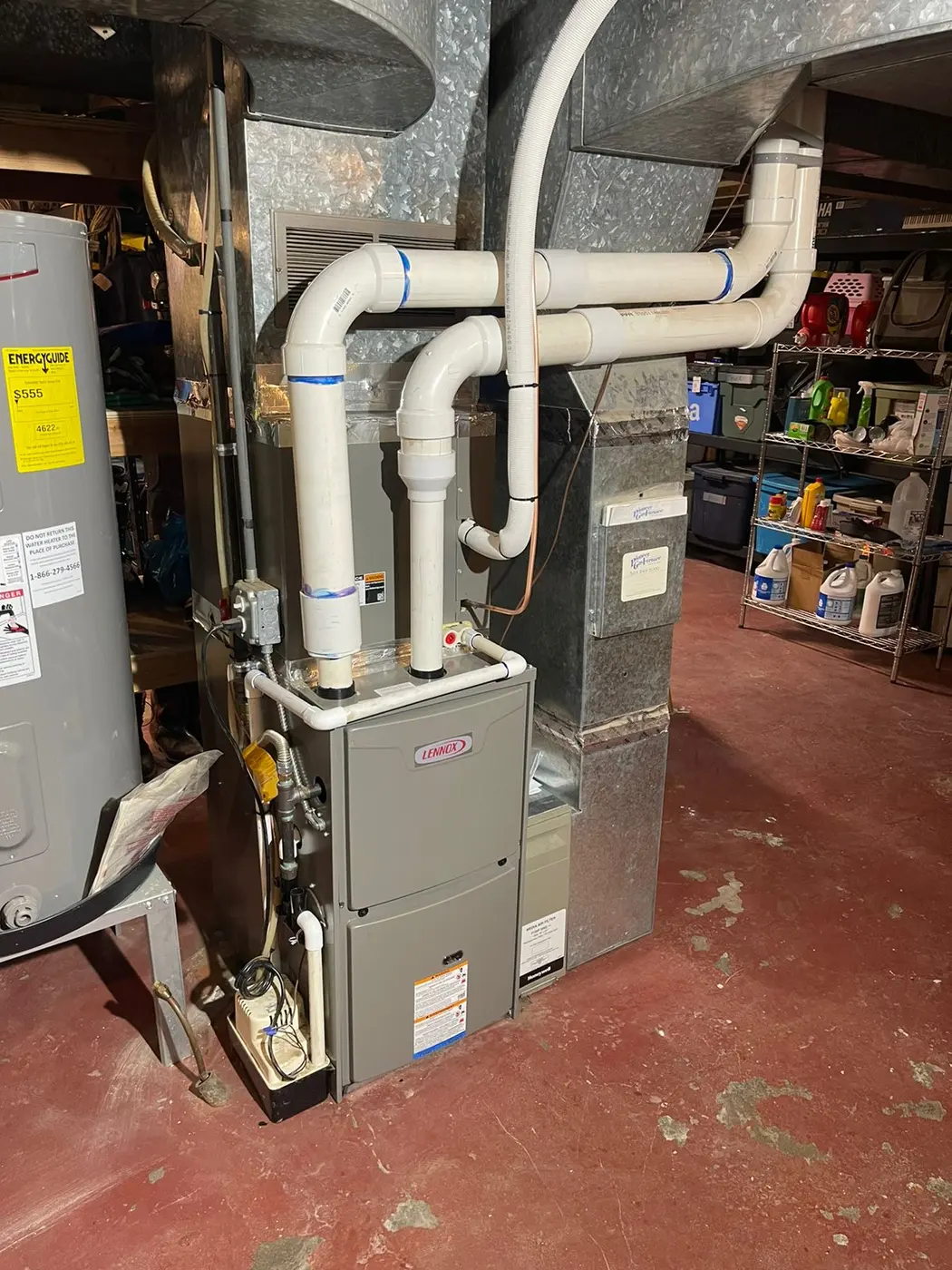
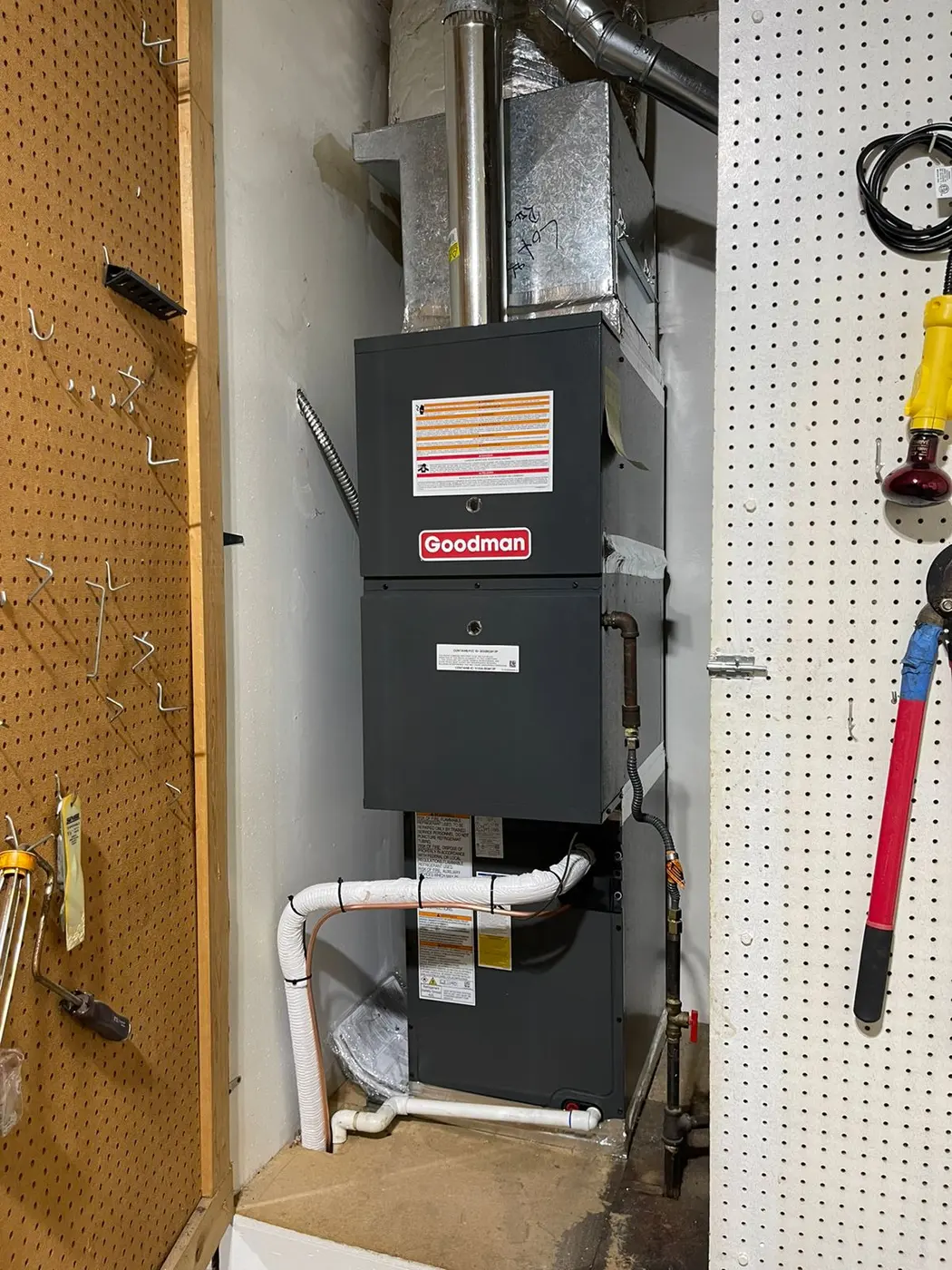
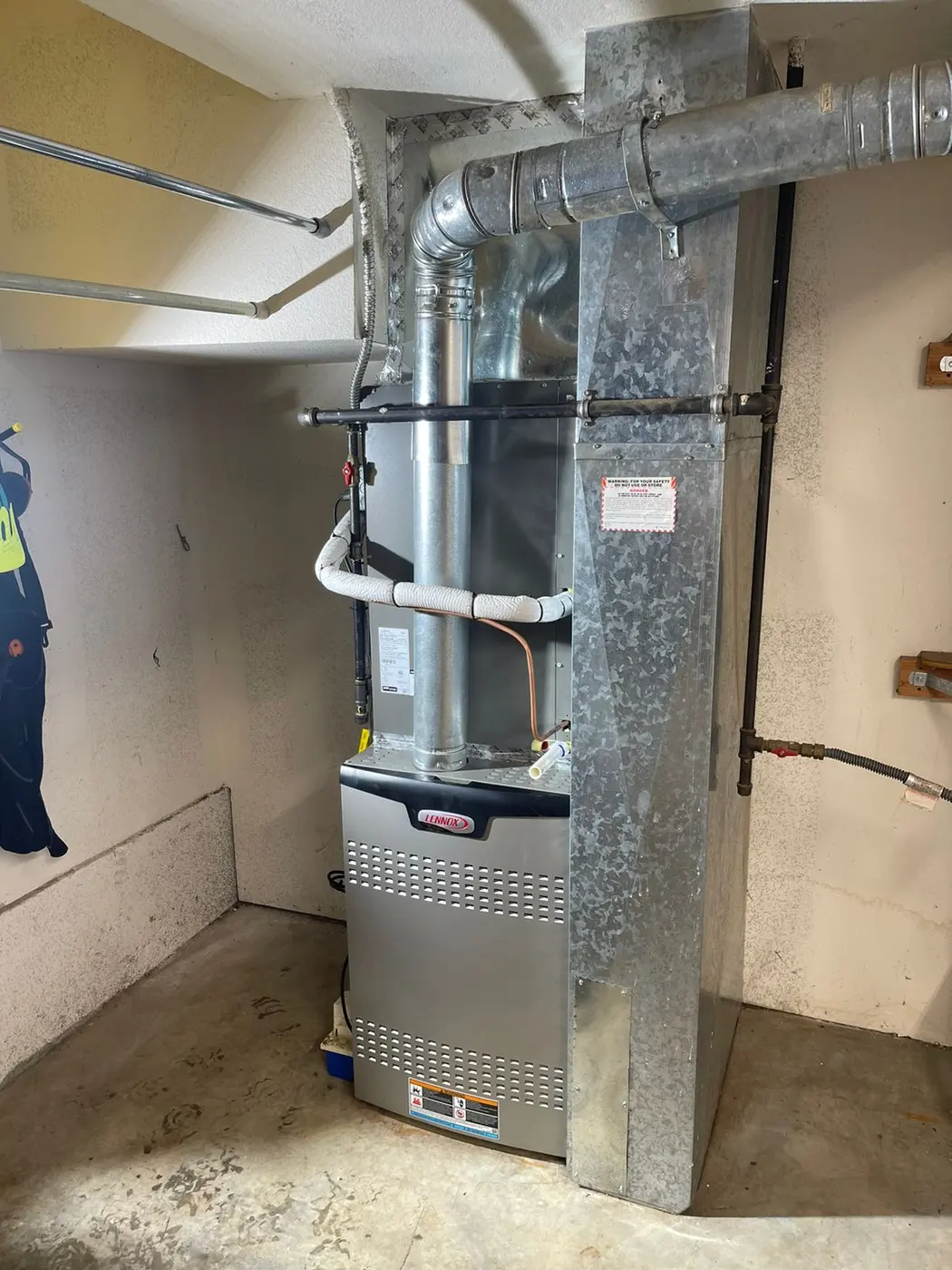
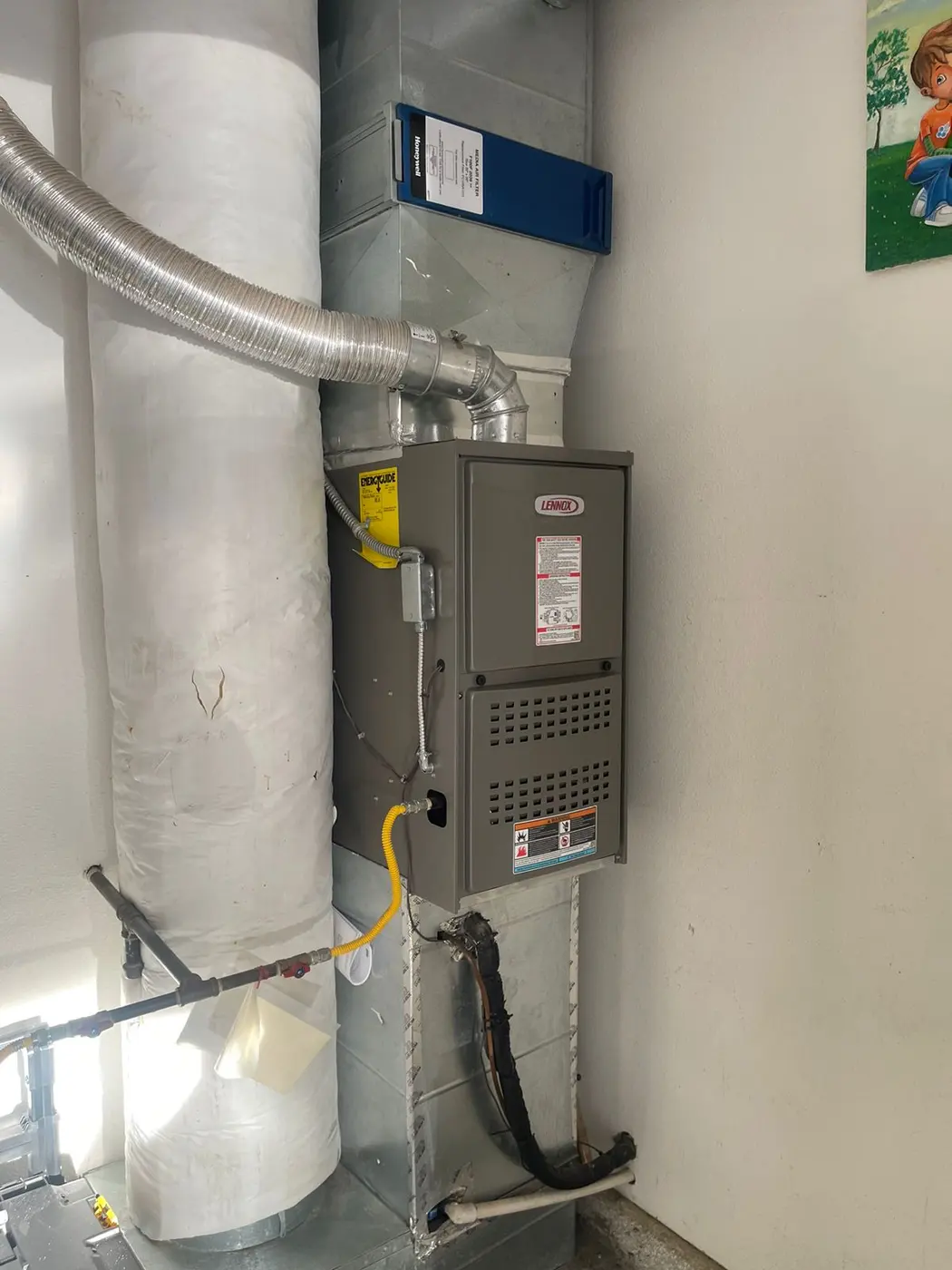
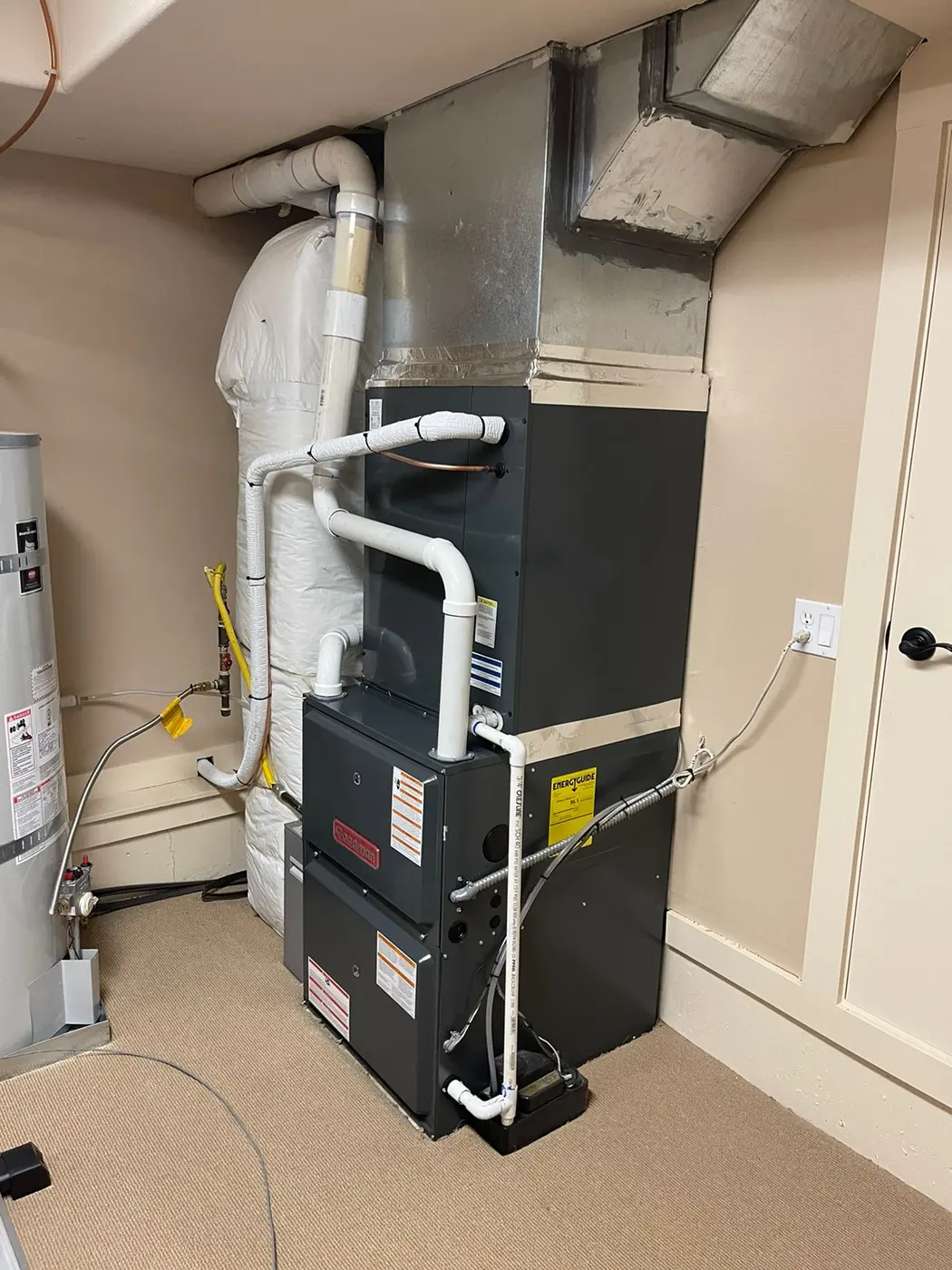
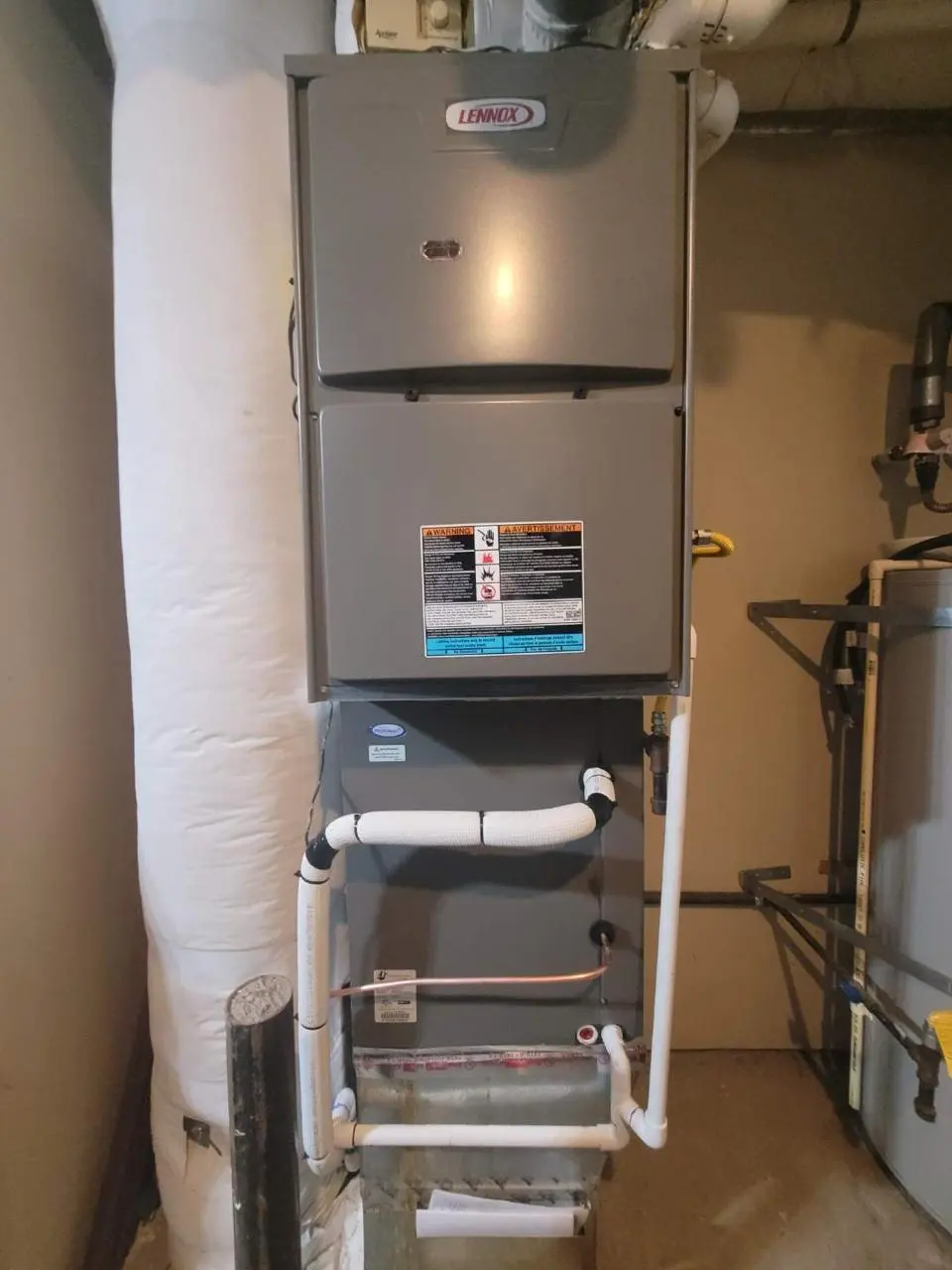
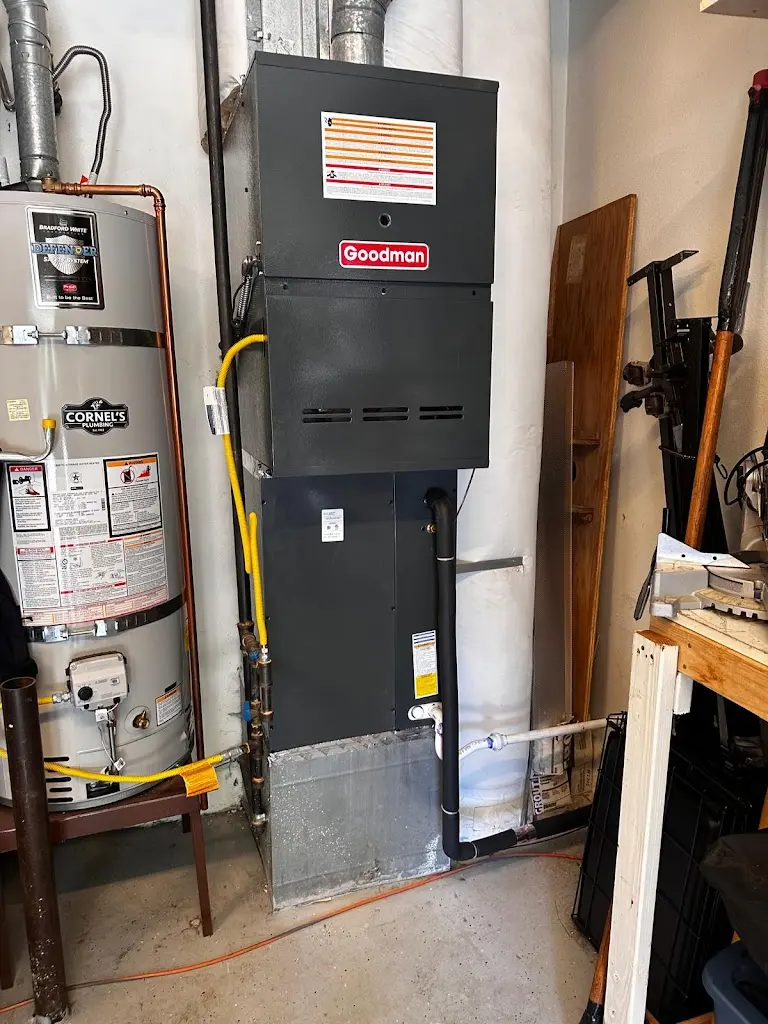
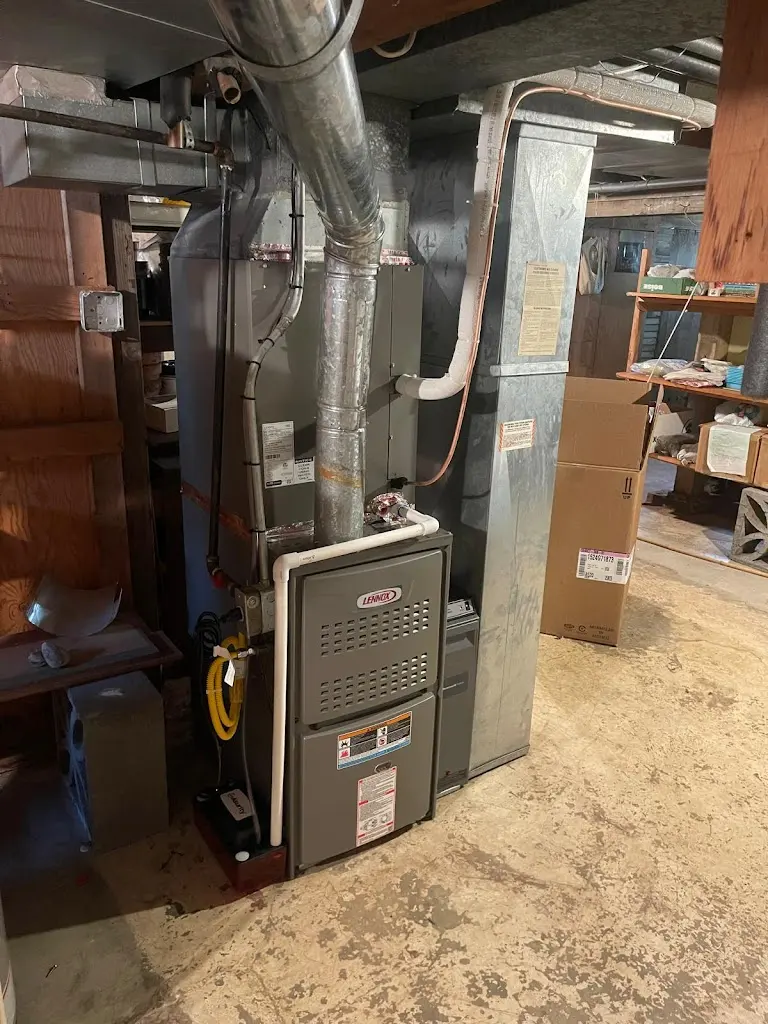
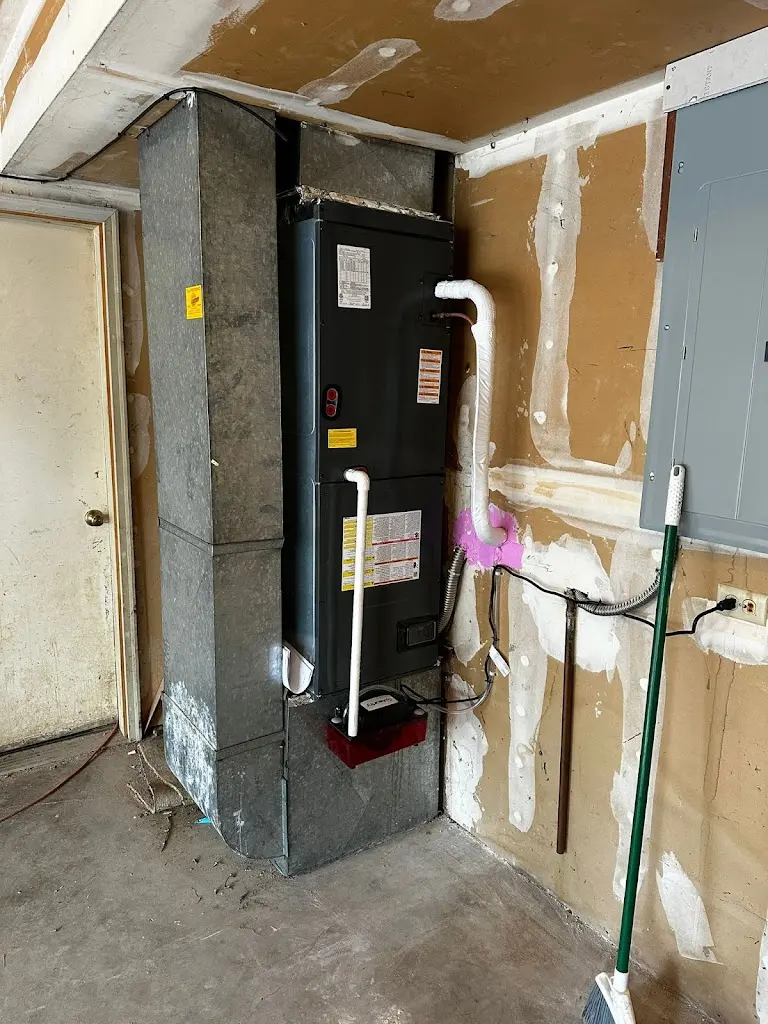
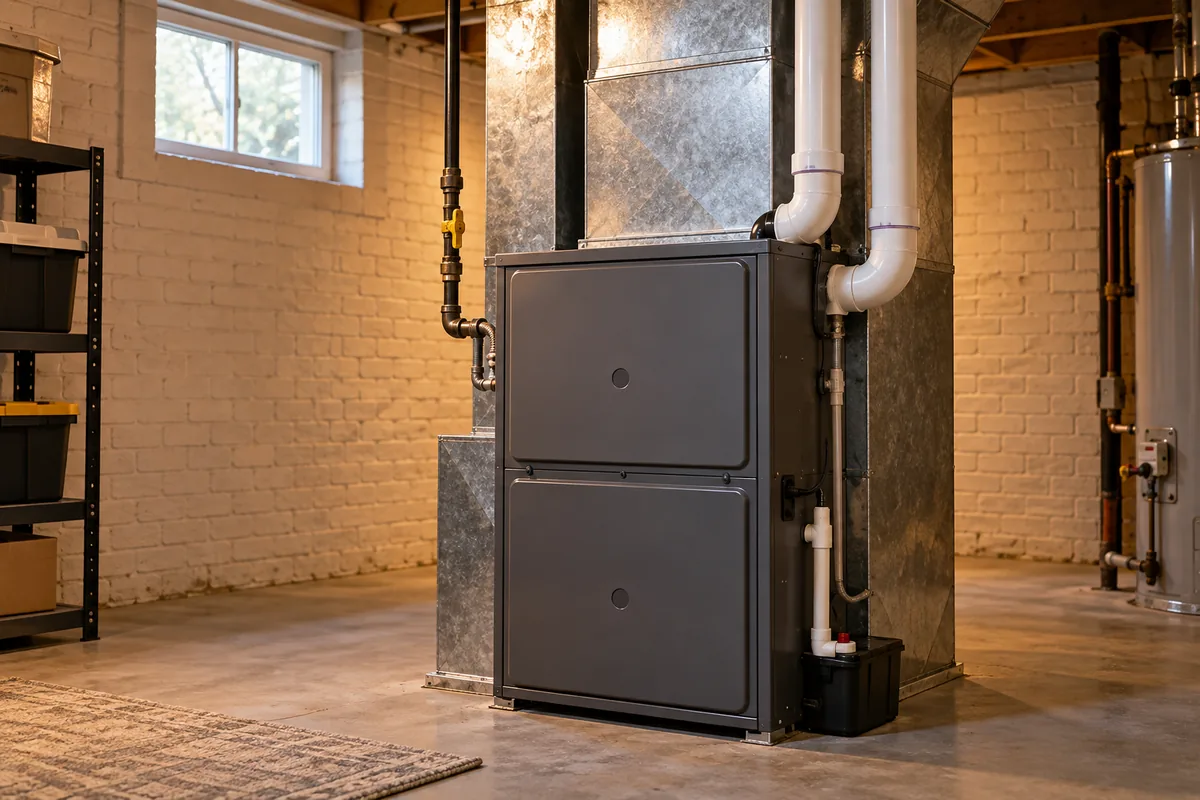
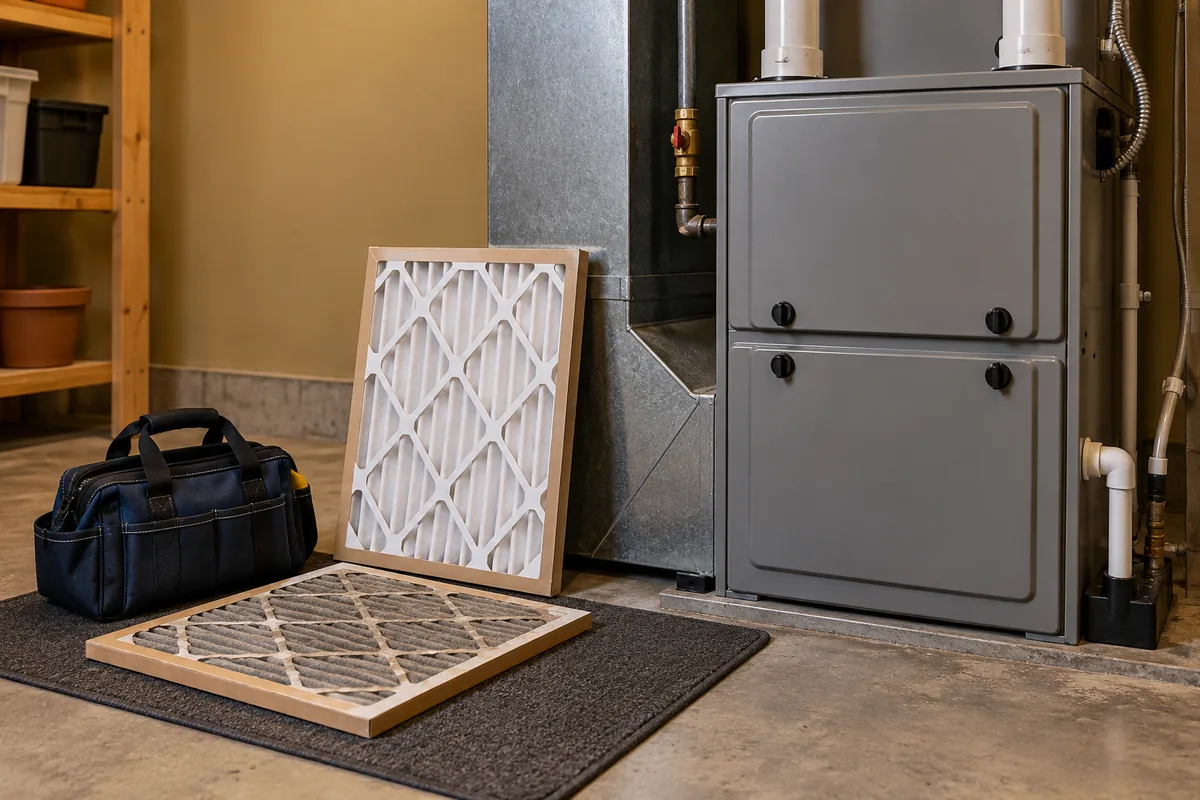
A furnace or air handler may still operate, but that alone does not show it suits the proposed cooling equipment. We review the indoor unit and coil with the outdoor choice. The plan should state which components remain and which need a change.
This matters when considering a compatible Infinity system with communicating controls. The control and connected indoor and outdoor equipment form the intended setup. A Carrier name on one existing component does not prove the whole match. We identify the proposed combination before treating it as a suitable plan.
Repair Findings and a Planned Replacement
If you want to compare repair before replacing the system, our Carrier AC repair page covers that assessment. A fault diagnosis addresses what has failed now. An installation estimate addresses the equipment change and the site work it would need.
We keep those decisions distinct. A recent breakdown can occur in a system that previously cooled the home well. Years of uneven cooling add a different concern to the replacement discussion. Describe both the immediate fault and any older comfort problem so the proposal can address the right scope.
Controls and Normal Daily Use
Tell us how you control the temperature now and whether the home has separate zones. The proposed equipment determines which controls can remain. Keeping a wall control should follow that review rather than an assumption based on its appearance or age.
We explain any planned change in normal operation as part of the equipment choice. You do not need to alter wiring or settings to prepare for an estimate. Leave the current setup in place so we can review its role in the proposed system.
Airflow and Equipment Placement
Describe rooms with weak airflow or a history of staying warmer than the rest of the home. Choosing more cooling capacity alone may not resolve an air-delivery problem. We consider the home’s needs and the existing indoor setup before defining the equipment choice.
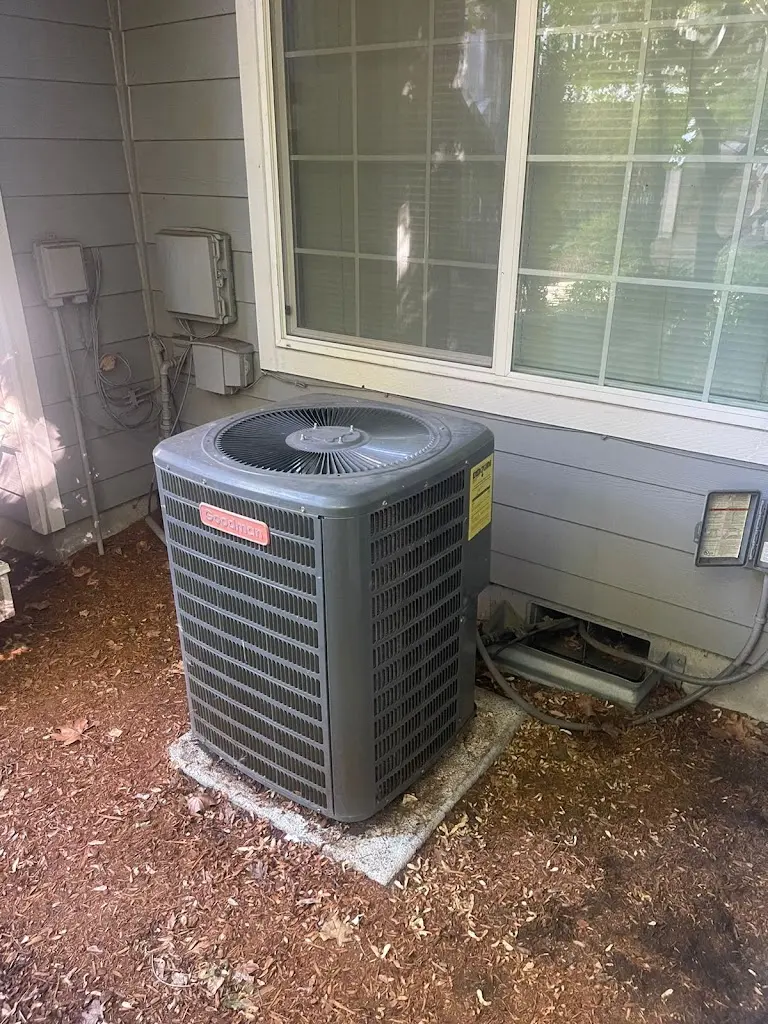
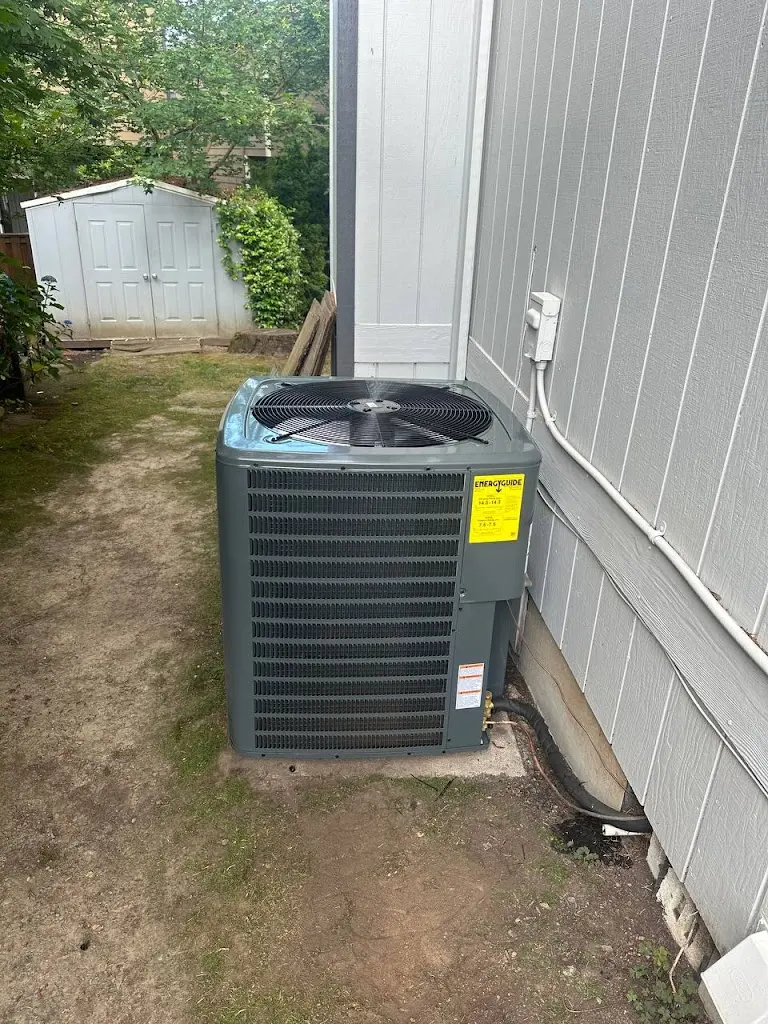
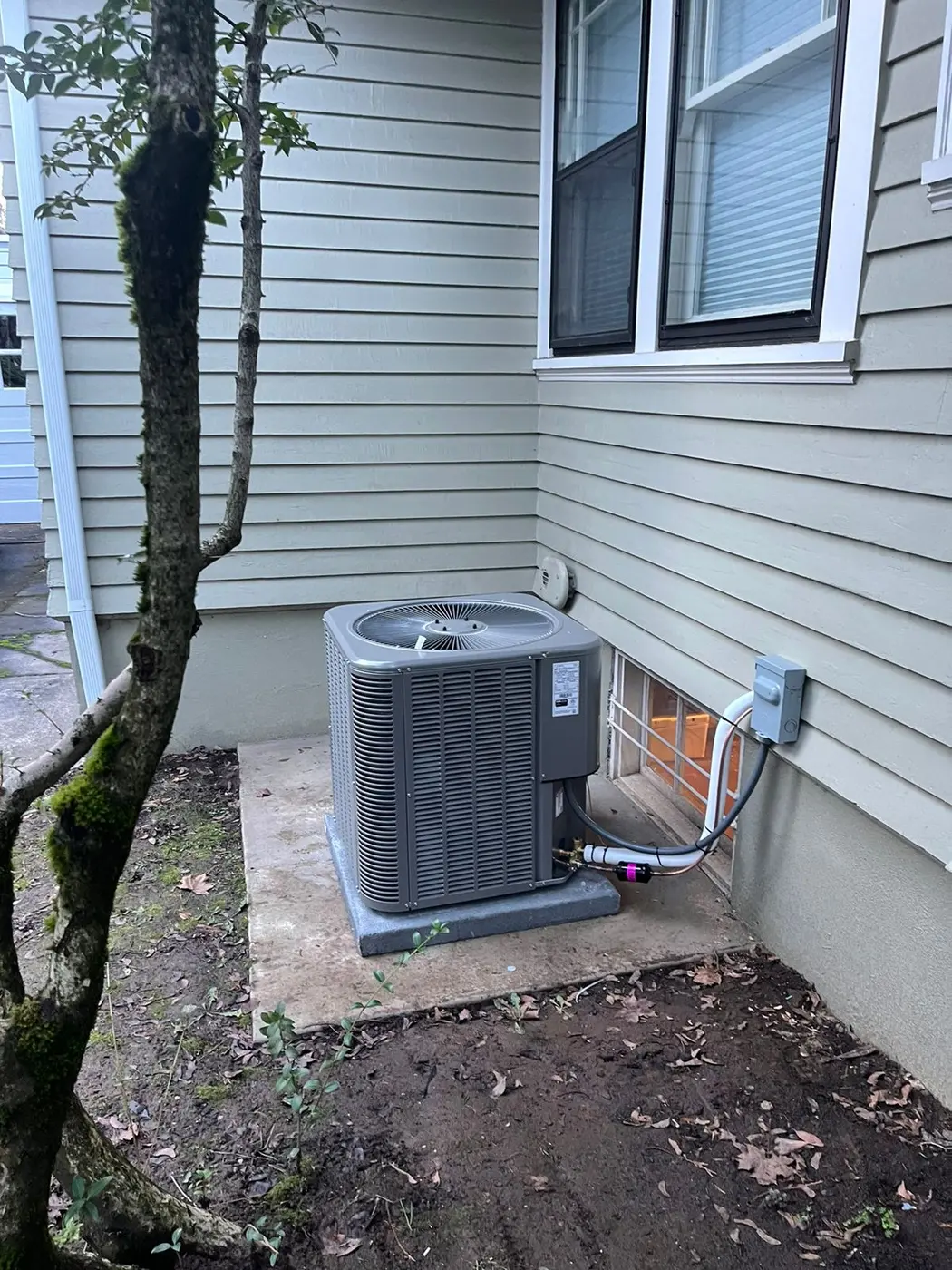
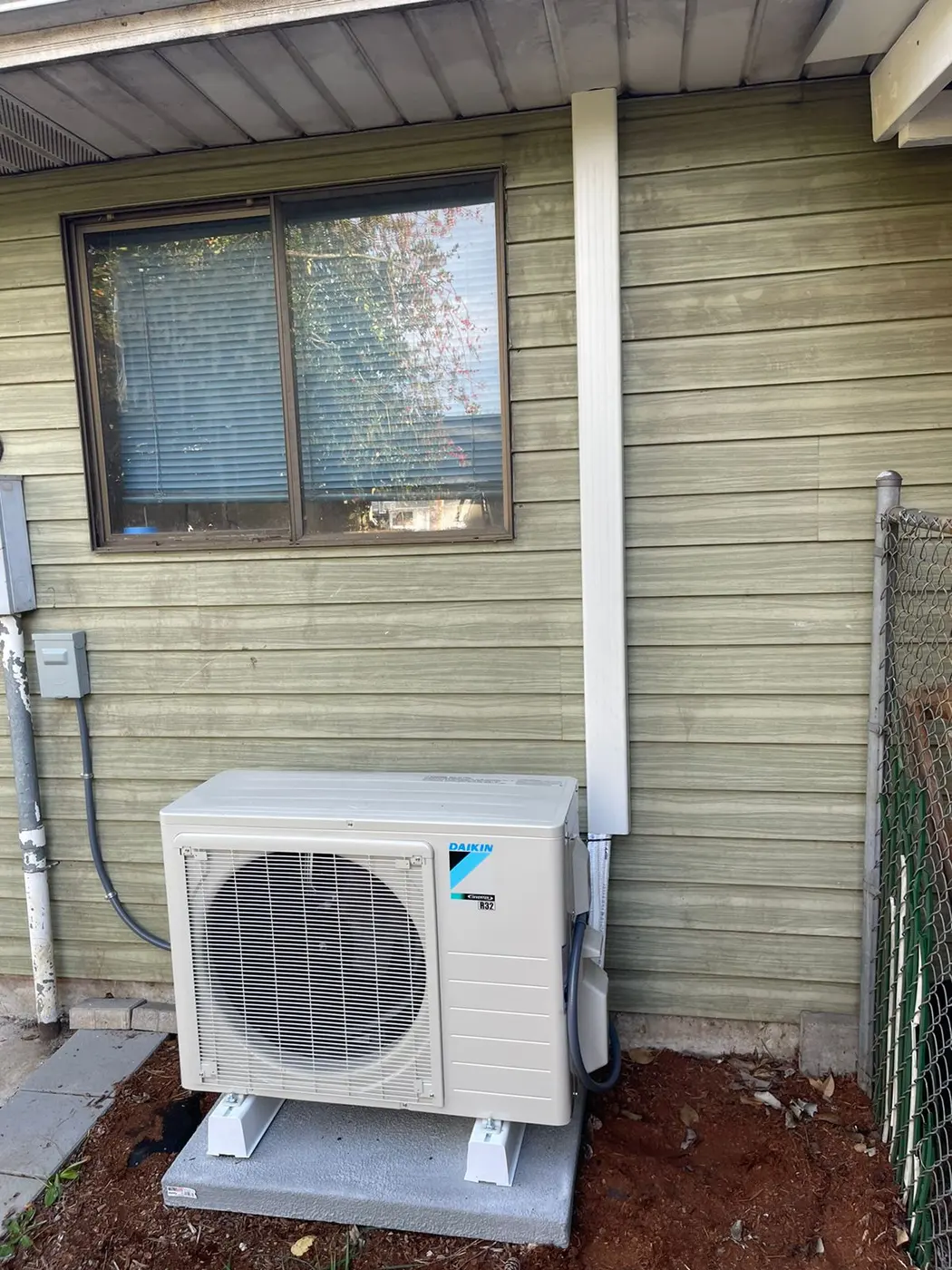
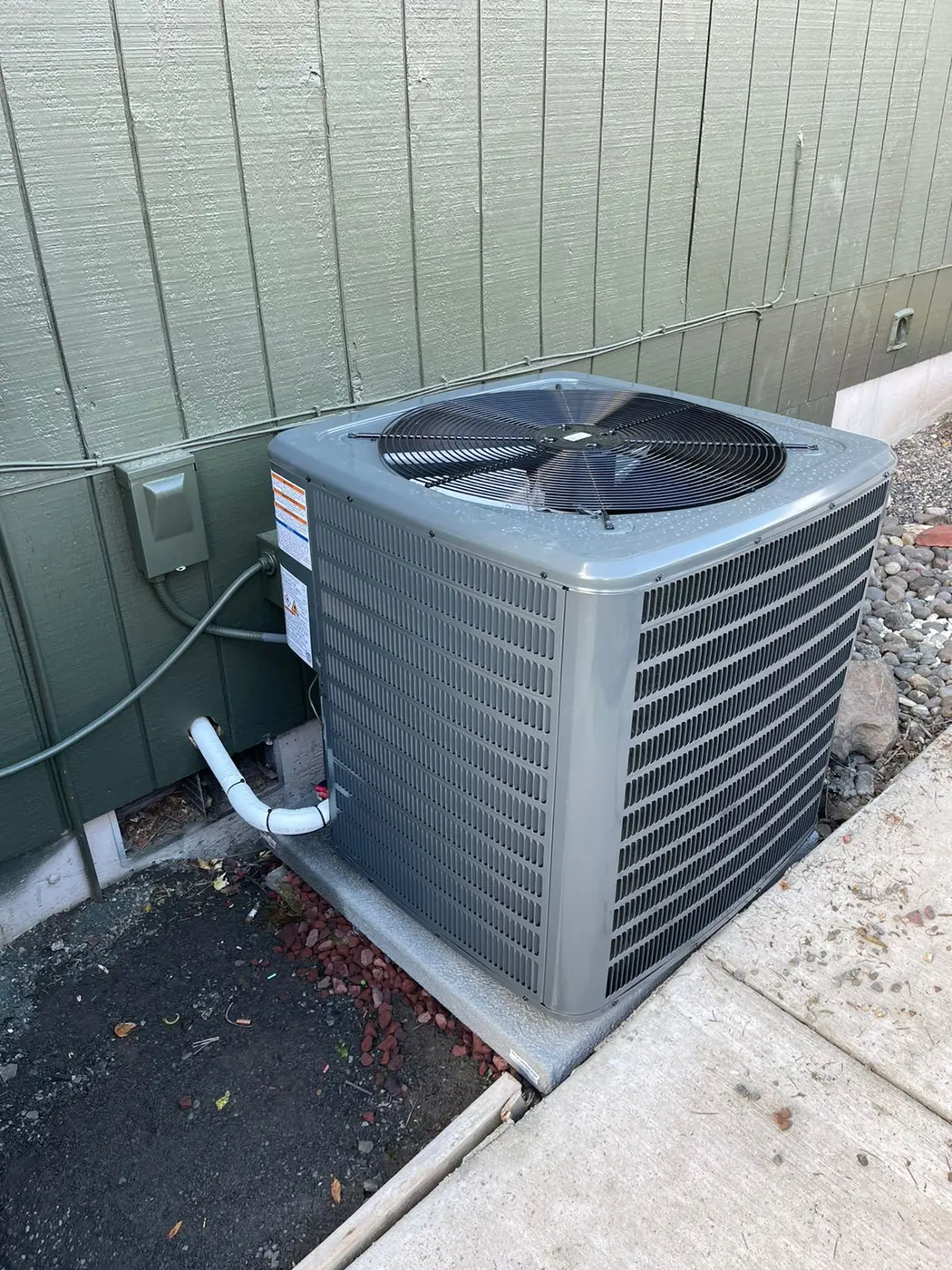
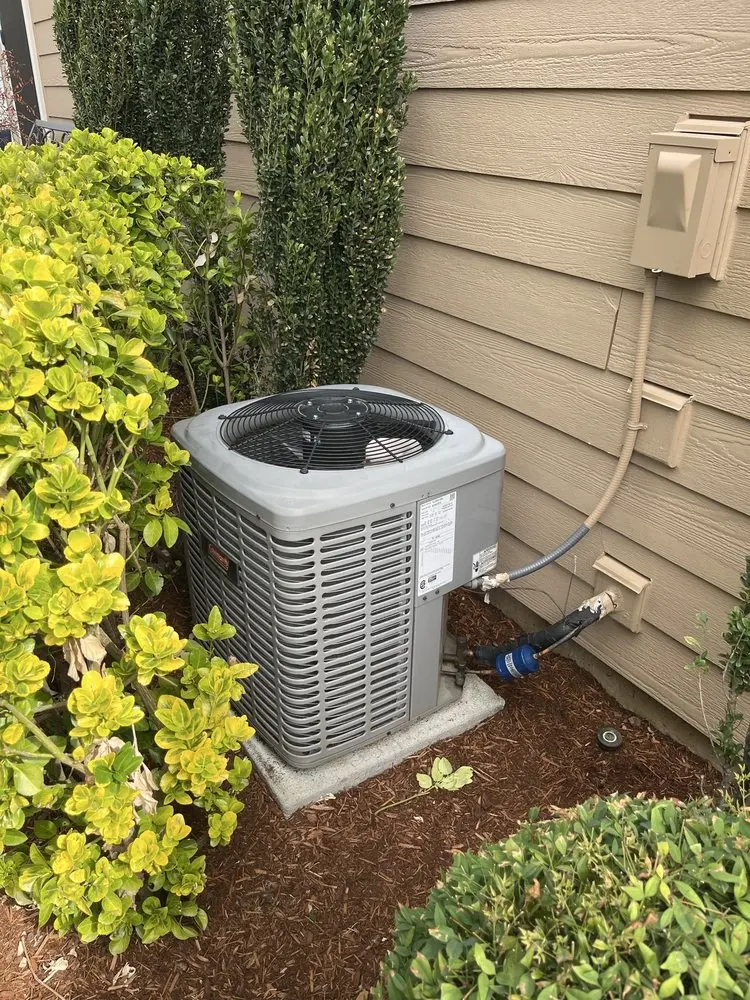
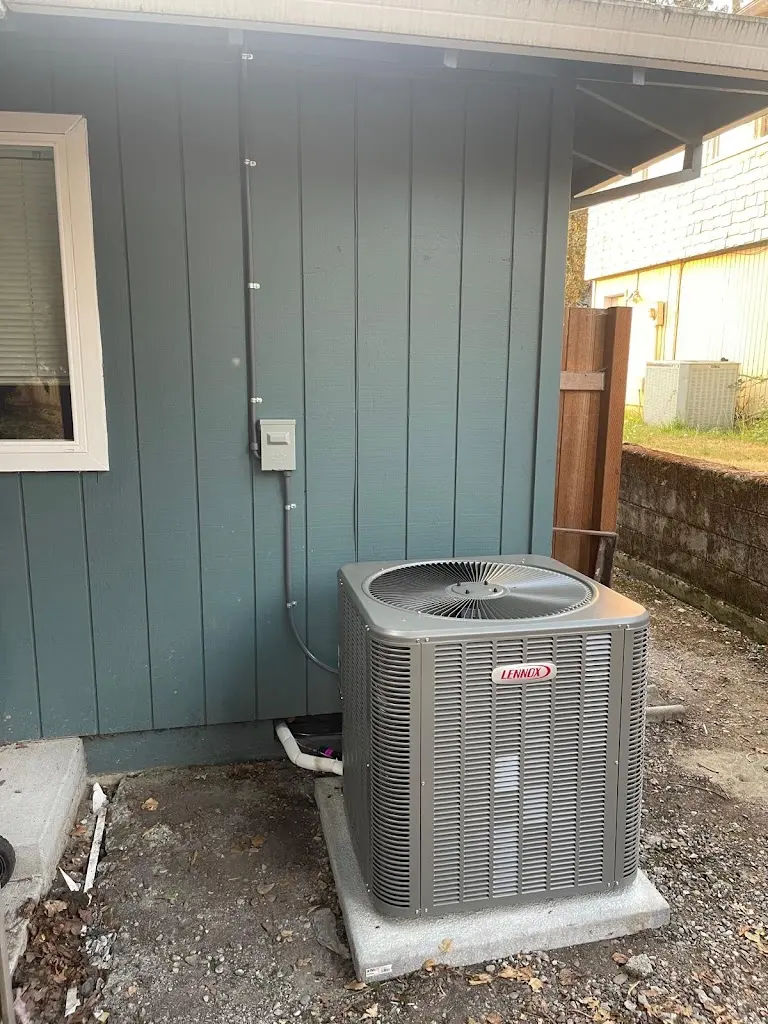
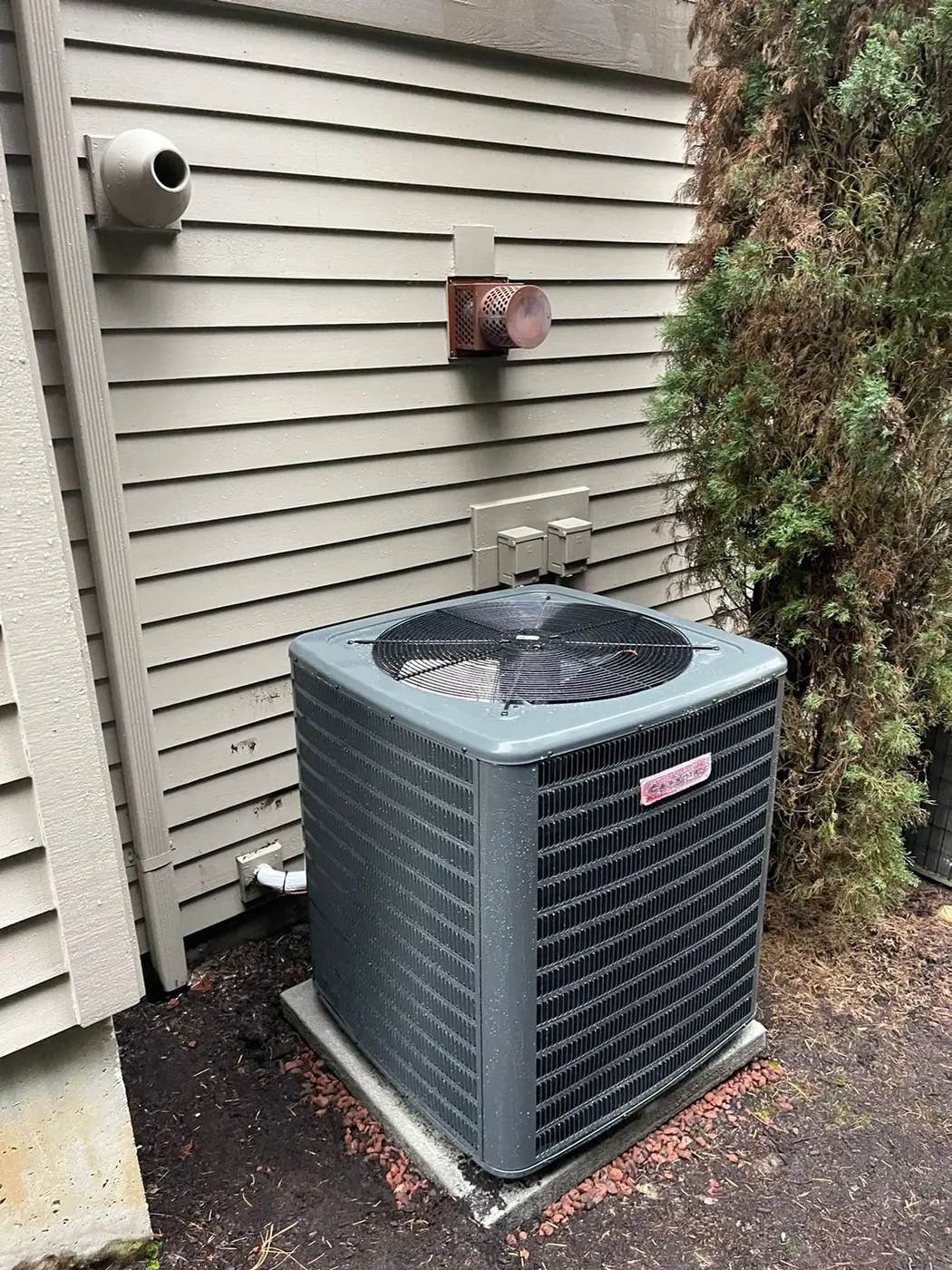
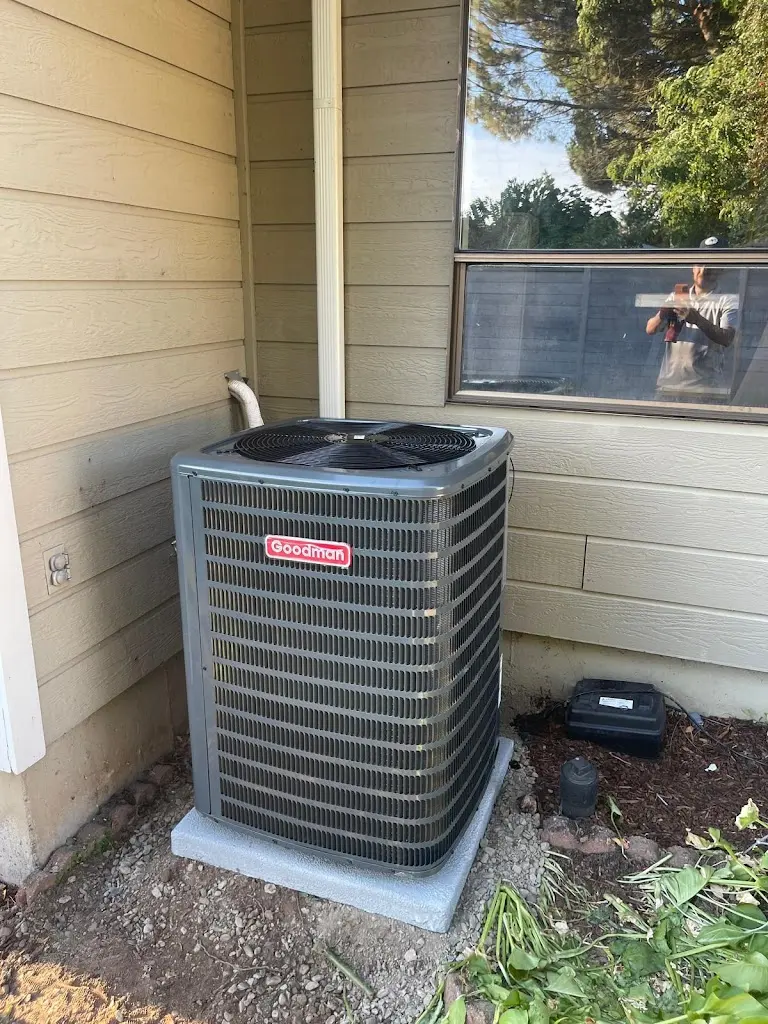
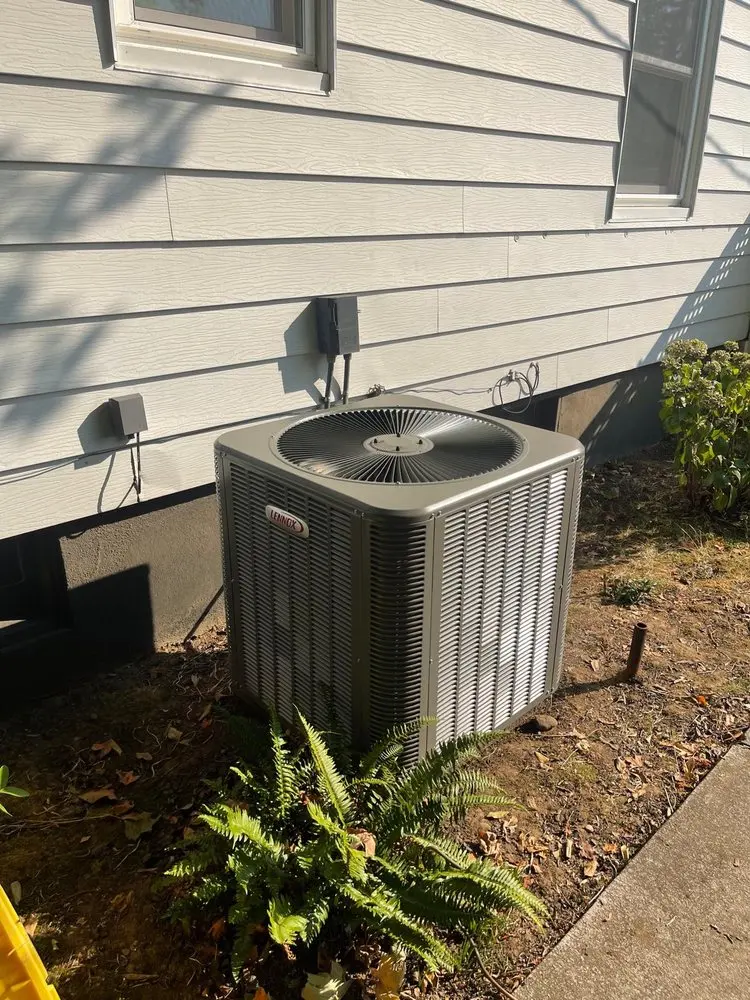
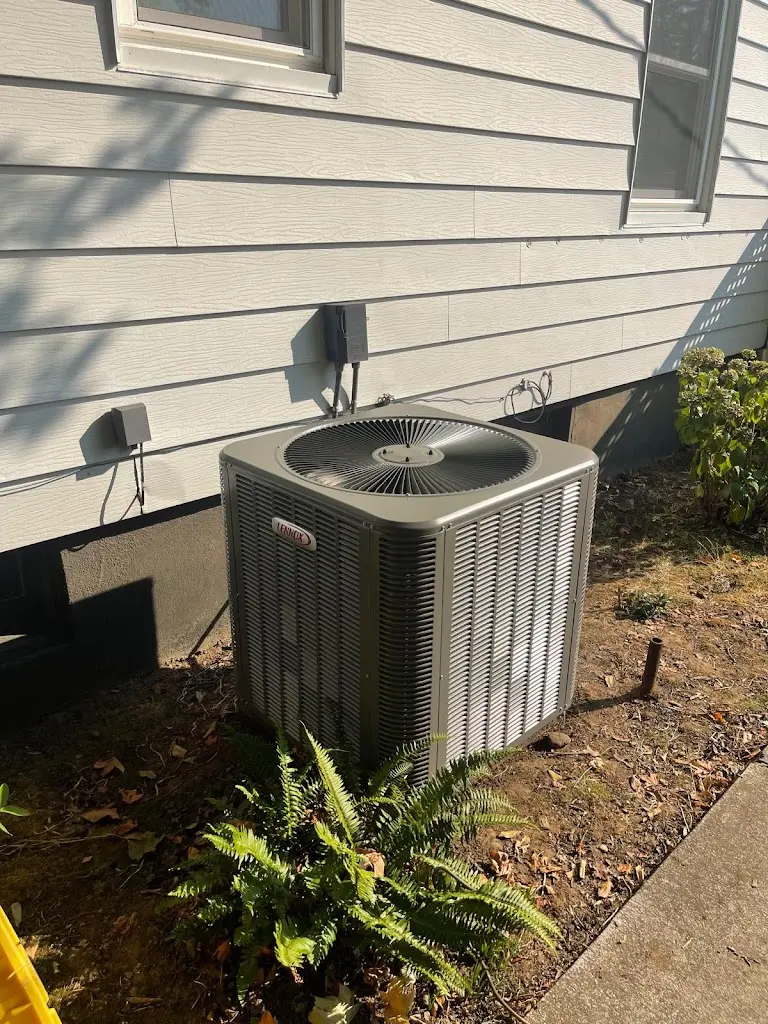
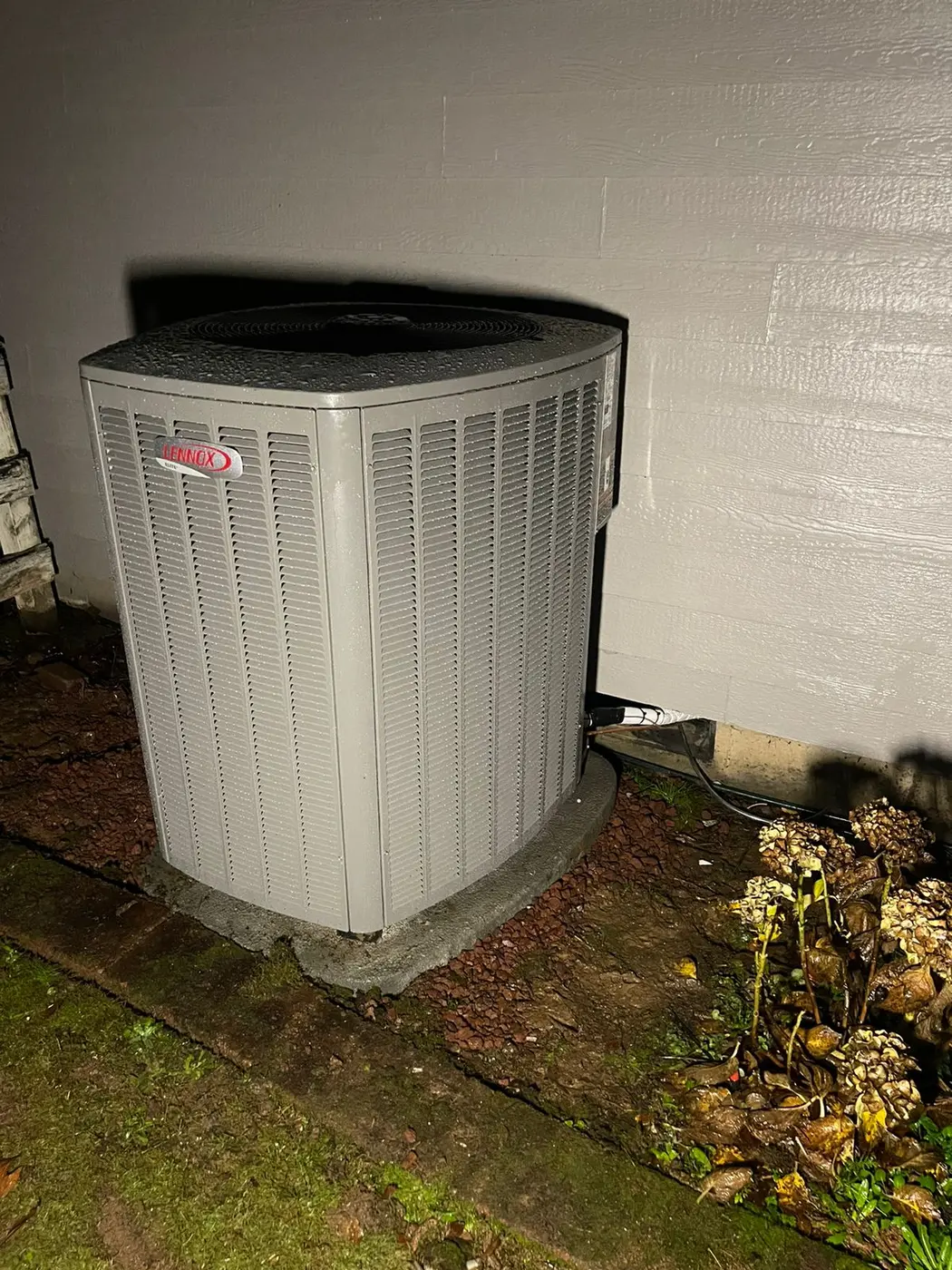
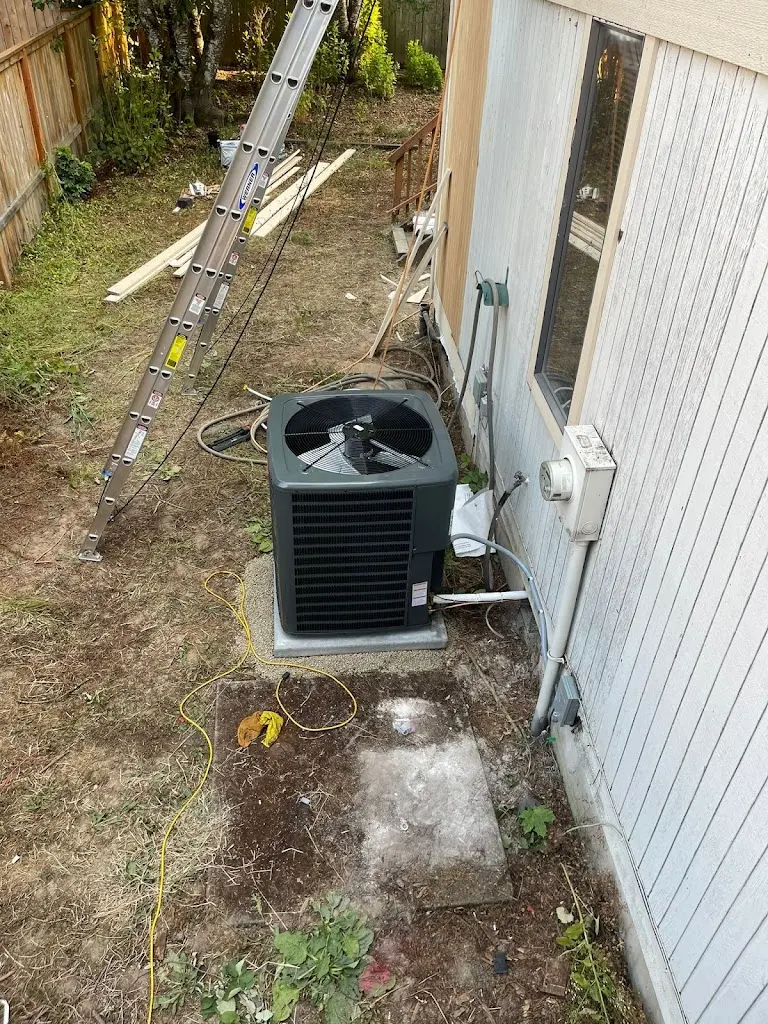
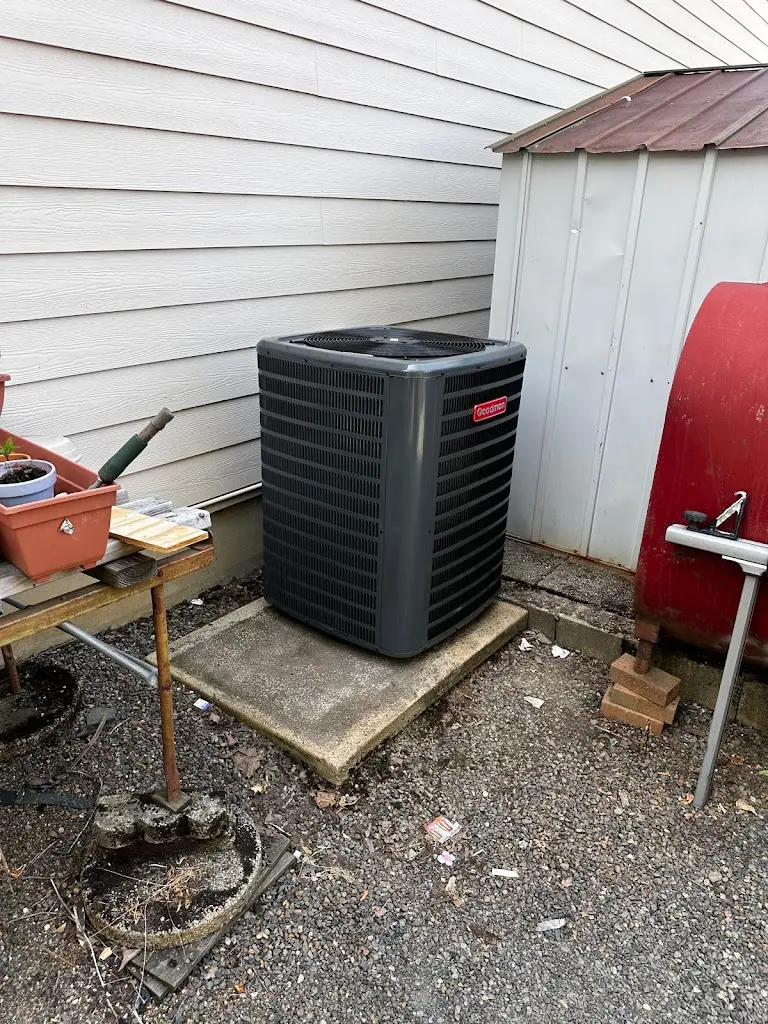
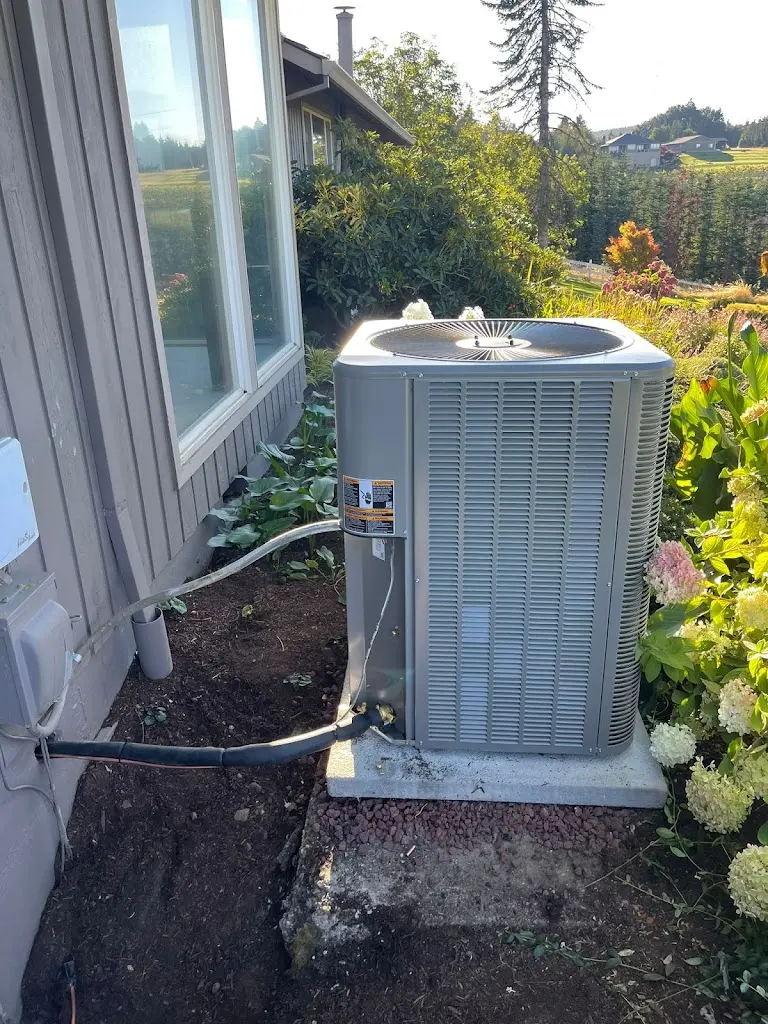
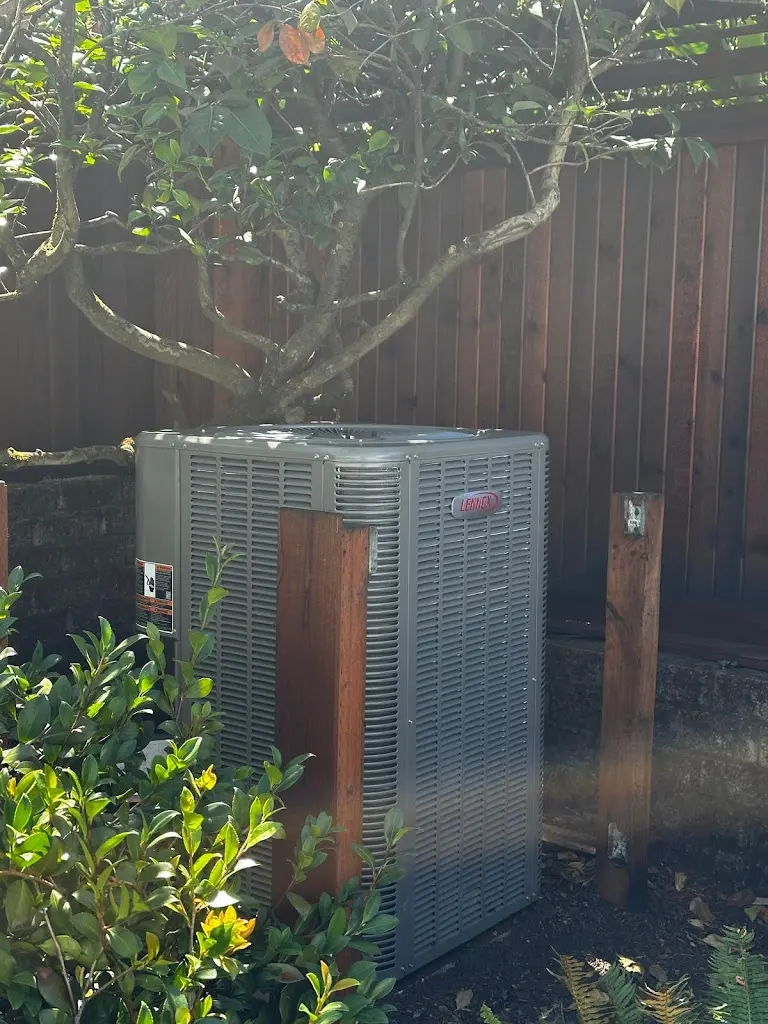
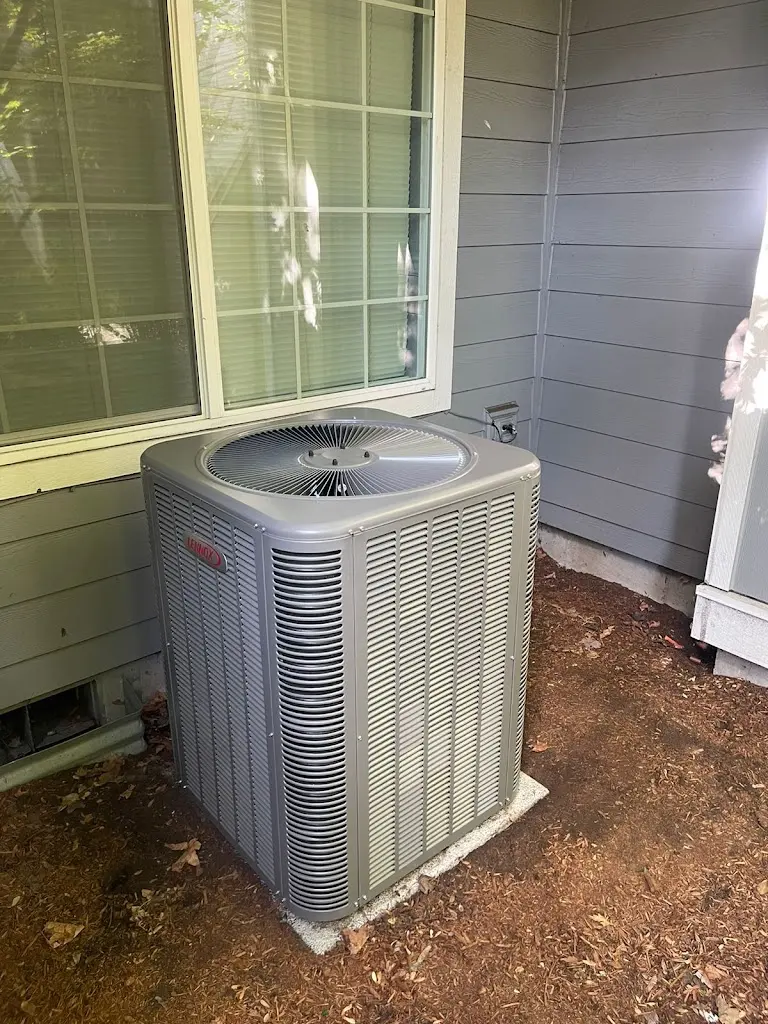
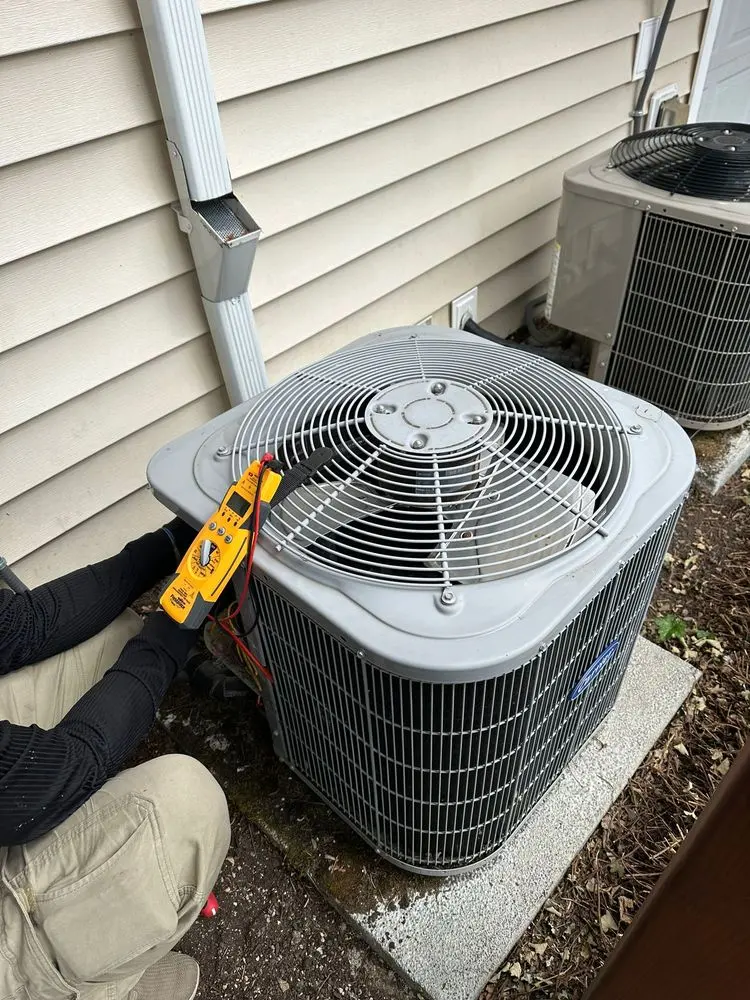
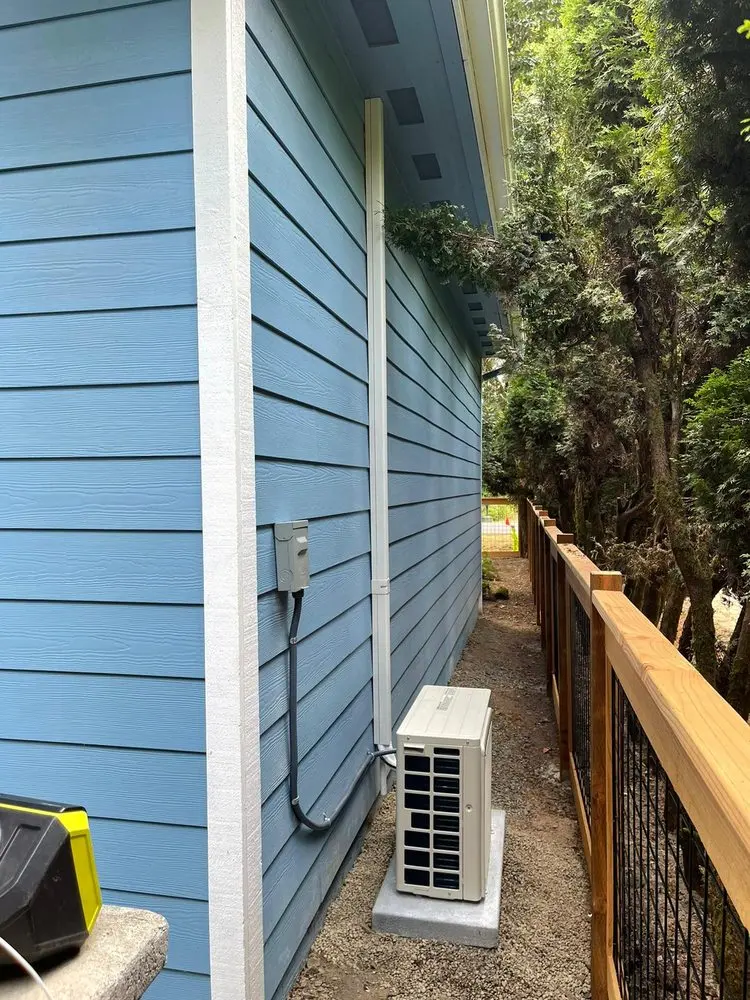
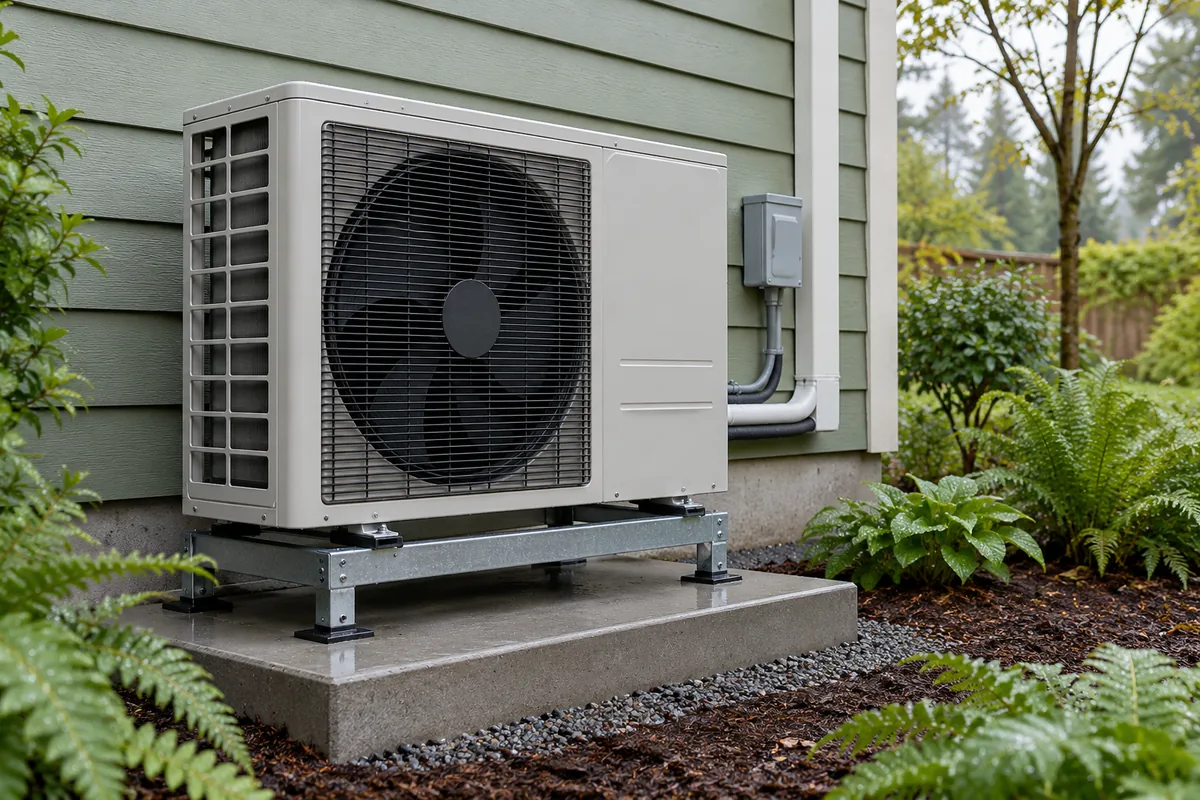
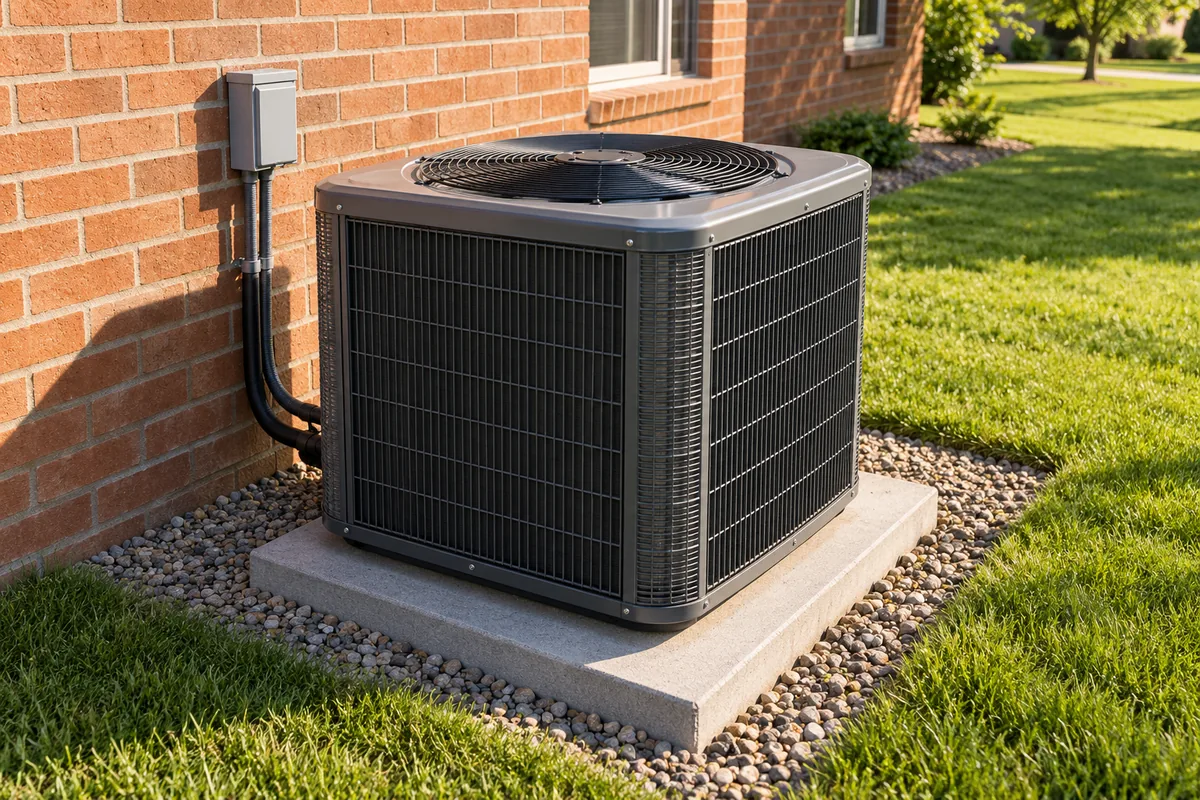
The outdoor location also needs review for fit and service access. Mention fences, narrow routes or other limits around the old unit. Existing lines, drainage and electrical connections need assessment before any decision to reuse them. The old location is useful context, not proof that every part of it suits the new equipment.
When the Heating Equipment Is Part of the Project
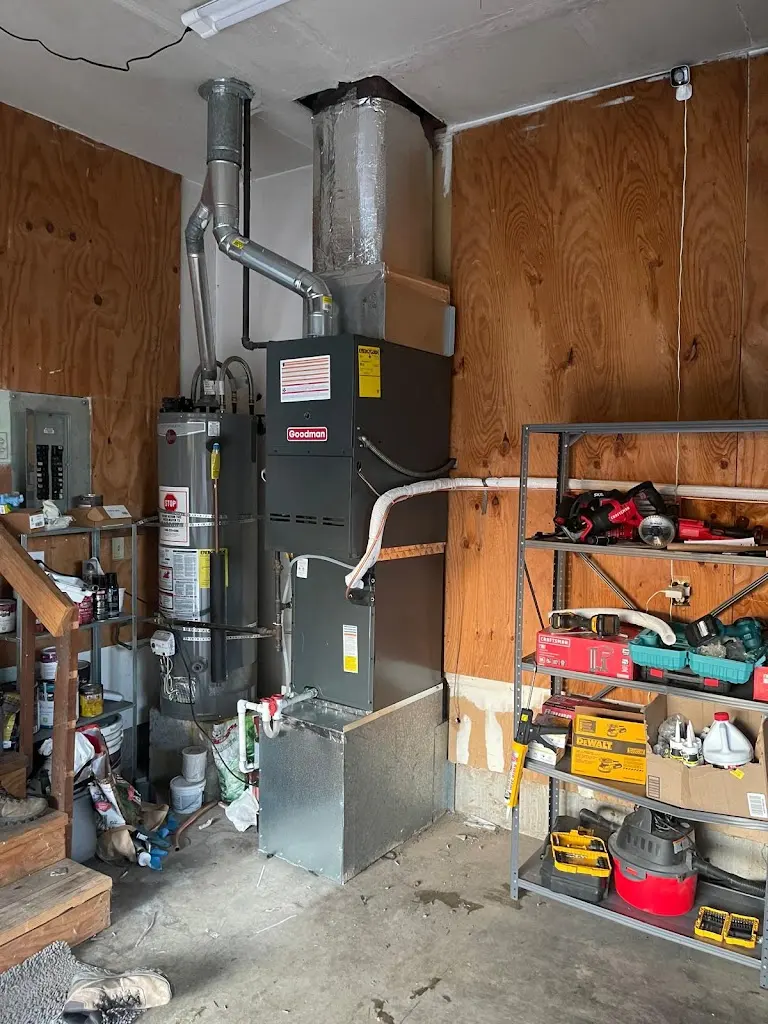
Changing a furnace or other major indoor equipment makes this a broader project. Our Carrier HVAC installation page covers that scope. The proposal should show how the heating and cooling choices fit together. It should also make clear which existing components will stay.
A broader project may require different access or control work from a cooling-only change. We discuss those needs before the installation plan is final. A brand preference does not settle the full scope, schedule or condition of connections already in the home.
Installation Work and Operating Checks
The estimate should identify the equipment and the related work, including removal and the planned connections. Any access limits or items needing further review should remain clear. That gives you a practical basis for comparing the project rather than only the price of an outdoor cabinet.
The completed installation needs operating checks and a clear explanation of the controls. We describe the work and what changed from the previous setup. The plan should distinguish the new system’s operation from any separate room issue outside the agreed scope.
Contact HVAC & Appliance Repair Guys to request Carrier AC replacement and discuss the indoor equipment, controls and cooling problems the installation needs to address.
Frequently Asked Questions
Do I need to move the outdoor unit before the estimate?
No. Keep equipment and connections in place. Describe the location and access route. We can review the work with the old system still connected and in place.
Request Carrier AC Installation in Portland Metro
For Carrier AC Installation in Portland Metro, call HVAC & Appliance Repair Guys or submit a service request through the form on this page.
Before your visit
AC Installation & Replacement details for Carrier
Before the ac installation & replacement estimator visit, gather the existing equipment details, your goals, and any access concerns. The on-site estimator visit is free. The estimator reviews fit and the proposed work before preparing a proposal.
Record the model and serial number
For Carrier ac installation & replacement, share the complete model and serial number exactly as shown on the rating label when it is safely visible. A product family or marketing name alone may not identify the configuration, revision, compatible part, or service information needed for planning.
Identify the exact product configuration
For Carrier ac installation & replacement, describe how the existing equipment is installed and powered. Include the exact model number when it is safely visible; models from the same brand can use different configurations.
Describe the installation goal
For Carrier ac installation & replacement, describe the existing equipment, rooms or functions served, comfort or operating goals, utility type, and any placement concern. During the free on-site visit, the estimator reviews fit, access, and the proposed work before preparing a proposal.
Explain installation and access
For Carrier ac installation & replacement, describe tight clearances, connected utilities, or other obstacles to ordinary service access. Do not pull out heavy or built-in equipment simply to photograph the rear or rating label.