

Lennox HVAC Repair for Heating and Cooling Faults
HVAC & Appliance Repair Guys provides Lennox HVAC repair in Portland Metro. Describe the fault, such as poor heat, weak cooling, early stops or a new control message. Those observations define the complaint. You do not need to name a failed part before requesting service.
The equipment model and control setup matter as much as the brand. An older unit with a basic thermostat can behave differently from a variable-capacity system. We assess the installed combination and its response to the control.
The HVAC repair service overview explains the wider scope of our work. Share the indoor unit, outdoor unit and control models if those details are already available. If you cannot safely reach a label, start with the system description and location. Do not open equipment simply to gather information for a request.
Same-day appointments may be available. Repair completion depends on the diagnosis, parts and any further testing needed.
Long Run Time Does Not Tell the Whole Story
Some Lennox equipment can vary its heating or cooling output rather than operate at one fixed level. A longer run at lower output can be part of that design. The time spent running is therefore not the same as the amount of heating or cooling the system delivers. The model and control information help explain the pattern.
The important distinction is whether the rooms achieve the requested comfort. Tell us if the unit runs longer while maintaining the setting, or runs without keeping up. Include whether this behavior is new. That description is more useful than treating every long run as proof of a failed component.
If a compatible control displays demand information, describe what you see alongside the room and set temperatures. Do not apply a percentage from one system to another model. A display value needs context from the installed equipment and its operating mode. It cannot, on its own, determine the repair.
Short runs also need context. Note roughly how long the unit operates before stopping and whether it starts again on its own. Tell us if the blower keeps moving air after heat or cooling drops out. Avoid repeated resets that alter the pattern without explaining why the system stops.
A change in sound can accompany a change in operation, but noise alone does not settle the diagnosis. Describe when it occurs and whether comfort changes at the same time. A recording from a safe position may help preserve an intermittent sound. Do not keep equipment running if it appears unsafe.
Control Compatibility, iComfort and System Response
Lennox equipment can use different control arrangements depending on the model and installation. A communicating setup exchanges information between the control and equipment, while other supported setups use conventional control signals. The model and installed configuration determine which arrangement applies. Do not choose a new thermostat based only on the Lennox name.
If your control has an iComfort label, share the exact model or available details. That name covers more than one control generation. A display that looks similar to another one does not establish that it will suit the same equipment. Any proposed change needs review against the installed system.
Record the full control message and code, the selected mode and what the equipment was doing. The control may report a problem elsewhere in the system; the message does not prove the display itself has failed.
If the complaint began after a control change, describe the sequence. Say whether the system worked normally after the change and for how long. That history can guide the assessment without proving the cause. Leave wiring changes and installer-level settings to the service visit.
If a schedule changes the requested temperature, note the time and setting on the screen. The system may be responding to a different request from the one you expected. That possibility does not rule out a separate fault. Describe both the displayed request and the comfort problem you notice.
Cooling Faults: Separate Airflow From Temperature
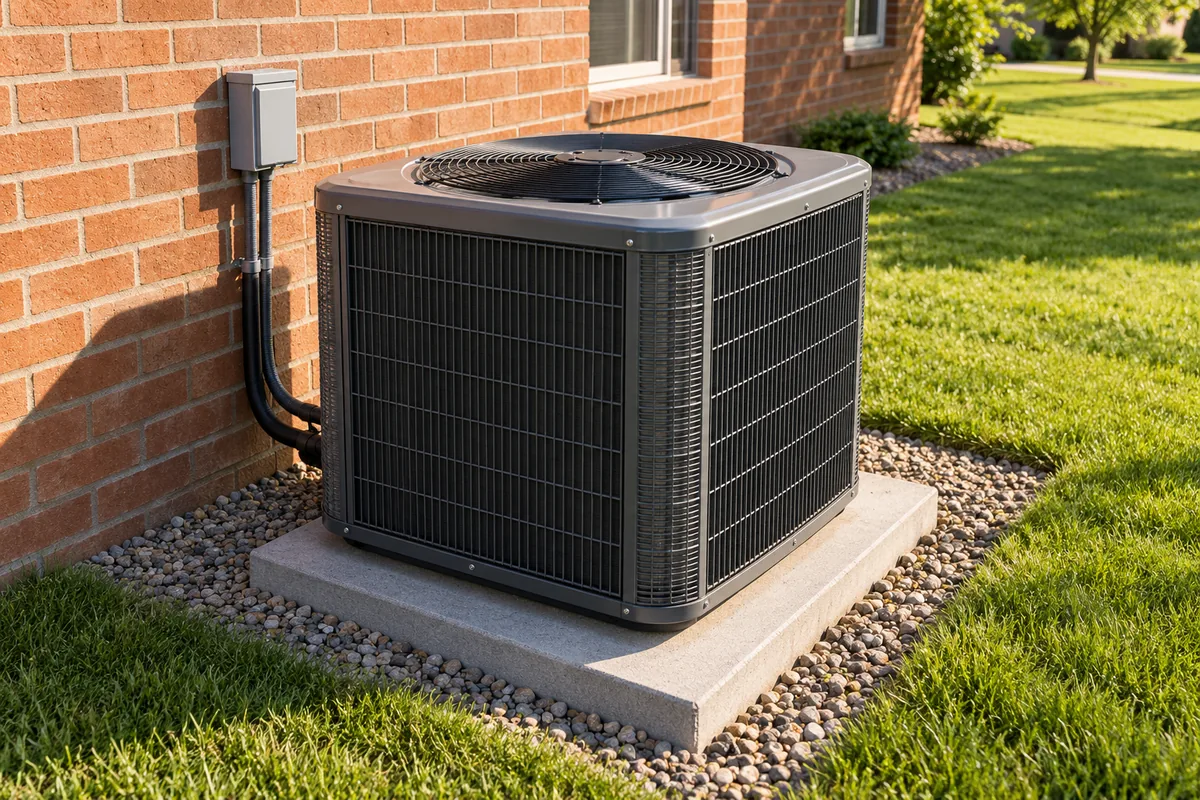
An air conditioner may move air without cooling the rooms as expected. Say whether the flow at the vents weakened or whether the air stayed warm despite normal flow. Also note whether all rooms changed or only one area. Our Lennox AC repair service covers the cooling-specific scope.
Visible water or frost adds useful context, but it does not identify the cause by itself. Describe where you see it and whether the unit was running. Do not remove panels, chip away ice or reach into a drain path to investigate. The service request can begin with the observation.
Weak cooling alone does not establish a need for a refrigerant refill. Ask which findings support the proposed repair and what it should correct, including the source of a recurring problem where relevant. Repeating an earlier treatment without understanding a new fault may leave the complaint unresolved.
Heating Faults and Uneven Rooms
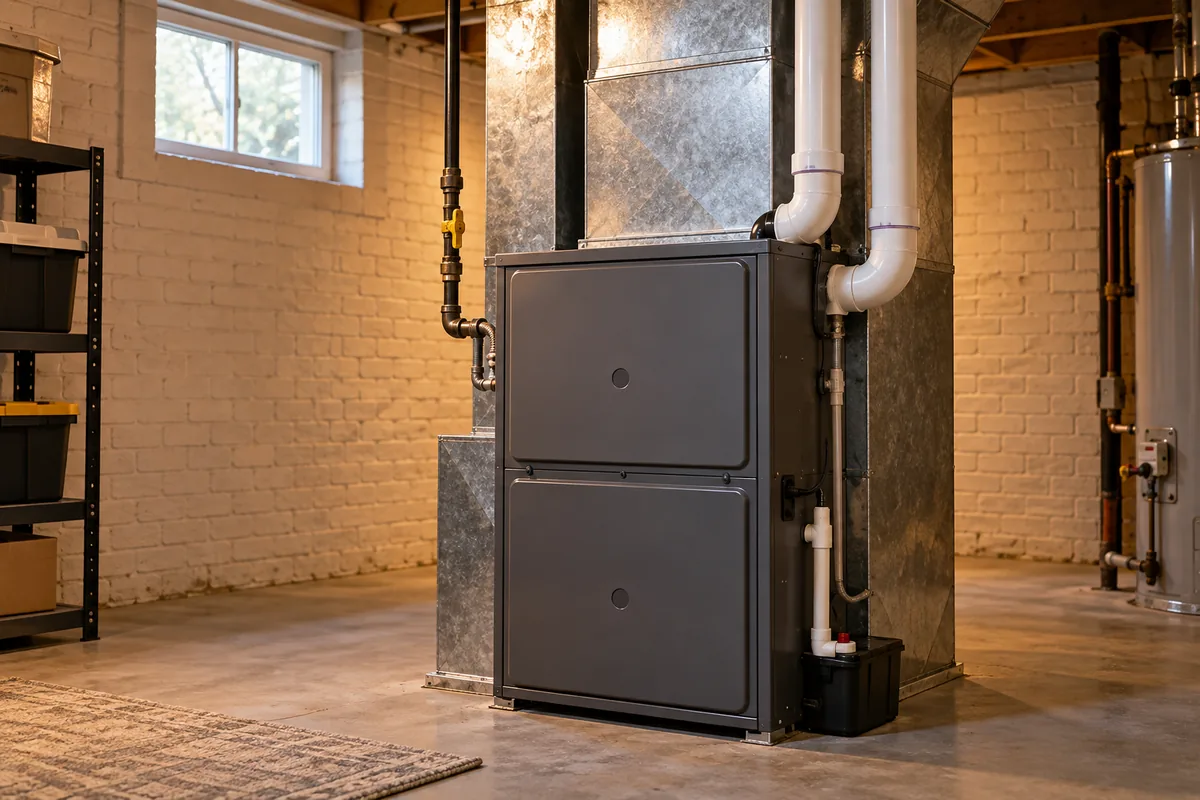
For a furnace, explain whether heat never starts, ends too soon or fails while the blower continues. Include an accessible control message if one appears. Our Lennox furnace repair page covers that service. Do not bypass a safety function or force a unit through repeated shutdowns.
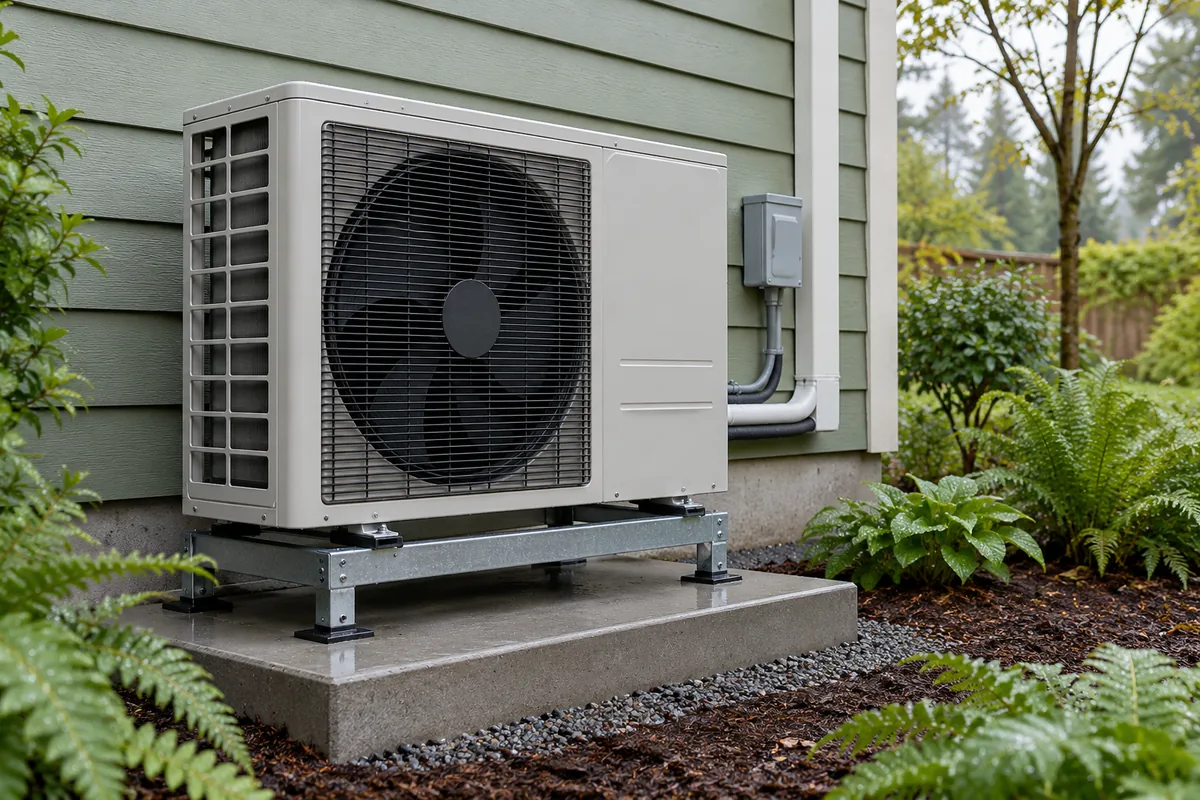
For a heat pump, report whether heating and cooling both have the problem. A working cooling mode does not explain every heating fault, or the reverse. The model and system response guide the assessment. Note any change in the selected mode or displayed temperatures when the fault appears.
If one room stays uncomfortable, identify the control that serves it. Say whether nearby rooms on the same system still meet their settings. A single-room complaint differs from the whole property losing heat or cooling. The assessment needs that distinction before anyone decides the equipment is too small.
For a zoned setup, describe each affected area and its request. One zone may have a different schedule or set temperature from another. Compare the room with its own setting rather than assuming every zone should feel alike. Mention whether the uneven comfort is new or has existed for a long time.
Repair Findings, Price and Operating Checks
Ask which fault prevents normal operation and how the proposed repair addresses the complaint. Discuss any separate comfort or equipment concern alongside the repair findings.
Review the price, parts, labor and any planned return visit before approval. If more testing is needed, ask what it will establish.
An intermittent fault may not appear during the visit. Share saved messages and the conditions under which it occurs, and ask what the current checks can confirm.
Provide earlier repair details if the symptom has returned. Similar symptoms can have different causes, so the technician needs to assess the present condition.
After the work, ask how the technician checked the operating mode or response that previously failed, and whether any separate issue remains.
Maintenance, Replacement and Safe Equipment Access
HVAC maintenance covers planned upkeep. If the system has lost heat or cooling, describe that fault when booking, even if routine care is also due.
A change to the system calls for a project plan covering the indoor equipment, outdoor unit and control setup. Our Lennox HVAC installation service starts that discussion with a free on-site estimator visit. This installation or replacement offer does not cover diagnosing a repair fault. Compare the proposed project with the defined repair, including which existing components each option would retain.
Before the appointment, explain how to reach the indoor and outdoor units. Mention a locked gate, equipment room or route through an attic or crawlspace. Clear stored items from the approach where safe. Keep panels and connections in place rather than taking equipment apart to prepare.
Arrange for someone to describe the complaint and review the proposed work. If entry and approval involve different people, make that arrangement clear when scheduling.
Request Lennox HVAC repair from HVAC & Appliance Repair Guys and describe the comfort change, run pattern and any exact control message.
Frequently Asked Questions
Can I request service without knowing the system generation?
Yes. Describe the visible equipment, controls and fault. Include any model information you already have, but do not dismantle anything to find more. The service discussion can start with an ordinary account of the problem.
Does a higher demand reading mean a component has failed?
Not by itself. The reading needs context from the model, selected mode and room conditions. Tell us whether comfort changed along with the displayed value. A repair decision needs equipment findings beyond that number.
Should I photograph a message if it clears later?
Yes, if the screen is safely accessible. Save the full message and when it appeared. Note whether the equipment recovered and whether the room temperature improved. Those details preserve the sequence without requiring repeated tests.
Can I compare repair options using the part price alone?
The full work scope matters. Ask what diagnosis, parts, labor and follow-up the proposal includes. A part price by itself does not describe the repair or show whether it addresses the reported fault.
What if the equipment has a different indoor and outdoor model number?
Those units normally have their own model identifiers. Provide both if safely available so we can identify the installed combination. Different numbers alone do not establish a mismatch or prove that either unit needs replacement.
Request Lennox HVAC Repair in Portland Metro
For Lennox hvac repair in Portland Metro, call HVAC & Appliance Repair Guys or submit a service request through the form on this page.
Before your visit
HVAC Repair details for Lennox
Describe the symptoms you have observed and any access or testing limits. The technician checks the cause on site. The $99 service call covers diagnosis and is applied toward the total when the repair is approved. The finding and price are reviewed first.
Capture the full symptom
Describe what the Lennox unit does and does not do, when the behavior began, and whether it is intermittent. Include the complete error code, indicator pattern, temperature reading, leak location, sound, or control message without clearing data repeatedly or opening energized equipment.
Explain installation and access
For Lennox hvac repair, describe tight clearances, connected utilities, or other obstacles to ordinary service access. Do not pull out heavy or built-in equipment simply to photograph the rear or rating label.
Describe the utility connections
State which utilities serve the Lennox equipment and whether another appliance or system is also affected. This helps describe whether the issue is limited to the equipment or affects the property more broadly.
How parts availability affects the repair
Part availability for Lennox equipment depends on the exact model, revision, failed component, and current supply. We verify the diagnosis before treating a part as required. Repair timing depends on confirmed part compatibility and availability.