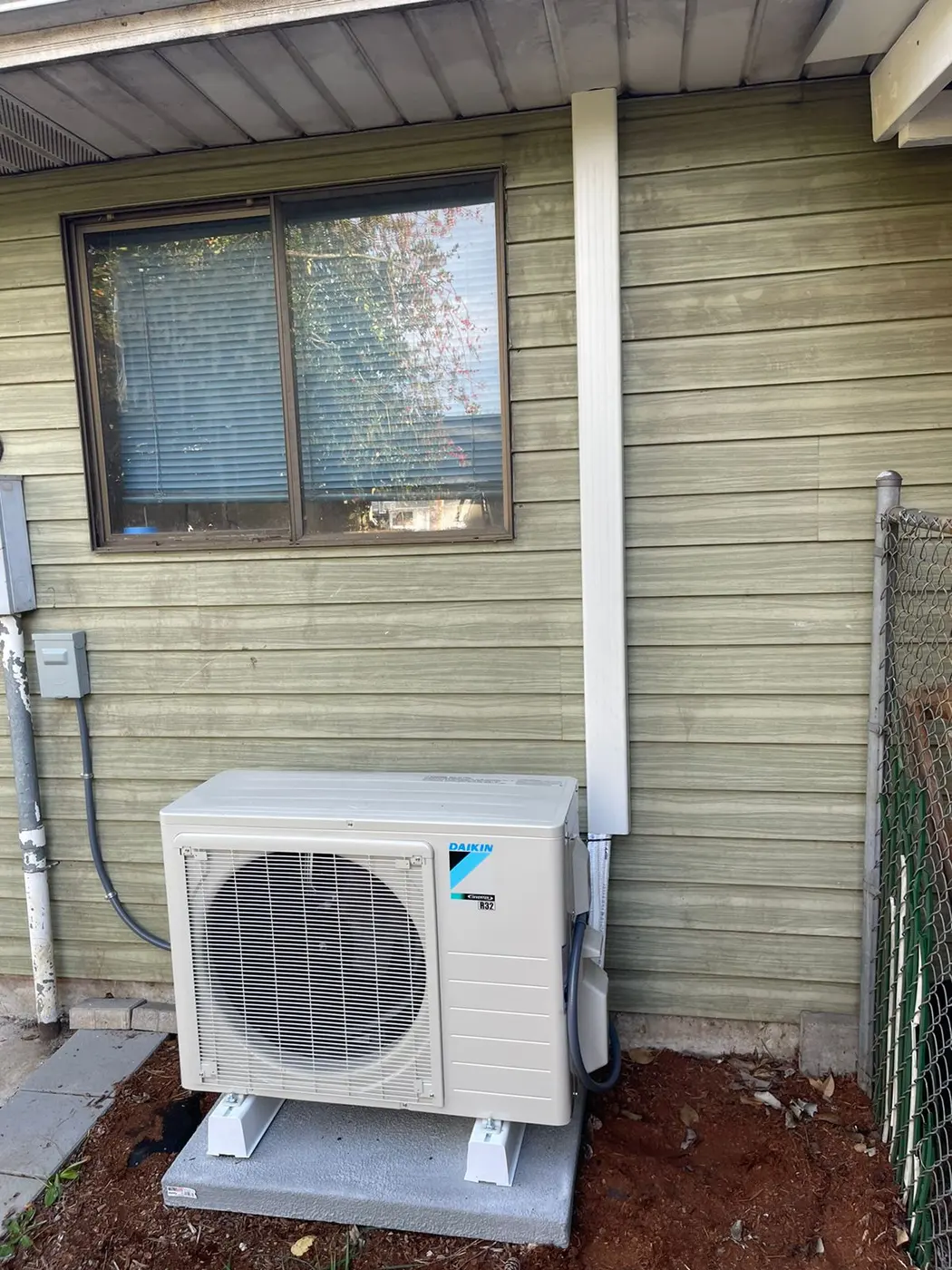




Mini-Split Installation in Battle Ground, WA
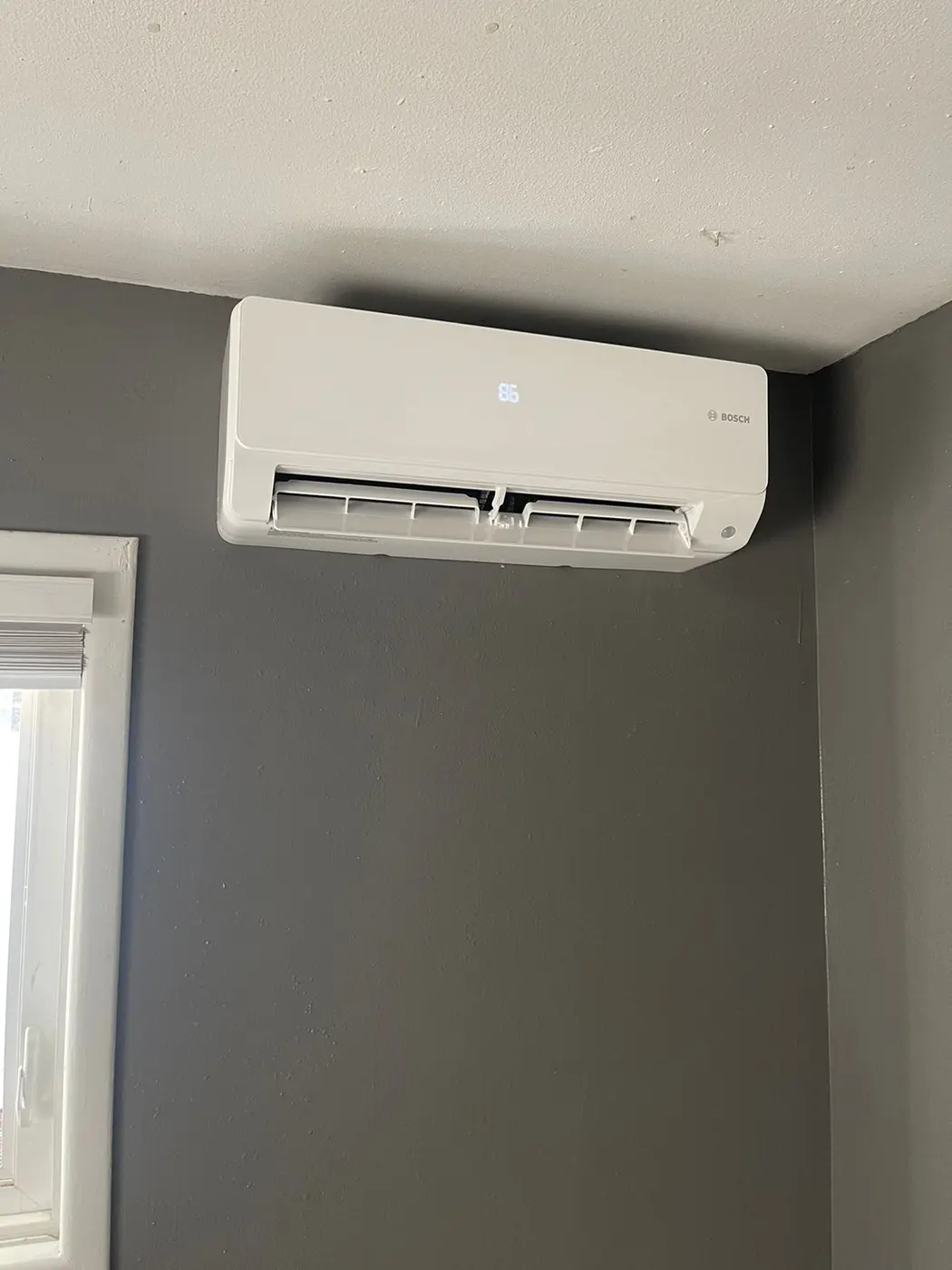
HVAC & Appliance Repair Guys provides mini-split installation in Battle Ground, WA, with a free on-site estimator visit for installation and replacement. The project may serve one room, several rooms or a separate workspace. Start with the heating and cooling functions you need, then review capacity, indoor positions and the outdoor equipment that can support them.
A single-zone plan and a multi-zone plan involve different equipment combinations. Several indoor heads may share outdoor equipment when the selected models support that arrangement. A room count or matching brand name does not establish the right design. If the space is detached, its power, routes and access also need a separate site review.
You do not need to choose a model or make openings before requesting the estimate. Bring reliable room details and the goals you have settled. State which conditions remain unknown.
Finished Rooms and Intended Use
Identify the spaces that need steady comfort and those used less often. Include doors, furniture and the places where people sit or work. A head serving one open area does not automatically provide even comfort in separate closed rooms.
State which areas need heating, cooling or both and whether their layout is settled. Planned walls, doors or fixed furniture can affect airflow and placement. If a workspace has requirements beyond ordinary room comfort, make those explicit; a heating and cooling estimate does not establish suitability for every special use or include unrelated building work.
Room Coverage and Capacity
Share reliable dimensions or drawings where available, but leave technical sizing to the assessment. Floor area alone does not describe the load; windows, insulation and other room conditions matter too. A larger head is not a general solution to a divided room or uncertain layout.
Explain normal door use and how often people enter or leave during the workday. The estimate needs those operating conditions, and a preferred temperature is not a fixed performance promise.
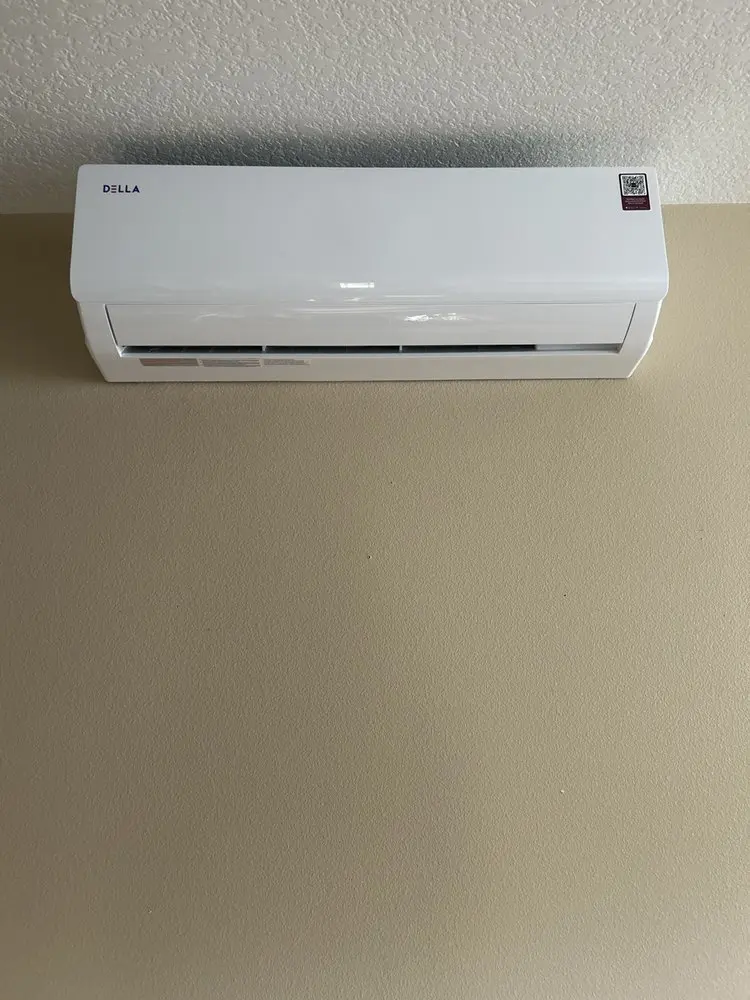
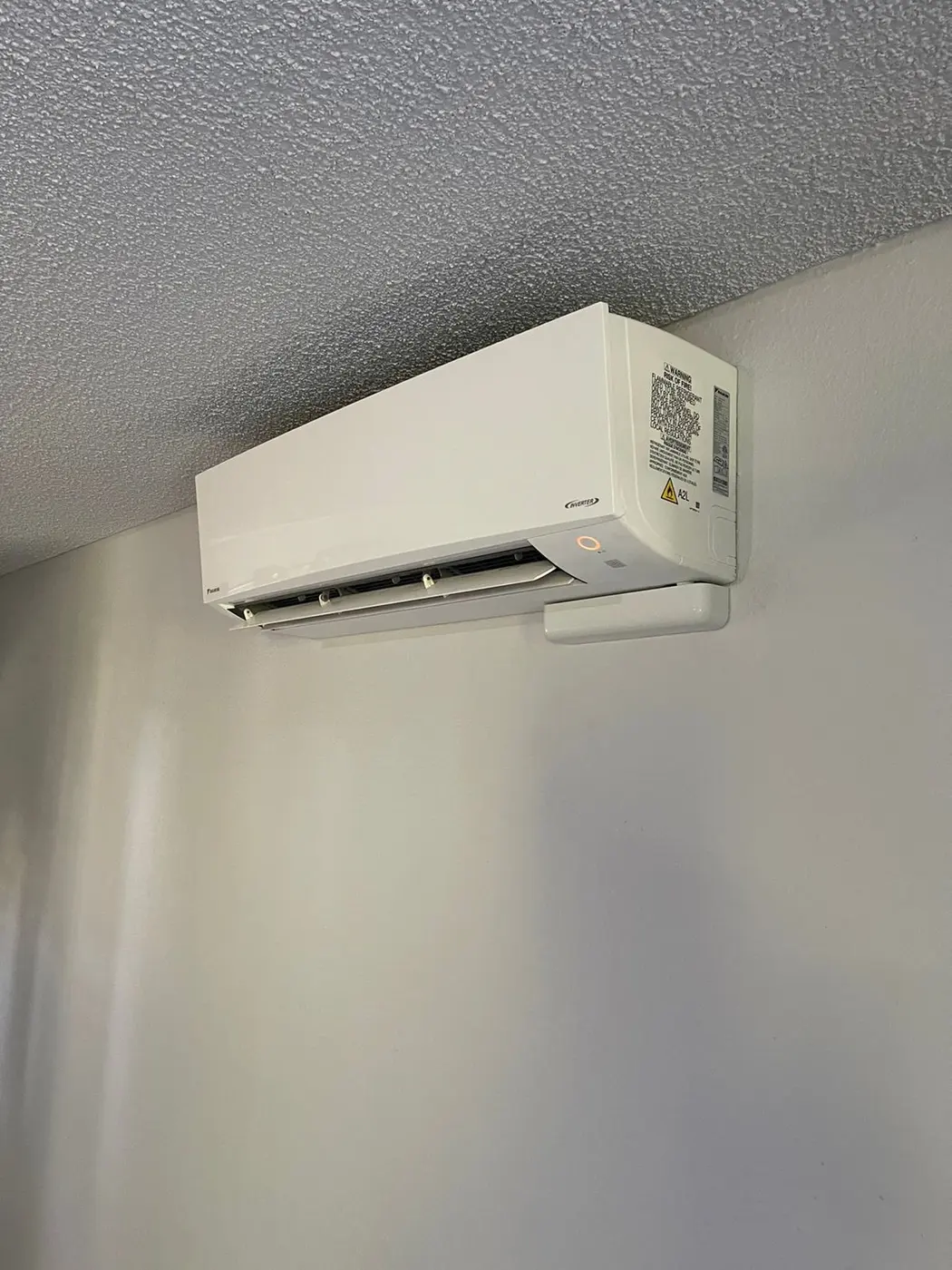
Our mini-split installation service reviews indoor and outdoor equipment with the room goal. Ask which models form the proposed combination. A capacity label on one head does not define the full setup. Keep the selected functions and room coverage alongside the model list.
Separate Systems and Supported Additions
Identify existing equipment and any components you hope to retain. If you want to add a head to shared outdoor equipment, its model, supported combination, capacity and connection routes need review. Being on the same property or seeing a spare connection does not establish a suitable addition.
If the proposal uses a separate system, define its rooms and controls clearly. It does not automatically replace other heating equipment or alter the house system. Raise possible later expansion during the estimate, while keeping it separate from the equipment and work approved now.
Outdoor Placement and Connection Routes
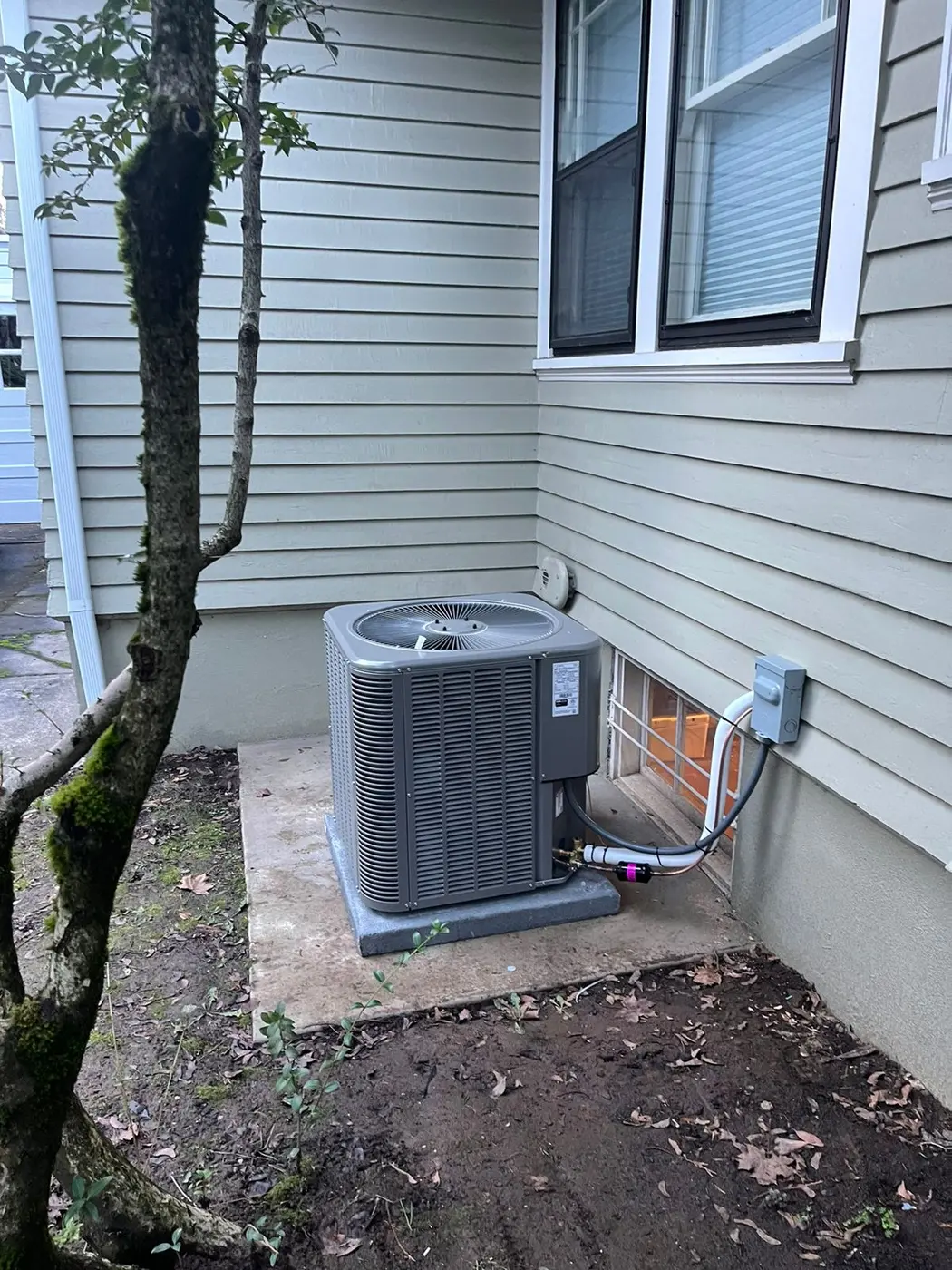
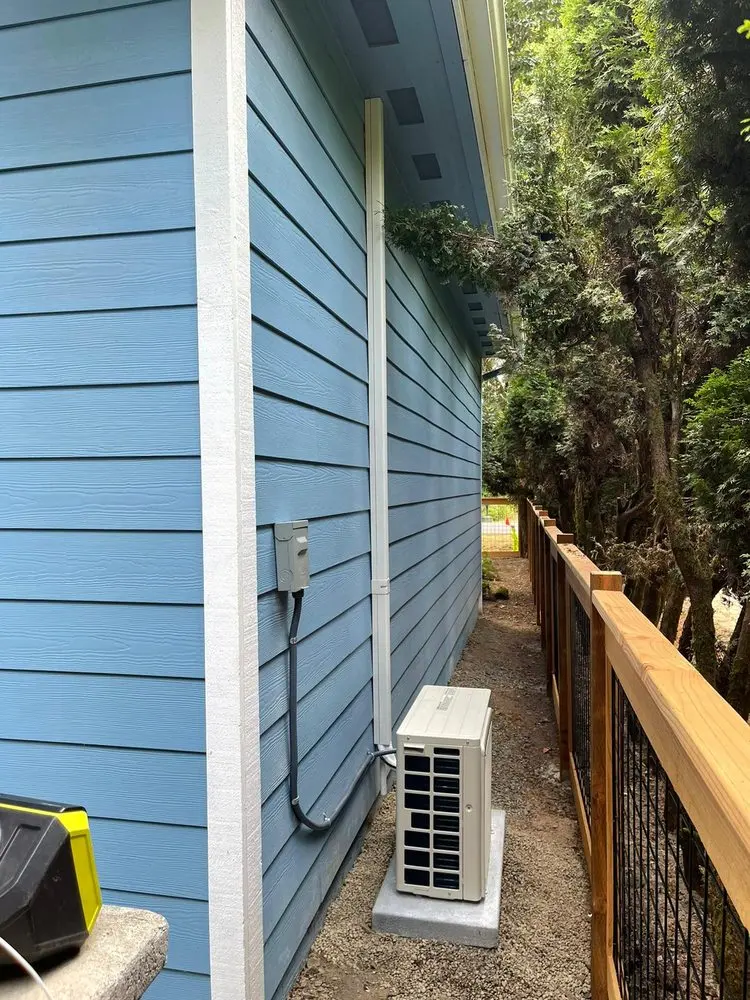
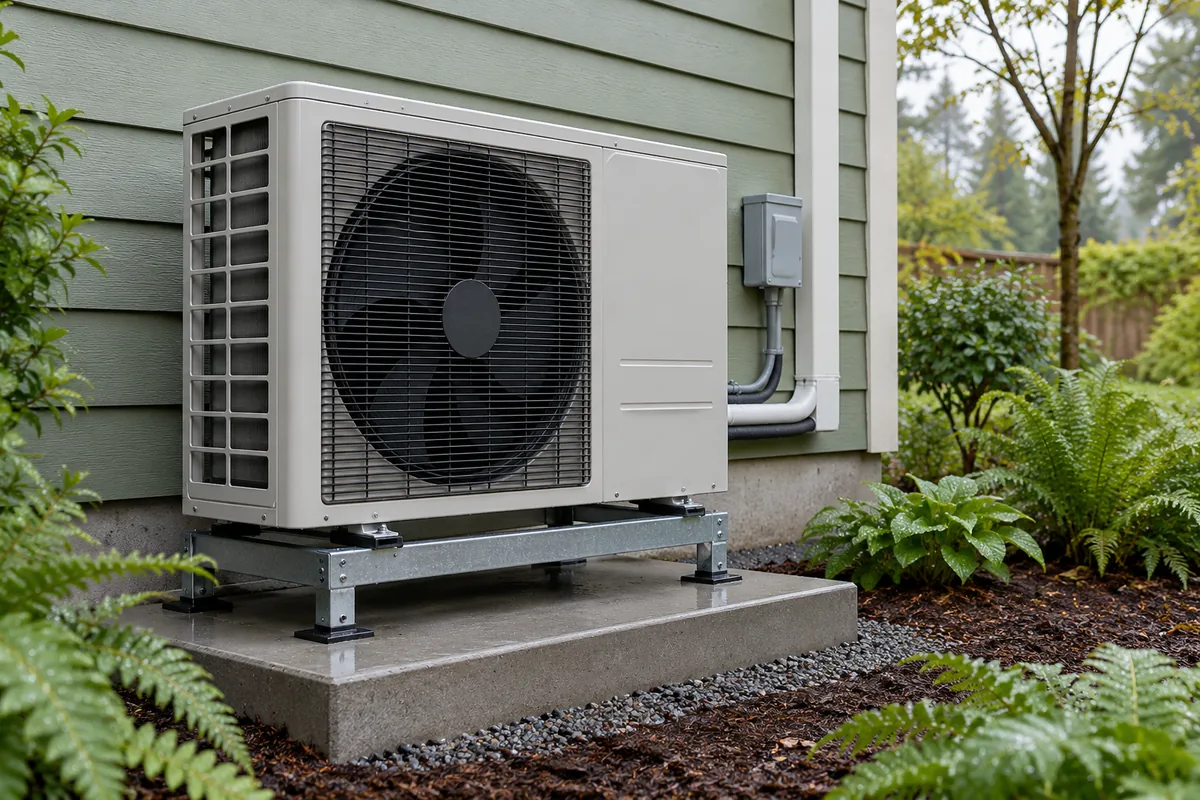
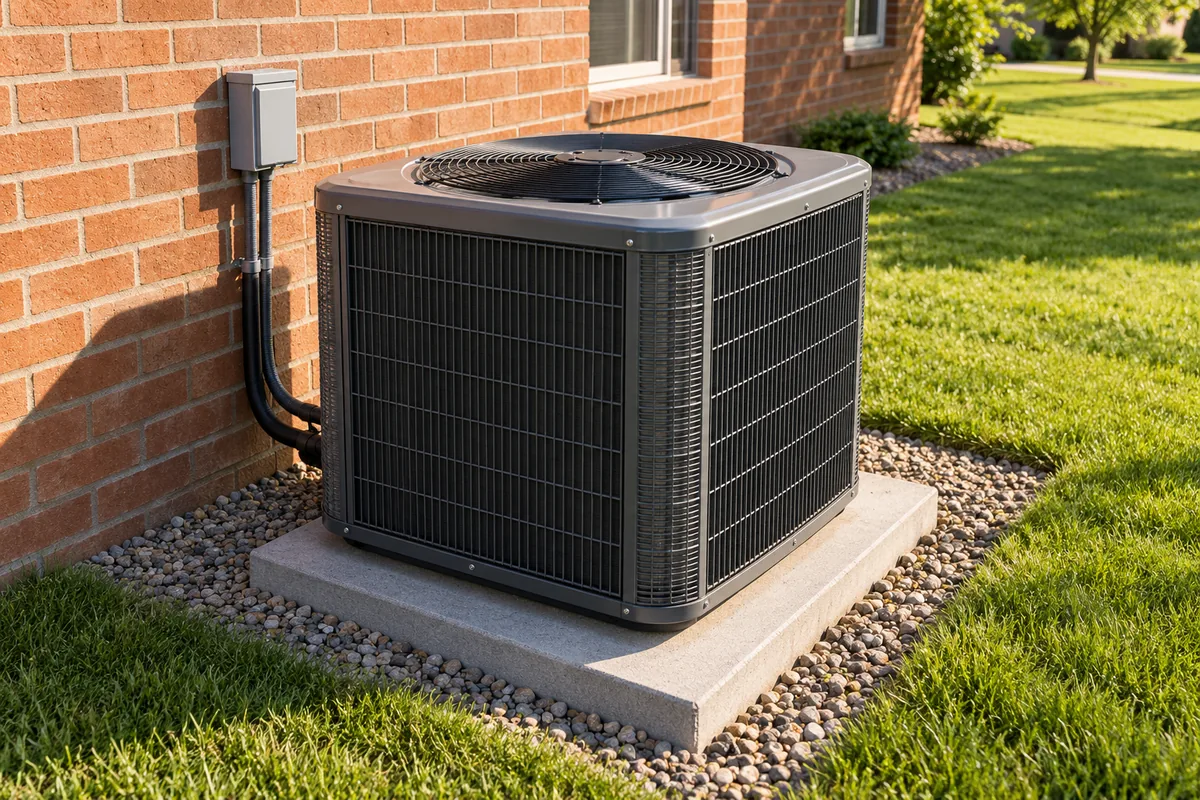
Show the preferred outdoor area and the normal route people use around it. Include gates, fixed storage and paths that need to stay usable. A location beside the workspace may look convenient while raising an access question. The selected equipment needs suitable operating and service space.
Ask how the indoor and outdoor units connect in the proposed layout. Review where the route stays visible and where it passes through finished areas. A straight line on a property sketch does not establish the work on site. Keep any concealed condition as a question until the review resolves it.
If a proposed route extends across another part of the property, identify that area clearly. Ask what preparation and access the plan requires. Do not dig, drill or install a guessed path to help the project along. Required route work needs a confirmed purpose and scope first.
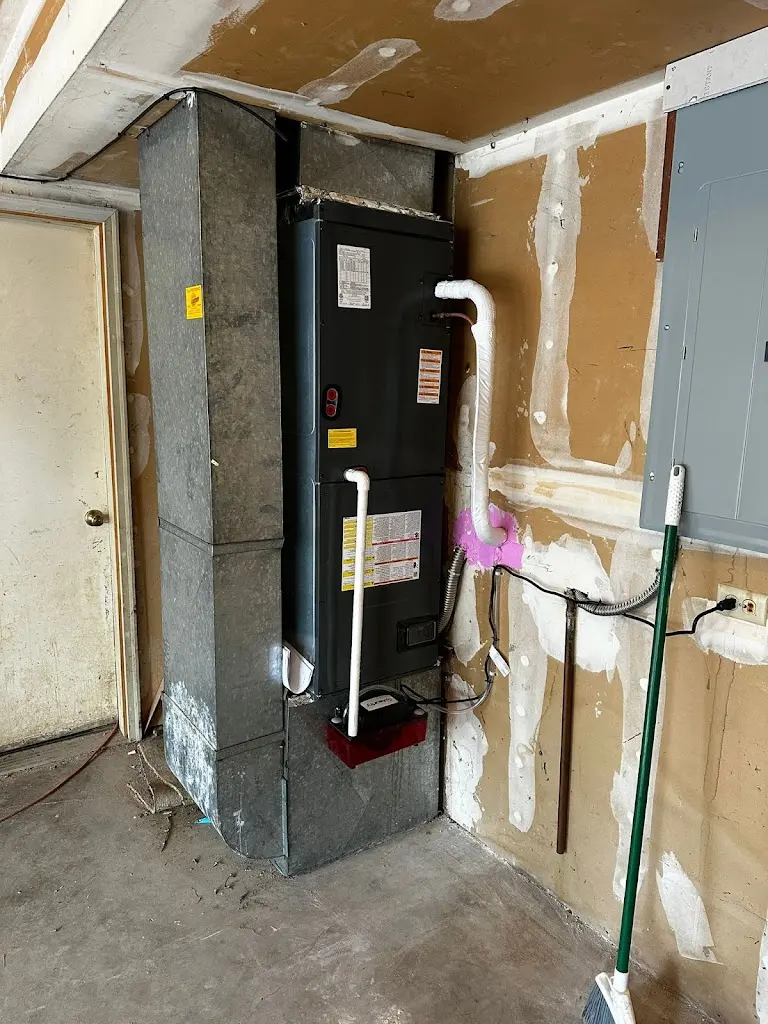
Include condensate drainage in the installation plan. The indoor unit needs an appropriate route for water collected during cooling. Ask the estimator to identify the drain route and any access or connection work it requires.
Power and Control Requirements
Describe the power available at the workspace where you know it. Share reliable records and the location of normal access points. Leave covers and wiring intact. An existing outlet or working light does not establish every requirement of the proposed system.
Ask which power and control tasks the installation includes. The complete indoor and outdoor combination matters to that answer. Keep any further assessment or preparation explicit. A new system should not depend on an unnamed electrical task outside the price.
If other work will change the power setup before installation, explain its current status. Ask which condition must be ready before the equipment visit.
Equipment Price and Site Work
Compare the units, controls, routes and preparation in each option against the same room goal. Adding to shared equipment and installing a separate system can involve different work. Confirm which openings, covers and surrounding finish tasks the price includes, and identify building work that remains outside it.
Our HVAC installation in Battle Ground covers a wider equipment project. Use that scope if the house system also needs a defined change, keeping each system’s rooms and included tasks clear.
Access and Service Interruption
Arrange access to the indoor units, outdoor location and connection routes, including locked or separately entered spaces. Confirm who can approve a project change and the expected interruption to existing service. Clear ordinary belongings where safe, leaving units and connections intact until the agreed work.
Installed System and Workspace Controls
At handover, identify the units, rooms and normal controls for the installed system. Review heating and cooling checks, filter access and any remaining task. If the project serves a separate workspace, keep its operating instructions clear alongside those for the house equipment.
Retain final models and the completed scope, including approved changes from the estimate. Use those equipment details when arranging mini-split maintenance. Keep access available when furniture and storage return. Contact HVAC & Appliance Repair Guys to request a free on-site estimate for mini-split installation or replacement in Battle Ground.
Frequently Asked Questions
Can I connect a detached room to the mini-split already serving my house?
That requires review of the actual equipment, supported combination and routes. A shared property or unused connection does not prove that the addition will work. Explain the goal before choosing a new head. Keep a separate-system option open until the scope is clear.
Does a workspace quote include finishing or converting the building?
Do not assume it does. The estimate should state the heating and cooling tasks and any required preparation. Other room or building work needs a clear boundary. Confirm a suitable installation scope for the space as planned.
Do I need to buy equipment before the estimator visits?
No. Begin with the finished room plan, intended functions and site details you know. The free estimate can review suitable options and their required work. A purchase made first does not establish that the model fits the project.
What if the building layout changes after I approve the equipment?
Report the change before installation proceeds. A different room division or use can affect coverage, positions and routes. Review any revised work and price together. The final plan should describe the current space rather than the earlier drawing.
Request Mini-Split Installation in Battle Ground, WA
For mini-split installation in Battle Ground, WA, call HVAC & Appliance Repair Guys or submit a service request through the form on this page.