


AC Maintenance and Recurring Cooling Problems in Sherwood
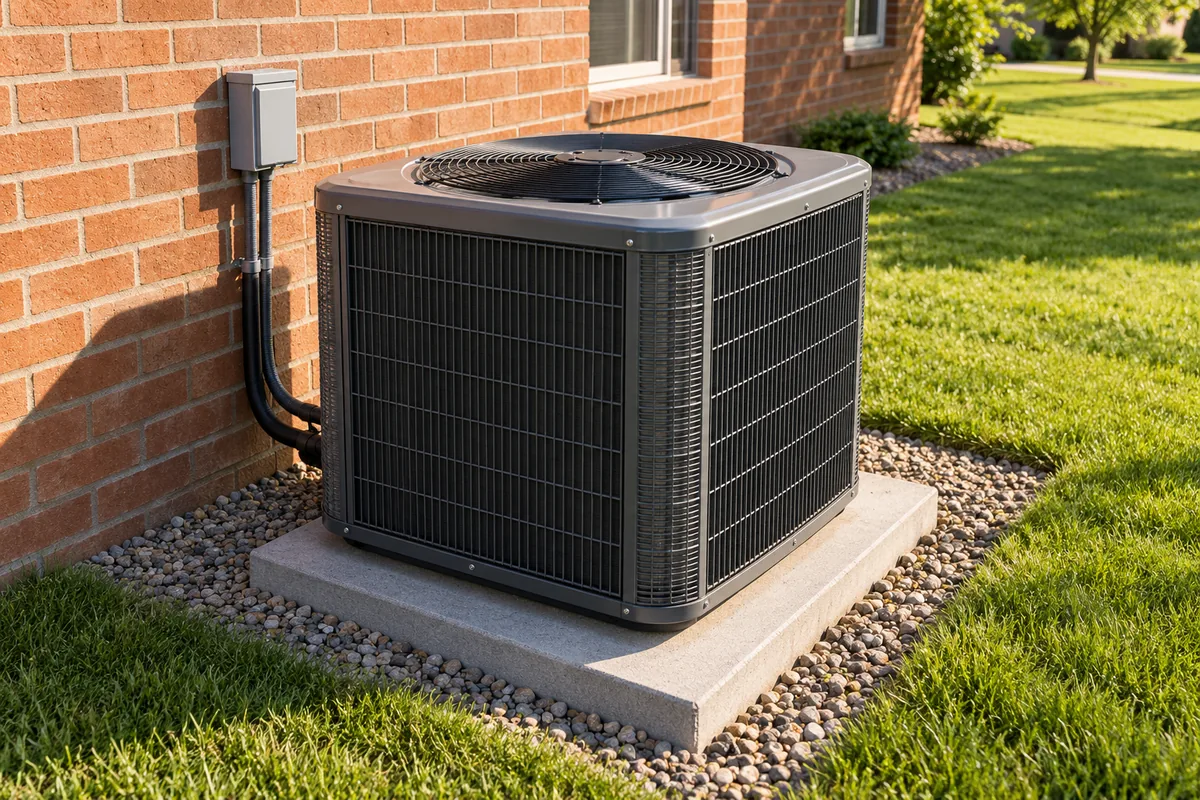
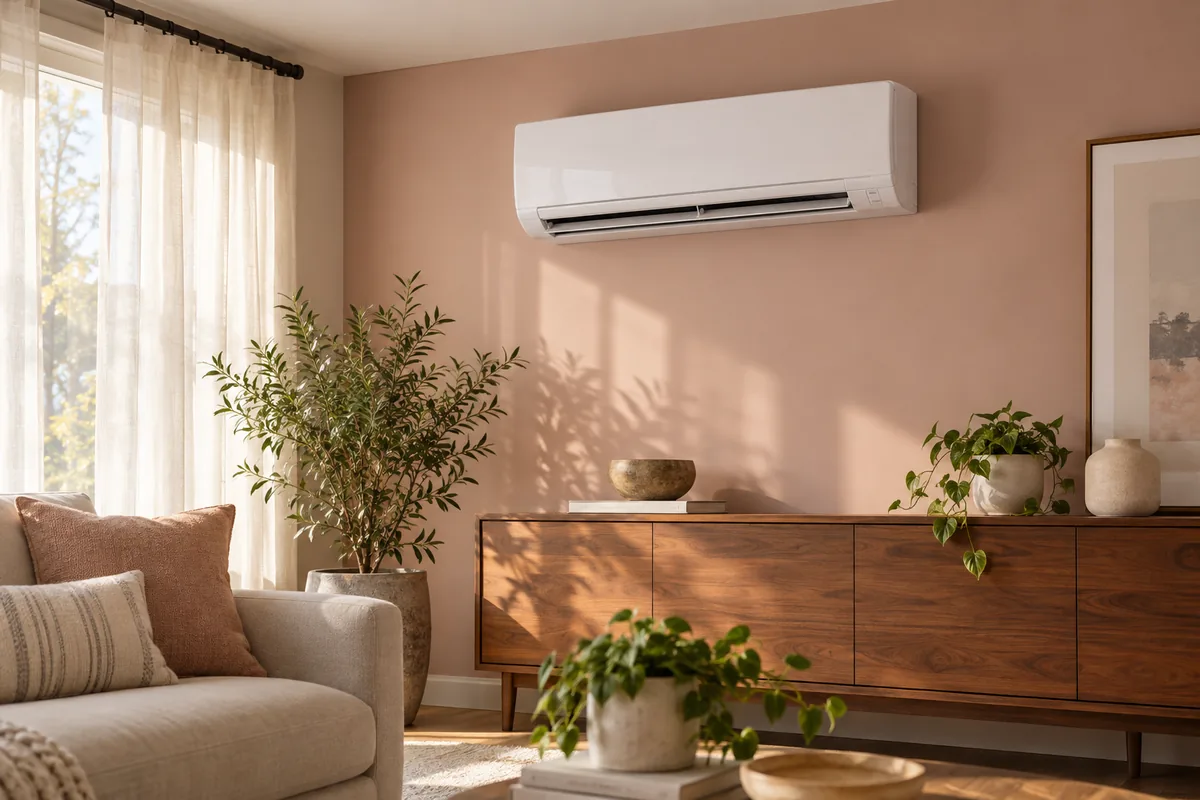
HVAC & Appliance Repair Guys provides AC maintenance in Sherwood, OR. The care plan addresses relevant filter, coil, drain and control needs on the installed system. Report an occasional cooling problem as well, even if operation seems normal on the appointment day. A short check may not reproduce it, and routine upkeep may need to be paired with separate diagnosis.
Our AC maintenance service covers equipment care within an agreed scope. Tell us if you also need assessment of an intermittent fault so both requests can be considered.
Timing and Pattern of a Cooling Problem
Describe what first drew your attention. The room may have stayed warm, airflow may have changed or the control may have shown a message. Keep those observations separate if more than one occurred. Their order can be useful even when you cannot name a cause.
Note approximately when the concern began and when normal cooling returned. Tell us whether a normal setting changed or the system recovered on its own, and mark any timing you are unsure about.
Include how often you have noticed the event and which areas it affects. One warm room is a different observation from the whole cooled area missing its usual setting. Mention whether the concern appears soon after startup or later in normal use. Avoid turning that pattern into a fixed rule about which part must have failed.
Existing Observations and Safe Preparation
Keep a photo of a message or a brief note if you already have one. Include the normal mode and setting with that information. A message no longer on the screen may still help explain the original event. You do not need to enter a service menu to recover hidden data.
Describe any earlier care or repair related to the concern, including the date and what changed afterward. A filter change and a component replacement are different tasks, so keep the record specific.
Do not force repeated starts or unusual settings to recreate the event. Share observations from ordinary use and leave panels, wiring and internal parts intact.
Routine Care and Intermittent Fault Diagnosis
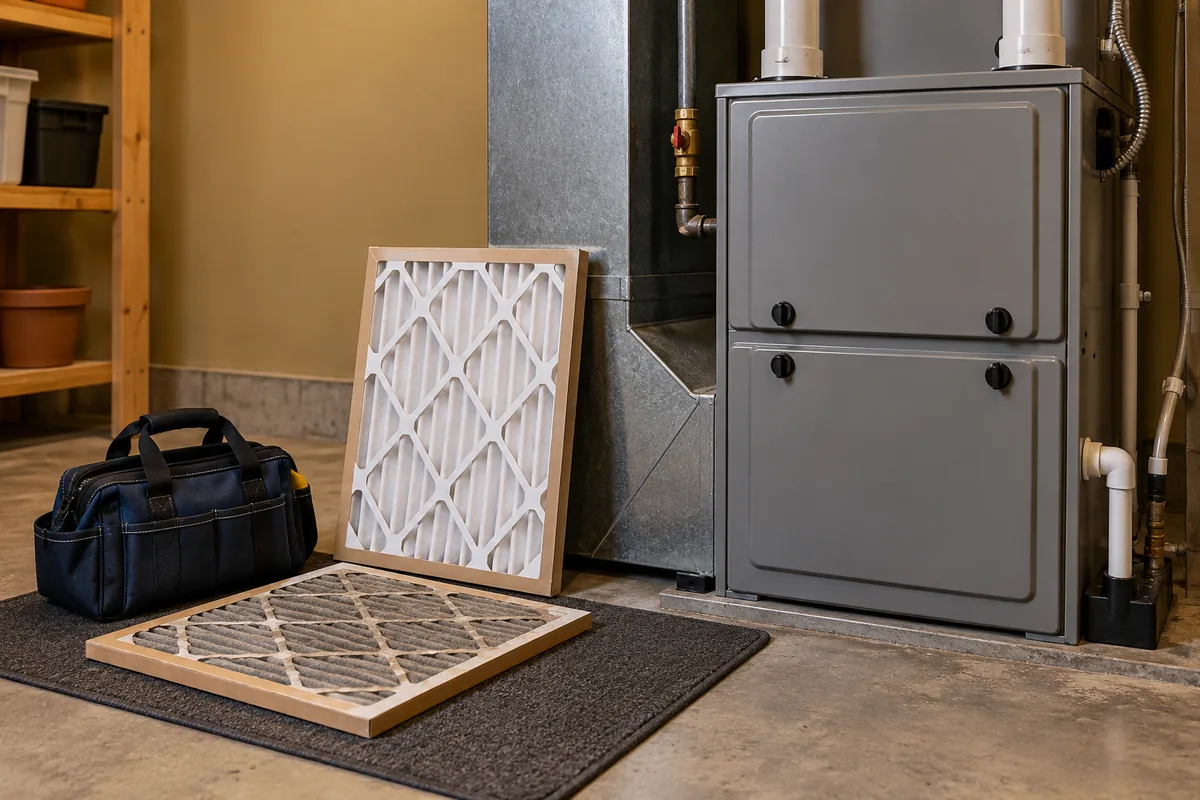
Ask which care tasks fit the equipment and current condition. Filter, coil, drain and control items concern different parts of the setup. A maintenance visit may review relevant areas without making every possible fault test part of its scope. Confirm what the proposed work includes before it begins.
For diagnosis of an active or recurring fault, our AC repair service in Sherwood covers that request. Explain the intermittent pattern when booking. The team can discuss the intended assessment and access needs. Keep its scope and price distinct from any routine care you also request.
An observed care need may support a specific task without explaining the whole reported event. Ask what finding supports the proposed work and which question it addresses. Do not assume that cleaning one area confirms the cause of every earlier symptom. Review any further work before approving a change to the plan.
Operating Checks and Their Limits
Keep the response to the technician’s checks separate from an event that did not occur during the visit. Normal operation at that moment does not prove the earlier problem cannot return.
Ask whether the findings explain the recurring pattern or leave a question open. Completed care and an unresolved symptom can both belong in the record.
Retain any access or operating condition that limited a check. The check does not establish the condition of a part the technician could not assess. Discuss what a later assessment would need to investigate the open question.
If the Cooling Problem Returns
If the concern returns, note the room result, airflow, timing and normal setting, and compare them with the earlier event and care record. Describe any differences rather than assuming the same general complaint has the same cause.
Discuss whether the next step concerns unfinished care, a new finding or separate fault diagnosis. Another identical maintenance visit may not answer the open question; review added work and price before approval.
Contact HVAC & Appliance Repair Guys to request AC maintenance in Sherwood and describe any recurring cooling problem, even if it is absent today.
Frequently Asked Questions
Can another household member describe the event if I did not see it?
Yes. Keep that person’s account distinct from what you observed yourself. Collect the normal setting, affected area and timing if available. Confirm who can answer questions during the visit and keep the original account clear.
Should I cancel maintenance if the concern stops appearing?
Explain the current situation to the company and confirm the purpose of the appointment. Planned care may still be a separate request. The absence of a recent event does not by itself settle the earlier question or define which work the visit should cover.
Does a problem that does not appear during the visit mean I need a new AC system?
No. A symptom that does not appear during a visit leaves a question to review; it does not establish the need for replacement. If you are considering new equipment, discuss AC installation on its own merits and scope, using the current findings rather than an unsupported prediction of failure.
Request AC Maintenance in Sherwood, OR
For AC maintenance in Sherwood, OR, call HVAC & Appliance Repair Guys or submit a service request through the form on this page.
Before your visit
AC Maintenance details for Sherwood, OR
Maintenance is preventive service for operating equipment. Share equipment details and service history before the Sherwood, OR visit. Describe an active failure clearly so the request is not treated as a routine tune-up.
Clarify utilities and shutoffs
Tell us whether power, gas, water, drainage, or another utility is involved in the ac maintenance request and whether any safe shutoff has already been used. Do not operate an unfamiliar valve, reset protection repeatedly, or enter an unsafe area simply to provide this information.
Confirm permission for the work
For rentals, managed properties, and multi-unit sites in Sherwood, OR, confirm who may approve the visit and any recommended work. If building management controls a utility room, roof, mechanical space, shutoff, or common area, arrange that access before the appointment whenever possible.
Describe what is working
Describe what is unusable, what remains operational, and whether the issue affects one unit, one area or several pieces of equipment. This helps distinguish an isolated ac maintenance request in Sherwood, OR from a broader utility, access, or system condition.
Note testing conditions
Some ac maintenance checks depend on the equipment being safely operable and on current site conditions. Tell us if the system has been shut down, drained, disconnected, emptied, or unavailable for testing at the Sherwood, OR property because these conditions can limit the checks that can be completed.