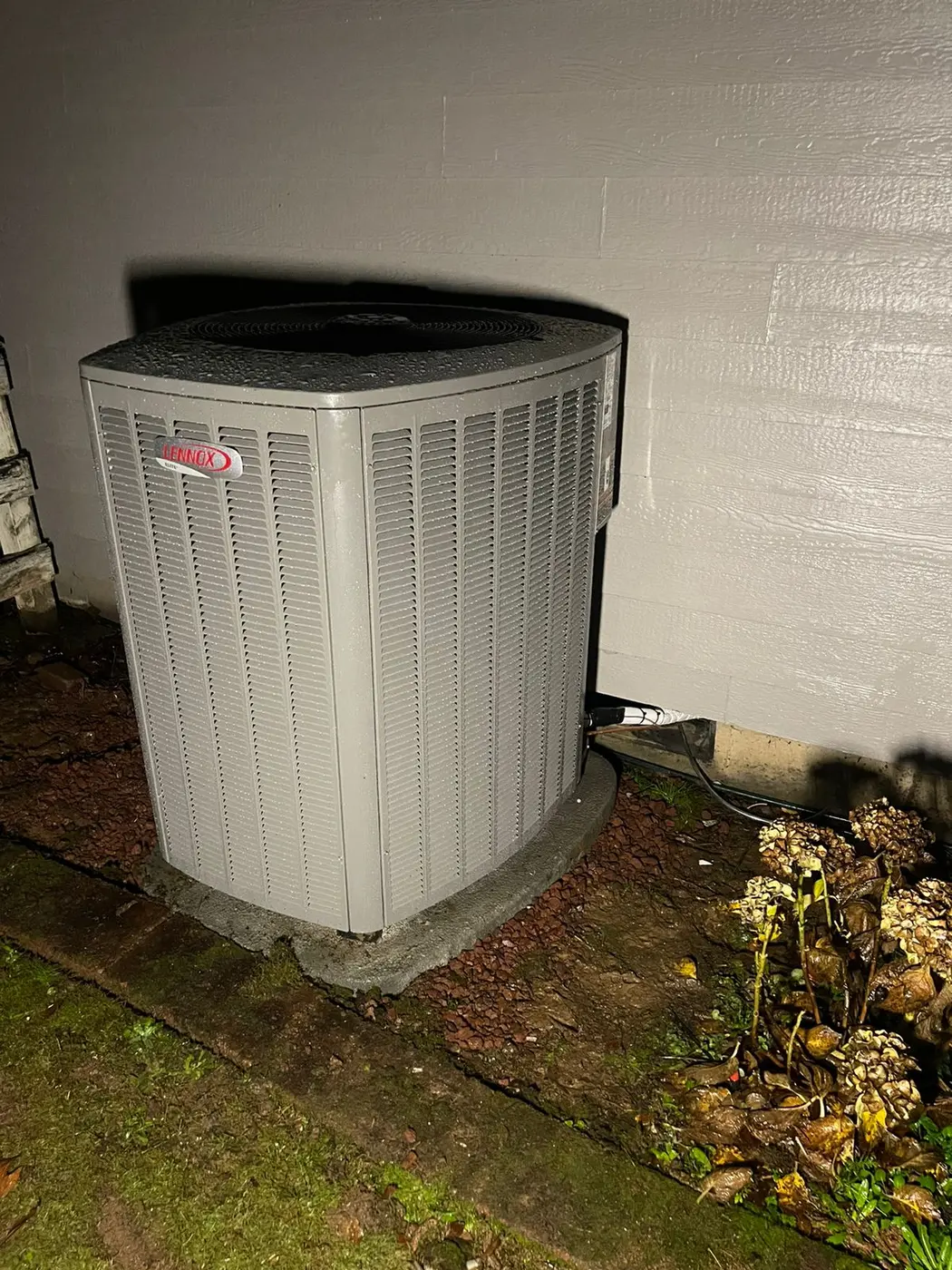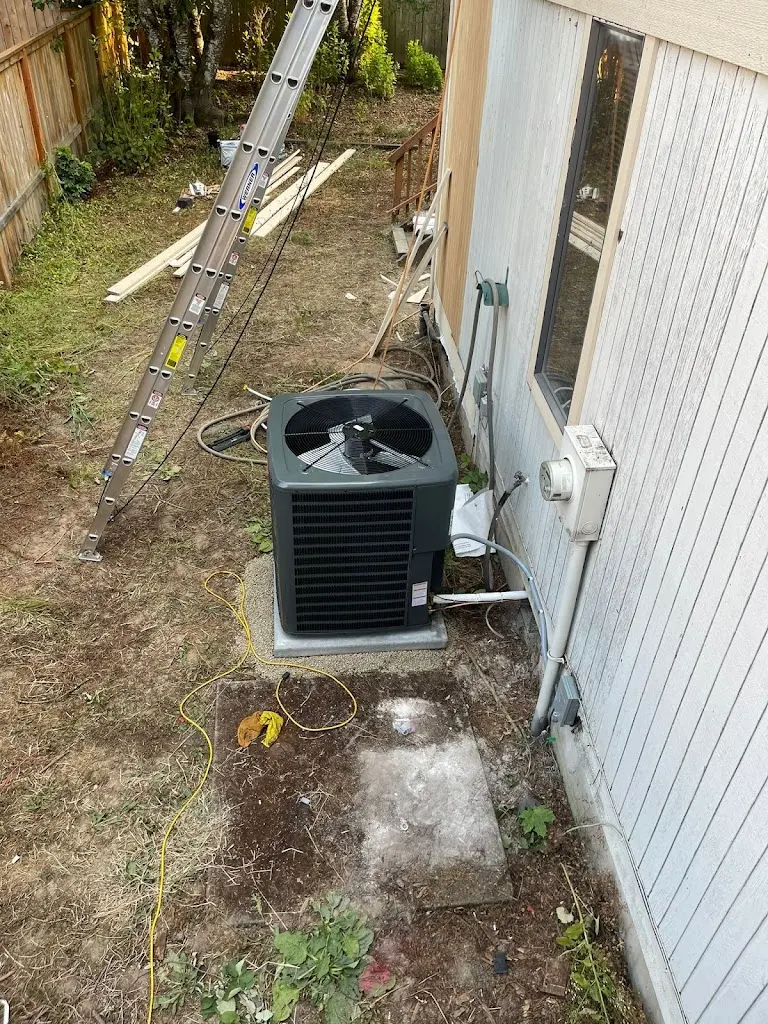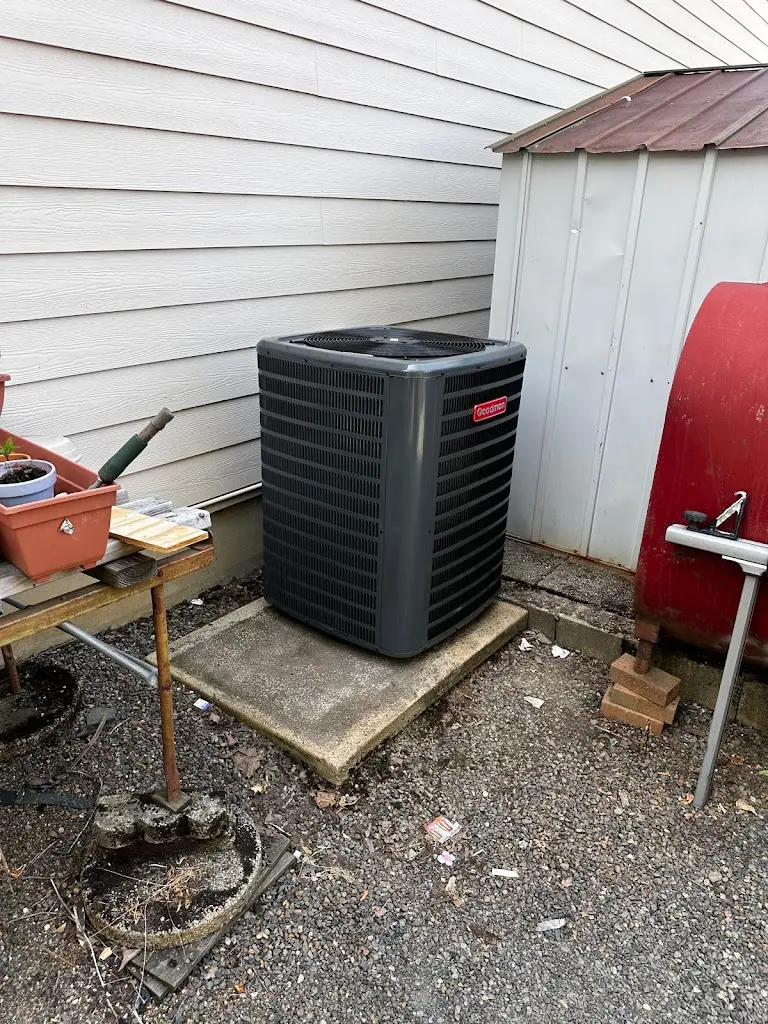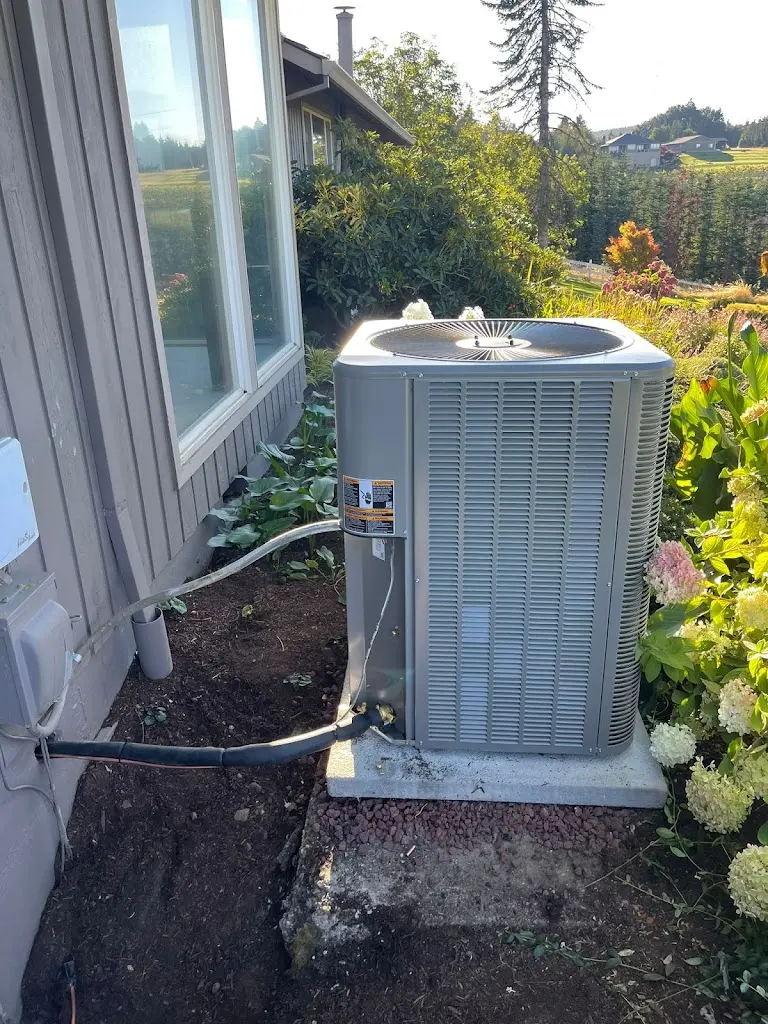




AC Installation With Existing Ducts in Sherwood
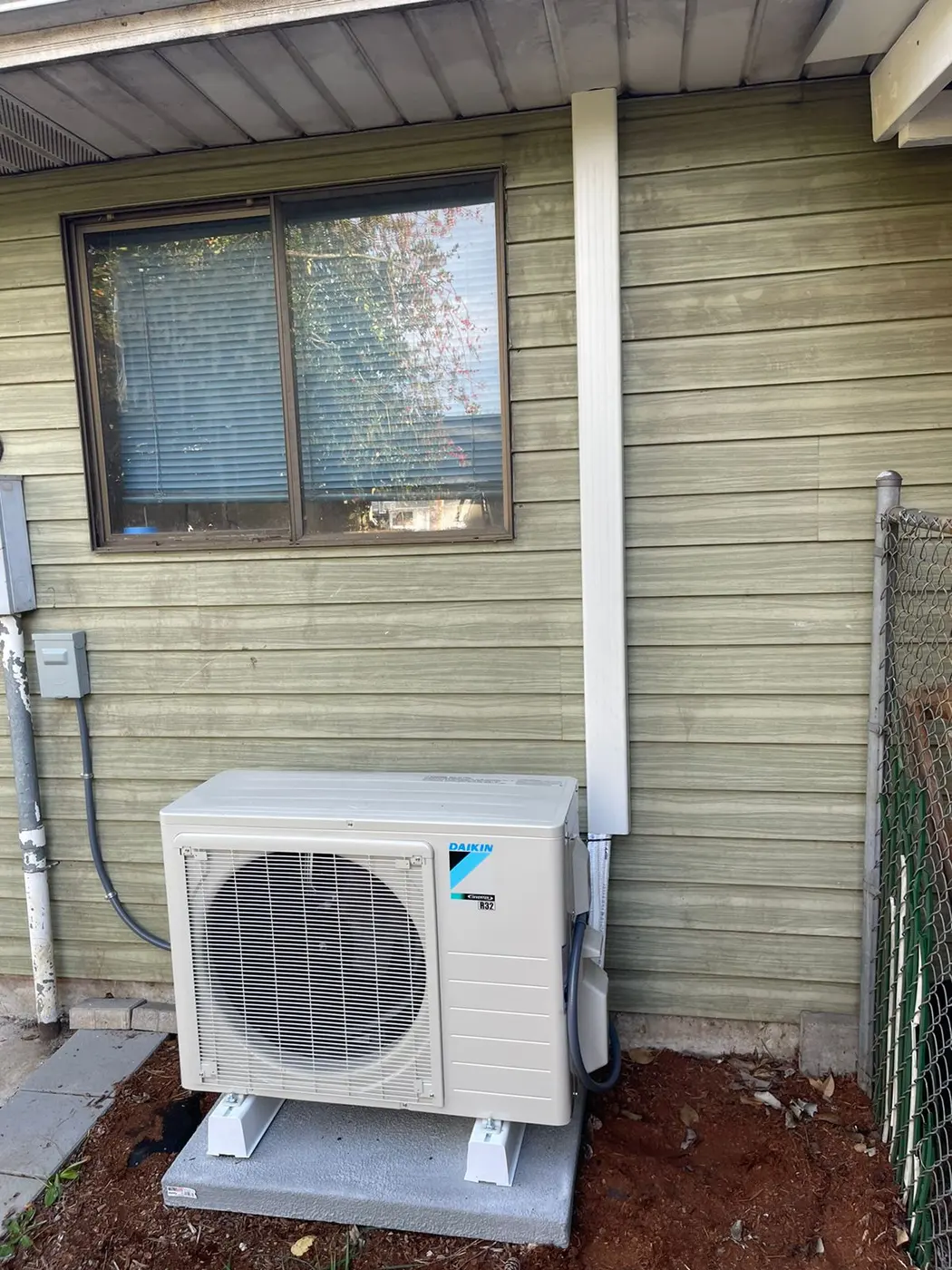
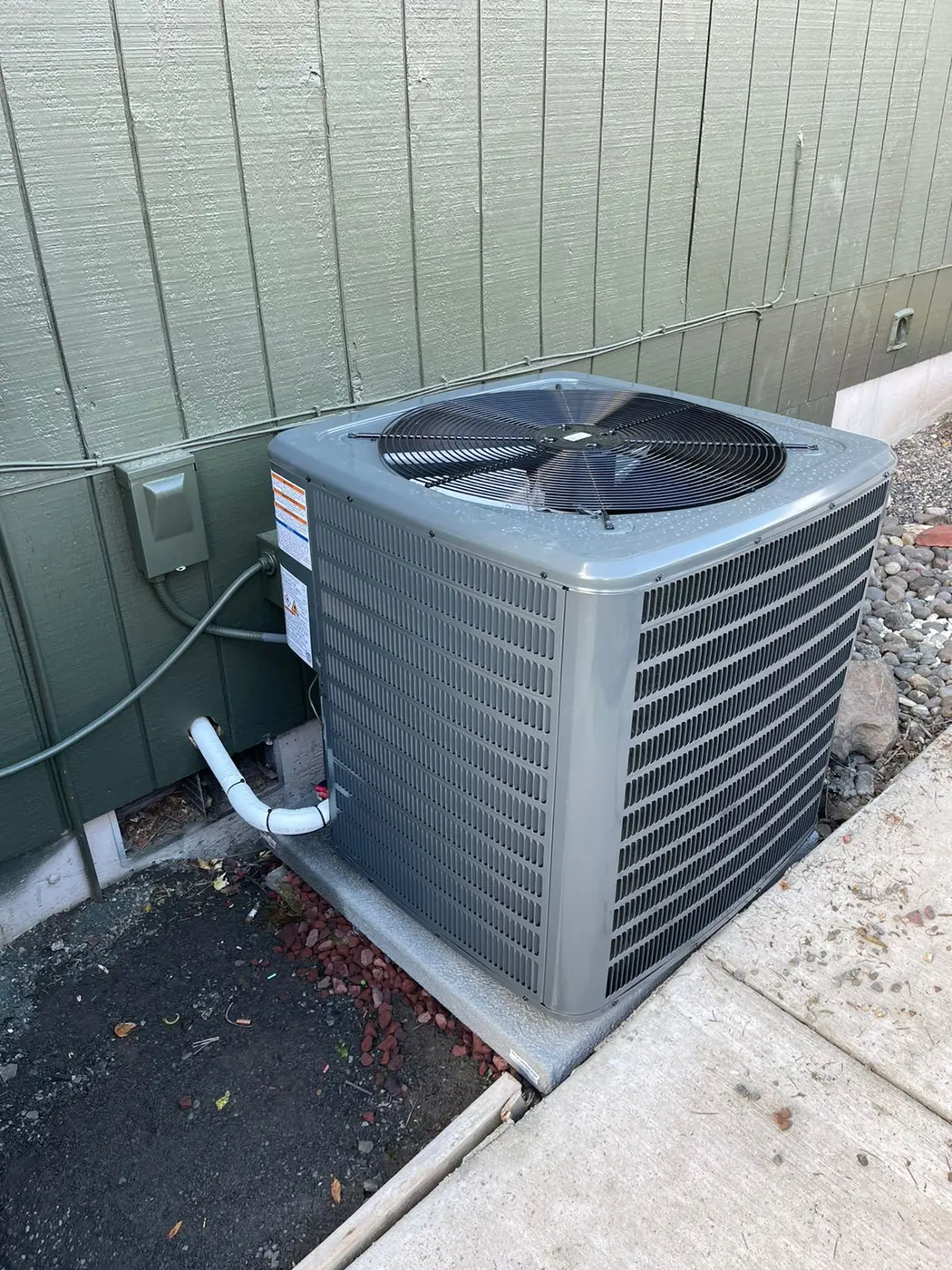
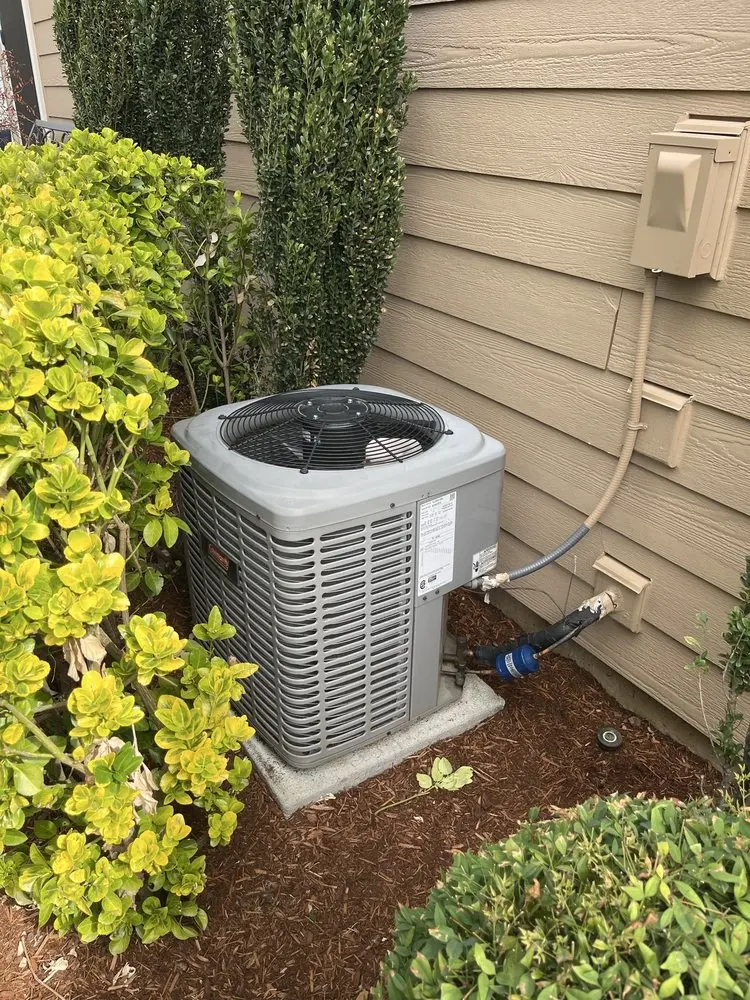
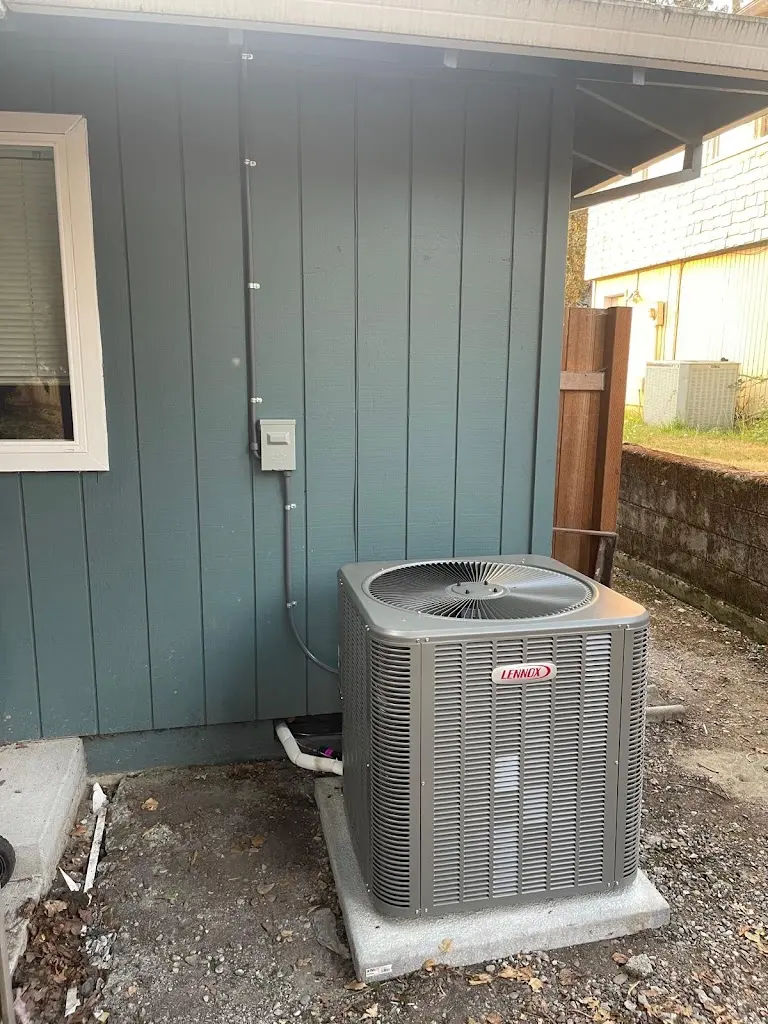
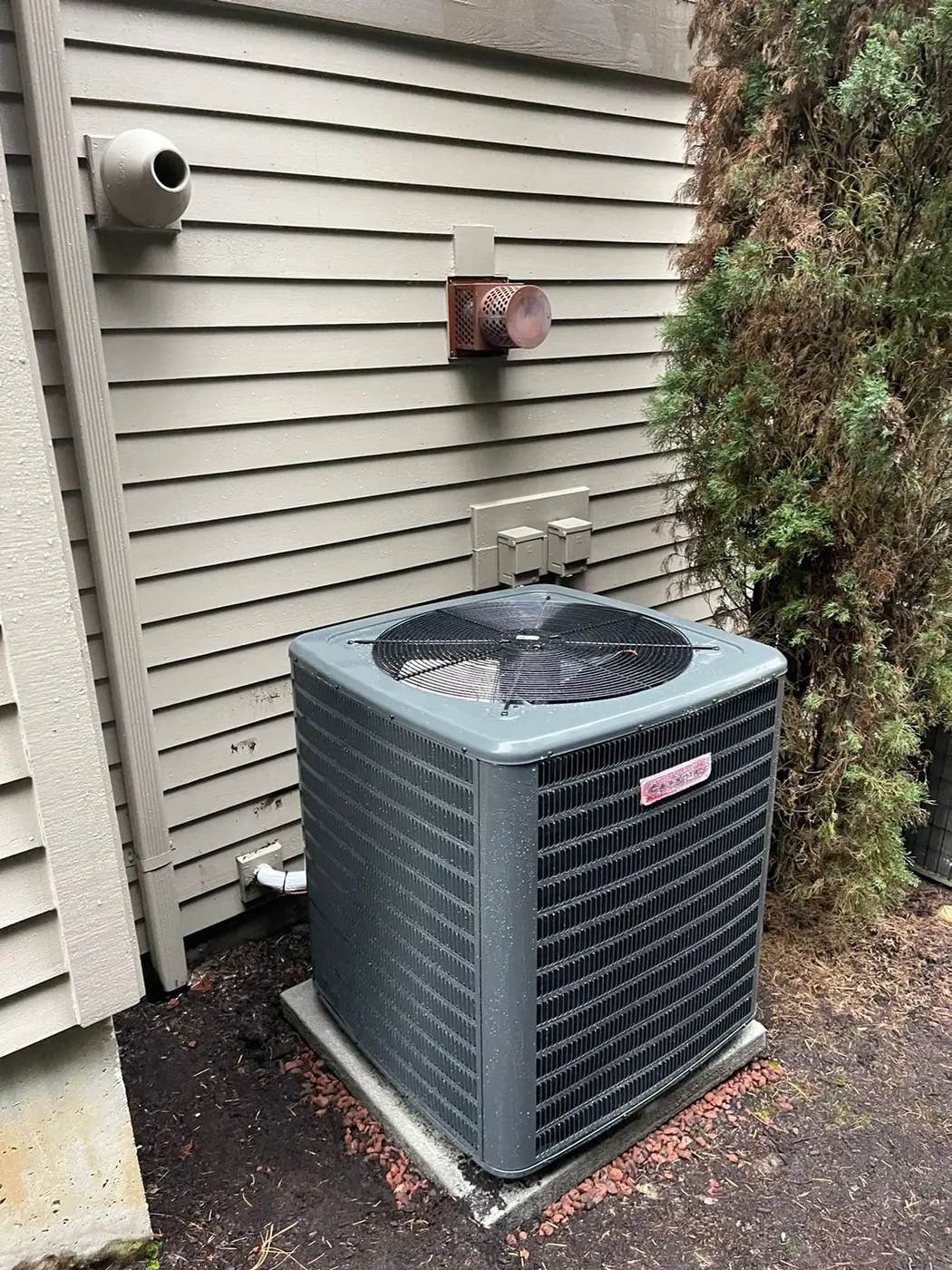
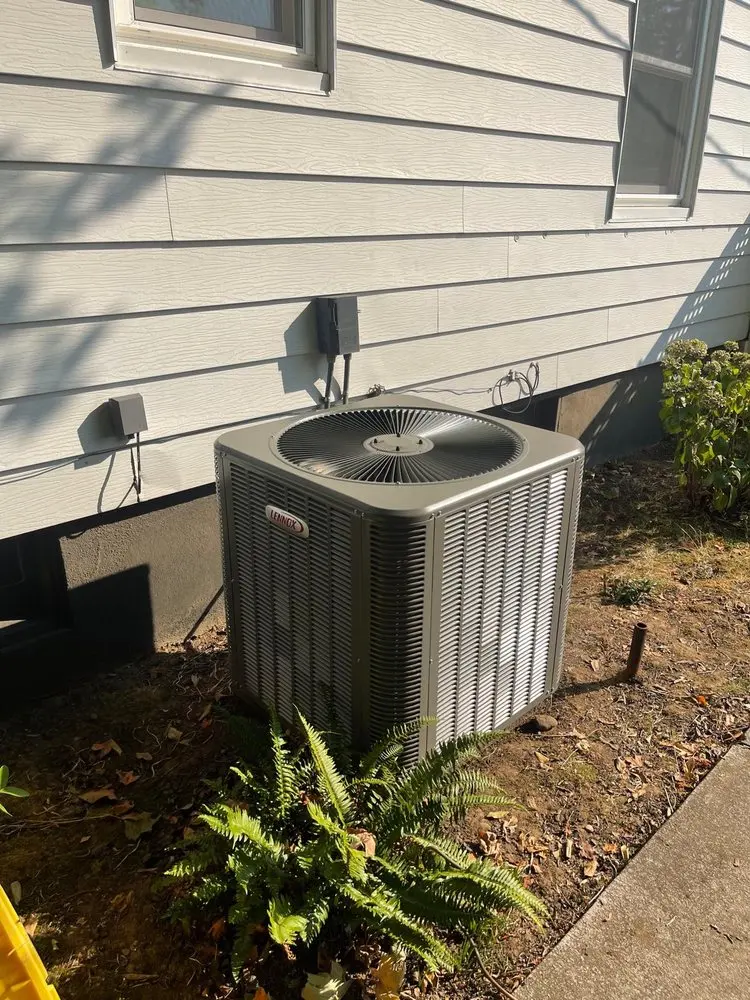
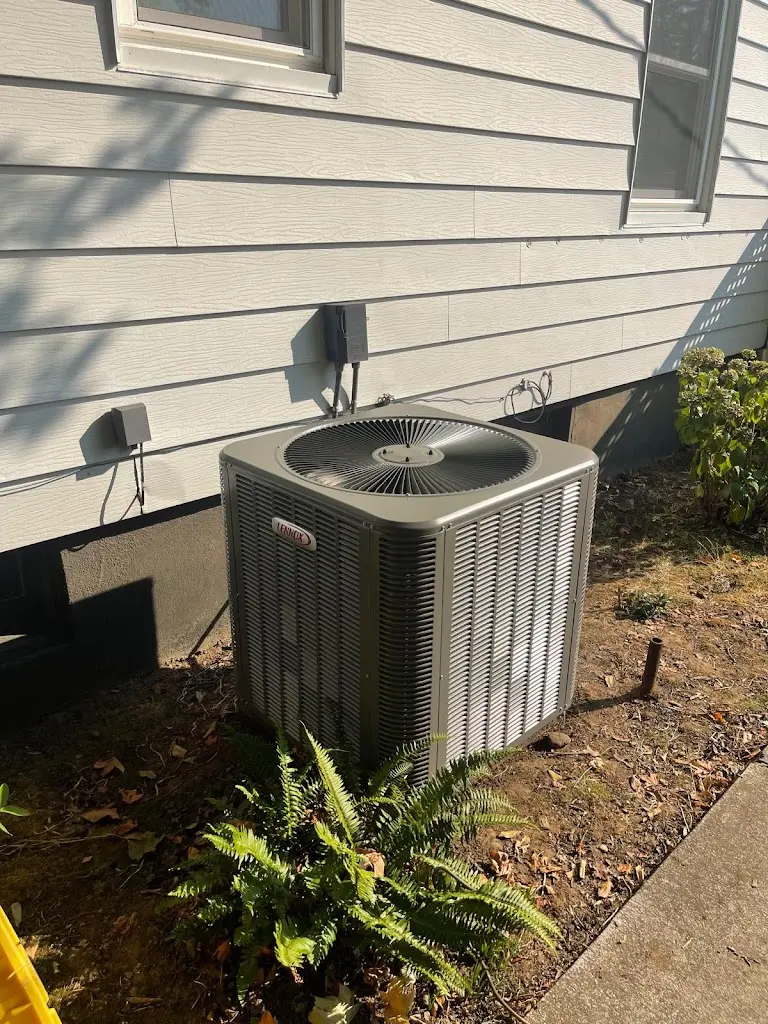
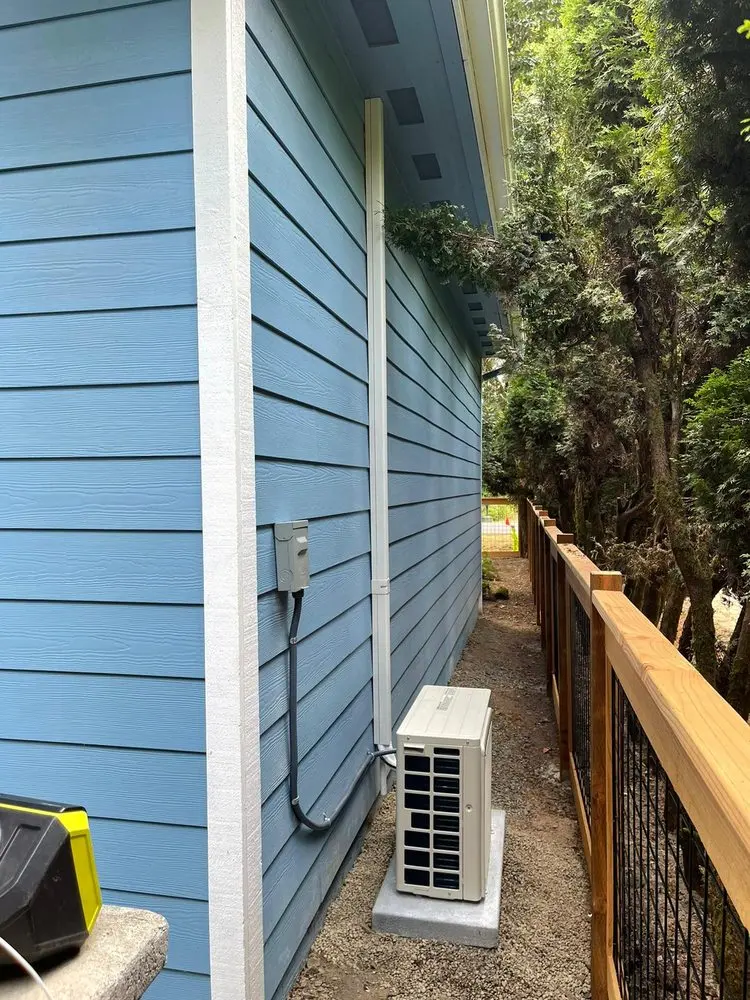
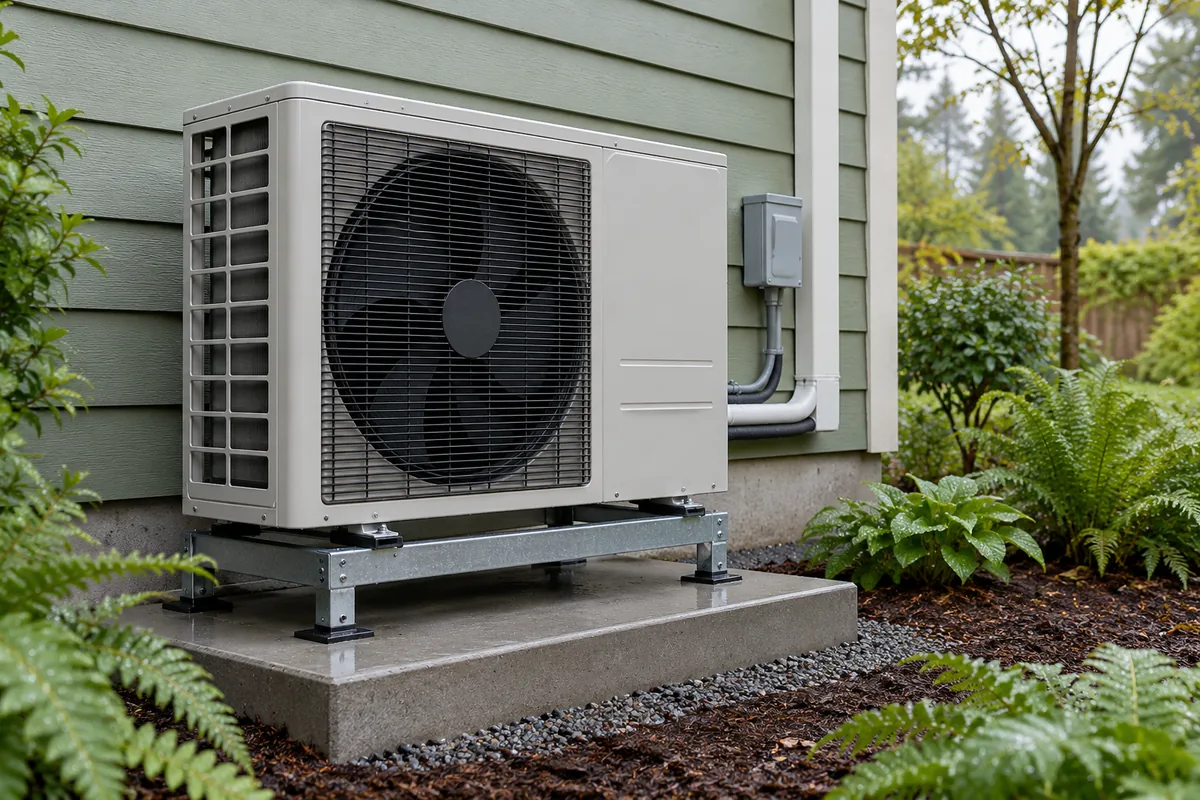
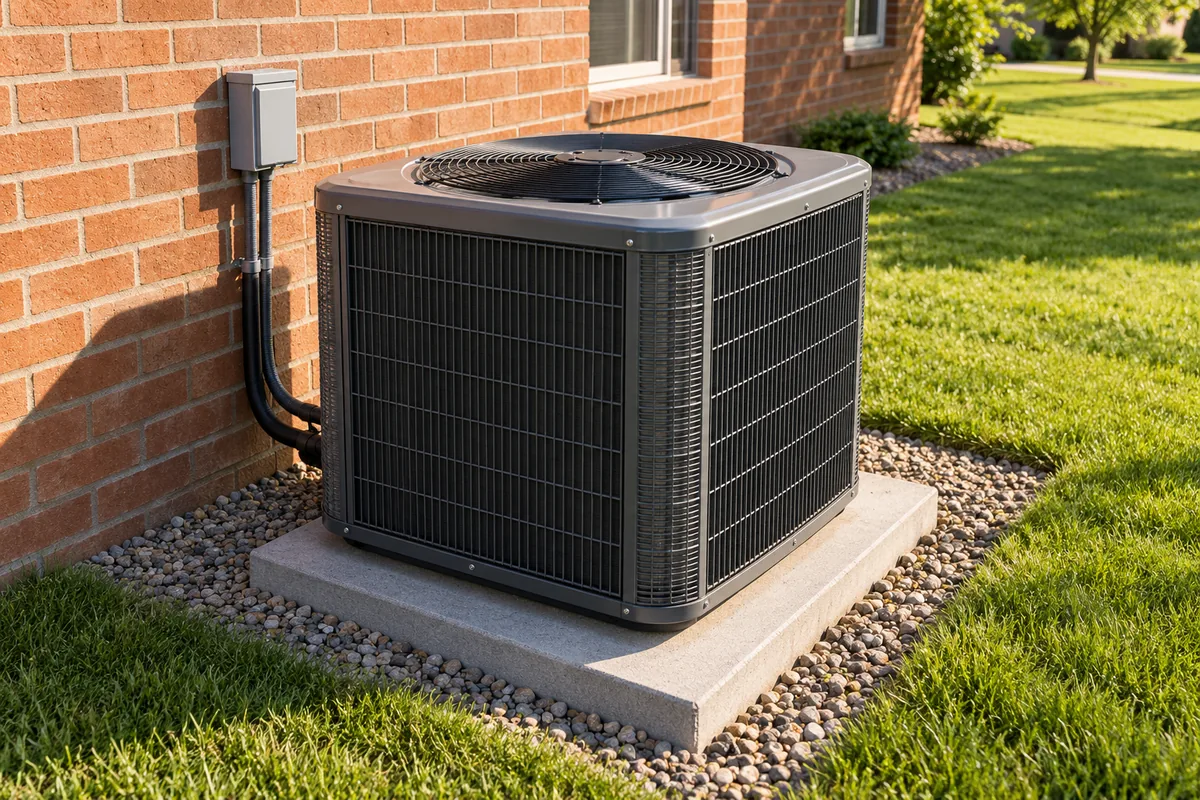
HVAC & Appliance Repair Guys provides AC installation in Sherwood, OR. In a split system, the outdoor unit, indoor coil and blower need to form a suitable cooling combination, with capacity based on the home’s cooling load. Existing ducts also need to deliver that cooling to the rooms. Reuse should follow the site findings rather than the ducts’ age or appearance alone.
Our AC installation service offers a free on-site estimator visit for installation or replacement. Explain which rooms the current setup serves and what you want the new one to achieve. The estimate should connect that goal with the equipment and proposed air-delivery work. A new outdoor unit alone does not describe the complete project.
New cooling equipment does not mean every duct must change. Ask which site findings support reuse or alteration, including any areas the estimator cannot assess.
Room Cooling and Airflow Symptoms
Tell the estimator which rooms cool as expected and which ones fall short. Describe whether that pattern is longstanding or a recent change. Keep a known repair finding with the account if you have one. The history can help frame the project without turning a warm room into a duct diagnosis.
Distinguish weak air movement from air that moves but does not feel cool. Also note whether the concern affects one space or the whole area the system serves. These are different observations, not tests that identify a failed part. Explain what you notice during normal use and leave technical checks to the professional.
Include changes to how the rooms function if they affect the cooling goal. You may now use a once-empty room for much of the day. Describe the actual change rather than assuming that the original plan still covers it. The proposed installation should address the use you now intend.
Report an active equipment fault separately from a request to improve room coverage. A recent loss of cooling may need repair diagnosis before the replacement choice. The free installation estimate does not include free fault diagnosis.
Visible Ducts and Hidden Air Paths
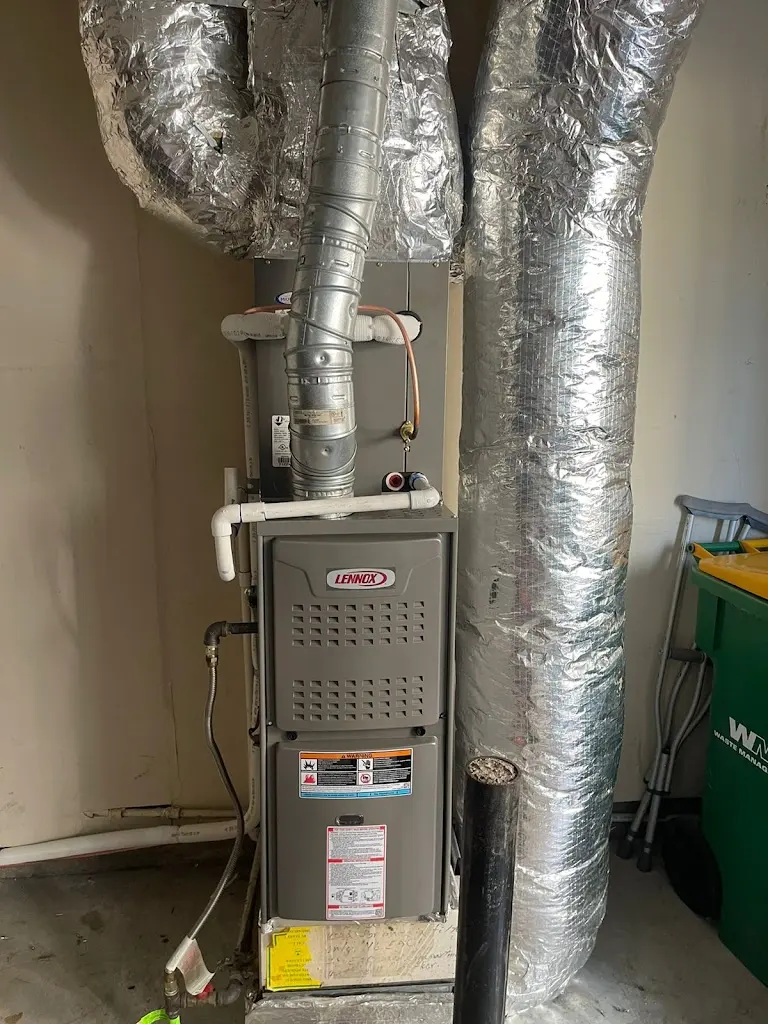
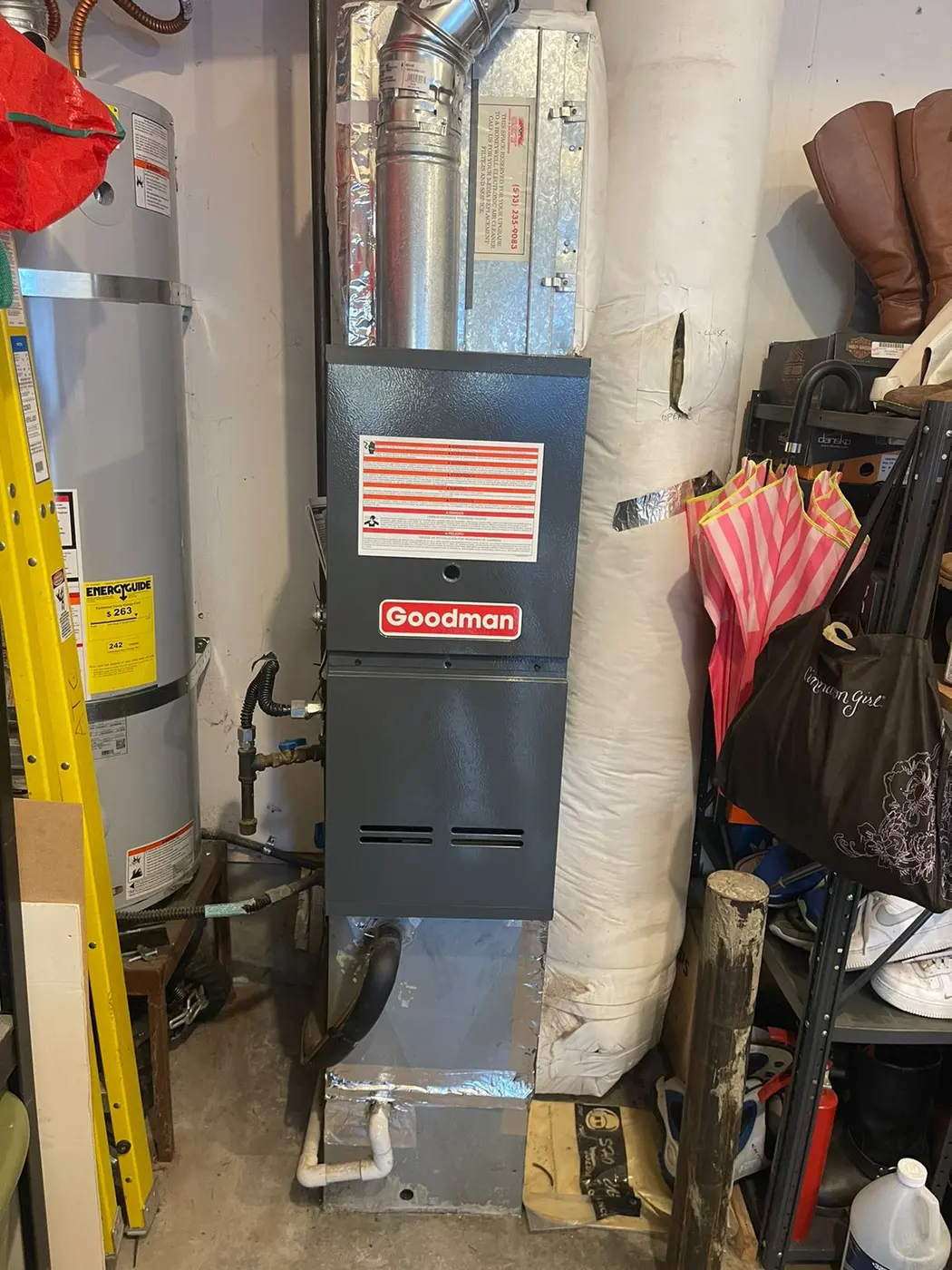
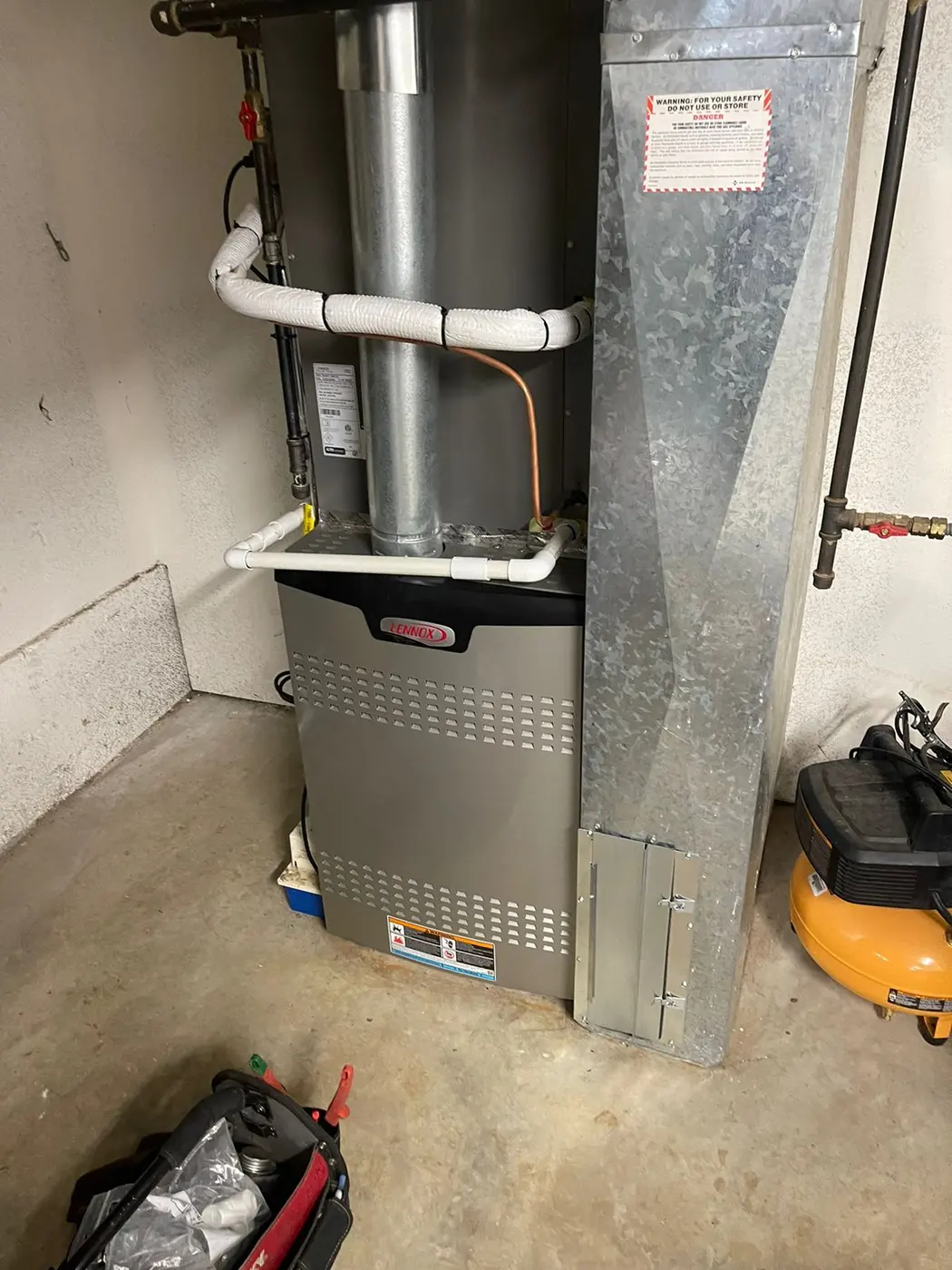
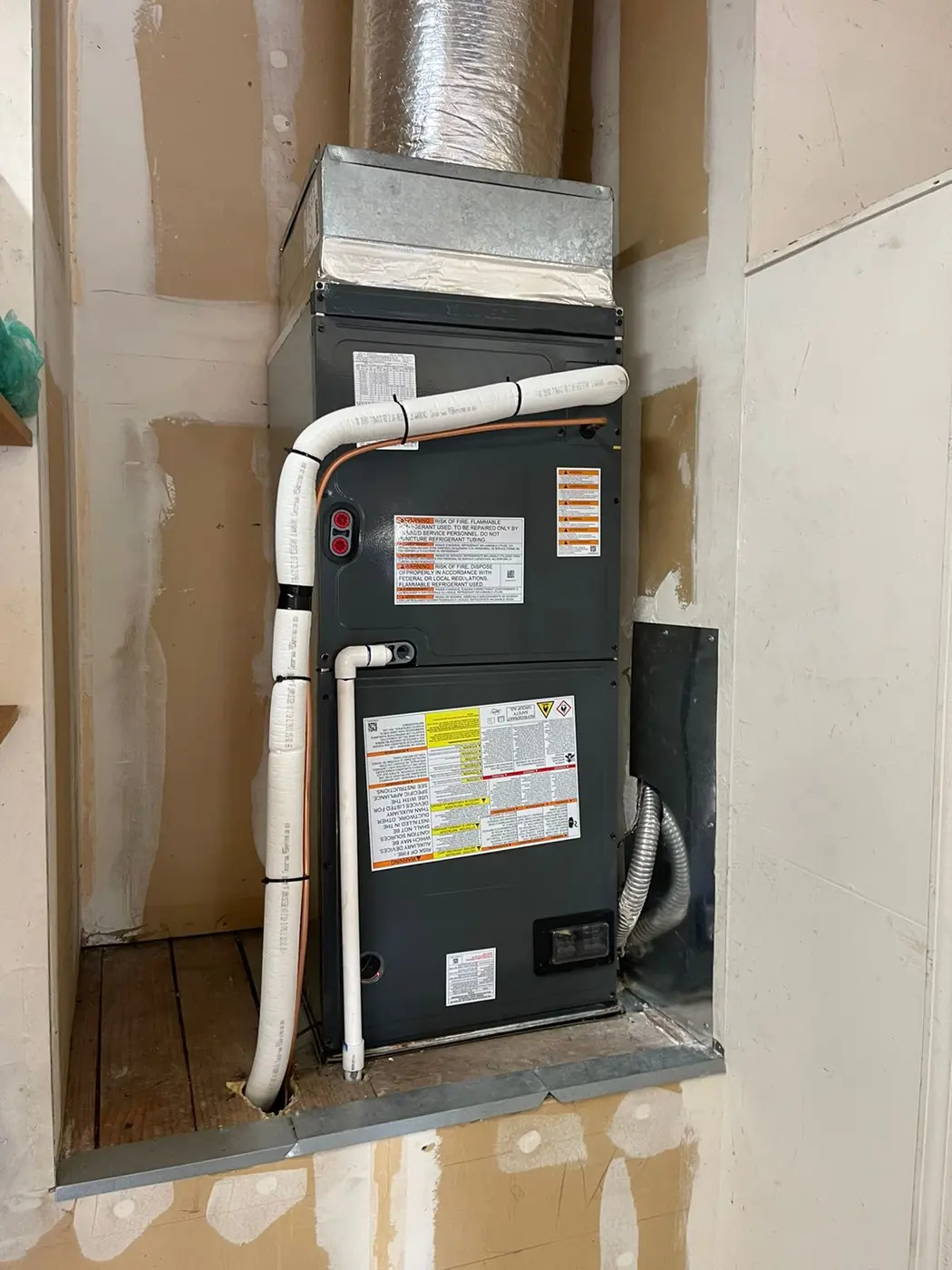
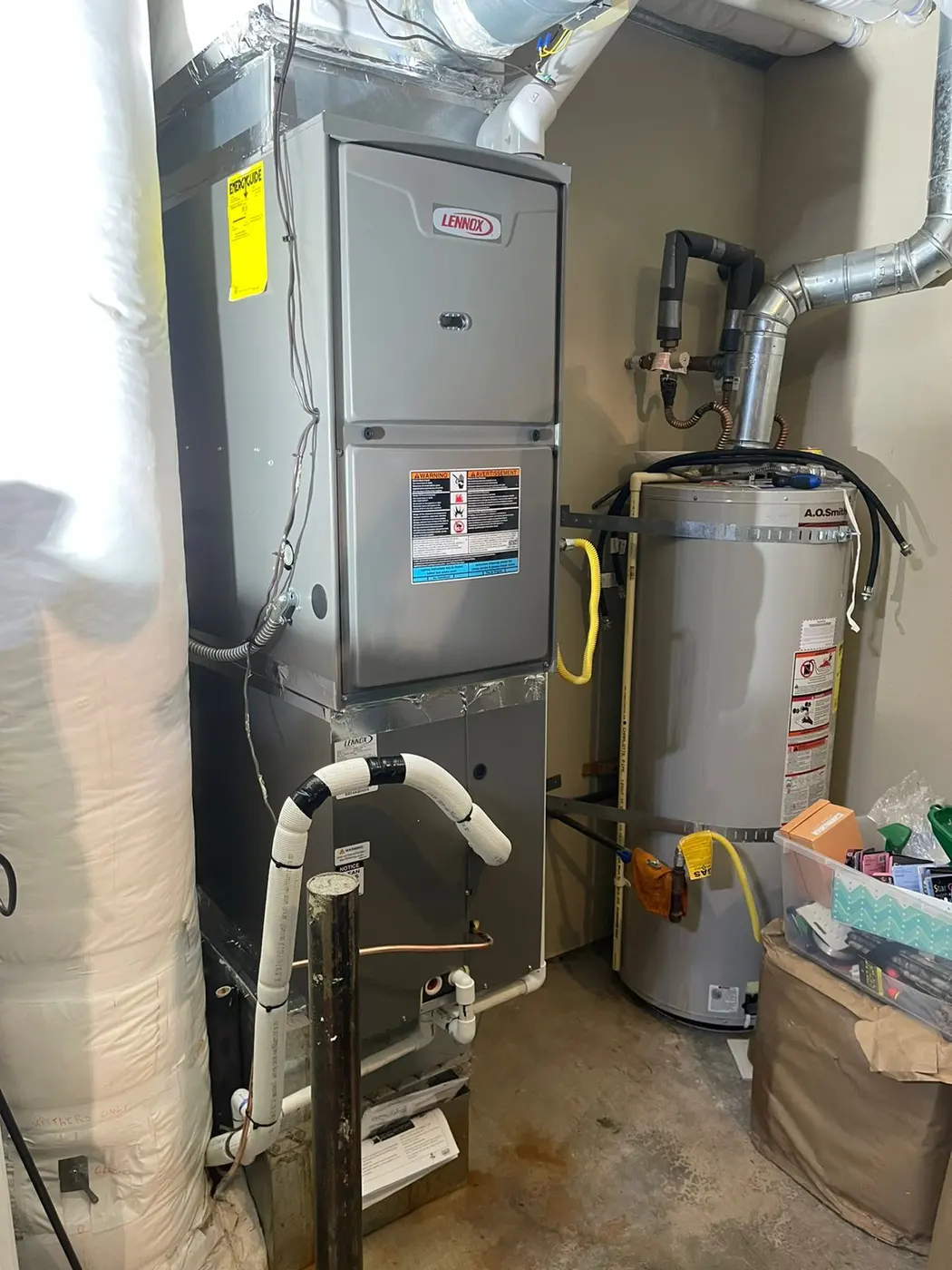
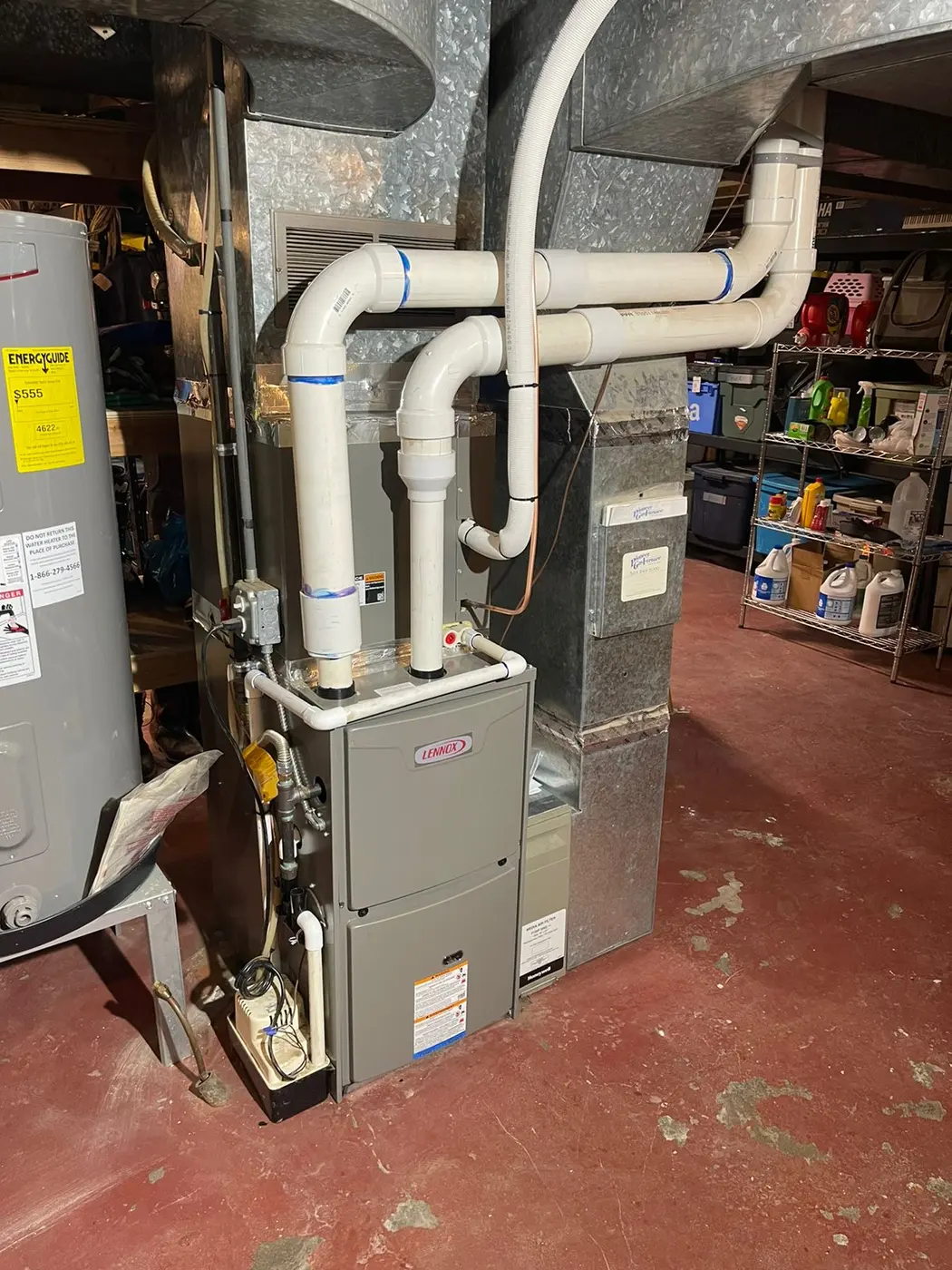
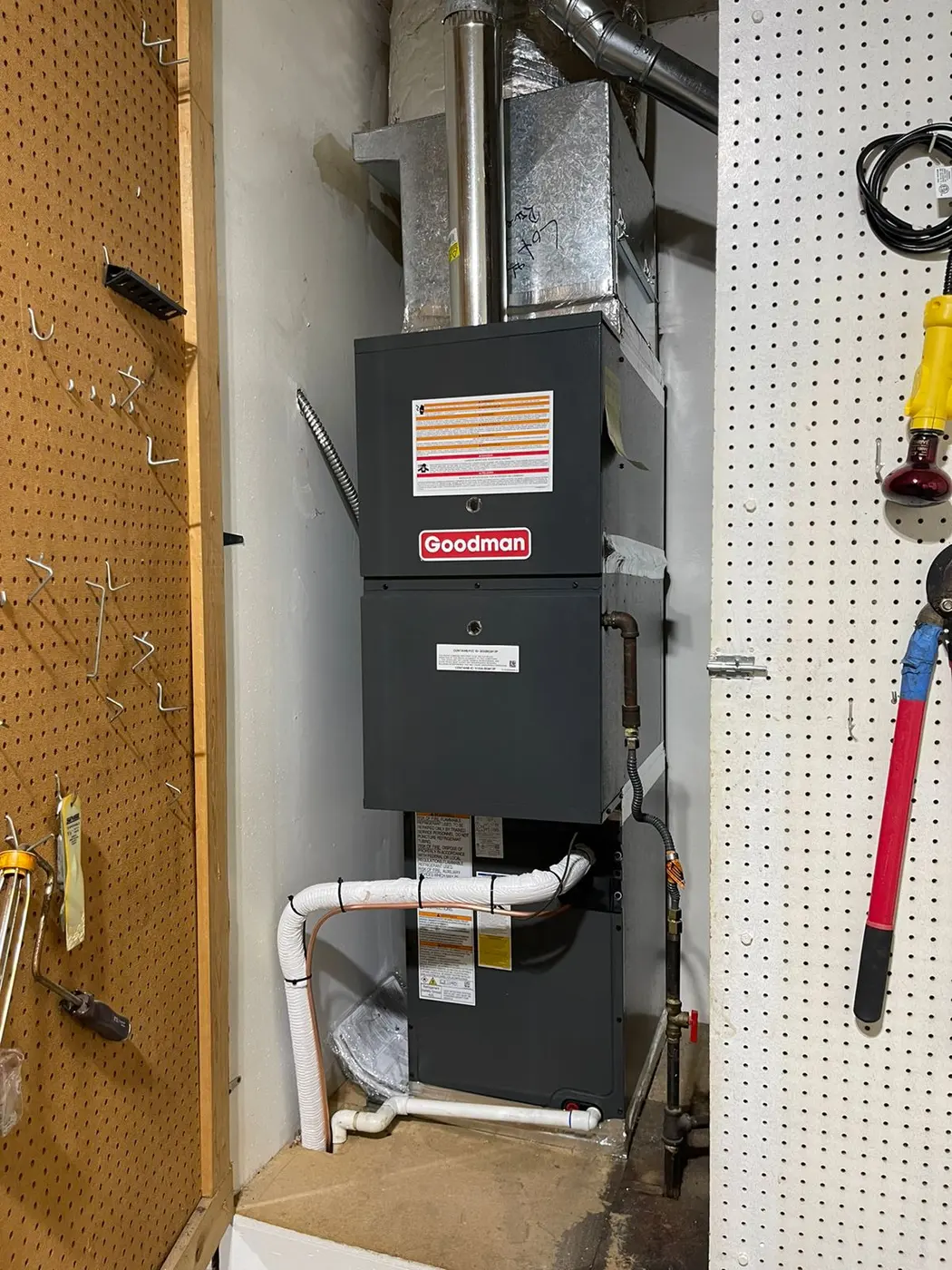
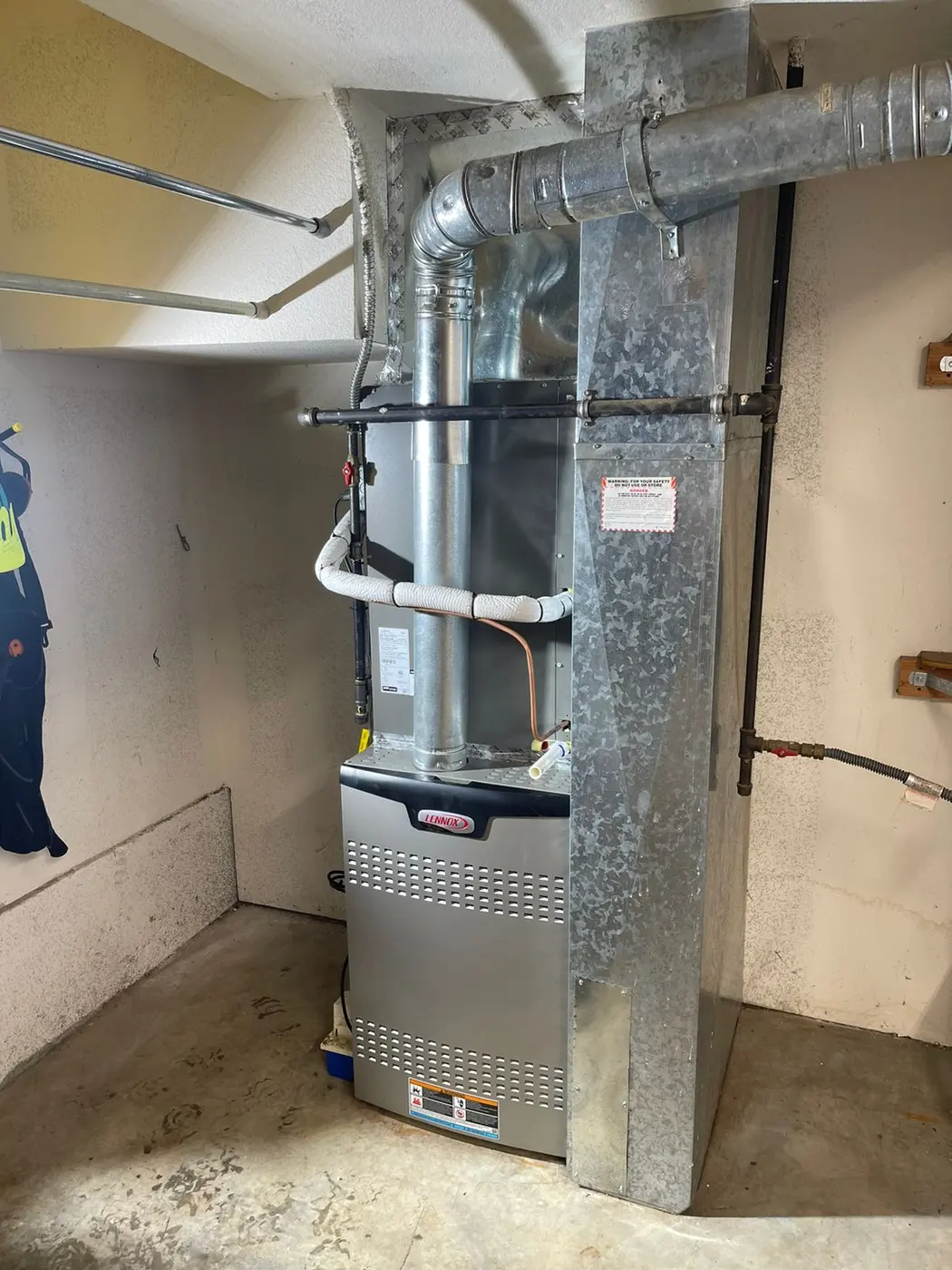
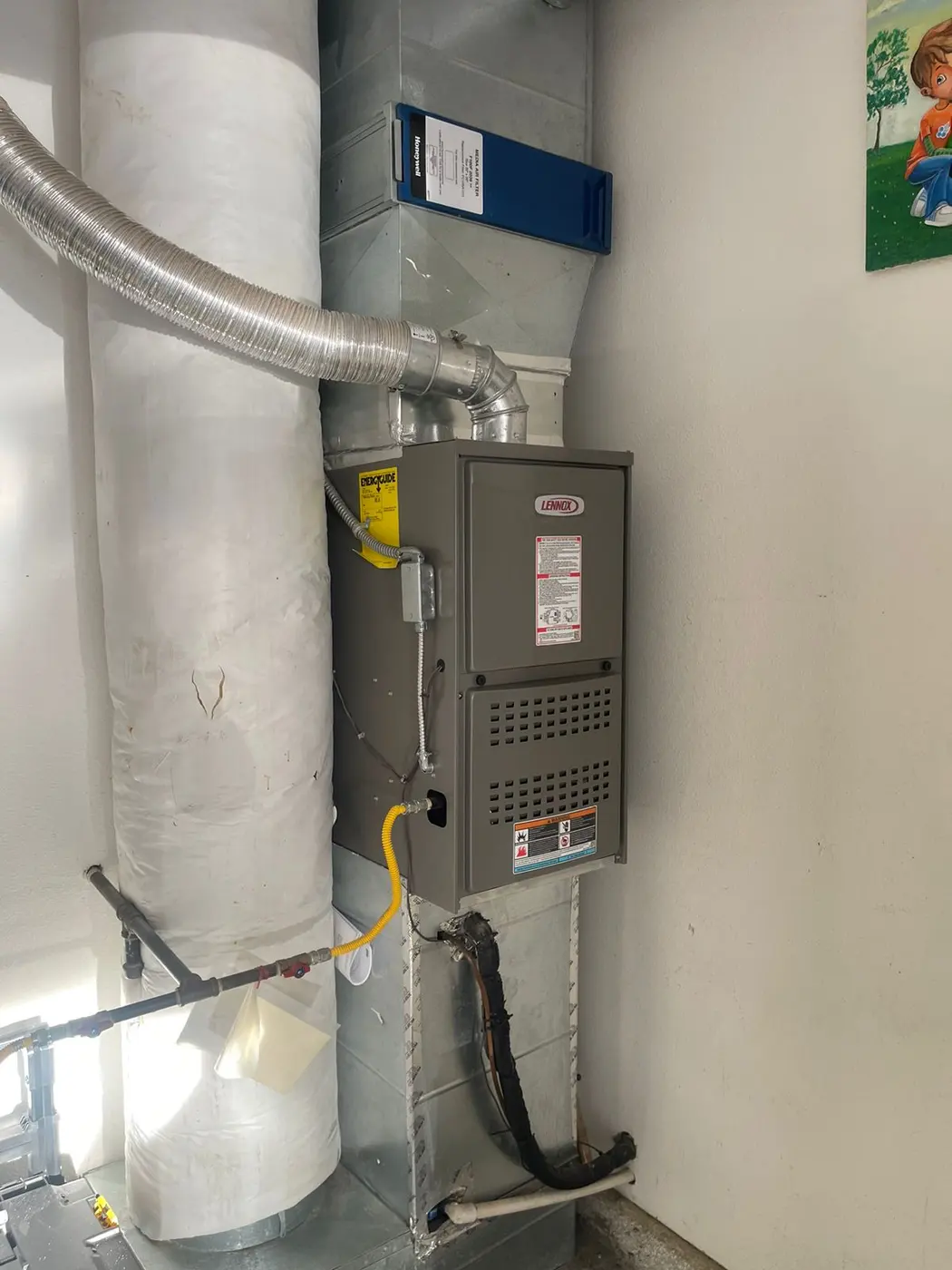
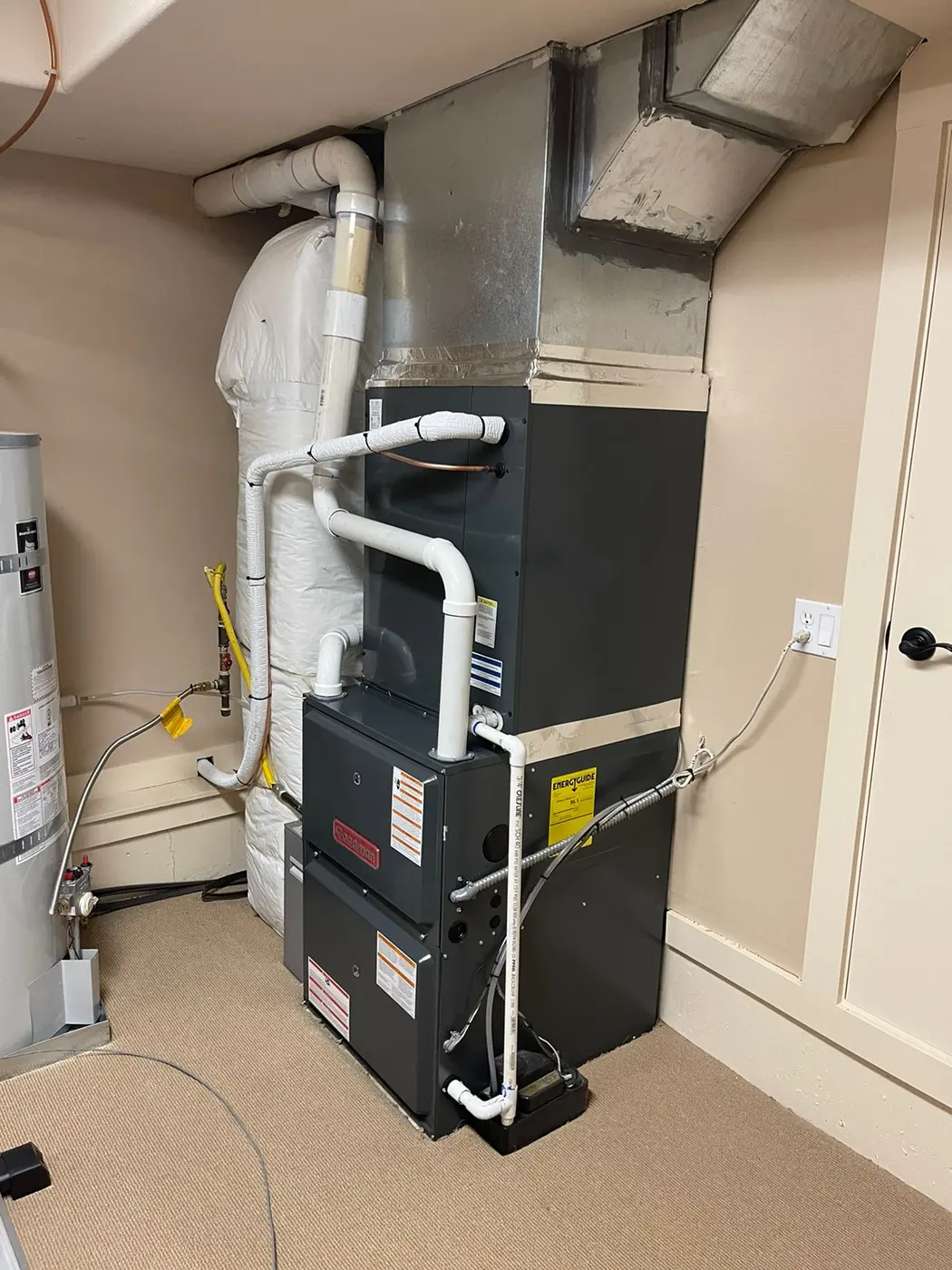
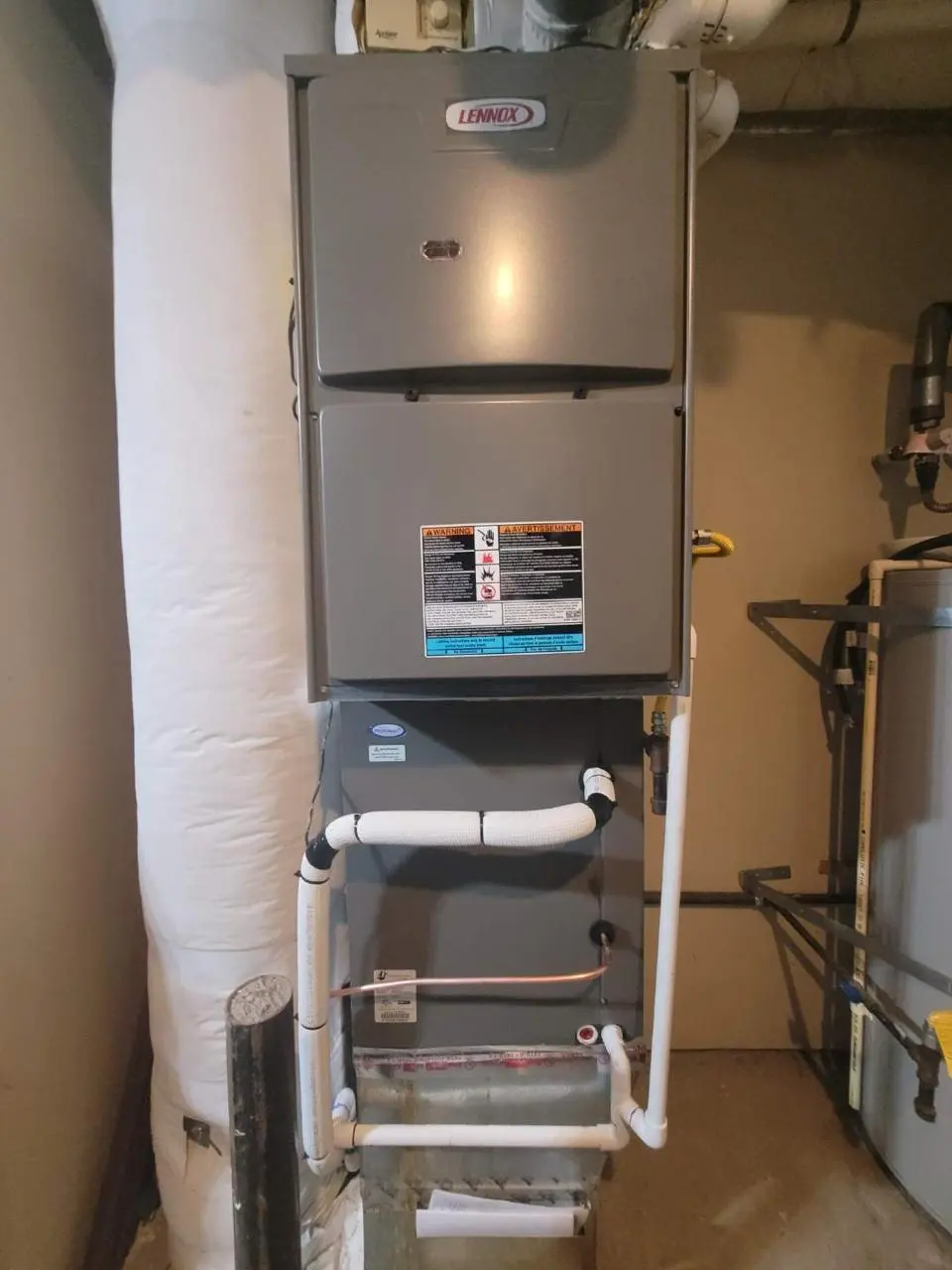
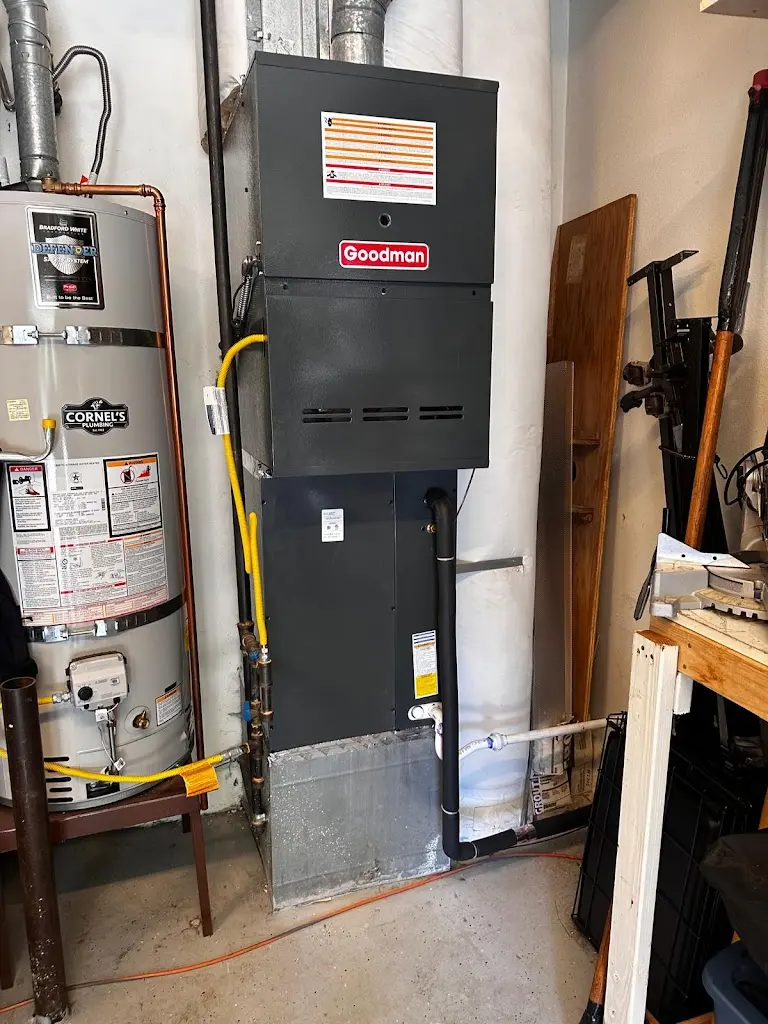
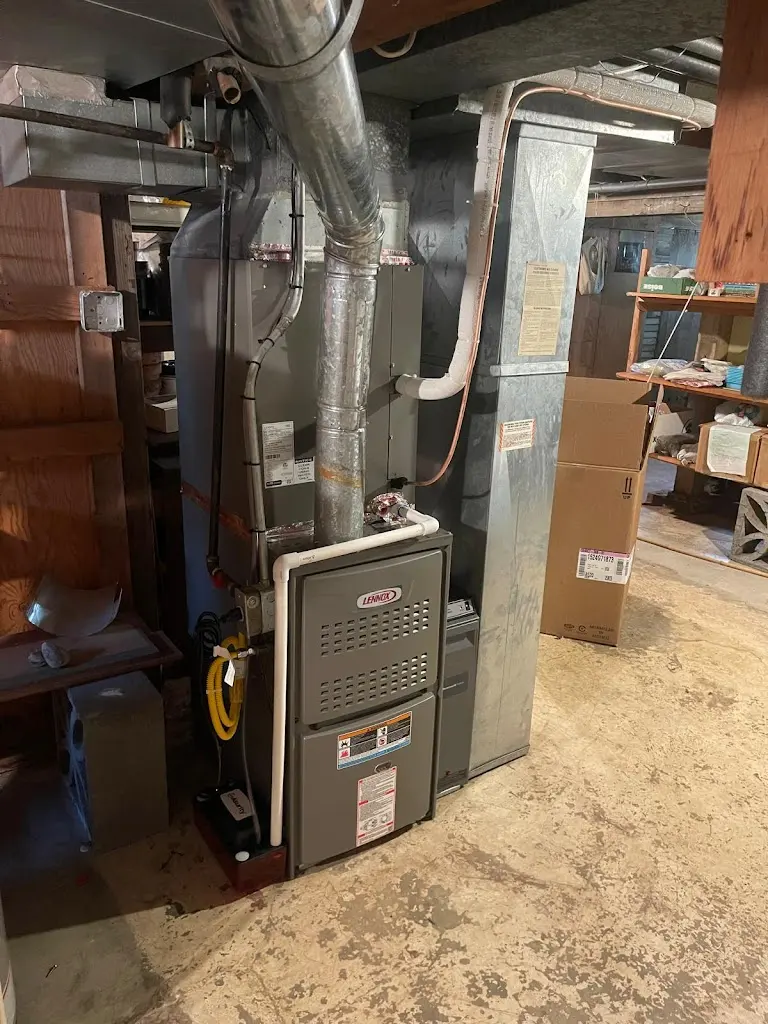
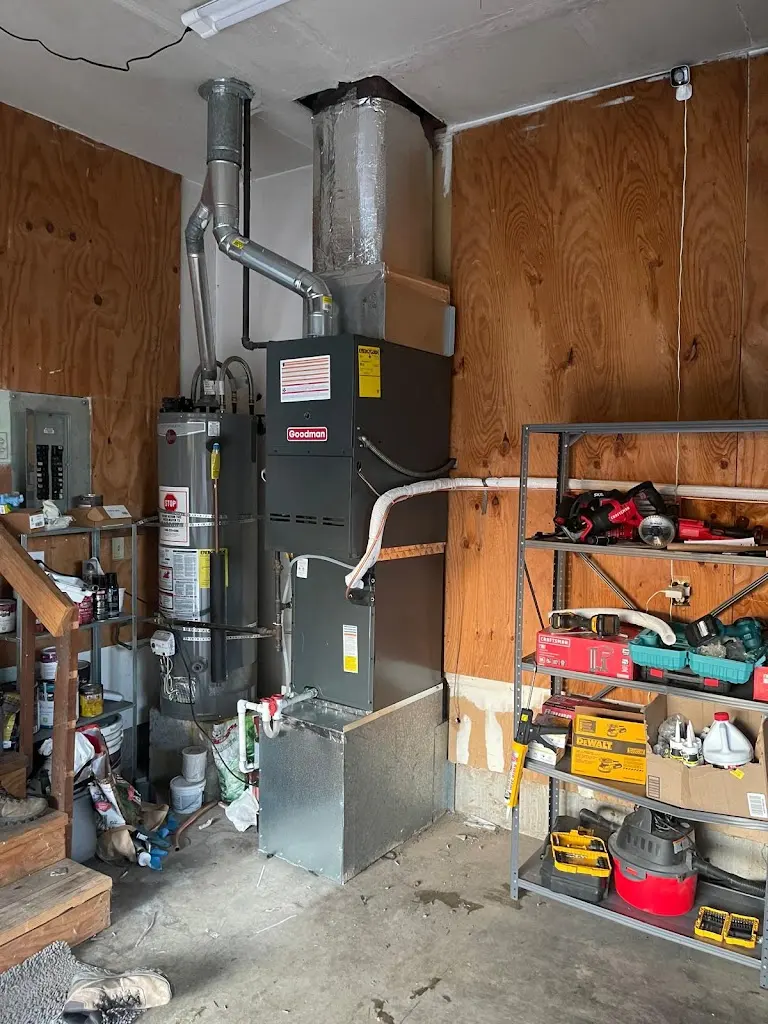
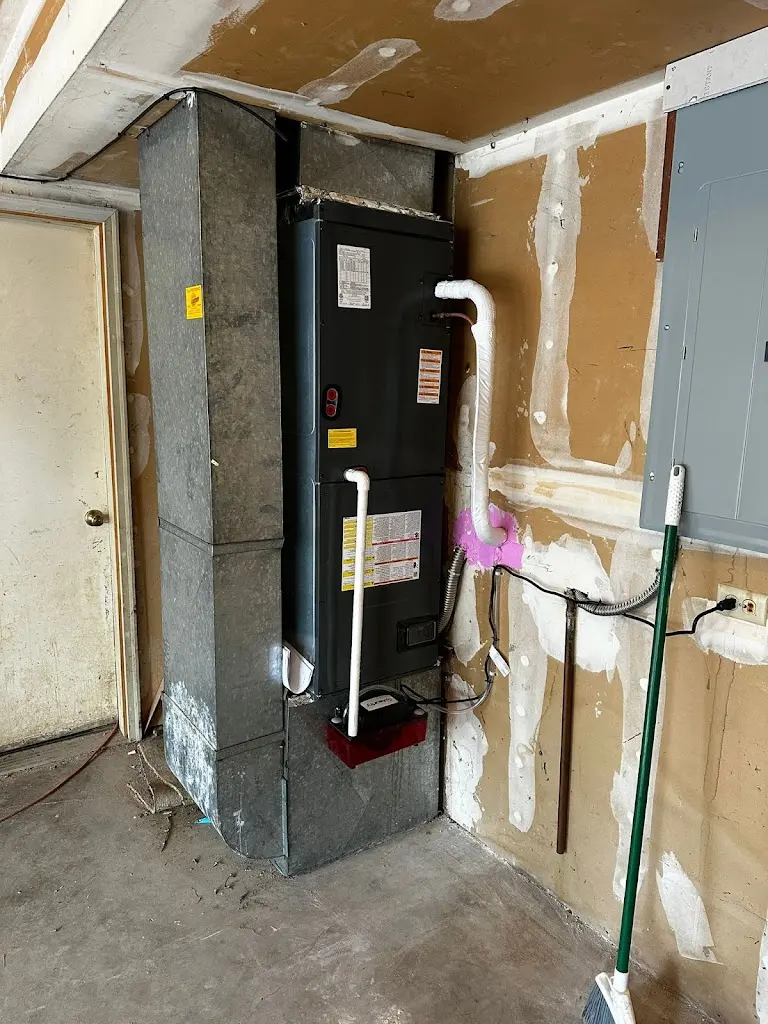
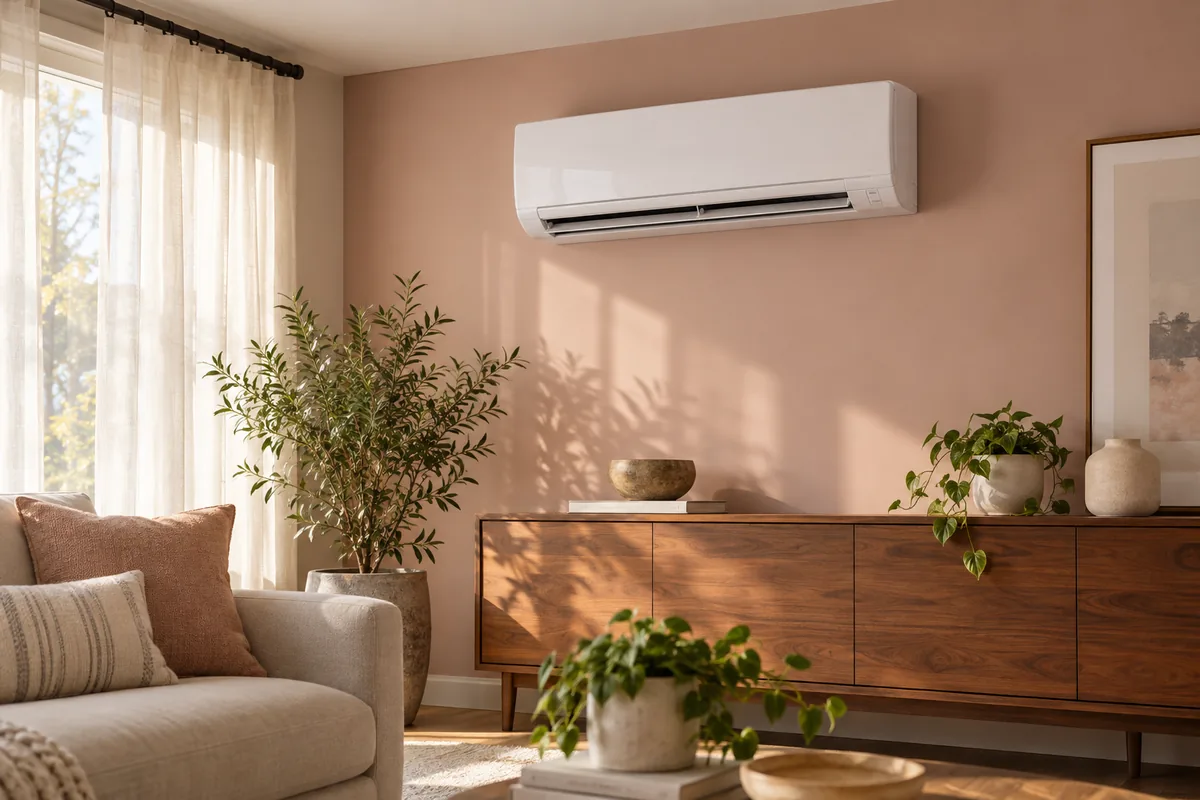
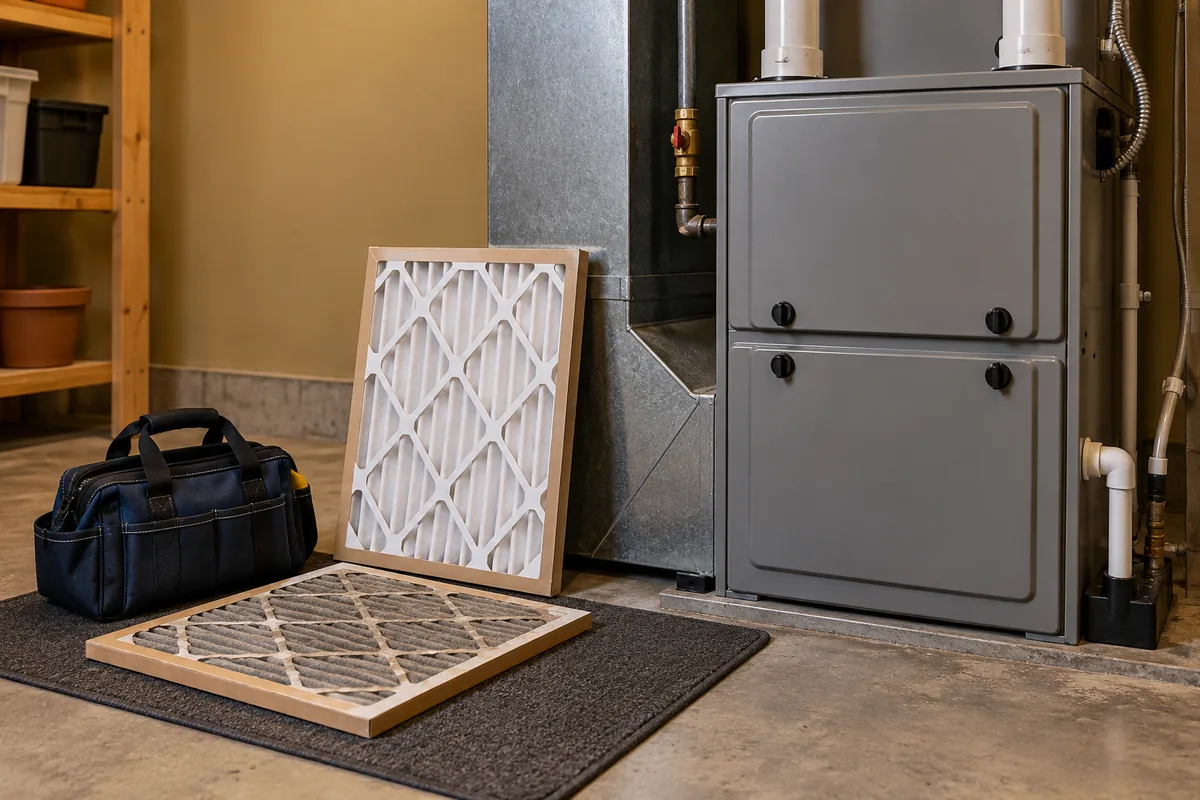
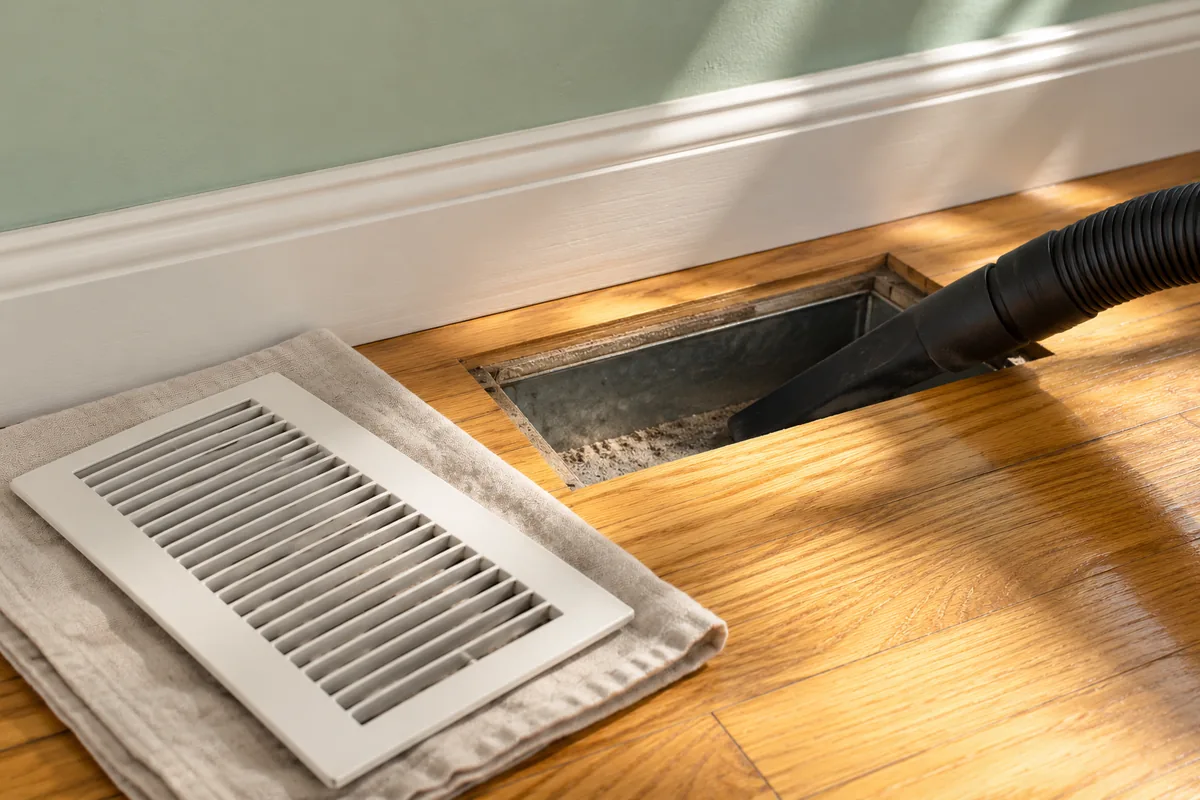
Show the indoor equipment and the supply or return openings you can safely identify. Mention inaccessible areas and routes you do not know. Leave walls closed and difficult spaces for the professional assessment.
Ask which parts of the existing air path the estimator can assess during the visit. A visible connection near the equipment does not establish the condition of every hidden section. The proposal should distinguish checked items from assumptions. That distinction matters when deciding what reuse the price actually covers.
If prior notes mention duct work, identify whether it was a recommendation or a completed task. Keep a record of any work you know took place. An old proposal may describe an option that never became part of the home. The current estimate needs to refer to the setup that is there now.
Equipment Compatibility and Air-Delivery Needs
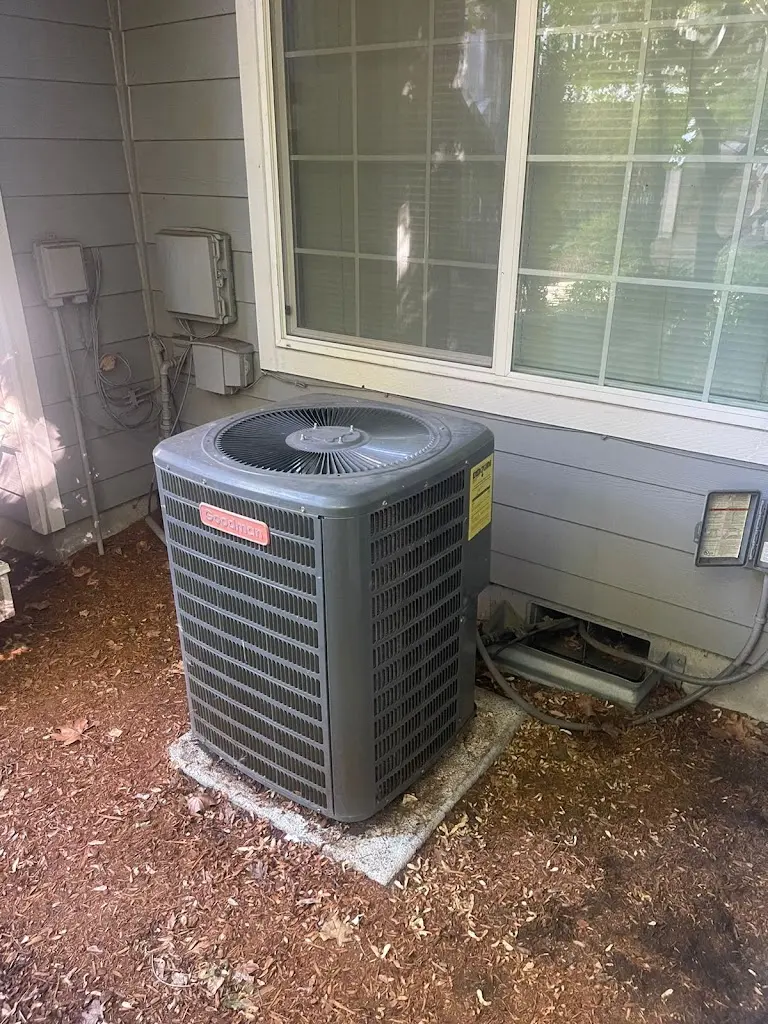
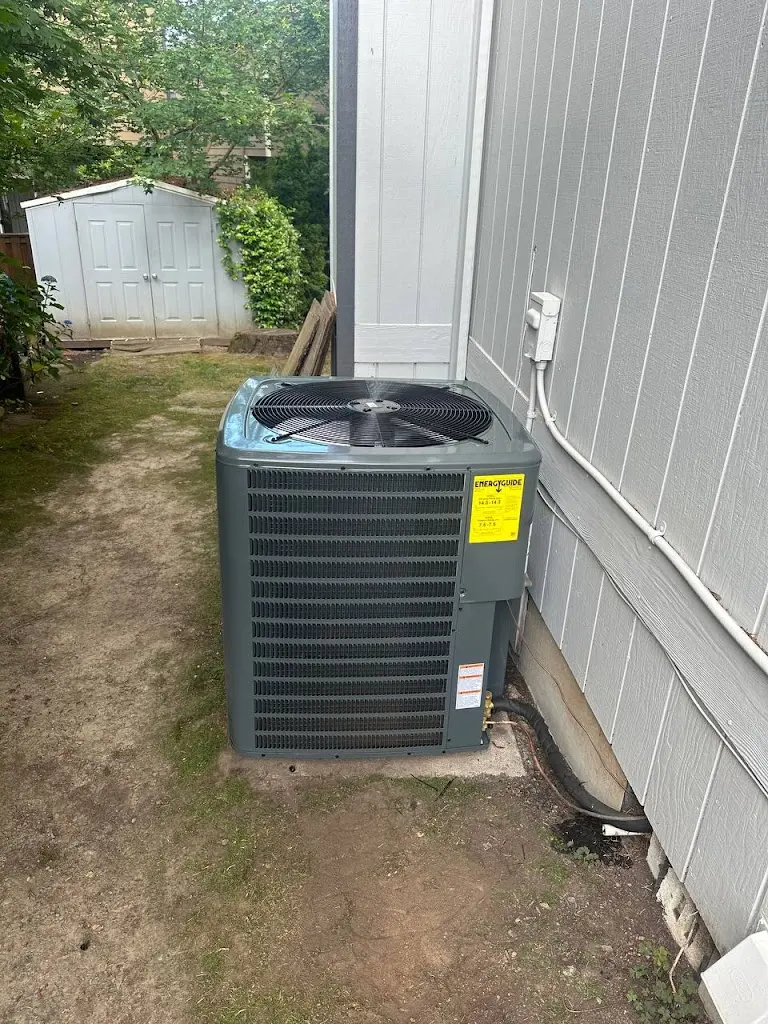
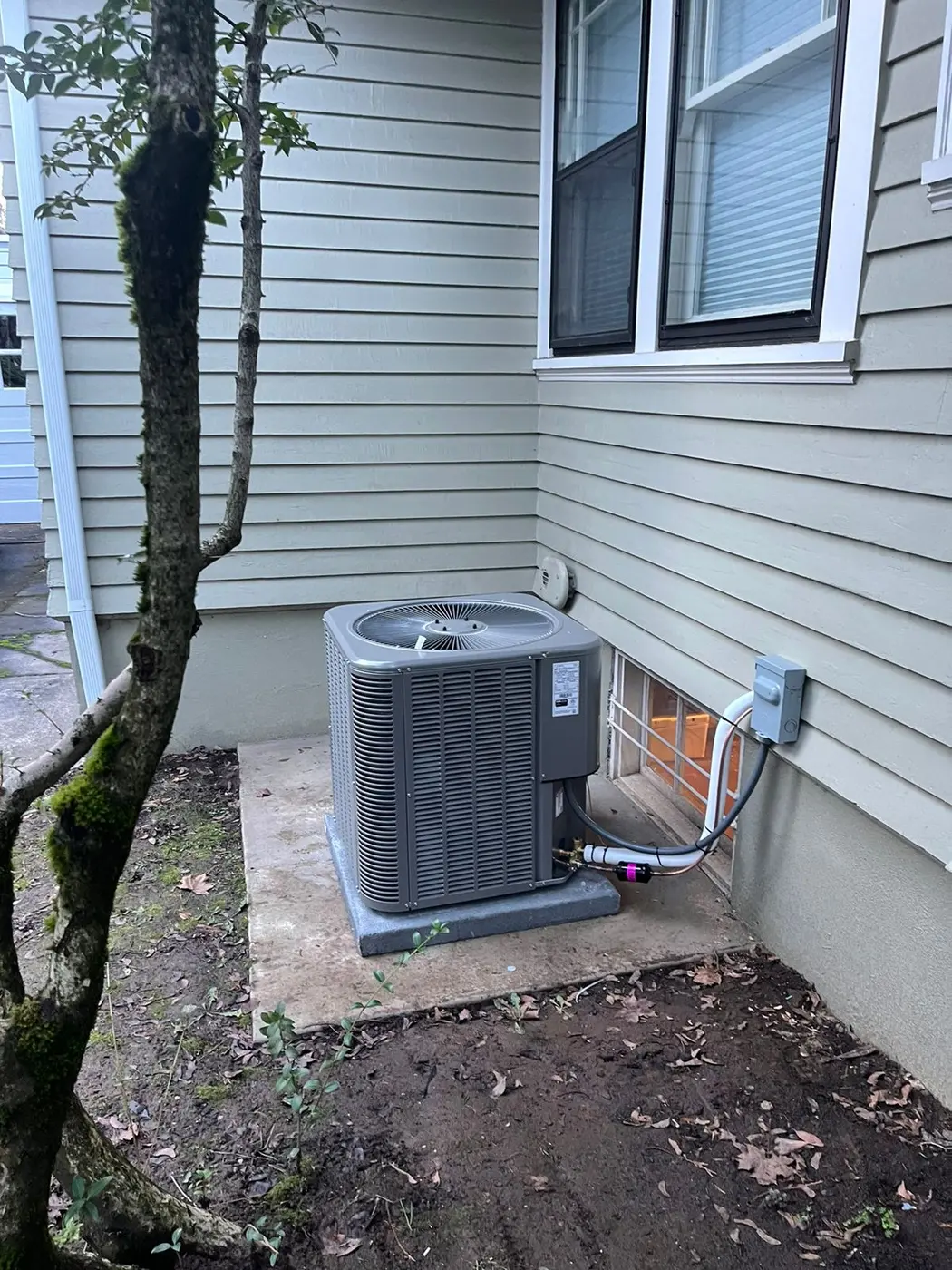
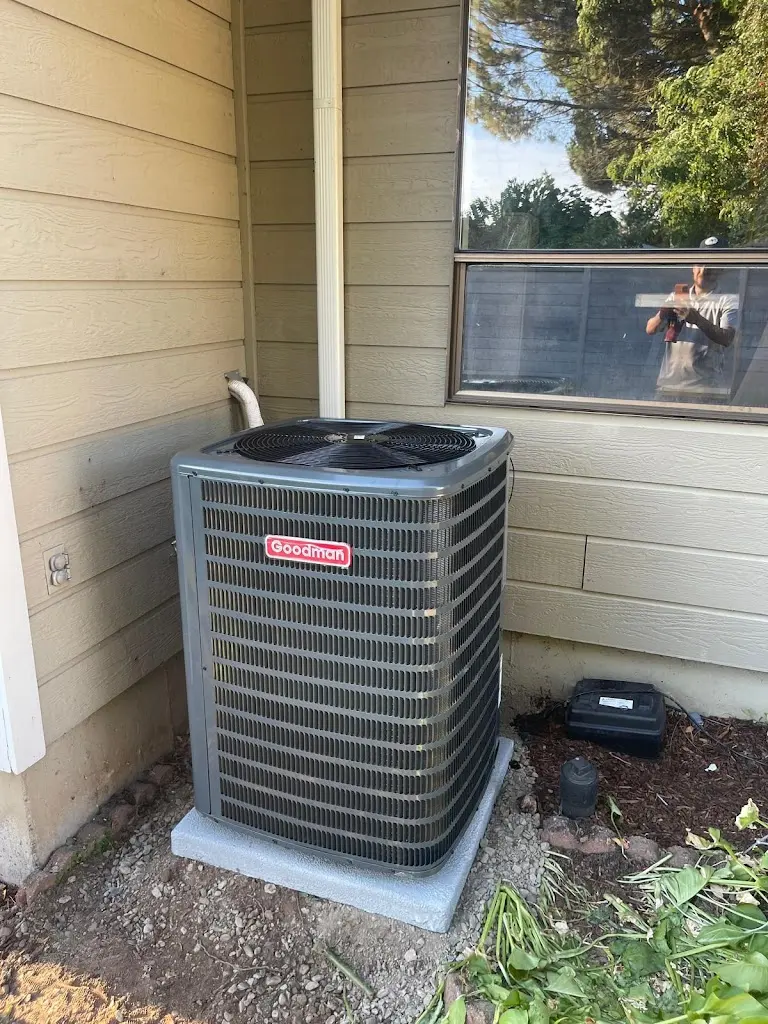
Ask how the proposed indoor and outdoor parts work with the air-moving equipment that remains. The new air conditioner needs a suitable system arrangement, not simply a familiar outdoor location. The estimate should explain which parts stay and why the proposed combination fits. Do not assume that a similar unit size proves the match.
A larger capacity number does not automatically correct a room-delivery problem. Keep the equipment choice separate from any proposed change to the air path; each task should have a clear purpose in the cooling plan.
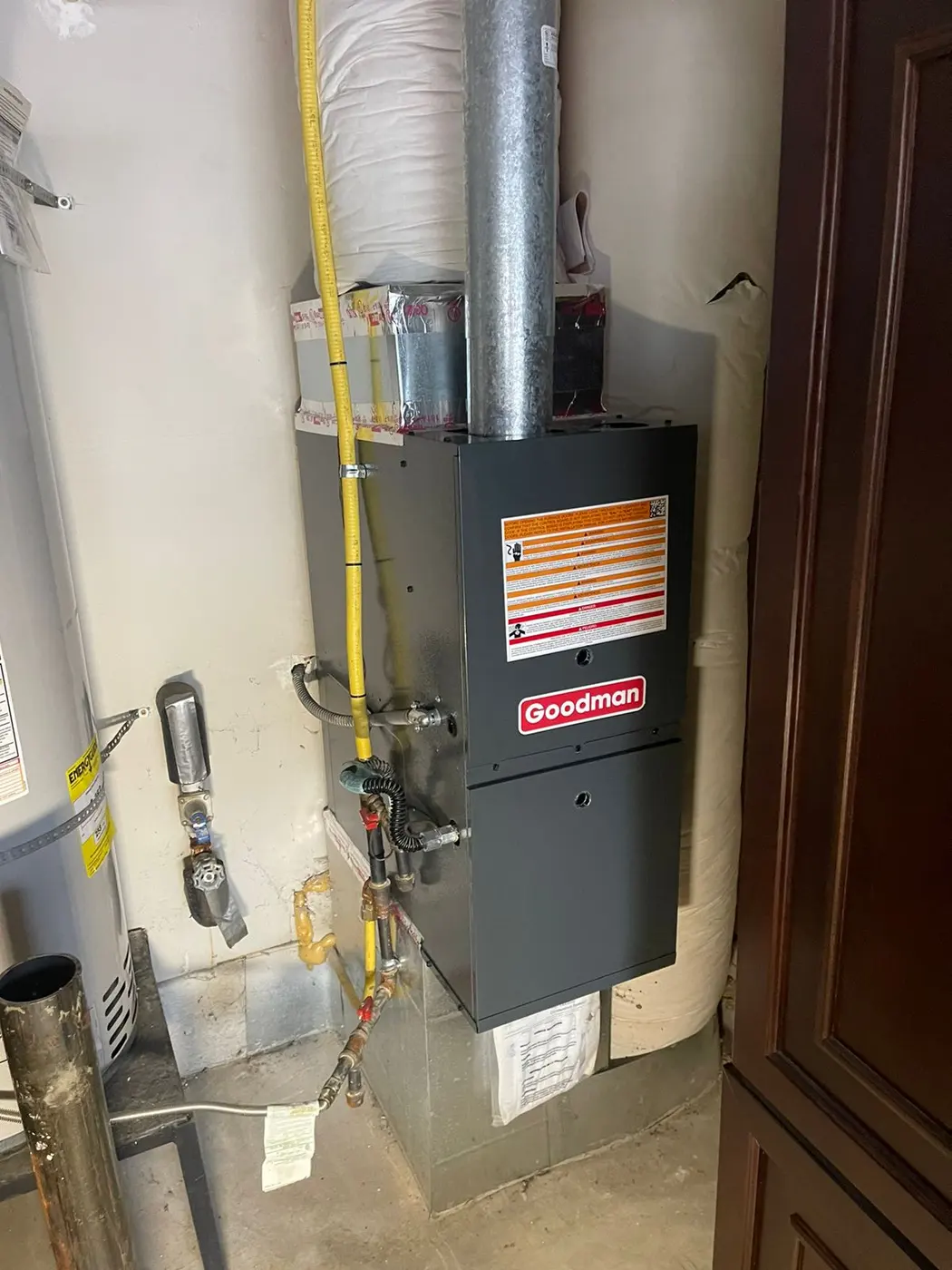
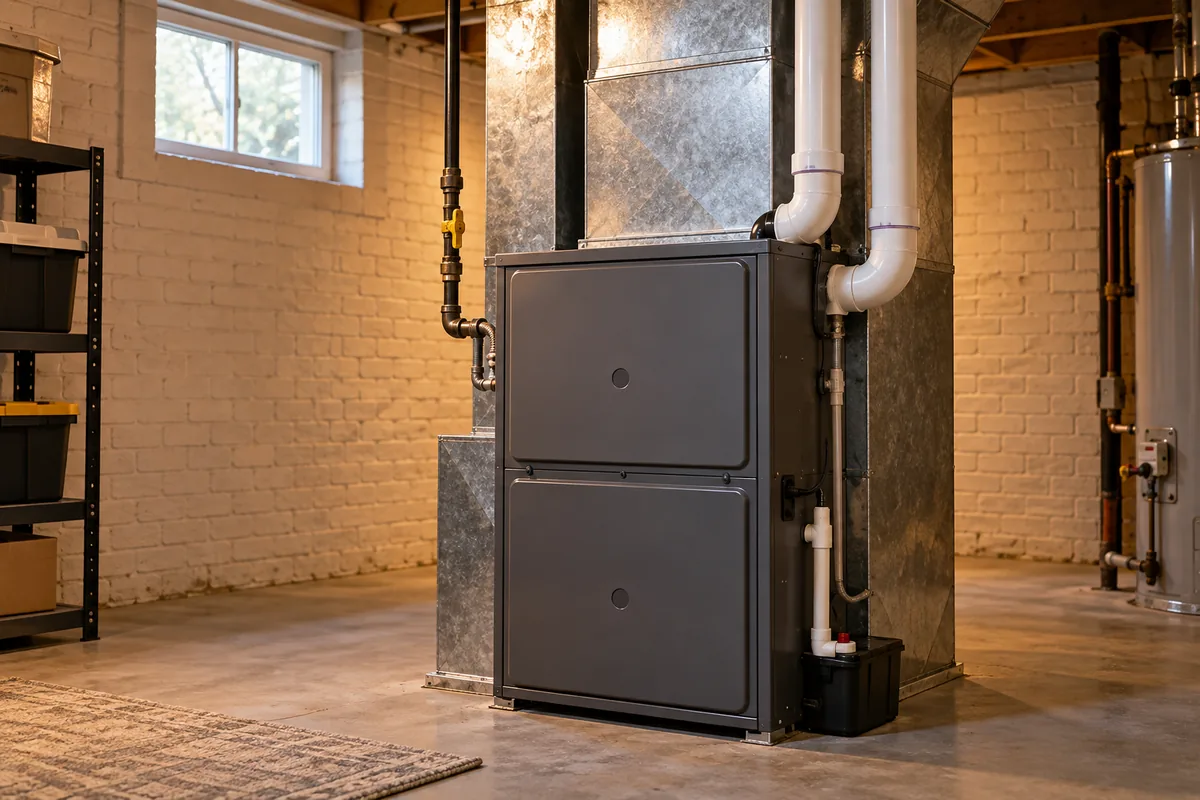
If the project also changes the furnace or shared components, our HVAC installation service in Sherwood covers the combined scope. Review those choices before confirming which ducts will stay.
An efficiency rating does not establish a particular bill reduction or show whether the existing air path suits the project. Compare how each proposal addresses equipment and site needs.
Equipment Connections and Broader Duct Work
Connecting new equipment to existing ducts can be a smaller job than altering ducts serving other rooms. The proposal should name any broader change, the room concern it addresses and the affected area. Duct cleaning is a separate task unless the proposal includes it.
Discuss access to concealed areas and identify included openings and finish work. If new findings change the planned reuse, review the explanation and revised scope and price before approving the added work.
Completed Work and Remaining Room Concerns
At handover, keep a record of changed equipment and connections, retained ducts and completed operating checks. Identify any remaining room concern and the next step for it.
Keep unresolved air-delivery work separate from routine care of the new equipment. When arranging AC maintenance, provide the final equipment details and identify any issue the installation did not address.
Request a free on-site AC installation or replacement estimate from HVAC & Appliance Repair Guys in Sherwood to discuss your equipment and existing ductwork.
Frequently Asked Questions
Does duct reuse include cleaning?
No such task follows automatically from a reuse decision. Ask which services and tasks the written proposal includes. Mention a separate cleaning concern during the estimate rather than assuming that equipment replacement covers it.
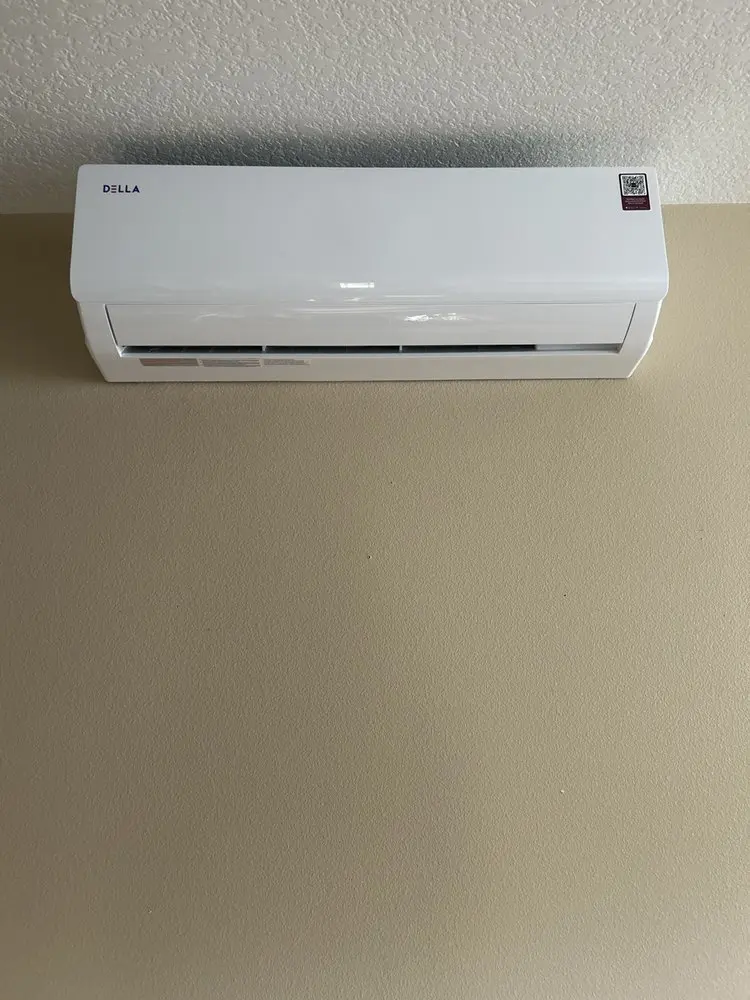
What if one part of the home uses a separate cooling system?
Identify that system and the rooms it serves. The duct discussion for one installation should not automatically include independent equipment elsewhere. Confirm which system belongs to the estimate and whether another request needs separate review.
Can I close room vents to show the result I want?
Describe the room goal while keeping normal operation as the starting point. Do not change vents or controls solely to demonstrate a preferred result during the estimate. Ask the professional how the proposed setup should operate and what changes the project actually supports.
Request AC Installation in Sherwood, OR
For AC installation in Sherwood, OR, call HVAC & Appliance Repair Guys or submit a service request through the form on this page.