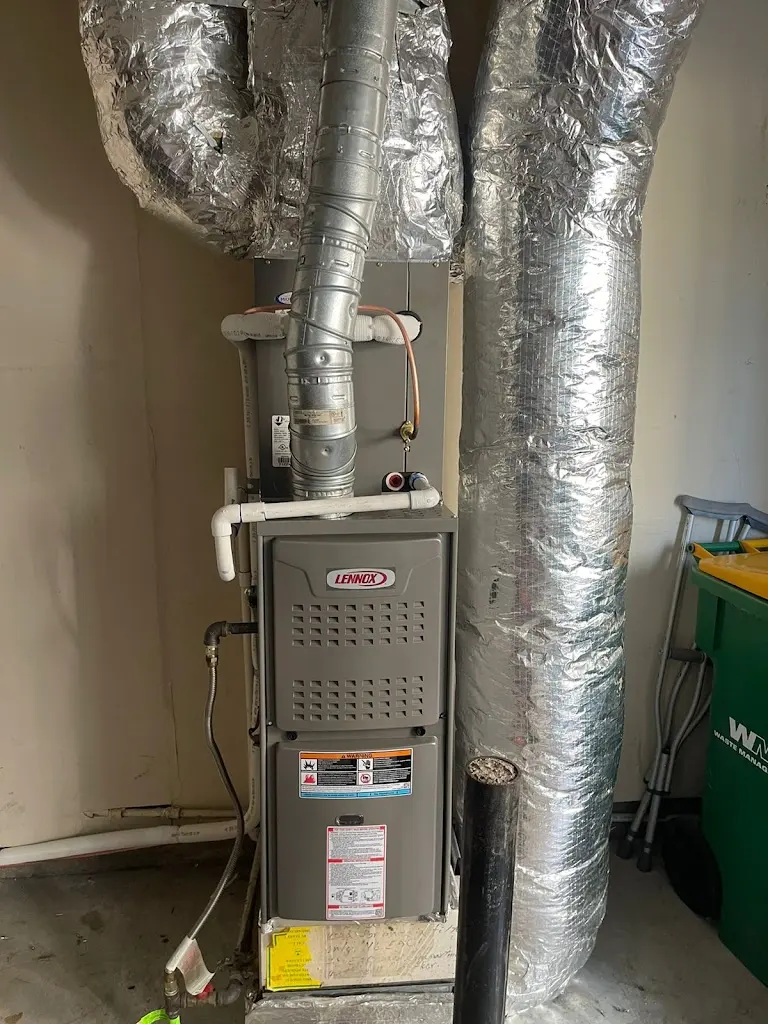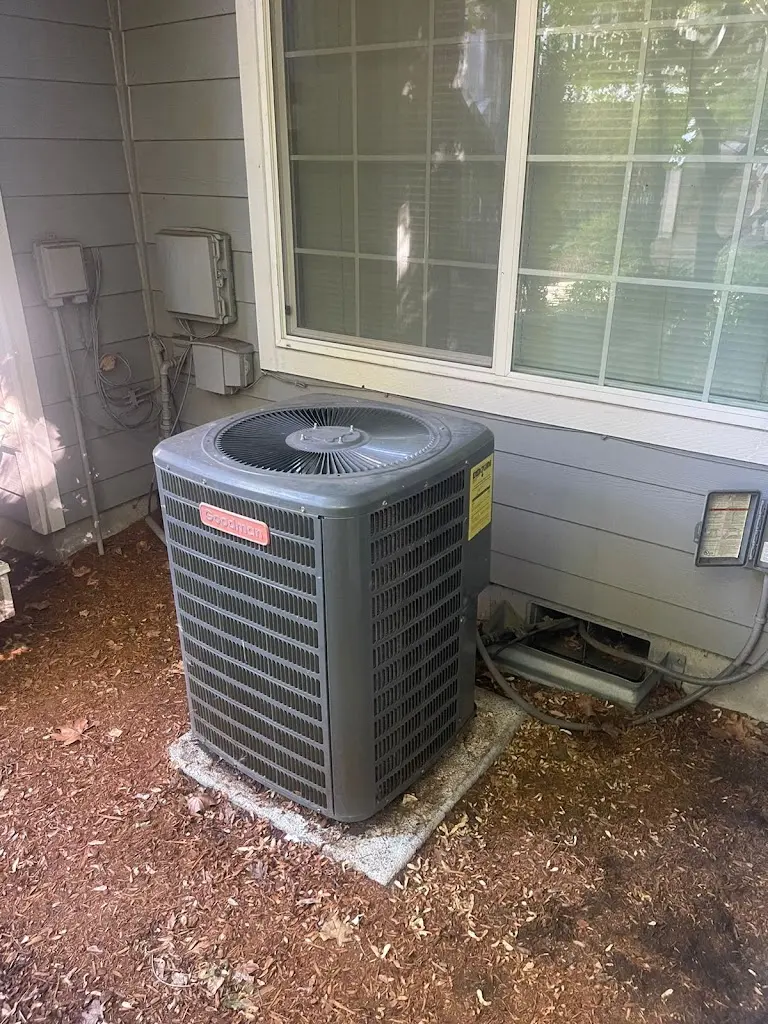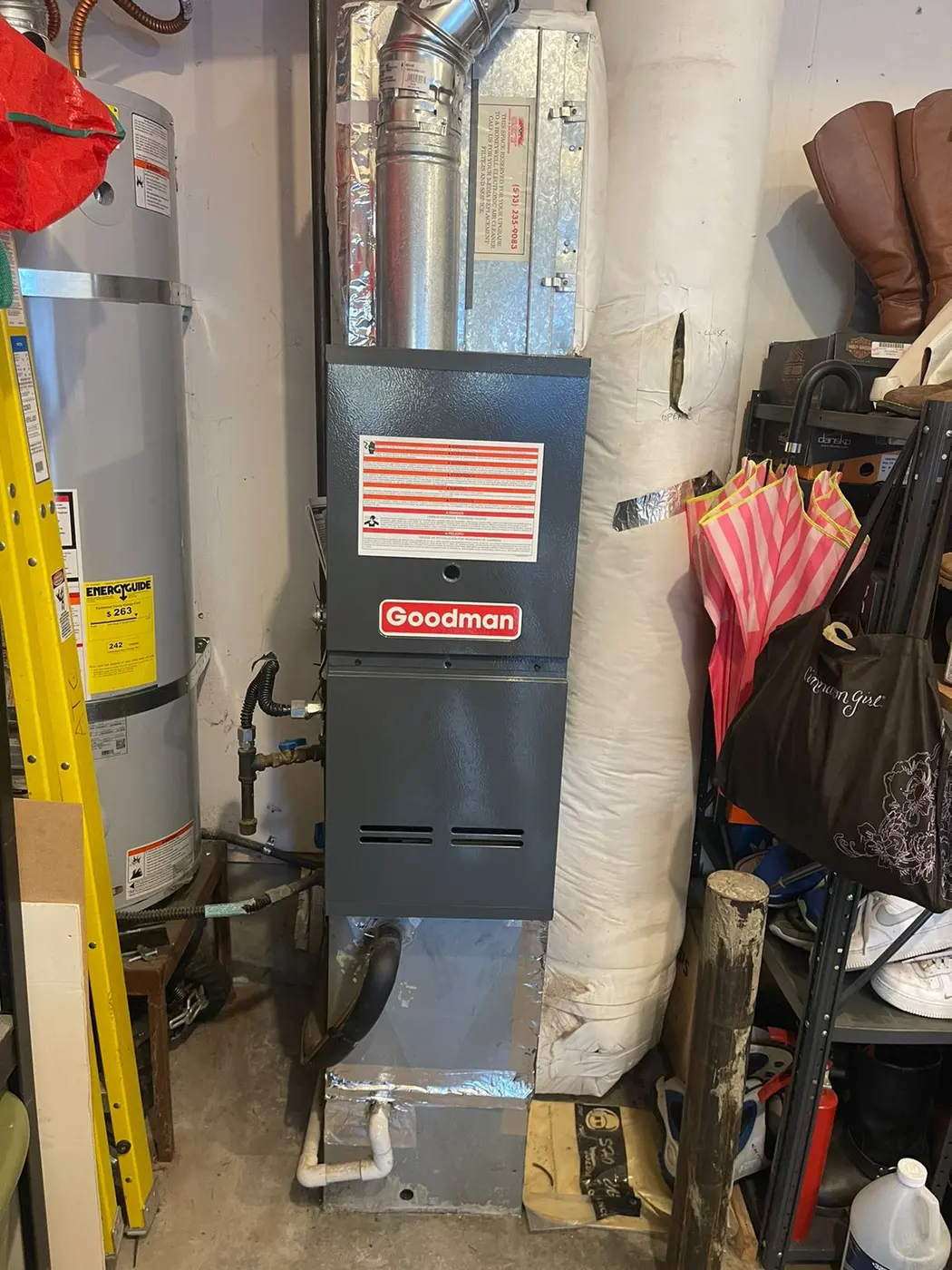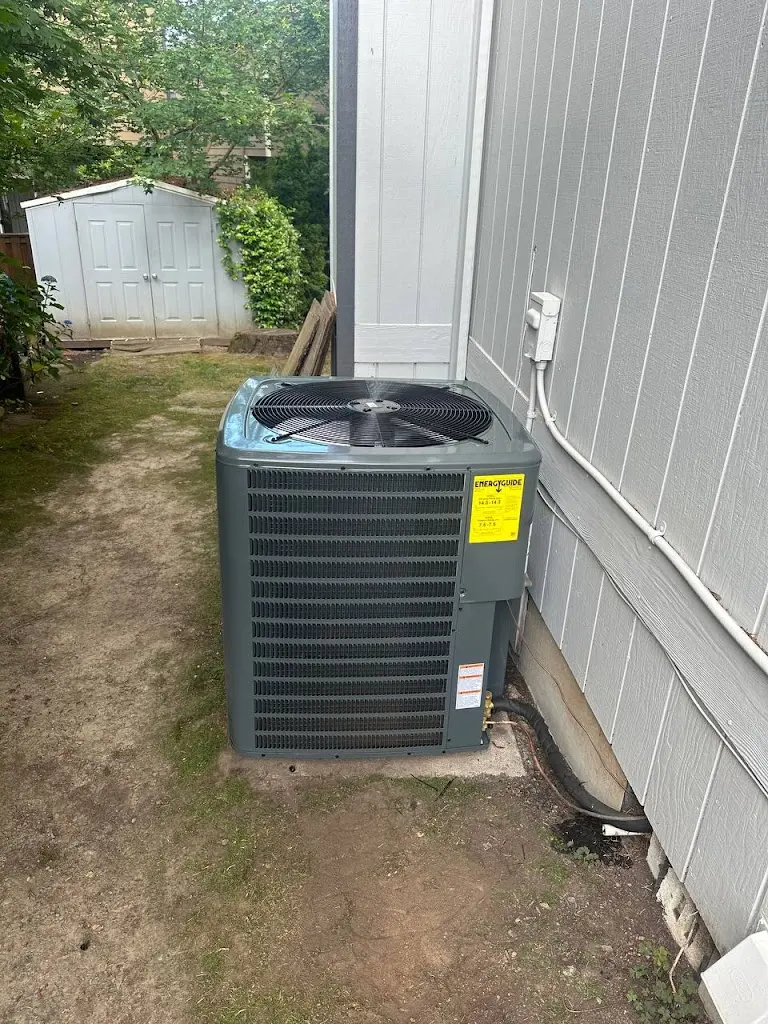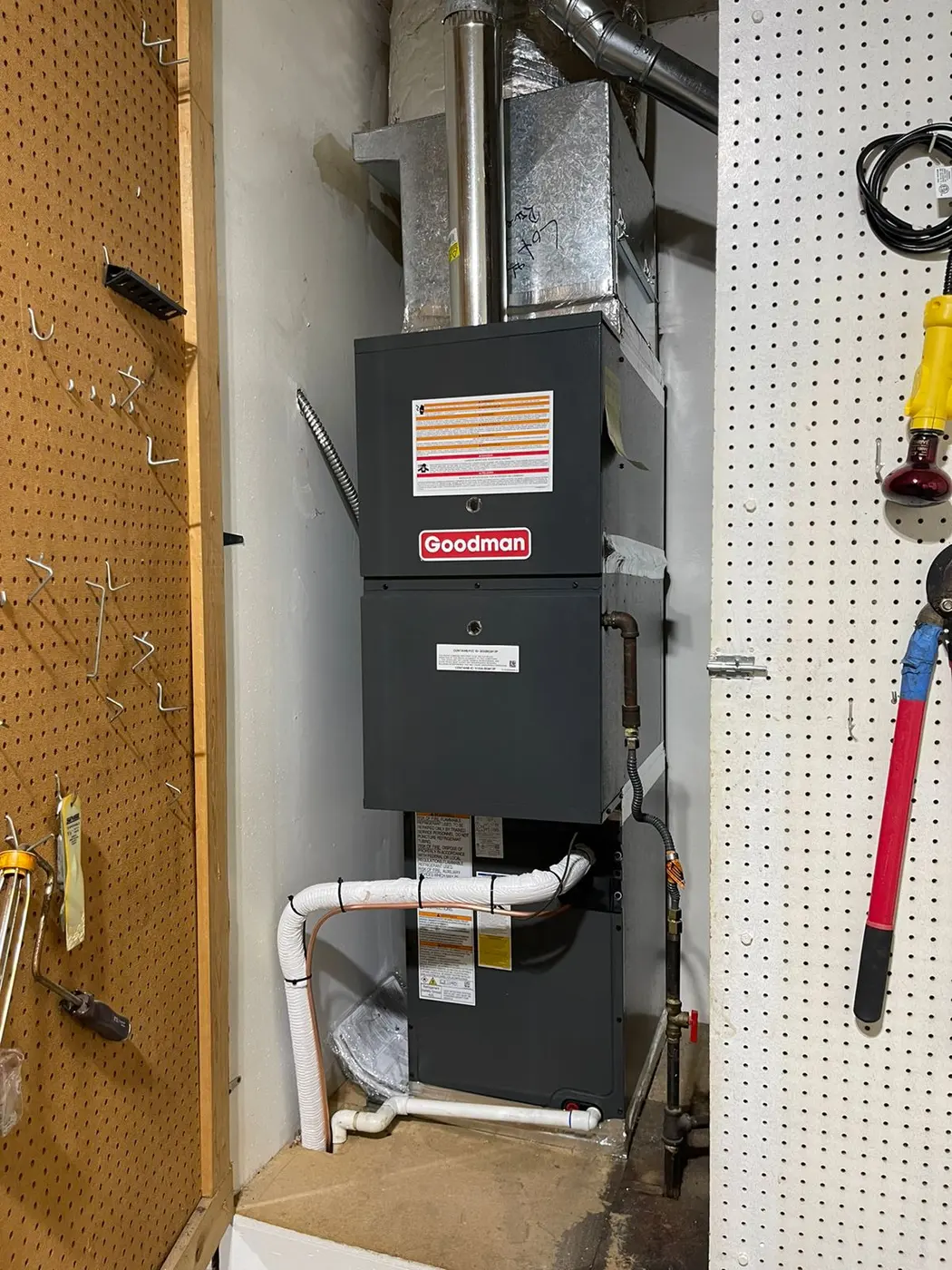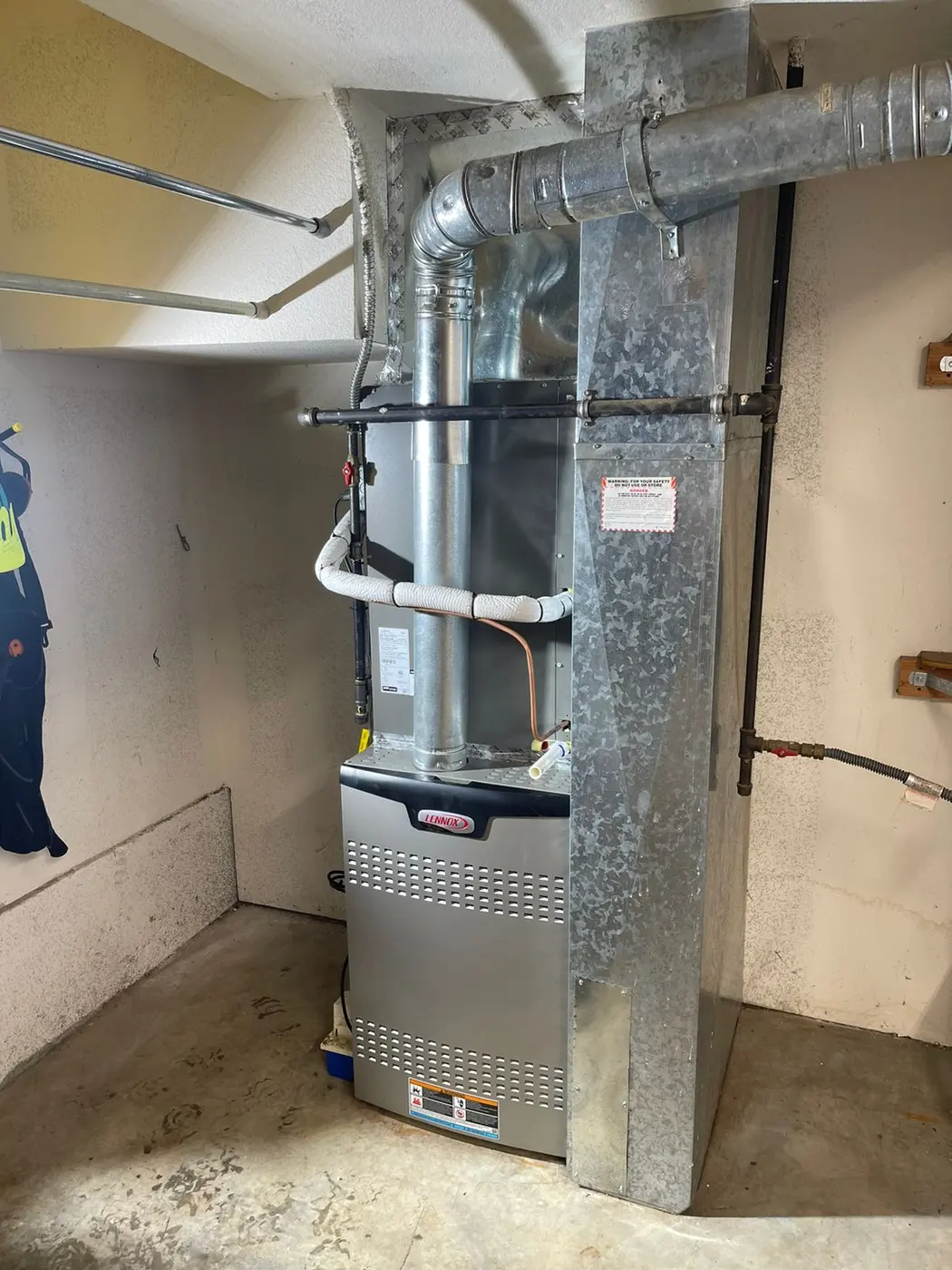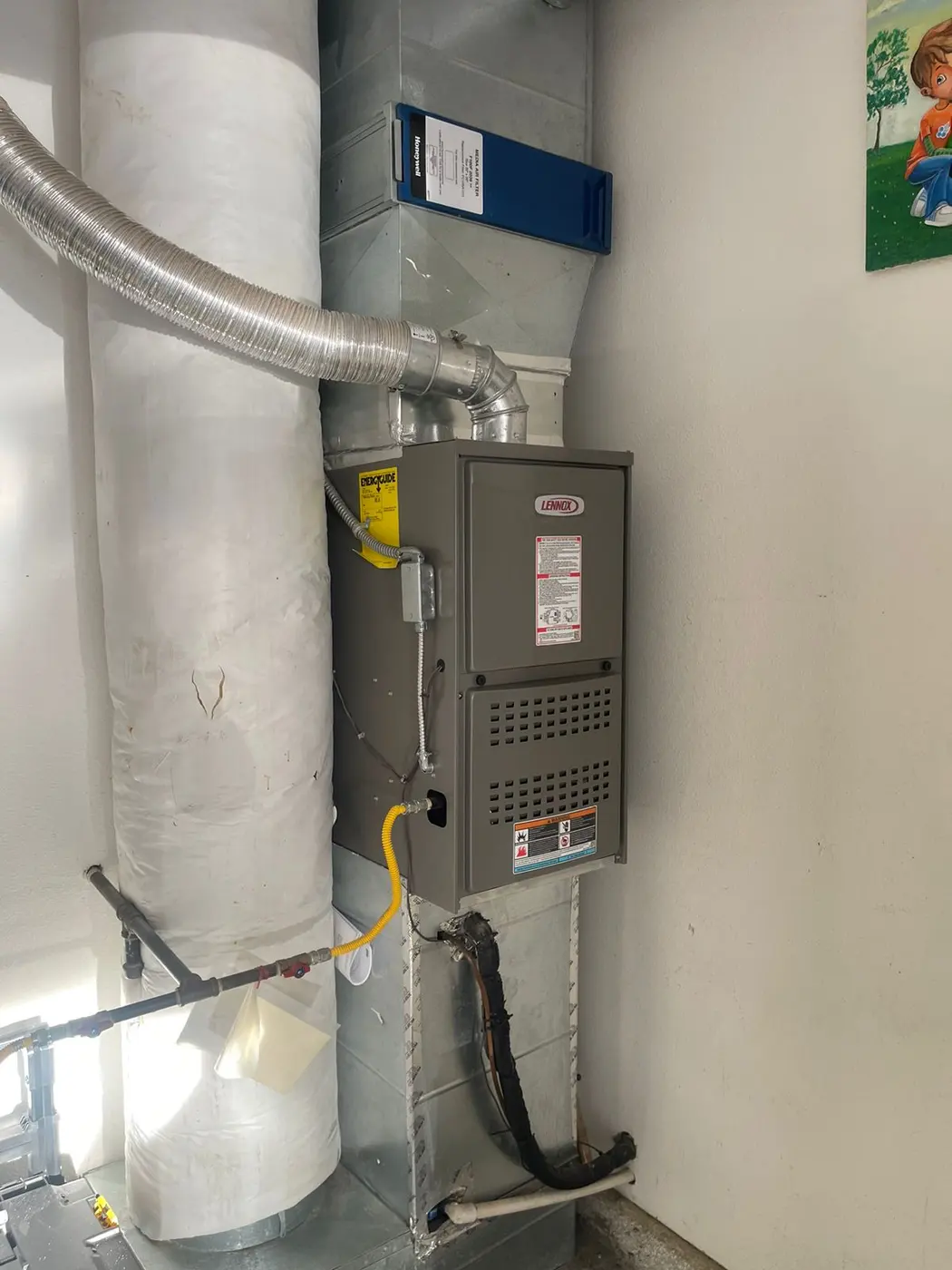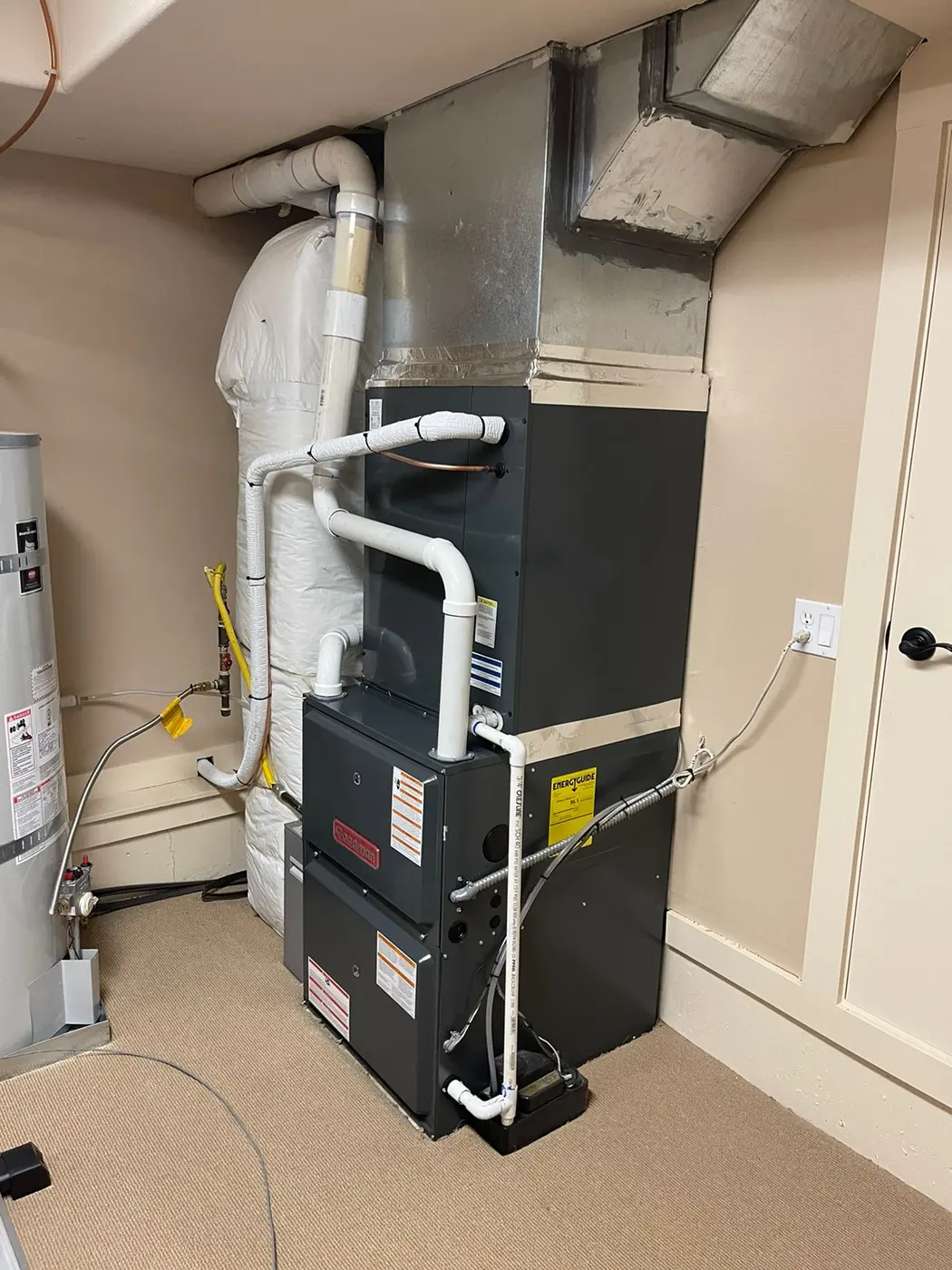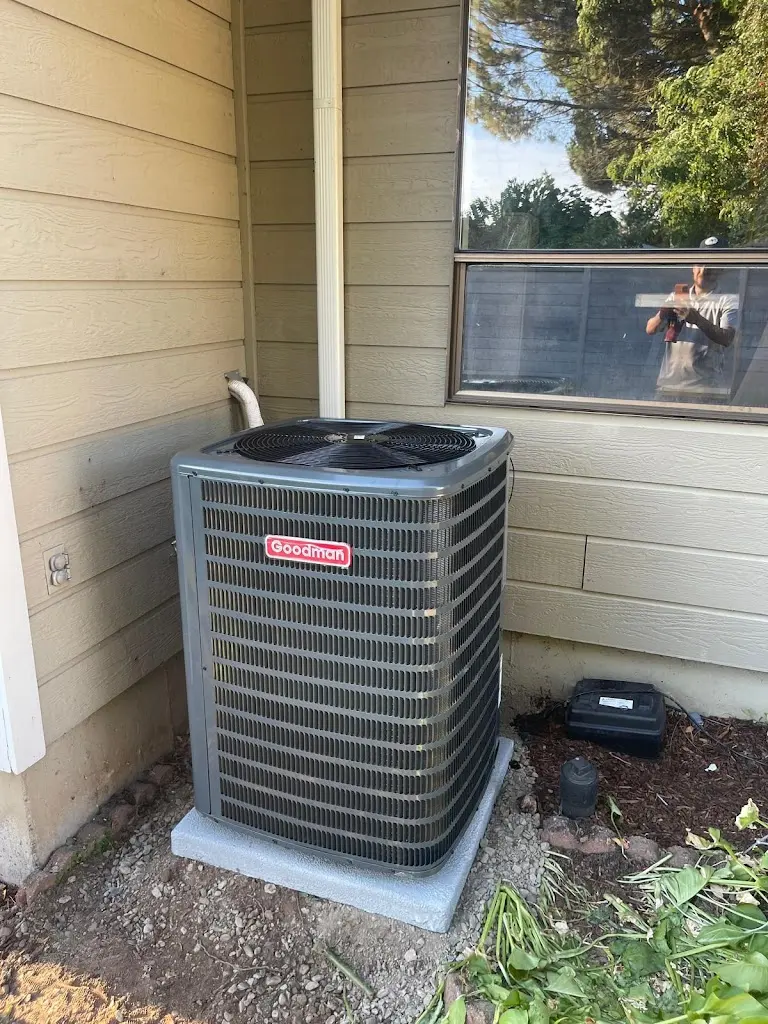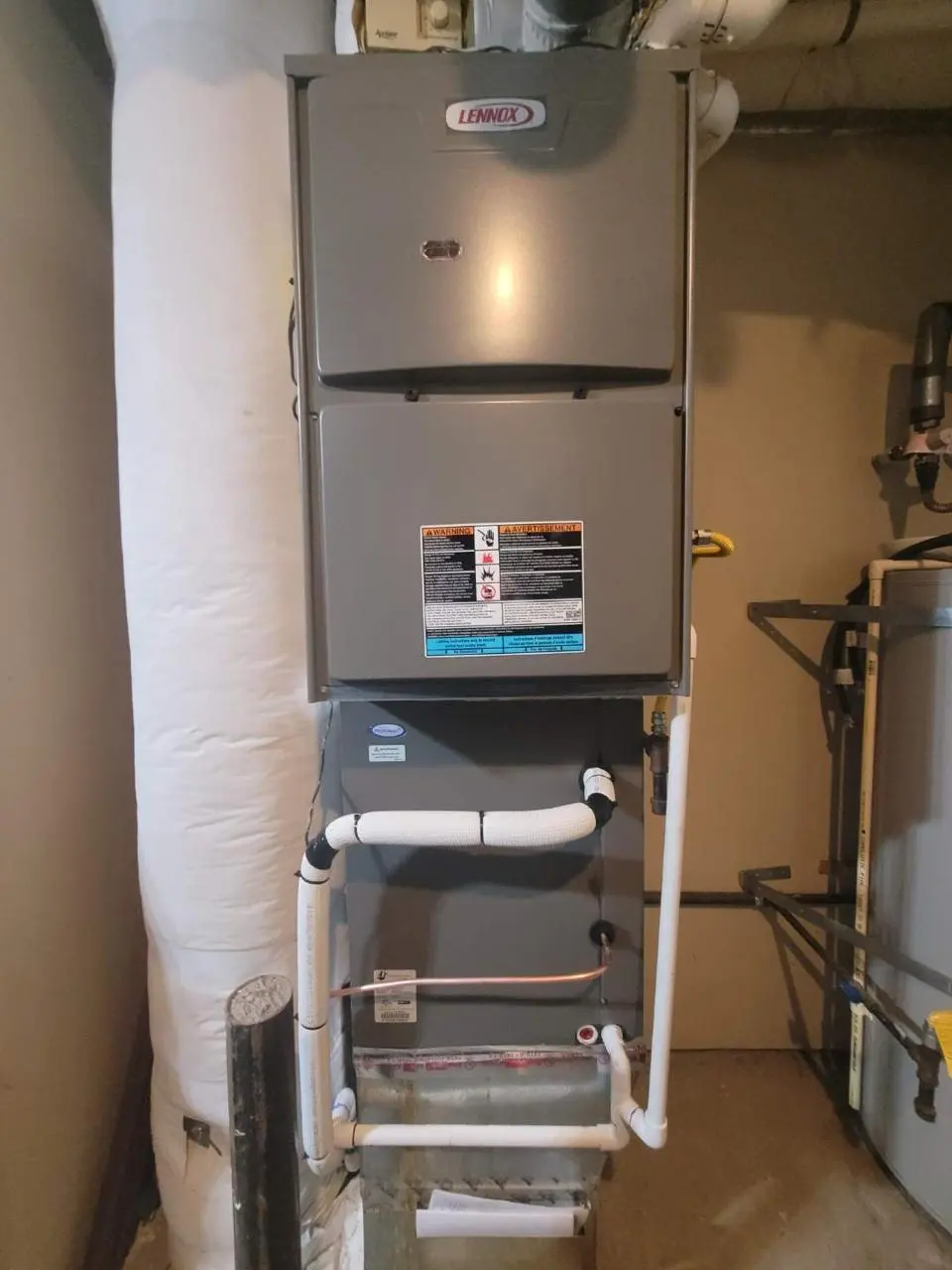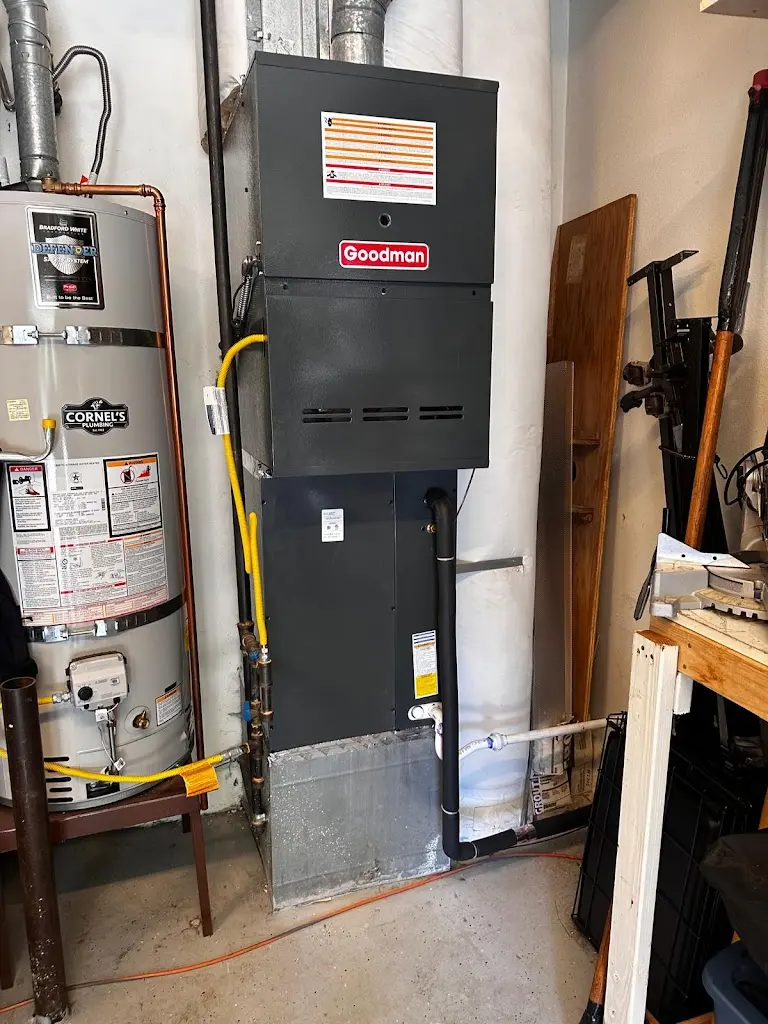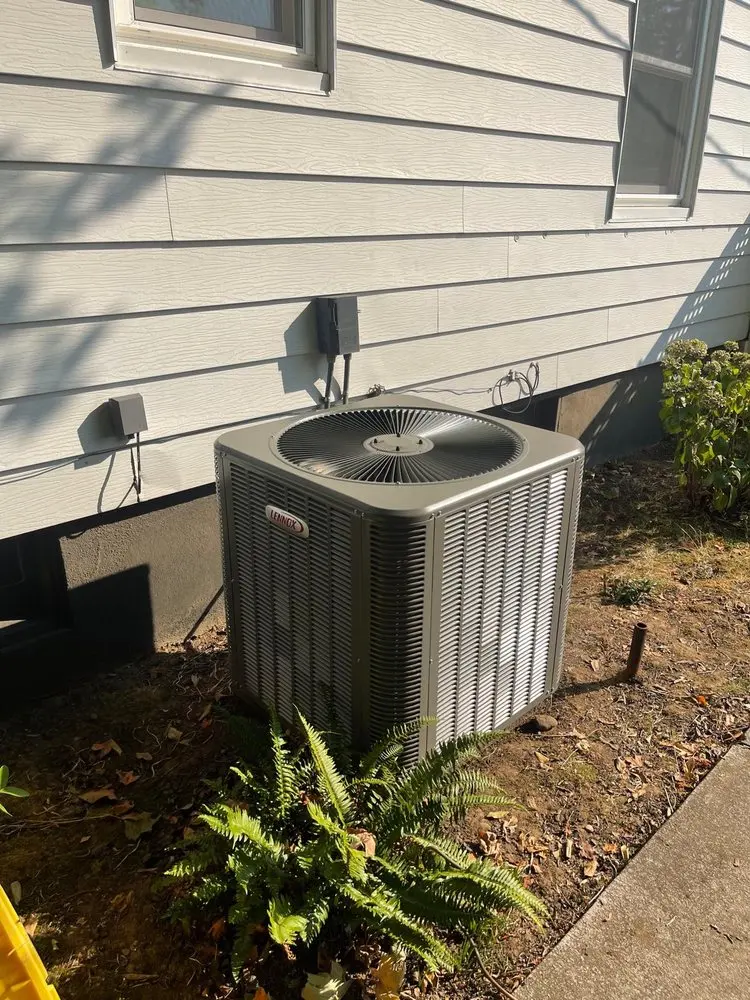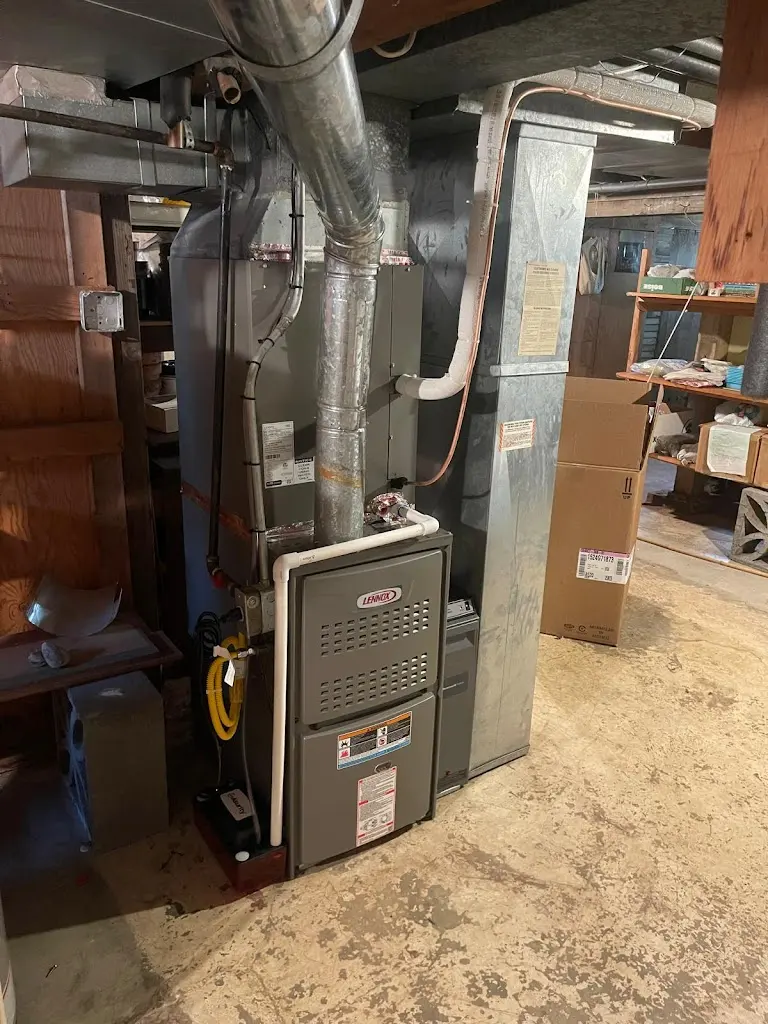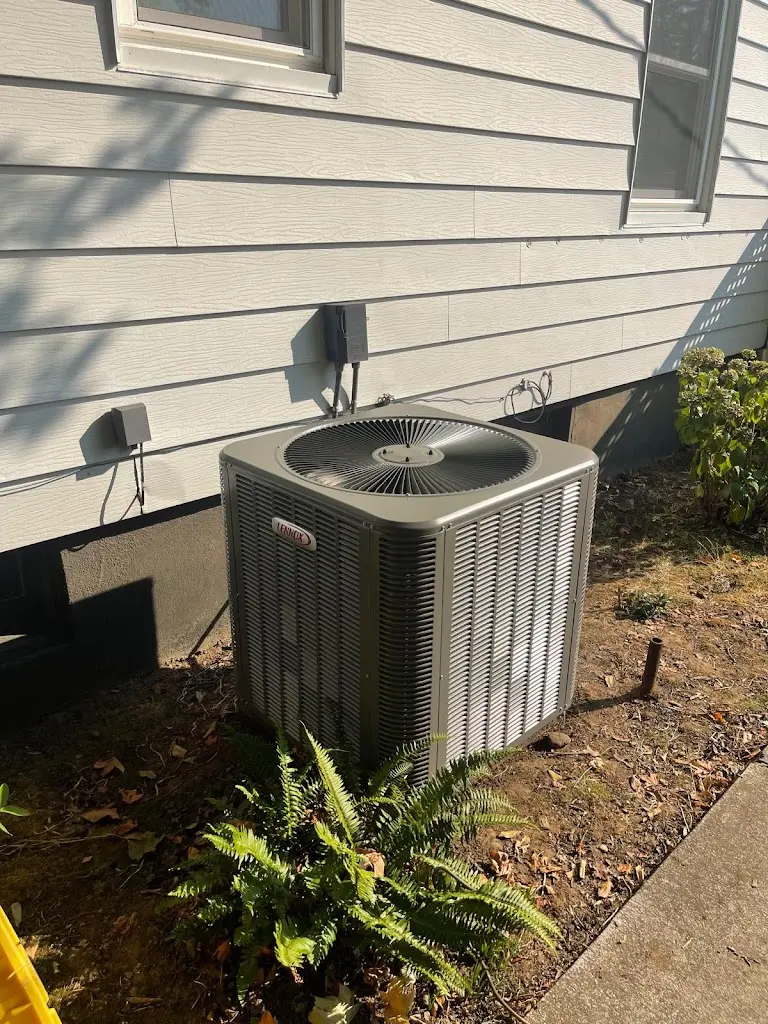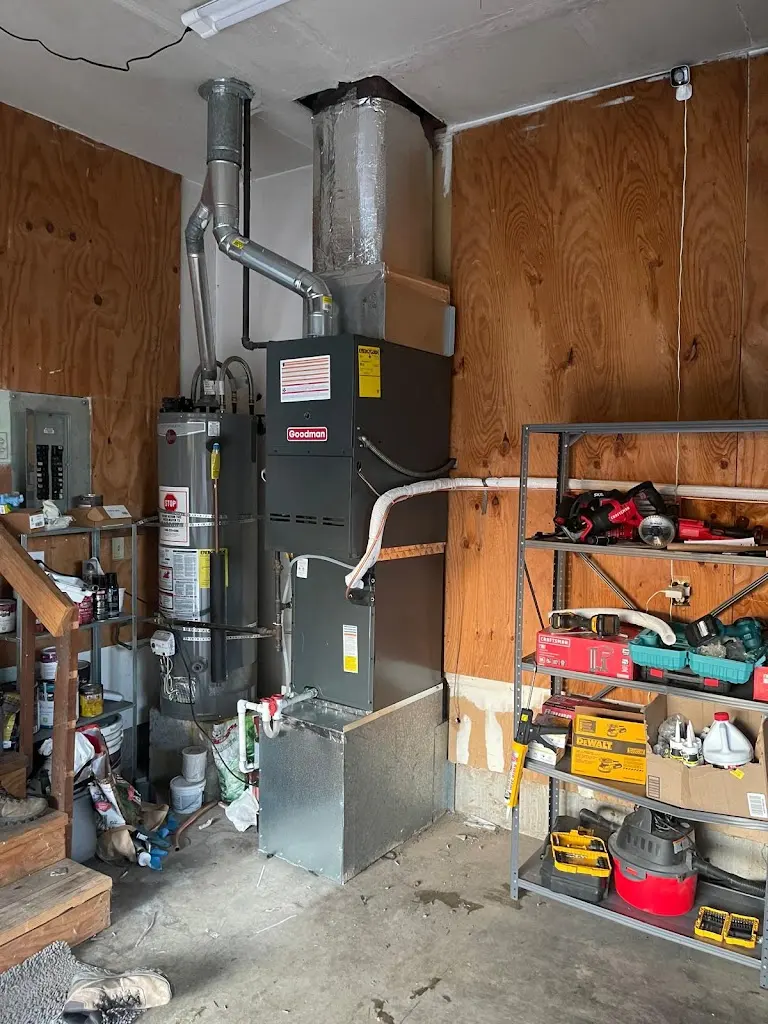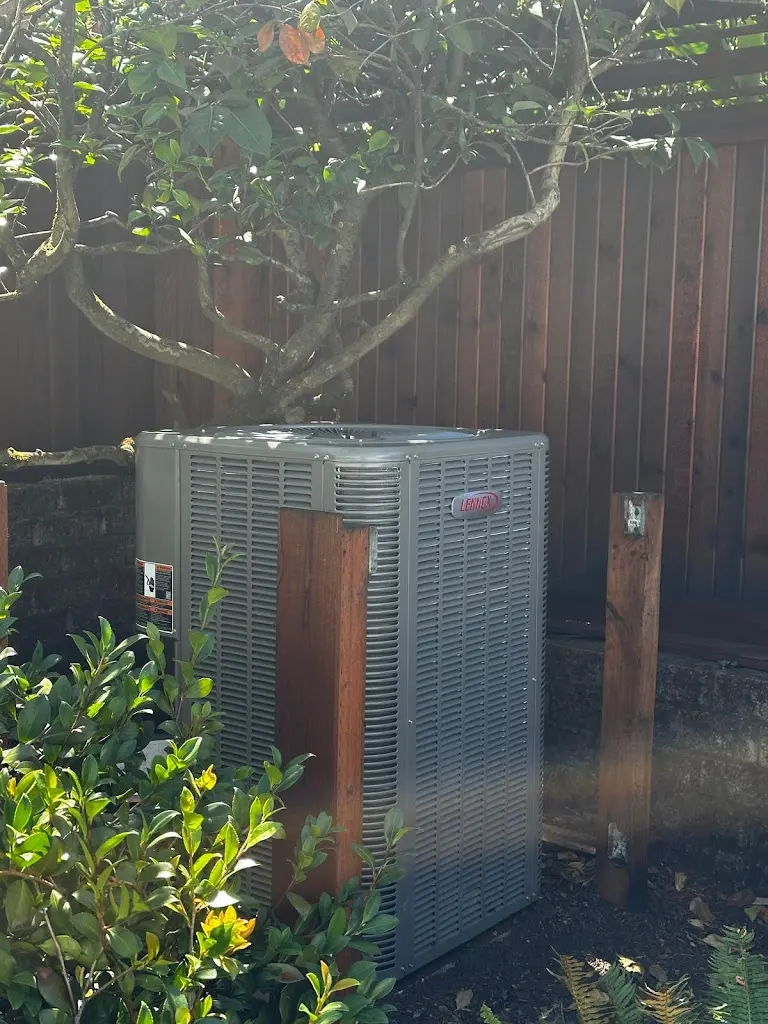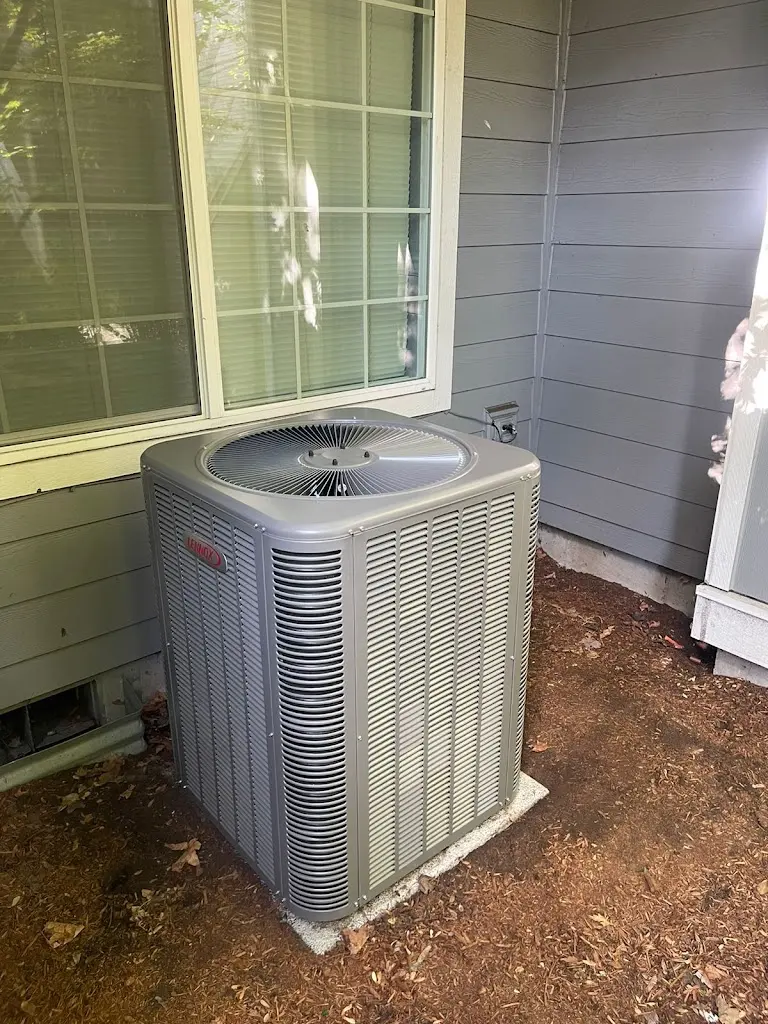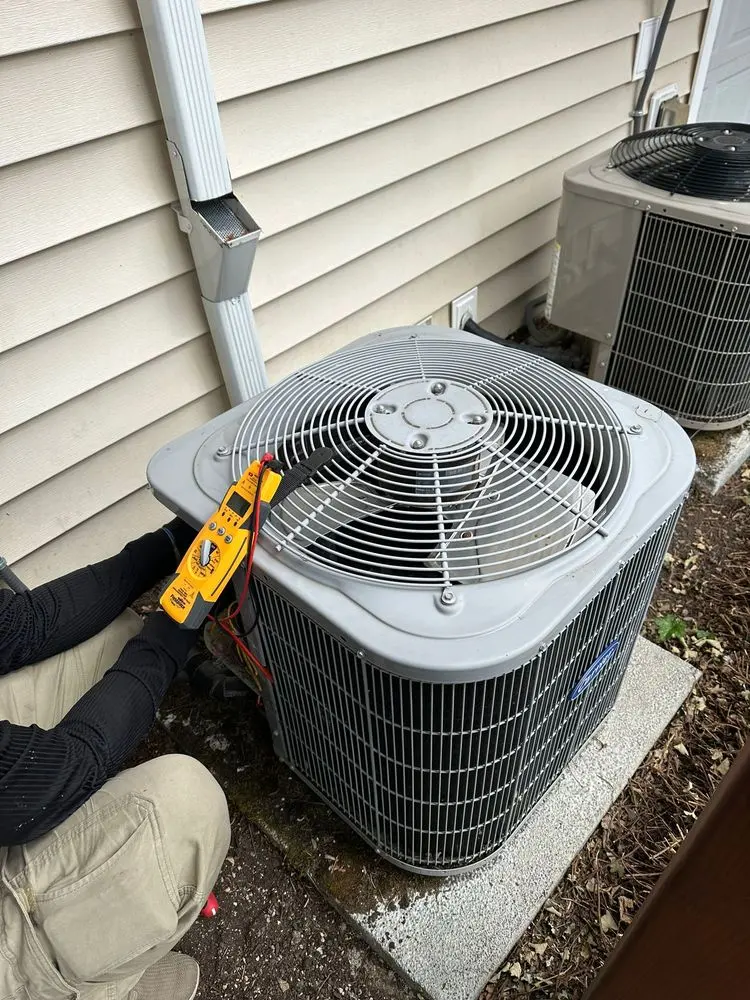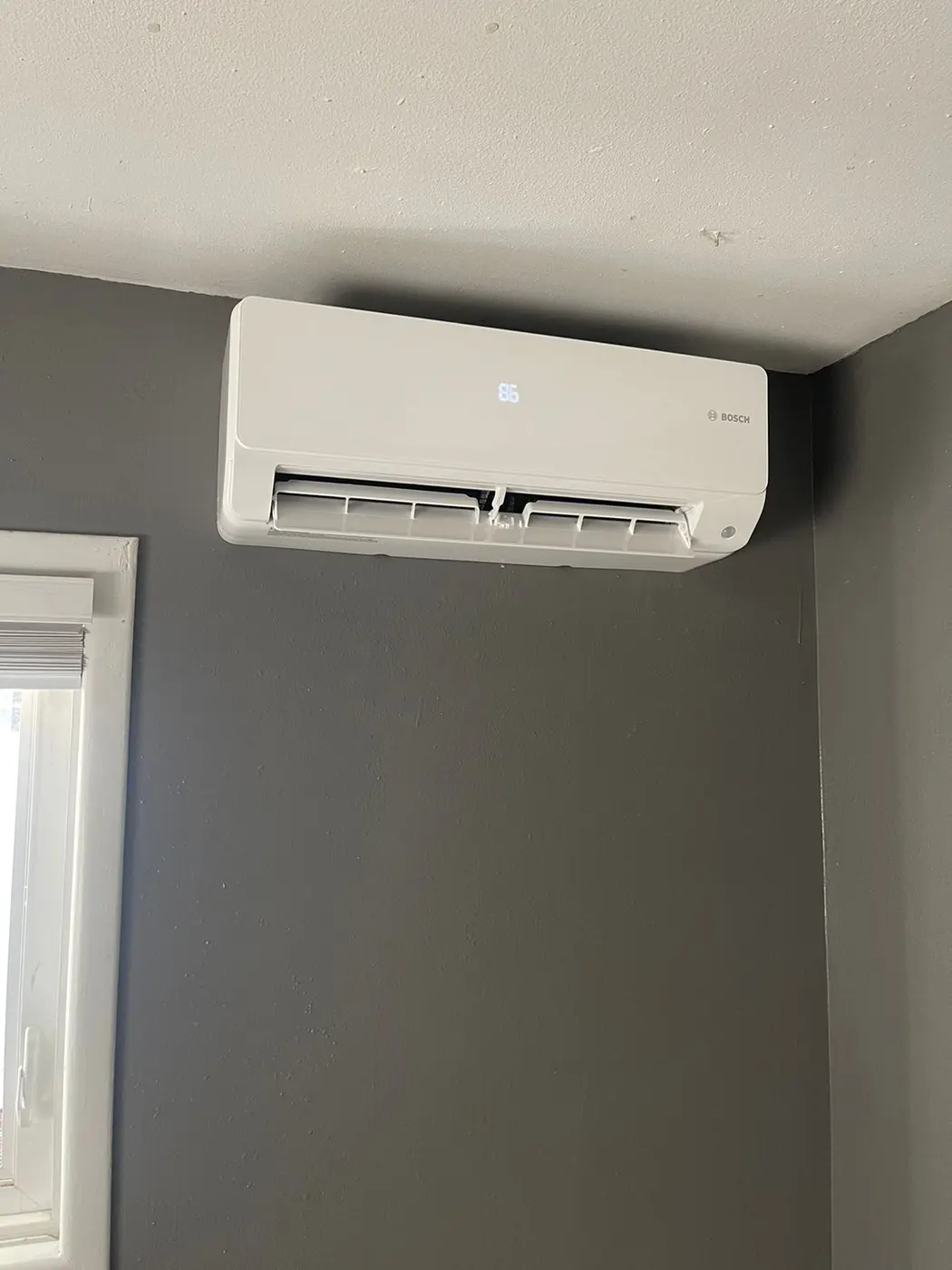




Furnace Installation and Replacement in Hillsboro
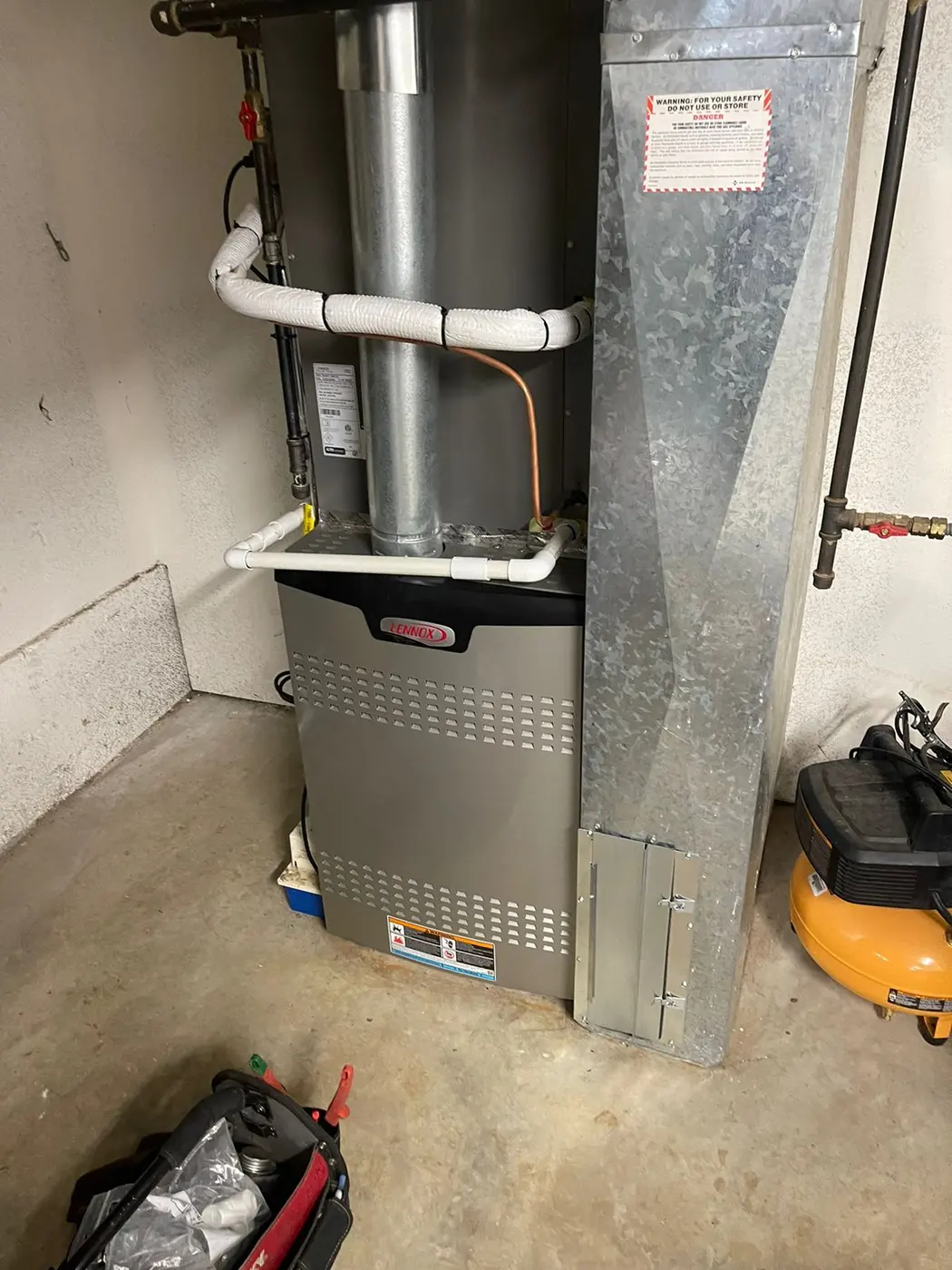
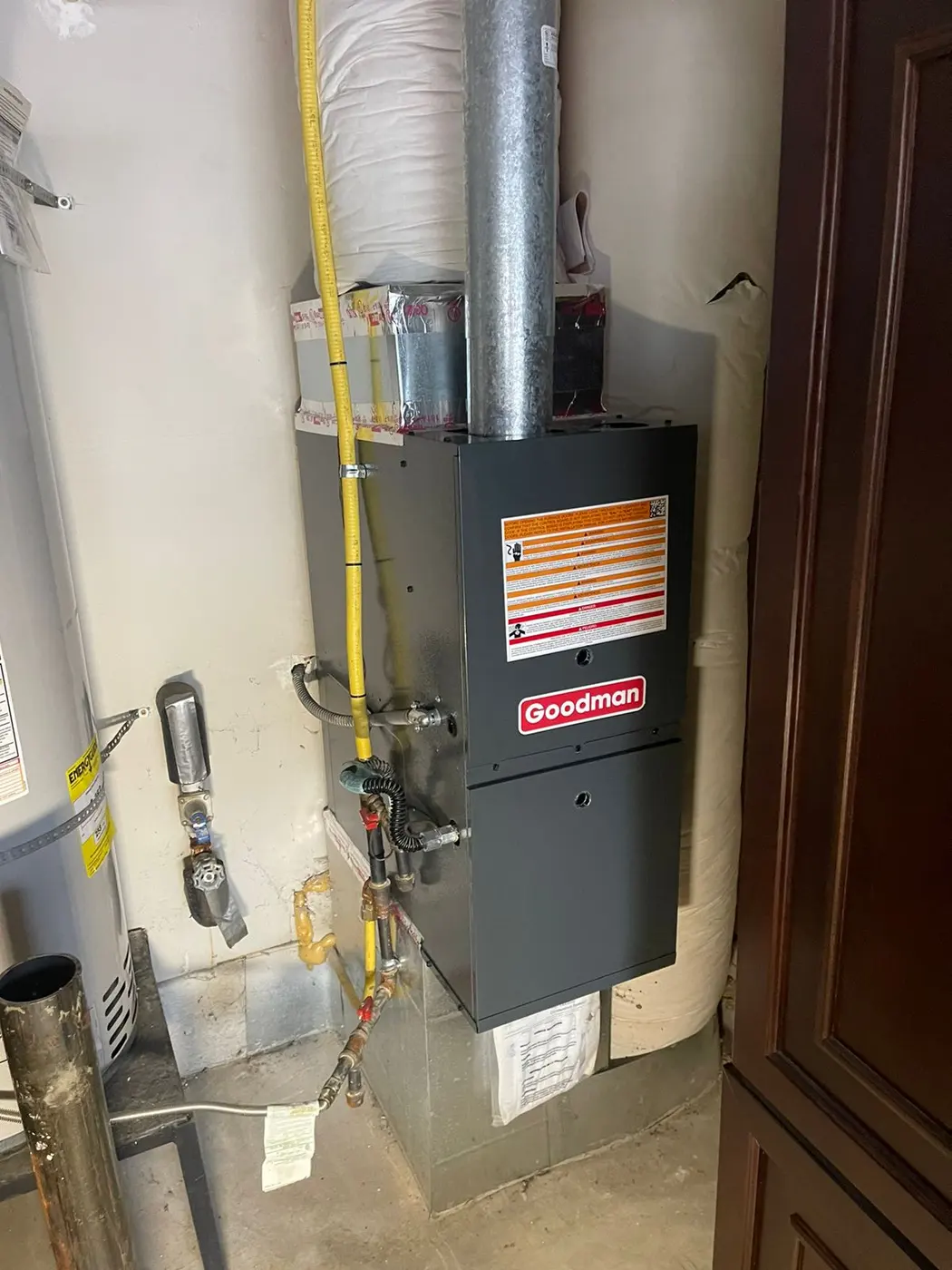
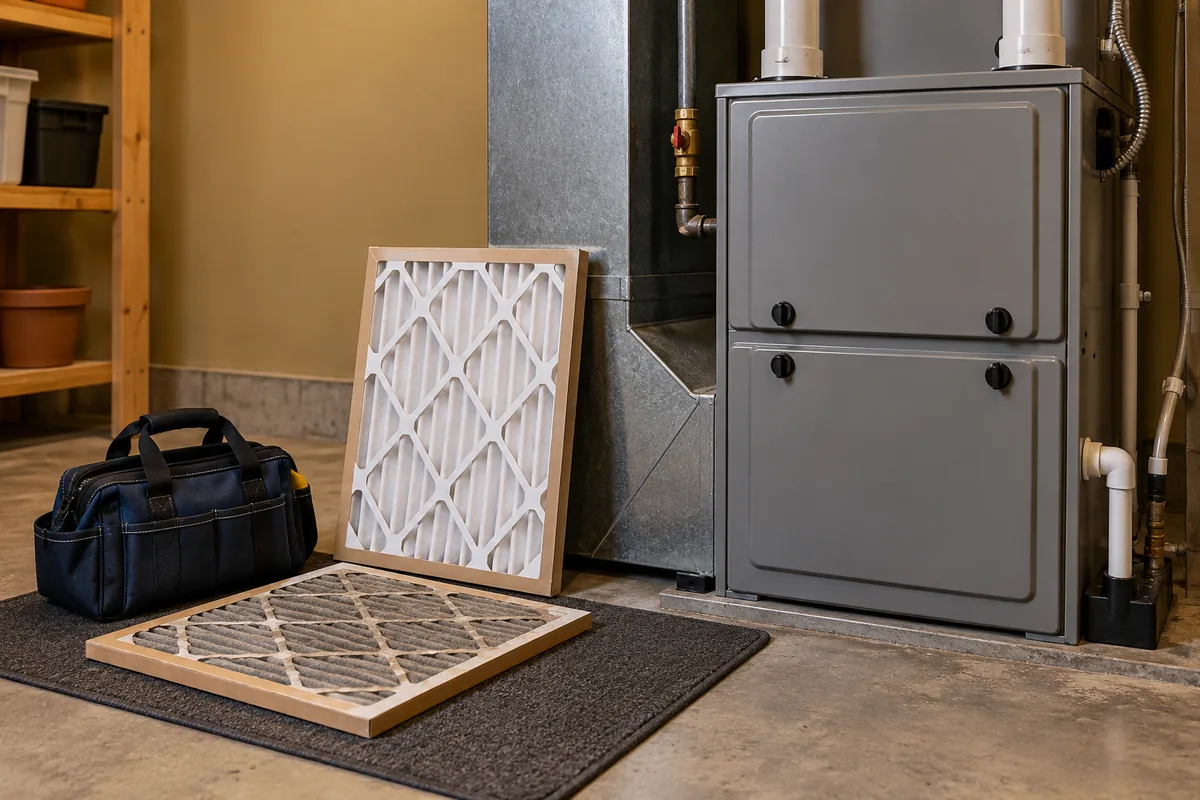
HVAC & Appliance Repair Guys provides furnace installation and replacement in Hillsboro, OR. The new furnace should suit the home’s heating load and air delivery, with the controls, venting and connections its setup requires. If quieter operation is a priority, include that goal so sound is considered alongside the heating result.
We offer a free on-site estimator visit for installation and replacement. Explain whether the sound is a long-standing part of normal use or a recent change. Note whether heating still meets the usual setting. A noise preference and an active equipment fault can require different next steps.
Our furnace installation service reviews the equipment and installation together. We discuss which noise concerns the proposed work can address and whether any separate issue needs attention.
Furnace Noise During Normal Operation
Describe the room where noise matters, whether it seems near the furnace or a grille, and when it occurs during normal operation. Explain its practical effect, such as interrupting conversation. These observations guide the discussion without identifying a failed part.
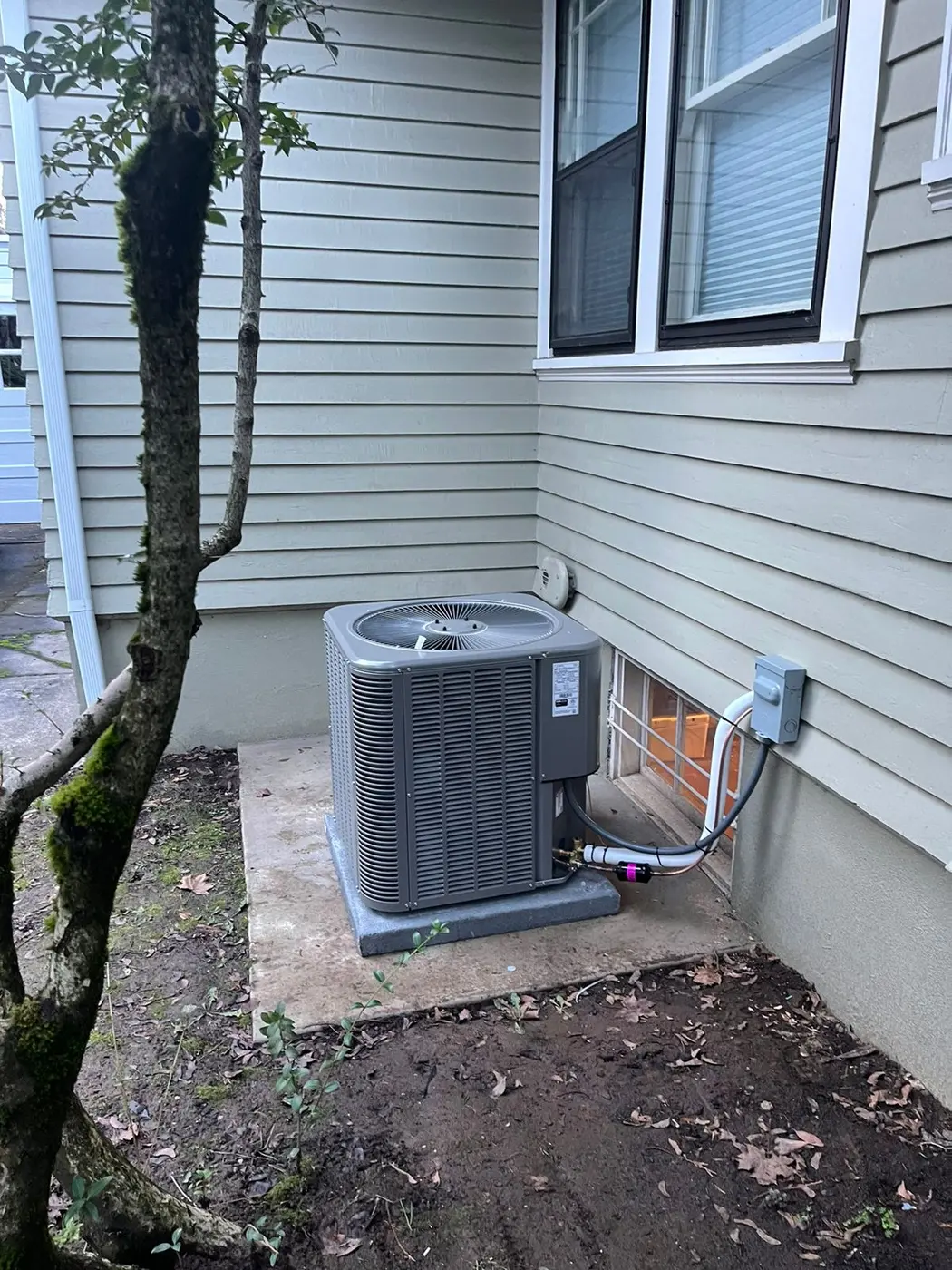
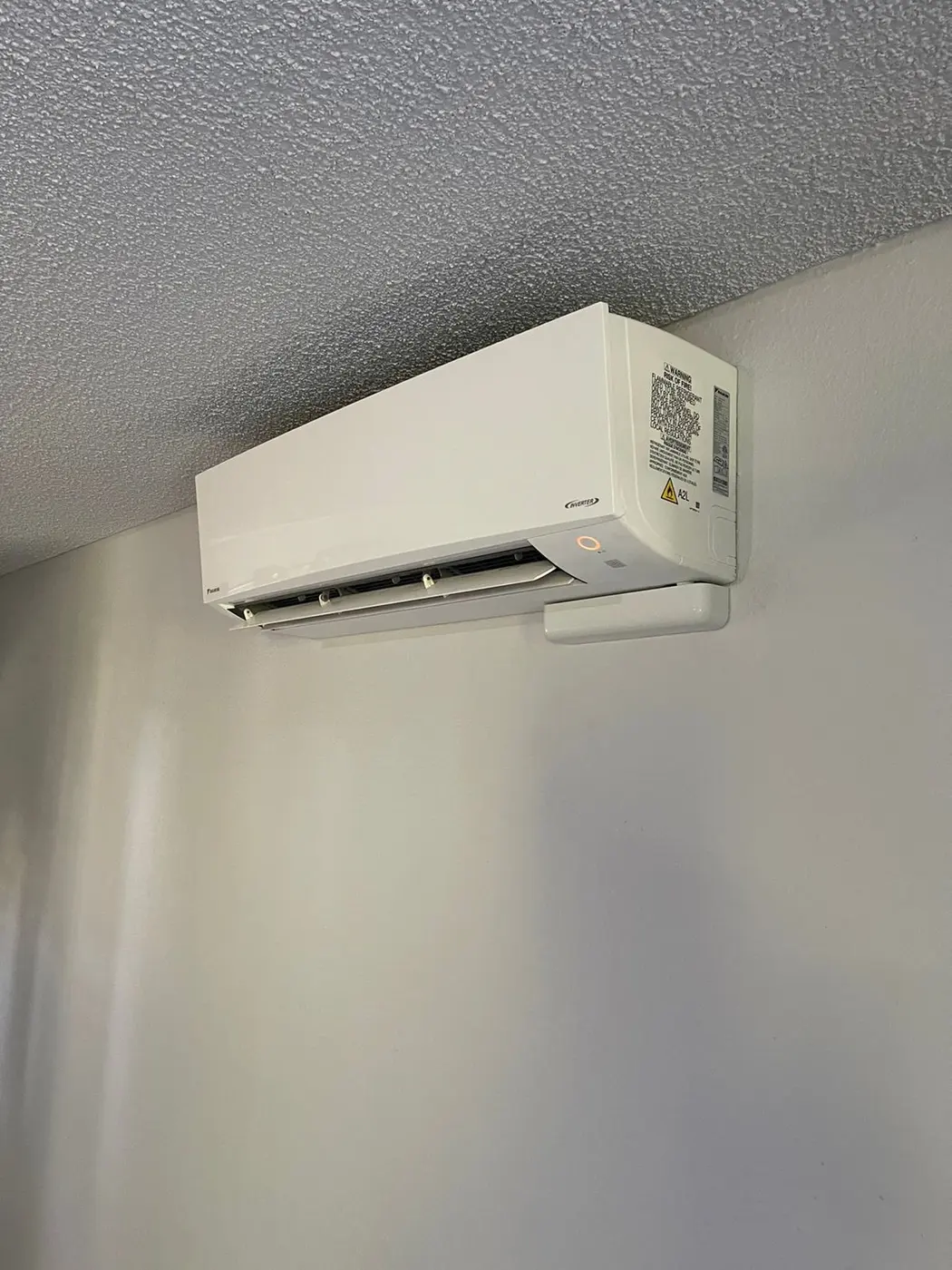
Mention any AC or heat pump running at the same time. Leave uncertain equipment details open, and do not remove covers or enter difficult spaces to locate the sound.
New Noises and Repair Alternatives
A sudden or unusual noise needs assessment before it becomes a reason to choose new equipment. Avoid naming a failed part from the sound alone. Keep the current operating concern visible when arranging the visit. The replacement estimate should not stand in for a diagnosis you still need.
Our furnace repair service in Hillsboro addresses that assessment. Repair diagnosis is separate from the free installation estimate. If both choices matter, compare a confirmed repair with a defined replacement project. Each option should explain which problem its work addresses.
Share an earlier diagnosis and completed repair record if available. They provide context, but a later noise still needs assessment on its own findings.
Furnace Features, Placement and Sound
Discuss the normal operating behavior of the proposed furnace. Ask which features relate to the concern you raised and what conditions affect the result. A product description alone does not establish what you will hear in a specific room. Review the equipment as part of its planned installation.
Keep the furnace location and nearby room use in that discussion. If you want to consider moving the unit, ask for the work that change would involve. A different position should have an explicit reason and scope. Do not assume that relocation belongs in a price for replacement at the existing site.
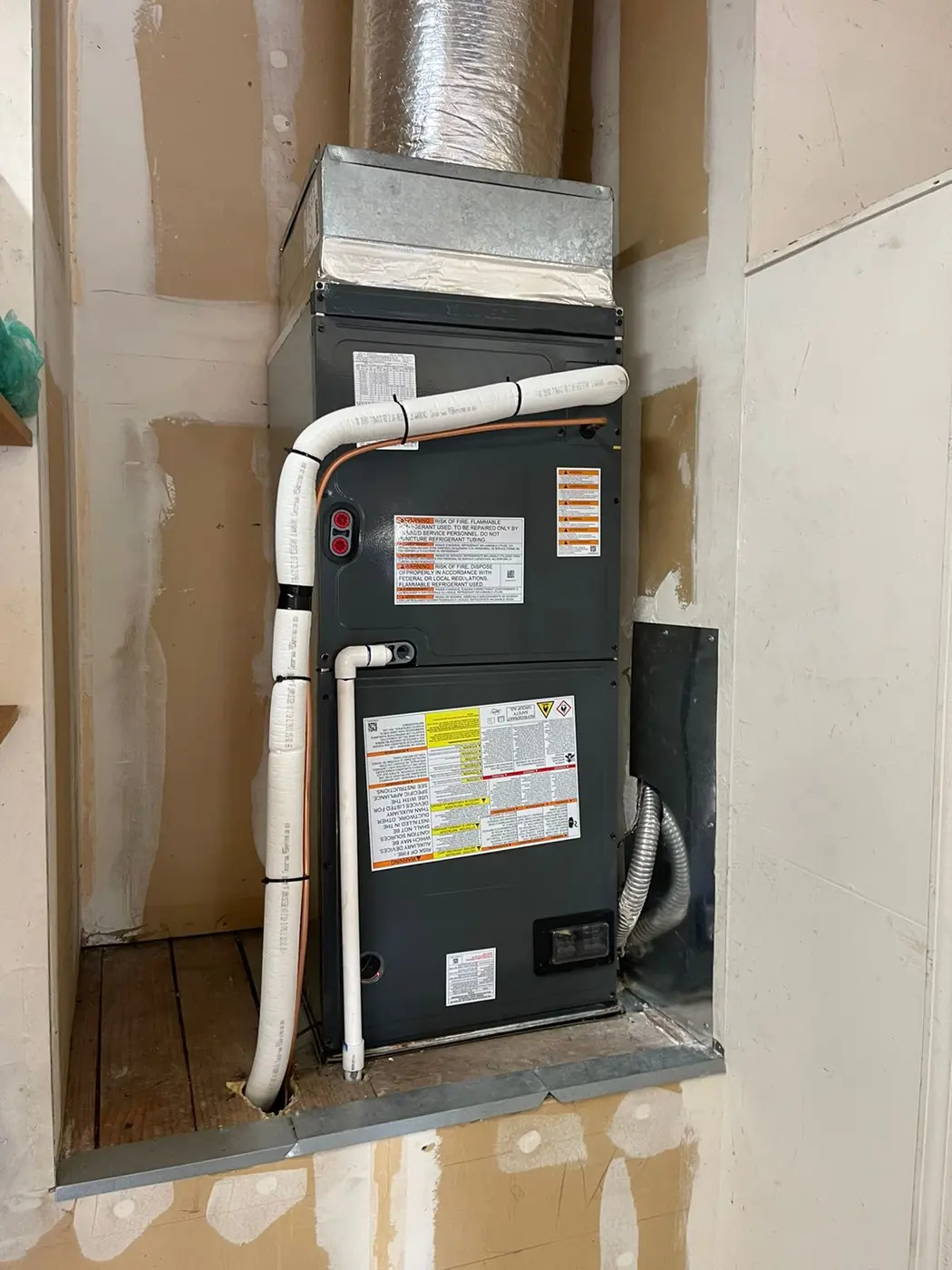
Review which air paths and other components will stay. A new furnace does not automatically replace every part connected to it. Ask whether a known concern involving a retained item sits within the proposed work. If it remains separate, preserve that limit before approving the project.
Do not reduce sound by closing vents, covering the furnace or adding an enclosure yourself. Those changes can affect the arrangement the estimate needs to assess. Describe any existing enclosure or planned storage near the unit. Keep changes around the equipment within a reviewed work plan.
Noise Expectations and Installation Scope
Compare each proposal against the same noise concern. A furnace-only replacement and a project that also changes its location or connected components cover different work.
A furnace feature does not guarantee silence throughout the home. Describe the room and operating conditions that matter, then ask what the proposed work can reasonably address and which questions remain.
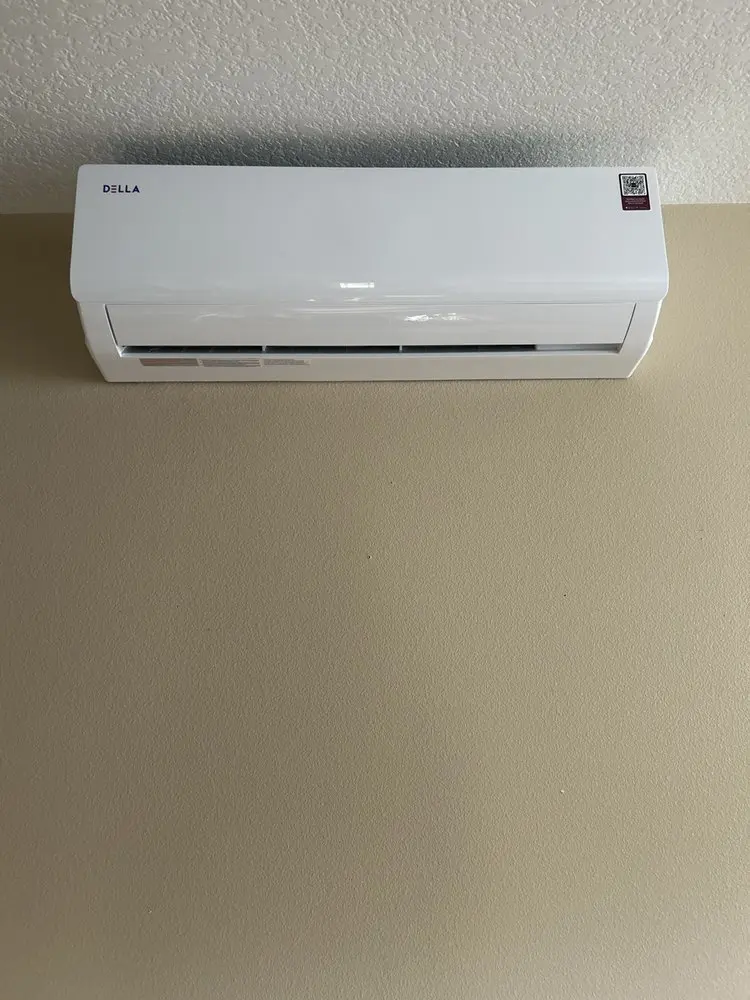
Our HVAC installation service in Hillsboro covers wider heating and cooling changes. Compare each proposed task with the original sound concern, including the work specific to the furnace.
Changeover, Normal Operation and Follow-Up
Before scheduling, confirm access to the equipment and the nearby areas relevant to the project. Discuss the work sequence and any time without heat. Leave installed components in place until the agreed work begins. The team needs the current arrangement to match the approved scope.
At handover, ask how the new furnace normally starts and runs, and review the sound from the room where it mattered. Keep completed checks, any limits on them and unresolved concerns with the work record.
If the sound changes later, note its timing and any change in heating performance. Keep the installation record available for that service request. A different sound does not establish a failed new part. The current observations can guide assessment without undoing the distinction between expected operation and a fault.
Contact HVAC & Appliance Repair Guys to request a free on-site furnace installation or replacement estimate in Hillsboro.
Frequently Asked Questions
Can a new furnace guarantee silence in nearby rooms?
No. Sound depends on the equipment, installation and room conditions. Describe the noise during the estimate and ask which improvements the proposed work can reasonably provide.
Is a recording of the sound useful?
A recording from a normal, safe location can help explain what you hear. Include where and when you made it. It provides context rather than a diagnosis, and you do not need to enter an equipment space to obtain one.
Should quieter operation decide the whole equipment choice?
Consider it with heating needs, the site and the complete work scope. The new furnace must suit the project as a whole. Ask how the proposed option balances the priorities you identified before choosing it.
Request Furnace Installation in Hillsboro, OR
For furnace installation in Hillsboro, OR, call HVAC & Appliance Repair Guys or submit a service request through the form on this page.