



AC Maintenance After Installation in Beaverton
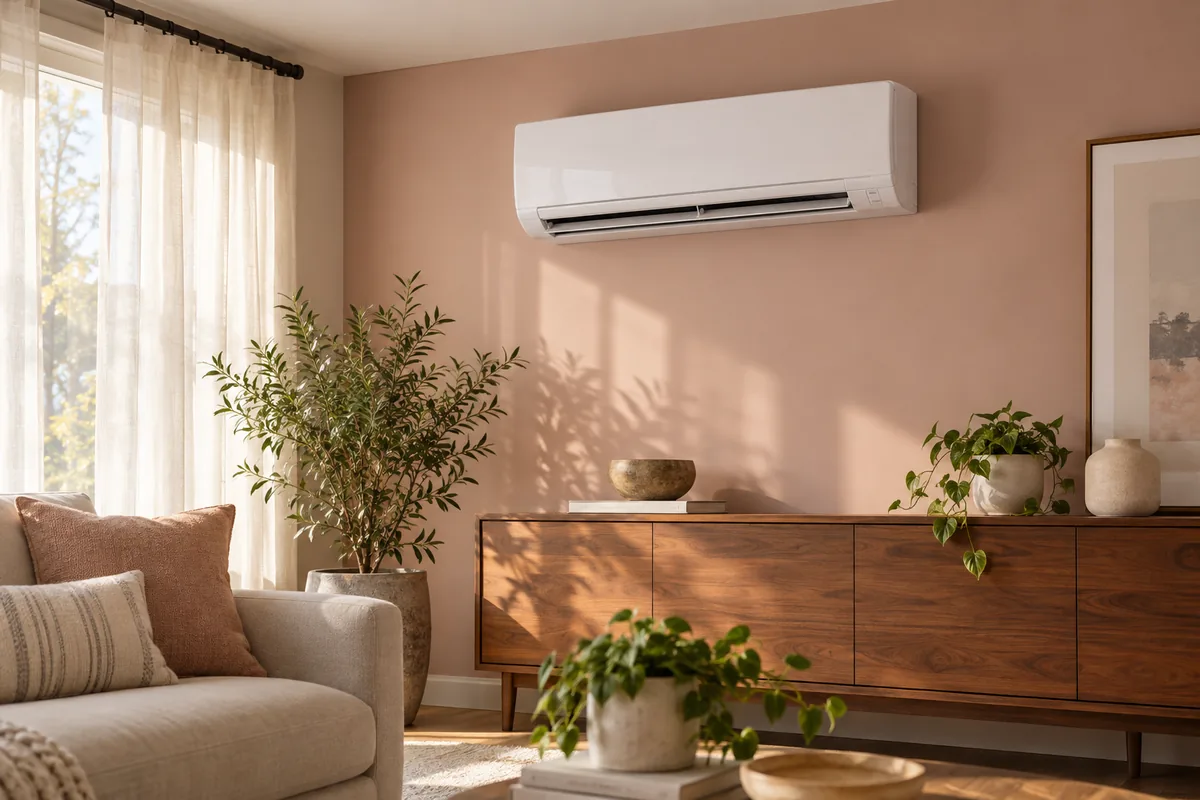
HVAC & Appliance Repair Guys provides AC maintenance in Beaverton, OR. Air-path, coil, drain and control care should fit the equipment in use and its condition. This matters after installation too: a new outdoor unit may still work with an older indoor coil, blower or control. Tell us which equipment changed and how cooling has performed since.
Our AC maintenance service reviews cooling equipment and the care its condition needs. For a first visit after installation, the handover record is a useful starting point. It can identify new parts, retained parts and any item that remained open. The record supports the visit without replacing a review of the current equipment.
Report an unresolved installation concern when booking. A maintenance visit can address care needs without automatically certifying all earlier installation work.
New and Retained Equipment
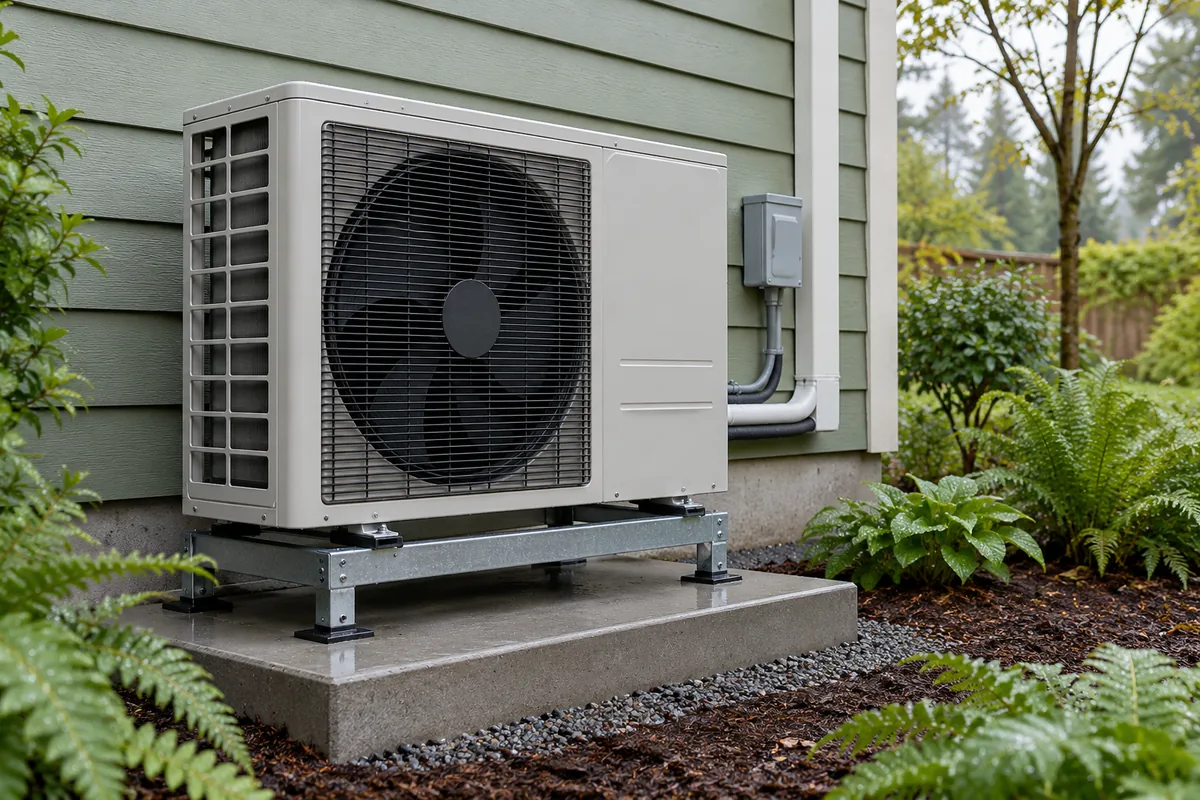
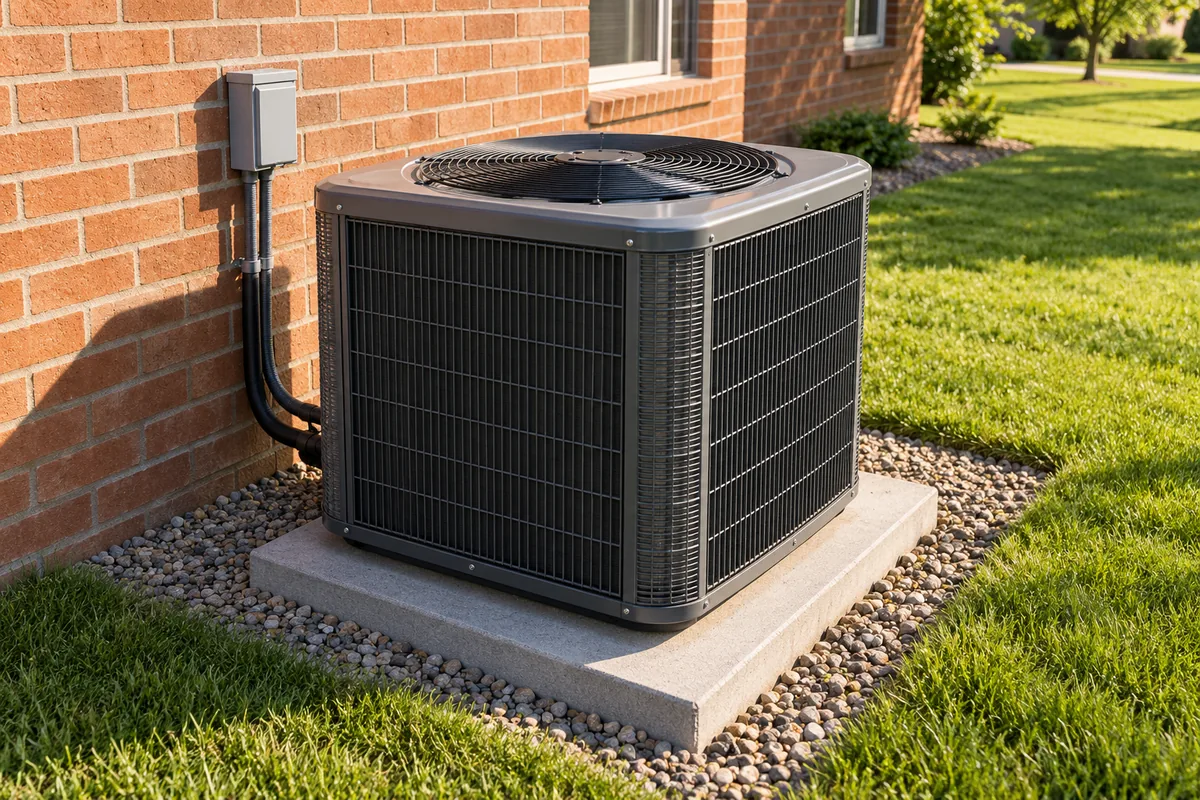
Have the indoor and outdoor model details available if you already know them. Tie each record to the correct unit, especially if the home has more than one cooling system. A new outdoor cabinet does not mean that every indoor part also changed. Keep the actual combination clear in the service notes.
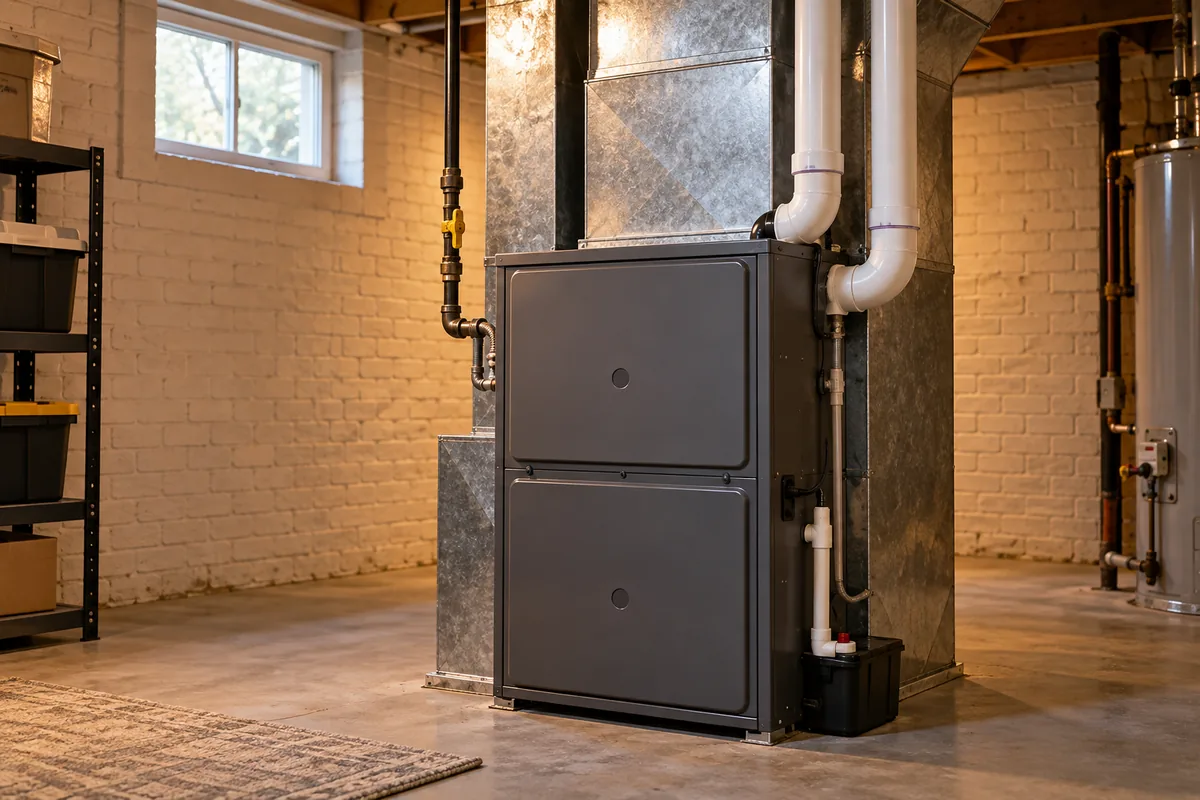
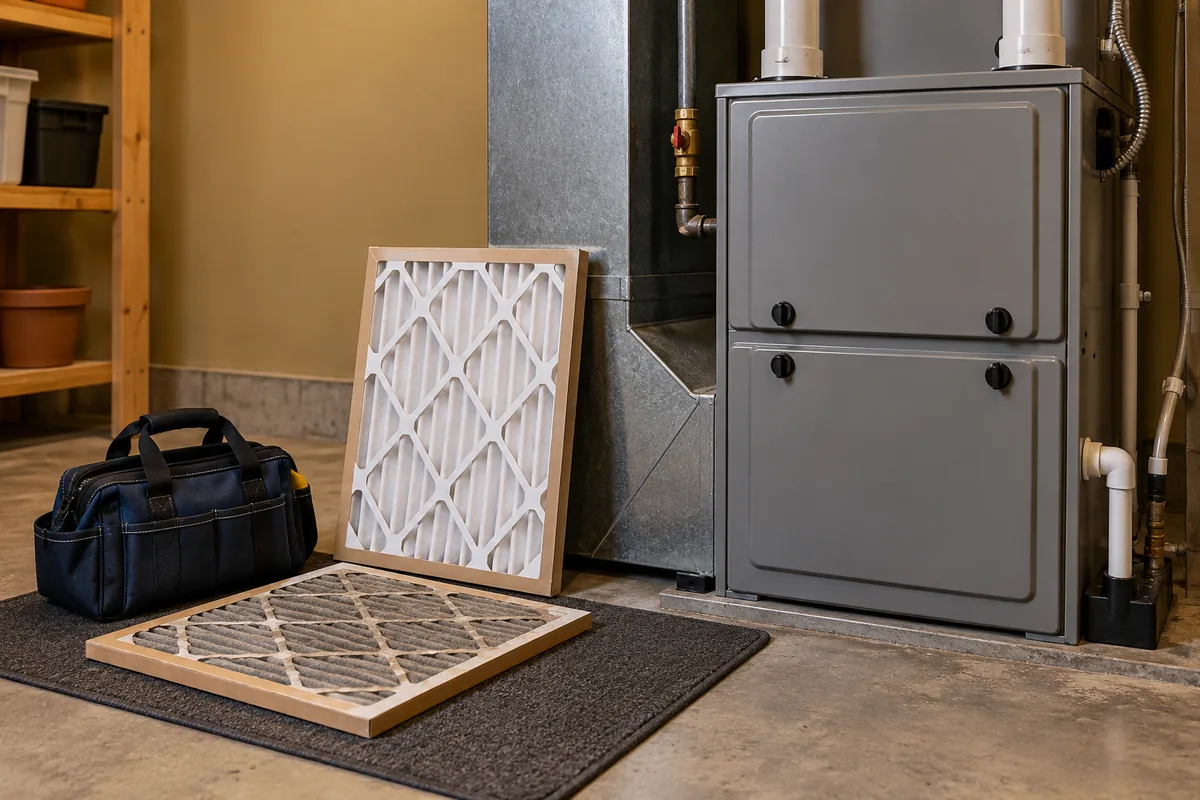
A retained furnace, blower or control may still play a role in cooling. Include these components when describing the installed system rather than calling every part new.
Share the final installation record if available, including any approved model changes. An unused proposal may describe equipment that was never installed; leave uncertain details open for identification.
Cooling Performance Since Installation
Describe the usual cooling settings, use and rooms affected. Normal-use observations give context without establishing that every change is a fault.
Describe any room that has been hard to cool and when you noticed it. Distinguish weak air movement from air that moves but does not feel cool. Include whether the concern was present at handover or appeared later. That timeline can help separate an open project question from a new operating problem.
If you have changed a filter, keep its size, type and the change date with the notes. Do not assume that the filter choice for the previous equipment still applies. Ask what fit and care the current setup needs. A new equipment label does not settle every routine-care detail by itself.
Maintenance for the Installed Equipment
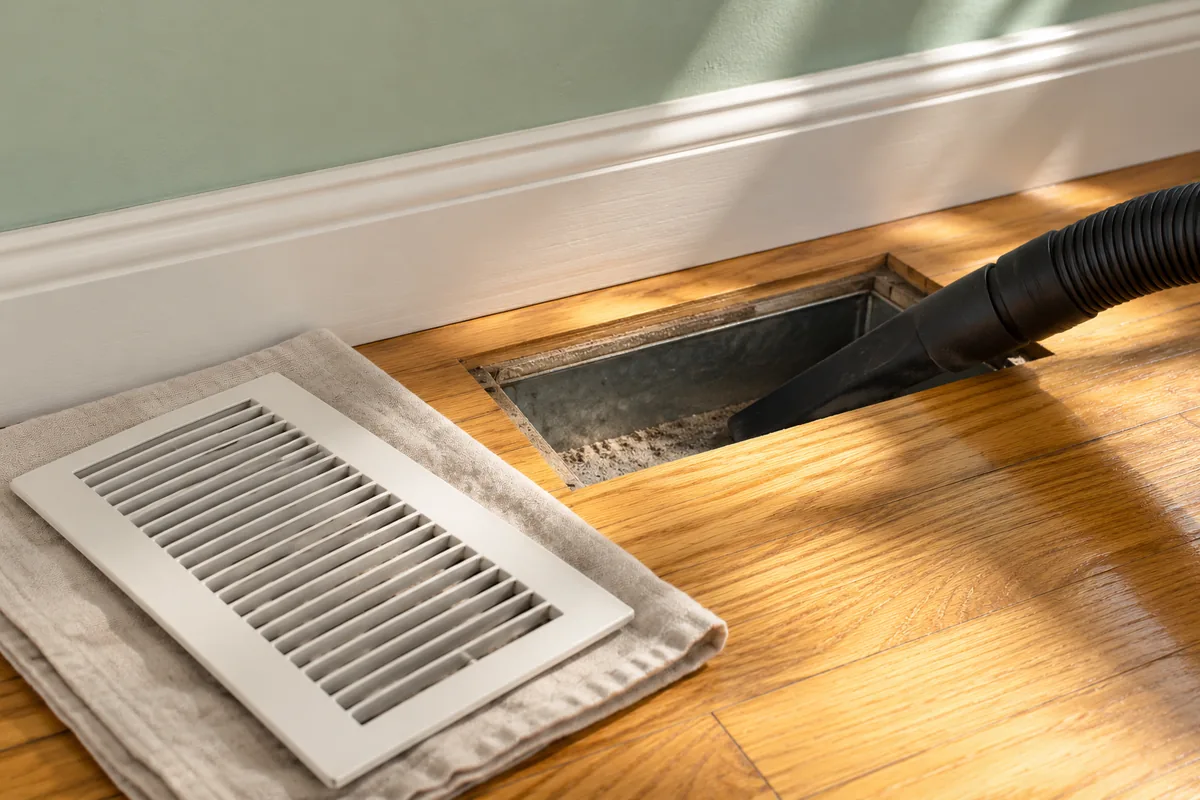
Maintenance should match the installed equipment and its current condition. Establish which air-path, coil, drainage and control tasks are included rather than relying on a fixed checklist for every system.
Keep ordinary care points separate from areas that need professional access. Show the route to the indoor equipment and outdoor unit. Mention a locked space or any access change since installation. Leave panels, wiring and internal components alone when preparing for the visit.
Routine care and further testing serve different purposes. A new unit can develop a fault, and an older retained component may still operate normally; current findings, not age alone, determine the next step.
Routine care does not mean adding refrigerant at every appointment. The cooling system should not use it up like fuel. If the visit raises a concern about refrigerant leaks or charge, ask what the checks show and what the next step covers. Do not treat a top-off as an automatic part of the new equipment’s care plan.
Active Faults and Unfinished Installation Work
Report a loss of cooling, ice or water around equipment when arranging the visit. Those symptoms need a clear place in the request. Do not describe an active failure only as a routine tune-up. The booking should match the problem you need the company to address.
Our AC repair service in Beaverton addresses an active cooling fault. If maintenance reveals a separate repair need, review the proposed work and price before approval. Keep any deferred recommendation in the service record.
Identify any concern already listed at installation handover. Ask how that open item will be addressed alongside current care so a completed tune-up does not obscure it.
Ongoing Care and Follow-Up
Keep completed tasks, findings and follow-up recommendations by unit, distinguishing owner care from professional work.
Plan later care around the equipment guidance, use and filter history. Report a new cooling symptom when it appears rather than waiting for the next calendar reminder.
Request AC maintenance in Beaverton from HVAC & Appliance Repair Guys and describe what changed at installation and how the equipment has cooled since.
Frequently Asked Questions
Can I book the visit if the installation paperwork is missing?
Share the equipment details and history you know, and mention any missing paperwork when booking. Leave panels closed; you do not need to obtain internal model labels before requesting service.
How should I describe uneven cooling after installation?
Name the affected room, when the concern appears and whether airflow is weak or the moving air stays warm. Mention whether it began at handover or later. Use observations from normal operation instead of forcing the equipment to reproduce a fault.
Can I include other heating and cooling equipment in the request?
Name the additional equipment before booking. A broader HVAC maintenance visit in Beaverton has a different scope from care for one cooling system. Confirm which units and tasks the appointment includes rather than assuming every system belongs to the same request.
Request AC Maintenance in Beaverton, OR
For AC maintenance in Beaverton, OR, call HVAC & Appliance Repair Guys or submit a service request through the form on this page.