



Walk-In Cooler Repair in Portland Metro
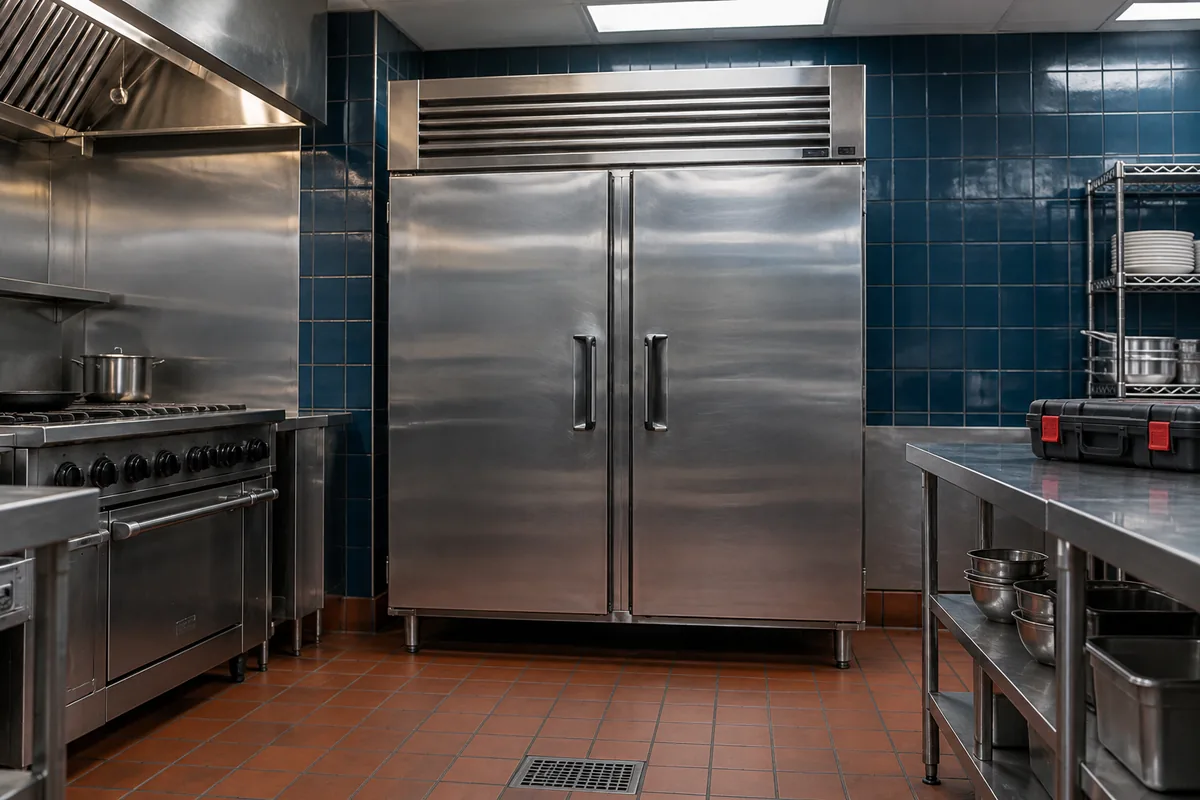
HVAC & Appliance Repair Guys provides walk-in cooler repair in Portland Metro. We assess the storage room and its cooling equipment to understand the fault and the work needed. A warmer room, repeated alarms or a system that runs without recovering temperature can have different causes.
Uneven cooling, ice buildup and changes in equipment noise provide diagnostic clues. The assessment considers how the cooling equipment, controls and door condition relate to the symptom. A recent delivery, extended door use or power interruption adds context, but does not establish the cause.
Share available temperature readings with their times, the usual operating pattern and accessible equipment labels. Separate components may have separate model numbers. Mention locked areas, roof access or stock that limits access. Staff should not climb, remove covers or change control settings to collect information.
Cooling Equipment, Airflow and Ice Buildup
Depending on the installed system and symptom, a technician may assess temperature controls and sensors, fan operation, coil condition, defrost operation where applicable, and refrigeration components. Testing helps distinguish a component fault from restricted airflow or another condition affecting cooling, so the proposed repair addresses the diagnosed problem.
The repair scope should identify the affected component or condition and the work needed to correct it. Relevant checks after that work may include temperature response, airflow and control operation. Clearing an alarm or removing visible ice alone does not establish that the cause has been corrected.
Protect stored products through your established business procedures while the problem remains open. A service appointment does not decide whether those products are suitable for use. Let the site contact know about the fault and the current storage plan. The technician also needs to understand whether stock limits access to the affected area.
Door Seals, Room Condition and Repair Boundaries
A door that drags, fails to latch or has a damaged gasket can affect how well the room holds its temperature. Door alignment, hardware and the seal need to be considered together. A visible gap may contribute to the problem without being its only cause.
A cooling-equipment repair may not resolve damage to the door, panels or surrounding building. The estimate needs to distinguish the diagnosed refrigeration fault from any separate room or building work. Access requirements and the person authorized to approve the work also affect the service plan.
For a stand-alone cabinet, start with our commercial refrigeration repair service. Tell us whether you have a cabinet or a walk-in room so we can plan the assessment and estimate for the correct equipment.
Repair Estimates, Replacement Decisions and Scheduling
We explain the diagnosed fault and proposed repair before approved work begins. Confirm which equipment or room issue the estimate covers, the required work and any follow-up checks. A component repair, replacement of refrigeration equipment, and work on the insulated room or door are different scopes; the proposal should make that distinction clear.
An isolated fault in otherwise serviceable equipment may support a targeted repair. Repeated failures, extensive wear, parts availability or a room that has always struggled with demand may warrant comparing that repair with a wider equipment change. Age alone does not settle the choice. Any redesign or new installation should be assessed and agreed separately from the repair.
A room intended to hold frozen stock has a different operating purpose. Our walk-in freezer repair service covers that type of request. Describe how your room normally operates. A warm display alone does not identify the right service.
Timing depends on access, the diagnosis and any required parts; further testing or a parts order may require another visit. Contact HVAC & Appliance Repair Guys to request walk-in cooler repair in Portland Metro. Share the performance change and equipment details, and keep the repair record for any follow-up.
Walk-In Cooler Repair by City
Choose your city for local service information.
Oregon: Portland, Beaverton, Hillsboro, Gresham, Salem, Tigard, Tualatin, Lake Oswego, Oregon City, Milwaukie, Wilsonville, Happy Valley, Clackamas, Sherwood, West Linn, Aloha, Aurora, Canby, Donald, Forest Grove, Gervais, Hubbard, Keizer, Newberg, Scappoose, Troutdale, Woodburn.
Washington: Vancouver, Camas, Washougal, Battle Ground, Brush Prairie, La Center, Ridgefield, Woodland.
Frequently Asked Questions
Do you need model numbers for both parts of the system?
Send the accessible labels you have and explain where each one belongs. Separate components may have separate identities. We can review those details before the visit, without asking staff to enter unsafe areas or remove panels.
Does a warm room mean the compressor has failed?
No. A warm room is a symptom that needs assessment. The temperature history, door condition, controls and equipment behavior all provide context. Testing guides the repair decision instead of a single guessed cause.
Can a repair solve a cooler that has always struggled with demand?
Explain that history before scheduling. A new fault and a longstanding capacity concern may need different work. We can clarify the request so a repair estimate does not imply a redesign of the storage system.
Request Walk-In Cooler Repair in Portland Metro
For walk-in cooler repair in Portland Metro, call HVAC & Appliance Repair Guys or submit a service request through the form on this page.