


Walk-in cooler repair for temperature problems in Beaverton
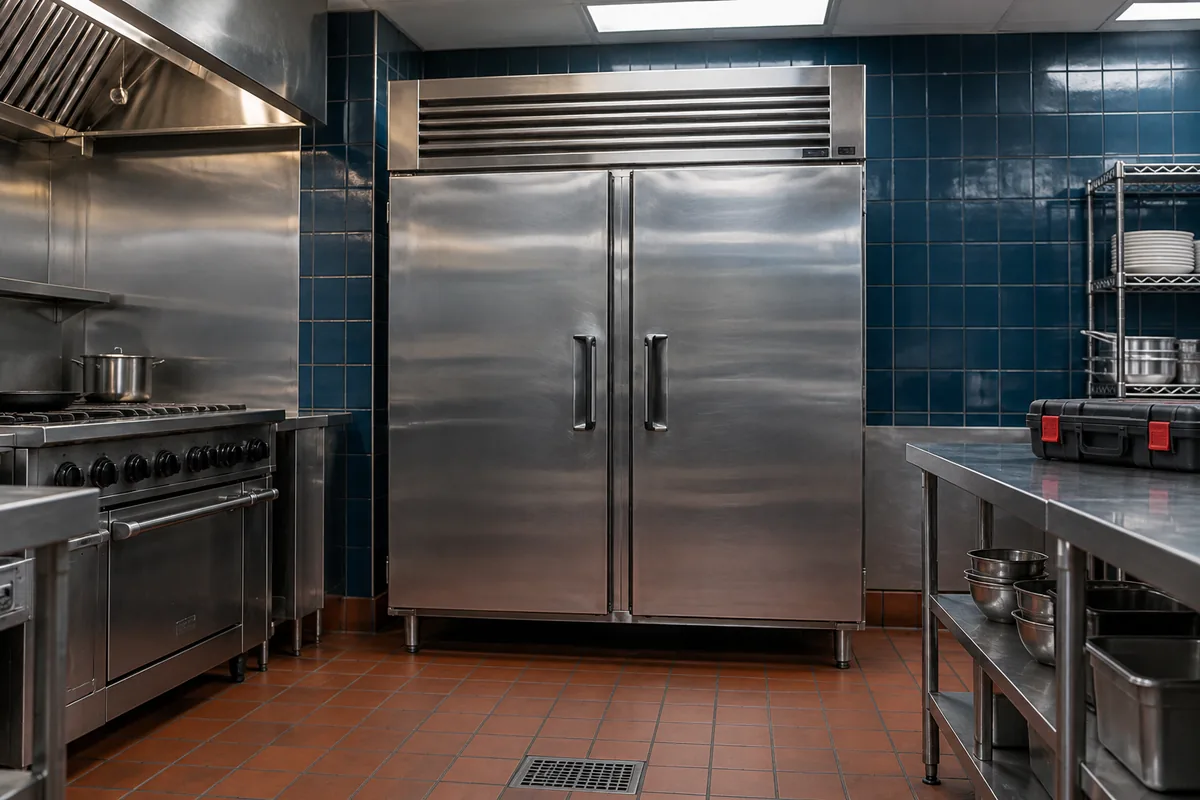
A walk-in cooler that stays warm after the rush needs a clear account of what changed. For a Beaverton service request, describe how the room used to recover, what it does now and when the difference began. HVAC & Appliance Repair Guys assesses the storage room and cooling equipment, then explains the diagnosed fault and proposed work before an approved repair.
A temperature rise during loading and a room that remains warm with the door closed give different diagnostic clues. Air entering through a poorly sealing door, restricted airflow, coil ice and refrigeration faults can each affect performance. The timing helps guide the assessment; it does not establish that a delivery or a particular part caused the problem.
Include existing temperature records with their times, the displayed alarm and any recent power interruption or service work. Note whether the concern affects the whole room or one storage area. Keep stock handling under your business procedures while the equipment is assessed.
Room conditions and cooling equipment considered together
The room, evaporator and condensing unit may have separate labels and different service histories. Diagnosis considers their relationship to the reported fault. These are assessment areas, with the actual repair scope defined after the system and its condition are identified:
- Door closure and visible seal condition where outside air may enter
- Evaporator coil condition and airflow through the storage room
- Condensing-unit operation in relation to the room temperature
- Drain-pan and drain-line conditions where water is appearing
- Temperature controls, sensor exposure and reported alarms
- Stock placement and other obstructions along the air path
Symptoms to include when the cooler will not recover
Report what staff can observe during normal use. A running fan does not establish that the refrigeration system is cooling correctly, and a warm display does not identify a failed compressor. Explain whether the symptom is continuous, returns at certain times or has changed since the first occurrence.
- The room stays above its usual operating range after door use has eased
- Visible frost or ice appears on the evaporator and airflow seems weaker
- A fan sounds different, stops intermittently or no longer moves air as before
- The door catches, fails to latch or has a visible seal gap
- Water collects below the cooling equipment or repeatedly appears on the floor
- Display readings differ from routine records; include the time and measurement location
Which equipment details help identify the system?
Send accessible model information for the room and cooling equipment, noting which label belongs to which component. Existing service records can show whether a part was replaced before the current fault. Do not climb, remove covers or enter a restricted area to find a label. Describe inaccessible equipment so access can be planned.
From the reported symptom to a repair estimate
The assessment connects the temperature history to equipment operation and room conditions. A room-air display and a product measurement describe different things; their readings need context. Sensor exposure can also affect the displayed value. Cooler defrost and fan arrangements vary, so the installed system guides any technical checks.
- Confirm the walk-in setup, recent change, available records and access requirements.
- Relate the reported fault to airflow, visible ice, door condition and drainage as relevant.
- Assess the controls and cooling equipment against the identified system and symptom.
- Explain the finding and proposed repair, including which work the estimate covers, before approval.
When a repair estimate needs a wider comparison
An isolated equipment fault and a room that has always struggled with its workload raise different questions. Compare the diagnosed problem with previous failures, parts support and the condition of the insulated enclosure. The age of one component alone does not settle whether the whole walk-in needs replacement.
A component repair, replacement of refrigeration equipment and work on the insulated room are separate scopes. Ask which issue the estimate addresses and whether another room or building concern needs its own assessment. Describe any planned change in storage use before deciding what work to approve.
Arrange access for a Beaverton cooler assessment
Provide the service address, normal delivery windows and a site contact who can arrange access and approve work. Mention locked equipment areas, fixed racks or stock that limits the route to the cooling equipment. Timing depends on access, the diagnosis and any required parts.
When requesting service, lead with the current temperature concern, any access hazard and whether operation has changed since the fault began. Include actions staff have already taken. Leave internal adjustments and testing to the assessment so the repair decision can use a clear symptom history.
Related commercial repair services
Identify the equipment type when requesting help. A walk-in room used for chilled storage, a freezer room and a stand-alone refrigerated cabinet have different operating purposes and layouts.
Frequently Asked Questions
Why is my walk-in cooler warm even though the fans run?
Fans running does not confirm correct refrigeration. Airflow, coil condition, doors, controls, refrigerant-side issues and load all need to be checked.
Can you repair walk-in cooler doors and gaskets?
Yes. Door hardware and gasket problems are common causes of temperature loss, frost, condensation and long run times.
What details help before scheduling?
Current box temperature, whether the coil is iced, door condition, fan behavior and any recent power or service changes are helpful.
Can you work around deliveries?
Tell us delivery windows and access constraints so the visit can be planned when the box can be inspected safely and efficiently.
Request Walk-In Cooler Repair in Beaverton, OR
For walk-in cooler repair in Beaverton, OR, call HVAC & Appliance Repair Guys or submit a service request through the form on this page.