

Goodman AC Repair Beyond the Outdoor Cabinet
HVAC & Appliance Repair Guys provides Goodman AC repair in Portland Metro. The outdoor unit works with indoor equipment to deliver cooling. When the house stays warm, the fault may involve more than the part you can hear or see outdoors. We assess the system and explain the proposed repair.
Start with the result: no cooling, weaker air at the vents or a system that no longer starts normally. Our AC repair service covers the general request. The indoor and outdoor models help us connect that complaint to the system actually installed.
ComfortBridge Controls and Indoor Equipment
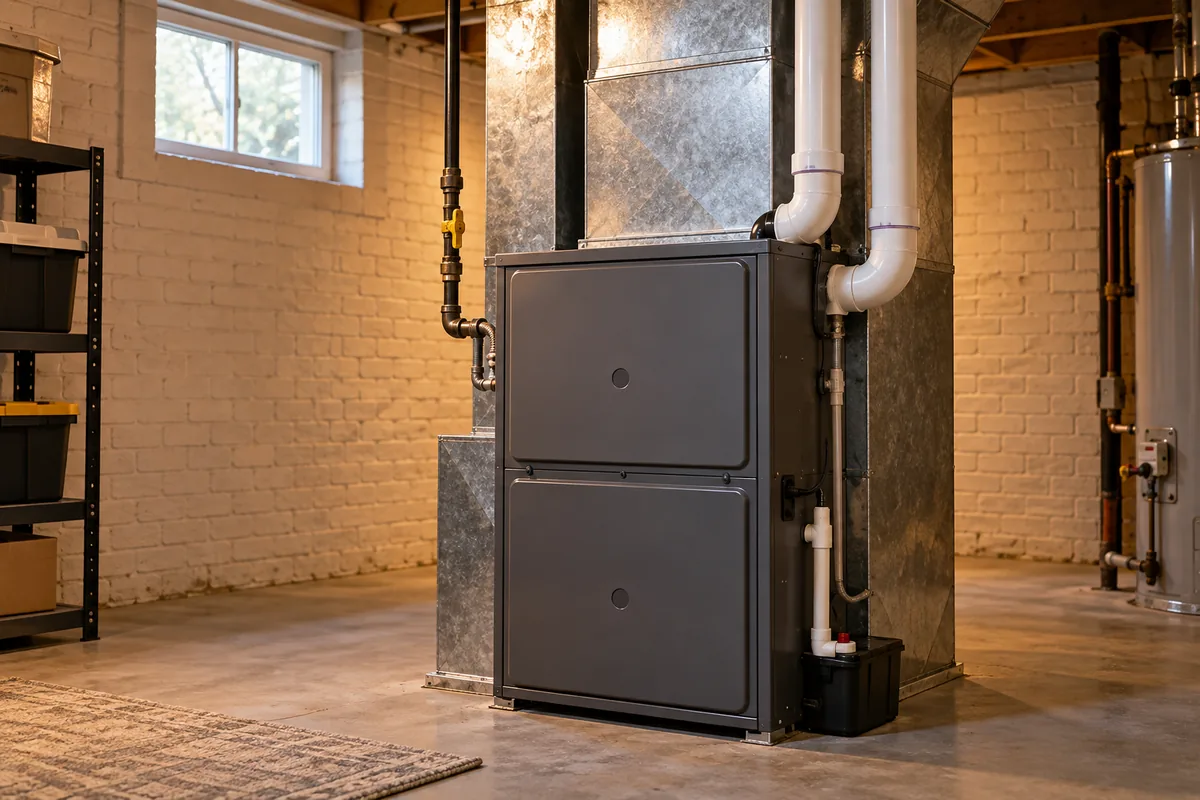
Selected Goodman furnaces and air handlers use ComfortBridge technology within the indoor equipment. A simple-looking wall thermostat therefore does not tell the whole story about the control setup. We identify the equipment before deciding how to assess a cooling request or alert.
This feature does not apply to every Goodman installation. Share the model and any message you already saw instead of replacing the thermostat based on appearance. We assess the control concern with the connected system, without asking you to change wiring or installer settings.
An Outdoor Unit That Hums or Stays Quiet
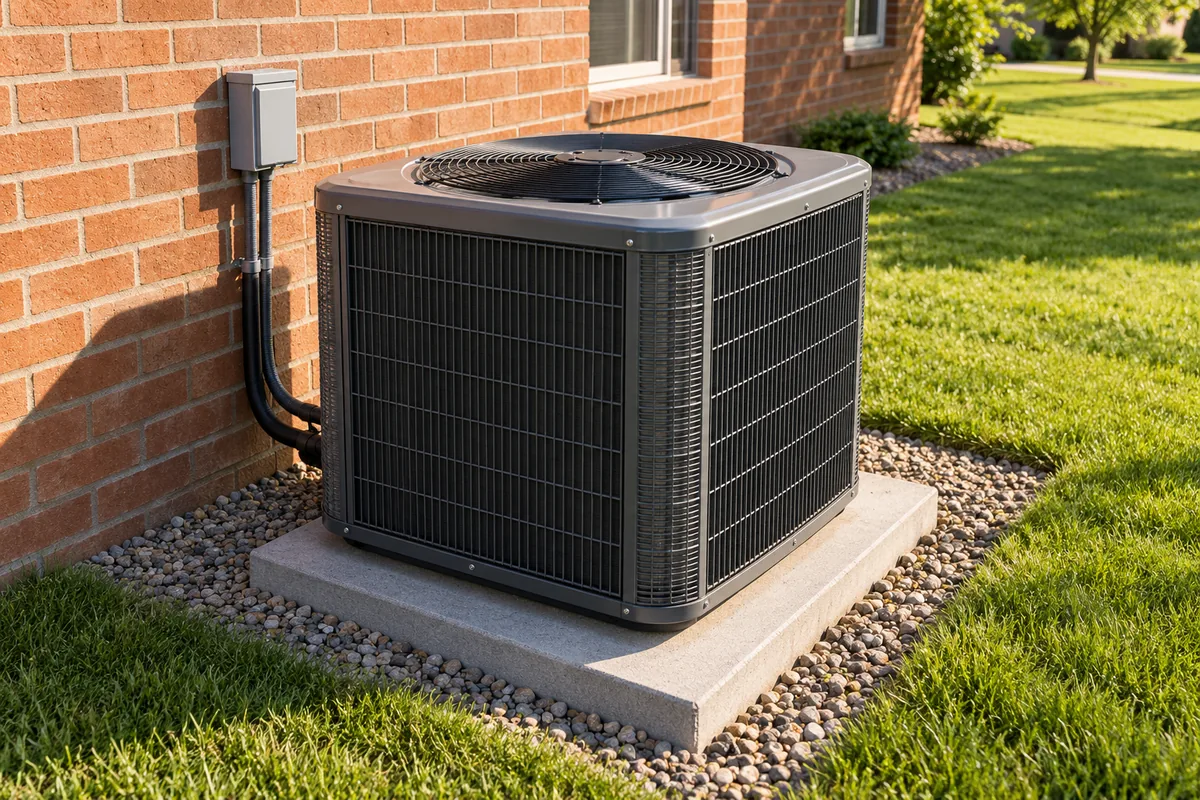
A hum can draw attention to the outdoor cabinet, but the sound does not prove that a capacitor needs replacement. Tell us whether the indoor fan runs and what changed in cooling. The technician checks the relevant components and their operating conditions before proposing a part.
A silent outdoor unit also needs more than a guess. Leave service covers and guards attached. Do not press a switch inside the unit, reach through a fan grille or repeat breaker resets to make it start. We can begin with your observations from normal use.
Airflow and the Indoor Equipment
Describe whether the problem affects the whole home or one area. Weak airflow and air that feels warm are different concerns, even when they appear together. Say whether the indoor sound or airflow changed at the same time as the loss of cooling.
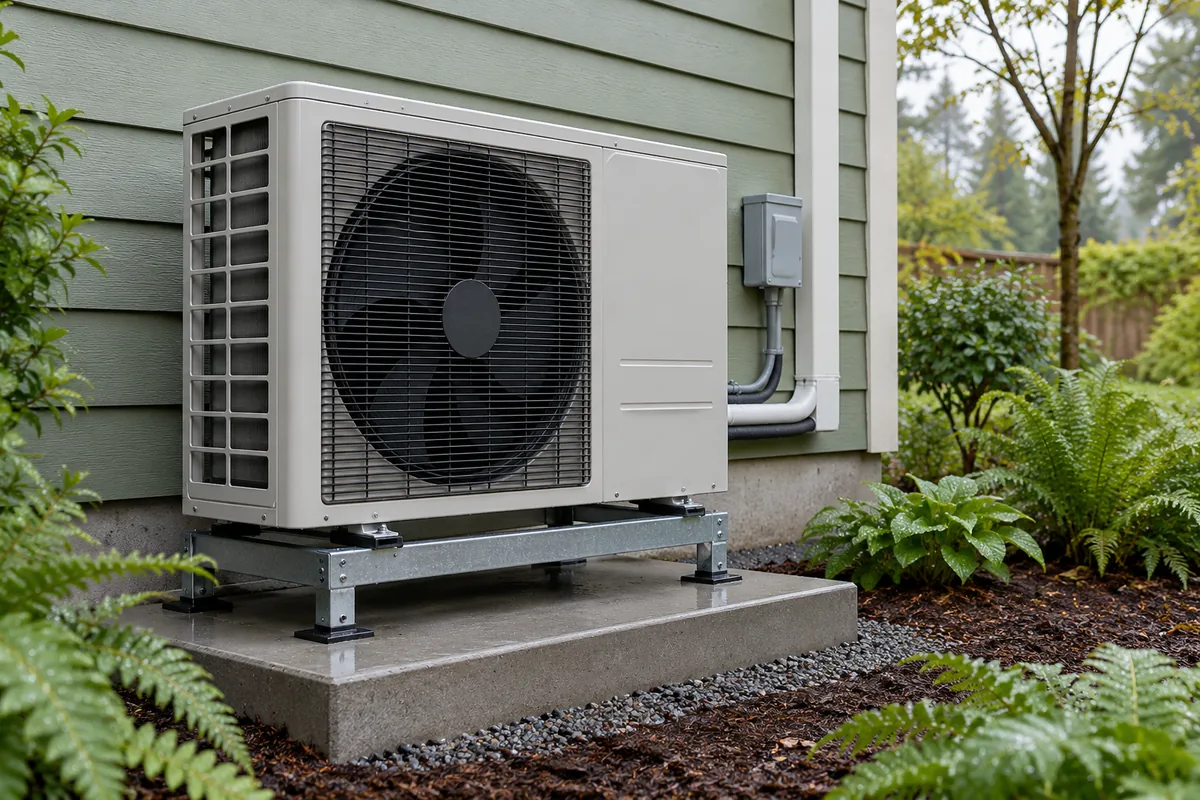
We consider the indoor coil and blower alongside the outdoor unit. The fitted system determines which checks apply. If the equipment also provides heat as a heat pump, our Goodman heat pump repair covers that distinct request. A similar outdoor cabinet does not establish its heating function.
Water or Ice During Cooling
Turn cooling off when visible ice develops, and leave the ice alone. Do not use a tool or heater to remove it. Tell us where it appeared and whether the airflow had weakened. We assess the underlying concern rather than treating ice as a diagnosis by itself.
For water, describe the first wet area and whether it is spreading. Keep clear of moisture near electrical equipment and stop use if water threatens the surrounding area. Leave drain and cabinet parts attached. We assess the cooling-system issue separately from any damage to floors or walls.
Repair or Replacement for the Current Fault
Tell us whether the system cooled the home well before this fault. A sudden breakdown and years of uneven room temperatures may require different discussions. Earlier repair records can help explain the history, but they do not prove the cause of a new symptom.
We explain the findings and any parts needed for the proposed work. Our Goodman AC replacement covers a planned system change if you want to compare options. Consider the indoor equipment and longstanding comfort needs alongside the price of repairing the current fault.
Contact HVAC & Appliance Repair Guys to request Goodman AC repair and describe the current cooling, airflow and startup problem.
Frequently Asked Questions
Should I open the air handler to find its model?
No. Share labels you can read safely without opening a cabinet. If the indoor unit is hard to reach, describe where it sits. We can discuss access for the visit without asking you to enter the equipment.
Request Goodman AC Repair in Portland Metro
For Goodman AC repair in Portland Metro, call HVAC & Appliance Repair Guys or submit a service request through the form on this page.