


Heat Pump Repair in West Linn
HVAC & Appliance Repair Guys provides heat pump repair in West Linn, OR. Service can address lost heating or cooling, weak airflow, repeated stops and a system that runs without keeping rooms comfortable. The assessment determines the repair; if a part is needed, its availability and the return timing must then be confirmed.
Tell us what changed and which mode was in use. Existing indoor and outdoor model details can help identify the setup, but you do not need to open a cabinet to obtain them. The actual equipment and findings guide any part choice.
Heating, Cooling, Airflow and Ice
A system that works in one mode but fails in the other needs a different assessment from one that never starts. Describe indoor air movement separately from useful heat or cooling, and mention whether one room or the whole home is affected.
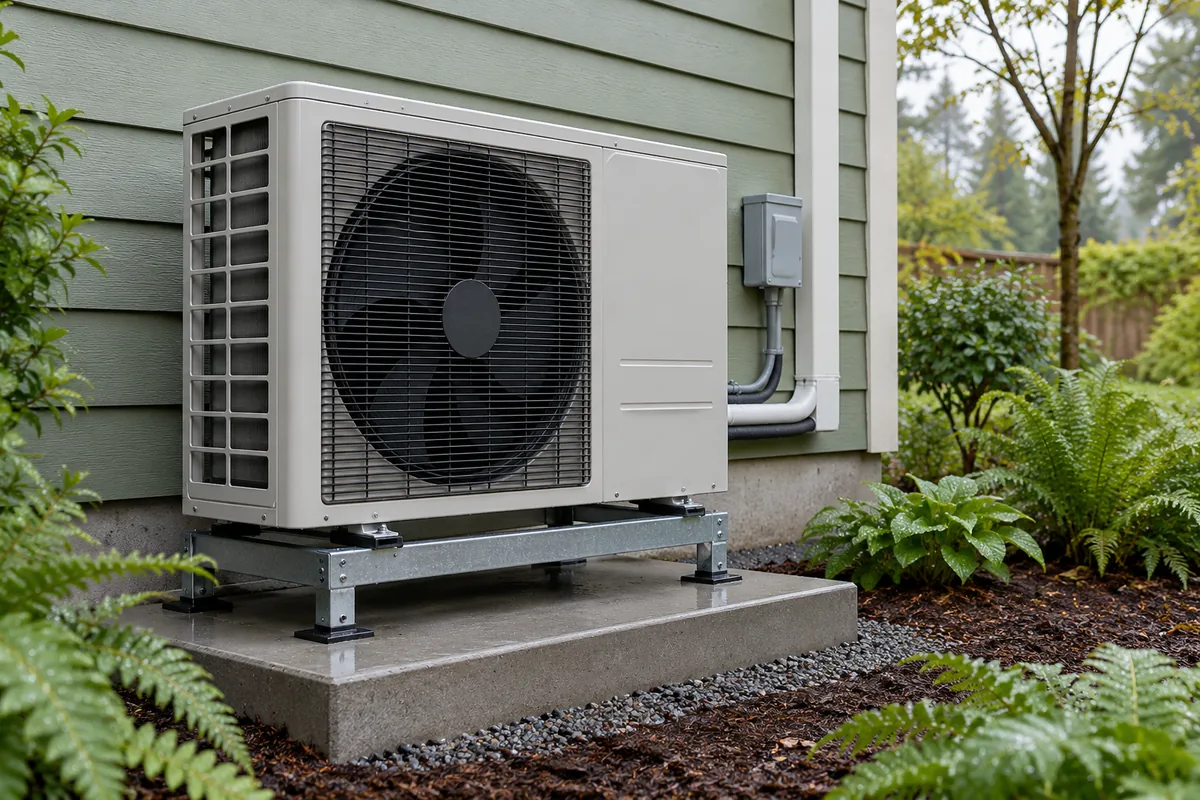
Frost can occur outdoors during heating and clear through defrost. Heavy ice that persists while the home loses heat needs assessment. Do not chip the coil or force the fan, and avoid repeatedly restarting the unit to test it.
Our heat pump repair service follows the confirmed equipment findings. Review added work or a larger new-system project separately from the needed component repair. If supply issues lead to a different proposal, ask what each added task would address.
Part Availability, Orders and Return Visits
Ask whether the correct part is still being identified, available to order or already ordered. A repair estimate alone does not confirm an order. If a different item is proposed, ask why it suits the installed equipment and review any change in work or price.
Part arrival, a service appointment and repair completion are separate events. Discuss timing with the information currently available, and keep an estimated date distinct from a confirmed arrangement.
Mention access or scheduling limits, including locked equipment areas, when discussing a return. They can affect the appointment plan without guaranteeing a particular time.
Waiting for Parts or Replacing the System
If supply remains unclear, ask which choice you can make now and which needs more facts. Preserve the confirmed fault even while the supply question stays open. A delay in obtaining a part does not change the diagnosis by itself. It may change which route you prefer.
Keep a whole-system replacement proposal separate from the component repair. Compare the equipment included, retained items, related work and stated result. An unclear part date does not define the scope of a heat pump installation.
A new setup may have its own timing and access needs. Ask for those details before treating replacement as the faster choice. For installation or replacement, a free on-site estimate can define the proposed project. That estimate is separate from an active repair diagnosis.
Changed Symptoms While Repair Is Pending
Report a new message, a loss of another mode or a brief return to normal use. Keep each change with its date and the original finding. A unit starting again does not automatically cancel the diagnosed concern. The current condition may need review before the proposed work proceeds.
Follow the guidance from the visit for the unit you have. Do not bypass a control or keep restarting a failing system while waiting for a supply answer. Describe observations from normal use rather than forcing a test. If the guidance is unclear, clarify it before changing the setup.
Our HVAC repair service in West Linn covers concerns involving other heating or cooling equipment. Identify separate systems when discussing an added request, and confirm their scope.
Repair Approval and Operating Results
Before approval, review the task, price and parts status together. Ask what the next step is and what proposal changes would need another decision.
After the work, discuss the installed part, operating check and any remaining concern. For planned care of the same equipment, heat pump maintenance is a separate request from resolving the active fault.
Request heat pump repair in West Linn from HVAC & Appliance Repair Guys through the service form below. Describe the current fault and any part or return visit already under discussion, with model details from existing records if available.
Frequently Asked Questions
Does an older heat pump always need parts that are hard to find?
No. Age alone does not show whether we can get the exact part the repair needs. Keep the actual model and finding with the supply review. Avoid deciding from a general assumption about older systems.
Should I buy a similar-looking part while availability is unclear?
Let the equipment requirements and confirmed repair determine the needed item. A similar appearance does not establish a suitable match. Review the proposed part and work scope before arranging supplies.
Can I choose a repair before every possible replacement option is clear?
You can review the defined repair on its own terms. Make sure its current scope, price and supply limits are clear. If those limits affect your choice, resolve the relevant question before approval.
Request Heat Pump Repair in West Linn, OR
For heat pump repair in West Linn, OR, call HVAC & Appliance Repair Guys or submit a service request through the form on this page.